


Vitiligo is one of the most recognised pigmentary skin conditions, but you’ll often hear dermatologists describe it as medically complex and emotionally challenging for many patients. In recent years, research has expanded quickly, with new discoveries involving immune pathways, targeted therapies, phototherapy techniques, and regenerative medicine continuing to emerge. Because the field is evolving so rapidly, international vitiligo conferences have become an increasingly important part of dermatology education and research.
At these conferences, you’ll see dermatologists joining specialists from many different areas, including immunology, pigment disorders, psychology, and patient advocacy. These meetings give professionals the chance to review the latest evidence, discuss treatment developments, compare clinical experiences, and gain a broader understanding of how vitiligo affects patients both physically and emotionally. The collaborative environment helps specialists stay informed about the newest approaches to diagnosis, monitoring, and long-term management.
For you as a patient, the value of these conferences may not always be visible directly, but the discussions taking place there often shape future clinical practice. Dermatologists use the knowledge gained from these meetings to refine treatment strategies, improve patient counselling, and stay updated on emerging therapies and research trends. Ultimately, this ongoing education helps support more informed, evidence-based, and personalised care for people living with vitiligo.
Vitiligo Research Is Advancing Rapidly
One of the main reasons you’ll see dermatologists attending international vitiligo conferences is because research in this area is moving incredibly quickly. Over the past few years, scientists have developed a much deeper understanding of the autoimmune and inflammatory processes involved in vitiligo, which has significantly influenced how the condition is studied and managed.
You’ll also notice that new therapies, immune-targeted treatments, and combination approaches are being introduced and discussed more regularly than ever before. Conferences give dermatologists the chance to stay up to date with these developments, review emerging clinical evidence, and understand how new findings may eventually influence patient care in everyday practice.
Because the science is evolving so rapidly, ongoing education is becoming increasingly important. By attending these meetings, you can see how specialists refine their knowledge, compare clinical experiences, and evaluate which treatment strategies appear most promising for the future management of vitiligo.
Learning About New Treatment Options
At international vitiligo conferences, you’ll often see emerging treatments being discussed long before they become widely recognised in routine clinical practice. Dermatologists attend these meetings to review early research findings, examine treatment outcomes, and understand the latest safety data surrounding new therapies. This allows specialists to stay informed about developments that may eventually influence future patient care.
You’ll commonly hear discussions around treatments such as JAK inhibitors, advances in phototherapy, targeted immune therapies, regenerative medicine, and various combination treatment approaches. Specialists also spend time exploring which patients may respond best to certain therapies, as treatment effectiveness can vary depending on disease activity, skin type, and individual clinical factors.
For you as a patient, this ongoing education helps clinicians make more informed and evidence-based decisions when managing vitiligo. By staying updated on evolving research and treatment strategies, dermatologists are better equipped to personalise care, discuss realistic expectations, and adapt management plans as new evidence becomes available.
Understanding the Autoimmune Nature of Vitiligo

Modern vitiligo research is increasingly focused on the immune system and the inflammatory pathways involved in the condition. At conferences, you’ll often hear detailed presentations explaining how certain immune cells mistakenly attack melanocytes, the cells responsible for producing skin pigment. This growing understanding has significantly changed how vitiligo is viewed within dermatology.
Dermatologists attend these sessions to gain a clearer understanding of the biological mechanisms driving the disease and to explore how immune-targeted treatments may help control or slow progression. You’ll notice that many of the newer therapies being discussed are based directly on these discoveries about immune dysfunction and inflammation.
As scientific understanding improves, treatment strategies also tend to become more refined and evidence-based over time. For you as a patient, this means that research into disease biology is not just theoretical; it often directly influences how future therapies are developed and how vitiligo may eventually be managed more effectively.
Reviewing JAK Inhibitor Research
If you’re following new developments in Vitiligo treatment, you may have noticed that JAK inhibitors are now one of the most widely discussed topics at international dermatology conferences. These newer therapies target specific immune pathways involved in pigment loss, and researchers are increasingly studying how they may fit into future vitiligo management.
- Why JAK inhibitors are attracting attention: You may hear specialists describe JAK inhibitors as a more targeted approach to treatment. Rather than only addressing the visible skin changes, these medicines aim to influence the underlying immune activity involved in vitiligo.
- Topical and oral treatments are both being studied: Conferences often include presentations on both topical creams and oral JAK inhibitor therapies. Researchers continue comparing how effective these options are, which patients respond best, and how practical they may be for long-term use.
- Focus on repigmentation results: One major discussion area is how much repigmentation patients achieve and how consistent the results remain over time. You may see researchers evaluating which body areas respond best and how durable improvements appear after treatment.
- Long-term safety is a key concern: Because these therapies are still relatively new in vitiligo care, specialists are paying close attention to safety monitoring. Conferences regularly review side effects, immune-related concerns, and long-term treatment data before broader recommendations are made.
- Understanding who may benefit most: Dermatologists also discuss which patients appear most suitable for JAK inhibitor treatment. Factors such as disease stability, activity level, previous treatment response, and extent of vitiligo may all influence outcomes.
Conference discussions help your clinician interpret this emerging research carefully and responsibly. Rather than rushing new therapies into widespread use, specialists aim to balance innovation with long-term safety and evidence quality. Ultimately, this cautious and research-driven approach helps support safer and more personalised vitiligo treatment in the future.
Improving Phototherapy Knowledge
Phototherapy continues to be an important treatment option for many people with vitiligo, and at conferences you’ll often see specialists reviewing the latest advances in ultraviolet light treatment protocols and combination therapies. These discussions help dermatologists stay updated on how phototherapy techniques are evolving and how outcomes may be improved over time.
You’ll frequently find dermatologists attending workshops and presentations focused on narrowband UVB therapy, excimer laser treatment, and different strategies designed to support safer and more effective repigmentation. Specialists also discuss how treatment timing, dosing schedules, and combination approaches may influence results in different patients.
This ongoing education helps improve the consistency and effectiveness of phototherapy use in everyday clinical practice. For you as a patient, that can mean more informed treatment planning, better monitoring, and a greater focus on balancing effectiveness with long-term skin safety.
Discussing Challenging Patient Cases
At vitiligo conferences, you’ll often see sessions dedicated to discussing difficult or unusual patient cases. These discussions give dermatologists the opportunity to learn how specialists from different countries and healthcare systems approach complex clinical situations, which can provide valuable insight beyond standard textbook guidance.
You may hear conversations involving rapidly progressive vitiligo, treatment-resistant disease, extensive depigmentation, or patients who also have other autoimmune conditions. By reviewing real cases, specialists can compare treatment strategies, discuss what worked well, and explore the challenges involved in managing more complicated presentations.
For you as a patient, this type of shared clinical learning is important because it helps dermatologists expand their practical experience and problem-solving skills. Conferences are not only about research and new technology; they also allow clinicians to learn from real-world patient care, which remains a vital part of ongoing medical education.
Understanding Psychological Impact Better
At vitiligo conferences, you’ll increasingly see recognition of the emotional and psychological impact that visible skin conditions can have on patients. Many dermatologists attend sessions focused on issues such as anxiety, self-confidence, social stigma, and the overall effect vitiligo may have on quality of life. These discussions highlight that the condition affects far more than just the skin itself.
You’ll often find psychologists, patient advocates, and dermatologists contributing to these conversations together, which helps create a more balanced understanding of the patient experience. Emotional wellbeing is now viewed as an essential part of vitiligo management rather than something separate from medical treatment.
This broader perspective helps clinicians provide more compassionate and holistic care. For you as a patient, it means dermatologists are increasingly encouraged to consider not only physical treatment outcomes, but also the emotional support, reassurance, and communication needed throughout the management process.
Learning About Paediatric Vitiligo
Vitiligo in children can present very different challenges compared with adult disease, which is why conferences often include sessions dedicated specifically to paediatric care. Dermatologists attend these discussions to better understand issues such as treatment tolerability, emotional wellbeing, and how younger patients should be monitored over the long term. Managing vitiligo in children often requires a more cautious and supportive approach.
You’ll frequently hear specialists discussing how childhood vitiligo may behave differently from adult vitiligo, including variations in disease progression and treatment response. Conferences also explore which therapies appear most suitable and safest for children, particularly when balancing effectiveness with long-term skin health and overall wellbeing.
This ongoing education helps clinicians provide more informed and compassionate care for both children and their families. For you as a parent or caregiver, it means dermatologists are increasingly aware of the emotional and practical challenges involved in paediatric vitiligo and are working towards more personalised and family-focused management strategies.
Staying Updated on Surgical Treatments
Although surgical treatments are not suitable for every vitiligo patient, you’ll often see them discussed at international conferences because the field continues to evolve steadily. Dermatologists attend presentations covering techniques such as melanocyte transplantation, skin grafting, and newer cellular therapies, all of which are being refined to improve repigmentation outcomes in carefully selected patients.
Conference discussions usually focus on important factors such as patient selection, treatment stability, long-term results, and the likelihood of achieving consistent repigmentation after surgery. You’ll notice that specialists place strong emphasis on choosing the right candidates, as surgical approaches are generally considered most appropriate for stable vitiligo that has not responded well to medical treatment.
For you as a patient, this ongoing education helps dermatologists better understand when surgical options may or may not be appropriate. By staying updated on evolving techniques and clinical evidence, specialists are able to guide suitable patients more accurately and provide clearer expectations about potential benefits, limitations, and long-term outcomes.
Learning About Combination Therapy Approaches
Modern vitiligo management is increasingly moving towards combination therapy rather than relying on a single treatment alone. At conferences, you’ll often hear specialists discussing how approaches such as phototherapy, topical medications, immune-targeted treatments, and surgical procedures may work together to improve overall outcomes in selected patients.
Dermatologists attend these sessions to better understand how different therapies can be combined safely and effectively depending on factors such as disease activity, skin type, treatment response, and the extent of pigmentation loss. You’ll notice that the focus is usually on creating more personalised treatment strategies rather than applying the same approach to every patient.
As research continues to evolve, combination planning is becoming an increasingly important part of pigment disorder management. For you as a patient, this means clinicians are paying greater attention to tailoring treatment plans in ways that may improve repigmentation results, long-term stability, and overall quality of care.
Understanding Disease Stability
One of the major research topics you’ll often hear discussed at vitiligo conferences is disease stability. Dermatologists and researchers are trying to better understand why vitiligo remains stable in some people while progressing more rapidly in others. This is considered especially important because treatment choices and outcomes can vary significantly depending on how active the condition is.
At these meetings, researchers frequently present findings related to inflammatory markers, immune system activity, and possible biological indicators that may help predict disease progression or treatment response. You’ll notice growing interest in identifying patterns that could help clinicians recognise active disease earlier and manage it more effectively.
As understanding of disease behaviour improves, dermatologists hope this knowledge will support more personalised treatment strategies in the future. For you as a patient, that could eventually mean therapies being selected not only based on the appearance of vitiligo, but also on how your individual disease pattern is likely to behave over time.
Exploring Regenerative Medicine Research
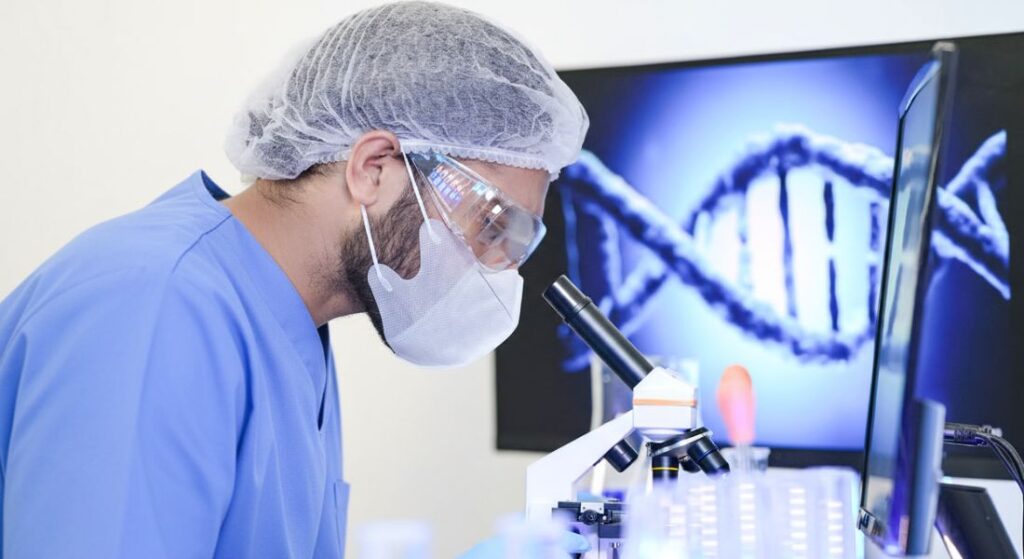
Regenerative medicine is becoming an increasingly important topic at international vitiligo conferences. Researchers are exploring new ways to restore pigment by focusing on cellular repair, melanocyte replacement, and advanced repigmentation techniques. While many of these approaches are still experimental, they offer insight into how vitiligo treatment may develop in the future. Conferences help specialists evaluate which new ideas appear genuinely promising and scientifically reliable.
- Melanocyte Transplantation Techniques: Researchers are studying procedures that involve transferring healthy pigment-producing cells into areas affected by Vitiligo. The aim is to encourage repigmentation in stable patches of skin. Some early results have shown encouraging outcomes in selected patients.
- Stem-Cell and Cellular Therapy Research: You may also hear discussions about stem-cell-related research and how regenerative medicine could potentially support pigment restoration. Scientists are investigating whether cellular therapies may improve healing and repigmentation responses in the future. However, many of these treatments are still considered investigational.
- Careful Evaluation of Emerging Treatments: Conferences allow dermatologists to assess new technologies critically rather than relying on marketing claims alone. Specialists discuss which treatments appear scientifically supported and which still need stronger evidence. This helps ensure future therapies are approached responsibly and safely.
- Understanding Future Treatment Possibilities: Even if some therapies are not yet available in routine practice, these discussions help clinicians stay informed about where vitiligo research is heading. You benefit when specialists understand future developments early and follow emerging evidence carefully. Ongoing research continues shaping the future of vitiligo care.
Regenerative medicine research represents an exciting and rapidly developing area within vitiligo treatment. Although many approaches are still experimental, scientific progress continues to improve understanding of pigmentation and skin repair. Over time, this ongoing research may contribute to more advanced and effective treatment options for patients with vitiligo.
Networking with International Specialists
At international vitiligo conferences, you’ll often see dermatologists connecting with colleagues from different countries, universities, and research centres. These meetings provide valuable opportunities to build professional relationships, exchange clinical experience, and learn how vitiligo is being managed across different healthcare systems and patient populations.
You’ll also notice that specialists frequently discuss shared clinical challenges, compare treatment approaches, and explore ideas for future research projects together. These conversations can help generate new studies, improve understanding of difficult cases, and encourage the development of more consistent treatment strategies across the global dermatology community.
For you as a patient, this international collaboration is important because it helps strengthen both vitiligo research and clinical care worldwide. When specialists share knowledge and work together across borders, new ideas and evidence can spread more quickly, ultimately supporting more informed, evidence-based, and personalised patient management.
Reviewing Emerging Technology
At international vitiligo conferences, you’ll increasingly see discussions centred around new imaging systems and digital monitoring technologies. Dermatologists attend these sessions to explore tools such as pigment mapping, advanced digital photography, artificial intelligence applications, and newer disease-monitoring systems that may help improve how vitiligo is assessed and tracked over time.
You’ll notice that many of these technologies are being developed to provide a more objective way of measuring disease activity and treatment response. Rather than relying only on visual observation, specialists are exploring whether digital systems can help create more consistent and accurate assessments, particularly when monitoring subtle pigment changes during treatment.
As dermatology continues evolving, technology-focused discussions are becoming an increasingly important part of medical education. For you as a patient, these developments may eventually support more precise monitoring, earlier recognition of disease progression, and more personalised treatment planning in the future.
Improving Long-Term Patient Management
At vitiligo conferences, you’ll increasingly notice that the focus is no longer only on achieving repigmentation, but also on maintaining results over the long term. Dermatologists attend sessions exploring topics such as relapse prevention, maintenance therapy, and strategies for long-term follow-up after initial treatment has been completed.
You’ll often hear specialists discussing how vitiligo can behave differently over time, with some patients remaining stable while others experience periods of renewed activity. Understanding these long-term patterns helps clinicians make more informed decisions about ongoing monitoring and how to support patients after early treatment success.
Because of this, long-term management has become a major focus within modern vitiligo care. For you as a patient, this means dermatologists are increasingly thinking beyond short-term improvement and placing greater emphasis on maintaining stability, reducing relapse risk, and supporting consistent care over time.
Learning from Global Patient Populations
Vitiligo affects people all over the world, but you’ll often hear at conferences that its appearance and emotional impact can vary significantly across different skin tones, cultures, and social environments. International meetings give dermatologists the opportunity to learn from highly diverse patient populations and gain a broader understanding of how the condition affects people in different regions.
You’ll frequently see specialists discussing differences in treatment response, cultural stigma, access to care, and the psychological experiences associated with vitiligo among various ethnic groups. These conversations help clinicians appreciate that the patient experience is not always the same everywhere and that social and cultural factors can strongly influence quality of life and treatment decisions.
This wider perspective helps improve understanding of vitiligo as a truly global condition. For you as a patient, it means dermatologists are increasingly encouraged to consider not only the medical aspects of the disease, but also the cultural, emotional, and personal factors that may shape how vitiligo is experienced and managed.
Contributing to Clinical Research
At international vitiligo conferences, you’ll often find that dermatologists attend not only to learn from others, but also to present their own research and clinical experience. Specialists may share clinical trial results, treatment outcomes, observational studies, or new approaches they have been exploring in practice with colleagues from around the world.
Presenting research allows clinicians to contribute directly to scientific progress while also receiving valuable feedback from other experts in the field. You’ll notice that conference discussions often involve questions, debate, and shared analysis, which can help strengthen research quality and encourage further investigation into promising findings.
Because of this, conferences play a very important role in advancing collaborative medical research. For you as a patient, these international exchanges help speed up the spread of knowledge, improve understanding of vitiligo, and support the development of more informed and evidence-based treatment strategies over time.
Continuing Professional Education
Vitiligo conferences are an important part of ongoing professional education for dermatologists. Medicine is constantly evolving, and new research, treatments, and clinical guidelines are regularly introduced. By attending these meetings, you stay up to date with the latest scientific evidence and practical developments in managing conditions such as Vitiligo. This continuous learning helps ensure your clinical practice remains current and evidence-based.
- Staying Updated with Medical Advances: You are exposed to the latest research findings, treatment options, and evolving clinical approaches. This helps you understand how new therapies are performing in real-world settings as well as in studies. Staying updated ensures your knowledge reflects modern dermatology practice.
- Improving Diagnostic Skills: Regular exposure to expert discussions and case-based learning helps you refine your ability to recognise and assess vitiligo more accurately. You may become more confident in distinguishing different presentations and understanding disease activity. This supports earlier and more precise diagnosis.
- Enhancing Treatment Planning and Decision-Making: Continuing education helps you make more informed treatment choices based on current evidence. You can better evaluate which therapies may be suitable for different patients and disease stages. This leads to more tailored and effective management strategies.
- Stronger Patient Communication and Counselling: When you stay engaged with current research, you are better equipped to explain treatment options, expectations, and limitations clearly. This helps patients feel more informed and involved in their care. Clear communication is an important part of effective long-term management.
Continuing professional education therefore plays a key role in maintaining high standards of dermatological care. By staying actively involved in conferences and scientific discussions, you keep your knowledge and skills aligned with current medical progress. This ongoing learning ultimately benefits your patients through more accurate diagnosis, better treatment planning, and improved care outcomes.
Why These Conferences Matter for Patients

Although you may never attend international vitiligo conferences yourself, the information shared at these meetings can still have a direct impact on your care. Dermatologists use what they learn to refine treatment approaches, stay updated on new research, and make more informed decisions when managing vitiligo in everyday clinical practice.
You’ll often find that conference discussions help clinicians think more carefully about treatment choices, including how to explain options, set realistic expectations, and understand both the benefits and limitations of emerging therapies. This means the guidance you receive in clinic is increasingly shaped by the latest evidence and shared international experience.
Over time, this ongoing global collaboration contributes to safer and more evidence-based vitiligo management. For you as a patient, it helps ensure that treatment decisions are not based on isolated practice alone, but on a wider, constantly evolving understanding of what works best in real-world care.
The Future of Vitiligo Conferences and Research
Vitiligo conferences are likely to become even more important as research in this field continues to expand. You’ll see future meetings placing greater emphasis on personalised medicine, immune-targeted therapies, advanced imaging systems, regenerative approaches, and better long-term disease control strategies.
As the science develops, you’ll also notice a stronger focus on tailoring treatments more precisely to individual patients. This means discussions will increasingly revolve around how different biological pathways, disease patterns, and patient profiles can guide more specific and effective treatment choices.
Global collaboration will continue to play a key role in improving understanding of vitiligo and developing better treatment options worldwide. For you as a patient, this ongoing international exchange of knowledge helps ensure that future care is shaped by the most up-to-date research, leading to more refined, evidence-based, and patient-focused approaches over time.
FAQs:
1. Why do dermatologists attend international vitiligo conferences?
Dermatologists attend these conferences to stay updated on the latest vitiligo research and treatments. You benefit because they learn about new therapies, studies, and clinical approaches. These meetings help improve everyday patient care. It ensures your treatment is based on current scientific evidence.
2. How do vitiligo conferences improve patient care?
These conferences help doctors share real clinical experience and new research findings. You receive better care because treatment decisions are shaped by updated global knowledge. Dermatologists also refine how they diagnose and manage vitiligo. This leads to more accurate and personalised treatment.
3. What new treatments are discussed at vitiligo conferences?
You’ll often hear about treatments like JAK inhibitors, phototherapy advances, and regenerative medicine. These are studied for their ability to improve repigmentation and disease control. Dermatologists review early research and safety data. This helps guide future treatment options for you.
4. Why is vitiligo research changing so quickly?
Vitiligo research is evolving due to new understanding of immune and inflammatory processes. You’ll see more targeted and combination therapies being developed. Scientists are constantly discovering how the condition behaves at a biological level. This speeds up treatment innovation and clinical progress.
5. What role do JAK inhibitors play in vitiligo treatment?
JAK inhibitors are designed to target immune pathways involved in pigment loss. You may hear they help support repigmentation in some patients. Both topical and oral forms are being studied at conferences. However, long-term safety and effectiveness are still being evaluated.
6. Why is psychological impact discussed at vitiligo conferences?
Vitiligo can affect confidence, emotions, and quality of life, not just the skin. You are supported better when doctors understand these emotional challenges. Conferences help combine psychological and medical care approaches. This leads to more holistic and compassionate treatment.
7. What is combination therapy in vitiligo treatment?
Combination therapy means using more than one treatment together, such as phototherapy and topical medicines. You may benefit from a more personalised and effective approach. Doctors tailor combinations based on your condition and response. This improves overall treatment outcomes.
8. Why is disease stability important in vitiligo research?
Disease stability helps doctors understand whether vitiligo is active or stable in your body. This affects which treatments may work best for you. Researchers are studying markers to predict progression. It helps create more personalised treatment planning.
9. How do conferences help dermatologists learn about new technology?
Conferences introduce tools like digital imaging, pigment mapping, and AI-based monitoring systems. You benefit because these tools can improve diagnosis and tracking. They help doctors measure changes more accurately over time. This supports better treatment decisions.
10. What is the future of vitiligo treatment expected to look like?
The future focuses on personalised medicine, immune-targeted therapies, and better long-term control. You may see more precise and tailored treatment plans. Research is also exploring regenerative and advanced biological approaches. Overall, care is becoming more evidence-based and individualised.
Final Thoughts: Why Vitiligo Conferences Matter for Advancing Care
International vitiligo conferences play an important role in shaping how the condition is understood and managed in modern dermatology. They bring together research, clinical experience, and emerging therapies in one place, helping dermatologists stay updated on the latest scientific developments. For you, this means the care you receive is influenced by ongoing global discussions around immune pathways, new treatments, and more personalised approaches to managing vitiligo.
These meetings also highlight that vitiligo care is no longer just about treating visible skin changes. You’ll see increasing focus on the emotional impact, long-term management, and individualised treatment strategies that take your unique experience into account. As knowledge continues to evolve, dermatologists are better equipped to offer more informed, evidence-based, and holistic care. If you’re looking for vitiligo treatment in London, you can reach out to us at the London Dermatology Centre to book a consultation with one of our specialists.
References:
1. Ezzedine K, Harris JE, Pandya AG. (2024). Psychological Burden and Quality of Life in Patients with Vitiligo: Current Perspectives and Future Directions. https://pmc.ncbi.nlm.nih.gov/articles/PMC11396398/
2. Boniface K, Seneschal J, Picardo M. (2025). Cellular and Molecular Mechanisms Involved in Vitiligo Pathogenesis and Repigmentation. https://www.mdpi.com/1467-3045/47/3/191
3. Frisoli ML, Essien K, Harris JE. (2020). Vitiligo: Mechanisms of Disease, Clinical Presentation, and Treatment Approaches. https://www.sciencedirect.com/science/article/pii/S0022202X20316870
4. Rodrigues M, Pandya AG, Harris JE. (2025). Advances in Vitiligo Management and International Perspectives on Emerging Therapies. https://www.sciencedirect.com/science/article/pii/S2590156725000829
5. Speeckaert R, Dugardin J, Lambert J. (2024). Vitiligo and Autoimmunity: Emerging Insights into Pathogenesis and Targeted Therapies. https://pmc.ncbi.nlm.nih.gov/articles/PMC11407571/