


If you are choosing between Fraxel and Pico laser, you should know that they work differently on your skin. Fraxel mainly uses fractional resurfacing to improve skin texture and support collagen remodelling, while Pico laser can target pigmentation and, with some systems, may also improve skin texture.
The right laser for you depends on your skin concern, skin tone and treatment goals. Your specialist can help you choose the option that best suits your skin.
What Is Fraxel Laser Treatment?
If you are considering Fraxel, you should know that it treats tiny areas of your skin while leaving surrounding skin intact. Your skin then goes through a healing response that may support collagen remodelling and improve concerns such as scars, fine lines, pigmentation and uneven texture.
For you, the right Fraxel wavelength depends on your skin concern and treatment depth. You may have some redness, dryness or flaking as your skin recovers.
What Is a Pico Laser?
Use up and down arrow keys to resize the meta box pane.
If you are considering a Pico laser, you should know that it uses extremely short energy pulses to target specific skin concerns. You may use it for pigmentation, sun damage and, with some devices, acne scars or uneven texture.
The exact Pico device and wavelength can affect your treatment and results. Unlike Fraxel, Pico describes how quickly the laser delivers its energy rather than one specific laser system.
What Is the Main Difference Between Fraxel and Pico?
Fraxel and Pico both use laser energy, but they work differently on your skin. The right option depends on what you want to treat.
- Fraxel uses fractional resurfacing: It creates microscopic treatment zones that encourage healing and collagen remodelling.
- Pico uses very short pulses: It delivers picosecond energy that can target pigment and, with some systems, support skin remodelling.
- They can treat overlapping concerns: Both may be used for pigmentation, acne scars or uneven texture, depending on the device and settings.
- Your treatment goals matter: Your skin concern, skin type and desired results help determine which technology may suit you better.
Your specialist can assess your skin and explain which laser technology is more appropriate for your individual needs.
Fraxel vs Pico Laser at a Glance
| Feature | Fraxel | Pico Laser |
| Technology | Fractional laser treatment creating microscopic treatment zones | Extremely short picosecond energy pulses |
| Main uses | Texture, acne scars, fine lines, sun damage and pigmentation depending on wavelength | Pigmentation, tattoos and, with fractional technology, scars and texture |
| Collagen remodelling | Important part of fractional resurfacing | Can occur with certain fractional picosecond systems |
| Pigmentation treatment | Yes, particularly with appropriate wavelengths | Yes, depending on wavelength and pigment type |
| Acne scars | Commonly used for atrophic acne scars | Fractional picosecond systems may also improve scars |
| Typical downtime | Often more visible redness, dryness or flaking | Some treatments may have less downtime, but this varies |
| Darker skin tones | May be suitable with careful settings and selection | May be suitable, but is not automatically risk-free |
| Best choice depends on | Wavelength, concern, skin type and treatment depth | Device, wavelength, handpiece, concern and skin type |
How Does Fraxel Resurface Your Skin?

If you are having Fraxel, the laser creates tiny treatment zones in your skin while leaving surrounding areas untouched. Your skin then heals these areas, supporting collagen remodelling that may gradually improve texture, scars and some types of pigmentation.
The laser depth and intensity can be adjusted to suit your skin concerns. Stronger settings may cause more redness and downtime, while improvement can continue over the following weeks and months.
How Does Pico Laser Treatment Work?
If you are considering Pico laser treatment, you should know that it delivers energy in extremely short pulses. This can fragment certain types of pigment into smaller particles that your body can gradually clear, making it useful for tattoos and some benign pigmented lesions.
Pico laser may also help with acne scars, enlarged-looking pores, uneven texture or skin rejuvenation when a fractional or specialised handpiece is used. Results depend on the device, wavelength, energy and technique, so ask your specialist why a particular system is suitable for your skin concern.
Which Is Better for Pigmentation?
If you want to treat pigmentation, your best laser depends on the type you have. Fraxel may help you with widespread sun damage and uneven pigmentation, while Pico can target certain areas of unwanted pigment.
The right choice starts with understanding what is causing your pigmentation. Your dermatologist can assess your skin and recommend the laser that best suits the type of pigmentation and your skin tone.
UK Guidance Note
Not every brown or dark skin lesion should be treated cosmetically. If a pigmented mark is new, changing in size, shape or colour, bleeding, itching or otherwise unusual, it should be medically assessed before laser treatment is considered.
A suspicious or diagnostically uncertain pigmented lesion should be medically assessed before cosmetic laser treatment. Laser removal of a mole is not recommended when histological examination may be required, because laser treatment does not provide a tissue sample for examination under a microscope.
Which Is Better for Sun Damage?
If you have sun damage, Fraxel may be considered when you want to address pigmentation, rough texture and fine lines associated with sun damage. Pico may suit you better if your main concern is unwanted pigmentation with less resurfacing.
The best choice depends on how sun exposure has affected your skin. Your dermatologist can assess whether one laser or a combination of treatments is more suitable for your needs.
Is Fraxel or Pico Better for Acne Scars?
If you have acne scars, both Fraxel and Pico may help you, but your scar type matters. Fraxel has been widely used for indented acne scars, while fractional Pico may also improve your skin texture and scarring.
Pico may not automatically be the better choice for you. Your dermatologist can assess your scars and may recommend laser treatment alone or alongside other treatments, depending on your scar type and skin.
Research Insight
A 2023 meta-analysis of seven studies found that fractional picosecond laser produced broadly similar improvement in atrophic acne scars to other fractional lasers. However, fractional picosecond treatment was associated with lower pain scores and a lower risk of post-inflammatory hyperpigmentation in the studies analysed.
A smaller split-face study directly comparing a 1550 nm non-ablative fractional laser with a 755 nm picosecond laser found greater scar improvement with the 1550 nm treatment, but more pain and adverse effects. This shows why there is no single “better” laser for everyone: the balance between improvement, downtime and pigmentation risk matters.
Which Treatment Is Better for Skin Texture and Fine Lines?
If you want to improve your skin texture or fine lines, Fraxel may be a good option for you. It may support collagen remodelling and help improve roughness, uneven texture and some signs of sun damage.
If you are concerned about mild texture changes, enlarged-looking pores or acne scarring, fractional Pico may also be an option for you. Your specialist can assess your skin and recommend the treatment that best suits your concerns. However, laser treatments have limitations and may not provide enough tightening if you have significant skin laxity.
What About Melasma?
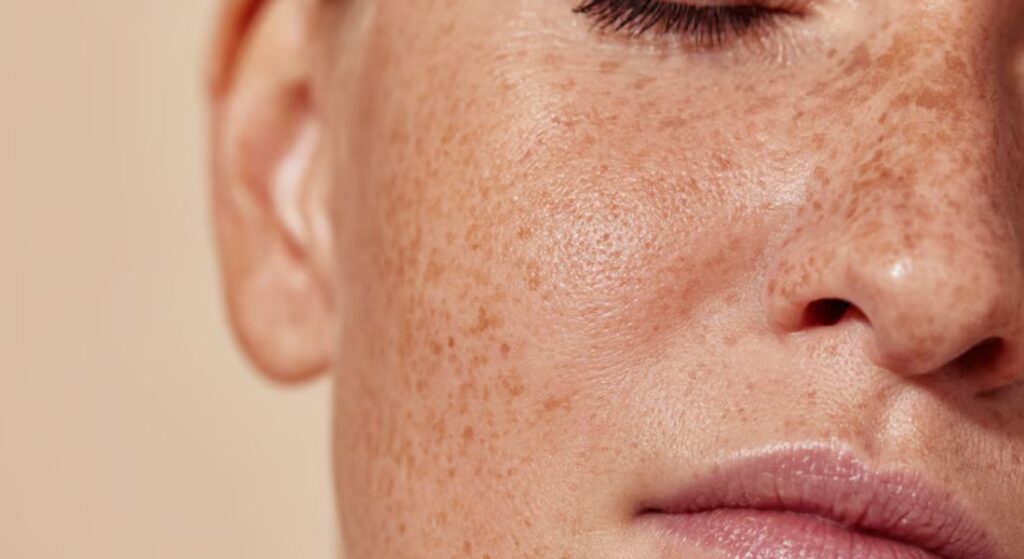
If you have melasma, you need to be more careful with laser treatment because it can sometimes make your pigmentation darker. Your dermatologist may recommend sun protection and suitable skincare first, with Fraxel or Pico considered only when appropriate for your skin.
If you have melasma, your skin tone and risk of pigmentation are important when choosing laser settings. You should not choose a treatment simply because it worked for someone else, as your melasma and skin may respond differently.
Which Has Less Downtime: Fraxel or Pico?
If downtime is important to you, some Pico treatments may involve a shorter or less visible recovery than some Fraxel treatments, although this depends on the device, settings and treatment intensity. You may have mild redness or swelling with Pico, while Fraxel can cause more redness, dryness, roughness and flaking.
Your recovery will depend on the laser, settings and treatment area used for you. Your dermatologist should explain what downtime you can realistically expect rather than promising you a fixed number of days.
Is Fraxel or Pico More Painful?
If you are worried about pain, you should know that both Fraxel and Pico can feel warm, prickly or uncomfortable. Your experience depends on your skin sensitivity, treatment area and the laser settings used.
If you are worried about discomfort, numbing cream and cooling may help make your treatment more comfortable. Your clinician can explain what you are likely to feel and which comfort options are available for you.
How Many Treatment Sessions Will You Need?
If you are considering Fraxel or Pico, you may need several sessions rather than one treatment. Your number of sessions depends on your skin concern, treatment intensity and the results you want.
The number of sessions you need will vary according to the condition being treated, its severity, the device used and the treatment intensity. Changes related to skin remodelling may also continue to develop over several weeks or months. Your specialist can recommend a treatment plan based on your skin rather than a standard package.
Which Laser Is Safer for Darker Skin Tones?
If you have a darker skin tone, Fraxel or Pico treatment may still be suitable for you, but device selection and laser settings require careful consideration.
Neither Fraxel nor Pico is automatically safer for darker skin. Your dermatologist should consider the exact device, wavelength and settings, together with your skin type and any history of pigmentation changes, before recommending treatment.
Evidence Note
If you have a darker skin tone, you may be more prone to post-inflammatory hyperpigmentation (PIH), which means darkening that develops after inflammation or skin injury. A 2024 systematic review in skin of colour found that laser treatment produced partial improvement in many patients, but pigmentation worsened in some cases. This is why your treatment should be tailored to your skin rather than assuming one laser technology is automatically safer for you.
What Are the Possible Risks and Side Effects?
If you choose Fraxel or Pico, you may have temporary redness, swelling, dryness, heat or discomfort. Your skin may also darken, crust or flake temporarily. Less common complications can include burns, infection and longer-lasting changes in pigmentation.
Your skin tone and aftercare can affect your risk of side effects. You should follow your clinician’s advice on sun protection, skincare, exercise and when to restart products such as retinoids or exfoliating acids.
Clinical Tip
Temporary redness, swelling, warmth and flaking can occur after laser treatment. Follow the aftercare instructions provided by your clinician and avoid restarting active skincare products until you have been advised that your skin has recovered sufficiently.
Contact your clinic promptly if you develop increasing pain, blistering, marked swelling, spreading redness, pus, persistent crusting or unexpected darkening or lightening of your skin. If you have a history of cold sores, tell your clinician before treatment because some facial laser procedures can trigger herpes simplex reactivation.
How Do You Choose Between Fraxel and Pico?

If you are choosing between Fraxel and Pico, start with your skin concern rather than the laser name. Fraxel may be considered when your main concerns include sun-related skin changes, uneven texture, fine lines or acne scars, while some Pico treatments may be considered when pigmentation or a shorter recovery is a priority.
When choosing between Fraxel and Pico, your skin tone, acceptable downtime and treatment goals all matter. Your dermatologist can recommend the right wavelength, settings or combination of treatments, especially if you have deep scars, significant skin laxity or complex pigmentation.
Myth vs Fact
| Myth | Fact |
| Pico is always better because it is newer. | Newer technology is not automatically more suitable. The best choice depends on the condition, device, wavelength, skin tone and treatment goals. |
| Fraxel is only used for acne scars. | Fraxel may also be used for texture, sun-related skin changes and pigmentation, depending on the wavelength. |
| Pico laser only treats pigmentation and tattoos. | Some fractional picosecond systems can also be used for acne scars and skin texture. |
| Pico always has no downtime. | Downtime varies according to the device, settings and treatment. Redness, swelling or temporary skin changes can still occur. |
| Laser treatment cannot worsen pigmentation. | Post-inflammatory hyperpigmentation can occur after laser treatment, particularly in people who are prone to pigmentation changes. |
| Fraxel or Pico will permanently cure melasma. | Melasma is a recurrent pigmentary condition. Laser may form part of treatment for selected patients, but recurrence can occur. |
| The same laser settings work for every skin tone. | Laser settings should be selected according to skin type, diagnosis, treatment area and individual pigmentation risk. |
Key Takeaways
- Fraxel and Pico are not the same technology and should not be compared as though each represents one identical treatment.
- Fraxel uses fractional laser energy, while Pico refers to lasers that deliver energy in picosecond pulses.
- Different Fraxel and Pico wavelengths can have different effects and uses.
- Fraxel is commonly considered for acne scars, texture and sun-related skin changes, while picosecond lasers are widely used for pigmentation and tattoos and may also improve scars with specialised fractional technology.
- Neither treatment is automatically better for darker skin tones.
- Melasma requires particular caution because laser treatment can sometimes worsen or trigger pigmentation.
- A dermatologist should assess uncertain or changing pigmented lesions before cosmetic laser treatment.
- Your diagnosis, skin tone, treatment goals, device, wavelength, settings and acceptable downtime should guide the choice.
Frequently Asked Questions
1. What Is the Difference Between Fraxel and Pico Laser?
Fraxel mainly uses fractional laser energy to resurface your skin and stimulate collagen, while Pico uses extremely short energy pulses. Your choice depends on your skin concern, skin tone and treatment goals.
2. Is Fraxel or Pico Better for Pigmentation?
Both treatments may help pigmentation, but the best option depends on the type and cause of your pigmentation. Fraxel can help with sun damage and uneven pigmentation, while Pico may target certain areas of unwanted pigment.
3. Is Fraxel or Pico Better for Acne Scars?
Both Fraxel and some fractional Pico treatments may improve acne scars and uneven texture. Your dermatologist can assess your scar type and recommend the laser that is most suitable for your skin.
4. Which Is Better for Skin Texture and Fine Lines?
Fraxel may be particularly useful if you want to improve skin texture, fine lines and sun damage by stimulating collagen. Fractional Pico may also help with mild texture changes, pores and acne scarring.
5. Which Has Less Downtime, Fraxel or Pico?
Pico may involve less downtime than Fraxel, depending on the device and treatment settings. You may experience mild redness or swelling with Pico, while Fraxel can cause more redness, dryness, roughness and flaking.
6. Is Fraxel or Pico Suitable for Melasma?
You need to be cautious with laser treatment if you have melasma because treatment can sometimes worsen pigmentation. Your dermatologist may recommend sun protection and skincare first before deciding whether Fraxel or Pico is appropriate for you.
7. Which Laser Is Safer for Darker Skin Tones?
You can have either treatment with a suitable laser and carefully adjusted settings, but darker skin may have a higher risk of post-inflammatory pigmentation. Your dermatologist should consider your skin tone and previous pigmentation before choosing the treatment.
8. How Many Fraxel or Pico Treatments Will You Need?
You may need several sessions depending on your skin concern, treatment intensity and desired results. Your specialist can create a treatment plan based on your individual skin rather than using a standard number of sessions.
9. What Side Effects Can Fraxel and Pico Laser Cause?
You may experience temporary redness, swelling, dryness, warmth or discomfort after either treatment. Your skin can also temporarily darken, crust or flake, while burns, infection and longer-lasting pigmentation changes are less common risks.
10. How Do You Choose Between Fraxel and Pico Laser?
Your choice should start with your main skin concern rather than the laser name. Fraxel may suit you for scars, texture, fine lines and sun damage, while Pico may be useful for pigmentation or when less downtime is important to you.
Final Thoughts: How Do You Choose Between Fraxel and Pico Laser?
Fraxel and Pico laser treatments can both improve certain skin concerns, but the right choice for you depends on your pigmentation, acne scars, skin texture, skin tone and desired downtime. A specialist assessment can help you choose the most suitable treatment and settings for your skin.
If you’re considering a Fraxel laser treatment in London, you can get in touch with us at London Dermatology Centre.
References:
- Tanzi, E.L., Wanitphakdeedecha, R. and Alster, T.S. (2008) ‘Fraxel laser indications and long-term follow-up’, Aesthetic Surgery Journal, 28(6), pp. 675–678. Available at: https://www.sciencedirect.com/science/article/abs/pii/S1090820X08002847
- Wu, D.C., Goldman, M.P., Wat, H. and Chan, H.H.L. (2021) ‘A systematic review of picosecond laser in dermatology: evidence and recommendations’, Lasers in Surgery and Medicine, 53(1), pp. 9–49. Available at: https://pubmed.ncbi.nlm.nih.gov/32282094/
- Li, J., Duan, F. and Kuang, J. (2023) ‘Fractional picosecond laser for atrophic acne scars: a meta-analysis’, Journal of Cosmetic Dermatology, 22(8), pp. 2205–2217. Available at: https://pubmed.ncbi.nlm.nih.gov/37310182/
- Feng, J., Shen, S., Song, X. and Xiang, W. (2023) ‘Efficacy and safety of picosecond laser for the treatment of melasma: a systematic review and meta-analysis’, Lasers in Medical Science, 38(1), article 84. Available at: https://pubmed.ncbi.nlm.nih.gov/36897459/
- Mar, K., Khalid, B., Maazi, M., Ahmed, R., Wang, O.J.E. and Khosravi-Hafshejani, T. (2024) ‘Treatment of post-inflammatory hyperpigmentation in skin of colour: a systematic review’, Journal of Cutaneous Medicine and Surgery, 28(5), pp. 473–480. Available at: https://pmc.ncbi.nlm.nih.gov/articles/PMC11514325/
- Lin, M.-Y., Hu, S., Lin, C.-S. and Chung, W.-H. (2021) ‘Comparison of 1550-nm nonablative fractional laser versus 755-nm picosecond laser with diffractive lens array for atrophic facial acne scars in Asian skin: a prospective randomized split-face clinical study’, Dermatologica Sinica, 39(4), pp. 186–191. Available at: https://doi.org/10.4103/ds.ds_38_21
- British Association of Dermatologists (2025) ‘Melanocytic naevi (pigmented moles)’. Available at: https://www.bad.org.uk/pils/melanocytic-naevi-pigmented-moles