


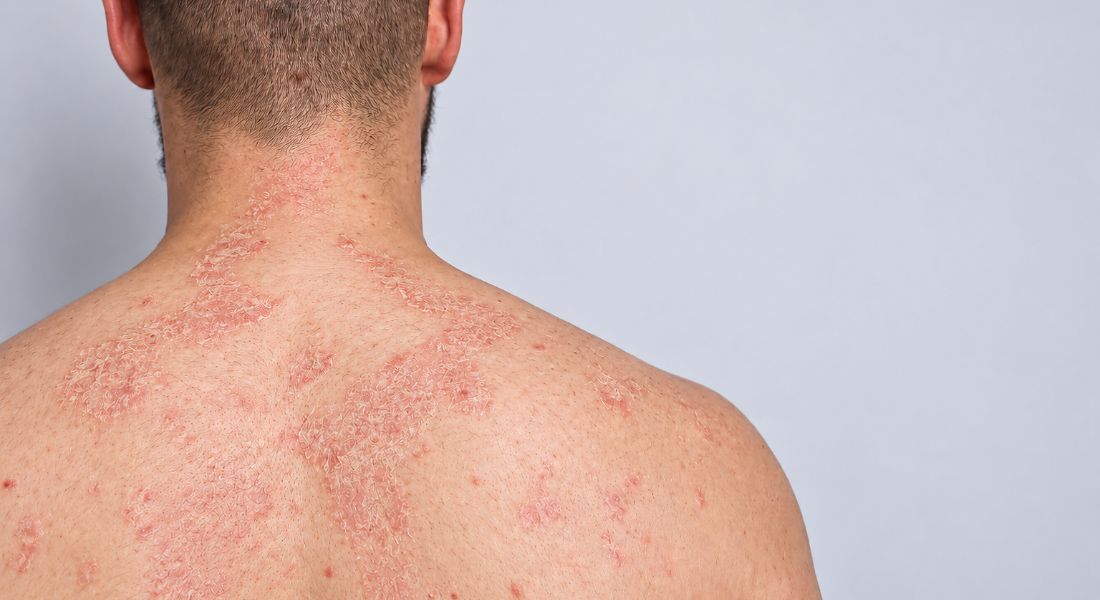
You may notice seborrhoeic dermatitis on your chest or upper back, where sebaceous glands are common. Your rash may appear as pink, red, lighter or darker scaly patches, sometimes forming curved or ring-shaped patterns. You may also notice white or yellowish greasy scales.
You should know that these patches can resemble ringworm, pityriasis versicolor, psoriasis or eczema. Treatment may include antifungal creams or medicated washes, with short-term anti-inflammatory treatment when needed. If your rash does not improve as expected, seek medical advice to confirm the diagnosis.
What Is Seborrhoeic Dermatitis?
Seborrhoeic dermatitis often affects oil-rich areas including your scalp, eyebrows, sides of the nose, beard, ears, chest and upper back. You may develop greasy or flaky scales because of inflammation involving Malassezia yeast, sebum and individual skin responses. Your hygiene is not the cause, and the condition is not contagious.
Treatment can improve your rash, but relapses are common. You can manage flare-ups with appropriate topical medicines and gentle skincare. Your dermatologist may suggest intermittent antifungal treatment if symptoms return frequently, rather than prolonged unsupervised steroid use.
Why Does Seborrhoeic Dermatitis Affect the Chest and Back?
You may develop seborrhoeic dermatitis across your chest, upper back or between your shoulder blades, where sebaceous glands are active. Your risk may be influenced by Malassezia yeast, immune responses, genetics, environmental factors and stress, although the exact causes are not fully understood.
Seborrhoeic dermatitis on your chest may flare at the same time as dandruff or scaling behind the ears. You can note when patches worsen and discuss your observations with a dermatologist to plan appropriate care.
What Does Seborrhoeic Dermatitis on the Chest Look Like?
You may notice round, curved or irregular scaly patches on your chest or upper back. Your skin may look pink, red, lighter or darker than usual, with fine white or yellowish, slightly greasy flakes. On darker skin, redness may be less obvious.
You may experience mild itching, irritation or sensitivity, although some patches cause little discomfort. You might notice the rash spreading or becoming more visible after sweating or when your skin feels dry.
What Does It Look Like on the Upper Back?
On your upper back, seborrhoeic dermatitis can create several scaly patches around the shoulder blades or along the spine. You may notice petal-like shapes or poorly defined edges. Your clinician can examine areas that are difficult to see and distinguish similar-looking rashes.
You may also have seborrhoeic dermatitis on your scalp, face or ears, which can help your dermatologist identify the condition. However, you should not assume every back rash has the same cause, as fungal and inflammatory skin conditions can look similar.
UK Guidance Note
UK dermatology guidance recognises the upper trunk, particularly the presternal chest and interscapular upper back, as a typical site of seborrhoeic dermatitis. Diagnosis is usually clinical, but unusually widespread, atypical or treatment-resistant disease should be reassessed to make sure the diagnosis is correct and to consider whether another underlying factor is contributing.
Can Seborrhoeic Dermatitis Cause Spots or Small Bumps on the Chest?
You may develop Malassezia folliculitis alongside seborrhoeic dermatitis, particularly across your chest and upper back. Unlike flat, scaly patches, it can cause clusters of similar-looking, itchy bumps or small pus-filled spots.
You should know that Malassezia folliculitis is a separate condition, and your spots could also be caused by acne, bacterial folliculitis or heat rash. If you mainly notice persistent, itchy bumps rather than flaky patches, seek medical advice to confirm the diagnosis.
Can Antifungal Creams Be Used on the Chest and Back?

You may find an antifungal cream more practical for small or localised patches of seborrhoeic dermatitis on your chest or back. Treatments such as ketoconazole or ciclopirox can help control symptoms when used as directed.
You should follow the instructions for the specific antifungal treatment you have been prescribed or advised to use, including how often and for how long to apply it. If your symptoms do not improve as expected, seek medical advice rather than continuing treatment indefinitely.
Is Seborrhoeic Dermatitis on the Chest Contagious?
You cannot catch seborrhoeic dermatitis through skin contact or sharing clothing, as Malassezia yeast normally lives on your skin. However, you should know that ringworm can spread through contact and may cause similar scaly patches on your chest or back.
You may notice ringworm forming expanding rings with scaly edges and clearer centres, while seborrhoeic dermatitis can cause more diffuse or petal-like patches. If your rash spreads, forms distinct rings or fails to improve, seek medical advice before repeatedly applying steroid creams. Your clinician may recommend skin scrapings to confirm the diagnosis.
Seborrhoeic Dermatitis vs Pityriasis Versicolor
Pityriasis versicolor commonly causes finely scaly, pale, pink, tan or darker patches on the chest and back. You may confuse these with seborrhoeic dermatitis, but the latter often involves greasy scale and similar symptoms on your scalp or face. Your clinician may consider a skin scraping when the diagnosis is uncertain.
You may also develop sebopsoriasis, which combines features of psoriasis and seborrhoeic dermatitis. If your rash appears after using soaps, fragrances, moisturisers or other products, contact dermatitis may be responsible. Your dermatologist can assess your symptoms and recommend tests if needed.
Evidence Note
Seborrhoeic dermatitis is a chronic or relapsing inflammatory condition rather than a contagious fungal infection. Malassezia normally lives on human skin, but in susceptible people the interaction between the yeast, sebum and the skin’s inflammatory response contributes to scaling and inflammation.
What If the Rash Is Very Inflamed?
If your skin is significantly inflamed, your clinician may recommend a suitable topical corticosteroid for a short, carefully directed course to reduce redness and irritation. Use it only at the advised strength, frequency and duration, as corticosteroids control inflammation rather than the Malassezia-associated component of seborrhoeic dermatitis.
You should avoid prolonged or repeated corticosteroid use unless advised by your clinician. If flare-ups keep returning, your dermatologist may recommend maintenance antifungal treatment or, in selected cases, steroid-sparing treatments such as tacrolimus or pimecrolimus, which may be used off-label for seborrhoeic dermatitis.
Are Steroid Creams Safe to Use on the Back?
You may use a topical corticosteroid on your chest or back when prescribed correctly, but your steroid’s strength, frequency and duration matter. Short-term use of a mild steroid differs from applying a potent one daily for months, which can thin your skin and cause other side effects.
If you keep treating the same rash with steroid cream, ask your dermatologist to review your diagnosis and long-term treatment plan.
Seborrhoeic Dermatitis and Similar Chest or Back Rashes
| Condition | Features that may help distinguish it |
| Seborrhoeic dermatitis | Fine or greasy scale on the central chest or upper back, sometimes petal- or ring-shaped |
| Tinea corporis | Expanding annular patches with a more active scaly edge and often a clearer centre |
| Pityriasis versicolor | Multiple pale, pink, tan or darker finely scaly patches, especially on the upper trunk |
| Psoriasis | Thicker, better-defined plaques that may also affect the scalp, elbows, knees or nails |
| Eczema/contact dermatitis | Usually itchier, drier and potentially related to products, fabrics or friction |
| Malassezia folliculitis | Clusters of similar itchy follicular papules or pustules rather than flat scaly patches |
What About Antifungal and Steroid Combination Creams?

Your clinician may recommend an antifungal together with a short course of topical corticosteroid when seborrhoeic dermatitis is particularly inflamed. You should use each product only as directed and arrange review if the rash persists or you need repeated courses.
If your diagnosis is uncertain, steroid creams can mask fungal infections and make them harder to recognise. If your rash persists or looks unusual, seek medical advice rather than repeatedly treating it without a confirmed diagnosis.
How Should You Wash the Chest and Back?
If you have seborrhoeic dermatitis on your chest or upper back, gentle cleansing can help remove excess oil and loose flakes without worsening irritation. Choosing suitable products and washing techniques is important.
- Gentle Cleansers: Use a mild, non-soap cleanser or a medicated wash recommended by your clinician.
- Medicated Body Washes: If prescribed an antifungal shampoo for body use, follow the recommended application instructions.
- Contact Time: Leave the medicated wash on your skin for the advised period, often around five minutes, before rinsing thoroughly.
- Avoid Harsh Scrubbing: Do not use abrasive exfoliating gloves, strong fragrances or very hot water, as these may aggravate inflammation.
- Careful Drying: Pat your skin dry with a clean towel instead of rubbing vigorously.
A consistent, gentle washing routine can help reduce irritation and support your prescribed treatment. If your rash continues to worsen despite appropriate care, ask your dermatologist to review your treatment plan.
Research Insight
Truncal seborrhoeic dermatitis can have a different appearance from facial disease. Instead of simply looking like diffuse dandruff on the skin, it may form annular, arcuate or petal-like patches, particularly on the chest and upper back. This is one reason it can be mistaken for tinea corporis or pityriasis versicolor.
Should You Moisturise Seborrhoeic Dermatitis on the Chest and Back?
For dry or irritated skin, you can apply a light, fragrance-free moisturiser to support the skin barrier. Your dermatologist can advise if heavy or greasy products seem to worsen discomfort, as moisturisers support comfort but do not replace treatment for active inflammation.
You should apply enough moisturiser to prevent excessive dryness without layering too much product on your skin. If your rash worsens after using a moisturiser, stop using it and ask your clinician about alternatives.
Can Sweat Make Seborrhoeic Dermatitis Worse?
You may notice your seborrhoeic dermatitis worsening after exercise or in hot weather, as sweat trapped under clothing can irritate your skin. You can help reduce discomfort by changing out of damp clothes, showering gently after sweating and wearing breathable clothing.
You do not need to avoid exercise, as sweating is not the main cause of your condition. Instead, focus on consistent treatment and avoiding irritation to help manage your symptoms.
Can Clothing Irritate Seborrhoeic Dermatitis on the Back?
You may notice more irritation if you wear tight, rough or synthetic clothing that traps heat and sweat. You can reduce friction by choosing loose, breathable fabrics and changing out of damp clothes after exercise.
You should also consider contact dermatitis if your rash appears where clothing touches your skin, especially after changing detergent, fabric softener or clothing material. If symptoms persist, seek medical advice to identify the cause.
Clinical Tip
Look at the main type of lesion before repeating treatment. Flat or slightly raised flaky patches fit seborrhoeic dermatitis better, whereas numerous similar itchy follicular bumps or pustules suggest folliculitis and deserve reassessment.
Does Sunlight Improve Seborrhoeic Dermatitis?
You may notice your seborrhoeic dermatitis improving during sunnier months, as some people experience fewer flare-ups in summer. However, you should not deliberately expose your skin to excessive UV radiation to treat the condition.
You should continue using sun protection, as UV exposure can cause premature skin ageing and increase your risk of skin cancer. You do not need to tan to manage your symptoms.
When Should You See a Dermatologist?

You should seek medical advice if you are unsure whether your rash is seborrhoeic dermatitis or it does not improve with appropriate treatment. A dermatologist can help if your rash is widespread, keeps returning, spreads rapidly or forms distinct rings.
Seek assessment if your rash develops significant pain, swelling, pustules, oozing or crusting, or looks different from previous episodes. You should also arrange a review if treatment repeatedly fails, because your diagnosis or treatment plan may need changing.
Myth vs Fact
| Myth | Fact |
| Seborrhoeic dermatitis is a contagious fungal infection. | Malassezia normally lives on human skin; seborrhoeic dermatitis itself is not contagious. |
| Every ring-shaped chest rash is ringworm. | Seborrhoeic dermatitis can also form annular or petal-like patches. |
| Any itchy bumps on the upper back are seborrhoeic dermatitis. | Malassezia folliculitis, acne and bacterial folliculitis can cause bumps and need different treatment. |
| Steroid cream is safe for any red scaly trunk rash. | Steroids can alter fungal infections and should not be repeatedly used when the diagnosis is uncertain. |
| A moisturiser alone treats active seborrhoeic dermatitis. | Moisturiser can support dry or irritated skin, but active disease usually needs targeted treatment. |
| Sunbathing is a recommended treatment. | Symptoms may improve seasonally, but deliberate UV exposure is not recommended because it damages skin and increases skin-cancer risk. |
Key Takeaways
- Seborrhoeic dermatitis can affect the centre of the chest and upper back as well as the scalp and face.
- Truncal lesions may be curved, ring-shaped or petal-like and can resemble fungal rashes.
- Malassezia folliculitis is a separate condition that causes follicular bumps or pustules rather than ordinary scaly patches.
- Antifungal creams such as ketoconazole or ciclopirox are commonly used for localised truncal seborrhoeic dermatitis.
- Topical corticosteroids should generally be used briefly and only when appropriate for an inflamed flare.
- Persistent, widespread, atypical or treatment-resistant rashes should be reassessed rather than repeatedly treated without confirming the diagnosis.
Frequently Asked Questions
1. Why can seborrhoeic dermatitis on your chest look different from the rash on your face?
On your chest or upper back, seborrhoeic dermatitis can create round, curved or petal-like scaly patches instead of the familiar facial flaking. You may notice pink, red, lighter or darker areas depending on skin tone. Your clinician can assess the pattern alongside scalp or facial symptoms before confirming the diagnosis.
2. Why can a ring-shaped chest rash be difficult to diagnose?
Several conditions, including seborrhoeic dermatitis and ringworm, can produce ring-shaped patches on your trunk. You cannot reliably identify every cause from appearance alone. Your clinician may examine the scaly border or arrange skin scrapings, particularly if the rash expands or does not respond to appropriate treatment. Avoid repeated steroid treatment without a diagnosis.
3. When might your clinician take skin scrapings from a chest or back rash?
Your clinician may recommend skin scrapings when ringworm or another fungal rash could explain persistent chest or back patches. You might need testing if the appearance is unusual or treatment has failed. Your results can guide the choice between antifungal treatment for a confirmed infection and other management options.
4. Why are itchy bumps different from the usual patches of seborrhoeic dermatitis?
Seborrhoeic dermatitis usually causes flaky patches, while Malassezia folliculitis produces clusters of similar itchy bumps or small pustules. You may also have acne or bacterial folliculitis, which need different management. Your clinician can examine the lesions and explain whether testing or a different treatment is appropriate for your skin.
5. Can seborrhoeic dermatitis improve and then return in the same area?
Yes. Seborrhoeic dermatitis is a relapsing inflammatory condition, so your skin may improve with treatment and develop the same rash later. You can ask about an appropriate maintenance routine if flare-ups are frequent. Your clinician may recommend intermittent treatment and advise when to return for reassessment rather than using steroids continuously.
6. Why should you avoid repeatedly treating an uncertain rash with steroid cream?
Steroid creams can temporarily reduce redness even when a fungal infection is causing your rash. You should avoid repeatedly applying them without a confirmed diagnosis because they can mask ringworm and sometimes worsen it. Your clinician can reassess persistent scaly patches and recommend appropriate tests or antifungal treatment where necessary.
7. Can antifungal shampoo be used on your chest or upper back?
Some antifungal shampoos may be suitable as medicated washes for your chest or upper back when the product instructions or clinician recommend this use. You should follow the specified application time and frequency rather than assuming every shampoo works identically. Your dermatologist can advise if irritation develops or symptoms persist.
8. What should you do if seborrhoeic dermatitis becomes unusually widespread?
If the rash becomes unusually widespread, changes appearance or does not respond to suitable treatment, you should arrange a medical review. Your dermatologist can reconsider whether it is seborrhoeic dermatitis or another condition, including a fungal infection. You may also need assessment for contributing factors, depending on your medical history and examination.
9. Why might your rash worsen under tight clothing even though clothing does not cause seborrhoeic dermatitis?
Tight or non-breathable clothing may trap heat, sweat and moisture against your already inflamed skin. You might notice more itching or irritation after exercise or prolonged friction. Your symptoms may improve with loose, breathable fabrics and prompt changes of damp clothing, alongside continued treatment for the underlying condition.
10. What changes in a chest or back rash should prompt reassessment?
You should arrange reassessment if your chest or back rash spreads rapidly, forms expanding rings, becomes painful, oozes, crusts or develops persistent pustules. Your clinician may need to rule out a fungal infection, folliculitis or another diagnosis. Seek prompt help if you feel unwell or develop rapidly worsening skin symptoms.
Final Thoughts: Seborrhoeic Dermatitis on the Chest and Back
If you notice persistent scaly patches or irritation on your chest or upper back, seborrhoeic dermatitis may be responsible. Suitable antifungal treatment and gentle skincare can help control flare-ups. You should seek medical advice if the rash spreads, becomes painful or fails to improve, because other conditions can look similar.
If you’re looking for a dermatologist in London, you can contact the London Dermatology Centre to arrange a consultation and discuss persistent or recurrent seborrhoeic dermatitis affecting your chest, back or other areas of skin.
References:
- Naldi, L., Kyrgidis, A., Tiplica, G.S., de Rie, M.A., Tatsis, D., Gisondi, P., Ioannides, D., Chosidow, O. and Deleuran, M. (2026) ‘Practical recommendations for seborrheic dermatitis management: an expert consensus’, Journal of the European Academy of Dermatology and Venereology, 40(9), pp. 1460–1468. Available at: https://pubmed.ncbi.nlm.nih.gov/42012301/
- LeFevre, N.M., Braudis, K. and Feigenbaum, L.S. (2025) ‘Seborrheic dermatitis: diagnosis and treatment’, American Family Physician, 112(2), pp. 166–173. Available at: https://pubmed.ncbi.nlm.nih.gov/40834373/
- Dall’Oglio, F., Nasca, M.R., Gerbino, C. and Micali, G. (2022) ‘An overview of the diagnosis and management of seborrheic dermatitis’, Clinical, Cosmetic and Investigational Dermatology, 15, pp. 1537–1548. Available at: https://pmc.ncbi.nlm.nih.gov/articles/PMC9365318/
- Jackson, J.M., Alexis, A., Zirwas, M. and Taylor, S. (2024) ‘Unmet needs for patients with seborrheic dermatitis’, Journal of the American Academy of Dermatology, 90(3), pp. 597–604. Available at: https://www.sciencedirect.com/science/article/pii/S0190962222033072
- ‘Malassezia folliculitis: an underdiagnosed mimicker of acneiform eruptions’ (2025) Journal of Fungi, 11(9), article 662. Available at: https://pmc.ncbi.nlm.nih.gov/articles/PMC12471122/