


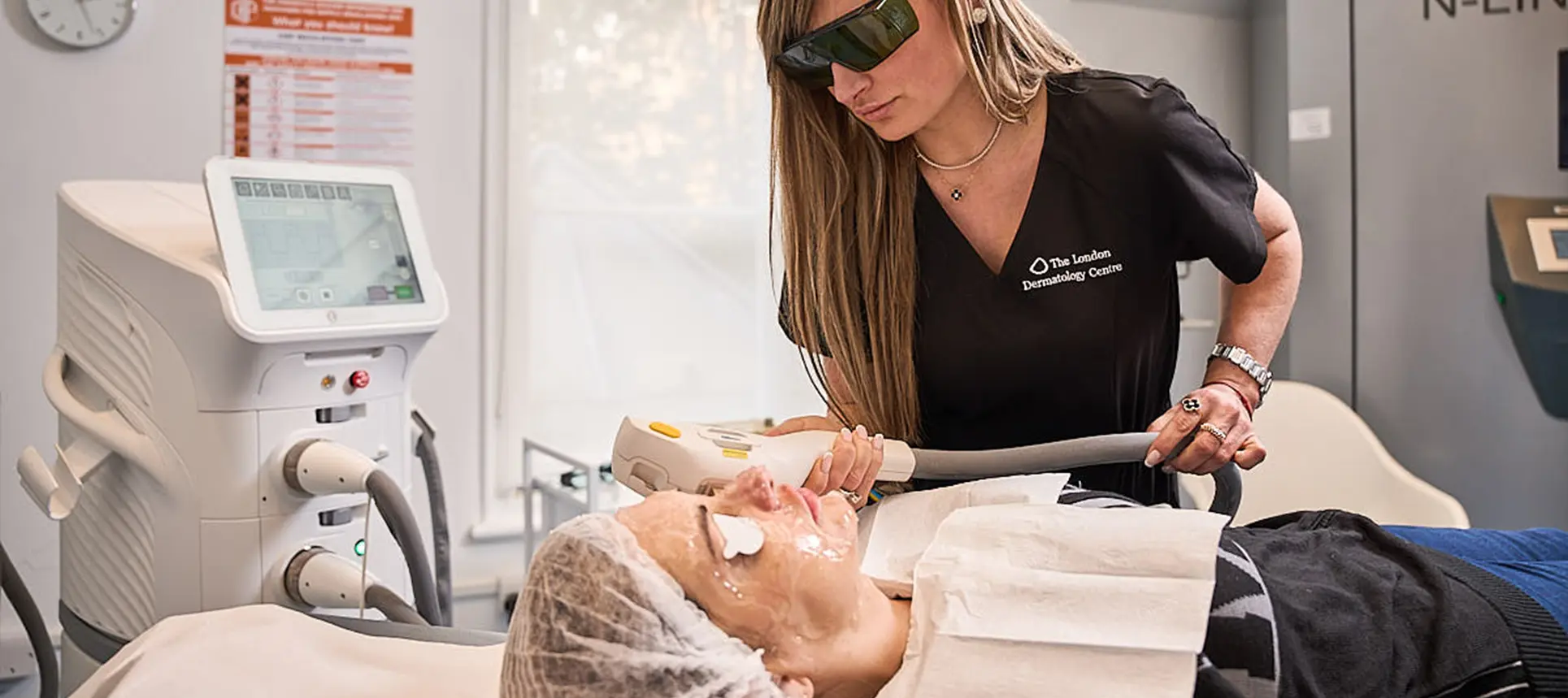
When it comes to non-invasive skin rejuvenation, two standout treatments frequently come up in consultation rooms: Fraxel and IPL (Intense Pulsed Light). While both are used to treat concerns like pigmentation, sun damage, and uneven skin texture, they work in entirely different ways—and choosing the right one for your needs can make all the difference.
In this guide, we’ll walk you through the key differences between Fraxel and IPL, what each treatment is best for, the conditions they target, expected recovery times, and which one might be right for your skin.
What Is Fraxel?
Fraxel is a brand of fractional laser resurfacing that targets the skin with microscopic columns of laser energy to trigger natural healing and regeneration. By creating these controlled micro-injuries, Fraxel stimulates the production of collagen and encourages the turnover of damaged or aged skin cells. This process helps to replace dull, damaged skin with fresher, smoother layers over time. One of the defining benefits of Fraxel is that it treats only a fraction of the skin at a time—hence the term “fractional”—which allows for faster healing compared to traditional laser resurfacing.
The two most common types of Fraxel are:
- Fraxel Re:store (non-ablative): ideal for mild to moderate concerns like fine lines and pigmentation, with minimal downtime.
- Fraxel Re:pair (ablative): best suited for more severe issues like deep wrinkles or surgical scars, with longer recovery.
Fraxel is often praised for its versatility and precision. It can be used on the face, neck, chest, hands, and even delicate areas around the eyes. It’s suitable for those seeking long-term skin improvement with fewer sessions and is considered one of the most effective treatments for treating deeper pigmentation, acne scarring, and early signs of ageing.
What Is IPL (Intense Pulsed Light)?
IPL, or Intense Pulsed Light therapy, is a non-invasive cosmetic treatment that uses high-intensity pulses of broad-spectrum light to target specific skin concerns. Unlike laser treatments that use a single focused wavelength, IPL uses a range of wavelengths, allowing it to treat multiple skin issues simultaneously. The light energy penetrates the skin and is absorbed by pigment (melanin) and blood vessels, helping to break down discolouration and reduce redness. Over time, the body naturally eliminates these damaged cells, revealing clearer, more even-toned skin.
Although IPL is commonly grouped with lasers, it operates quite differently. It doesn’t ablate the skin or cause peeling, making it a gentler option for those seeking cosmetic improvement without significant downtime. It’s particularly effective for sun-induced pigmentation, facial flushing, and rosacea, and can be used on the face, chest, neck, and hands.
IPL is also a popular option for people with fair to medium skin tones who want to improve their complexion and reduce signs of sun ageing. While it may take several sessions to achieve optimal results, the process is quick, relatively painless, and well-tolerated by most individuals. As a bonus, IPL can also stimulate collagen production, subtly improving the skin’s overall texture and elasticity.

Key Differences: Fraxel vs. IPL
While both Fraxel and IPL aim to rejuvenate the skin, they do so through fundamentally different technologies—and understanding these differences is key to selecting the right treatment. Fraxel uses fractional laser technology to target both the surface and deeper layers of the skin, making it ideal for issues related to texture and structural damage. IPL, on the other hand, employs broad-spectrum light to treat pigmentation and vascular issues closer to the skin’s surface.
The table below summarises the key distinctions:
| Feature | Fraxel | IPL |
| Technology | Fractional laser | Broad-spectrum light |
| Target depth | Epidermis and dermis | Mostly epidermis |
| Best for | Scarring, wrinkles, texture | Pigmentation, redness, sun damage |
| Downtime | 3–7 days (depending on intensity) | Minimal (redness/flaking for 1–2 days) |
| Number of sessions needed | 3–5 (spaced 4–6 weeks apart) | 3–6 (spaced 3–4 weeks apart) |
| Pain level | Moderate (numbing cream used) | Mild (feels like rubber band snapping) |
| Results | Gradual improvement in texture | Brightening and even skin tone |
Ultimately, Fraxel is a deeper, more intensive treatment with longer-lasting structural results, while IPL is a faster, low-downtime solution for clearing pigmentation and enhancing brightness. The best choice depends on your specific skin goals, the severity of your concerns, and your ability to manage downtime. A consultation with a qualified practitioner will help tailor the approach to your needs.
Conditions Treated
Fraxel and IPL address a range of skin concerns, but their mechanisms and depths of penetration determine which conditions they treat best.
Fraxel is ideal for:
- Acne scars and surgical scars
- Fine lines and wrinkles
- Deep pigmentation and melasma
- Actinic keratosis
- Enlarged pores
- Overall skin resurfacing
Fraxel’s ability to target deeper layers of the skin makes it especially powerful for correcting long-standing or textural issues. It stimulates collagen production at a structural level, which is why it’s a top choice for those looking to soften indented scars or reduce deep lines. It’s also a preferred treatment for melasma, though caution is required to avoid triggering inflammation.
IPL is best suited for:
- Sun spots and age spots
- Freckles and general hyperpigmentation
- Rosacea and facial redness
- Broken capillaries
- Uneven skin tone
IPL is more surface-focused, targeting visible colour irregularities without affecting deeper tissues. It’s excellent for people with sun-damaged skin or visible redness who want to even out their complexion with minimal downtime. While both treatments can target pigmentation, IPL is usually the go-to for surface-level pigment like freckles and photoageing. Fraxel, in contrast, penetrates deeper for more comprehensive skin renewal.
Skin Types: Who Should Use What?
Choosing between Fraxel and IPL isn’t just about the condition being treated—it’s also about your skin type and how it responds to light-based treatments.
Fraxel is considered safe for most skin tones when the right laser settings are used. Non-ablative Fraxel treatments, such as Fraxel Re:store, are generally safer for individuals with medium to dark skin tones (Fitzpatrick IV–V), as they pose a lower risk of triggering post-inflammatory hyperpigmentation (PIH). Ablative Fraxel (Fraxel Re:pair) carries a higher risk for these skin types and is best reserved for lighter complexions or handled with extreme caution. A thorough pre-treatment assessment is vital to minimise risks.
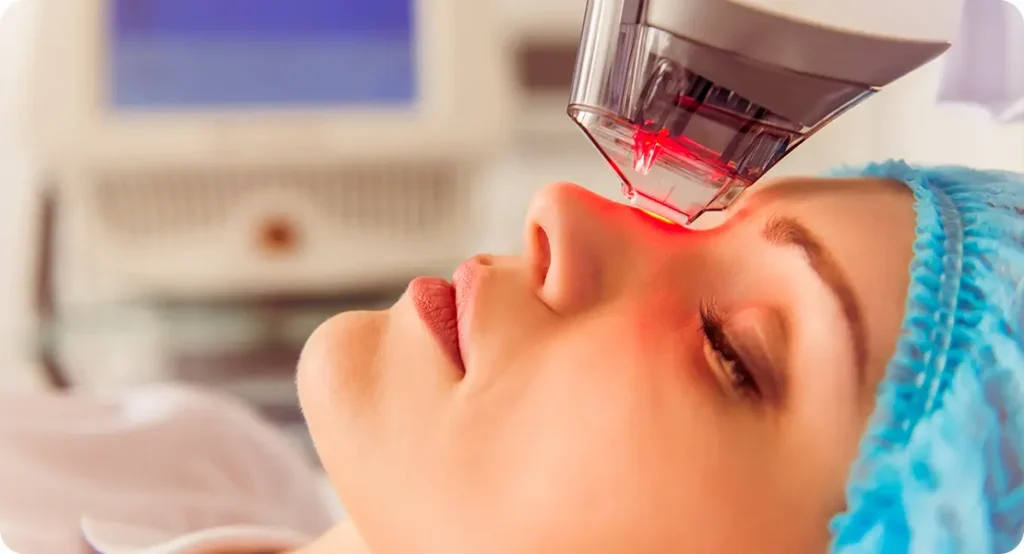
IPL, meanwhile, is typically recommended for lighter skin tones (Fitzpatrick I–III). Because it uses broad-spectrum light that targets melanin, it can mistakenly target natural pigment in darker skin, potentially leading to burns or discolouration. However, newer IPL machines come equipped with advanced filters and cooling systems that make the treatment safer for medium skin tones when handled by experienced professionals. Ultimately, skin type should always be matched carefully with the right treatment protocol to ensure safety and efficacy.
Downtime and Aftercare
Fraxel requires more downtime than IPL due to its deeper, more intensive approach. After treatment, the skin may appear red, swollen, and feel warm to the touch—similar to moderate sunburn. Peeling and flaking usually begin within two to three days and can last up to a week, depending on the strength of the treatment and your skin’s sensitivity. During this time, it’s important not to pick or exfoliate the skin, as doing so can lead to scarring or pigmentation changes.
Your skincare routine should be stripped back to gentle, hydrating products with no active ingredients such as retinoids, acids, or vitamin C until your skin has fully healed. Barrier creams and fragrance-free moisturisers are typically recommended. A broad-spectrum sunscreen of at least SPF 30 must be applied religiously for several weeks to prevent post-inflammatory pigmentation, especially in sensitive or darker skin types. Many patients choose to schedule Fraxel during quieter periods when they can afford a few days of reduced social activity or remote work.
IPL involves significantly less downtime. Most patients resume normal activities immediately after treatment. Mild redness and a warm sensation are common but usually fade within hours. Pigmented spots often darken before flaking away within 5–7 days, revealing clearer skin beneath. As with Fraxel, sun avoidance is essential to prevent complications and protect your results. A gentle skincare routine and diligent SPF use help maintain the benefits and reduce the risk of skin sensitivity.
Results: What Can You Expect?
Fraxel is known for delivering more profound, long-term results due to its ability to stimulate collagen production and skin remodelling. Improvements in skin texture, tone, and firmness become more apparent gradually, with most patients noticing visible changes after the second or third session. Because Fraxel targets both the surface and deeper layers of the skin, it’s particularly effective at treating stubborn concerns like acne scarring, fine lines, and pigmentation. Over time, skin appears smoother, plumper, and more youthful. The collagen regeneration process can continue for months after the last session, offering progressive improvements.
The trade-off is patience—you won’t see immediate transformation, and multiple sessions spaced over several weeks are often needed. That said, the effects are longer lasting than many other non-surgical treatments, making Fraxel an excellent investment for those with significant texture or structural concerns.
IPL, by contrast, delivers quicker wins. Many patients see a noticeable improvement in overall brightness and skin clarity within one or two sessions. It’s especially satisfying for those looking to fade sunspots, reduce redness, or improve uneven tone. While the results aren’t as deep or long-lasting as Fraxel’s, a full course of IPL treatments can make the skin look clearer, healthier, and more radiant—ideal for seasonal refreshes or events when you want glowing skin with minimal disruption.
Combination Treatments: Can You Have Both?
In some cases, combining Fraxel and IPL can offer a more comprehensive skin rejuvenation solution than using either treatment alone. Fraxel’s laser technology penetrates deeper layers of the skin to stimulate collagen and remodel texture, making it ideal for acne scars, fine lines, and enlarged pores. IPL, by contrast, focuses on the surface—breaking down pigmentation, reducing redness, and improving overall skin tone through light energy. Together, they can address multiple skin issues in a strategic and layered approach.
Clinics that offer both treatments typically recommend spacing sessions a few weeks apart. A common protocol may involve starting with IPL to lift and fade pigmentation, then following up with Fraxel to refine the texture and build long-term structural improvement. This dual-action method can result in more visible, holistic changes to the skin. However, because both treatments create controlled injury to stimulate healing, overuse or incorrect sequencing can increase inflammation or cause hyperpigmentation. That’s why only trained professionals should carry out combination plans, tailored to your skin type and concerns.
Maintenance and Longevity of Results
It’s important to understand that while Fraxel and IPL can deliver dramatic improvements, they’re not one-time fixes. Skin is a living, dynamic organ—constantly exposed to environmental stressors like UV radiation, pollution, and natural ageing. Therefore, maintenance is key if you want to preserve your results. Fraxel treatments typically offer longer-lasting results for structural concerns like wrinkles and scars, with many patients enjoying visible benefits for a year or more. After an initial course of 3–5 sessions, top-ups may be recommended every 12 to 18 months.
IPL, while highly effective at clearing pigmentation and redness, may require more frequent upkeep. Depending on your lifestyle and how much UV exposure you get, a maintenance session every 6–12 months can help keep pigment and redness at bay. Incorporating a high-quality skincare routine is equally important. Daily use of SPF 30+ is non-negotiable, and adding products rich in antioxidants (like vitamin C or niacinamide) can help defend your skin against future damage, extend the treatment results, and reduce the likelihood of new pigmentation forming.
Cost Considerations
Fraxel treatments are generally more expensive than IPL due to the sophistication of the technology and the depth of treatment. A single Fraxel session in the UK can range from £500 to £1,200, depending on the clinic’s location, the practitioner’s expertise, and whether it’s a full-face or targeted area. While the upfront cost may seem steep, the longer-lasting results—especially for deep scarring or texture issues—often make it a cost-effective investment over time.
IPL sessions are more budget-friendly, typically priced between £150 and £400 per treatment. However, because IPL usually requires more frequent sessions to maintain results, the cumulative cost can add up. Some clinics offer treatment packages, which can reduce the per-session rate. It’s worth noting that quality and safety should never be compromised in pursuit of a bargain. Always ensure your provider uses FDA-approved or CE-marked devices, and check their credentials thoroughly. A well-executed treatment is far more valuable—and safer—than a poorly done discount session.

Which One Is Right for You?
Choosing between Fraxel and IPL depends on your skin goals, concerns, and how much downtime you’re willing to accept.
- Choose Fraxel if your primary concern is texture, such as acne scars, fine lines, enlarged pores, or deep-set pigmentation. Fraxel’s collagen-stimulating effects make it a powerful tool for long-term rejuvenation and structural improvement. It’s particularly effective for patients who want noticeable refinement and don’t mind a few days of downtime.
- Opt for IPL if your main concerns are tone-related—like sun spots, rosacea, broken capillaries, or general dullness. IPL is quicker, gentler, and excellent for evening out skin tone and enhancing radiance with minimal recovery.
If you have both textural and pigmentation issues, some clinics recommend alternating sessions or combining treatments strategically over a longer timeline. For instance, an initial course of IPL may reduce surface pigmentation, followed by Fraxel sessions to refine texture and tone from within.
Regardless of which route you choose, a consultation with a licensed dermatologist or aesthetic practitioner is essential. They will assess your skin type, medical history, and tolerance for downtime to help design a personalised treatment plan that ensures both safety and optimal results.
Final Thoughts
Both Fraxel and IPL offer powerful, non-surgical options for improving the appearance and health of your skin—but they serve different purposes. Fraxel works below the surface, triggering cellular renewal and collagen formation. This makes it ideal for tackling deeper damage like scarring, wrinkles, and uneven texture. IPL, on the other hand, shines when it comes to addressing visible discolouration and redness, offering a fast and effective route to clearer, brighter skin.
It’s worth remembering that neither treatment is a one-time miracle. A series of sessions—paired with good skincare, regular sun protection, and lifestyle considerations—will give you the best results. Many patients even incorporate Fraxel or IPL into their annual skin maintenance routines, using them proactively to preserve youthful skin over time.
Ultimately, the right choice comes down to your individual skin condition, desired results, and how much downtime you can manage. Armed with the right knowledge and guided by an expert, you can confidently take steps towards a complexion that looks refreshed, healthy, and truly rejuvenated. If you’re interested in a private consultation for Fraxel or IPL treatment, you can get in touch with us at The London Dermatology Centre to discuss your options.
References:
- Alster, T.S. and Lupton, J.R., 2007. Are all infrared lasers equally effective in skin rejuvenation? Cosmetic Dermatology, 20(7), pp.419–423. Available at: https://www.mdedge.com/dermatology/article/96411/aesthetic-dermatology/are-all-infrared-lasers-equally-effective-skin [Accessed 7 May 2025].
- Goldberg, D.J., 2008. Laser and light source treatment of photoaging. Clinics in Dermatology, 26(6), pp.617–622.
- Sadick, N.S., 2007. Update on Intense Pulsed Light Photorejuvenation. Facial Plastic Surgery Clinics of North America, 15(2), pp.173–182.
- NHS, 2023. Laser resurfacing. [online]
- British Association of Dermatologists (BAD), 2022. Intense Pulsed Light (IPL). [online]