



If you’re constantly battling with sweat patches under your arms, clammy palms, or feet that always seem damp no matter how much deodorant you apply or how often you change your socks you could be dealing with something more than just a reaction to heat or stress. You might be suffering from hyperhidrosis, a condition that causes excessive sweating well beyond what’s considered normal for regulating body temperature.
And trust me, you’re definitely not the only one going through this. Hyperhidrosis affects thousands of people across the UK, many of whom are silently struggling with the embarrassment, discomfort, and inconvenience it brings to everyday life. From avoiding handshakes to frequently changing clothes, the impact of excessive sweating can be much more than skin-deep it can take a real toll on your self-esteem and social confidence.
The frustrating part? Despite being so common, hyperhidrosis often goes undiagnosed or untreated for years. Many people don’t even realise it’s a medical condition with real solutions they simply learn to live with it. But here’s the good news: effective treatments are available, and they’ve come a long way in recent years. Whether it’s prescription antiperspirants, oral medications, Botox injections, or longer-term solutions like surgery, a qualified dermatologist can help you figure out what works best for your unique situation.
Seeing a private dermatologist not only gives you quicker access to expert care, but also ensures a tailored treatment plan without the long wait times often associated with NHS referrals. If you’re ready to stop letting sweat control your life, now’s the time to explore your options.
Here’s what you need to know.
What Is Hyperhidrosis?
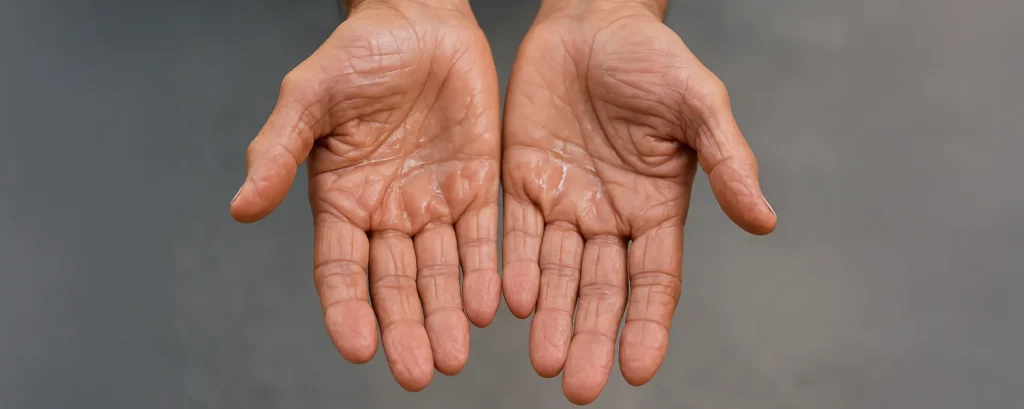
Hyperhidrosis is a medical condition that causes excessive sweating, often beyond what’s needed to cool the body. Unlike typical sweating from heat, exercise, or stress, hyperhidrosis can happen unexpectedly, even when you’re at rest or in a cool environment. It’s more than just an occasional inconvenience it can interfere with daily life and affect your confidence.
The condition usually affects certain areas of the body, like the underarms, palms, feet, or face, where sweat glands are more active. People with hyperhidrosis may find themselves constantly wiping their hands, changing clothes multiple times a day, or avoiding handshakes and social situations.
There are two main types:
- Primary hyperhidrosis – This is the most common form. It usually starts in childhood or adolescence and tends to affect specific areas like the hands, feet, or underarms. It’s not linked to any other medical condition and often runs in families.
- Secondary hyperhidrosis – This type is caused by an underlying health issue or as a side effect of medication. It usually leads to sweating across larger areas of the body and can be linked to conditions like diabetes, thyroid problems, menopause, or certain infections.
If you’re sweating more than what feels normal for your situation, and it’s affecting your daily routine or comfort, it’s worth speaking to a dermatologist. They can help you figure out the cause and the right treatment for you.
Treatment Options for Hyperhidrosis
When it comes to managing hyperhidrosis, there’s no one-size-fits-all solution. The right treatment depends on a few key factors: the severity of your symptoms, the specific areas affected, your overall health, and your personal preferences. A dermatologist will work with you to find the most effective option or a combination of treatments to help you regain control and feel more confident.
Here’s a look at the most commonly recommended, evidence-backed treatments available today:
1. Prescription-Strength Antiperspirants
These are often the first line of treatment recommended, especially for people with mild to moderate symptoms. Unlike regular antiperspirants you find in shops, these medical-grade products contain higher concentrations of aluminium chloride, which is the active ingredient that helps block sweat glands.
How they work:
- Aluminium chloride forms a temporary plug in the sweat ducts
- This blocks the release of sweat on the skin’s surface
- Over time, this helps reduce overall moisture in the affected area
Best for:
- People dealing with underarm sweating
- Some success may also be seen with sweating on the hands or feet
Side effects:
- Some users may experience skin irritation, itching, or a tingling sensation, especially if applied after shaving or on broken skin
These products typically come in roll-on or cream formulations and are most effective when applied at night, when sweat production is lower. Consistent, long-term use is often necessary to maintain results, but for many people, this simple treatment can make a noticeable difference in daily comfort.
2. Injections to Block Nerve Signals
Another common treatment for hyperhidrosis involves injecting a purified protein, often botulinum toxin, directly into the skin. This protein works by temporarily blocking the nerves that send signals to your sweat glands, which helps stop excessive sweating in the targeted area.
How it works:
- The protein interrupts the connection between nerves and sweat glands
- This prevents the glands from being activated, reducing sweat
- Results typically last between 3 to 6 months
Best for:
- Underarms
- Palms of the hands
- Soles of the feet
- Face, especially the forehead or upper lip
Side effects:
- Mild pain or tenderness where the injection is given
- In rare cases, temporary muscle weakness, especially when treating the hands
This treatment is widely used in dermatology because it’s precise, safe, and offers noticeable results. While the effects are not permanent, regular sessions can provide reliable relief for those dealing with moderate to severe sweating.
3. Iontophoresis
Iontophoresis may not be as well known as other treatments, but it’s a safe and effective option, especially for people struggling with sweaty hands or feet. This technique uses low-level electrical currents to help reduce sweat production over time.
How it works:
- The affected areas usually the hands or feet are placed in shallow trays filled with tap water
- A gentle electrical current is passed through the water, which helps block the sweat glands temporarily
- The process is generally painless, though you might feel a mild tingling sensation
Best for:
- Palmar hyperhidrosis (sweaty hands)
- Plantar hyperhidrosis (sweaty feet)
Side effects:
- Some people may notice mild skin irritation, dryness, or a slight burning feeling after treatment
- Applying a moisturiser afterwards can help minimise any discomfort
Treatment schedule:
- Sessions typically last around 20 to 30 minutes
- Most people start with treatments 2–3 times a week
- Once sweating is under control, sessions are spaced out for ongoing maintenance
While iontophoresis isn’t a quick fix, it can be highly effective when used consistently. It’s also a good option for those who want to avoid injections or medications.
4. Oral Medications

When topical treatments and procedures aren’t enough, dermatologists may recommend oral medications to manage more widespread or severe sweating. These are usually anticholinergic drugs, which work by blocking the nerve signals that activate sweat glands throughout the body.
How they work:
- They reduce overall sweat gland activity by interfering with specific chemical messengers in the nervous system
- As a result, sweat production decreases across multiple areas not just one location
Best for:
- Generalised hyperhidrosis (sweating that affects large areas)
- People who haven’t responded well to localised treatments like antiperspirants or injections
Side effects:
- Dry mouth
- Blurred vision
- Constipation
- Occasionally, drowsiness or trouble urinating
Because these medications affect the entire body, they’re usually prescribed with caution and only when necessary. Your dermatologist will carefully weigh the benefits against potential side effects, especially if you have any pre-existing health conditions.
5. Microwave-Based Devices
Microwave-based treatments are a newer, innovative option for people with persistent underarm sweating. This technology uses electromagnetic (microwave) energy to permanently eliminate sweat glands, offering long-term relief for those who haven’t had success with other treatments.
How it works:
- A handheld device is placed against the underarm area
- It delivers controlled thermal energy just beneath the skin’s surface
- The heat destroys the sweat glands, which do not regenerate
Best for:
- Axillary hyperhidrosis (excessive sweating in the underarms)
- Ideal for patients looking for a long-lasting or permanent solution
Side effects:
- Temporary swelling, redness, bruising, or mild numbness in the treated area
- Most side effects are short-lived and resolve within a few days to a week
While this treatment may sound intense, it’s generally well tolerated, and many people only need one or two sessions to see a significant and lasting reduction in sweating. Because the sweat glands are permanently destroyed, results are often long-term, making it an appealing choice for those seeking a more definitive solution.
How Dermatologists Tailor Treatment Plans

When it comes to treating hyperhidrosis, there’s truly no one-size-fits-all approach. What brings excellent results for one person may offer little to no relief for someone else. That’s why it’s so important to see a dermatologist who can evaluate your symptoms in context and create a treatment plan that’s uniquely tailored to you.
Hyperhidrosis varies not only in severity, but also in location, frequency, and underlying cause. Some people struggle with sweaty hands that interfere with writing or handshakes, while others are more concerned with underarm patches or constantly damp feet. These differences matter and a personalised approach ensures your treatment is both effective and practical.
During your appointment, your dermatologist will take the time to assess several key areas, including:
- The location and severity of your sweating: Is it limited to one or two areas, like your underarms or palms, or is it more generalised across your body?
- The impact on your daily life: How much is the condition affecting your confidence, comfort, work, or social interactions? Are you avoiding certain situations because of it?
- Previous treatments: What have you already tried whether over-the-counter antiperspirants, lifestyle changes, or home remedies and what were the results?
- Your medical history and medications: Some health conditions and medications can cause or worsen sweating. Understanding your overall health helps the dermatologist recommend treatments that are both safe and effective for your situation.
With all this in mind, they’ll put together a customised treatment plan. This might involve starting with prescription-strength antiperspirants for milder cases, or moving directly to more advanced options like Botox injections, oral medications, iontophoresis, or microwave-based therapies for more stubborn or widespread symptoms.
In many cases, a combination of treatments yields the best results especially when the condition is moderate to severe or has resisted past efforts. Your plan may also be adjusted over time, based on how your body responds and whether your lifestyle or needs change.
Ultimately, a tailored treatment strategy means you’re not wasting time or money on ineffective solutions. Instead, you’ll be working toward a clear, structured goal: lasting relief from the daily frustrations of excessive sweating.
What to Expect at a Consultation
If you’re thinking about seeing a dermatologist for hyperhidrosis, knowing what to expect can make the process feel less daunting. These consultations are usually straightforward, supportive, and confidential, giving you a safe space to discuss your symptoms openly and receive expert guidance. Whether your sweating is mild or severe, a consultation is the first step towards a treatment plan that’s tailored to you.
During your appointment, your dermatologist will typically:
- Ask in-depth questions about your sweating history. This includes when the symptoms began, how often they occur, what times of day they’re most noticeable, and what areas of your body are affected. They’ll also ask if there are any specific triggers, such as stress, heat, exercise, or certain foods.
- Review your medical history, including any medications you’re currently taking, your family health background, and any relevant health conditions. This helps them rule out any underlying causes that could point to secondary hyperhidrosis, such as thyroid problems, diabetes, infections, or hormonal imbalances.
- Conduct a physical examination of the areas where you sweat excessively. This helps determine the severity and distribution of the sweating, which plays a key role in deciding the most appropriate treatment.
- Order additional tests, if needed. In cases where a medical cause is suspected, you may undergo a sweat test (to measure and map sweat levels) or blood tests to check for thyroid function, blood sugar, or other possible contributors.
The consultation also includes a thorough discussion of your treatment options. Your dermatologist will walk you through each available method from topical solutions and oral medications to in-clinic procedures explaining how they work, what results to expect, how long they last, and any side effects to consider.
Most importantly, you’ll have the opportunity to ask questions and express your concerns, so you feel fully informed before moving forward. This isn’t just about getting a diagnosis it’s about building a clear, personalised plan of action that fits your lifestyle, goals, and comfort level.
By the end of the consultation, you should leave feeling empowered, supported, and optimistic about your next steps. Whether you’re exploring treatment for the first time or looking for something more effective than what you’ve tried before, your dermatologist will help guide you toward long-term relief.
Living with Hyperhidrosis: Practical Tips
While medical treatments are often essential for long-term relief, making small changes to your daily routine can also help you feel more comfortable and in control. These lifestyle strategies won’t cure hyperhidrosis, but they can go a long way in managing symptoms and improving your confidence in day-to-day situations.
Here are some practical tips that many people find helpful:
- Choose breathable fabrics – Wear loose-fitting clothes made from natural materials like cotton, bamboo, or linen. These fabrics allow better air circulation and help wick moisture away from the skin, keeping you cooler and drier throughout the day. Avoid synthetic materials, which tend to trap heat and sweat.
- Avoid common triggers – Certain foods and drinks like spicy meals, alcohol, or caffeine can stimulate your sweat glands. Try keeping a diary to track what seems to make your sweating worse, and make adjustments based on your findings.
- Carry extra clothing – Keeping a change of clothes, socks, or even a spare top in your bag can be a real confidence booster, especially if you’re out for the day or heading into a meeting.
- Use absorbent aids – Products like underarm pads, sweat-proof undershirts, or absorbent shoe insoles can help manage visible signs of sweating and protect your clothing. Some brands even offer products designed specifically for people with hyperhidrosis.
- Practise stress management techniques – Since anxiety and nervousness can trigger sweating for many people, techniques like deep breathing, mindfulness, or short walks can help reduce stress-related flare-ups.
In addition to these practical measures, joining a support group or online community can be incredibly helpful. Talking to others who understand what you’re going through can provide not only emotional support but also useful tips, product recommendations, and encouragement as you navigate treatment options.
Living with hyperhidrosis can be challenging, but with the right tools, support, and treatment plan, it becomes much easier to manage.
Final Thought: Effective Relief Starts with Expert Care
Hyperhidrosis can feel isolating and embarrassing, but you don’t have to deal with it alone and you don’t have to settle for over-the-counter sprays that barely scratch the surface. You can get in touch with us to book a consultation with our expert dermatologists for hyperhidrosis treatment in London. We’ll help you find a tailored solution that actually works.
References:
- Glaser, D.A., Coleman III, W.P., Fan, L.K., Kaminer, M.S., Kilmer, S.L., Nossa, R. and Smith, S.R., 2012.
A randomized, blinded clinical evaluation of a novel microwave device for treating axillary hyperhidrosis: the Dermatologic Reduction in Underarm Perspiration Study. Dermatologic Surgery, 38(2), pp.185–191. https://onlinelibrary.wiley.com/doi/abs/10.1111/j.1524-4725.2011.02250.x - Hsu, T.H., Chen, Y.T., Tu, Y.K. and Li, C.N., 2017.
A systematic review of microwave-based therapy for axillary hyperhidrosis. Journal of Cosmetic and Laser Therapy, 19(5), pp.275–282. https://pubmed.ncbi.nlm.nih.gov/28281850/ - Grove, G.L., Togsverd-Bo, K., Zachariae, C. and Haedersdal, M., 2023.
Impact of microwave thermolysis energy levels on patient-reported outcomes for axillary hyperhidrosis and osmidrosis. Lasers in Surgery and Medicine, 55(4). https://onlinelibrary.wiley.com/doi/10.1002/lsm.23610 - Pissa, M., Hashem, R., Shayesteh, A., Wrisley, S. and Micu, E., 2024.
Evaluation of quality of life, anxiety, and depression in patients with primary axillary hyperhidrosis undergoing treatment with a microwave device: one-year follow-up. Acta Dermato-Venereologica, 104:adv40543. https://medicaljournalssweden.se/actadv/article/view/40543 - Lee, S.J., Chang, K.Y., Suh, D.H., Song, K.Y. and Ryu, H.J., 2013.
The efficacy of a microwave device for treating axillary hyperhidrosis and osmidrosis in Asians: a preliminary study. Journal of Cosmetic and Laser Therapy, 15(5), pp.255–259. https://pubmed.ncbi.nlm.nih.gov/23713761/