



If you’ve spent months or even years treating your acne scars, it’s understandable to worry about whether they might return. You may have had laser, microneedling, subcision, chemical reconstruction, or combination treatments and experienced smoother, more even skin. But then, over time, you notice new unevenness or dips, and you begin to wonder are my acne scars coming back?
This concern is incredibly common, and it often comes from confusion between true recurrence and natural skin changes that can make old scars more noticeable again. In this article, I want to help you understand what “recurrence” really means, why scars sometimes appear to return, how ageing and inflammation affect your skin, and what long-term maintenance looks like. You’ll also learn the difference between recurring scars and the development of entirely new texture issues. By the end, you’ll know exactly what to expect from your treatments, how to preserve your results, and when it’s time to consider maintenance sessions.
Do Acne Scars Actually Come Back?
Let’s start with the most important answer: True acne scars do not come back once they have been properly treated and remodelled.
Acne scars form when inflammation damages your collagen. Treatments such as laser, subcision, and microneedling work by remodelling this collagen. Once the collagen structure has been improved, that improvement is long-lasting.
So, if scars don’t literally return, why do some people feel like they do?
New scars form if acne returns.
If you experience new breakouts after treatment, those breakouts can create new scars. These aren’t your old scars returning they are new scars forming in the same areas.
Ageing, collagen loss, and skin thinning make old scars more visible.
Even treated scars can appear deeper as the skin loses natural firmness over the years. This is not recurrence it’s the effect of ageing on the skin.
Understanding this difference gives you clarity and realistic expectations.
Why Acne Scars Seem to “Come Back” Even When They Haven’t
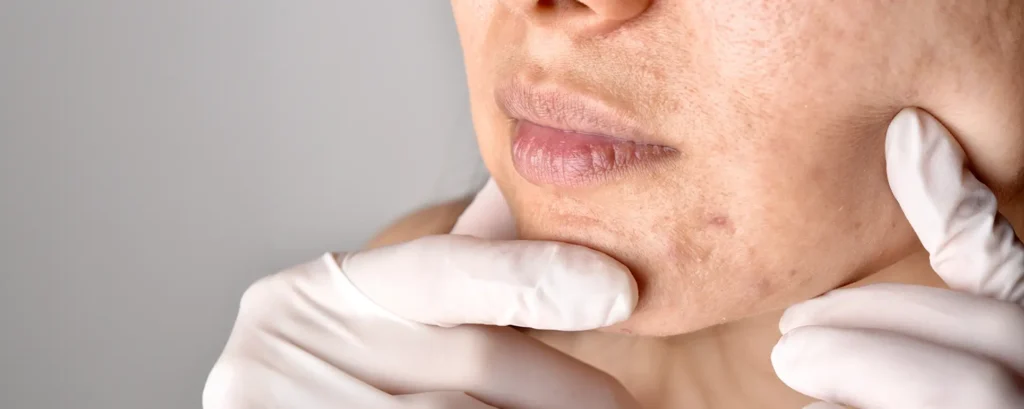
There are several reasons acne scars may look like they’ve reappeared. These technically aren’t recurrences they’re changes in how the skin reflects light or behaves over time.
1. Natural Ageing Reveals Old Texture
As you age, your skin gradually loses collagen and elasticity. Even a well-treated scar can appear deeper or more defined when the surrounding skin becomes thinner or less firm. This is especially true after the age of 30 when collagen production naturally declines.
2. Dehydration and Surface Dryness Emphasise Texture
Dehydrated skin exaggerates every imperfection. Scarred areas reflect light differently when your skin is dry, making them appear more prominent. This doesn’t mean your scars have returned your skin simply needs hydration.
3. Weight Loss Can Change Facial Volume
If you lose significant weight, the fat underneath your skin decreases. This can cause previously treated scars to appear deeper because there is less support beneath them.
4. Harsh Lighting Makes Texture More Obvious
Bathroom lights, car mirrors, and overhead lighting create harsh shadows that make pores and scars look worse. Many people think their scars are returning when it’s simply the lighting environment.
5. New Acne Lesions Create New Scarring
If you continue experiencing inflamed breakouts, the new lesions can create new scars in the same area where old ones were treated. This may feel like the scars “came back,” but they are new marks.
Distinguishing these causes prevents panic and helps you take the right next steps.
What True Recurrence Really Means
True recurrence happens when treated collagen breaks down again due to ongoing inflammation, trauma, or persistent acne. This is rare but can occur if severe acne continues after treatment, skin-picking or squeezing persists, underlying hormonal imbalances remain untreated, or chronic inflammatory conditions affect the skin. In these situations, new tissue damage can lead to the formation of fresh scars. However, with proper acne control and care, true recurrence is extremely unlikely.
The Relationship Between Acne and Scarring

It’s important to understand that acne itself is the cause of scars not the treatments used to improve them. Scar treatments such as laser therapy, microneedling, or subcision can effectively smooth and remodel existing scar tissue, but they cannot stop new scars from forming if active acne continues. Essentially, the treatments work on the damage that has already occurred; they do not prevent fresh breakouts from leaving new marks. This distinction is crucial because many patients assume that once they start scar treatment, their skin will remain clear, but ongoing acne can undo these improvements over time.
This is why dermatologists always prioritise controlling acne before performing any scar-specific procedures. Treating scars while acne is still active is like trying to repair a wall while someone is still punching holes in it the results are limited and temporary. To truly prevent the appearance of “recurrent” scars, the root cause active acne must be effectively managed first, whether through topical or oral medications, lifestyle adjustments, or professional guidance. Once acne is under control, scar treatments can deliver long-lasting, meaningful improvements in skin texture and appearance.
Do All Acne Scar Treatments Have Long-Term Results?
Yes, but the longevity depends on how deeply the treatment remodels the collagen.
Let’s quickly compare major treatments:
Subcision: Subcision releases tethered scars, and the result is long-lasting because the fibrous bands don’t reform. Once released, they stay released.
Fractional CO₂ Laser: CO₂ laser vaporises micro-columns in the skin and forces deep collagen remodelling. The structural improvement lasts for years, but natural ageing still affects the skin.
Microneedling (With or Without Radiofrequency): Microneedling stimulates controlled wound-healing. The new collagen lasts for years but needs occasional maintenance.
TCA Cross: This treatment fills deep ice-pick scars from the bottom up. Results are permanent unless new inflammatory damage occurs.
Dermal Fillers: Fillers used to lift scars can wear off depending on the type, especially hyaluronic acid fillers. These may need topping up every 12–24 months.
Chemical Peels: Peels improve texture and pigmentation but offer more surface-level results. They may require maintenance more frequently than deep treatments.
The deeper the collagen change, the longer the result lasts.
Why Maintenance Is Important Even After Successful Treatment
Even after acne scars have been successfully treated, it’s important to remember that your skin continues to age naturally. Over time, collagen levels decline, and factors like sun exposure, pollution, and lifestyle habits can affect skin texture and firmness. Maintenance isn’t about reversing your results it’s about supporting and preserving the improvements you’ve already achieved, keeping your skin looking smooth and healthy for longer. Without proper care, minor changes in skin structure or elasticity can make previous scars slightly more noticeable again.
Maintenance usually involves a combination of professional treatments and daily skincare habits. Periodic microneedling sessions often once a year help stimulate collagen production, while occasional laser resurfacing can refresh the skin’s texture. Topical retinoids support ongoing collagen stimulation, and a focus on hydration and repairing the skin barrier keeps the skin resilient. Consistent sun protection is also crucial to prevent UV-related damage. Together, these strategies slow down the natural ageing process and ensure your skin continues to look its best long after scar treatment.
When Acne Scar Results Might Fade
Sometimes, even after successful acne scar treatment, the results can appear to fade. This doesn’t mean your scars are returning true recurrence is rare. Instead, changes in the surrounding skin tissue, such as collagen loss or thinning, can make old scars look more noticeable over time. Factors like ageing, weight fluctuations, or prolonged dehydration can reduce skin volume and firmness, subtly emphasising previous indentations.
Other lifestyle and environmental factors can also affect how scars appear. Stress, low-humidity environments, chronic sun exposure, and stopping the use of collagen-supporting skincare can all contribute to weaker or thinner skin. When the surrounding tissue loses support, the contrast between the treated skin and old scars becomes more pronounced. Understanding this helps set realistic expectations and highlights the importance of ongoing maintenance to keep your skin looking smooth and healthy.
The Role of Skincare in Preventing “Recurrence”
While skincare alone cannot rebuild deep scar tissue, it plays a crucial role in protecting and maintaining the surrounding skin, which in turn preserves the results of your acne scar treatments. Healthy, well-supported skin ensures that scars do not appear more prominent over time and supports the longevity of any procedures you’ve undergone.
The most helpful ingredients include:
Retinoids: Retinoids increase collagen production, improve cell turnover, and reduce surface texture. By strengthening the skin’s structure and maintaining firmness, they help prevent treated scars from appearing deeper or more noticeable as the skin ages.
Vitamin C: Vitamin C supports collagen synthesis, improves skin elasticity, and helps brighten pigmentation that may accompany scars. Consistent use can enhance overall skin texture and tone, keeping the treated area looking smoother.
Niacinamide: Niacinamide strengthens the skin barrier, reduces inflammation, and regulates oil production. By maintaining skin resilience, it helps prevent secondary issues like enlarged pores or mild textural changes that can make scars appear more obvious.
Peptides: Peptides support collagen formation and overall skin repair. They can enhance the skin’s structural integrity, contributing to long-term firmness and resilience around scarred areas.
Sunscreen: UV exposure accelerates collagen breakdown and can darken scars. Regular and consistent sunscreen application is the single most important step in maintaining treatment results and preventing further structural damage.
By combining these skincare strategies, you create a protective environment for your skin. Maintaining strong, hydrated, and resilient skin ensures that your treated scars continue to look smooth and less noticeable for years to come.
How Long Do Acne Scar Results Typically Last?
Most people enjoy long-term improvement after professional acne scar treatments. Procedures like subcision and TCA Cross create permanent structural changes in the skin, meaning the scars themselves are effectively remodelled and won’t return. Laser and microneedling treatments also provide lasting improvement, though natural ageing and external factors like sun exposure can gradually affect the skin’s appearance over time.
Here’s a general guide to how long different treatments typically last:
- Subcision: Permanent – breaks fibrous bands tethering scars, creating long-lasting correction.
- TCA Cross: Permanent – stimulates collagen directly within narrow, deep scars for enduring results.
- CO₂ Laser: 5–10 years of improvement – resurfacing and collagen remodelling can maintain smoothness for many years, though touch-ups may be needed as the skin ages.
- RF Microneedling: 2–5 years – stimulates collagen and tightens skin, with longevity depending on maintenance and skin type.
- Dermal Fillers: 12–24 months – temporary volume replacement for deep scars; repeat sessions can prolong the effect.
- Chemical Peels: Months to a few years – surface-level improvement that may require repeat treatments to maintain results.
With proper aftercare including consistent skincare, sun protection, and periodic maintenance sessions these results can be preserved and even enhanced, keeping your skin looking smoother and healthier for many years.
Why Hormones Can Influence Long-Term Results
Hormonal imbalances that trigger acne such as PCOS, high androgens, or menstrual fluctuations can cause new breakouts, which in turn lead to new scars. If your hormones are not managed, new scars may appear even after your previous ones have been treated. This isn’t recurrence but new scarring. This is why hormonal evaluation is sometimes recommended for people with persistent acne.
Why Lifestyle Affects Whether Scars Seem to Return
Your lifestyle plays a crucial role in how smooth and resilient your skin appears. Even after successful treatment, daily habits can influence the longevity of your results and how noticeable your scars look over time. Many people don’t realise how much these simple factors affect the skin’s structure and appearance.
Sleep: Poor sleep increases cortisol levels, which accelerates collagen breakdown and slows the skin’s natural repair processes. Chronic sleep deprivation can make treated scars appear more pronounced.
Diet: Diets high in sugar, refined carbohydrates, and dairy can promote inflammation and trigger acne flare-ups, which may create new marks or exaggerate the appearance of existing scars. Eating a balanced diet rich in antioxidants and protein helps support collagen production and skin healing.
Stress: Chronically elevated cortisol from stress slows down the skin’s repair mechanisms and encourages breakouts, both of which can make scars more visible over time. Mindfulness, meditation, or stress-management techniques help maintain healthier skin.
Hydration: Dehydrated skin loses elasticity, and the surrounding tissue appears lax, casting shadows that make scars seem deeper than they are. Drinking plenty of water and using hydrating skincare keeps skin plump and smooth.
Sun Exposure: UV radiation rapidly breaks down collagen and damages the skin’s structure, which can worsen the appearance of both old and new scars. Daily sunscreen and protective clothing are essential for preserving your results.
These lifestyle factors don’t actually recreate old scars, but they can weaken the skin around them, making treated scars more noticeable. By supporting your skin with healthy habits, you help maintain the improvements achieved through treatment and keep your skin looking its best.
Why Some People Need Maintenance Treatments
Maintenance isn’t a sign that your scars have returned. Instead, it’s an essential part of long-term skin health and helps preserve the improvements you achieved from your initial treatments. Over time, natural ageing, environmental factors, and lifestyle habits can subtly affect skin firmness and texture, making maintenance treatments a proactive way to keep your results looking fresh.
You might benefit from maintenance if:
Skin Laxity Increases with Age: As collagen and elastin naturally decline, the skin surrounding your scars can become looser, which may make scars appear more noticeable.
Loss of Facial Volume: Decreased fat or tissue in the face can alter how light hits your skin, subtly exaggerating the appearance of old scars.
Seasonal or Environmental Changes: Dry climates or winter months can dehydrate skin, making scars look deeper or more pronounced.
Mild to Moderate Initial Improvement: If your first round of treatments provided only partial results, occasional follow-ups can enhance and maintain the outcomes.
Desire for Long-Term Smoothness: Even if your scars currently look good, maintenance treatments help keep your skin tightened, supported, and looking refined over the years.
Annual or occasional maintenance such as microneedling sessions, targeted laser resurfacing, or consistent collagen-supporting skincare ensures your skin remains healthy, resilient, and smooth.
Frequently Asked Questions:
1. Can acne scars truly come back after treatment?
Acne scars that have been effectively treated and remodelled generally do not return. Treatments like subcision, TCA Cross, laser resurfacing, and microneedling work by repairing and strengthening the underlying collagen, creating long-lasting structural improvements. What people often perceive as a return of scars is usually the result of skin ageing, collagen loss, or new acne lesions causing fresh scarring, rather than a literal recurrence of old scars.
2. Why do my treated scars sometimes appear more noticeable over time?
Even after successful treatment, natural ageing and lifestyle factors can subtly change the appearance of your skin. Collagen and elastin decline with age, leading to skin laxity that can make old scars look deeper. Environmental stressors, dehydration, sun exposure, and loss of facial volume can all accentuate the texture of previously treated areas. This is not a recurrence, but rather a natural change in the surrounding tissue.
3. Will new acne flare-ups create new scars?
Yes, any new inflammatory acne lesions have the potential to leave scars if they are not properly treated or managed. Even if your old scars have been successfully treated, new breakouts can cause fresh scarring. This is why dermatologists prioritise controlling active acne before performing scar-specific procedures, ensuring that new damage does not compromise your results.
4. How does skincare help maintain the results of scar treatments?
Skincare is crucial for preserving the results of acne scar procedures. While it cannot rebuild deep scar tissue, consistent use of collagen-supporting ingredients such as retinoids, vitamin C, niacinamide, and peptides helps maintain firmness, improve texture, and support the skin barrier. Regular sunscreen use is essential, as UV exposure accelerates collagen breakdown and can darken scars, making them appear more prominent. By keeping the surrounding skin healthy and resilient, the treated scars continue to look smoother.
5. How often should maintenance treatments be done?
Maintenance treatments depend on the type of procedure performed, your skin type, and lifestyle factors. Procedures like microneedling or fractional laser resurfacing are often recommended annually or occasionally, while other treatments like dermal fillers may require more frequent touch-ups depending on the material used. Maintenance is not a sign of failure; it simply helps preserve the improvements achieved from the initial treatments.
6. Can lifestyle habits influence whether scars seem to return?
Yes, daily habits can significantly affect how visible scars appear. Poor sleep, high-stress levels, unhealthy diet, dehydration, and excessive sun exposure can all reduce collagen levels, decrease skin elasticity, and weaken the surrounding tissue. These factors do not recreate old scars but can make treated areas look less smooth, emphasising texture changes. Supporting your skin with healthy habits helps maintain the results of scar treatments.
7. Are all scar treatments permanent?
The longevity of scar treatments varies depending on how deeply they remodel the skin. Subcision and TCA Cross create permanent structural changes in the dermis. Laser resurfacing and microneedling produce long-lasting results but are still influenced by natural ageing and external factors. Dermal fillers are temporary and require periodic replenishment, while chemical peels often provide surface-level improvements that need ongoing maintenance.
8. Can hormonal changes affect scar appearance?
Hormonal fluctuations, such as those caused by menstrual cycles, PCOS, or high androgen levels, can trigger new acne breakouts. These breakouts can form new scars even after previous ones have been treated. This is why dermatologists sometimes recommend hormonal evaluation for patients with persistent acne to prevent new scarring.
9. Can dehydration make scars look worse?
Yes, dehydrated skin loses elasticity, causing shadows that exaggerate the depth of scars. While the scar itself has not returned, the surrounding skin’s thinning or lack of support can make old scars appear more prominent. Maintaining hydration through both topical products and adequate water intake helps keep treated scars looking smooth.
10. Is it possible to prevent all new acne scars entirely?
While it’s not possible to guarantee that no new scars will ever form, controlling active acne and managing lifestyle factors significantly reduces the risk. Proper acne treatment, consistent skincare, sun protection, and addressing hormonal or inflammatory triggers all play a role in minimising new scar formation. Preventive care combined with professional treatments gives the best chance of maintaining long-term smooth skin.
Final Thought: Maintaining Acne Scar Results
Acne scars that have been effectively treated rarely “come back,” but natural ageing, lifestyle factors, and new breakouts can make old scars appear more noticeable over time. Maintaining your results requires a combination of professional follow-ups, consistent skincare, sun protection, and healthy habits to keep your skin firm, hydrated, and resilient. Regular maintenance whether through microneedling, laser resurfacing, or topical collagen-supporting treatments helps preserve the improvements achieved from your initial procedures.
If you’re looking for acne scar treatment in London, you can reach out to us at London Dermatology Centre to schedule a consultation with one of our expert specialists. Our team will assess your skin, discuss suitable treatment options, and guide you on the best approach to maintain smooth, healthy skin for the long term.
References:
1. Campbell, J. A. & Elsner, P. (2023) ‘The Use of a Fractional Laser in Acne Scar Treatment A Systematic Review’, Life 15(6): 915. https://www.mdpi.com/2075-1729/15/6/915
2. Abdel‑Sayed, N. et al. (2021) ‘Comparative efficacy of fractional CO₂ laser resurfacing for atrophic acne scars: a long‑term follow‑up study’, Journal of Cosmetic Dermatology. https://pubmed.ncbi.nlm.nih.gov/35109741/
3. Goodman, G. & Baron, J. (2006) ‘Acne Scarring Pathogenesis, Evaluation, and Treatment Options’, Dermatologic Surgery, 32(3): 436–451. https://pmc.ncbi.nlm.nih.gov/articles/PMC5749614/
4. Subdermal Laser‑Assisted Scar Subcision (SLASS) Combined With Fractional CO₂ Laser for Acne Scars: Efficacy Evaluation. https://pubmed.ncbi.nlm.nih.gov/40296542/
5. Fabbrocini, G., et al. (2015) ‘Atrophic Post‑acne Scar Treatment: Narrative Review’, Dermatologic Therapy, 28(2): 72–88. https://www.sciencedirect.com/org/science/article/pii/S256209592400014X