


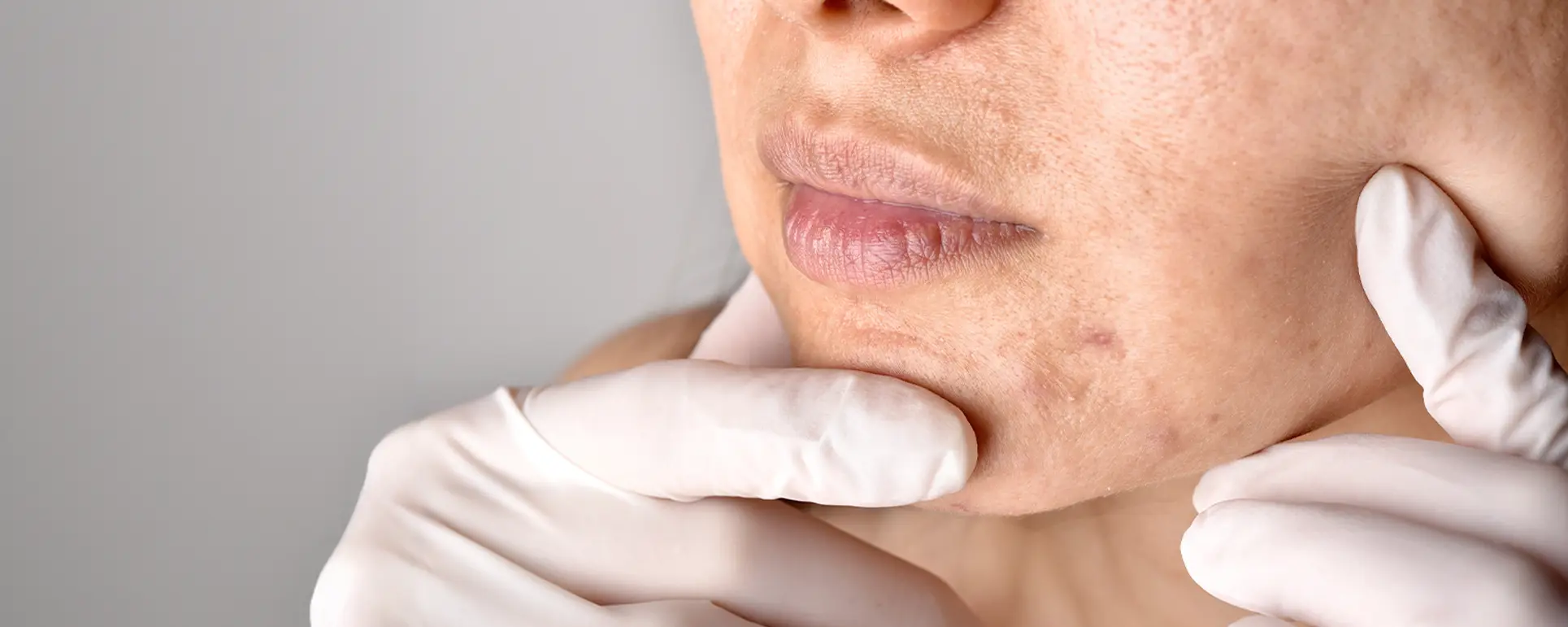
If you’ve been struggling with acne scars, you’re definitely not alone. Many people try dozens of at-home skincare products, popular TikTok hacks, and DIY tools in the hope of smoothing their skin. Some of these methods can offer minor improvements, while others can irritate your skin, worsen scarring, or delay proper treatment. You might have seen derma rollers, acids, retinoids, LED masks, or home microdermabrasion devices, and wondered whether any of these actually work.
In this article, I’ll guide you through what’s genuinely effective, what’s risky, and when you absolutely should not treat acne scars yourself. You’ll learn how to identify which scars respond to home care, how to avoid making inflammation worse, and when professional treatment becomes essential. My goal is to give you honest, practical advice so you can make the best decisions for your skin without wasting time, money, or risking more damage.
Understanding Acne Scars Before You Treat Them
Before deciding whether to use at-home treatments, it’s important to understand what type of acne scars you have. Acne scars fall into two main categories: atrophic and hypertrophic.
Atrophic scars are more common. They’re caused by a loss of collagen after inflammation and can appear in different shapes. Some are shallow, while others are deep and narrow. Hypertrophic scars are raised and happen when your body produces too much collagen when healing acne.
At-home treatments rarely change deep scars or raised scars because those issues extend deeper into the skin. Mild, shallow scars or pigmentation marks are the ones that usually respond to home care.
Knowing what type of scars you have helps you set realistic expectations. It also helps you avoid using treatments that won’t work on your specific type of scar.
Which Acne Scars Improve with At-Home Treatments?
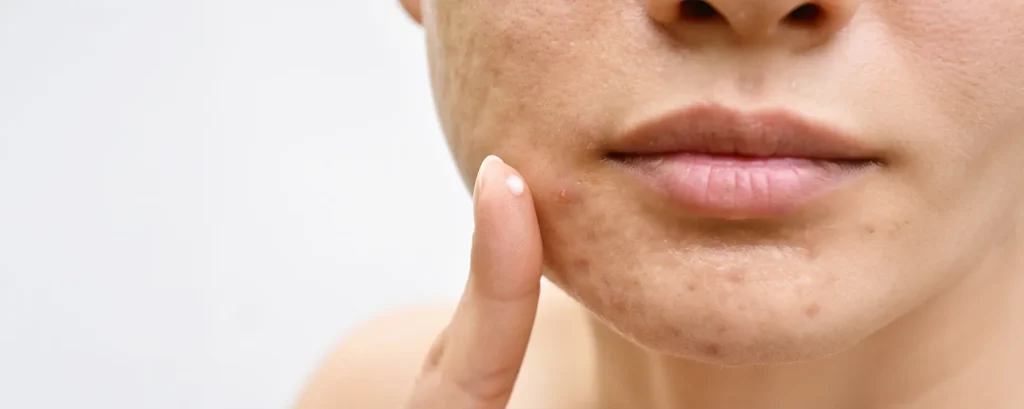
Not all scars can improve with at-home products. Mild scars, such as superficial hyperpigmentation or very shallow texture changes, often respond well to topical treatments. Some scars simply sit too deep in the skin, and others require controlled injury, heat, or medical-grade technology to stimulate collagen.
At-home treatments can be helpful if you have:
- Mild shallow scars
- Slight textural irregularities
- Pigmentation left behind from acne
- Early signs of uneven tone
They usually won’t help if you have deeper atrophic scars like ice pick scars, boxcar scars, or significant rolling scars. Those need procedural treatments such as laser resurfacing, chemical peels, microneedling, or subcision.
The best way to know whether home treatments will help is to identify whether your scars are shallow enough for surface-level improvement. If your scarring dips deeply when you stretch the skin, at-home methods are unlikely to deliver meaningful change.
At-Home Treatment 1: Retinoids (One of the Most Effective Options)
Retinoids are one of the few at-home treatments that can genuinely help shallow acne scars. They work by increasing cell turnover and stimulating collagen production in the skin. Over time, this can help smooth minor unevenness and improve skin texture.
You’ll often see improvements in pigmentation, mild rolling scars, and superficial irregularities. Retinoids also help prevent new breakouts, which is essential because fresh inflammation can lead to new scarring.
However, retinoids won’t improve deep scars. They also require patience consistent use over months, not weeks. You may experience dryness or irritation during the adjustment period, so it’s important to introduce them slowly into your routine.
If you’re currently experiencing active acne, retinoids can be helpful, but be prepared for temporary dryness. They should be used carefully if you already have sensitive skin, rosacea, or eczema.
At-Home Treatment 2: AHAs and BHAs
Alpha hydroxy acids (AHAs) and beta hydroxy acids (BHAs) can help smooth the surface layer of your skin. AHAs like glycolic acid exfoliate the upper layers of your skin, helping to fade pigmentation and improve minor textural changes. BHAs like salicylic acid penetrate deep into your pores, helping reduce inflammation and prevent new breakouts.
These acids work well for pigmentation and shallow uneven texture. They also help clean pores, preventing future acne and reducing the risk of new scars forming.
However, overusing acids can irritate your skin. This irritation can lead to increased redness, more pigmentation, and worsened texture. People often make the mistake of combining multiple acids or using them too frequently. Less is more with acids, especially when treating acne-prone or sensitive skin.
If your skin becomes overly dry or sore, it’s a sign to pull back. Acne scars don’t improve faster with stronger acids they improve with consistency and gentle care.
At-Home Treatment 3: Vitamin C Serums

Vitamin C is a powerful antioxidant that can brighten pigmentation left behind by acne. It helps even out skin tone and encourages collagen formation, although only mildly.
This ingredient works particularly well for post-inflammatory hyperpigmentation the brown or red marks that linger after breakouts. These marks are often mistaken for scars, but they’re actually discolouration and can improve significantly with Vitamin C.
However, Vitamin C does little for indented scars. There are also different strengths and forms of Vitamin C, and some formulas can irritate sensitive skin. Choosing a gentle, stabilised formula can help you use the product consistently without side effects.
If you have deep scarring, Vitamin C alone won’t make a noticeable difference, but it can help improve your overall complexion.
At-Home Treatment 4: Niacinamide
Niacinamide is one of the safest and most versatile ingredients available. It helps calm inflammation, reduce redness, strengthen your skin barrier, and regulate oil production. This makes it especially helpful if you still experience breakouts.
While niacinamide doesn’t directly remove scars, it supports your skin during the healing process. Healthy, well-protected skin is more responsive to long-term scar treatments. Many people combine niacinamide with retinoids or acids to help reduce irritation.
Niacinamide is gentle enough to use daily and works well for many skin types, including sensitive skin.
At-Home Treatment 5: Derma Rollers (Microneedling Pens and Rollers)
At-home microneedling has become extremely popular, but it’s also one of the most misunderstood and misused treatments. People often assume a derma roller will deliver the same results as professional microneedling, but at-home tools only penetrate superficially. They cannot reach the deeper layers needed to remodel collagen effectively.
Professional microneedling devices are much more powerful and are performed in sterile conditions. At-home rollers do not offer the same precision or control. Many people unknowingly use rollers too aggressively, roll over active acne, or fail to clean them properly.
These mistakes can lead to:
- Infections
- Skin irritation
- More inflammation
- Worsened scarring
- Pigmentation problems
If you use a derma roller at home, it must be done with great care. But for meaningful scar improvement, professional microneedling or fractional laser is far more effective and much safer.
At-Home Treatment 6: LED Masks
LED masks can be helpful, particularly for reducing inflammation and supporting overall skin healing. Red light therapy encourages mild collagen production, while blue light helps reduce acne-causing bacteria.
For acne scars, LED masks offer gentle support but won’t produce dramatic changes. They can help improve mild redness, swelling, and healing after breakouts. If you have shallow scarring, LED therapy might soften the appearance slightly over time.
However, LED masks will not significantly improve deep scars. They’re best used as part of a long-term routine rather than a standalone solution.
At-Home Treatment 7: Chemical Peels (Home Versions)
Home chemical peels exist in lower strengths compared to clinical-grade versions. Mild at-home peels can help with pigmentation and fine textural unevenness, but they are not strong enough to target deeper scarring.
Some people use high-percentage peels they purchased online, assuming they’ll get faster results. This is risky. High-strength acids can burn your skin, cause uneven peeling, create new scars, or lead to long-term pigmentation issues.
If you’re tempted to use strong chemical peels at home, it’s safer to avoid them entirely. A dermatologist can perform a controlled peel that penetrates deeper layers safely.
At-Home Treatment 8: Microdermabrasion Devices
Some people buy home microdermabrasion tools believing they can “sand down” their scars, but these devices are often ineffective and risky. Professional microdermabrasion uses controlled suction and exfoliation that’s far more precise than any home tool.
At-home devices often cause irritation, redness, or broken capillaries because they lack the proper power settings. They also don’t penetrate deep enough to improve moderate or severe scarring. For most people, they’re simply not worth the risk.
At-Home Treatment 9: Natural Remedies (Aloe, Oils, Honey, etc.)
Natural remedies can soothe your skin but do little for true acne scars. Ingredients like aloe vera, tea tree oil, or honey can improve overall skin health and reduce redness. But they won’t remodel collagen or fill in indented scars.
Some natural treatments can also irritate your skin, especially if used without proper dilution or knowledge. Essential oils in particular can cause allergic reactions and worsen inflammation. If you choose to use natural remedies, do so with caution and realistic expectations.
What Absolutely Does Not Work for Acne Scars
There are some at-home methods that will never improve acne scars. Knowing these can save you time and prevent disappointment.
You won’t see results from:
Toothpaste: Toothpaste is often suggested online for spot treatment, but it contains ingredients like baking soda, hydrogen peroxide, and fluoride that can irritate the skin. Applying it can lead to dryness, redness, and even chemical burns. It does not stimulate collagen or improve the appearance of acne scars.
Lemon juice: Lemon juice is highly acidic and can disrupt the skin’s natural pH balance. This can cause irritation, redness, and increased sensitivity to sunlight. Despite claims of “lightening scars,” it does not improve scar texture or depth.
Baking soda: Baking soda is abrasive and alkaline, which can strip the skin of its protective barrier. Overuse can lead to irritation, dryness, and micro-tears in the skin. It does not stimulate healing or collagen production, so it won’t reduce scar appearance.
Vinegar: Vinegar, especially apple cider vinegar, is often promoted for skin toning, but its high acidity can burn and irritate the skin. Applying it to scars can worsen inflammation rather than improve them. There is no clinical evidence that it reduces acne scars.
Alcohol-based products: Products with high alcohol content can dry out the skin and disrupt the natural barrier. This may cause more irritation, redness, or peeling. Alcohol does not promote collagen formation or scar healing.
DIY abrasive scrubs: Homemade scrubs made from sugar, salt, or ground nuts can physically damage the skin. Over-exfoliation can worsen inflammation and even create new micro-scars. They are not effective at improving scar depth or texture.
Online “miracle creams” with no clinical backing: Many over-the-counter creams make bold claims about fading scars but lack scientific evidence. They may contain irritants or allergens that worsen skin condition. Relying on unproven products can delay proper treatment and results.
When At-Home Treatments Can Make Scars Worse
Some people unknowingly make their acne scars worse by using aggressive DIY methods. It’s important to be cautious, especially if you have:
Active acne: Using at-home scar treatments on active acne can irritate the skin and worsen breakouts. Aggressive products may inflame lesions, slowing healing and increasing the risk of permanent scarring. It’s best to treat active acne first before focusing on scar reduction.
Inflamed bumps: Inflamed or swollen pimples are very sensitive to pressure, chemicals, and abrasive treatments. Applying DIY methods can aggravate inflammation, causing more redness and potentially leaving deeper scars. Patience and gentle care are essential until the skin calms.
Sensitive skin: Sensitive skin reacts easily to harsh chemicals, acids, or exfoliation. Even mild DIY treatments can trigger irritation, redness, or stinging sensations. Protecting the skin barrier with gentle, clinically tested products is safer and more effective.
Eczema or dermatitis: If you have eczema or dermatitis, your skin is already prone to inflammation and barrier disruption. At-home scar remedies may worsen flare-ups or trigger new irritation. It’s important to prioritise soothing, barrier-supporting skincare first.
Rosacea: Rosacea causes redness and visible blood vessels that can flare easily. Harsh acids, scrubs, or DIY remedies may aggravate the condition, leading to increased redness and irritation. Avoid aggressive treatments and stick to gentle, dermatologist-approved options.
A history of scarring easily: Some people are naturally prone to scarring, even from minor injuries. DIY treatments that damage the skin or create micro-injuries can lead to more noticeable or permanent scars. Consulting a dermatologist for professional-grade treatments reduces the risk of worsening scars.
Which At-Home Treatments Can Be Used Safely Together?
Creating a safe at-home routine for acne scars means focusing on gentle, supportive products that encourage collagen production and reduce inflammation. You can combine a mild cleanser with niacinamide, a hydrating moisturiser, and sunscreen daily for a strong foundation. Adding a mild AHA or BHA a few times a week, a retinoid applied gradually, and vitamin C in the morning can further enhance skin texture and tone without causing damage. The key is consistency following a well-rounded routine over several months is far more effective and safer than jumping into aggressive treatments too quickly.
It’s also important to use certain products carefully to avoid irritation. For example, acids and retinoids should not be applied on the same night when you’re just starting, as this can overwhelm the skin and slow down healing. By layering products thoughtfully and giving your skin time to adjust, you can gradually improve acne scars while protecting your skin barrier and avoiding unnecessary redness or sensitivity.
Why Professional Treatments Are Often Needed for Deep Acne Scars
For deeper acne scars, at-home treatments are often insufficient because they can’t reach the layers of skin responsible for structural changes. Professional treatments, on the other hand, work more effectively to stimulate collagen, improve skin texture, and deliver results that home devices simply cannot replicate. They are designed to target the underlying scar tissue, remodel the skin, and provide noticeable improvements in both appearance and skin quality.
Some of the most effective professional options include fractional laser, microneedling, medium or deep chemical peels, subcision, TCA CROSS, and radiofrequency microneedling. These treatments break up scar tissue, promote fresh collagen growth, and rebuild the skin from within. If your scars have persisted for years or are affecting your confidence, consulting a specialist is the best way to explore options that can deliver real, long-lasting results.
When You Should Avoid DIY Acne Scar Treatments
There are certain situations where DIY acne scar treatments can do more harm than good. If you have cystic acne, inflamed skin, significant redness, or dark skin that is prone to hyperpigmentation, at-home methods can worsen irritation or cause new marks. Similarly, using strong prescription acne medications or having recently undergone a chemical peel or laser makes your skin more vulnerable to damage from DIY treatments.
Pregnancy or breastfeeding can also limit which products are safe to use, as some active ingredients may not be recommended. In all these cases, attempting at-home treatments could lead to complications, prolonged healing, or long-term pigmentation issues. Consulting a professional ensures your skin is treated safely and effectively, with results that won’t compromise your health or appearance.
Realistic Expectations for At-Home Acne Scar Treatments
At-home acne scar treatments can help improve the surface of your skin, reduce pigmentation, and give you a healthier appearance. But they won’t remove scars entirely. The goal is improvement, not perfection.
If you want meaningful improvement in moderate or severe scars, professional treatments are usually necessary. Home treatments can complement professional care, but they’re not a replacement for in-clinic procedures. Understanding this helps you avoid frustration and make choices that actually benefit your skin.
FAQs:
1. Can at‑home skincare products ever fully remove acne scars?
At‑home skincare products such as mild acids, retinoids, Vitamin C serums or moisturizing creams can help improve the appearance of superficial skin changes like minor uneven texture, mild pigmentation or faint discoloration but they rarely eliminate deeper scars. True structural scars from collagen loss or significant dermal damage often need treatments that reach deeper skin layers, which at-home topicals cannot reliably affect.
2. Are mild chemical peels or acids safe to use at home for scar improvement?
Light chemical exfoliants such as low‑concentration AHAs (like glycolic or lactic acid) or BHAs can help with surface-level skin renewal and fading pigmentation, and may modestly improve very shallow scars over time. However, these peels mostly affect the outermost skin layer, so they have limited impact on deeper scars, and have to be used carefully to avoid over‑exfoliation, irritation or disruption of the skin barrier.
3. Does at‑home microneedling (dermaroller) work for acne scars?
At‑home microneedling tools like rollers or pens tend to produce superficial and inconsistent results, because they cannot reach the depth or provide the precision of professional devices. Studies show that properly done in-clinic microneedling (or combined with other treatments) yields the most improvement, while home use alone seldom provides significant scar reduction.
4. Can retinoids applied at home help improve acne scars?
Topical retinoids are among the more effective over-the-counter (or prescription) options for promoting cell turnover and mild collagen stimulation over time, which can help improve skin texture and pigmentation. For shallow scars or surface-level unevenness, consistent retinoid use may offer gradual improvement. However, for deeper, structural scars, retinoids alone are generally insufficient.
5. Is it safe to combine different at-home treatments (e.g. acids + retinoids + vitamin C)?
Combining skincare actives can be done but with caution. Overlapping potent actives like strong acids and retinoids can overwhelm the skin barrier, leading to irritation, redness, peeling or worsening sensitivity. If you plan to mix actives, it’s wise to introduce them gradually, give your skin time to adjust, and avoid layering strong exfoliants and retinoids on the same night especially when you’re new to these ingredients.
6. When do acne scars need professional treatment rather than DIY?
Scars that are deep, indented (for example, “ice‑pick,” deep “box‑car,” or pronounced “rolling” scars), tethered by fibrous tissue, or causing noticeable texture irregularities typically require professional interventions. Treatments like microneedling with energy, laser resurfacing, subcision, chemical peels under controlled conditions or other in‑clinic procedures have far greater ability to remodel dermal tissue, stimulate collagen, and improve scar depth and appearance than home options.
7. Could at-home scar treatments worsen my skin condition?
Yes especially if your skin is already inflamed, irritated, or sensitive. Over‑aggressive exfoliation, unregulated acids, or frequent dermarolling on compromised skin can lead to increased redness, darkening (post‑inflammatory hyperpigmentation), new scarring, broken capillaries or prolonged healing time. This is particularly true for deeper or treated skin, or for individuals with skin prone to pigmentation or barrier sensitivity.
8. How long does it take to see results from at‑home treatments (if they are going to work)?
With gentle, consistent care such as regular use of retinoids, mild exfoliating acids, moisturisers, and sunscreen gradual improvements like better texture, less visible pigmentation, or smoother skin tone may show after several weeks to a few months. However, meaningful changes to scar depth or contour are unlikely without professional intervention, and topicals should be viewed as maintenance or improvement for minor issues, not solutions for deep scars.
9. Are some skin types less suited for at‑home scar treatments?
Yes. People with darker skin tones, a history of post‑inflammatory hyperpigmentation (PIH), very sensitive skin, or conditions like eczema or dermatitis are at higher risk of adverse outcomes from aggressive home treatments. Such skin types may respond poorly to strong acids, peels or exfoliants, and are more prone to irritation and dark marks instead of improvement.
10. What’s the safest approach if I want to try improving acne scars at home?
The safest approach is a gentle, consistent skincare routine: mild cleanser, non-irritating moisturiser, daily sunscreen, and cautiously introduced actives (like gentle retinoids or low‑strength acids). Avoid aggressive scrubs, high‑strength peels or at‑home devices on inflamed or scarred skin. If your scars are moderate to severe, or you have darker skin or sensitivity issues, it’s best to consult a qualified dermatologist before attempting anything stronger at home.
Final Thought: At-Home Acne Scar Treatments
At-home acne scar treatments can help improve superficial texture, mild pigmentation, and overall skin appearance, but they are usually insufficient for deeper or more pronounced scars. Gentle, consistent routines with retinoids, mild acids, vitamin C, and niacinamide can support your skin and gradually enhance results, yet patience and realistic expectations are essential. For deeper or long-standing scars, professional treatments like laser resurfacing, microneedling, or chemical peels are often necessary. If you’re considering acne scar clinic in London, you can get in touch with us at London Dermatology Centre to explore the most effective, personalised treatment options for your skin.
References:
1. Yan, C., Phinyo, P., Yogya, Y., Chuamanochan, M. & Wanitphakdeedecha, R. (2025) ‘Comparative Effectiveness and Safety of Fractional Laser and Fractional Radiofrequency for Atrophic Acne Scars: A Retrospective Propensity Score Analysis’, Life, 15, 1379. https://www.mdpi.com/2075-1729/15/9/1379
2. Pan, Z. et al. (2023) ‘A Novel Treatment Modality of Facial Atrophic Acne Scars’, Journal of Clinical Medicine, 12(13), 4388. https://www.mdpi.com/2077-0383/12/13/4388
3. Tam, C., Khong, J., Tam, K., Vasilev, R., Wu, W. & Hazany, S. (2022) ‘A Comprehensive Review of Non‑Energy-Based Treatments for Atrophic Acne Scarring’, Clinical, Cosmetic and Investigational Dermatology. https://pmc.ncbi.nlm.nih.gov/articles/PMC8963193/
4. Juhasz, M.L.W. et al. (2020) ‘Microneedling for the Treatment of Scars: An Update’, Dermatology & Therapy. https://pmc.ncbi.nlm.nih.gov/articles/PMC7764156/
5. Mujahid, N. et al. (2020) ‘Microneedling as a Treatment for Acne Scarring’, Dermatologic Surgery. https://pubmed.ncbi.nlm.nih.gov/31356435/