


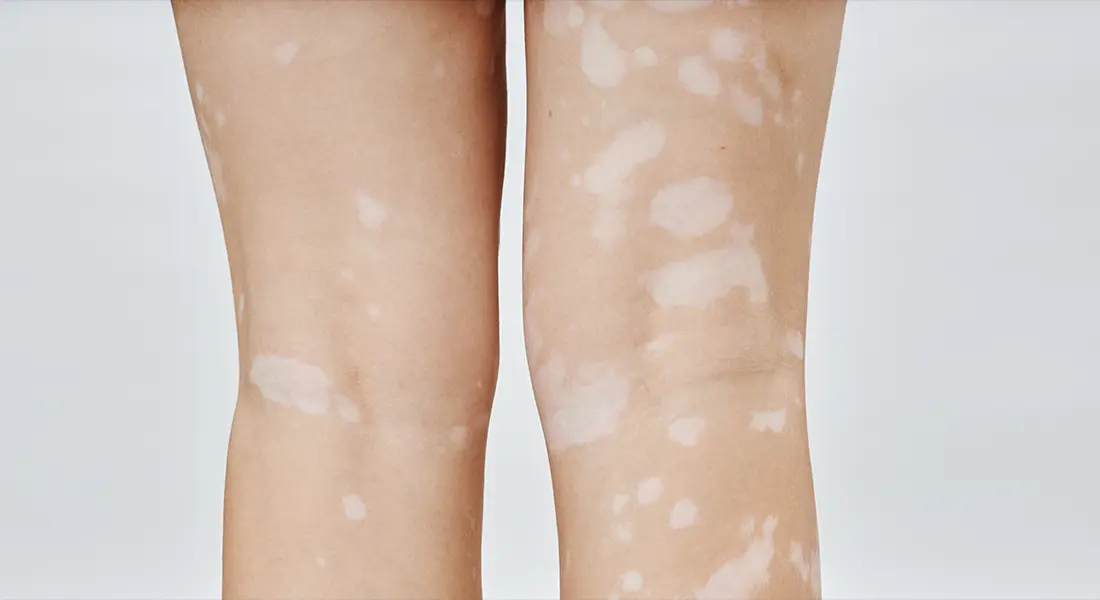
If you’re living with vitiligo, one of the most worrying questions you may have is whether the condition will spread and if so, how quickly. Some people notice a single patch that hardly changes for years, while others see new areas develop in a matter of weeks. This inconsistency can make you feel unsure of what to expect or how to manage flare-ups.
Vitiligo progression is highly individual. You may experience slow and predictable changes, sudden bursts of activity, or periods where patches stop spreading altogether. Understanding these patterns can help you recognise early warning signs, avoid triggers and seek timely specialist support. In this article, I’ll walk you through how vitiligo spreads, why some people experience sudden progression, and what practical steps you can take to monitor and manage your condition confidently.
Understanding How Vitiligo Progresses
Vitiligo occurs when melanocytes, the pigment-producing cells in the skin, become damaged or destroyed, often due to the immune system mistakenly targeting them. The condition can progress in two main ways: slowly and gradually, with patches expanding gently over months or years and periods of stability, or suddenly and rapidly, where new patches appear quickly and existing ones enlarge. Many people experience a combination of both patterns at different points in life.
The rate and pattern of vitiligo progression vary due to factors such as genetics, immune system activity, environmental triggers, stress, hormonal changes, and skin trauma. While not all of these factors are within your control, understanding your personal progression pattern can help you manage the condition and potentially reduce flare-ups.
Slow Vitiligo Progression: What It Looks Like
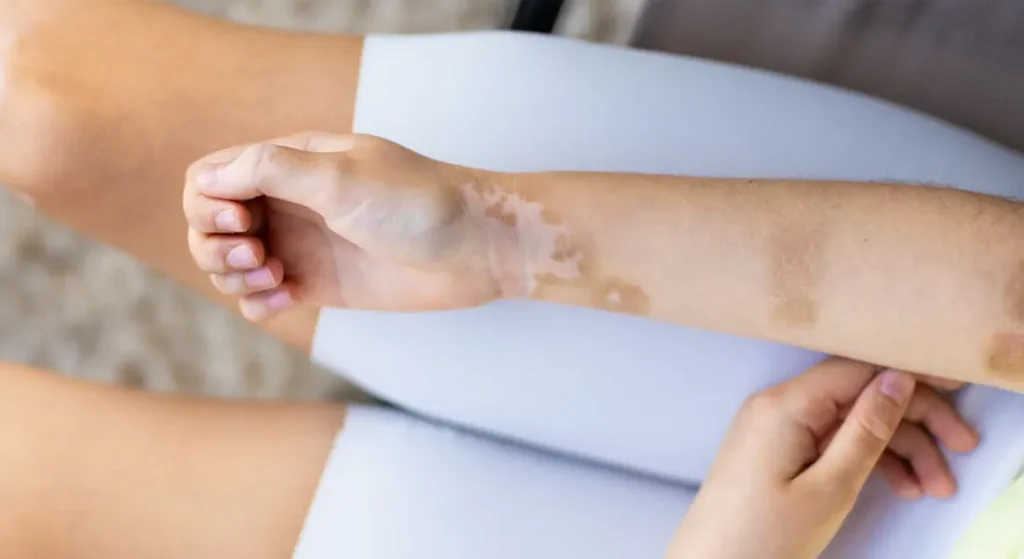
For many people, vitiligo spreads slowly and in a fairly predictable pattern, which can make management and treatment more straightforward.
Common features of slow progression:
Gradual patch expansion: Affected areas widen gradually over months rather than weeks, giving the skin time to adjust and reducing sudden cosmetic changes.
Long stable periods: Some patches may remain unchanged for years, providing a window for consistent treatment and monitoring.
Little to no new patch formation: Most pigment loss stays confined to the original areas, making it easier to target therapies effectively.
Often associated with segmental vitiligo: This form usually spreads briefly and then stabilises:, often affecting only one side of the body or a specific region.
Why slow progression occurs:
Mild and steady immune activity: Less aggressive immune attacks on pigment-producing cells slow the spread.
Fewer triggering events: Reduced exposure to triggers such as sunburn, infections, or chemical irritants can keep the condition stable.
Well-controlled stress and inflammation: Maintaining overall health and reducing stress may contribute to slower progression.
Minimal skin trauma: Avoiding friction, cuts, or irritation in affected areas can help prevent new patches from forming.
This slow and steady pattern is often easier to manage with topical treatments and targeted therapy, allowing for more predictable outcomes and better long-term control.
Sudden Vitiligo Spread: Why It Happens
Rapid progression can be stressful, especially when patches change noticeably from one week to the next. But sudden spread usually has an identifiable cause.
Common triggers for sudden spread:
1. Emotional or Physical Stress
Emotional or physical stress is one of the strongest triggers for immune overactivity, which can accelerate vitiligo progression. Stress hormones can destabilise melanocytes, the pigment-producing cells, making pigment loss more likely.
Common examples of stress that may contribute to flare-ups include major life changes, poor sleep, anxiety or burnout, and illness or physical exhaustion. Managing stress effectively can help support skin stability and reduce the risk of new patches forming.
2. Skin Injury or Irritation (Koebner Phenomenon)
Skin injury or irritation can trigger the spread of vitiligo through a process known as the Koebner phenomenon. This occurs when trauma to the skin, such as cuts, scrapes, burns, friction from clothing or shaving, tattoos, or rashes, prompts new patches to develop.
The reason this matters is that damaged skin releases signals that attract immune cells, which can accelerate pigment loss in the affected areas. Taking care to minimise skin trauma can help reduce the risk of vitiligo spreading.
3. Infections or Illness
Infections or illnesses can trigger vitiligo by activating the immune system. Both viral and bacterial infections may prompt an immune response that inadvertently targets melanocytes, the pigment-producing cells.
Examples include fever, flu, COVID-19, and chronic inflammatory conditions. When the immune system becomes overactive during these events, it can accelerate pigment loss and contribute to the progression of vitiligo.
4. Hormonal Changes
Hormonal changes can influence both autoimmunity and melanocyte activity, affecting the progression of vitiligo. Shifts in hormone levels can make pigment-producing cells more vulnerable to immune system attacks.
Common periods of hormonal fluctuation include puberty, pregnancy, the post-partum period, and menopause. Many people first notice rapid vitiligo spread during these life transitions, highlighting the impact of hormones on the condition.
5. Autoimmune Flares
Vitiligo is an autoimmune condition, and flare-ups can occur alongside other immune-related changes in the body. When the immune system becomes overactive, it can target melanocytes, leading to new or expanding patches of depigmentation.
Vitiligo flares are often linked with other autoimmune conditions such as thyroid disorders, type 1 diabetes, alopecia areata, and rheumatoid arthritis. Monitoring overall autoimmune health and managing these conditions can help stabilise pigment loss and reduce the risk of new patches forming.
6. Stopping Treatment Too Soon
Stopping treatment too soon can trigger rapid vitiligo progression, even after visible improvement. This happens because immune activity may still be elevated, and prematurely discontinuing topical or light therapy can allow pigment loss to resume before the skin fully stabilises.
7. Excessive Sun Exposure or Burns
Excessive sun exposure or sunburn can worsen vitiligo by directly damaging melanocytes. Often, pigment loss begins around the sunburned areas and may eventually spread more broadly across the skin.
How to Recognise Early Signs of Rapid Vitiligo Spread

Spotting changes early allows treatment to be adjusted quickly, helping to slow progression and preserve pigment.
Warning signs to look for
New patches appearing within weeks: Sudden development of white areas indicates a more active immune response attacking pigment cells.
Existing patches expanding quickly: Rapid widening of patch edges shows that the condition is spreading faster than usual and may require more intensive therapy.
Confetti-like depigmentation: Tiny white dots around existing patches signal high disease activity and ongoing pigment loss.
Red or inflamed borders: Inflammation along the edge of patches suggests active immune attack, which can accelerate depigmentation.
Loss after skin irritation: New patches may appear after friction, scratches, or shaving, highlighting the skin’s sensitivity during active vitiligo.
If you notice any of these signs, early intervention with topical treatments, phototherapy, or other targeted therapies can help slow the spread and protect remaining pigment.
When Vitiligo Spread Becomes Noticeable: Practical Stages
Most people experience vitiligo progression in recognisable phases. Understanding them can help you stay calm and take early action.
Stage 1: Subtle fading
Pigment becomes lighter around the edges, but the patch shape stays the same.
Stage 2: Edge movement
The border of the patch becomes more defined, and the pale area begins to grow.
Stage 3: New small patches
Tiny spots appear nearby, often described as “confetti depigmentation”.
Stage 4: Cluster merging
Small patches join larger ones, making the spread appear sudden.
Stage 5: Stabilisation
The immune flare settles, and progression slows or stops.
Recognising these stages helps you understand whether your vitiligo is active or stable, which is essential when planning treatment.
What Increases the Risk of Rapid Vitiligo Spread?
While vitiligo cannot always be controlled, certain factors significantly increase the likelihood of fast progression.
1. High Stress Periods
High stress periods whether emotional or physical can significantly influence how vitiligo behaves. When stress levels rise, the immune system becomes more reactive, which can make melanocytes more vulnerable. Many people notice that their vitiligo starts spreading or becomes more noticeable during intense times like exams, heavy work pressure, major personal changes or when they’re not sleeping well.
While reducing stress won’t cure vitiligo, it can play a major role in limiting flare-ups and slowing progression. Managing sleep, using relaxation techniques and keeping daily routines steady can help calm the immune system, making the condition easier to control over time.
2. Skin Trauma (Koebner’s Sign)
Even small injuries or irritation to the skin can trigger new vitiligo patches a response known as Koebner’s sign. Everyday actions like shaving, friction from tight clothing, repeated rubbing, heat rashes or even over-exfoliating can create tiny areas of trauma that the immune system reacts to. Tattoos are another common trigger because the needle repeatedly injures the skin.
Protecting your skin from these small but frequent irritations is one of the easiest ways to reduce flare-ups. Choosing softer fabrics, avoiding unnecessary friction, shaving gently and being cautious with new skincare routines can all help keep the skin calm. The less trauma your skin experiences, the lower the risk of new patches forming.
3. Sunburn
Sunburn is one of the fastest triggers for vitiligo spread because it directly damages melanocytes, leaving them vulnerable to immune attack, and many patients notice new or enlarging patches just weeks after a burn, which is why daily sun protection especially on already affected areas is essential to keeping flares under control.
4. Hormonal Shifts
Hormonal shifts can speed up vitiligo progression, especially during childhood growth spurts, puberty, pregnancy or menopause, because these transitions can influence immune activity and melanocyte stability, which is why dermatologists often monitor patients more closely and adjust treatment during these periods.
5. Autoimmune Activity
Autoimmune activity plays a major role in how vitiligo behaves, and flare-ups often happen when another autoimmune condition becomes active. Disorders like Hashimoto’s thyroiditis, Graves’ disease, type 1 diabetes, alopecia areata and psoriasis are commonly linked, and when any of these shift, the immune system may become more reactive and trigger pigment loss. This is why regular blood tests and monitoring are important they help spot changes early so treatment can be adjusted before vitiligo begins to spread.
Can You Predict Whether Vitiligo Will Spread?
Vitiligo can be difficult to predict because no test can show exactly how fast it will progress. However, certain patterns offer strong clues about stability or activity. Understanding these patterns helps you manage expectations better.
Some signs suggest vitiligo may remain stable for long periods. If the same patch hasn’t changed for years, the condition may be slow moving. A lack of family history and autoimmune symptoms also points toward stability.
Other signs indicate a higher chance of active spreading. Sudden new patches, confetti-like depigmentation or recent infections often signal increased immune activity. Stress and skin trauma can accelerate changes even more.
Borders that appear red or inflamed can also indicate ongoing progression. These signs reflect immune activity at the edge of the patch. Monitoring these early cues can help guide timely treatment decisions.
How Dermatologists Assess Whether Vitiligo Is Active
When you visit a dermatologist, one of the first priorities is to determine whether your vitiligo is stable or actively spreading. This helps guide the treatment plan and ensures the right level of intervention.
During your clinic visit, your dermatologist may use:
- Wood’s lamp examination
A special UV light highlights even the faintest areas of pigment loss.
This helps detect subtle new patches that aren’t yet visible in normal lighting, allowing early treatment. - Edge activity assessment
Redness, warmth, or inflammation around the borders of a patch can signal active immune attack.
This is a key indicator that the vitiligo is progressing and may need more immediate control. - Confetti sign detection
Tiny, pinpoint depigmented spots around a patch are a hallmark of rapidly spreading vitiligo.
Dermatologists look closely for these because they often indicate the need for more aggressive therapy. - Photographic comparison
High-quality progress photos are taken and compared over time.
This helps detect even subtle expansion or new areas that might be missed during a single appointment. - Autoimmune screening
Blood tests may check thyroid function, vitamin levels and other immune markers.
Autoimmune imbalances can influence how quickly vitiligo spreads, and correcting them can stabilise the condition.
Understanding whether your vitiligo is active allows your dermatologist to create a targeted treatment plan one that addresses inflammation early, protects remaining pigment, and gives you the best chance of maintaining stable skin.
When Sudden Spread Requires Urgent Dermatology Review
Not all progression is an emergency, but certain signs mean you should contact a dermatologist quickly.
Early review can make a major difference in how well treatment works.
Seek urgent assessment if:
New patches appear weekly – This suggests highly active autoimmune activity that needs fast medical intervention.
You see clusters of confetti depigmentation – These tiny white dots are one of the strongest indicators that vitiligo is spreading aggressively.
Spreading follows a severe sunburn – UV damage can trigger sudden loss of pigment, and delaying treatment may worsen the spread.
You’re pregnant and patches change rapidly – Hormonal changes can accelerate vitiligo, and your treatment plan may need immediate adjustment.
Pigment loss affects eyelids, lips or genitals suddenly – Rapid changes in these sensitive areas require prompt specialist attention.
The borders of patches look inflamed – Redness or irritation at the edges often signals active immune attack on pigment cells.
You develop itching or burning sensations – Discomfort around patches can be an early warning sign of upcoming spread.
Rapid intervention often slows or stabilises progression, improving long-term outcomes.
Treatments That Help Slow or Stop Vitiligo Spread
Early treatment is one of the best ways to prevent further pigment loss.
Here are the most effective medical options dermatologists use.
1. Topical Corticosteroids
Topical corticosteroids are often the first treatment used for active vitiligo because they help calm the immune attack on melanocytes. They can stabilise spreading borders and reduce inflammation, making patches less likely to enlarge. They’re also simple to use, which makes regular application easy for most patients.
2. Calcineurin Inhibitors (Tacrolimus / Pimecrolimus)
Calcineurin inhibitors like tacrolimus and pimecrolimus are ideal for treating vitiligo on delicate areas such as the face and neck. They help calm the immune response without thinning the skin, making them suitable for long-term use. When started early, these creams can encourage repigmentation and help stabilise small or newly formed patches effectively.
3. Narrowband UVB Therapy
Narrowband UVB therapy is one of the most widely used treatments for vitiligo because it reduces immune activity while stimulating melanocyte growth. It also helps achieve smoother colour matching as pigment returns. This treatment tends to work best when started early, especially at the first signs of active spread, giving the skin a better chance to stabilise and repigment.
4. JAK Inhibitor Creams (New)
JAK inhibitor creams are one of the newest and most promising developments in vitiligo treatment. They work by blocking specific immune pathways, helping to halt the immune attack while encouraging pigment to return. These creams are effective for both slow and fast spreaders, and are now becoming increasingly available in specialist dermatology centres.
5. Oral Steroids (Short-Term Pulses)
Short-term oral steroid pulses are sometimes used when vitiligo is spreading rapidly and needs urgent control. They work by temporarily calming the immune system to halt progression, but because they can cause side effects, they must be prescribed and monitored carefully by a dermatologist.
FAQs:
1. Can vitiligo start spreading suddenly even if it was stable for years?
Yes, vitiligo can begin spreading suddenly even after long periods of stability. This often happens when something triggers the immune system, such as stress, illness, hormonal changes or skin trauma. The condition may seem quiet for years and then reactivate when the body experiences a shift that destabilises melanocytes. Many people first notice a sudden increase in patch size or the appearance of new spots shortly after a major emotional event, sunburn or infection. This doesn’t mean the condition will continue spreading indefinitely, but it does signal that the immune system is temporarily more active.
2. What does “active vitiligo” actually mean?
Active vitiligo refers to periods when the immune system is targeting melanocytes more aggressively, causing new patches to appear or existing ones to expand. This activity may present as confetti-like white spots, inflamed borders or rapid fading around the edges of patches. Dermatologists classify the condition as active when there is clear evidence of ongoing pigment loss within weeks or months. Recognising activity early is important because treatments such as topical steroids, calcineurin inhibitors and phototherapy work best when the immune attack is still in progress.
3. Why do small white dots (confetti depigmentation) mean fast progression?
Confetti depigmentation is considered one of the strongest signs of rapid vitiligo progression because it indicates a high level of immune activity right at the surface of the skin. These tiny dots form when many melanocytes are being damaged at the same time, leading to scattered spots of pigment loss around a main patch. They tend to appear quickly and merge with larger areas if left untreated. Their presence usually means the immune attack is active and widespread, which is why dermatologists treat this sign with urgency.
4. Can stress alone cause vitiligo to spread quickly?
Stress cannot cause vitiligo by itself, but it can significantly accelerate pigment loss in people who already have the condition. When the body is under emotional or physical stress, it releases hormones that influence immune activity. These hormones can make melanocytes more vulnerable and can heighten the immune response, which increases the risk of new patches developing. Many patients notice that their vitiligo worsens during high-pressure periods such as exams, work overload, personal conflict or lack of sleep. Reducing stress may not stop vitiligo completely, but it often helps stabilise the condition.
5. How long does a typical vitiligo flare-up last?
The duration of a vitiligo flare-up varies widely. For some people, a flare may last only a few weeks, with small patches appearing before the condition settles again. For others, the active phase can continue for months, especially if the trigger is ongoing, such as chronic stress, hormonal changes or untreated autoimmune issues. Flare-ups generally calm down when the underlying trigger is managed or when treatment begins to suppress immune activity. Dermatologists monitor flare duration through photographic comparisons and patch edge activity to determine when the skin has stabilised.
6. Why do some people experience widespread vitiligo while others have only a few patches?
The extent of vitiligo depends on a combination of genetics, immune system behaviour and environmental factors. People with a family history of vitiligo or autoimmune conditions are more likely to experience widespread pigment loss. Those with more reactive immune systems may see faster or more unpredictable spread. Environmental triggers such as sunburn, skin trauma and stress can also influence how much the condition progresses. Some individuals naturally have long periods of stability, while others may encounter multiple triggers that accelerate spreading. Each person’s journey is unique because no two immune systems behave exactly the same.
7. Does sun exposure always make vitiligo worse?
Sun exposure doesn’t always make vitiligo worse, but sunburn almost always does. Moderate, protected sunlight may even help some people repigment by stimulating melanocyte activity. However, unprotected UV exposure can damage pigment cells and trigger an immune response that accelerates depigmentation. Many people report new patches appearing weeks after a burn. This is why dermatologists strongly recommend using high-SPF sunscreen, especially on vulnerable areas, and avoiding prolonged exposure during peak sunlight hours. Careful sun habits can support stability and help prevent sudden flares.
8. Can vitiligo stop spreading on its own without treatment?
Yes, vitiligo can stabilise naturally even without treatment. The immune system often fluctuates over time, and the condition may slow down or stop when autoimmune activity decreases. Some people experience years of complete stability with no new patches. However, it’s difficult to predict when or if the skin will stabilise, and waiting without treatment can increase the risk of losing more pigment during active phases. Treatments such as topical creams and light therapy not only help maintain colour but also prevent further loss by calming the immune response.
9. Is rapid vitiligo spread a sign of an underlying medical condition?
Rapid spread can sometimes be linked to underlying autoimmune issues such as thyroid disease, type 1 diabetes, alopecia areata or rheumatoid arthritis. When these conditions flare, the immune system becomes more reactive, increasing the risk of pigment loss. This is why dermatologists often request thyroid tests and autoimmune screening when vitiligo is progressing quickly. Identifying and treating any underlying condition can help stabilise vitiligo and reduce the frequency of flare-ups. Not everyone with rapid spread has another autoimmune disease, but screening helps ensure no contributing factor is missed.
10. Can early treatment really stop vitiligo from spreading further?
Early treatment is one of the most effective ways to slow or halt vitiligo progression. When therapies such as topical steroids, tacrolimus or narrowband UVB are started during the active phase, they can calm immune activity before too much pigment is lost. The sooner treatment begins, the more pigment cells can be saved, which leads to better long-term outcomes and a higher chance of repigmentation. Delayed treatment makes it harder to restore colour because prolonged immune attacks destroy more melanocytes. Early intervention doesn’t guarantee complete stopping of spread, but it significantly improves stability.
Final Thought: Taking Control of Vitiligo: Next Steps
Understanding how vitiligo spreads whether slowly or suddenly is key to managing the condition effectively. Recognising early warning signs, minimising triggers like stress or skin trauma, and seeking prompt medical advice can help slow progression and protect remaining pigment. If you are looking for vitiligo treatment in London, get in touch with us at the London Dermatology Centre to arrange a consultation with our specialists. Early assessment and personalised care can make a significant difference in maintaining stable, healthy skin.
References:
1. Albelowi, L.M. et al. (2024) ‘The pathogenesis and management of vitiligo’, Journal of Dermatological Science. https://pmc.ncbi.nlm.nih.gov/articles/PMC11736671/
2. van Geel, N., Speeckaert, R., De Wolf, J., et al. (2012) ‘Clinical significance of Koebner phenomenon in vitiligo’, British Journal of Dermatology, 167(5), pp. https://pubmed.ncbi.nlm.nih.gov/22950415/
3. Zhang, L. et al. (2020) ‘Association of clinical markers with disease progression in patients with vitiligo from China’, JAMA Dermatology, 156(3), pp. 288–295. https://jamanetwork.com/journals/jamadermatology/fullarticle/2759139
4. Chen, J. (2020) ‘Mechanisms of melanocyte death in vitiligo’, Journal of Investigative Dermatology. https://pmc.ncbi.nlm.nih.gov/articles/PMC7983894/
5. Al‑smadi, K. et al. (2023) ‘Vitiligo: A review of aetiology, pathogenesis, treatment and psychosocial aspects’, Cosmetics, 10(3), p.84. https://www.mdpi.com/2079-9284/10/3/84