


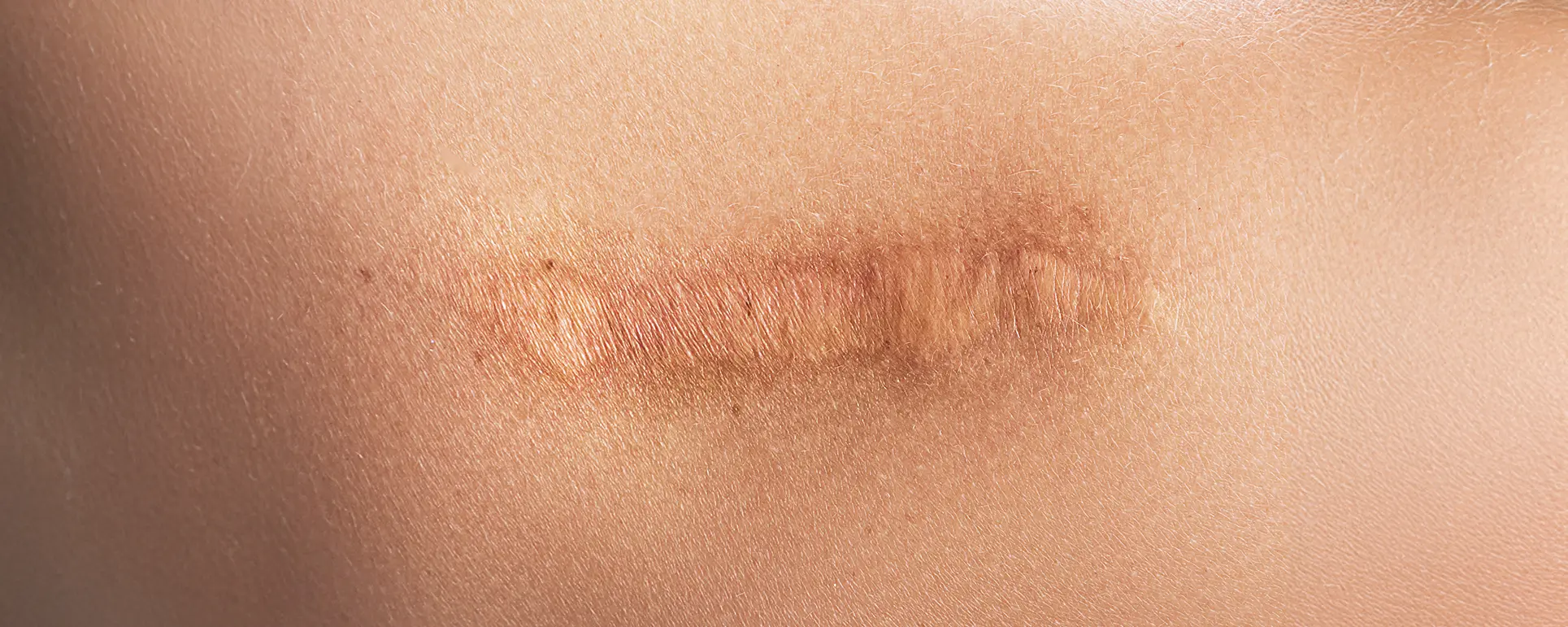
Scars can feel like a constant reminder of past skin trauma, affecting confidence and how we feel in our own skin. While many treatments focus on the surface, deep, tethered scars often remain stubborn. These scars stick to the underlying tissue, preventing conventional therapies like chemical peels, lasers, or microneedling from fully smoothing the skin.
Subcision is a specialised dermatological procedure designed to release these tethered scars, giving skin the chance to lift and restore a more even texture. Whether your scars are from acne, surgery, or trauma, understanding how subcision works can be the key to effective treatment.
In this article, I’ll guide you through everything you need to know: how subcision works, who benefits, what to expect during recovery, and why dermatologists often combine it with other treatments for the best possible results.
What Is Subcision?
Subcision is a minimally invasive procedure that targets the fibrous bands beneath tethered scars. Unlike surface treatments, it works below the skin to physically release the scar tissue that keeps the skin depressed.
During the procedure, a fine needle or specialised blade is inserted under the skin to cut these bands. Once released, the surrounding skin can naturally lift, while minor trauma encourages collagen production for gradual improvement.
Because it focuses on the root cause of tethered scars, subcision often produces longer-lasting and more noticeable results than treatments that only affect the surface.
Who Can Benefit from Subcision?
Subcision is a specialised treatment designed for scars that remain stubborn despite surface therapies. It works by releasing fibrous bands beneath the skin, helping to lift and smooth pitted, rigid, or tethered scars. Age, skin type, and overall health influence candidacy, but many adults with healthy skin find it highly effective. For patients who haven’t seen results from other treatments, subcision can be a transformative solution.
Subcision is most effective for those with:
Pitted: Deep acne scars that stay indented despite previous treatments often need more intensive approaches like subcision, TCA CROSS, or microneedling.
Rigid: Surgical or traumatic scars that feel stiff or immobile may require targeted procedures to release tension and improve texture.
Tethered: Tethered scars are pulled down by fibrous bands under the skin; subcision or filler treatments can lift and smooth these areas.
Age, skin type, and overall health also play a role in candidacy. Most adults with healthy skin are suitable, though individuals with certain conditions that affect healing or blood clotting should seek specialist advice.
Many patients who have tried surface treatments without success find subcision to be the breakthrough they were seeking. In my experience, it’s particularly transformative for scars that feel physically tethered to underlying tissue.
How Subcision Works
Subcision works by mechanically releasing the fibrous bands that tether a scar to the underlying tissue. By cutting or loosening these connections, the depressed areas lift, improving overall skin contour and giving a smoother appearance. This targeted approach makes it particularly effective for scars that feel rigid or stuck.
In addition to releasing tension, subcision stimulates the body’s natural collagen production. The controlled minor trauma from the procedure encourages healing, gradually filling in the depressed scar and enhancing skin texture. Over several weeks, this collagen formation contributes to a noticeable and long-lasting improvement.
The treatment is carefully customised based on the depth, size, and location of each scar. Some patients may need only a few targeted releases, while others benefit from a more extensive approach addressing multiple scars in a single session.
This combination of mechanical release and collagen stimulation is what makes subcision one of the most effective options for deep or tethered scars.
What to Expect During the Procedure
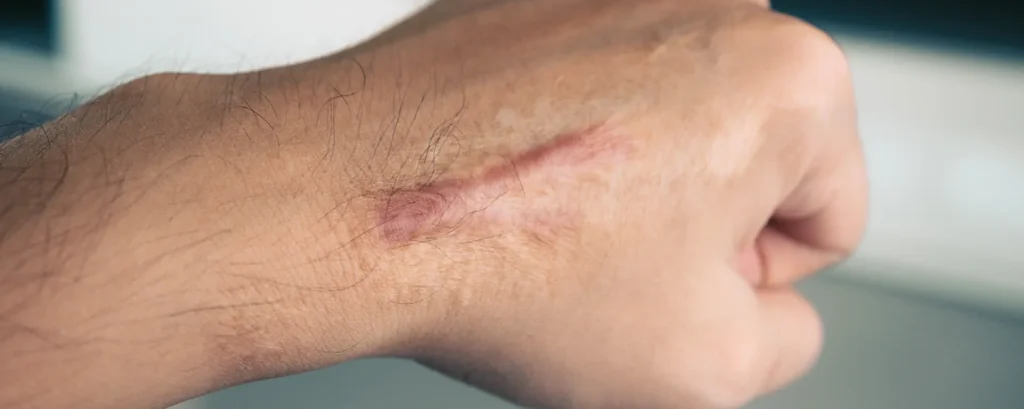
Before your procedure, a dermatologist will evaluate your scars and discuss goals. Local anaesthetic ensures minimal discomfort during treatment. A fine needle or blade is then used to release the scar bands beneath the skin.
During the procedure:
- Sessions typically last 30–60 minutes depending on scar severity.
- Multiple scars can be treated in a single session if necessary.
- Some patients notice immediate lifting, though full results develop gradually over several weeks.
Afterward, mild bruising, swelling, or tenderness is common. Most patients are able to return to work and daily activities quickly, making subcision an appealing option for those seeking minimal downtime.
Recovery and Downtime
Recovery from subcision is generally straightforward and well-tolerated. Most patients experience only mild bruising, swelling, or tenderness at the treatment site, which typically improves within a week.
Some residual soreness or minor skin discoloration may persist for a few days, but it usually doesn’t interfere with daily activities.
Tips for a smoother recovery:
Exercise: Avoid strenuous activity for at least a week after treatment. Excessive sweating or movement can irritate the skin, increase inflammation, and slow the healing process.
Hygiene: Keep treated areas clean and moisturised to prevent infection and support optimal skin repair. Gentle cleansing and appropriate moisturisers help maintain the skin barrier.
Sun: Protect the skin from direct sunlight until fully healed. UV exposure can cause pigmentation changes, delay recovery, and reduce the effectiveness of the treatment.
While results continue to improve over several weeks as collagen forms, most patients can comfortably resume daily activities almost immediately. The relatively short downtime is one of the reasons subcision is a preferred option for deep scars.
Combining Subcision with Other Treatments
Subcision often achieves the best results when combined with other therapies. Surface-focused treatments such as microneedling, fractional laser therapy, or dermal fillers can enhance texture, tone, and overall skin appearance.
For instance, patients seeking scar treatment in London may undergo subcision to release tethered scars, followed by laser therapy to address surface irregularities and pigmentation.
Microneedling: Stimulates collagen production to improve skin texture and reduce superficial scars, fine lines, and minor irregularities, giving a smoother overall appearance.
Laser resurfacing: Fractional or resurfacing lasers target pigmentation issues, uneven tone, and minor textural defects, enhancing skin brightness and uniformity.
Dermal fillers: It restore volume in deeper depressions or indented scars, providing an immediate lift and smoothing contour irregularities for a more balanced look.
By combining therapies strategically, dermatologists can customise treatment plans for each patient’s specific scar pattern and skin type.
Safety Considerations
Subcision is generally considered safe when performed by a skilled and experienced dermatologist. Most side effects are mild and temporary, making it a well-tolerated procedure for deep or tethered scars.
Common reactions include bruising and swelling at the treatment site, along with mild tenderness that usually resolves within a few days. These effects are a normal part of the healing process and indicate that the body is responding to the treatment.
Although rare, there is a small risk of infection or uneven results. Patients should provide a complete medical history and discuss any medications beforehand. Choosing a qualified professional greatly improves both safety and the likelihood of achieving effective, lasting results.
How Many Sessions Are Needed?
The number of subcision sessions needed varies based on scar depth and severity. Mild scars often show noticeable improvement after just one treatment, while deeper or more extensive scars may require two to three sessions spaced several weeks apart.
Progress is gradual, as each session releases more fibrous bands and stimulates additional collagen production. Patients may see incremental improvements over time rather than an immediate transformation.
Patience is essential, as results continue to develop as the skin heals and remodels. Most patients notice consistent improvement over several weeks, with final results stabilising once the natural healing and collagen formation process is complete.
Long-Term Results
Subcision can offer lasting improvements because it addresses the structural cause of tethered scars. Once the fibrous bands are released and collagen remodels, the lifted appearance is generally permanent.
Maintaining healthy skin through hydration, sun protection, and proper skincare can help preserve results. While scars may not disappear entirely, subcision often achieves significant improvement in texture, depth, and overall appearance.
Psychological Benefits of Scar Improvement
Deep or noticeable scars can significantly impact self-confidence and overall mental well-being. Many people feel self-conscious, which may lead to social anxiety or avoidance of activities where their scars are visible.
Subcision and other effective scar treatments can improve the appearance of these marks, helping patients feel more comfortable in their own skin. Even subtle changes can have a meaningful impact on daily life and personal interactions.
Patients often report increased confidence, greater willingness to engage socially, and overall satisfaction with their appearance. These psychological benefits highlight that scar treatment is not just cosmetic it can meaningfully enhance quality of life.
Preparing for Subcision
Preparation is simple but important. Discuss your full medical history and any medications with your dermatologist, as certain blood-thinning drugs may increase bruising.
Gentle skin care before the procedure ensures your skin is in optimal condition. Understanding the process, setting realistic expectations, and asking questions during consultation can help you feel more comfortable and confident about the treatment.
Aftercare plays a critical role in achieving optimal results:
Topicals: Apply any prescribed creams, gels, or ointments as directed. These help reduce inflammation, prevent infection, and support faster, healthier healing.
Cold: Use cold compresses for the first 24 hours to minimise swelling and discomfort. This also helps reduce redness and soothe sensitive skin.
Hands-Off: Avoid picking, scratching, or pressing on treated areas. Touching the skin can introduce bacteria, slow healing, and worsen scarring.
Sun: Keep treated areas protected from direct sunlight until fully healed. UV exposure can cause pigmentation changes and interfere with the treatment results.
Following these instructions ensures smoother recovery, reduces complications, and maximises the benefits of subcision.
Subcision vs Other Scar Treatments
Unlike chemical peels or laser resurfacing alone, subcision treats the underlying tethered bands that keep scars depressed. While microneedling and fillers can complement the procedure, they may not be sufficient on their own for deep scars.
- Subcision: Releases fibrous bands and stimulates collagen
- Surface treatments: Improve texture and pigmentation but do not lift tethered scars
- Combination approach: Often the most effective strategy for complex scars
Understanding these differences helps patients make informed decisions and set realistic expectations.
Cost Considerations
The cost of subcision varies depending on several factors, including the number of scars being treated and their severity and depth. More extensive or deeper scars generally require longer sessions, which can influence pricing.
Combination treatments, such as subcision paired with microneedling or laser therapy, may also increase costs. These multi-modal approaches often provide superior results but come with additional investment.
While prices differ between clinics, choosing a skilled and experienced dermatologist ensures both safety and precision. Many patients find that the long-term benefits of improved appearance and boosted confidence make the expense worthwhile.
Finding a Specialist
Choosing the right specialist is crucial for effective scar treatment. A qualified dermatologist with extensive experience in subcision and other scar therapies can make a significant difference in outcomes and safety.
Look for practitioners who can provide a portfolio of before-and-after results. This helps ensure that their approach aligns with your goals and demonstrates consistent, high-quality outcomes.
Patients in the UK seeking advanced scar management may consider clinics in London, where many dermatologists are highly experienced with techniques like subcision, laser resurfacing, and combination therapies. Access to multiple treatment options allows for a personalised, tailored approach.
Consultations are an important first step. They provide an opportunity to discuss your specific goals, set realistic expectations, and develop a customised treatment plan that considers your skin type, scar severity, and overall health.
Realistic Expectations
Subcision can greatly improve the appearance of deep scars, but complete removal is rarely possible. Multiple sessions or combination treatments are often needed to achieve the best results.
Understanding that healing and collagen formation take time helps patients manage expectations and appreciate gradual improvements. Visible changes continue to develop over weeks to months after treatment.
Open and honest communication with your dermatologist is essential. Discussing realistic outcomes ensures you have a clear understanding of what can be achieved and helps avoid disappointment.
Advances in Subcision Techniques
Recent developments have made subcision more precise, effective, and safer. Modern tools and techniques allow dermatologists to target scar tissue more accurately, minimise trauma to surrounding skin, and achieve smoother, longer-lasting results with reduced recovery time.
Precision: Smaller, specialised needles enhance accuracy during procedures like subcision, allowing the practitioner to target fibrous bands precisely without damaging surrounding tissue.
Guidance: Imaging and navigation technologies help visualise scar structures, ensuring fibrous bands are released safely and effectively, improving outcomes and minimising complications.
Combination: Using adjunct therapies like PRP (platelet-rich plasma) alongside mechanical treatments stimulates collagen production, accelerates healing, and enhances overall skin texture and scar improvement.
These advances provide patients with more predictable outcomes and reduced recovery times.
When to Consider a Combination Approach
Deep or complex scars often benefit most from a combination approach, using multiple treatment modalities. Pairing subcision with lasers, microneedling, or fillers allows both the underlying depth and surface irregularities to be effectively addressed.
Staging treatments over several weeks ensures safe healing and consistent progress. Each session can target specific aspects of the scar, optimising results without over-stressing the skin.
This multi-modal strategy often produces superior aesthetic outcomes and higher patient satisfaction. It is particularly effective for scars that have been resistant to previous single-modality treatments, offering renewed hope for noticeable improvement.
Who Should Avoid Subcision
Subcision is not suitable for everyone. Individuals with bleeding disorders may face higher risks during the procedure and should avoid it unless cleared by a specialist.
Active skin infections in the treatment area also make subcision unsafe, as the procedure could exacerbate inflammation or spread bacteria.
Pregnant or breastfeeding patients should consult a specialist before undergoing treatment. A thorough assessment helps ensure only appropriate candidates proceed, prioritising both safety and effectiveness.
Long-Term Maintenance
Long-term maintenance is key to preserving the results of subcision. Keeping the skin well-moisturised and hydrated supports healing and overall skin health.
Consistent sun protection is equally important, as UV exposure can compromise skin texture and pigment, affecting scar appearance.
Occasional touch-ups or complementary treatments may be recommended to maintain optimal results. Following a proper maintenance routine helps ensure that improvements last for years.
Summary of Benefits
Subcision offers several key benefits for treating deep or tethered scars. It releases the fibrous bands that pull scars downward, allowing the skin to lift and regain a smoother contour.
The procedure also stimulates natural collagen production, gradually improving skin texture, depth, and overall appearance. When combined with other treatments like lasers or microneedling, results can be further enhanced.
Beyond physical improvements, subcision can have a positive impact on confidence and psychological well-being. For many patients, it provides a transformative solution that addresses scars at their root cause, not just the surface.
FAQs
1. What is subcision and how does it work?
Subcision is a minimally invasive dermatological procedure that targets deep or tethered scars. It works by inserting a fine needle or specialised blade under the skin to cut fibrous bands that pull the scar downward. Once these bands are released, the skin can naturally lift, and the minor trauma stimulates collagen production. Over time, this improves skin texture, depth, and overall appearance. Subcision addresses the root cause of tethered scars rather than just the surface.
2. Does subcision hurt?
Most patients experience minimal discomfort during subcision because local anaesthesia is used to numb the treatment area. After the procedure, mild bruising, swelling, or tenderness is normal and usually resolves within a few days. The discomfort is generally manageable, and many patients return to their regular activities almost immediately. Proper aftercare, including gentle cleansing and avoiding irritation, helps reduce any residual discomfort.
3. How many sessions of subcision are usually needed?
The number of sessions depends on scar depth and severity. Mild scars may show noticeable improvement after just one treatment, whereas deeper or more complex scars often require two to three sessions spaced several weeks apart. Each session gradually releases additional fibrous bands and stimulates collagen formation, leading to incremental improvements. Patience is important, as full results continue developing over weeks to months after treatment.
4. Can subcision be combined with other treatments?
Yes, subcision often produces the best results when paired with complementary therapies. Microneedling, fractional laser treatments, or dermal fillers can target surface irregularities, pigmentation, and minor textural issues. By combining modalities, dermatologists can address both the underlying fibrous bands and the visible appearance of the scar. This layered approach often delivers more dramatic and long-lasting improvements than a single therapy alone.
5. What is the recovery time after subcision?
Recovery from subcision is generally short and well-tolerated. Most patients experience mild bruising, redness, or swelling, which typically resolves within a week. Gentle skincare, sun protection, and avoiding strenuous activities help promote healing. Most people can resume work and daily activities almost immediately, while collagen formation continues over several weeks to gradually improve scar appearance.
6. Who is an ideal candidate for subcision?
Subcision is best suited for adults with healthy skin who have pitted, rigid, or tethered scars that have not responded to surface treatments like chemical peels or microneedling. Patients with certain conditions, such as bleeding disorders, active skin infections, or pregnancy, may need to avoid the procedure. A dermatologist will assess skin health, scar type, and medical history to determine if subcision is appropriate.
7. Are the results of subcision permanent?
Subcision can provide long-lasting results because it addresses the structural cause of tethered scars. Once the fibrous bands are released and collagen remodels, the lifted appearance is generally maintained. However, occasional touch-ups or complementary treatments may be recommended to maintain optimal results, especially for very deep or complex scars. Proper skin care, hydration, and sun protection help preserve these improvements over time.
8. Will subcision completely remove my scars?
While subcision can significantly improve the appearance of deep scars, it rarely eliminates them entirely. The procedure gradually lifts the skin and stimulates collagen formation, so improvements continue over several weeks. Realistic expectations are important, as the goal is smoother, more even skin rather than complete scar eradication. Many patients achieve a visible and satisfying improvement that enhances both appearance and confidence.
9. Can subcision improve self-confidence?
Yes, improving the appearance of noticeable scars can have a meaningful impact on self-esteem and daily life. Many patients feel more comfortable in social situations and report increased confidence after treatment. Even subtle changes in skin texture and contour can enhance mental well-being, highlighting that subcision provides benefits beyond just cosmetic improvements.
10. How much does subcision cost?
The cost of subcision varies depending on factors like scar severity, number of scars treated, and whether combination therapies are included. More extensive sessions or multi-modal approaches may increase the overall price. However, choosing a skilled and experienced dermatologist ensures both safety and effective outcomes. Many patients find the long-term aesthetic and psychological benefits of improved skin appearance justify the investment.
Final Thoughts: Subcision for Deep Scars
Subcision is a highly effective solution for deep, tethered scars that have not responded to conventional surface treatments. By releasing fibrous bands beneath the skin and stimulating collagen production, it gradually lifts and smooths scarred areas, improving both texture and appearance. Many patients achieve the best results when subcision is combined with complementary therapies such as microneedling, laser resurfacing, or dermal fillers, allowing dermatologists to address both the underlying scar structure and surface irregularities.
For those seeking personalised guidance, our clinic offers expert scar treatment in London, providing tailored plans to suit your skin type, scar severity, and individual goals. If you’re considering scar treatment in London, you can contact us at the London Dermatology Centre to book a consultation with one of our specialists.
References:
1. Rho, N.‑K., Kim, H.‑J., Kim, H.‑S. and Lee, W. (2024) ‘Needle‑free jet injection of poly‑(lactic acid) for atrophic acne scars: literature review and report of clinical cases’, Journal of Clinical Medicine, 13(2), p. 440. https://www.mdpi.com/2077-0383/13/2/440
2. Bhargava, S. (2024) ‘Role of platelet‑rich plasma in atrophic acne scars along with microneedling and subcision’, British Journal of Dermatology, 191(Supplement_1), p. i70. https://academic.oup.com/bjd/article/191/Supplement_1/i70/7698862
3. Chandrashekar, B. S. and Nandini, A. S. (2010) ‘Acne scar subcision’, Journal of Cutaneous and Aesthetic Surgery, 3(2), pp. 125–126. https://pmc.ncbi.nlm.nih.gov/articles/PMC2956956
4. Ahramiyanpour, N., et al. (2022) ‘Subcision in acne scarring: a review of clinical trials’, Journal of Cosmetic Dermatology, 21(10), pp. 1–10. https://pubmed.ncbi.nlm.nih.gov/36315903 5. Rho, N.‑K., Kim, H.‑J., Kim, H.‑S. and Lee, W. (2024) ‘Needle‑free jet injection of poly‑(lactic acid) for atrophic acne scars: literature review and report of clinical cases’, Journal of Clinical Medicine, 13(2), p. 440. https://www.mdpi.com/2077-0383/13/2/440