


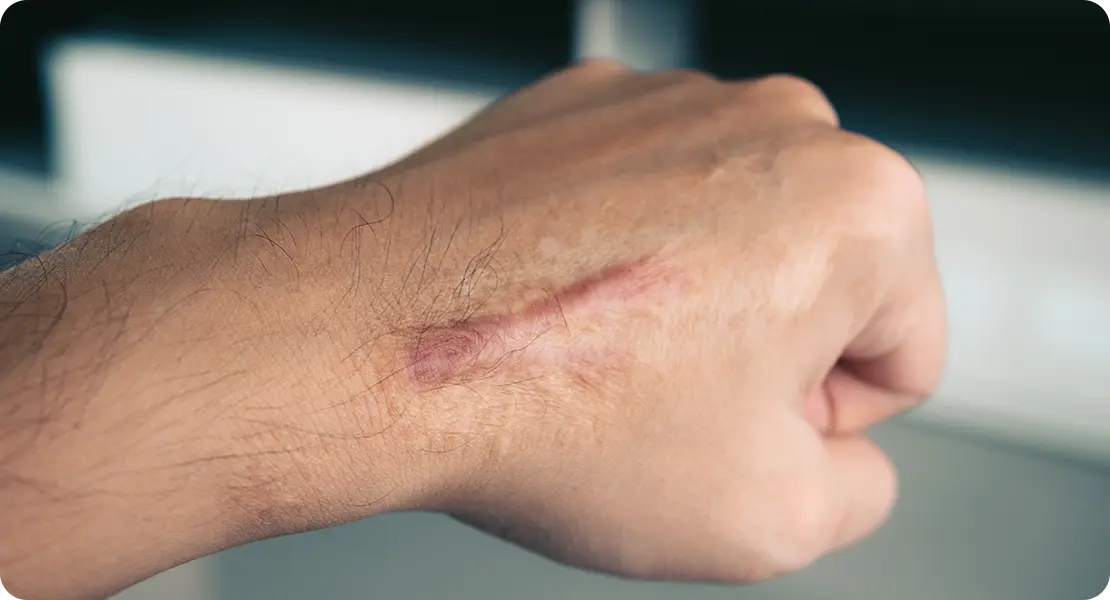
Living with visible scars can feel frustrating, especially when they sit in prominent areas like the face, neck, or arms. You may have tried creams, peels, or laser treatments, only to find that deeper or indented scars still affect your skin’s texture. This is where dermal fillers, particularly those made from hyaluronic acid, can play an important role in scar revision.
When people hear about fillers, they often think only of wrinkle reduction or lip enhancement. In reality, fillers are widely used in medical dermatology to improve depressed scars caused by acne, surgery, trauma, or injury. If your scar sits below the surrounding skin, fillers can help lift it closer to the surface, making it far less noticeable.
In this guide, I’ll walk you through how hyaluronic acid fillers work for scar revision, which scars respond best, how long results last, and why combining fillers with other treatments often delivers better outcomes. By the end, you should have a clear idea of whether fillers could be the right option for you.
Understanding Depressed Scars
Before looking at treatment, it helps to understand why certain scars look the way they do. Depressed scars form when the skin does not produce enough collagen during the healing process. Instead of rebuilding evenly, the tissue beneath the scar remains sunken, creating dips or uneven texture.
These scars are not limited to acne. You may see depressed scars after surgery, childhood injuries, burns, or accidental trauma. Even when the surface skin appears healed, the underlying support structure is often missing.
Topical treatments rarely reach deep enough to correct this issue. That’s why treatments that work below the skin, such as fillers, can make a noticeable difference.
What Are Hyaluronic Acid Fillers?
Hyaluronic acid is a naturally occurring substance found in the skin, joints, and connective tissue. Its primary role is to retain moisture, keeping tissues hydrated, cushioned, and supported. This is what helps skin stay plump and resilient.
In injectable form, hyaluronic acid fillers are designed to closely mimic this natural substance. Once placed under the skin, they attract and hold water, which adds volume and creates a gentle lifting effect. This makes them particularly effective for treating depressed scars and uneven skin texture.
Because hyaluronic acid integrates smoothly with the surrounding tissue, results tend to look natural rather than overfilled. The skin appears smoother and more even, while still maintaining normal movement and expression.
One of the biggest advantages of hyaluronic acid fillers is their reversibility. If necessary, they can be safely dissolved using a specialised enzyme, providing extra reassurance especially for first-time patients.
How Fillers Improve Scar Texture

When fillers are injected beneath a depressed scar, they work in several ways at once. The most immediate effect is physical lifting. The filler supports the sunken area, bringing it closer to the level of surrounding skin.
Over time, hyaluronic acid also improves hydration within the tissue. Better hydration can enhance skin elasticity and smoothness, helping scars blend more naturally into the surrounding skin.
In some cases, the injection process itself stimulates collagen production. While fillers are not a collagen-building treatment in the same way as microneedling or laser therapy, this secondary effect can still contribute to gradual improvement.
Types of Scars That Respond Well to Fillers
Scars can affect the skin in many different ways, depending on how they form and heal. While some scars sit raised or thickened above the skin’s surface, others leave visible depressions that create uneven texture. Dermal fillers have become a popular non-surgical option for improving the appearance of certain scars by restoring lost volume and smoothing the skin.
Acne Scars: Rolling scars and boxcar scars often respond very well to dermal fillers because they are typically caused by a loss of collagen beneath the skin. These scars create a wavy or uneven texture rather than deep, narrow pits, which makes them easier to lift.
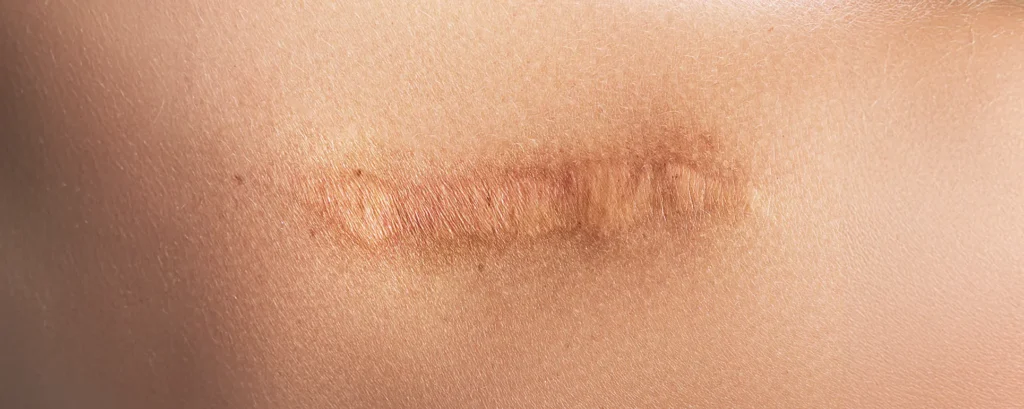
Surgical Scars: Surgical scars that have fully healed but remain sunken or indented can also benefit from filler treatment. In many cases, surgery leads to tissue loss beneath the skin, leaving a hollow or uneven appearance. Fillers help restore lost volume, making the scar blend more naturally with the surrounding skin.
Injury-Related Scars: Scars caused by trauma or accidents often involve damage to deeper layers of skin and underlying tissue. When this tissue loss results in a depressed scar, fillers can be used to rebuild volume and improve contour.
Fillers are not suitable for raised scars such as keloids or hypertrophic scars. These require a different approach altogether.
What the Treatment Process Looks Like
If you are considering fillers for scar revision, it’s useful to know what the treatment journey usually involves.
Your consultation is the most important step. During this appointment, your dermatologist will examine your scar, assess its depth and type, and discuss whether fillers are appropriate. This is also the time to talk about expectations and possible combination treatments.
On the day of treatment, the area is cleansed thoroughly. A topical numbing cream is often applied to keep you comfortable. The filler is then injected carefully beneath the scar using a fine needle or cannula.
The procedure itself is usually quick, often taking less than 30 minutes. You can typically return to normal activities the same day.
Is the Procedure Painful?
Most people describe the sensation as mild discomfort rather than pain. Modern fillers often contain lidocaine, a local anaesthetic, which helps reduce sensation during injection.
- The lidocaine in most modern fillers significantly numbs the treatment area, making the procedure more comfortable from start to finish.
- You may feel slight pressure as the filler is placed, particularly in firmer areas, but this sensation is generally brief and manageable.
- Any discomfort experienced during the injection usually passes quickly once the procedure is complete.
- Aftercare is simple and straightforward, with minimal soreness that typically resolves on its own.
Recovery and Aftercare
One of the main reasons fillers are so popular is the minimal downtime involved. Most people are able to return to their normal routine very quickly after treatment. You may experience mild swelling, redness, or bruising at the injection site. These effects are temporary and usually settle within a few days without any intervention.
To support proper healing, you’ll be advised to avoid strenuous exercise, alcohol, and excessive heat for at least 24 hours. Touching or massaging the treated area should also be avoided unless your clinician specifically recommends it.
Make-up can usually be worn the following day, once any injection points have closed. Following these simple aftercare steps helps ensure the best possible results and a smooth recovery.
How Long Do Results Last?
The longevity of filler results depends on several factors, including the type of filler used, the area being treated, and how quickly your body naturally breaks it down. Individual lifestyle and metabolism also play an important role in how long results are maintained.
For scar revision, results typically last between six and twelve months. Areas with less movement may hold results slightly longer, while more mobile areas can metabolise filler more quickly. Many people find that results last longer with repeat treatments. This is often because the surrounding tissue quality improves over time, sometimes due to mild collagen stimulation triggered by the filler itself.
Regular maintenance sessions help preserve the results and keep scars looking smoother and more even. With a tailored treatment plan, improvements can be maintained consistently and naturally over the long term.
Why Fillers Alone Are Sometimes Not Enough
While fillers are excellent for lifting depressed scars, they do not address every aspect of scar appearance. Issues such as uneven texture, discolouration, and surface irregularities may still be visible after treatment. Because scarring often involves multiple layers of the skin, relying on a single approach may limit overall improvement. This is why dermatologists frequently recommend a combined treatment strategy for more complete results.
- Fillers restore volume beneath depressed scars but do not correct surface texture or skin tone irregularities.
- Concerns like redness, pigmentation, or rough skin may require additional treatments beyond injectable fillers.
- Combining fillers with procedures such as microneedling, laser therapy, or chemical peels can enhance overall scar improvement.
- When used as part of a broader scar revision plan, fillers tend to produce more natural-looking and longer-lasting results.
Combining Fillers with Other Scar Treatments
Scar treatment often delivers the best results when multiple approaches are used together rather than relying on a single technique. Different scars affect the skin in various ways, involving texture, depth, color, and underlying tissue damage. Combining dermal fillers with other advanced treatments allows each method to target a specific aspect of the scar, leading to more balanced and noticeable improvement.
Microneedling: Microneedling works by creating controlled micro-injuries in the skin, which stimulates the body’s natural collagen and elastin production. This process helps improve skin texture, firmness, and overall tone over time.
Laser Treatments: Laser treatments target the surface and color-related aspects of scars, such as redness, pigmentation, and uneven texture. Different types of lasers can resurface the skin or stimulate collagen, depending on the scar’s characteristics. However, lasers alone may not fully correct deeper, sunken scars.
Subcision: Subcision is a specialized technique used to treat scars that are tethered to deeper layers of tissue by fibrous bands. These bands pull the scar downward, creating a noticeable indentation on the skin’s surface. During subcision, the practitioner carefully releases these attachments, allowing the skin to lift naturally.
A personalised treatment plan from a specialist at a reputable scar treatment clinic in London ensures these methods are combined safely and effectively.
Who Is a Good Candidate for Filler Scar Revision?
You may be a good candidate for filler scar revision if your scars are depressed, stable, and fully healed, as fillers work best on scars that sit below the skin’s surface. Any active acne, infection, or ongoing inflammation should be treated and controlled first to ensure safe and effective results. Your overall health also plays an important role in determining suitability for treatment.
During a consultation, a qualified dermatologist will carefully review your medical history, current medications, and skin condition. This assessment helps reduce risks and ensures the treatment plan is tailored to your needs. Pregnant or breastfeeding individuals are generally advised to postpone filler treatments until it is medically appropriate.
Setting Realistic Expectations
Dermal fillers can significantly improve the appearance of depressed scars by restoring lost volume and smoothing uneven areas. However, they cannot remove scars completely, and the aim of treatment is improvement rather than perfection.
Most people notice smoother skin, better texture, and scars that appear far less noticeable than before. The results are designed to look natural and blend seamlessly with the surrounding skin. When dermal fillers are combined with other treatments, such as microneedling or laser therapy, the overall outcome can be even more effective and longer lasting.
Having realistic expectations from the beginning helps patients feel more confident and satisfied with both the treatment process and the final results.
Safety and Risks to Be Aware Of
Hyaluronic acid fillers are widely used and have a strong safety profile when administered by a qualified and experienced professional. As with any medical or cosmetic procedure, it’s important to understand the potential risks before treatment.
Common side effects are usually mild and temporary, including swelling, bruising, redness, or tenderness at the injection site. These effects typically resolve on their own within a few days.
In rare cases, complications such as infection, uneven results, or filler migration may occur. Choosing an experienced dermatologist significantly reduces these risks and helps ensure the filler is placed accurately beneath the scar for safe, effective, and natural-looking results.
How Fillers Compare to Other Scar Treatments
Dermal fillers stand out because they provide immediate improvement by lifting depressed scars as soon as the treatment is completed. This makes them different from treatments that rely solely on collagen stimulation, which can take weeks or even months to produce visible changes.
One limitation of fillers is that they are temporary and may require maintenance treatments to sustain results. In contrast, laser treatments and microneedling work more gradually but can improve overall skin texture, tone, and quality over the long term.
Surgical scar revision may be appropriate for certain types of scars, but it involves more downtime and a longer recovery period. In many cases, the best outcomes are achieved through a personalised combination of treatments rather than relying on a single approach.
Cost Considerations
The cost of filler treatment for scars can vary depending on several factors, including the amount of filler required, the size and number of scars being treated, and whether the procedure is combined with other therapies.
More complex or extensive scarring may need multiple sessions or additional treatments, which can influence the overall price. Treatment plans are usually tailored to the individual, so costs can differ from person to person.
Although fillers may seem expensive upfront, their immediate results and minimal downtime make them a convenient and worthwhile option for many individuals. A detailed consultation with a specialist will help clarify expected costs, outline a personalised treatment plan, and set realistic expectations before proceeding.
Psychological Impact of Scar Improvement
Improving the appearance of scars can have a meaningful impact on emotional well-being, confidence, and self-esteem. When scars become less noticeable, many people feel more comfortable and at ease in both social and professional settings.
Reduced self-consciousness often allows for greater confidence in daily interactions and personal expression. This can positively affect how individuals present themselves and engage with others.
While scar revision is not about achieving flawless skin, even subtle improvements can make a significant difference in how someone feels about their appearance. Feeling comfortable in your own skin can enhance overall mood, confidence, and quality of life in a lasting and meaningful way.
Choosing the Right Clinic Matters
Scar revision is a medical procedure that requires precision, expertise, and a strong understanding of skin anatomy. For this reason, it’s important to choose a clinic that specialises in dermatology and scar management rather than one focused only on general aesthetic treatments.
An experienced team can accurately assess the type, depth, and behaviour of your scar before recommending the most appropriate treatment approach. This careful evaluation helps ensure both safety and effective, natural-looking results.
A dedicated scar treatment clinic in London will also offer a full range of advanced treatment options. This allows your treatment plan to be adjusted over time as your skin responds and improves, ensuring the best possible long-term outcome.
FAQs:
1. Can hyaluronic acid fillers completely remove scars?
Hyaluronic acid fillers cannot completely remove scars, but they can significantly improve their appearance. Fillers work by lifting depressed scars so they sit closer to the surrounding skin, which makes them far less noticeable. The goal of treatment is smoother texture and better blending rather than total scar elimination. When combined with other treatments such as microneedling or laser therapy, the overall improvement can be even more noticeable and long-lasting.
2. How soon will I see results after filler treatment for scars?
Results from hyaluronic acid fillers are usually visible immediately after the procedure. You may notice that the scar appears lifted and smoother right away. Mild swelling or redness can temporarily affect the appearance for a few days, but once this settles, the final result becomes clearer. Unlike treatments that rely only on collagen stimulation, fillers offer instant improvement.
3. Are fillers suitable for old scars that formed years ago?
Yes, fillers can be effective for old scars as long as the scar is fully healed and depressed. The age of the scar is less important than its structure and depth. Even scars that formed many years ago can respond well if they involve volume loss beneath the skin. A dermatologist will assess whether the underlying tissue can be safely lifted with filler.
4. How long should I wait after surgery or injury before considering fillers?
It is important to wait until the scar has fully healed before undergoing filler treatment. This usually means waiting several months, and sometimes up to a year, depending on the severity of the injury or surgery. Treating a scar too early can interfere with natural healing and increase the risk of complications. A specialist will guide you on the safest timing based on your individual case.
5. Will the filler make my scar look unnatural or overfilled?
When performed by an experienced dermatologist, filler treatment should look natural. The aim is to gently lift the scar to the level of the surrounding skin, not to overcorrect it. Skilled practitioners use precise amounts of filler and careful injection techniques to ensure smooth, balanced results. Overfilling is rare when treatment is properly planned and executed.
6. Is filler scar revision safe for all skin types?
Hyaluronic acid fillers are generally safe for all skin types when administered by a qualified professional. Unlike some laser treatments, fillers do not carry a high risk of pigmentation changes in darker skin tones. However, individual skin conditions, medical history, and scar characteristics must still be carefully evaluated during consultation to ensure safety and effectiveness.
7. What happens when the filler wears off?
As the filler gradually breaks down, the treated area will slowly return to its original appearance rather than changing suddenly. Some people notice that their scars still look slightly improved even after the filler has dissolved, possibly due to collagen stimulation or improved tissue quality. Maintenance treatments can be scheduled if you wish to preserve the results long term.
8. Can fillers be combined with acne scar treatments if I still get breakouts?
Active acne should be controlled before undergoing filler treatment for scars. Injecting fillers into inflamed or infected skin increases the risk of complications. Once acne is under control, fillers can be safely combined with treatments such as microneedling or laser therapy to address both active breakouts and existing scars in a structured treatment plan.
9. Are there any long-term risks with repeated filler treatments for scars?
Repeated filler treatments are generally safe when spaced appropriately and performed by an experienced dermatologist. Hyaluronic acid is naturally broken down by the body, so it does not permanently accumulate in the skin. Long-term risks are minimal when treatments are properly planned, although ongoing assessment is important to avoid overcorrection or uneven texture over time.
10. How do I know if fillers are the right option for my scars?
The best way to determine if fillers are right for you is through professional consultation. A dermatologist will assess the type, depth, and stability of your scars, along with your skin health and expectations. If your scars are depressed and fully healed, fillers may be a suitable option either alone or as part of a combination treatment plan tailored specifically to your needs.
Final Thoughts: Achieving Smoother, More Even Skin
Hyaluronic acid fillers provide an effective, non-surgical way to improve the appearance of depressed scars by restoring lost volume and enhancing skin texture. While they cannot completely remove scars, they can make them significantly less noticeable, especially when combined with other treatments for optimal results. Achieving natural-looking, long-lasting outcomes depends on proper assessment, realistic expectations, and expert application. If you’re considering scar treatment clinic in London, you can contact us at the London Dermatology Centre to book a consultation with one of our specialists and discuss the best plan for your skin.
References:
1. Siperstein, R. A., et al. (2024) Prospective clinical trial demonstrating the efficacy of hyaluronic acid filler for the improvement of atrophic facial scars up to 2 years, Dermatologic Surgery. https://pubmed.ncbi.nlm.nih.gov/38968085/
2. Al‑Niaimi, F. and Alfawwaz, A. (2017) Role of fillers in the management of acne scars, Clinical and Experimental Dermatology, 42(4), pp. 374–380. https://academic.oup.com/ced/article-abstract/42/4/374/6621760/
3. Hussain, S.N., Goodman, G.J. and Rahman, E. (2017) Treatment of a traumatic atrophic depressed scar with hyaluronic acid fillers: a case report, Clinical, Cosmetic and Investigational Dermatology, 10, pp. 285–287. https://pmc.ncbi.nlm.nih.gov/articles/PMC5546592/
4. Chylińska, N. & Maciejczyk, M. (2025) Hyaluronic Acid and Skin: Its Role in Aging and Wound‑Healing Processes, Gels, 11(4), 281. https://www.mdpi.com/2310-2861/11/4/281/ 5. Author(s) (2023) Hyaluronic Acid in Facial Rehabilitation A Narrative Review, Cosmetics, 10(2), 61. https://www.mdpi.com/2079-9284/10/2/61/