


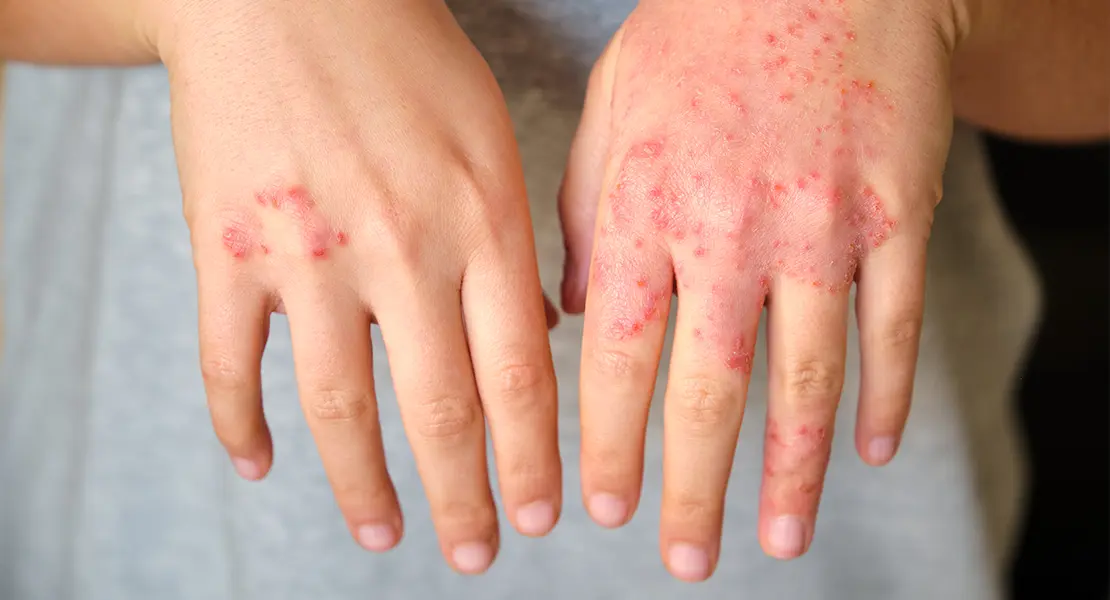
If you’ve ever experienced sudden, intensely itchy blisters on your hands or feet, you’ll know how uncomfortable and disruptive they can be. These blisters often seem to appear out of nowhere, and they can be painful, irritating and difficult to manage. This condition is called pompholyx eczema, also known as dyshidrotic eczema, and it affects many people of all ages. The flare-ups can be surprising, severe and, when left untreated, they can interfere with sleep, work and daily tasks.
In this guide, I’ll walk you through what pompholyx eczema actually is, what triggers it, how dermatologists diagnose it and the step-by-step treatment ladder that helps relieve flares and prevent them from coming back. If you struggle with this condition, you’ll find practical strategies here that can make a real difference.
What Is Pompholyx Eczema?
Pompholyx eczema is a type of eczema that causes deep, fluid-filled blisters on the hands and/or feet. The blisters usually start suddenly, feel extremely itchy, and sit beneath the skin rather than breaking the surface. They can be tiny, like pinpoints, or larger and more painful. When they dry, the skin often becomes cracked, peeling and sensitive.
People with pompholyx usually experience it in cycles. You might feel a burning or tingling sensation before a flare starts. Then the blisters appear, the skin becomes inflamed, and once the blisters dry, the skin goes through a peeling or thickening phase. This cycle can last for days or weeks.
Pompholyx can be acute, meaning it appears suddenly, or chronic, meaning flares come back regularly. For many people, the condition becomes ongoing without the right treatment.
Who Gets Pompholyx Eczema?
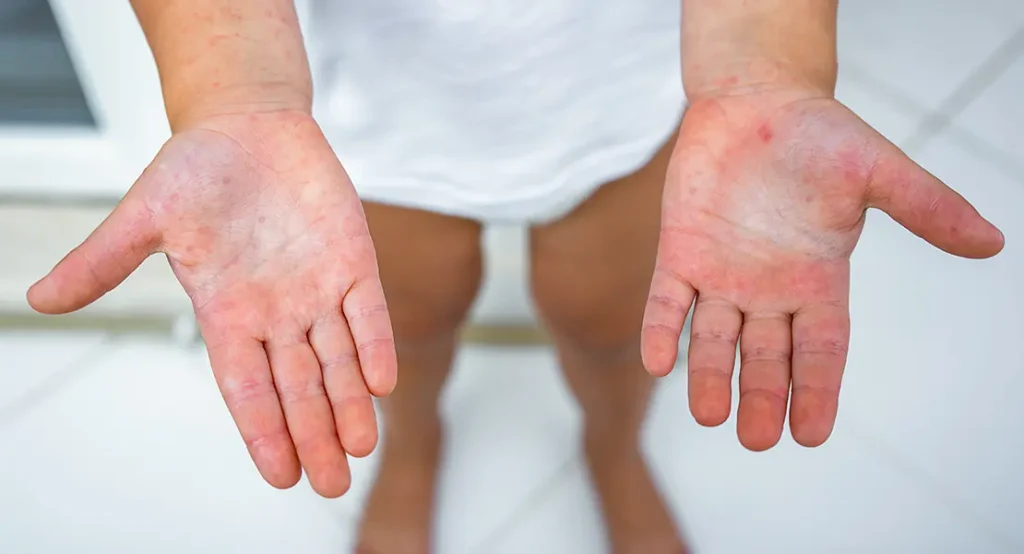
Pompholyx eczema can affect anyone, but it is more likely to develop in people who already have other forms of eczema or a history of allergies, including hay fever. Individuals who experience high levels of stress or tend to sweat easily may also be more susceptible. The condition is more common in those who work with chemicals or other irritants, regularly wear gloves for prolonged periods, or have contact sensitivities to metals such as nickel. Pompholyx eczema occurs slightly more often in women and most commonly develops between the ages of 20 and 40, although it can begin earlier or later in life.
Common Symptoms of Pompholyx Eczema
Pompholyx eczema has a set of distinctive symptoms that help differentiate it from other skin conditions. It typically affects the hands and feet and often develops suddenly, with symptoms ranging from mild irritation to significant discomfort. Flare-ups can be recurrent and are frequently triggered or worsened by factors such as heat, sweating, and emotional stress.
Deep, itchy blisters on the fingers, palms, soles, or toes: These small but deep-seated blisters are one of the hallmark signs of pompholyx eczema. They are often very itchy and can feel tight or uncomfortable beneath the skin.
Burning or tingling before blisters appear: Many people notice a burning, prickling, or tingling sensation before any visible blisters form. This early warning sign can occur hours or even days before a flare-up becomes obvious.
Intense itching that may disturb sleep: The itching associated with pompholyx eczema can be severe and persistent. In some cases, it becomes intense enough to interfere with sleep and daily activities.
Clusters of blisters that may merge into larger ones: The blisters often appear in groups and can join together to form larger, fluid-filled areas. As they expand, they may increase discomfort and limit movement of the hands or feet.
Pain or tenderness when walking or using your hands: When blisters are present on the soles or palms, everyday actions such as walking, gripping objects, or typing can become painful. This tenderness can significantly affect daily functioning.
Dry, cracked, or peeling skin after blisters dry: As the blisters heal, the skin may dry out and begin to peel or crack. This stage can leave the skin feeling sensitive and vulnerable to further irritation.
Thickened or rough skin after repeated flare-ups: With recurrent episodes, the affected skin may become thicker, rougher, or leathery in texture. This long-term change is a sign of chronic inflammation and repeated healing cycles.
Is Pompholyx the Same as Sweaty Hands, Athlete’s Foot or an Allergy?
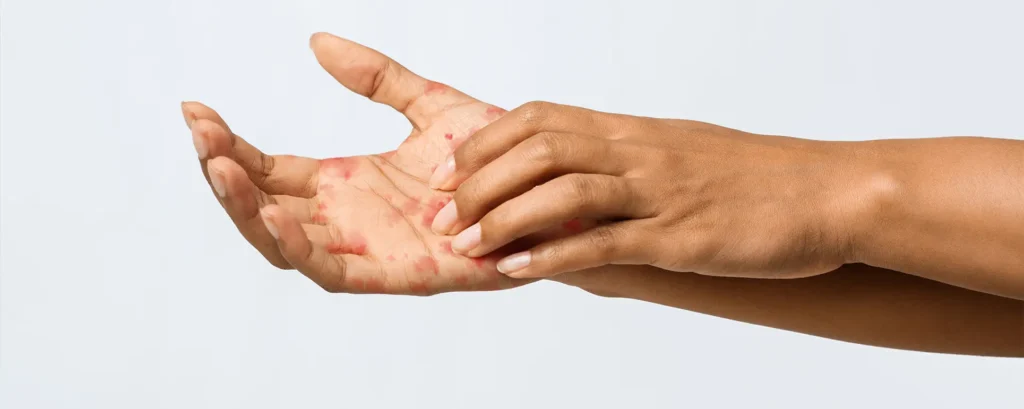
Pompholyx is not the same as sweaty hands, athlete’s foot, or a simple allergy, although it is often confused with all three. While sweating can trigger flare-ups, pompholyx is not caused by blocked sweat glands, which was once a common misconception. Unlike athlete’s foot, which is a fungal infection that typically causes itching and peeling, pompholyx produces deep-seated blisters on the skin.
Allergies, particularly to metals such as nickel, can play a role in triggering symptoms, but pompholyx itself is a form of eczema rather than a purely allergic reaction. Because its symptoms can closely resemble several other skin conditions, an accurate diagnosis is essential for effective treatment.
What Triggers Pompholyx Eczema?
Pompholyx eczema is influenced by a range of internal and external triggers, and identifying the factors that affect you personally is essential for long-term control. Flare-ups often occur when the skin barrier is weakened or the immune system is under increased strain, making the hands and feet more vulnerable to inflammation. Common triggers include environmental conditions, lifestyle factors, and underlying sensitivities, all of which can contribute to the sudden onset or worsening of symptoms.
Sweat and Heat: Sweat and heat are among the most common triggers of pompholyx eczema, which is why flare-ups often occur during hot weather, after physical exercise, or when wearing gloves or tight shoes for prolonged periods.
Stress and Emotional Tension: Stress and emotional tension are strongly linked to pompholyx eczema, with many people noticing flare-ups during periods of work pressure, exams, personal stress, or major life changes. Elevated stress hormones can weaken the skin’s protective barrier and disrupt its ability to heal, making the skin more vulnerable to inflammation and increasing the likelihood of eczema flares.
Metal Allergies Especially Nickel: Metal allergies, particularly to nickel, are among the most significant triggers of pompholyx eczema. Nickel is commonly found in everyday items such as jewellery, watches, mobile phones, coins, belt buckles, keys, and zips, and it can also be present in small amounts in certain foods.
Irritants and Harsh Chemicals: Irritants and harsh chemicals are common triggers of pompholyx eczema, as the hands are exposed to them on a daily basis. Products such as soaps, detergents, cleaning sprays, hand sanitisers, hair dyes, and industrial chemicals can strip the skin of its natural oils and weaken the protective skin barrier.
Prolonged Water Exposure: Prolonged water exposure is a significant trigger for pompholyx eczema, particularly for people in wet-work occupations such as cleaners, hairdressers, mechanics, hospitality staff, and healthcare workers.
Atopic Eczema or Family History: Having atopic eczema or a family history of allergic conditions can significantly increase your risk of developing pompholyx eczema. People who already have eczema, asthma, or hay fever often have a more sensitive immune system and a weaker skin barrier.
How Dermatologists Diagnose Pompholyx Eczema
Dermatologists usually diagnose pompholyx eczema by carefully examining the affected skin and discussing your symptoms, daily habits, and possible triggers. In many cases, the appearance and pattern of the blisters are distinctive enough to make the diagnosis straightforward. However, when symptoms overlap with other skin conditions, further investigations may be needed to confirm the cause.
Additional tests are sometimes used to rule out other conditions. Patch testing can help identify contact allergies to metals, fragrances, preservatives, or other substances, with nickel and cobalt being common triggers. Skin scrapings may also be taken, particularly when symptoms affect the feet, to exclude fungal infections that can cause similar itching and peeling.
The Pompholyx Eczema Treatment Ladder
Pompholyx eczema is best managed using a structured, step-by-step treatment approach that is tailored to the severity of the condition and how frequently flare-ups occur. While some episodes respond well to simple skincare and trigger avoidance, more severe or long-standing cases may require stronger medical treatments under specialist supervision. Dermatologists often follow a treatment “ladder”, starting with the least intensive options and progressing to more advanced therapies only when necessary, to control symptoms effectively while minimising side effects.
Step 1: Avoiding Triggers
Avoiding triggers is the foundation of pompholyx eczema management, as identifying and reducing exposure to known triggers can significantly lower the frequency and severity of flare-ups. Key strategies include wearing cotton gloves underneath rubber gloves, removing jewellery that contains nickel, switching to hypoallergenic skincare products, keeping the hands dry, reducing sweating, using lukewarm rather than hot water, and avoiding harsh or irritant chemicals.
Step 2: Emollients Keeping the Skin Barrier Strong
Emollients are an essential part of pompholyx eczema treatment, as they help soothe the skin, reduce dryness, and strengthen the damaged skin barrier. They should be applied multiple times throughout the day, particularly after washing the hands, after bathing, and before bed to maintain moisture levels.
Step 3: Topical Steroids Reducing Inflammation Fast
Topical steroids are used to reduce inflammation quickly during active pompholyx flare-ups. Dermatologists may prescribe moderate-potency steroids for the hands and high-potency steroids for the palms and soles, as these areas have thicker skin that requires stronger medication. Steroids should be applied exactly as directed, typically once or twice daily for short periods, to control inflammation while minimising potential side effects.
Step 4: Wet Wraps and Soaks
Wet care, including wet wraps and soaks, is highly effective during the blistering phases of pompholyx eczema. Wet wraps involve applying a steroid or emollient to the affected area and covering it with damp bandages, which helps soothe itching, reduce inflammation, speed up healing, and prevent scratching.
Step 5: Antihistamines
Antihistamines can be used to relieve severe itching associated with pompholyx eczema, particularly during the night. While they do not treat the underlying eczema, they help improve sleep and reduce the urge to scratch, which can prevent further irritation and support the healing process.
Step 6: Treating Secondary Infections
Pompholyx-affected skin can crack easily, creating an entry point for bacteria and leading to secondary infections. Signs of infection may include yellow crusting, increased redness, oozing, pain, or even fever. Depending on the cause and severity, your doctor may prescribe antibiotics or antifungal medications to treat the infection and prevent further complications.
Step 7: Phototherapy
For chronic cases of pompholyx eczema, dermatologists may recommend phototherapy, such as narrowband UVB or PUVA treatment. These therapies work by reducing inflammation in the deeper layers of the skin and can be particularly beneficial when topical treatments alone are insufficient to control symptoms.
Step 8: Oral Steroids or Immunosuppressants
In severe or persistent cases of pompholyx eczema, stronger systemic treatments may be necessary, including oral steroids, ciclosporin, methotrexate, or alitretinoin, which is commonly used for hand eczema. These medications are typically reserved for chronic or debilitating flare-ups and are prescribed under close medical supervision due to their potential side effects.
Step 9: Biologics
Biologics are an emerging treatment option for people with persistent or severe pompholyx eczema. Medications such as dupilumab, which are designed for severe eczema, may be considered when conventional treatments have not provided sufficient relief. Dermatologists typically reserve biologics for cases that do not respond to other therapies.
Practical Daily Tips to Prevent Flares
Living with pompholyx eczema can be challenging, but adopting practical daily habits can help you maintain better control and reduce the frequency of flare-ups. Gentle handwashing with non-foaming cleansers, frequent application of emollients, and thoroughly drying the hands after washing are essential steps. Avoiding alcohol-based hand sanitisers, using gloves for cleaning and dishwashing, and choosing breathable footwear can further protect the skin from irritation and moisture-related triggers.
Additional measures include keeping nails short to minimise skin damage, avoiding scratching whenever possible, and giving your skin regular breaks from prolonged water exposure. Managing stress through exercise, adequate rest, or relaxation techniques also plays an important role, as stress can exacerbate flare-ups.
When Should You See a Dermatologist?
You should see a dermatologist if your pompholyx eczema is severe, recurrent, or not responding to home treatments. Signs that warrant professional care include frequent or painful blisters, regularly cracked skin on the hands or feet, flare-ups that interfere with daily activities or sleep, and symptoms that occur every few weeks.
A dermatologist can help identify your specific triggers, rule out other skin conditions that may mimic pompholyx, and develop a personalised treatment plan. Early intervention and tailored care can reduce flare frequency, manage symptoms more effectively, and prevent long-term skin damage.
Long-Term Outlook for Pompholyx Eczema
Pompholyx eczema is often a chronic condition, but with proper management, it can be controlled effectively. Most people who follow a structured treatment plan and understand their triggers experience fewer and shorter flare-ups, reduced itching and blistering, improved skin quality, and better daily functioning. By consistently applying the right treatments and avoiding known triggers, individuals can take an active role in managing the condition, allowing them to regain control over their skin and quality of life.
FAQs:
1. What is pompholyx eczema and how does it affect the skin?
Pompholyx eczema, also known as dyshidrotic eczema, is a type of eczema characterised by sudden, intensely itchy blisters that typically appear on the hands and feet. These blisters form beneath the skin’s surface and can vary in size from tiny pinpoint spots to larger, more painful areas. When they dry out, the skin often becomes cracked, peeling, and sensitive, which can lead to discomfort and difficulty with daily activities such as gripping objects or walking.
2. Who is most likely to develop pompholyx eczema?
Pompholyx eczema can affect anyone, but it is more common in individuals who already have other forms of eczema or a history of allergies such as hay fever. People who experience high stress levels, tend to sweat easily, or frequently work with chemicals or irritants are also more susceptible. It occurs slightly more often in women and typically develops between the ages of 20 and 40, although it can begin at any age.
3. What are the typical symptoms of pompholyx eczema?
The condition usually starts with a burning or tingling sensation in the hands or feet before blisters appear. The blisters are extremely itchy and may cluster together, forming larger fluid-filled areas. Pain or tenderness is common when using the hands or walking, and as the blisters heal, the skin may become dry, cracked, or peel. Recurrent flare-ups can eventually lead to thickened or roughened skin due to chronic inflammation and repeated healing cycles.
4. How is pompholyx eczema different from other skin conditions like athlete’s foot or allergies?
Pompholyx eczema is often mistaken for sweaty hands, athlete’s foot, or simple allergic reactions. Unlike athlete’s foot, which is a fungal infection, pompholyx produces deep-seated blisters beneath the skin. Allergies, particularly to metals such as nickel, may trigger flare-ups but do not cause the condition itself, as pompholyx is a form of eczema. Correct diagnosis is crucial because its symptoms closely resemble several other skin conditions.
5. What are the main triggers of pompholyx eczema?
Pompholyx eczema can be triggered by a combination of internal and external factors. Common triggers include heat and sweating, which increase inflammation and blister formation; stress and emotional tension, which weaken the skin barrier; contact with metals such as nickel, cobalt, or chromium; irritants and harsh chemicals in soaps, detergents, and cleaning products; prolonged exposure to water, particularly in wet-work occupations; and an underlying history of atopic eczema or other allergic conditions.
6. How do dermatologists diagnose pompholyx eczema?
Dermatologists usually diagnose pompholyx by examining the affected skin and discussing the patient’s symptoms, daily habits, and potential triggers. In some cases, patch testing is performed to identify contact allergies to metals, fragrances, or preservatives. Skin scrapings may be taken to rule out fungal infections, particularly when the feet are affected. Occasionally, a skin biopsy may be conducted to differentiate pompholyx from other blistering disorders. Medical history and lifestyle factors are also reviewed to create an accurate diagnosis.
7. What is the typical treatment approach for pompholyx eczema?
Pompholyx eczema is usually managed using a step-by-step treatment ladder that matches the severity of the condition. The first step involves avoiding known triggers, followed by regular use of emollients to strengthen the skin barrier. Topical steroids may be prescribed to reduce inflammation during flare-ups. Additional treatments such as wet wraps, soaks, antihistamines, or antibiotics may be used depending on the symptoms. In severe or persistent cases, phototherapy, oral steroids, immunosuppressants, or biologic medications may be recommended under specialist supervision.
8. Can lifestyle and daily habits help prevent pompholyx flare-ups?
Yes, adopting practical daily routines can significantly reduce flare-ups. This includes gentle handwashing with non-foaming cleansers, frequent application of fragrance-free emollients, thoroughly drying hands after washing, avoiding alcohol-based sanitisers, and using gloves for cleaning or dishwashing. Wearing breathable footwear, keeping nails short, avoiding scratching, managing stress through rest or relaxation techniques, and giving the skin breaks from prolonged water exposure can all contribute to long-term control.
9. When should someone with pompholyx eczema see a dermatologist?
Professional consultation is recommended if the condition is severe, recurrent, or unresponsive to home care. Signs that require specialist attention include frequent or painful blisters, cracked skin on the hands or feet, flare-ups that interfere with daily activities or sleep, and repeated episodes every few weeks. A dermatologist can identify personal triggers, rule out other conditions, and create a personalised treatment plan for more effective management.
10. What is the long-term outlook for people with pompholyx eczema?
Although pompholyx eczema is often chronic, it can be effectively controlled with consistent treatment and trigger management. Individuals who follow a structured treatment plan typically experience fewer and shorter flare-ups, reduced itching and blistering, improved skin quality, and better day-to-day functioning. Understanding and avoiding triggers while using the appropriate therapies allows patients to take an active role in managing their skin and improving overall quality of life.
Final Thought: Managing Pompholyx Eczema
Pompholyx eczema can be a distressing and persistent condition, but with the right approach, it can be effectively managed. Understanding your personal triggers, adopting consistent skincare routines, and seeking timely dermatological care are key to reducing flare-ups and maintaining healthy skin. While flare-ups may recur, following a structured treatment plan and practising preventative measures empowers you to take control of your condition and improve your quality of life. If you’re looking for eczema treatment in London, you can book a consultation with our specialist at the London Dermatology Centre.
References:
1. Guillet, M. H., Wierzbicka, E., et al. (2007). A 3‑year causative study of pompholyx in 120 patients. Archives of Dermatology. https://pubmed.ncbi.nlm.nih.gov/18086998/
2. Sarmiento, S., et al. (2020). Dyshidrotic Eczema: Relevance to the Immune Response in Situ. PMC Articles. https://pmc.ncbi.nlm.nih.gov/articles/PMC7647841/
3. Chai, E. S. X., et al. (2023). Are There Ethnic Differences in Hand Eczema? A Review. Journal of Clinical Medicine. https://www.mdpi.com/2077-0383/12/6/2232
4. Paganini, C., et al. (2024). Efficacy and Safety of Dupilumab in the Treatment of Hand Eczema. Journal of Clinical Medicine. https://www.mdpi.com/2077-0383/13/7/1876 5. Martina, E. (2021). Therapeutic Use of Botulinum Neurotoxins in Dermatology. https://www.mdpi.com/2072-6651/13/2/120