


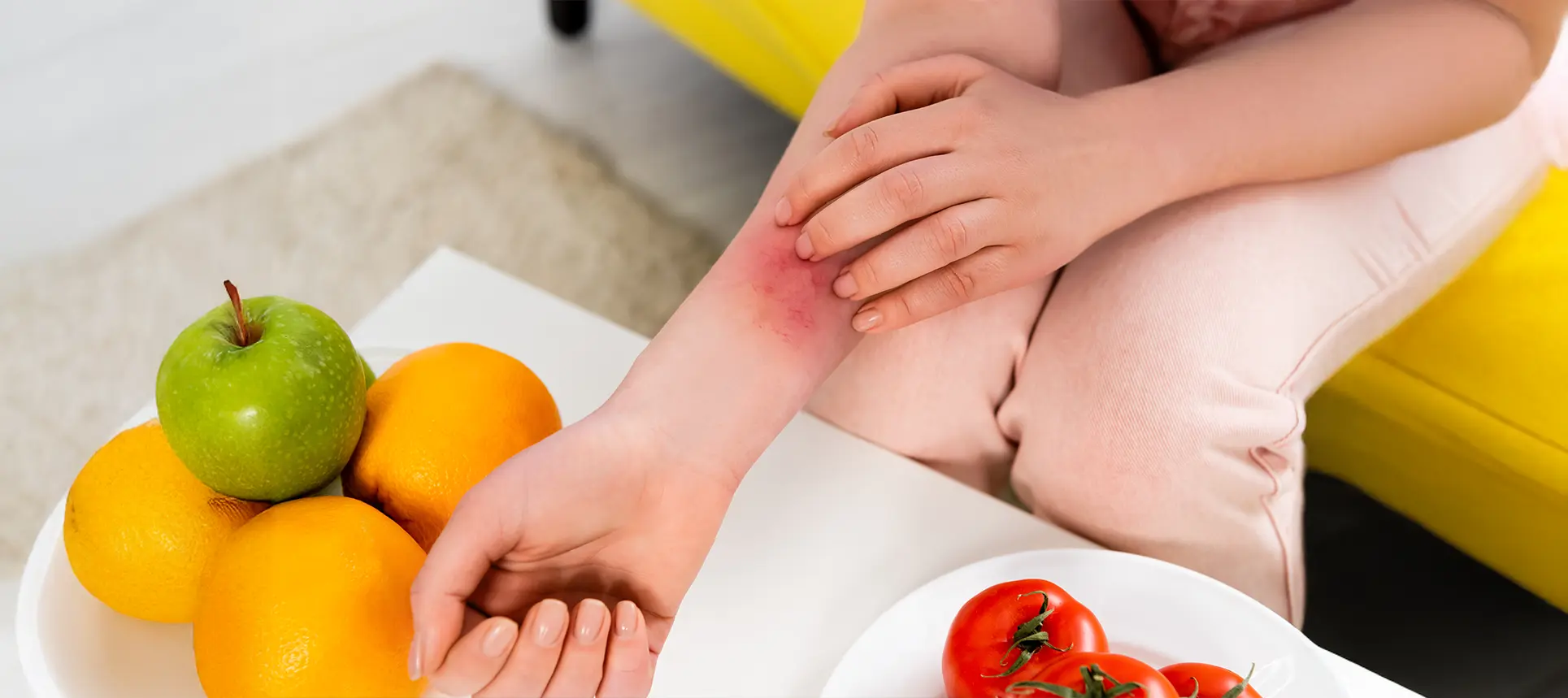
If you’re living with eczema that flares often, becomes weepy, or keeps getting infected, you’ve probably heard people mention bleach baths or antiseptic soaks. You may have read about them online, come across them in support groups, or had a dermatologist briefly mention them during an appointment. But hearing the term “bleach bath” can be worrying if you don’t understand what it means.
I want to reassure you right away that when used properly, bleach baths are not what they sound like. You’re not pouring neat bleach into your bath and soaking in something harsh. Instead, you’re creating a very dilute antiseptic solution that reduces bacterial levels on the skin, lowers inflammation, and helps break the cycle of infected eczema flares.
Why Eczema and Skin Infections Often Go Hand in Hand
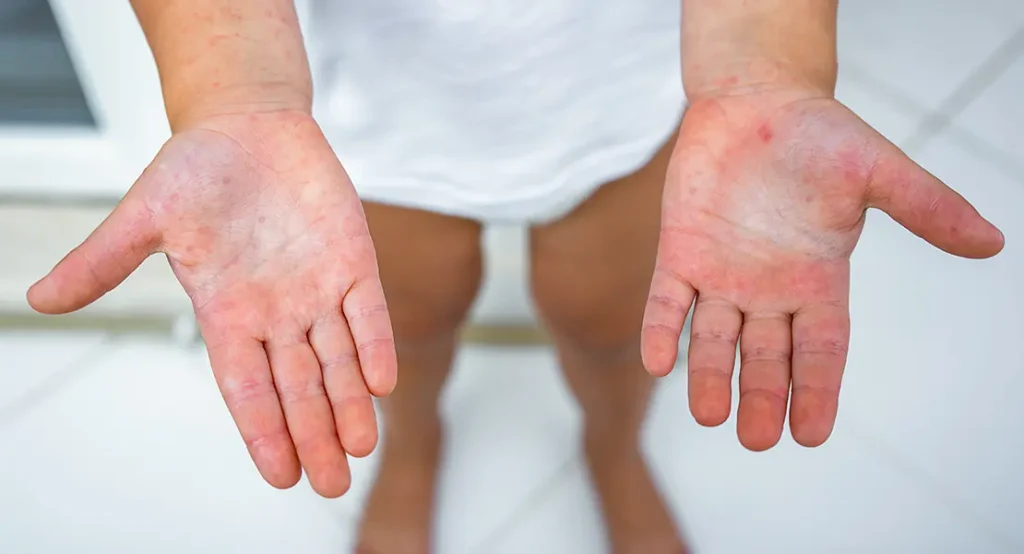
If you have eczema, you’ve probably noticed how often your skin becomes red, hot, cracked, or weepy. You may have had crusting, yellow discharge, or painful raw patches at different times. These changes can be signs of infection, and they’re more common than you think.
Eczema weakens your skin barrier, which means bacteria can enter far more easily. One particular bacterium Staphylococcus aureus loves dry, cracked, inflamed skin. Many people with eczema carry this bacterium in higher amounts than those without eczema, and the more bacteria present, the more inflammation your skin produces.
This creates a frustrating cycle. Your eczema flare makes it easier for bacteria to grow, and the bacteria then irritate the skin further, which worsens the eczema. The result is deeper cracks, more weeping, more soreness, and even more bacteria.
What Exactly Are Bleach Baths? Clearing Up the Misconceptions
The term “bleach bath” can be misleading if you picture a strong cleaning product being poured into water. What you’re actually creating is a solution similar to a swimming pool. It’s extremely dilute, gentle when used correctly, and nowhere near the strength of household cleaning bleach.
You typically use regular, unscented household bleach, but you dilute it with a full bathtub of water to create a solution that’s about 0.005% sodium hypochlorite. That’s such a low concentration that most people don’t feel anything different on their skin when they step into the bath.
The goal isn’t to strip the skin. The goal is to gently reduce bacteria sitting on the skin surface so your barrier can heal. Many studies have shown that this concentration is safe for sensitive and eczema-prone skin when used as recommended.
How Bleach Baths Reduce Bacterial Load Without Damaging Your Skin
You may wonder how bleach baths can be antiseptic without harming your already delicate skin barrier. The answer lies in how dilute the solution is and how quickly you rinse and moisturise afterwards.
The solution works by disrupting the outer wall of bacteria. At the dilution used in bleach baths, it weakens bacterial cells enough to prevent them from multiplying and causing inflammation, but it doesn’t harm your own skin cells.
Another key point is that bleach baths reduce the need for repeated antibiotic courses. If you’ve ever had oral or topical antibiotics for infected eczema, you might know they work in the short term but don’t prevent future flare-ups.
Bleach baths offer a way to target bacteria without contributing to resistance and without the side effects of antibiotics.
Which Types of Eczema Flares Benefit Most From Bleach Baths?
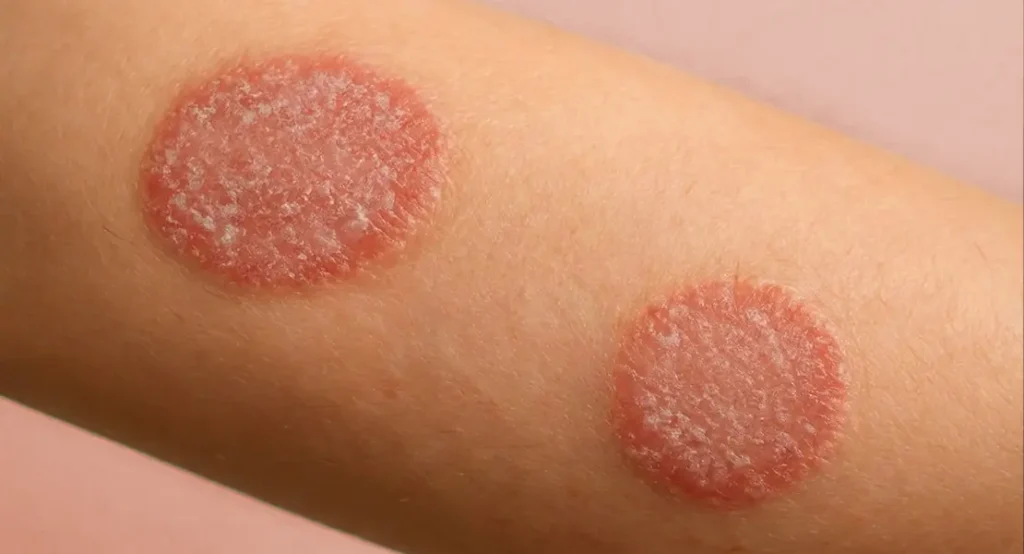
Bleach baths are not a routine step for every eczema flare, but they can be very helpful in situations where bacteria are contributing to persistent or worsening inflammation. Many eczema flares are silently driven by Staphylococcus bacteria on the skin, even when obvious signs of infection are mild or absent.
1. Your eczema becomes infected often: Recurrent infections suggest ongoing bacterial colonisation. Bleach baths help reduce bacterial levels on the skin and lower the risk of repeated infections.
2. Your patches turn weepy, crusted, or yellow: These are classic signs of bacterial involvement. Bleach baths can help dry oozing areas and support healing alongside prescribed treatments.
3. Your skin feels hot, painful, or more inflamed than usual: Excess heat and pain often indicate infection-related inflammation rather than eczema alone. Reducing bacteria can significantly ease these symptoms.
4. Topical steroids work briefly but flares return quickly: When inflammation keeps rebounding, bacteria may be undermining treatment. Bleach baths help break this cycle by addressing the underlying trigger.
5. You’ve been diagnosed with staph-colonised eczema: In known staph colonisation, bleach baths are a targeted strategy to control bacterial overgrowth and reduce flare frequency.
6. You experience repeated flares in the same areas: Persistent flares in identical spots often point to local bacterial reservoirs. Bleach baths help reset the skin environment in these problem areas.
How Antiseptic Soaks Differ From Bleach Baths
Dermatologists sometimes use the term “antiseptic soaks” instead of bleach baths, but both approaches aim to control bacteria on the skin. The main difference lies in how they are applied and the ingredients used. Antiseptic soaks are often preferred when treatment needs to be more localised rather than full-body.
Common antiseptic alternatives include triclosan cleansers, chlorhexidine solutions, octenidine-based products, and potassium permanganate soaks. Each works by reducing bacterial load on the skin, which helps calm inflammation and prevent infection-driven flares. These options are usually selected based on skin sensitivity and the type of flare present.
Antiseptic soaks are particularly useful for targeted areas, such as cracked skin, open wounds, or small infected patches. They are also helpful when a full bleach bath would sting or feel too harsh. In contrast, bleach baths are typically used for widespread eczema or repeated infections across larger skin areas.
How Bleach Baths Fit Into a Larger Eczema Treatment Plan
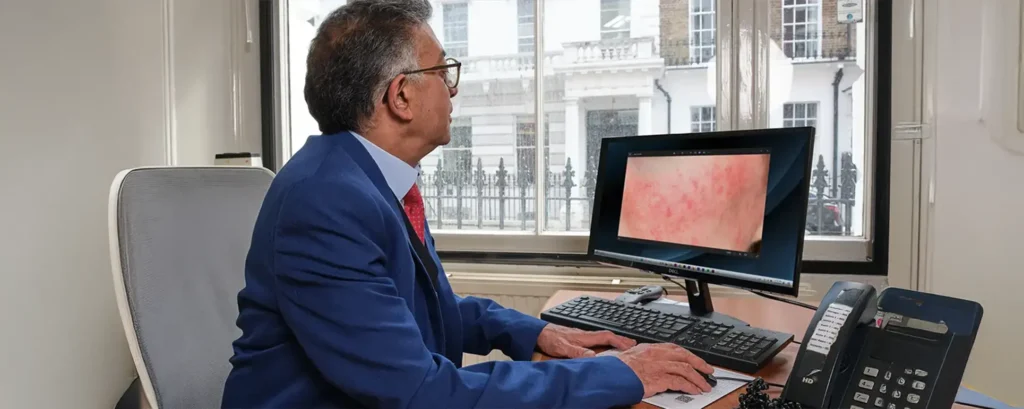
Bleach baths are not a standalone treatment for eczema. They work best as part of a broader management plan that focuses on repairing the skin barrier, calming inflammation, and preventing infection. On their own, bleach baths won’t control eczema, but when combined with the right treatments, they can significantly improve outcomes.
A complete eczema plan usually includes daily moisturising to strengthen the skin barrier, along with topical steroids or calcineurin inhibitors to control inflammation during flares. Emollients protect against ongoing dryness, while trigger avoidance such as steering clear of fragrances, dust mites, and harsh fabrics helps prevent repeated flare-ups.
Step-by-Step Guide: How Dermatologists Recommend Doing a Bleach Bath Safely
If you’ve never tried a bleach bath before, it can sound intimidating, but it’s actually a simple and controlled process when done correctly. Dermatologists recommend bleach baths to reduce bacteria on the skin and calm inflamed, infected eczema. When properly diluted, the solution is gentle and safe, similar to swimming pool water.
To do a bleach bath safely, fill your bathtub with warm (not hot) water and add the correct amount of bleach usually about a teaspoon per litre or roughly a quarter cup for a full standard bath. Mix the water well so the bleach is evenly diluted, then soak your body for around 10 minutes. Avoid submerging your face unless your dermatologist has specifically advised it.
After soaking, rinse off with clean lukewarm water to remove any residue. Gently pat your skin dry instead of rubbing, as eczema-prone skin is fragile and easily irritated. Once dry, apply your moisturiser immediately to lock in hydration, and then use any prescribed anti-inflammatory treatments on affected areas if instructed.
Does a Bleach Bath Sting or Burn? What You Should Expect During and After
Many people worry the bath will sting because their eczema is already raw and inflamed. But most people report that they feel absolutely nothing different from a normal bath. A correctly diluted solution is extremely mild.
If your skin is cracked or open, you may feel a slight tingle. This usually settles quickly and does not last once you rinse. If the solution is too strong or if your skin barrier is extremely compromised, you might experience discomfort. That’s why following the exact ratio is important.
If you ever feel burning, intense stinging, or unusual redness afterwards, you should stop and contact your dermatologist to review the dilution or consider an alternative antiseptic soak. For the vast majority of patients, the experience is gentle, manageable, and reassuring.
Who Should Avoid Bleach Baths? Important Contraindications
Bleach baths can be very helpful for certain types of eczema, but they are not suitable for everyone. In some situations, using bleach may cause more irritation than benefit, especially if the skin is extremely fragile or if there are underlying sensitivities. This is why dermatologists always assess the individual before recommending this treatment.
You should avoid bleach baths if you have a known allergy to sodium hypochlorite, as this can trigger irritation or allergic reactions. They should also be avoided if you have widespread open wounds, deep fissures, or cuts, because the solution may cause significant pain and delay healing. If your eczema is so severe that even plain water stings, bleach baths are likely to be too harsh at that stage.
The Role of Bleach Baths in Treating Staph-Colonised Eczema
Many eczema patients are colonised with Staphylococcus aureus, sometimes without knowing it. This bacterium thrives on broken skin, and your immune system reacts strongly to it. The reaction itself can worsen eczema even if full infection doesn’t develop.
Bleach baths help reduce the amount of Staph on the skin surface. They’re not designed to eradicate it completely most people with eczema will always carry some Staph but lowering the level dramatically reduces inflammation.
You may notice that your skin behaves better, flares less frequently, and responds more reliably to moisturisers and steroids. If you’ve been someone who gets flare-after-flare in the exact same areas, this treatment may help break that pattern.
How Antiseptic Soaks Can Help When Bleach Baths Are Not Suitable
If you can’t tolerate bleach baths or feel anxious about using them, antiseptic soaks are a strong alternative. They are milder for some people and allow you to target specific areas instead of soaking your whole body.
1. Chlorhexidine: Chlorhexidine is a commonly used medical antiseptic that helps reduce bacteria on the skin. It is often gentler than bleach and can be applied as a short soak or wash to affected areas. It may be recommended for mild to moderate infected eczema.
2. Potassium permanganate: This antiseptic has drying and antibacterial properties, making it useful for weeping or oozing eczema. It is usually diluted until pale pink and used for short soaks. Careful dilution is essential to avoid irritation or staining.
3. Dilute acetic acid: Acetic acid (often derived from vinegar solutions) helps lower skin pH, making it harder for bacteria to survive. It can be useful for small, localised areas of infected eczema. Your dermatologist will advise the correct dilution to ensure safety.
4. Triclosan solutions: Triclosan is an antibacterial agent sometimes found in medicated washes. It can help reduce bacterial colonisation when used for short periods. Long-term use is usually avoided unless specifically advised by a clinician.
5. Octenidine-based products: Octenidine is a modern antiseptic that is effective against bacteria and some fungi. It is often well tolerated and suitable for sensitive skin. These products are commonly used in targeted washes or compresses rather than full-body soaks.
Although antiseptic soaks differ from bleach baths in ingredients, they share the same purpose: lowering bacterial levels so your skin barrier can repair.
Why Moisturising After Bleach Baths Is More Important Than People Realise
You might feel like moisturising after a bath is optional, but when you’re managing eczema, this step is essential. Soaking your skin in water increases its ability to absorb emollients immediately afterwards.
1. Locks in hydration: After bathing, water sits on the surface layers of the skin. Applying moisturiser straight away helps seal this moisture in before it evaporates. This prevents rapid drying, which can otherwise worsen eczema symptoms.
2. Reduces stinging or dryness: Freshly bathed skin can feel tight or sensitive, especially after a bleach bath. A moisturiser creates a soothing protective layer that reduces stinging and discomfort. This is particularly important for inflamed or broken skin.
3. Restores fatty acids to your barrier: Eczema-prone skin lacks essential lipids that keep the barrier strong. Emollients replace these fatty acids, helping rebuild the skin’s natural defence. This makes the skin more resilient over time.
4. Helps prevent microcracks from forming: Dry skin is more likely to develop tiny cracks that allow bacteria and irritants to enter. Moisturising promptly keeps the skin flexible and less prone to splitting. This reduces the risk of infection and flare-ups.
5. Supports healing in areas weakened by inflammation: Inflamed skin needs consistent hydration to repair itself effectively. Moisturisers create an environment that supports skin regeneration. This allows damaged areas to heal more smoothly and comfortably.
Bleach baths create a window where your skin is primed to absorb the products it needs most.
How Quickly Will You Notice Improvement?
Most people begin to notice improvement within two to four weeks of starting bleach baths as part of a consistent eczema care plan. Common early signs include less weeping and crusting, reduced redness, fewer raw or painful patches, and a noticeably better response to topical steroids or calcineurin inhibitors.
If your eczema has been severely infected, keeps recurring in the same areas, or you’ve struggled with infections for years, improvement may take longer. In these cases, the skin barrier has often been damaged repeatedly, so it needs more time to rebuild.
Consistency is key. Bleach baths used only occasionally are unlikely to prevent bacterial overgrowth. When used regularly and correctly alongside moisturisers, barrier repair, and anti-inflammatory treatments they help reset the skin to a calmer baseline where healing can occur more effectively.
How Bleach Baths Support Children With Eczema
Eczema is extremely common in children, and many parents worry about whether bleach baths are too harsh. When used in the correct dilution, bleach baths can be safe for children and very effective for managing repeated infections.
1. Have severe flares that return quickly: Some children experience eczema that improves briefly but flares again within days or weeks. This pattern is often linked to bacterial overgrowth on the skin. Bleach baths can help break this cycle by reducing bacteria between flares.
2. Get recurring weeping patches: Weeping or oozing eczema is a sign of skin barrier breakdown and infection risk. Bleach baths help dry and disinfect these areas gently. This supports healing and reduces the chance of repeated infection.
3. Have trouble controlling staph infections: Staphylococcus bacteria commonly live on eczema-prone skin and can worsen inflammation. Bleach baths lower bacterial levels without relying solely on antibiotics. This makes them a useful long-term management tool.
4. React strongly to small levels of bacteria on their skin: Some children are highly sensitive to even minor bacterial presence. This can trigger redness, itching, and rapid flare-ups. Reducing bacteria through bleach baths can significantly calm these reactions.
Why You Should Always Follow Professional Guidance Before Starting Bleach Baths
Because eczema varies widely in severity, distribution, and underlying triggers, bleach baths must be tailored to your specific situation. What works brilliantly for one person may not be right for another.
If you’re being treated at an Eczema Clinic in London, your dermatologist will assess your pattern of flares, check whether infection is present, and decide whether bleach baths are appropriate for you. They will also tell you how frequently you should use them and what dilution is safest.
Trying bleach baths without medical advice can lead to incorrect dilution, overuse, or missed alternative treatments that might suit you better. A dermatologist ensures you’re receiving the safest and most effective plan for your skin.
FAQs:
1. What is a bleach bath, and how does it help eczema?
A bleach bath is a therapeutic soak using a very dilute solution of household bleach in warm water, typically similar in strength to a swimming pool. The purpose of this bath is not to clean the skin harshly but to reduce the number of bacteria present on the skin surface, especially Staphylococcus aureus, which is commonly associated with eczema flares. By lowering bacterial levels, the skin experiences less inflammation, helping eczema treatments work more effectively and breaking the cycle of recurrent infections.
2. Is it safe to put bleach on my skin?
When used in the correct dilution, bleach baths are extremely safe for eczema-prone skin. The concentration used is far lower than household cleaning bleach, making it gentle enough for sensitive skin. Most people feel nothing unusual during the bath, although those with open or cracked skin may experience a slight tingling sensation. It is important to follow the recommended ratios and rinse thoroughly afterward to prevent irritation.
3. How often should I use a bleach bath for eczema?
Bleach baths are typically recommended two to three times per week during active or infected flares. Once the skin stabilizes and flares are under control, the frequency can be reduced or adjusted according to a dermatologist’s guidance. They are not intended as a daily routine but rather as a supportive treatment to reduce bacterial load while allowing other eczema therapies, such as moisturizers and anti-inflammatory creams, to work more effectively.
4. Can bleach baths replace other eczema treatments?
Bleach baths are not a standalone treatment and cannot replace regular eczema care. They work best in combination with daily moisturising, topical steroids, or calcineurin inhibitors during flares, along with strategies to avoid triggers such as fragrances, harsh fabrics, and dust mites. The bath serves as an adjunct therapy, helping reduce bacterial-driven inflammation so other treatments can have a greater effect on the skin’s healing and barrier restoration.
5. Will bleach baths sting or burn my skin?
Most people experience little to no sensation during a properly diluted bleach bath. A slight tingling may occur on cracked or open areas, but this usually settles quickly. Discomfort may arise only if the solution is too concentrated or the skin barrier is extremely compromised. Following the correct dilution instructions is essential, and if any intense stinging or burning occurs, the bath should be discontinued and a dermatologist consulted.
6. Who should avoid bleach baths?
Bleach baths are not suitable for everyone. Individuals with allergies to sodium hypochlorite should avoid them, as should those with widespread open wounds, deep fissures, or extremely sensitive skin. People with asthma triggered by bleach fumes should not use these baths. Very young children should only take bleach baths under professional supervision, and anyone who has had a negative reaction previously should opt for alternative antiseptic soaks.
7. What are antiseptic soaks, and when are they used instead of bleach baths?
Antiseptic soaks are alternatives to bleach baths that target bacteria on the skin but can be more suitable for sensitive or localized areas. Options include chlorhexidine, potassium permanganate, dilute acetic acid, triclosan, and octenidine-based solutions. These are often used when bleach baths are too harsh or when only small areas of infected eczema need treatment. Like bleach baths, antiseptic soaks reduce bacterial load and allow the skin barrier to recover, supporting other eczema treatments.
8. How quickly can I expect to see improvements with bleach baths?
Improvement is usually observed within two to four weeks of consistent use as part of a comprehensive eczema care plan. Early signs include less weeping, reduced redness, fewer painful patches, and better responses to topical steroids or anti-inflammatory treatments. For individuals with long-standing or severe infections, results may take longer, as repeated skin damage requires time to repair. Consistency in using the baths alongside other therapies is critical for noticeable improvement.
9. Are bleach baths safe for children with eczema?
Yes, when properly diluted, bleach baths can be safe and effective for children. They help manage recurrent infections, dry weeping patches, and reduce bacterial-driven flare-ups without over-reliance on antibiotics. Children with sensitive skin or frequent staph infections often benefit from regular, controlled bleach baths as part of a broader treatment plan supervised by a dermatologist.
10. Why is professional guidance important before starting bleach baths?
Professional guidance ensures bleach baths are tailored to the severity, distribution, and triggers of an individual’s eczema. Dermatologists can advise on the correct dilution, frequency, and whether a bleach bath or an alternative antiseptic soak is more suitable. Attempting to use bleach baths without medical supervision may result in incorrect dilution, excessive use, or missed opportunities for more appropriate treatments. Consulting a specialist, such as at an Eczema Clinic in London, ensures the safest and most effective care plan for your skin.
Final Thought: Getting the Most from Bleach Baths and Soaks
Bleach baths and antiseptic soaks can be effective tools for managing eczema, especially when recurrent infections or persistent flares complicate the condition. Used correctly and under professional guidance, they help reduce bacterial load, calm inflammation, and support the skin barrier alongside moisturisers and prescribed treatments. It’s important to remember that bleach baths are not a standalone solution they work best as part of a personalised eczema management plan tailored to your specific needs. If you’re considering eczema Clinic in London, you can contact us at the London Dermatology Centre to book a consultation with one of our specialists.
References:
1. Bath-Hextall, F.J. (2010) Interventions to reduce Staphylococcus aureus in the management of atopic eczema: systematic review, British Journal of Dermatology, 163(1), pp. https://academic.oup.com/bjd/article/163/1/12/6642657
2. Bleach baths for atopic dermatitis: A systematic review and meta‑analysis. https://www.sciencedirect.com/science/article/abs/pii/S1081120622002861
3. Scientific data on bleach bath efficacy vs water baths suggests that much of the clinical benefit of bleach baths such as reduced AD severity is also seen with regular water baths. https://pmc.ncbi.nlm.nih.gov/articles/PMC5726436/
4. Pagliaro, M., Pecoraro, L., Stefani, C., Pieropan, S., Piacentini, G. and Pietrobelli, A. (2024) Bathing in Atopic Dermatitis in Pediatric Age: Why, How and When, Pediatric Reports, 16(1), pp. https://www.mdpi.com/2036-7503/16/1/6 5. Chai, H. (2025) Understanding Atopic Dermatitis: Pathophysiology and Management Strategies, Biomolecules, 15(11), 1500. https://www.mdpi.com/2218-273X/15/11/1500