


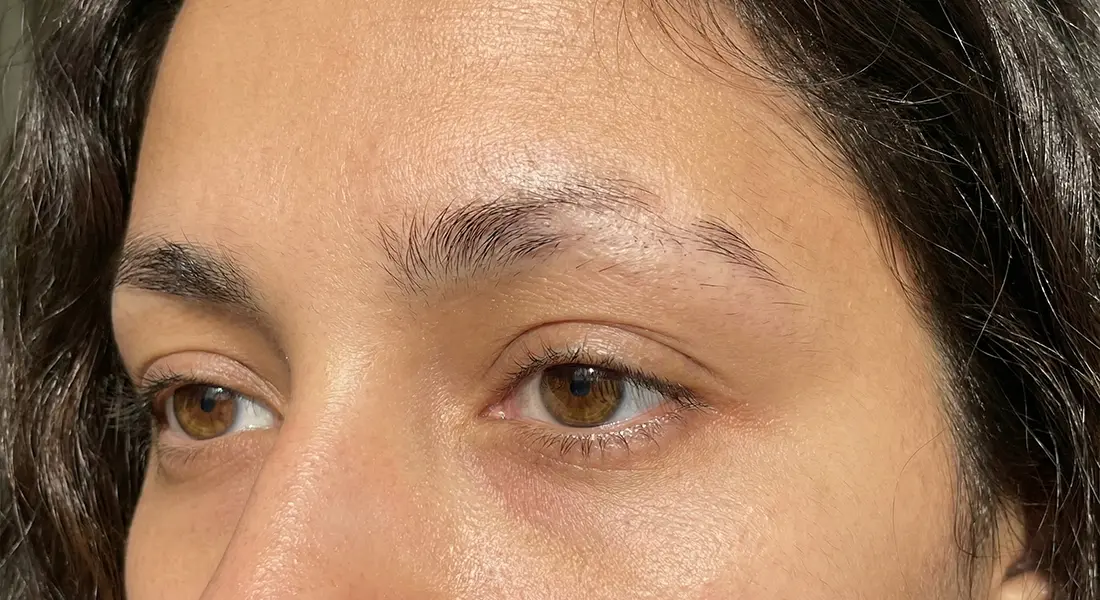
Losing hair from your eyebrows or eyelashes can feel incredibly distressing. These areas play a huge role in your facial expression, confidence, and overall appearance. When the brows or lashes begin thinning, falling out in patches, or disappearing altogether, it’s natural to feel worried, confused, or even frightened. Many people assume hair loss only happens on the scalp, but eyebrow and eyelash alopecia is actually more common than you might think and it can have very different causes from ordinary scalp shedding.
The good news is that most causes of brow and lash alopecia are treatable, manageable, or reversible. But because these hairs are delicate and behave differently from scalp hair, it’s important to understand what’s happening and why. The sooner you recognise what’s normal, what’s not, and when to seek help, the easier it becomes to protect these important areas and support regrowth.
Understanding How Brow and Lash Hair Actually Grows
Before exploring why eyebrow and eyelash hair might fall out, it’s important to understand how their growth patterns differ from scalp hair. These differences explain why brows and lashes respond differently to stress, illness, or skin conditions, and why shedding can appear more sudden or noticeable in these areas.
1. Much shorter growth phase: The anagen, or growth phase, for eyebrows and eyelashes lasts only a few weeks, unlike scalp hair that can grow for several years. Because of this short growth period, any interruption in the cycle, such as illness or stress, can quickly lead to noticeable shedding. This is why brow and lash hair often appear thinner sooner than scalp hair under stress.
2. Quicker cycling: Eyebrows and lashes complete their growth cycles more frequently, meaning they enter the shedding phase faster. This rapid cycling makes them more sensitive to changes in the body, and disruptions show up as hair loss almost immediately. Consequently, even minor health or lifestyle changes can produce visible effects on these hairs.
3. Finer, shorter hairs: The follicles in the brow and lash area are smaller and produce finer, shorter strands. This makes them more delicate and prone to breakage compared with the thicker, stronger strands of scalp hair. As a result, even mild mechanical stress, like rubbing or applying products, can lead to shedding or thinning.
4. Greater sensitivity to inflammation: Shallow follicles in these regions are more easily affected by inflammation or irritation from skin conditions, infections, or allergic reactions. Even mild inflammatory responses can trigger shedding in the brows and lashes, whereas scalp hair might remain unaffected.
5. Different shape and direction: Eyebrows grow in a flat plane across the brow ridge, and eyelashes curve outward from the eyelid. This orientation makes them more vulnerable to trauma, friction, or improper grooming. Consequently, external factors like rubbing, makeup removal, or eyelid irritation can lead to hair loss in these areas more quickly than on the scalp.
The Most Common Causes of Eyebrow and Eyelash Alopecia
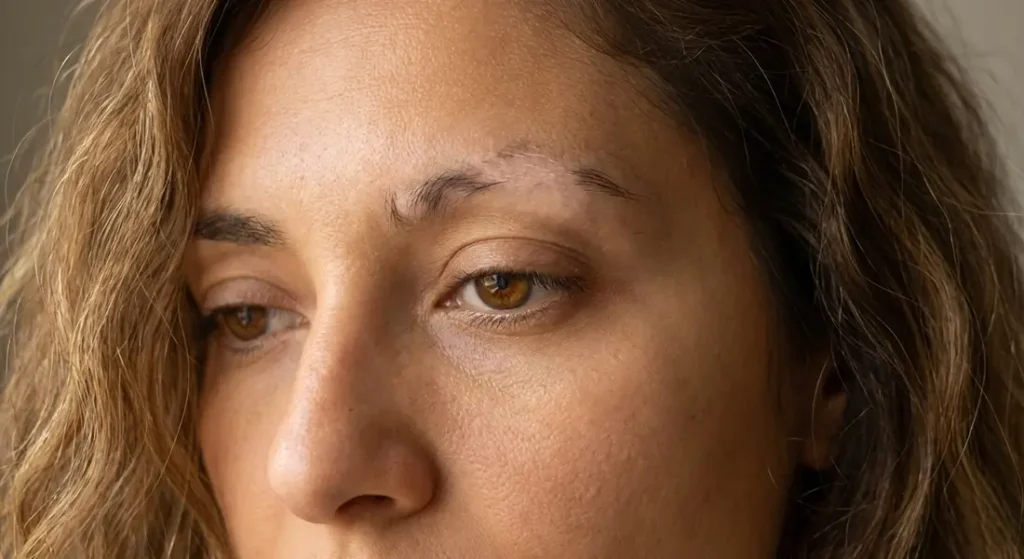
Eyebrow and eyelash hair loss, also known as brow and lash alopecia, can happen for many reasons. Unlike scalp hair, these hairs are more delicate, grow in shorter cycles, and are highly sensitive to trauma, inflammation, and systemic health changes. Understanding the underlying cause is crucial, as treatment varies depending on whether the loss is temporary, related to skin conditions, autoimmune processes, nutritional deficiencies, or other medical factors.
Over-Plucking or Trauma: Over-plucking or repeated trauma is one of the most common causes of eyebrow thinning. Years of plucking, threading, waxing, or rubbing can damage follicles, leading to thinning at the outer ends, patchy regrowth, sparse areas that don’t fill in, and short or uneven hairs.
Atopic Dermatitis, Eczema & Skin Inflammation: Chronic skin conditions around the eyes, such as atopic dermatitis, eczema, and seborrheic dermatitis, can weaken hair follicles and lead to eyebrow and sometimes eyelash thinning. Common signs include itching, redness, flaking, crusting, and patchy hair loss. Because inflammation disrupts the natural growth cycle, calming and treating the skin is essential to support regrowth and restore healthy hair.
Alopecia Areata (Patchy Autoimmune Hair Loss): Alopecia areata, an autoimmune condition, often affects the eyebrows and eyelashes, sometimes even when the scalp appears normal. Typical signs include smooth, round bald patches, sudden loss of sections of brows, lashes missing in clumps, and the absence of flaking or irritation.
Thyroid Disorders: Thyroid disorders, whether an overactive or underactive thyroid, are among the most common medical causes of eyebrow thinning. Typical signs include loss of the outer third of the eyebrows, overall thinning, and slow regrowth even after treatment.
Nutritional Deficiencies: Nutritional deficiencies can lead to thinning of eyebrows and lashes, particularly if levels of iron, ferritin, vitamin D, zinc, protein, or B12 are low. These deficiencies often occur after illness, chronic dieting, digestive disorders, or pregnancy.
Telogen Effluvium After Illness or Stress: Telogen effluvium can affect eyebrows and lashes just like scalp hair, causing the follicles to enter the resting phase prematurely after illness or stress, a pattern especially noted after COVID-19. Common signs include diffuse thinning, increased shedding during skincare routines, and noticeable hair loss weeks to months after the triggering event.
Blepharitis (Eyelid Inflammation): Blepharitis, or inflammation of the eyelids, is a common cause of eyelash loss that occurs when the oil glands along the lash line become clogged or irritated. Typical symptoms include gritty or irritated eyes, crusts forming on the lashes, red eyelid margins, lash shedding, and short or broken lashes.
Trichotillomania (Hair-Pulling): Trichotillomania is a condition where individuals compulsively pull out their eyebrow or eyelash hairs, often during periods of stress or anxiety, and it is more common than many realize. Signs include short, broken hairs, unusual regrowth patterns, sparse or patchy areas, and hairs of varying lengths.
Infection or Skin Disease Around the Eyes: Infections or skin diseases around the eyes can also cause eyebrow and eyelash hair loss. Common culprits include fungal infections, bacterial folliculitis, Demodex mite infestations, psoriasis, lichen planus, and lichen sclerosus.
Chemotherapy and Medical Treatments: Chemotherapy and certain medical treatments can lead to eyebrow and eyelash hair loss. Chemotherapy often causes complete brow and lash shedding, though regrowth typically occurs afterward. Additionally, medications for autoimmune conditions, acne, blood pressure, or psychiatric disorders may impact follicle health.
Ageing: As we age, eyebrow and eyelash follicles naturally shrink, producing finer and thinner hairs. Many people notice their brows becoming sparse around midlife, and lashes may appear shorter or less dense. While this is a normal part of ageing, various treatments and care strategies can help improve density and support healthier hair growth.
How a Dermatologist Assesses Eyebrow and Eyelash Alopecia

Assessing eyebrow and eyelash alopecia requires a thorough approach because there are so many possible causes. During your initial consultation, the dermatologist will take a detailed medical and lifestyle history, asking about recent illnesses, stress levels, skincare routines, hormonal changes, medications, and family history. These details often provide crucial clues about the underlying cause of hair loss.
Next, the dermatologist performs a close examination of your brows and lashes. This includes visual inspection, trichoscopy, checking for signs of inflammation, assessing flaking or crusts, and looking at hair shaft patterns. Because brows and lashes are highly sensitive, they often reveal early signs that help narrow down potential causes.
Additional tests may include blood work to check thyroid function, iron and ferritin levels, vitamin D, B12, and hormones if needed, as nutritional imbalances are common contributors. If irritation or infection is suspected, patch or swab testing may be performed. In rare cases, a small biopsy is taken, particularly if scarring alopecia is suspected. This thorough approach ensures a personalised and accurate diagnosis, guiding the most effective treatment plan.
Medical Treatments for Eyebrow Alopecia
Medical treatments for eyebrow alopecia are most effective when the underlying cause is identified early. Topical corticosteroids are commonly used to reduce inflammation and calm autoimmune activity, particularly for conditions like alopecia areata, eczema, and dermatitis, though they must be applied carefully to avoid skin thinning.
Alternatives such as topical tacrolimus or pimecrolimus are excellent for sensitive eyebrow skin and are often used for chronic inflammation or atopic dermatitis. Minoxidil in low concentration can stimulate hair growth but must be applied cautiously near the eyes, while bimatoprost (Latisse®) is FDA-approved for eyelash growth and sometimes used off-label for brows to promote thicker, longer hair.
For more targeted treatment of autoimmune-related brow loss, intralesional steroid injections are very effective in reducing immune attacks on the follicles. In resistant cases, oral medications like short courses of steroids, JAK inhibitors, or other immunomodulators may be prescribed, but only under careful supervision.
Medical Treatments for Eyelash Alopecia
Medical treatments for eyelash alopecia require extra care due to the delicate area near the eyes. Maintaining proper lid hygiene is often the first step, especially for conditions like blepharitis. This includes warm compresses, lid wipes, tea tree oil cleansers for Demodex infestations, and sometimes antibiotic ointments.
Anti-inflammatory treatments are also commonly used, such as topical steroids or calcineurin inhibitors, but these must be applied under medical supervision to avoid irritation. Bimatoprost is another effective option, promoting lash length, thickness, and density, and is often recommended after chemotherapy.
For more severe or persistent cases, additional interventions may be needed. Infections can be treated with antibiotics or antifungals depending on the cause, while JAK inhibitors show promise for severe alopecia areata affecting lashes. If traction damage from extensions or excessive rubbing is the culprit, pausing lash extensions, gentle care, and strengthening serums often allow lashes to regrow surprisingly well.
Cosmetic Support Options for Eyebrows
Cosmetic support options for eyebrows can help improve appearance while medical treatments work on regrowth. Brow powders, pencils, and gels provide natural-looking shaping, while brow lamination styles existing hairs to create a fuller effect. Brow serums can also support hair quality and thickness, enhancing the overall appearance of sparse brows.
For longer-term solutions, semi-permanent options like powder brows and microblading offer natural definition and are ideal for chronic thinning, but they should only be done when alopecia is stable and not during active inflammation. In severe cases where follicles are permanently damaged, eyebrow transplants which involve moving scalp hair to the brow area can provide a lasting solution.
Cosmetic Support Options for Eyelashes
Cosmetic support options for eyelashes can help enhance appearance while medical treatments take effect. Lash serums are designed to promote growth and thickness, and mascaras formulated for sensitive eyes are suitable for fragile lashes. Gentle eyelash curlers can shape lashes safely, but heat curlers or harsh pulling should be avoided.
Other temporary enhancements include magnetic lashes, which are safer than glued extensions when used gently, and lash lifts, which should only be done if lashes aren’t actively shedding. It’s important to avoid heavy lash extensions, as they can worsen the problem. The goal is always to improve appearance without causing additional stress to delicate follicles.
When Eyebrow or Eyelash Alopecia Is Permanent
Some types of eyebrow or eyelash alopecia can lead to permanent hair loss, particularly when scarring occurs or follicles are destroyed. Conditions such as frontal fibrosing alopecia, lichen planopilaris, burns, surgical trauma, and long-term over-plucking fall into this category.
When alopecia is permanent, the primary focus of treatment shifts from regrowth to preventing further loss and maintaining healthy skin around the affected areas. Managing inflammation and protecting the follicles that remain is crucial to avoid additional thinning.
Cosmetic restoration also becomes an important consideration. Techniques such as microblading, brow transplants, or lash-enhancing solutions can help improve appearance. A dermatologist will assess whether any follicles are still active to determine the most appropriate approach.
How Long Does Recovery Take?
Recovery timelines for eyebrow regrowth vary depending on the underlying cause. Early improvements can appear within 6–12 weeks, while noticeable regrowth typically occurs over 3–6 months. Full results may take 12 months or more, so patience is essential as brow hairs grow slowly.
Eyelash regrowth follows a slightly faster but still gradual pattern. Initial signs of new growth usually appear within 4–8 weeks, with full cycles completing around 3–4 months. Recovery can take longer after chemotherapy, but with proper care and treatment, lashes often regain their density and length over time.
Lifestyle and Care Tips to Support Brow and Lash Regrowth
Supporting brow and lash regrowth goes beyond medical treatment and relies heavily on proper daily care. Avoid rubbing your eyes, switch to hypoallergenic cosmetics, and remove makeup gently to prevent further follicle damage. Reducing stress, eating a nutrient-dense diet, avoiding harsh cleansers, limiting over-plucking, and changing mascaras regularly all contribute to healthier, stronger hair. These small but consistent habits can make a significant difference over time.
Should You See a Dermatologist for Brow or Lash Hair Loss?
Yes, seeing a dermatologist is highly recommended for brow or lash hair loss, particularly if the loss is sudden, you notice bald patches, both brows or lashes are thinning, or there’s redness or itching. It’s also important if you suspect an infection, have a known autoimmune condition, or are experiencing simultaneous scalp hair loss. A dermatologist can quickly identify the underlying cause and initiate the right treatment. For expert care, clinics offering Alopecia treatment in London provide advanced diagnostics, targeted therapies, and guidance for long-term management.
FAQs:
1. Why do eyebrows and eyelashes fall out?
Eyebrow and eyelash hair is delicate and cycles faster than scalp hair. Stress, illness, skin inflammation, trauma, or medical conditions can disrupt growth, causing noticeable thinning or shedding in these areas. Even minor changes can quickly affect brow and lash density.
2. Can brow and lash hair loss be reversed?
Most cases are treatable or reversible, especially when the underlying cause is identified early. With proper medical care, lifestyle adjustments, and targeted treatments, regrowth usually occurs, although it may take several months for visible improvement.
3. What are common causes of eyebrow and eyelash alopecia?
Causes include over-plucking, skin conditions like eczema or blepharitis, autoimmune alopecia areata, thyroid disorders, nutritional deficiencies, telogen effluvium after stress or illness, medications, ageing, and trichotillomania. Each requires a different approach to treatment.
4. How do dermatologists assess brow and lash hair loss?
Assessment involves a detailed medical history, visual inspection, trichoscopy, and sometimes blood tests or biopsies. This helps identify inflammation, nutritional deficiencies, autoimmune activity, or scarring, guiding a personalised treatment plan.
5. What medical treatments help eyebrow regrowth?
Treatments include topical corticosteroids, tacrolimus, minoxidil, and bimatoprost. In autoimmune cases, intralesional steroid injections or oral immunomodulators may be used. Addressing underlying conditions, like thyroid imbalance or nutritional deficiencies, is also crucial.
6. What medical treatments help eyelash regrowth?
Maintaining eyelid hygiene, treating blepharitis, using bimatoprost, or applying anti-inflammatory medications can restore lashes. Severe cases may require JAK inhibitors, antibiotics, or antifungals, depending on the cause. Proper care near the eyes is essential to avoid irritation.
7. Are there cosmetic options for eyebrows and lashes?
Yes. Brow powders, pencils, gels, lamination, microblading, and transplants can enhance appearance. For lashes, serums, gentle mascaras, lash lifts, or magnetic lashes are safe options. Cosmetic solutions support appearance while medical treatments work on regrowth.
8. When is eyebrow or eyelash alopecia permanent?
Permanent hair loss occurs when follicles are destroyed, as in scarring alopecia, burns, surgical trauma, or long-term over-plucking. In these cases, treatment focuses on preventing further loss and using cosmetic restoration to improve appearance.
9. How long does regrowth take?
Eyebrow regrowth usually shows early improvements in 6–12 weeks, with noticeable results in 3–6 months and full recovery in around 12 months. Eyelashes grow slightly faster, with new growth visible in 4–8 weeks and full density in 3–4 months.
10. Should I see a dermatologist for brow or lash hair loss?
Yes. A dermatologist is recommended if hair loss is sudden, patchy, affecting both brows or lashes, or accompanied by redness, itching, or scalp involvement. Early specialist care ensures accurate diagnosis and targeted treatment for the best outcomes.
Final Thought: Supporting Brow and Lash Health
Experiencing thinning or loss of eyebrows and eyelashes can feel upsetting, but most cases respond well to treatment when the underlying cause is identified early. Proper medical care, lifestyle adjustments, and targeted therapies can help restore hair growth, improve appearance, and support long-term follicle health.
If you are thinking about Alopecia treatment in London, you can book a consultation with our specialist at the London Dermatology Centre. Early evaluation ensures accurate diagnosis and personalised solutions, giving you the best chance for effective regrowth and healthier brows and lashes.
References:
1. Guavita Falla PM, Buendía‑Castaño D, Hermosa‑Gelbard Á, et al. Ophthalmologic Comorbidities in Alopecia Areata. Journal of Clinical Medicine. https://www.mdpi.com/2077-0383/14/23/8409
2. Nguyen B, Hu JK & Tosti A. Eyebrow and Eyelash Alopecia: A Clinical Review. American Journal of Clinical Dermatology. https://pmc.ncbi.nlm.nih.gov/articles/PMC9870835/
3. Klingbeil KD & Fertig RD. Eyebrow and Eyelash Hair Transplantation: A Systematic Review. J Clin Aesthet Dermatol. https://pmc.ncbi.nlm.nih.gov/articles/PMC6011870/
4. Impact and Management of Loss of Eyebrows and Eyelashes. PubMed. Practical overview of causes (e.g., autoimmunity, inflammation, trauma) and clinical management of madarosis. https://pubmed.ncbi.nlm.nih.gov/37188989/
5. Eyebrow Loss, Eyelash Loss, and Dermatochalasis. Dermatologic Clinics (ScienceDirect) reviews differential causes of eyebrow and eyelash loss, including alopecia. https://www.sciencedirect.com/science/article/abs/pii/S0733863518303139