


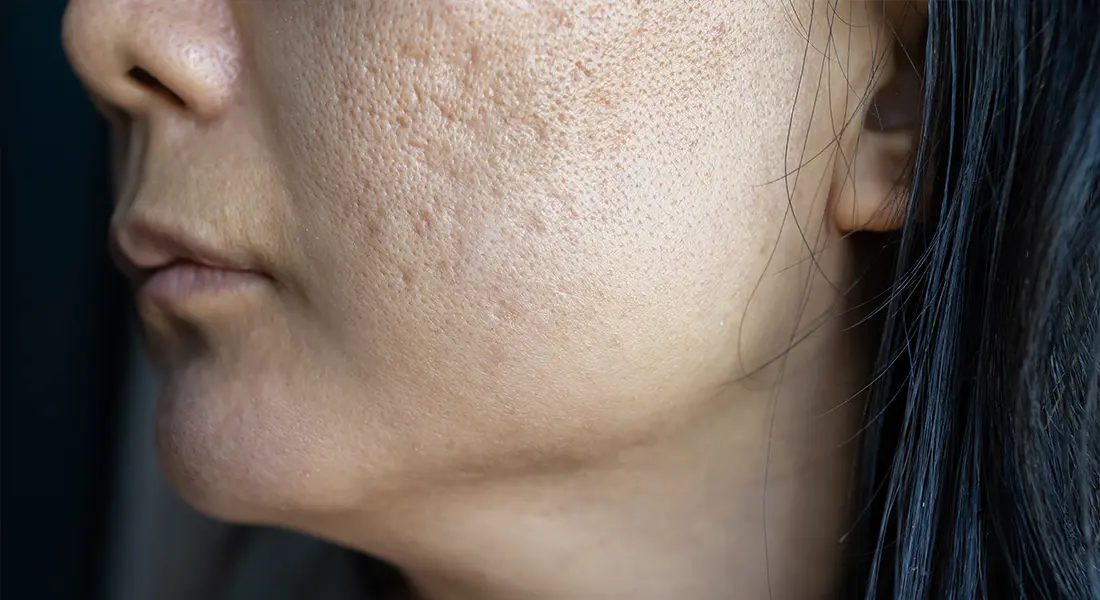
If you have darker skin and are considering laser treatment for acne scars, it’s completely natural to feel cautious. Many people worry about pigmentation changes, burns, or making scars worse rather than better. These concerns are valid, because laser treatments behave differently in skin with higher melanin content.
That said, laser acne scar treatment can be safe and effective for darker skin tones when it’s carefully planned and correctly performed. The key lies in choosing the right type of laser, using conservative settings, and working with a dermatologist who understands how darker skin responds to energy-based treatments.
In this guide, I’ll explain how acne scars behave in darker skin, which laser approaches are considered safer for Fitzpatrick skin types IV to VI, the risks that must be avoided, and how dermatologists tailor treatment to improve texture while protecting your natural skin tone.
Understanding Acne Scars in Darker Skin Tones
Acne scars develop when inflammation disrupts normal collagen production during the skin’s healing process. While the biological mechanisms of scarring are similar across all skin tones, darker skin responds differently to injury and inflammation.
Higher levels of melanin make the skin more reactive to trauma, heat, and irritation. As a result, people with darker skin tones have a higher risk of post-inflammatory hyperpigmentation, even after relatively mild skin injury.
Because laser treatments intentionally create controlled injury to stimulate repair, this increased sensitivity must be carefully considered. Proper planning and technique are essential to minimise pigment changes while safely improving scar appearance.
Why Pigmentation Risk Is Higher in Darker Skin
Melanin plays a central role in how darker skin responds to laser treatment. Because pigment absorbs laser energy, darker skin types are more sensitive to heat-related effects during procedures. This increased absorption raises the risk of pigmentation changes if treatment is not carefully controlled.
- Higher melanin levels absorb more laser energy during treatment
- Excess heat can overstimulate melanin production, leading to dark patches
- Damage to pigment-producing cells may cause lighter areas of skin
- Rapid or aggressive energy delivery increases the risk of uneven tone
- Proper settings and technique are critical for safe outcomes in darker skin
These risks do not mean laser treatments are unsuitable for darker skin tones. With the right technology, conservative settings, and experienced clinical judgment, lasers can be used safely and effectively while minimising pigmentation complications.
Fitzpatrick Skin Types Explained
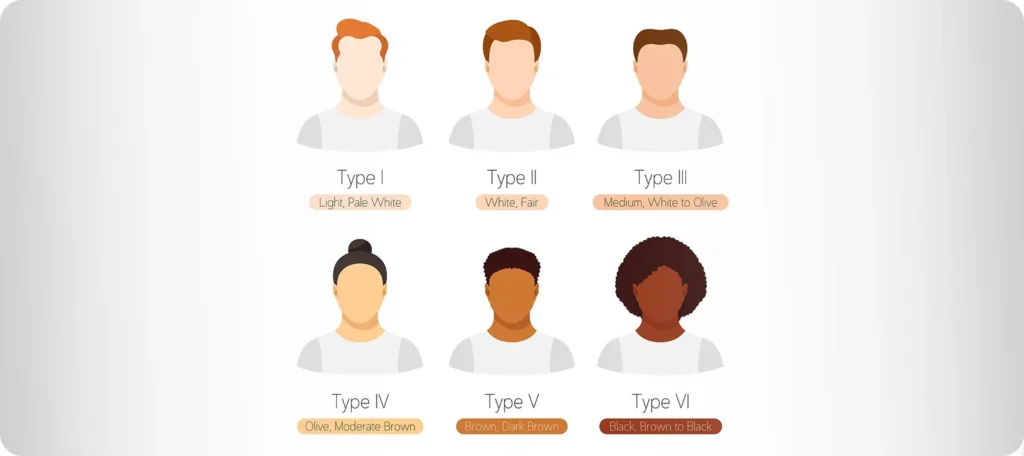
The Fitzpatrick scale is a widely used system that helps dermatologists classify skin based on how it responds to sun exposure. This classification is particularly important when planning laser and light-based treatments, as skin type directly influences safety and outcomes.
1. What the Fitzpatrick Scale Measures – The scale categorises skin by its tendency to burn or tan when exposed to sunlight. Darker skin tones typically fall into types IV, V, or VI.
2. Characteristics of Darker Skin Types – These skin types tan easily and rarely burn, but they are more susceptible to pigmentation changes after inflammation or injury. This makes careful treatment planning essential.
3. Implications for Laser Treatment – Laser settings suitable for lighter skin types (I or II) are often too aggressive for darker skin. Using inappropriate settings increases the risk of pigmentation problems.
Understanding your Fitzpatrick skin type is a crucial step before undergoing any laser procedure. It allows treatments to be tailored safely, reducing risk while maximising effectiveness and patient satisfaction.
Types of Acne Scars and Laser Suitability
Acne scars vary in shape, depth, and behaviour, which means they do not all respond equally to laser treatment. This distinction is especially important in darker skin tones, where treatment must balance effectiveness with safety. Understanding scar type helps guide realistic treatment choices.
- Rolling scars – These broad, shallow scars often respond well to conservative laser treatments that stimulate collagen remodelling.
- Boxcar scars – Improvement is possible with lasers, but deeper boxcar scars frequently require combination approaches for optimal results.
- Ice pick scars – Narrow and deep, these scars are less responsive to lasers and usually benefit more from treatments such as TCA CROSS or subcision.
- Importance of scar assessment – Correctly identifying scar type ensures the most effective and safest treatment plan.
By tailoring treatment to scar morphology, dermatologists can achieve better outcomes while reducing unnecessary risk. A personalised approach is particularly important in darker skin, where precision and restraint are essential.
Which Laser Types Are Considered Safer for Darker Skin

When treating darker skin tones, laser safety depends more on technique and settings than on the laser brand itself. That said, certain laser types are generally considered safer because they minimise surface damage and excessive heat.
Non-ablative lasers are often preferred as a first-line option. These lasers deliver energy to deeper layers of the skin while keeping the surface intact, which lowers the risk of post-inflammatory hyperpigmentation.
Fractional laser technologies are also commonly used in darker skin. By treating only tiny microscopic zones rather than the entire skin surface, they allow quicker healing, reduced inflammation, and a safer overall response.
Non-Ablative Lasers: A Safer Starting Point
Non-ablative lasers are often recommended as an initial treatment option, particularly for patients with darker skin tones. They offer skin rejuvenation benefits while minimising the risk of surface damage and pigmentation changes. This makes them a cautious and effective starting point for many individuals.
1. How Non-Ablative Lasers Work – These lasers stimulate collagen production beneath the skin without removing the top layer. As a result, downtime is reduced and the risk of post-treatment pigmentation is lower.
2. Gradual Results Over Multiple Sessions – Non-ablative treatments work progressively, so multiple sessions are usually required. Although results take longer to become visible, the approach is gentler and safer for darker skin types.
3. Why a Controlled Approach Matters – A slower, controlled treatment plan reduces the chance of inflammation-related pigment changes. This is often preferable to aggressive, single-session treatments that carry higher risk.
Overall, non-ablative lasers provide a balanced option that prioritises safety while still delivering meaningful skin improvements. For many patients, this careful approach leads to more reliable and satisfying long-term results.
Fractional Lasers and Darker Skin
Fractional lasers work by delivering energy in microscopic columns while leaving surrounding skin intact. This approach promotes quicker healing and reduces overall inflammation compared to fully ablative treatments. It is particularly valuable when treating melanin-rich skin.
- Energy is delivered in tiny, controlled columns rather than across the full surface
- Surrounding untreated skin helps speed up recovery
- Non-ablative fractional lasers are generally safer for darker skin tones
- Treatment focuses on stimulation and repair, not aggressive resurfacing
- Laser settings must be carefully tailored to melanin levels
When used correctly, fractional lasers can improve skin texture and scarring in darker skin with a lower risk of pigmentation changes. Success depends on conservative settings, appropriate laser choice, and specialist expertise rather than treatment intensity alone.
Lasers That Require Extra Caution
Ablative lasers, which work by removing the outer layer of skin, carry a higher level of risk for darker skin tones. While they can deliver noticeable results, they also increase the likelihood of pigment changes and prolonged healing. This does not mean ablative lasers are always unsuitable. However, they should be used selectively, with conservative settings, and only by specialists experienced in treating darker skin safely. For many patients, non-ablative or combination treatment approaches provide effective improvement with a lower risk profile, leading to more predictable and balanced long-term outcomes.
Why Settings Matter More Than the Device
The safety of laser treatment depends less on the machine itself and more on how it is operated. Factors such as energy level, pulse duration, spot size, and cooling techniques all directly influence how the skin responds.
For darker skin tones, clinicians usually select lower energy settings combined with longer pulse durations. This approach allows heat to spread gradually through the skin, minimising trauma to melanin-rich cells.
Rather than relying on a single aggressive session, multiple gentle treatments are typically safer and more effective. This gradual approach reduces the risk of pigmentation changes while still delivering visible improvement over time.
Pre-Treatment Skin Preparation Is Essential
Pre-treatment skin preparation plays a critical role in laser safety, particularly for darker skin tones. Preparing the skin helps reduce inflammation and stabilise melanin activity before energy-based treatment. This step significantly lowers the risk of pigmentation-related side effects.
- Skincare may be prescribed to regulate melanin production
- Treatments often focus on strengthening the skin barrier
- Active acne or irritation should be controlled beforehand
- Preparation reduces the risk of post-inflammatory hyperpigmentation
- Skipping this step increases the chance of complications
Careful preparation allows the skin to respond more predictably to laser energy. When combined with appropriate laser selection and settings, it supports safer treatment and more even healing. This step should never be overlooked, especially in melanin-rich skin.
Test Patches and Why They Matter
Test patches are commonly advised before starting full laser treatment in darker skin tones. A small, discreet area is treated first to observe how the skin responds. This step helps predict safety and effectiveness.
Monitoring the test area allows the dermatologist to assess healing time, pigment changes, and overall tolerance. It offers real-world insight into how your skin will behave under treatment conditions.
Although test patches may slightly delay the start of full treatment, they significantly reduce risk. When pigmentation concerns exist, a cautious and informed approach is always the best choice.
Post-Inflammatory Hyperpigmentation: What to Know
Post-inflammatory hyperpigmentation (PIH) is a common consideration after laser treatment, particularly in darker skin tones. It develops when inflammation triggers excess melanin production in treated areas. While usually temporary, PIH can be slow to fade without proper management.
- PIH appears as dark patches following skin irritation or injury
- It is more likely when inflammation is intense or prolonged
- Strict sun avoidance reduces the risk of worsening pigmentation
- Gentle aftercare helps calm the skin during healing
- Early management can shorten recovery time
Although PIH can be frustrating, it is often preventable and manageable with the right approach. Careful treatment settings, reduced inflammation, and diligent aftercare all play an important role. When handled correctly, pigmentation usually fades gradually and evenly over time.Top of FormBottom of Form
Hypopigmentation: A Less Common but Serious Risk
Hypopigmentation refers to loss of natural skin colour due to damage to pigment-producing cells. Although it occurs less frequently than hyperpigmentation, it is considered more serious and challenging to manage. In darker skin tones, even small pigment changes can appear more noticeable.
This condition often develops when the skin’s melanocytes are unable to recover after treatment. Unlike dark marks, pigment loss does not always improve on its own. Because of this, prevention plays a far more important role than correction.
Once hypopigmentation develops, treatment options are limited and results can be unpredictable. Repigmentation may take months and, in some cases, may never fully return.
This can have a lasting impact on skin appearance and confidence. For this reason, dermatologists prioritise gentle techniques and cautious energy levels. Slower progress with safer settings usually leads to better long-term outcomes. Protecting pigment health from the start is always the best approach.
Why Combination Treatments Are Often Better
Combination treatments are often more effective than laser alone for treating acne scars in darker skin tones. Using multiple techniques allows results to build gradually without relying on high laser energy. This reduces the risk of pigmentation problems while still improving scar appearance.
- Lasers can be used at lower, safer intensities
- Subcision releases scars that are pulled down by fibrous bands
- Microneedling improves texture with minimal heat exposure
- Fillers lift deeper scars without triggering pigment response
- Treatment can be tailored to scar type and skin tone
By combining methods, dermatologists can address different scar depths and patterns more precisely. This approach improves outcomes while protecting melanin-rich skin. A personalised combination plan balances effectiveness with long-term skin safety.
How Dermatologists Tailor Treatment for Darker Skin
Treating acne scars in darker skin requires a carefully individualised approach. Dermatologists adjust every aspect of treatment to reduce pigment risk while still achieving meaningful improvement. Factors such as skin tone, scar characteristics, and healing response all guide clinical decisions.
- Choice of laser and settings – Energy levels, pulse duration, and laser type are selected conservatively to protect melanin-rich skin.
- Scar-specific planning – Treatment is tailored based on scar type, depth, and distribution rather than using a single method.
- Adjusted treatment intervals – Sessions are spaced further apart to allow full healing and minimise post-inflammatory pigmentation.
- Stricter sun protection guidance – Sun avoidance and high-SPF use are essential before and after treatment.
- Closer follow-up – Regular reviews help monitor healing and address early signs of pigment change.
This personalised strategy is what allows laser treatments to be both safe and effective in darker skin tones. By respecting the skin’s biology, dermatologists can achieve improvement while minimising unwanted side effects.
Aftercare Is Non-Negotiable
Proper aftercare is essential for achieving safe and effective results, particularly in darker skin tones. Even the gentlest laser treatment can lead to pigmentation changes if aftercare instructions are not followed.
Sun protection is critical, along with using gentle cleansers and following any prescribed topical products. Avoiding picking, scrubbing, or applying active treatments too soon helps prevent complications.
Adhering closely to aftercare advice supports optimal healing and long-term results. Clear, detailed guidance from your dermatologist is a hallmark of responsible and safe laser treatment.
How Long Results Take to Appear
Acne scar improvement is a gradual process, as collagen remodelling and skin healing take time. In darker skin, slower, cautious treatment protocols are used to minimise pigmentation risks, so patience is essential.
- Initial changes may be noticeable within a few weeks, but full results often take several months
- Collagen continues to rebuild and restructure the skin long after the procedure
- Gradual, incremental improvement helps preserve skin tone and prevent complications
- Rushing or over-treating can increase the risk of post-inflammatory hyperpigmentation without better results
- Consistent follow-up and adherence to aftercare support optimal outcomes
Steady, patient-centred treatment ensures meaningful scar improvement while maintaining healthy, even-toned skin. Long-term success depends on both careful technique and realistic expectations.
Psychological Impact and Confidence
Acne scars, particularly on visible areas like the face, can significantly affect self-esteem and confidence. The awareness that safe, tailored laser treatments exist can be empowering for individuals with darker skin tones.
When treatment is carefully planned and customised, many patients notice real improvements in skin texture while preserving their natural skin tone. This balance helps reduce anxiety about potential pigmentation issues.
Being well-informed, supported, and guided throughout the treatment process enhances confidence and encourages a positive mindset during scar management.
Choosing the Right Clinic Matters More Than Ever
Treating acne scars in darker skin with lasers requires specialised knowledge, not just advanced devices. Selecting a clinic with experienced medical dermatologists who understand skin of colour is critical for safe and effective outcomes.
- Expertise in skin of colour ensures laser settings and techniques minimise pigmentation risks
- Clinics should prioritise patient safety, realistic expectations, and personalised treatment plans
- A reputable provider balances efficacy with long-term skin health rather than promising dramatic results
- Consultation quality, including thorough assessment and clear communication, is often more important than the device used
- Choosing the right clinic reduces complications and improves satisfaction with both appearance and skin tone
Careful selection of a clinic ensures that acne scar treatment in darker skin is effective, safe, and tailored to each patient’s unique needs. Personalized planning and specialist experience make all the difference.
When Laser Treatment May Not Be the Best Option
Laser therapy is not suitable for everyone. Individuals with active acne, uncontrolled pigmentation issues, or very sensitive skin may face higher risks or limited benefits from laser procedures.
In certain situations, non-laser treatments such as chemical peels, microneedling, or topical therapies can provide effective results with a lower risk of complications.
Open and honest discussion with a dermatologist helps determine the safest, most effective approach. Sometimes, choosing not to undergo laser treatment is the most prudent decision for long-term skin health.
FAQs:
1. Is laser acne scar treatment safe for darker skin tones?
Laser acne scar treatment can be safe for darker skin tones when it is performed by an experienced dermatologist who understands the unique challenges of melanin-rich skin. The key to safety lies in selecting the appropriate type of laser, using conservative settings, and spacing treatments to allow proper healing. When carefully planned, laser therapy can improve scar texture without causing significant pigmentation changes or other complications, making it a viable option for Fitzpatrick skin types IV to VI.
2. Why is pigmentation risk higher in darker skin?
Darker skin contains more melanin, which absorbs laser energy more readily than lighter skin. This increased absorption can cause the skin to respond more strongly to heat and inflammation, potentially leading to dark or light patches after treatment. Even mild trauma from laser energy can overstimulate pigment-producing cells or disrupt their function, which is why careful calibration of laser intensity and pulse duration is critical to avoid uneven skin tone.
3. Which types of acne scars respond best to laser treatment in darker skin?
Different scar types respond differently to laser therapy. Broad, shallow rolling scars tend to improve with gentle laser treatments that stimulate collagen remodeling. Boxcar scars may benefit from laser therapy but sometimes require combination treatments for optimal improvement. Narrow, deep ice pick scars are less responsive to lasers and often need other interventions like subcision or chemical reconstruction.
4. What types of lasers are considered safer for darker skin tones?
Non-ablative and fractional lasers are generally preferred for darker skin because they deliver energy below the surface or in microscopic columns, leaving surrounding skin intact. This approach reduces overall inflammation, promotes faster healing, and minimizes the risk of post-inflammatory hyperpigmentation.
5. Why are conservative laser settings so important?
In darker skin tones, the risk of pigment alteration increases with aggressive energy or rapid treatment. Conservative settings, such as lower energy levels and longer pulse durations, allow the laser to heat the tissue gradually, reducing trauma to pigment cells. A slower, incremental approach ensures that collagen remodeling occurs safely while protecting natural skin tone, leading to a more predictable and aesthetically pleasing outcome over multiple sessions.
6. How important is pre-treatment skin preparation?
Preparing the skin before laser therapy is critical for darker skin tones. Dermatologists may prescribe topical products to stabilise melanin activity, reduce inflammation, and strengthen the skin barrier. Controlling active acne or irritation before treatment lowers the risk of post-inflammatory pigmentation. Skipping preparation increases the chance of unwanted side effects, making pre-treatment care an essential step in achieving safe and effective results.
7. What role do test patches play in treatment planning?
Test patches allow dermatologists to observe how a small area of skin reacts before performing full treatment. This helps predict the skin’s response to laser energy, including healing time, pigmentation changes, and tolerance to discomfort. Test patches are particularly useful for darker skin tones, as they give real-world insight into how melanin-rich skin will respond and help reduce the risk of complications during full treatment.
8. Can post-inflammatory hyperpigmentation be prevented or managed?
Post-inflammatory hyperpigmentation occurs when inflammation triggers excess melanin production. While it is more common in darker skin, it can often be prevented with careful treatment planning, gentle laser settings, and thorough aftercare, including sun avoidance and calming topical products. If dark patches appear, early management can help them fade over time, though the process may be gradual.
9. How do dermatologists customise laser treatment for darker skin tones?
Every aspect of laser treatment is tailored to darker skin, including laser type, energy settings, pulse duration, and treatment intervals. Scar type and depth are carefully assessed to determine which techniques to use and how frequently. Sun protection advice is emphasised before and after sessions, and follow-up appointments are scheduled to monitor healing and detect early signs of pigmentation changes.
10. What if laser treatment is not suitable?
Laser therapy may not be the best choice for individuals with active acne, uncontrolled pigmentation issues, or very sensitive skin. In such cases, non-laser alternatives like microneedling, chemical peels, subcision, or topical therapies may provide safer and effective improvement. A dermatologist can help determine the most suitable option, prioritising long-term skin health over aggressive or high-risk interventions, ensuring patients achieve meaningful improvement without compromising skin tone.
Final Thoughts: Safe and Effective Laser Acne Scar Treatment for Darker Skin
Treating acne scars in darker skin tones requires a careful, personalised approach that balances effectiveness with pigment safety. By choosing appropriate laser types, using conservative settings, preparing the skin properly, and incorporating combination therapies when needed, dermatologists can achieve meaningful improvement while minimising the risk of hyperpigmentation or hypopigmentation. Patience, proper aftercare, and ongoing follow-up are essential for optimal results, ensuring both skin health and aesthetic outcomes are preserved. If you’re considering acne scar treatment in London, you can contact us at the London Dermatology Centre today.
References
1. Yan, C., Phinyo, P., Yogya, Y., Chuamanochan, M. & Wanitphakdeedecha, R. (2025) Comparative Effectiveness and Safety of Fractional Laser and Fractional Radiofrequency for Atrophic Acne Scars, Life, 15(9), 1379. https://www.mdpi.com/2075-1729/15/9/1379
2. Pan, Z., Tang, Y., Hua, H., Hou, Z. & Zhou, B. (2023) “Multiple Mode Procedures” of Ultra‑Pulse Fractional CO₂ Laser for Facial Atrophic Acne Scars, Journal of Clinical Medicine, 12(13), 4388. https://www.mdpi.com/2077-0383/12/13/4388
3. Alam, M. et al. (2015) Microneedling in Skin of Color: Efficacy and Safety, Journal of the American Academy of Dermatology, 72(5), pp. 833–847. https://www.sciencedirect.com/science/article/abs/pii/S0190962215021970
4. Alghamdi, K.A., Kumar, A. & Al‑Hawsawi, K.O. (2023) Laser Treatment of Acne Scarring in Skin of Colour, Journal of Dermatologic Treatment. https://pubmed.ncbi.nlm.nih.gov/36763696/
5. Rongioletti, F. et al. (2024) The Use of Fractional Lasers in Acne Scar Treatment: Systematic Review, Lasers in Surgery and Medicine. https://pubmed.ncbi.nlm.nih.gov/40566567/