


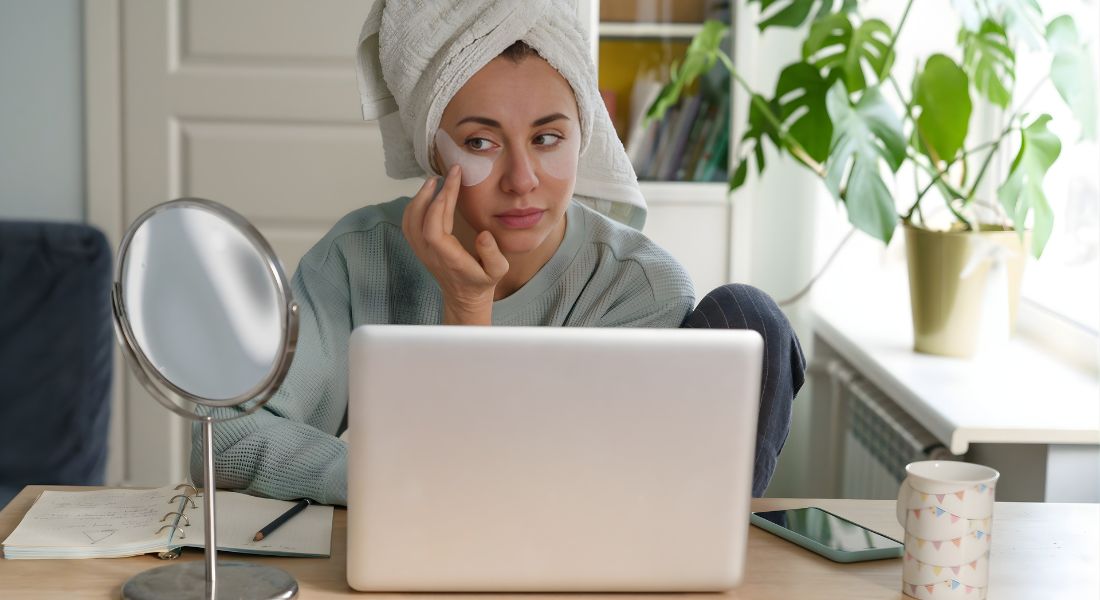
It’s easier than ever to find skincare advice online. From social media posts to forums, videos, and influencer recommendations, it can feel like there’s a solution for every skin concern. When you notice something changing on your skin, it’s natural to search for answers before seeing a professional.
The problem is that much of this advice is oversimplified and often lacks context. What works for one person might not work for you and in some cases, it could even make your skin condition worse. Skin is highly individual, and online tips rarely take your unique needs into account.
Following incorrect advice can delay proper diagnosis or allow a condition to worsen. For example, using the wrong products for acne, eczema, or pigmentation issues can trigger irritation, inflammation, or scarring. It’s easy to feel frustrated when results don’t match the promise of a “miracle” routine.
To protect your skin, it’s best to view online information with caution. Use it to stay informed, but always check with a qualified dermatologist before making changes. At The London Dermatology Centre, our experts can guide you safely, ensuring your skin gets the care it truly needs.
Why Online Skin Advice Feels So Convincing
Online skincare advice often comes across with a lot of confidence, paired with visuals and personal stories. When you see before-and-after pictures or hear someone describe a “cure,” it can feel relatable and make the advice seem trustworthy.
Social media algorithms also play a part they tend to reward certainty, not nuance. This means the boldest, most confident claims often get the most attention, even if they aren’t accurate.
The reality is that skin conditions rarely behave in predictable or universal ways. What works for someone else might not work for you, which is why personalised guidance from a dermatologist is so important.
The Illusion of One-Size-Fits-All Skincare
It’s tempting to be drawn in by online routines or popular products that promise quick results for everyone, but the truth is that your skin is completely unique. What works wonders for someone else might not work for you at all and in some cases, it could even make things worse. Your skin’s needs are shaped by a mix of factors, including your hormones, lifestyle, environment, and genetics, so a generic approach rarely delivers lasting results.
1. Not all skin problems are the same: Just because two people have acne, pigmentation, or rashes that look similar, it doesn’t mean the cause is the same. Your triggers, hormones, lifestyle, and genetics all play a role in what’s happening under the surface.
2. Treating appearance alone can be risky: Focusing only on how your skin looks without understanding the underlying cause can backfire. You might temporarily mask the problem, but it could worsen over time or trigger new issues.
3. Generic routines often fail: Many “one-size-fits-all” skincare regimens online don’t take into account your individual needs. This is why you may follow a popular routine and still see little or no improvement.
4. Personalisation is key: When your treatment plan is tailored to your skin type, condition, and lifestyle, it’s far more likely to be effective. Your dermatologist can identify the root cause and recommend products or procedures that actually address it.
Skincare isn’t just about following trends; it’s about understanding what your skin truly needs. By focusing on personalised care, you give yourself the best chance of achieving lasting, healthy results.
Why Skin Conditions That Look Similar Aren’t the Same
Many skin conditions like eczema, fungal infections, rosacea, acne, and contact dermatitis can all look red, inflamed, or irritated. At a glance, they might seem very similar, which makes online advice tempting to follow.
The problem is that online tips often treat these different conditions as if they’re the same, suggesting a single “calming” or “clearing” routine. Using the wrong treatment might temporarily hide the symptoms, but it can actually make the underlying problem worse.
This is why getting an accurate diagnosis is so important. Effective treatment can only start once a dermatologist understands exactly what’s happening with your skin, rather than relying on guesswork or generic advice.
How Social Media Encourages Over-Treatment

Social media can make it tempting to try every new product you see. From “miracle” serums to trending routines, it often encourages constant switching and layering of products.
When you combine multiple active ingredients without guidance, it can easily irritate your skin. This can damage your skin barrier and actually increase inflammation, making the issues you’re trying to fix worse instead of better.
Many people don’t realise that over-treating is often the culprit behind their flare-ups. What feels like progress can actually be creating new problems for your skin.
The truth is, more products rarely mean better skin. Sticking to a simple, dermatologist-approved routine is usually far more effective and safer for long-term skin health.
Why Natural and DIY Remedies Aren’t Always Safe
Just because something is labelled “natural” doesn’t mean it’s automatically safe for your skin. Ingredients like essential oils, plant extracts, lemon juice, baking soda, and homemade scrubs can be surprisingly harsh.
Using these remedies can easily irritate your skin or disrupt its natural barrier, leaving it more sensitive and prone to damage. In some cases, they can even trigger allergic reactions that last long after you stop using them.
DIY skincare often seems harmless, but dermatologists see the consequences of it every day. What starts as a simple experiment can quickly turn into a persistent problem.
If you want to improve your skin safely, it’s better to stick to treatments recommended by a dermatologist. They can help you get results without risking irritation, allergies, or long-term damage.
Why Acne Advice Online Is Especially Misleading
Online acne tips often focus only on controlling oil or exfoliating more. This can make it seem like the solution is simply scrubbing or drying out your skin.
The truth is, acne is influenced by a mix of factors hormones, inflammation, bacteria, and genetics. Aggressive routines can actually make things worse, increasing inflammation and the risk of scarring.
Effective acne treatment isn’t about punishing your skin. It’s about controlling the underlying causes safely and strategically, which is why personalised guidance from a dermatologist is so important.
Why Skin Barrier Damage Is So Common Now
These days, it’s surprisingly easy to damage your skin without even realising it. You might be following the latest trends, layering multiple products, or exfoliating more than necessary, thinking you’re helping your skin but sometimes you’re doing the opposite. Your skin’s barrier is a delicate defence system that protects you from irritants, locks in moisture, and keeps your skin feeling comfortable. When it’s compromised, even everyday products or routines can trigger sensitivity, redness, or breakouts, leaving you frustrated and unsure why your skin isn’t improving.
1. Over-cleansing and excessive exfoliation: Washing your face too often or scrubbing too hard strips away natural oils, leaving your skin vulnerable and more sensitive to irritation.
2. Using multiple active ingredients at once: Combining acids, retinoids, or other potent actives without guidance can overload your skin, weakening its natural defence and causing redness, flakiness, or breakouts.
3. Barrier function becomes compromised: When your protective barrier is damaged, your skin can’t retain moisture properly and becomes more prone to inflammation, irritation, and long-term sensitivity.
4. Sensitivity and chronic irritation increase: You might notice more frequent breakouts, redness, or a burning sensation from products that previously didn’t bother you. This is a clear sign your barrier needs attention.
5. Repair comes first: Dermatologists often prioritise restoring the skin barrier before introducing other treatments. This ensures that any further skincare or therapies work effectively and safely for you.
Taking care of your skin barrier is essential if you want healthy, resilient skin. Once it’s repaired, your skin will respond better to treatments and feel more comfortable day to day.
How Algorithms Promote the Wrong Advice
Social media platforms are designed to prioritise engagement, not accuracy. This means the posts you see most often aren’t necessarily the ones that are safest or most reliable for your skin.
Dramatic, extreme, or controversial advice tends to spread faster than measured, balanced guidance. It grabs attention, even if it’s misleading or harmful.
Qualified professionals like dermatologists often get drowned out by louder voices promoting quick fixes or “miracle” routines. It can make it hard for you to know who to trust.
Remember, popularity doesn’t equal safety. Just because a tip is trending doesn’t mean it’s right for your skin, which is why consulting a dermatologist is always the safer choice.
Why Influencer Skin Is Not a Reliable Reference
Many influencers benefit from professional treatments, filters, perfect lighting, or genetics that aren’t the same as yours. What you see on their feed doesn’t always reflect real, everyday skin.
If you try to copy their routines without considering these differences, you’re unlikely to get the same results. Your skin is unique, and care should be personalised for you not based on someone else’s look or lifestyle.
Why Online Advice Rarely Mentions Risk
Talking about risk rarely grabs attention online. Posts about side effects, contraindications, or long-term consequences just don’t get the same clicks as “miracle” routines or before-and-after transformations.
The problem is that these risks are actually some of the most important things to consider when treating your skin. Ignoring them can lead to irritation, worsening conditions, or even lasting damage.
Online advice often skips over these details, leaving you without the full picture. You might follow a trendy routine thinking it’s harmless, only to discover unexpected problems later.
That’s why dermatologists always weigh both benefit and risk when making treatment decisions. By considering the full picture, you get a plan that’s safe, effective, and tailored to your unique skin.
How Dermatologists Approach Skin Advice Differently

When it comes to professional dermatology, everything starts with an accurate diagnosis not a product recommendation. Your dermatologist looks closely at what’s actually happening with your skin before suggesting any treatment.
We assess your medical history, symptoms, triggers, skin type, lifestyle, and how your condition has progressed over time. This helps us understand the root cause and tailor a plan specifically for you.
Treatment plans aren’t set in stone they’re adjusted as your skin responds. This structured approach protects your skin, prevents unnecessary harm, and gives you the best chance of long-term improvement.
How to Spot Unsafe Online Skin Advice
It’s easy to feel drawn to quick fixes or trendy routines online, especially when you’re eager to improve your skin. But not everything you read or see on social media is safe or suitable for you. Following the wrong advice can lead to irritation, setbacks, or even long-term damage, and it’s often hard to tell until it’s too late. By learning how to recognise warning signs and understanding what makes advice trustworthy, you can protect your skin and make choices that actually support your goals.
1. Promises of instant results: If a routine guarantees perfect skin overnight, it’s a warning sign. Real, lasting improvement takes time and a plan tailored to your specific needs.
2. Ignoring proper diagnosis: Advice that skips understanding what’s actually happening with your skin is risky. Without a clear diagnosis, treatments may be ineffective or even harmful.
3. Casual steroid use or harsh remedies: Be cautious if you see recommendations to use steroids without supervision or DIY treatments that involve strong chemicals. These can cause serious side effects when misused.
4. Absolute claims are red flags: Any routine that says “this will work for everyone” or “you must do this” is ignoring individual differences. Your skin is unique, and no single approach suits everyone.
5. Safe advice includes nuance: Reliable guidance explains why a treatment works, what to expect, and possible side effects. It also emphasises personalised care, showing that your dermatologist will adapt a plan to suit you.
Being cautious online helps you protect your skin and make informed choices. By recognising these warning signs, you can focus on advice that’s safe, effective, and genuinely tailored to you.
What to Do Before Trying a New Online Routine
Before you dive into a new online skincare routine, take a moment to pause. Don’t rush straight into using every product you see recommended.
Ask yourself whether the advice takes your skin type, diagnosis, and potential risks into account. If you’re unsure, it’s better to hold off than to risk irritation or damage.
Remember, your skin rarely improves from rushed decisions. Taking a thoughtful, measured approach ideally with guidance from a dermatologist gives you the best chance of seeing real, lasting results.
How to Prepare for a Dermatology Appointment

Before your appointment, try to stop experimenting with new products. This gives your dermatologist a clearer picture of how your skin normally behaves.
It’s helpful to bring a list of everything you’ve used recently and note how your skin reacted. Being honest and detailed makes it much easier for your dermatologist to make an accurate diagnosis.
Having a clear history of your skin and treatments sets the stage for better outcomes. The more your dermatologist knows, the more tailored and effective your treatment plan can be.
Why Professional Advice Feels Slower but Works Better
Following medical advice can sometimes feel slower compared to trying the latest online hacks. It might be tempting to chase quick results, especially when social media makes everything look instant.
The reason dermatologists take a cautious approach is to protect your skin from long-term damage. Rushing treatments or experimenting without guidance can create more problems than it solves.
Sustainable improvement is always safer than quick fixes. By taking the time to understand your skin and apply the right treatments gradually, you’re more likely to see lasting results.
Good dermatology focuses on outcomes, not trends. Your treatment plan is designed to give your skin real, long-term health, rather than chasing temporary or superficial changes.
FAQs:
1. Why can online skin advice actually make my condition worse?
It’s easy to assume that what works for someone else will work for you, especially when advice comes with glowing before-and-after photos or confident testimonials. The reality is that your skin is completely unique, shaped by factors like hormones, environment, genetics, and lifestyle. Following generic routines can irritate your skin, worsen inflammation, or even cause scarring, which is why personalised guidance from a dermatologist is so important.
2. How do I know which online advice is safe to follow?
A good rule is to be cautious of advice that promises instant results or treats every skin type the same. Reliable guidance will explain why a treatment works, possible side effects, and the importance of tailoring it to your individual needs. Anything recommending harsh chemicals, DIY remedies, or steroids without supervision should be treated with scepticism. When in doubt, checking with a qualified dermatologist is the safest approach.
3. Why do skin conditions that look similar need different treatments?
Two people might have redness, irritation, or breakouts that appear identical on the surface, but the causes can be completely different. Acne, rosacea, eczema, and fungal infections might all present with similar symptoms, yet each needs a different approach. Using the wrong treatment could temporarily mask the problem or make it worse, which is why an accurate diagnosis is essential before trying anything new.
4. Can social media influence me to over-treat my skin?
Yes, social media often encourages you to try every new product or trending routine. Layering multiple actives or over-exfoliating might feel like progress, but it can damage your skin barrier, increase inflammation, and worsen sensitivity. More products don’t equal better results, so sticking to a simple, dermatologist-approved routine is usually far more effective.
5. Are natural or DIY remedies safe for my skin?
Not necessarily. Ingredients like essential oils, lemon juice, or baking soda can be surprisingly harsh and may irritate your skin, disrupt the barrier, or even trigger allergic reactions. Just because something is “natural” doesn’t mean it’s safe, and dermatologists often see cases where simple DIY experiments lead to persistent problems. Professional guidance helps you get results without unnecessary risks.
6. Why is acne advice online often misleading?
Online acne tips frequently focus only on drying out the skin or exfoliating more, but acne is influenced by a complex mix of factors including hormones, inflammation, bacteria, and genetics. Aggressive routines can worsen breakouts or increase the risk of scarring. Effective acne care requires understanding the underlying causes, which is why personalised treatment from a dermatologist is far more reliable than following trends.
7. What is the skin barrier and why is it so important?
Your skin barrier is a delicate protective layer that keeps moisture in and irritants out. Over-cleansing, excessive exfoliation, or combining too many active ingredients can compromise it, making your skin red, sensitive, or prone to breakouts. Dermatologists often prioritise restoring the barrier before introducing other treatments, ensuring that your skin responds safely and effectively over time.
8. How do social media algorithms affect the advice I see?
Algorithms reward engagement over accuracy, so extreme or dramatic claims often appear at the top of your feed. This means posts promising “miracle” results may be seen more than measured, professional advice. Popularity doesn’t equal safety, so it’s important not to assume that trending routines are suitable for your skin.
9. How should I approach online skincare advice without risking harm?
Use online advice as a reference but don’t follow it blindly. Pause before trying new routines, consider whether the guidance accounts for your skin type and condition, and check for potential risks. Taking a measured approach with dermatologist input gives you the best chance of improvement without irritation or long-term damage.
10. Why does professional dermatology feel slower but actually work better?
It can feel frustrating when treatments take time compared to the quick fixes online, but dermatologists move carefully to protect your skin. Rushed or unmonitored approaches can create new problems, whereas structured, personalised plans prioritise long-term health. By gradually applying the right treatments, you’re more likely to see lasting results, rather than chasing temporary or superficial changes.
Final Thoughts: Why Professional Guidance Matters for Your Skin
While online skincare advice can be tempting, it often oversimplifies complex skin conditions and may even make them worse. Your skin is unique, and what works for someone else might not be suitable or safe for you. From acne and eczema to pigmentation issues, personalised care from a professional ensures that treatments target the root cause rather than just the surface symptoms.
If you’d like to book a consultation with one of our dermatologists, you can contact us at the London Dermatology Centre. By working with an expert, you can take the guesswork out of skincare, protect your skin barrier, and achieve results that are both safe and long-lasting.
References:
1. Ordaz-Rodriguez, J. et al. (2024) Inflammatory memory in chronic skin disease, Journal of Investigative Dermatology. https://pubmed.ncbi.nlm.nih.gov/38708420/
2. Elewski, B.E. (2011) Eczema (Atopic Dermatitis), PubMed.
A comprehensive clinical overview of atopic dermatitis highlighting its chronic, relapsing nature and factors that influence flares and long-term disease management.https://pubmed.ncbi.nlm.nih.gov/21913202/
3. Silverberg, J.I. & Gelfand, J.M. (2024) Atopic dermatitis: chronic relapsing–remitting patterns and management, Lancet. https://www.sciencedirect.com/science/article/abs/pii/S0140673624025194
4. Smith, C. & Lee, Y. (2024) Current landscape of chronic inflammatory dermatoses, International Journal of Molecular Sciences, 46(9), pp. 611. https://www.mdpi.com/1467-3045/46/9/611
5. Gonzalez, A. & Ruiz, I. (2024) Inflammation and psoriasis: a comprehensive review, International Journal of Molecular Sciences, 24(22), 16095. https://www.mdpi.com/1422-0067/24/22/16095