


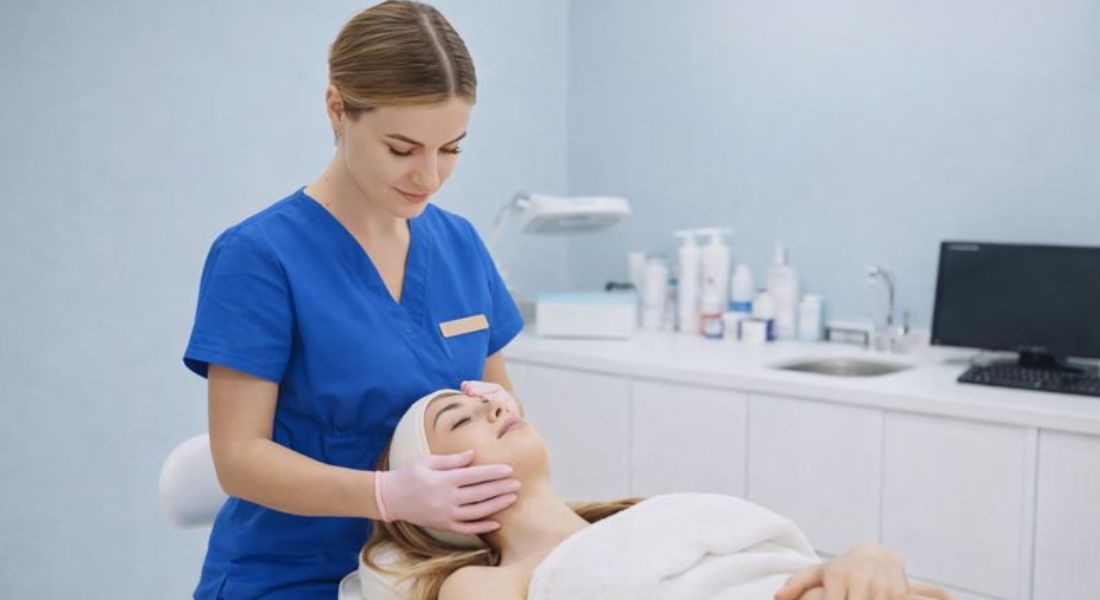
When you visit a private dermatology clinic, it’s natural to focus on the dermatologist you see. You notice their skills, knowledge, and the treatments they recommend. What is less obvious, however, are the systems and standards working behind the scenes to make your care consistently safe, ethical, and high-quality. These frameworks form the backbone of modern private dermatology and ensure every patient benefits from reliable, professional care.
High-quality care doesn’t rely on clinical talent alone. It depends on structured processes, careful planning, and strong governance frameworks. These systems ensure every patient receives the same standard of care, every time. From how consultations are conducted to infection control, consent, and continuity of care, best-practice standards guide every action and decision in the clinic.
Private dermatology clinics also prioritise ongoing learning and improvement. Through audits, staff training, and regular reviews, they monitor outcomes and refine procedures. This means your care benefits from the latest evidence, techniques, and safety measures. It also ensures that any issues are identified and addressed quickly, reducing risk for you as a patient.
Consultation Structure: The Foundation of High-Quality Care
A successful consultation in private dermatology is more than a conversation. It is a structured process designed to gather detailed information, identify potential risks, and plan your treatment safely. By following this framework, clinics make sure your care is thorough, personalised, and guided by professional standards.
Consultations usually start with a full medical history, covering previous skin conditions, family history, allergies, and current medications. This helps your dermatologist understand your needs and anticipate any complications. The physical examination follows, often supported by tools such as dermoscopy or skin imaging, to assess both visible symptoms and underlying factors that could influence treatment.
Finally, your options are discussed in detail, with risks, benefits, and alternatives clearly explained. This structured approach ensures you can make informed decisions about your care. By combining careful assessment with clear communication, the consultation helps you feel confident that your treatment is safe, effective, and tailored specifically to you.
Informed Consent: A Key Ethical Standard

Informed consent is a fundamental part of ethical dermatology practice. It goes beyond signing a form, ensuring patients understand treatments, risks, and alternatives before proceeding.
1. Ongoing Conversation: Consent involves clear discussion, giving you the opportunity to ask questions and understand what a procedure entails.
2. Comprehensive Protocols: Clinics follow structured processes to provide all necessary information, often including written materials for reference.
3. Patient Autonomy: By embedding consent into consultations, clinics respect your right to make informed choices about your care.
4. Confidence in Care: Knowing you fully understand your treatment allows you to proceed with assurance and reduces anxiety about outcomes.
In conclusion, informed consent ensures that patients are active participants in their care. It protects your rights, supports ethical practice, and fosters trust between you and your dermatologist.
Infection Control: Protecting Patients at Every Step
Even in non-surgical dermatology, infection control is essential for keeping you safe. High standards of hygiene protect both patients and staff from preventable complications. By maintaining a clean and controlled environment, clinics reduce the risk of infection at every stage of care.
Private clinics follow strict cleaning protocols, ensure instruments are properly sterilised, and enforce hand hygiene policies. Staff receive regular training to stay up to date with national guidelines. These measures ensure that the clinic maintains consistent safety standards that you can rely on.
For treatments involving invasive procedures, such as biopsies or injections, infection control standards are especially important. Following proper practices reduces the risk of post-treatment complications and helps maintain a safe clinic environment. For you, this means care is delivered in a way that prioritises both effectiveness and safety.
Record Keeping and Documentation
Good record keeping is essential for your safety and the quality of care you receive. Comprehensive documentation allows clinics to maintain continuity and supports strong clinical governance. It ensures that every part of your care is properly tracked and monitored.
Each consultation, procedure, and treatment plan is recorded in detail. This includes your medical history, examination findings, prescribed medications, and follow-up arrangements. Detailed records help clinicians make informed decisions and reduce the risk of errors.
For you as a patient, meticulous record keeping means your care continues smoothly if you return to the clinic or are referred to another specialist. It also provides protection for both you and your dermatologist in the rare event of a complication or dispute. This structured approach gives you confidence that your care is safe, reliable, and well managed.
Multidisciplinary Input: Collaboration for Complex Care
High-quality dermatology care often involves input from multiple healthcare professionals. Depending on your needs, your care may involve collaboration with plastic surgeons, oncologists, or your general practitioner. This team approach ensures that every aspect of your treatment is considered by the right experts.
Best-practice standards guide how these collaborations take place. Clear communication channels, shared protocols, and joint case reviews make sure that everyone involved in your care is aligned and informed. This reduces the risk of errors and ensures decisions are consistent.
For you as a patient, a multidisciplinary approach provides access to a higher level of expertise and safer management of complex conditions. It ensures that no part of your care is overlooked and that all treatment options are carefully considered. This teamwork supports better outcomes and gives you confidence in your care.
Continuity of Care: Beyond a Single Appointment
Continuity of care ensures that your treatment journey in private dermatology is consistent, coherent, and carefully monitored. It is a key marker of high-quality care.
1. Structured Follow-Up: Clinics create clear schedules for review appointments and reminders to ensure patients are monitored effectively.
2. Monitoring Long-Term Treatments: Ongoing oversight allows early detection of complications and supports the management of chronic skin conditions.
3. Consistency and Safety: Continuity reduces the risk of errors, conflicting advice, or gaps in monitoring across multiple sessions or treatments.
4. Improved Outcomes: Systematic care ensures treatments are more effective and patient experience is smoother, with better long-term results.
In conclusion, continuity of care ensures that dermatology treatments are not isolated events. It provides consistent monitoring, supports safe management, and enhances overall treatment outcomes.
Clinical Governance and Oversight
Clinical governance is the foundation of all best-practice standards in private dermatology. It provides the framework that ensures policies are followed, patient safety is prioritised, and outcomes are consistently monitored. For you, this means that every aspect of your care is guided by reliable systems, not left to chance.
Governance includes regular audits, incident reporting, peer review, and evaluation of patient feedback. These processes make sure that standards are not just written down but actively applied in everyday practice. They allow clinics to identify areas for improvement and maintain high-quality care.
A dermatologist working within a well-governed clinic can focus fully on your treatment, knowing that support systems are in place. For you as a patient, this translates into safer, more consistent, and dependable care. Structured governance gives both clinicians and patients confidence in the quality of every interaction.
Audit and Quality Improvement
Audits are a proactive way for clinics to evaluate and improve their performance. They may review treatment outcomes, infection rates, patient satisfaction, or adherence to clinical protocols. For you, this means your care is monitored to ensure it meets high standards at every stage.
Through regular audits, clinics can identify trends, gaps, or areas where improvements are needed. When issues are found, corrective actions are taken to enhance safety and the quality of care. This structured approach helps prevent problems from recurring and ensures that every patient benefits from continuous improvement.
Regular audits also show accountability and transparency. They demonstrate that the clinic is committed to excellence and actively works to maintain high standards. For you as a patient, this provides reassurance that your care is both safe and consistently reliable.
Incident Reporting and Learning From Mistakes
Mistakes can happen in any healthcare setting, but what matters is how clinics respond to them. Incident reporting systems allow staff to record errors, near misses, and unexpected outcomes. For you, this means that any issues are recognised and addressed rather than ignored.
Each report triggers a structured review process, often including a root cause analysis to understand why the incident occurred. Lessons learned are then used to update training, policies, and clinic procedures. This ensures that the same mistakes are less likely to happen again, improving overall safety.
By actively learning from incidents, clinics build a culture of safety and continuous improvement. As a patient, you benefit from care that is monitored, corrected when needed, and constantly refined. This approach helps make your treatment safer, more reliable, and of consistently high quality.
Safe Prescribing Practices
Dermatology treatments often involve prescription-only medications, some of which carry significant risks. Best-practice standards ensure that all prescribing is safe, evidence-based, and closely monitored. For you, this means that any medication recommended is carefully considered and managed.
Clinics follow clear protocols defining who can prescribe, under what circumstances, and what monitoring is required. This includes blood tests, follow-up checks, and thorough documentation of every prescription. These measures help prevent errors and maintain consistent safety standards throughout your treatment.
For patients, robust prescribing practices mean that medications are appropriate, safe, and tailored to individual needs. You can have confidence that your treatment is managed with both professional expertise and structured oversight, minimising risk while optimising outcomes.
Staff Training and Competency Assessment
Even highly experienced clinicians need ongoing training to maintain high standards of care. Best-practice standards include continuous professional development, regular competency assessments, and structured induction for new staff. For you, this means that every team member is well-prepared and supported to deliver safe and effective care.
Training covers a wide range of areas, including clinical skills, safety protocols, infection control, and regulatory compliance. This ensures that staff stay up to date with evolving practices and guidelines. By keeping skills current, clinics reduce risk and maintain consistent quality in every aspect of your treatment.
For patients, robust staff training means that everyone involved in your care, from receptionists to dermatologists, contributes to a safe, professional, and high-quality experience. You can be confident that your treatment is delivered by a competent, knowledgeable, and well-supported team.
Equipment and Facility Standards
Providing high-quality care requires not only skilled clinicians but also properly maintained facilities and equipment. Clinics ensure that treatment areas are safe, comfortable, and designed to support effective care. For you, this means that your environment is as carefully considered as the care you receive.
Private dermatology clinics follow strict standards for equipment calibration, maintenance, and replacement. Regular checks and servicing ensure that instruments work reliably and meet safety requirements. This attention to detail helps prevent complications and supports accurate, effective treatment.
For patients, these standards mean procedures are carried out with dependable tools in a safe, professional setting. Equipment and facility standards may be less visible than clinical expertise, but they are essential for ensuring the best possible outcomes and protecting your safety.
Patient Communication and Education

Informing and involving patients is a central part of best-practice care. Clinics provide clear written information, verbal explanations, and opportunities for you to ask questions. This ensures that you understand your care and feel actively involved in decision-making.
Patient education helps you understand your condition, the treatments available, and what to expect during recovery. When you are well informed, you can participate more confidently in your own care and make choices that suit your needs. This shared understanding strengthens the partnership between you and your clinician.
Strong communication also supports adherence to treatment plans and encourages early reporting of any complications. For you, this means better outcomes, fewer risks, and a smoother experience throughout your care. Clear, consistent communication is a simple but powerful way to improve safety and effectiveness.
Privacy and Data Protection
Privacy is an essential part of high-quality care. Clinics follow strict data protection regulations to make sure your personal and medical information is kept secure and confidential. For you, this means that sensitive details about your health are handled responsibly at all times.
Access to records is carefully controlled, electronic systems are encrypted, and staff are trained in managing confidential information. These measures help prevent unauthorised access or data breaches. By keeping your information secure, clinics can focus on delivering safe and reliable care.
You can trust that your personal and medical information is treated with the utmost care. Strong privacy and data protection practices reflect the clinic’s commitment to ethical, professional, and patient-focused standards. This gives you confidence that your information is always in safe hands.
Ethical Standards and Professional Responsibility
Best-practice clinics maintain high ethical standards in every aspect of care. Decisions are guided by professional codes, regulatory guidance, and a strong focus on patient-centred values. For you, this means that your treatment is planned and delivered with integrity and respect.
Clinicians are expected to act in your best interests at all times, avoid conflicts of interest, and provide care that is evidence-based and transparent. This ensures that clinical decisions are made for the right reasons and with your safety as the priority.
For patients, ethical standards provide reassurance that care is honest, professional, and safe. You can trust that your dermatologist and clinic are committed to upholding principles that protect your wellbeing and dignity throughout your treatment journey.
Monitoring and Review of Outcomes
Private dermatology clinics continuously monitor outcomes to assess how effective treatments are and to identify areas for improvement. This ongoing review ensures that care remains safe, effective, and aligned with best-practice standards. For you, it means that your treatment is supported by structured oversight and careful evaluation.
Monitoring includes looking at treatment success rates, patient satisfaction, and any complications that may arise. Clinics analyse this data to refine protocols, update procedures, and guide clinical decisions. This systematic approach helps maintain consistency and ensures that care is always evidence-based.
By reviewing outcomes regularly, clinics demonstrate accountability and a commitment to high standards. Patients benefit from care that is informed by real-world evidence, with improvements made continuously to enhance safety, effectiveness, and overall experience.
Choosing a Clinic With Strong Standards

Not all private dermatology clinics operate at the same level of quality and oversight. Selecting a clinic with strong systems in place helps ensure safe, ethical, and patient-centred care.
1. Clear Consultation Processes: Structured consultations ensure your concerns are fully understood and addressed.
2. Thorough Consent Protocols: Clinics that follow detailed consent procedures respect your autonomy and provide full information about treatments and risks.
3. Infection Control Standards: Evidence of strict hygiene and infection control measures protects patients from avoidable complications.
4. Staff Training and Competency Measures: Ongoing training and skill assessments demonstrate that clinicians are up-to-date and qualified.
5. Transparent Policies for Audit and Incident Reporting: Clinics with clear monitoring, reporting, and quality improvement systems maintain consistent standards of care.
In conclusion, choosing a clinic that prioritises these standards shows a commitment to high-quality, safe, and ethical dermatology care. It gives patients confidence in both treatment outcomes and the professionalism of the clinic.
How Standards Support the Role of the Dermatologist
The dermatologist is at the heart of your care, but best-practice standards provide the support they need to perform at their best. Structured systems, clear protocols, and governance frameworks ensure that clinical decisions are safe, consistent, and effective. For you, this means your treatment is guided by both professional expertise and reliable processes.
These standards allow your dermatologist to focus on diagnosis, treatment, and patient interaction without compromising safety. Supportive systems reduce the risk of errors and make sure every aspect of care is carefully monitored. This helps clinicians work confidently and efficiently on your behalf.
For patients, the combination of professional skill and structured support leads to consistently high-quality outcomes. You can trust that your care is both expert-led and carefully managed, giving you confidence and reassurance throughout your treatment journey.
The Long-Term Benefits of Best-Practice Standards
Embedding best-practice standards helps clinics create a culture of excellence in care. These standards guide every aspect of treatment, from consultations and procedures to communication and follow-up. For you, this means your care is consistently safe, effective, and patient-focused.
Over time, following these standards leads to tangible benefits. You are more likely to experience safer treatments, fewer complications, and better overall outcomes. Clinics that prioritise best practices also build greater trust with their patients, making you feel confident in the care you receive.
The advantages extend beyond individual appointments. By maintaining high standards throughout every interaction, clinics support your long-term health and wellbeing. Consistent, structured care ensures that you benefit from both immediate treatment and ongoing protection against risk.
FAQs:
1. What are best-practice standards in private dermatology clinics?
Best-practice standards are structured processes, protocols, and governance frameworks that ensure patient care is safe, ethical, high-quality, and consistently effective, beyond the clinical skill of individual dermatologists.
2. Why are structured consultations important in dermatology care?
Structured consultations gather detailed medical histories, assess risks, and discuss treatment options. They ensure care is thorough, personalised, and safe, helping patients make informed decisions.
3. How is informed consent handled in private dermatology?
Informed consent involves clear discussions about risks, benefits, and alternatives. Clinics follow structured protocols to ensure patients understand their treatment and can make confident, autonomous decisions.
4. How do clinics maintain infection control and patient safety?
Clinics follow strict hygiene protocols, sterilise instruments, and train staff regularly. These measures reduce infection risk during treatments, including invasive procedures like biopsies or injections.
5. Why is record keeping important in private dermatology?
Accurate documentation ensures continuity of care, supports clinical governance, and helps clinicians make informed decisions. It also protects both patients and staff in case of complications.
6. How do multidisciplinary teams improve patient care?
Collaboration with other specialists ensures complex cases are reviewed by the right experts. Shared protocols and clear communication reduce errors and provide safer, more comprehensive treatment.
7. How do clinics ensure continuity of care?
Clinics schedule structured follow-ups, monitor long-term treatments, and maintain consistent oversight. This reduces errors, improves treatment outcomes, and supports safe management of chronic conditions.
8. What role does clinical governance play in best-practice standards?
Clinical governance provides oversight, audits, incident reporting, and peer review. It ensures policies are applied consistently, patient safety is prioritised, and care quality is continuously monitored.
9. How is safe prescribing managed in private dermatology?
Clinics follow clear protocols for prescription-only medications, monitor treatments, conduct follow-ups, and maintain detailed records. This ensures medications are used safely and appropriately for each patient.
10. How do best-practice standards benefit patients long-term?
Standards promote safer treatments, fewer complications, consistent monitoring, and ongoing quality improvement. Over time, this leads to better outcomes, higher trust, and sustained patient safety.
Final Thought: Delivering Safe, Ethical, and High-Quality Dermatology Care
Best-practice standards in private dermatology ensure that patient care goes beyond individual expertise to encompass structured processes, rigorous oversight, and continuous quality improvement. From carefully planned consultations and informed consent to infection control, prescribing protocols, and outcome monitoring, these frameworks protect your safety and support ethical, effective treatment. By combining professional skill with reliable systems, clinics create a consistent, patient-focused experience where every aspect of care is monitored and refined.
If you’d like to book a consultation with one of our dermatologists and experience care guided by these best-practice standards, you can contact us at the London Dermatology Centre.
References:
- Maake, K. (2025) Exploring clinical governance interventions and organisational learning in healthcarehttps://www.mdpi.com/2227-9032/13/19/2430
- Azami‑Aghdash, S. et al. (2015) Developing performance indicators for clinical governance, https://academic.oup.com/intqhc/article-abstract/27/2/110/1787527
- Hibbert, P.D. & Stewart, S. (2023) Improving patient safety governance and systems through learning from successes and failures, https://pmc.ncbi.nlm.nih.gov/articles/PMC10656601/
- Haw, W.Y. (2021) A scoping review of dermatology clinical practice guidelines, https://academic.oup.com/bjd/article/185/4/736/6599947
- Patel, J. (2021) Patient safety in dermatology: a ten‑year update, https://pubmed.ncbi.nlm.nih.gov/33865273/