


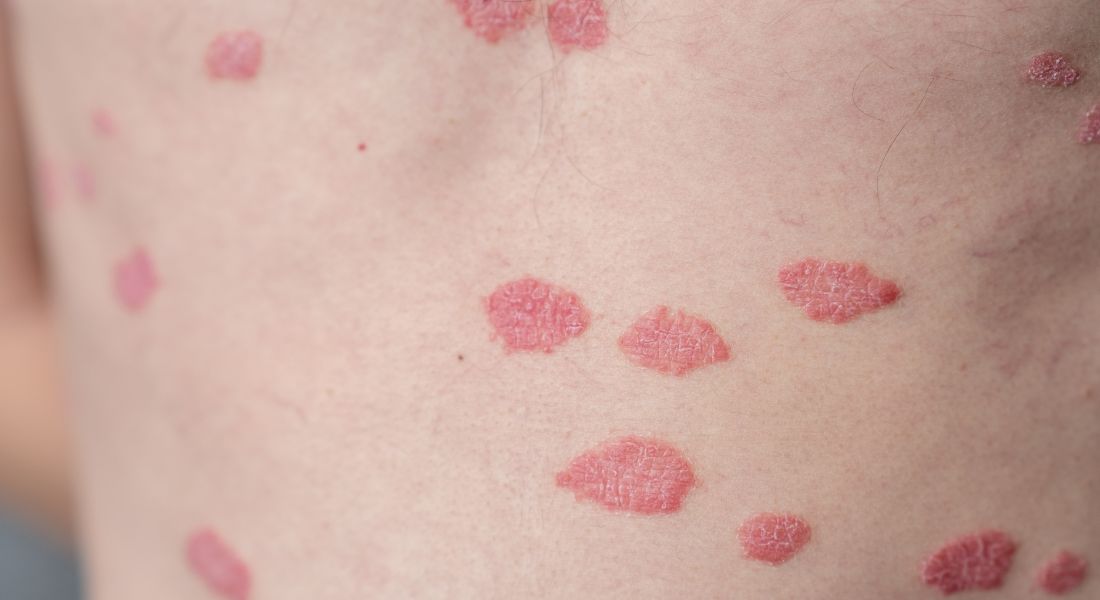
Living with psoriasis can feel deeply personal. You already know it is not just a skin condition, because it affects how you look, how you feel, and how confident you are in daily life. Flare-ups can influence your mood, social interactions, and overall wellbeing.
Over the past two decades, biologic therapy has transformed psoriasis treatment. For some people, these medicines are life-changing and provide long-term control. For others, biologics may not be the right option yet, or may not be suitable at all. This difference often raises understandable questions.
You may wonder why biologic therapy is offered to someone else but not to you. This is a fair concern, and the answer is rarely simple. Dermatologists consider many factors, including how severe your psoriasis is, how it affects your life, and how it has responded to previous treatments.
In this article, you will learn how dermatologists decide who benefits most from biologic therapy. You will understand how disease severity is measured, why treatment history matters, and how other health conditions influence decisions. Most importantly, you will gain clarity on where you fit and what conversations are worth having with your care team.
Understanding Biologic Therapy in Simple Terms
Before looking at treatment decisions, it helps to understand what biologic therapy actually is. These medicines are not creams and they are not traditional tablets. Biologic therapies are given as injections or infusions and are designed to work in a very targeted way within your immune system.
Rather than suppressing your entire immune response, biologics focus on specific inflammatory pathways that drive psoriasis. They block signals that cause excessive inflammation in the skin, which is why they can be highly effective. This precision also makes many biologics suitable for long-term use when carefully monitored.
Biologics are engineered from living cells and target molecules such as TNF-alpha or specific interleukins involved in psoriasis. By interrupting these signals, they treat the underlying inflammatory process rather than just surface symptoms. This is why dermatologists view biologics as medical therapies for a chronic inflammatory disease, not cosmetic treatments.
Why Biologics Are Not Automatically the First Choice
Before treatment decisions are made, it is important to understand what biologic therapy involves. Biologics are not topical creams or standard tablets but advanced medical treatments that work within the immune system. Their complexity and strength mean they are prescribed carefully rather than used as a first-line option.
1. How biologics are given: Biologic therapies are administered as injections or infusions, not applied to the skin. This delivery method reflects how deeply they act within the body rather than only on surface symptoms.
2. Targeted immune action: Instead of suppressing the entire immune system, biologics focus on specific inflammatory pathways responsible for psoriasis. This targeted approach reduces widespread immune suppression while still controlling disease activity.
3. Precision and long-term use: By blocking signals such as TNF-alpha or specific interleukins, biologics address the root inflammatory drivers of psoriasis. With appropriate monitoring, many are suitable for long-term management.
4. Medical, not cosmetic, treatment: Biologics are engineered from living cells and designed to treat psoriasis as a chronic inflammatory disease. They are prescribed based on medical need, not for cosmetic skin improvement alone.
In conclusion, biologics are powerful and highly specialised therapies that treat the underlying cause of psoriasis. Because of their complexity and systemic effects, they are used thoughtfully and usually after other appropriate treatments have been considered.
Assessing Disease Severity Beyond What the Eye Can See

One of the first steps in deciding whether biologic therapy is appropriate is understanding how severe your psoriasis truly is. This goes far beyond simply counting plaques or looking at how much skin is affected. Dermatologists use structured assessments alongside your personal experience to build a fuller picture of disease impact.
Tools such as the Psoriasis Area and Severity Index, or PASI, help measure redness, thickness, scaling, and the extent of skin involvement. Higher scores usually indicate more severe disease, but these numbers do not tell the whole story. Psoriasis affecting the face, hands, feet, scalp, or genitals can be life-altering even when overall skin coverage is limited, and this is taken seriously in clinical decision-making.
Quality of life often carries as much weight as clinical scores. Questionnaires such as the DLQI explore how psoriasis affects sleep, confidence, work, and relationships. If your condition is disrupting daily life or emotional wellbeing, biologic therapy may be considered even with lower PASI or BSA scores. Your lived experience matters, and good dermatology care listens to it.
The Role of Treatment History in Biologic Decisions
Biologic therapy is not chosen in isolation. Your past treatments help dermatologists understand how your psoriasis behaves and whether earlier options provided stable control. They look at what was tried, how long it worked, and whether benefits were sustainable rather than temporary. This treatment history guides decisions about escalation.
Most people start with topical therapies such as steroid or vitamin D–based creams. When these stop working, require constant use, or fail to control flares, moving up treatment is considered. Phototherapy can be effective for moderate disease, but frequent clinic visits, work commitments, distance, or skin cancer risk can make it unsuitable. When topical treatments and phototherapy are ineffective or impractical, systemic therapies come into focus.
Traditional systemic drugs like methotrexate or ciclosporin are often used before biologics, but they are not appropriate for everyone. Side effects, monitoring burdens, or other health conditions may limit their use. If these treatments fail or cannot be used safely, biologic therapy becomes a more suitable option. The decision reflects both medical need and how well treatment fits into your life.
Comorbidities and Why They Change Everything
Open and ongoing communication with your dermatologist is crucial for safe, effective psoriasis management. Sharing relevant information allows your care plan to be personalised and responsive to your needs.
1. Share Health Changes: Inform your dermatologist about any new symptoms, medications, or changes in lifestyle that could affect your treatment.
2. Discuss Systemic Risks: Conversations may include monitoring schedules, cardiovascular risks, and strategies to manage systemic inflammation.
3. Report Side Effects Promptly: Notifying your clinician about adverse reactions ensures timely adjustments to your therapy.
4. Proactive Collaboration: Honest, ongoing dialogue enables tailored treatment plans that maximise safety and effectiveness.
In conclusion, maintaining open communication with your dermatologist supports personalised care, better treatment outcomes, and overall long-term wellbeing. Regular discussions ensure both your skin and systemic health are optimally managed.
Safety Screening Before Biologic Therapy
Before starting biologic therapy, safety screening is a routine and protective step. Because biologics modify immune pathways, dermatologists assess infection risk to ensure treatment is safe. This typically includes screening for tuberculosis and testing for hepatitis B and C. A history of recurrent infections does not automatically exclude biologic therapy, but it helps guide drug selection and monitoring plans.
A previous history of cancer also requires careful consideration. Certain biologics may be avoided depending on the type of cancer and how recently it was treated. These decisions are individualised and, when necessary, made in collaboration with oncology teams. The aim is not to withhold treatment, but to choose the safest and most appropriate option for long-term health.
Vaccination status is reviewed before biologic therapy begins, as live vaccines are generally avoided once treatment is started. Preventive healthcare therefore becomes an important part of planning. This screening process reflects holistic psoriasis care, where dermatologists consider overall health alongside skin control, ensuring treatment decisions support both safety and effectiveness over time.
Lifestyle Factors That Influence Biologic Suitability
Lifestyle factors play a bigger role in biologic suitability than many people realise. This is never about judgement, but about improving how well treatment works and reducing avoidable risks. Dermatologists consider these factors to optimise outcomes and tailor therapy to the individual.
Body weight is particularly relevant. Obesity is associated with more severe psoriasis and, in some cases, a reduced response to certain biologic treatments. This may influence drug selection or dosing strategies. Weight management support is therefore often included as part of care planning, as even modest changes can enhance treatment effectiveness and overall health.
Smoking and alcohol use are also discussed openly. Smoking is linked to poorer psoriasis control, while excessive alcohol intake can affect liver health and influence treatment choices. These factors rarely exclude biologic therapy altogether, but they do inform monitoring and risk assessment. Honest, collaborative conversations help ensure biologic therapy is used safely and effectively.
Patient Preference and Shared Decision-Making

Patient preference plays a central role in deciding whether biologic therapy is right for you. Modern dermatology is no longer paternalistic. Shared decision-making ensures that treatment choices align with your lifestyle, comfort, and expectations, not just clinical criteria.
Biologics differ in how they are given. Some are self-injected at home, while others require hospital infusions. Your comfort with injections, daily routine, and support at home all influence this decision. Fear of needles is common, and training and reassurance are always provided. You are never expected to manage treatment without guidance.
Treatment frequency also matters. Some biologics are taken weekly, while others are monthly or even less often. Work commitments, travel, and family life are considered so that the plan is realistic and sustainable. Long-term adherence is essential for success.
Biologic therapy is usually a long-term commitment. Stopping and restarting can reduce effectiveness, so expectations are discussed early. While clear or near-clear skin is achievable for many people, results vary. Honest conversations help build trust and lead to better outcomes.
Monitoring Response and Knowing When to Adjust
Starting biologic therapy is not the end of treatment but the beginning of an ongoing care phase. Continuous monitoring ensures the therapy remains effective and aligned with your health goals. This approach allows adjustments to be made safely and proactively.
1. Ongoing Monitoring: Regular reviews are essential to track how well the biologic is controlling inflammation over time. Monitoring helps detect early signs of reduced effectiveness.
2. Measuring Treatment Success: Dermatologists use PASI, BSA, and quality-of-life scores to assess response, comparing them with baseline measurements. These objective tools provide a clear picture of disease control.
3. Patient Experience Matters: Your personal experience, including symptom relief and daily functioning, is central to decision-making. Clinical scores are always considered alongside how you feel.
4. Flexible Care Pathways: If a biologic works well, treatment continues as planned. If the response is partial or diminishes, care pathways allow for timely adjustments.
In conclusion, monitoring ensures biologic therapy remains effective and responsive to change. Flexibility within care plans allows treatment to evolve with your condition, supporting long-term disease control.
Accessing Biologic Therapy in Clinical Practice
Access to biologic therapy depends on the healthcare setting and established prescribing guidelines. In the UK, NHS access is guided by NICE criteria, which define when biologic treatment is appropriate based on disease severity, treatment history, and overall health. These pathways are designed to ensure safe, evidence-based use of advanced therapies.
Private care can offer greater flexibility, particularly for patients who meet clinical need but fall outside strict NHS thresholds. For those seeking psoriasis treatment in London, specialist dermatology clinics provide comprehensive assessments that consider both physical disease and quality-of-life impact.
At centres such as the London Dermatology Centre, decisions about biologic therapy are made collaboratively. The emphasis is on transparency, patient involvement, and long-term wellbeing. Every treatment plan is guided by safety, effectiveness, and a personalised understanding of the patient’s needs.
Addressing Common Patient Concerns About Biologics
Concerns about biologic therapy are common and completely understandable. These treatments can sound intimidating at first, particularly when you hear they affect the immune system. Clear, balanced information is essential in reducing fear and helping patients feel more confident about their choices.
One frequent concern is long-term safety. Current evidence shows that biologic therapies are safe when prescribed appropriately and monitored regularly. Large studies and real-world data continue to support their use, and ongoing research helps refine best practice and improve safety further.
Some patients also worry about becoming “dependent” on biologics. In reality, these treatments control psoriasis rather than cure it, much like therapies used for other chronic conditions. Understanding this distinction helps set realistic expectations. Good dermatology care takes time to address these concerns, and you should never feel rushed into a decision.
The Future of Biologic Therapy in Psoriasis

Biologic therapy for psoriasis continues to advance at a rapid pace. New immune targets are being identified, and innovative therapies are expanding the range of options available. As understanding of the disease deepens, treatment is becoming increasingly personalised rather than one-size-fits-all.
Research into biomarkers may eventually allow clinicians to predict which biologic is most likely to work for an individual patient. This would reduce the current element of trial and error and help patients achieve control more quickly. Precision medicine is the long-term goal.
Until then, careful clinical assessment remains central to decision-making. Dermatologists rely on a combination of experience, scientific evidence, and open partnership with patients. It is this balance that defines high-quality, patient-centred psoriasis care.
FAQs:
1. Is psoriasis only a skin condition?
No. Psoriasis is a systemic inflammatory disease. While it causes visible skin symptoms like plaques and scaling, chronic inflammation can affect the heart, metabolism, and mental health.
2. How does systemic inflammation from psoriasis affect cardiovascular health?
Chronic inflammation increases the risk of heart disease, stroke, and atherosclerosis. Cytokines like TNF-alpha and IL-6 can damage blood vessels and raise blood pressure. Regular monitoring and early intervention reduce long-term cardiovascular risks.
3. What is the link between psoriasis and metabolic syndrome?
Psoriasis, especially severe cases, increases the likelihood of metabolic syndrome—a cluster of conditions including high blood pressure, raised blood sugar, excess abdominal fat, and abnormal cholesterol. Systemic inflammation contributes to insulin resistance and metabolic changes.
4. Does psoriasis increase the risk of diabetes?
Yes. Inflammatory molecules in psoriasis can interfere with insulin function, raising blood sugar levels and increasing the risk of type 2 diabetes. Monitoring blood sugar and lifestyle measures help manage this risk.
5. How does psoriasis impact mental health?
Systemic inflammation, combined with the visible skin symptoms, can contribute to depression, anxiety, and stress. Dermatologists may offer mental health support, counselling, or patient support groups as part of care.
6. What is the relationship between psoriasis and obesity?
Obesity can worsen psoriasis, and systemic inflammation from psoriasis can make weight management harder. Excess body fat produces inflammatory molecules, creating a cycle that affects both skin and overall health.
7. How do biologic and systemic treatments help beyond the skin?
Biologics and systemic therapies target inflammatory pathways, controlling plaques while reducing systemic inflammation. This can lower the risk of cardiovascular and metabolic complications.
8. Can lifestyle choices influence systemic inflammation in psoriasis?
Yes. Exercise, anti-inflammatory diets, stress management, smoking cessation, and moderating alcohol intake can help reduce inflammation, support treatment effectiveness, and improve overall wellbeing.
9. Why is multidisciplinary care important for psoriasis?
Systemic effects of psoriasis often require collaboration with cardiologists, endocrinologists, dietitians, and mental health professionals. This ensures both skin and systemic health are addressed in a personalised treatment plan.
10. How can early intervention improve long-term outcomes?
Starting systemic or biologic therapies early can control inflammation, prevent permanent skin damage, and reduce cardiovascular and metabolic risks. Early treatment also supports better long-term management and quality of life.
Final Thoughts: Personalised Care Is Key in Biologic Therapy
Biologic therapy has transformed what is possible for people living with psoriasis. These advanced treatments are powerful, but their success depends on careful assessment of disease severity, treatment history, comorbidities, lifestyle factors, and patient preferences. Effective psoriasis management goes beyond skin clearance it also considers quality of life, long-term health, and emotional wellbeing.
Decisions about biologics are not made lightly. They reflect a balance of medical evidence, safety, and the individual’s lived experience. By working closely with a Dermatologist who understands the full impact of psoriasis, patients can access care that is tailored to their needs, maximising both physical and psychological outcomes. If you’re looking for psoriasis treatment in London, you can reach out to us at the London Dermatology Centre to book a consultation with one of our specialists.
References:
- Guillén‑Aguinaga, A. and Carretero‑Burguillos, J., 2023. Biologic Therapies Decrease Disease Severity and Improve Depression and Anxiety Symptoms in Psoriasis Patients. Life https://www.mdpi.com/2075-1729/13/5/1219
- Makil, S.K. et al., 2020. Psoriasis treat to target: defining outcomes in psoriasis using data from a real‑world, population‑based cohort study https://academic.oup.com/bjd/article/182/5/1158/6603152
- Smith, C.H. et al., 2023. British Association of Dermatologists guidelines for biologic therapy for psoriasis 2023: a pragmatic update. British Journal of Dermatology, https://academic.oup.com/bjd/article/190/2/270/7280929
- Brownstone, N.D., 2021. Biologic Treatments of Psoriasis: An Update for the Clinician. Journal of Dermatological Treatment, https://pmc.ncbi.nlm.nih.gov/articles/PMC7896737/
- Gisondi, P. et al., 2023. Effectiveness and Safety of Biological Therapies in Very Severe Plaque Psoriasis: A Real‑Life Retrospective Study. https://www.mdpi.com/2075-4426/14/2/186