


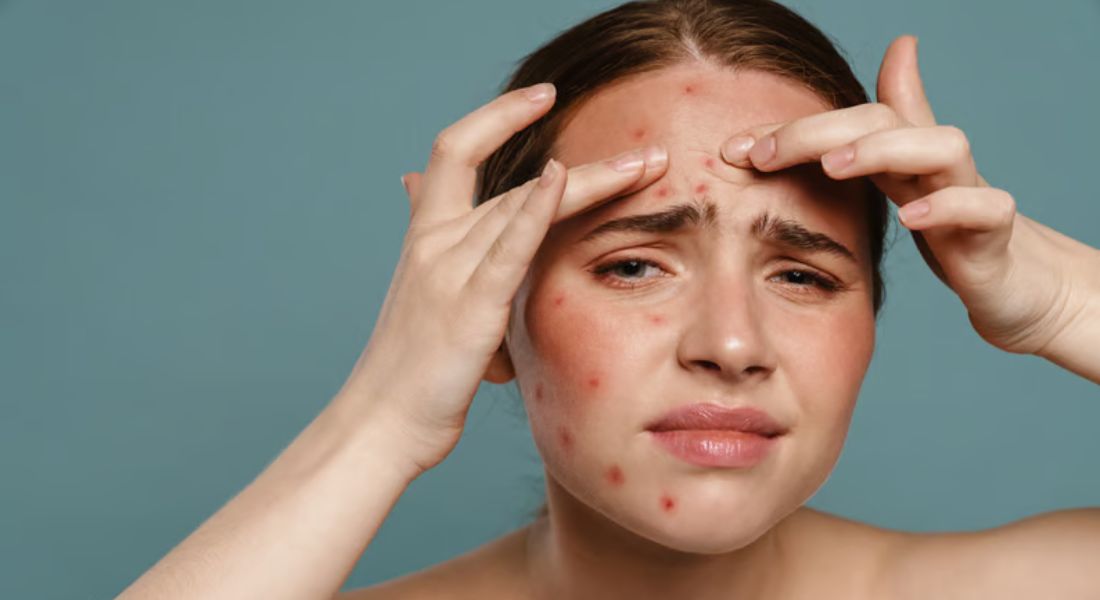
Living with a chronic skin condition can be exhausting, and it affects far more than just your appearance. Your skin influences your thoughts, emotions, and daily interactions, shaping how confident or comfortable you feel in almost every situation. Anxiety about flare-ups, worry over how others perceive you, or avoidance of social activities is common and completely valid.
The connection between chronic skin conditions and anxiety is both real and physiological. Stress and worry can trigger immune responses, worsen inflammation, and make flare-ups more frequent or severe. At the same time, visible symptoms increase anxiety, creating a continuous cycle where skin and mind constantly influence each other.
This link also extends to sleep, concentration, and overall wellbeing. Poor sleep from itching or discomfort can heighten irritability and anxiety. Persistent worry can affect work, relationships, and even decision-making, amplifying the broader impact of the condition.
Holistic dermatological care recognises this interplay. Mental wellbeing is addressed alongside physical treatment, whether through reassurance, stress management strategies, patient support groups, or referral for psychological care. By supporting both skin and mind, dermatologists aim to break the cycle, improve quality of life, and enhance the effectiveness of treatment.
Understanding Chronic Skin Conditions
Chronic skin conditions are long-term, persistent disorders of the skin that require ongoing management. Common examples include psoriasis, eczema, hidradenitis suppurativa, and chronic urticaria. While severity and visibility can vary widely, these conditions share a key feature: unpredictability.
Unlike a temporary rash or infection, chronic conditions often flare and remit over time. This uncertainty can create a constant state of alertness you may never know when a patch will worsen or a flare will strike. Even when symptoms are mild on most days, the anticipation of change can affect mood, behaviour, and day-to-day planning.
For many patients, living with chronic skin disease involves managing both the physical symptoms and the mental strain of unpredictability. Anxiety, stress, and social self-consciousness are common companions, making holistic care addressing both skin and mind essential for wellbeing.
The Two-Way Relationship Between Skin and Anxiety

Skin and anxiety influence each other in a continuous cycle. Stress can trigger or worsen skin conditions, while visible or chronic skin issues can heighten anxiety. Understanding this two-way relationship helps explain why managing both skin and mental wellbeing is crucial.
1. How Anxiety Affects the Skin: Stress hormones like cortisol and adrenaline can alter immune function, increasing inflammation. For conditions such as psoriasis or eczema, this can trigger flare-ups.
2. Behavioural Contributions: Actions like scratching, picking, or excessive washing may temporarily relieve tension but damage the skin over time, reinforcing both the condition and the associated anxiety.
3. How Skin Conditions Affect Anxiety: Visible or chronic skin problems can make social interactions challenging. You may feel self-conscious, anticipate judgment, or worry about negative reactions.
4. Real Psychological Impact: Even mild conditions can provoke significant distress. Anxiety is rooted in real experiences, including stares, questions, or subtle social cues that accumulate over time.
5. Vicious Cycle: The interplay between stress and skin creates a loop where anxiety worsens the condition, and worsening skin heightens anxiety, making it feel difficult to break free.
In conclusion, skin and anxiety are closely connected in a dynamic cycle. Effective management of chronic skin conditions requires attention to both physical symptoms and emotional wellbeing, addressing the full scope of their impact.
Recognising Anxiety in Patients with Skin Conditions
Anxiety in people with chronic skin conditions is often subtle and easily overlooked. Many patients internalise their distress, feeling embarrassed or ashamed about how much their skin affects their daily life. They may worry constantly about flare-ups, avoid social interactions, or change routines to hide their skin. Even when symptoms seem mild, the mental burden can be significant.
Physical and cognitive signs often accompany this anxiety. Patients may experience sleep disturbances, difficulty concentrating, tension headaches, or other stress-related symptoms. These manifestations are real and can affect work, school, and personal life, making it harder to manage both the emotional and physical aspects of the condition.
A dermatology team that recognises these patterns takes a holistic approach to care. Screening tools, structured questionnaires, and open, empathetic conversations help identify the psychological impact of skin disease. Addressing mental wellbeing alongside physical treatment improves adherence, treatment outcomes, and overall quality of life.
The Impact of Unpredictability on Mental Health
Unpredictability is one of the most challenging aspects of living with a chronic skin condition. Even when symptoms are currently under control, the memory of past flares can create ongoing apprehension. Patients often experience anticipatory anxiety, worrying about when the next flare might strike, and may plan daily activities, social engagements, or wardrobe choices around worst-case scenarios.
This constant vigilance takes a significant mental toll. The effort to anticipate and manage potential flare-ups can be exhausting, affecting mood, concentration, and overall quality of life. It is not just about the skin itself; it is about the mental energy required to live with uncertainty.
Acknowledging this cycle is crucial in dermatological care. Recognising the psychological burden validates the patient’s experience and helps clinicians tailor treatment plans. This may include adjusting therapies, providing coping strategies, or introducing psychological support to break the stress-flare cycle and improve both skin and mental wellbeing.
Stress and Inflammation: The Biological Connection
Scientific research increasingly demonstrates that stress and skin inflammation are closely linked. When you experience stress, your body releases hormones such as cortisol, which can prompt immune cells to produce inflammatory signals. In chronic skin conditions like psoriasis, eczema, and acne, these signals can trigger or worsen flare-ups.
Prolonged stress also affects the skin’s barrier function, making it more sensitive, dry, or prone to infection. Even minor triggers can feel amplified when your body is in a constant state of heightened alert. This explains why flare-ups often seem unpredictable and why managing stress is an essential part of treatment.
Lifestyle interventions play a real, measurable role in reducing inflammation. Mindfulness, relaxation techniques, adequate sleep, and exercise help modulate the stress response. These strategies complement medical treatments, supporting both skin health and mental wellbeing, and can reduce the frequency and severity of flares over time.
The Social Dimension of Anxiety in Skin Disease

Skin conditions can shape how you experience social interactions, often increasing self-consciousness and worry. Even small or well-meaning comments can feel magnified, influencing behaviour and confidence in everyday life.
1. Avoiding Eye Contact: Fear of scrutiny may lead to limited eye contact, affecting communication and connection.
2. Concealing Skin: Using clothing, makeup, or accessories to hide affected areas can provide short-term comfort but reinforce feelings of difference.
3. Withdrawing from Social Events: Avoidance of gatherings or public spaces can limit social engagement and support networks.
4. Hesitation in Intimate Relationships: Concerns about judgement or rejection may make forming close relationships feel daunting.
5. Cycle Reinforcement: While these behaviours are understandable, they often perpetuate anxiety and self-consciousness, making social interactions more stressful over time.
In conclusion, the social impact of skin disease extends beyond appearance, affecting confidence, relationships, and daily life. Working proactively with a supportive dermatologist or mental health professional can help break this cycle, improving both social comfort and emotional wellbeing.
The Role of Dermatologists in Mental Wellbeing
Good dermatology care extends beyond treating the skin itself; it addresses the person as a whole body, mind, and social context. Dermatologists increasingly recognise that chronic skin conditions affect more than appearance, influencing confidence, daily activities, and overall quality of life. By asking about mood, social interactions, and emotional wellbeing, clinicians can uncover psychological burdens that may not be immediately visible.
This information directly shapes treatment decisions. Patients experiencing significant anxiety or distress may benefit from faster-acting therapies, earlier introduction of systemic or biologic treatments, or a combination of medical and psychological interventions. Tailoring therapy in this way ensures that both skin symptoms and mental health are addressed simultaneously.
Holistic dermatological care often involves coordination with mental health professionals or supportive resources such as counselling and patient support groups. By integrating psychological support into routine care, dermatologists can improve not only skin outcomes but also long-term mental wellbeing, helping patients regain confidence and resilience in daily life.
Practical Strategies to Manage Anxiety with Skin Conditions
Living with a skin condition alongside anxiety can feel overwhelming, but there are practical approaches that make a meaningful difference. Open communication with your dermatologist is key sharing concerns about appearance, flare-ups, or social anxiety allows your clinician to tailor treatment and provide reassurance. Feeling heard reduces isolation and empowers you to take an active role in your care.
Mindfulness, meditation, and stress-reduction techniques help regulate the body’s stress response. Even short daily practices can lower flare frequency and ease anxiety, strengthening the mind-skin connection. Cognitive behavioural approaches (CBT) are also highly effective, helping challenge negative thought patterns, reduce anticipatory anxiety, and build confidence in social situations.
Social support plays a vital role as well. Support groups or communities of people with similar conditions can reduce stigma and normalise challenges, reminding you that you are not alone. Complementing these strategies with healthy lifestyle choices adequate sleep, regular exercise, balanced nutrition, and moderation of alcohol or smoking further supports both skin and mental health, creating a holistic approach to living well with a chronic skin condition.
Recognising When Anxiety Requires Specialist Care
Anxiety linked to a skin condition is common, but it can sometimes reach a level that significantly affects daily life. Persistent panic, intense avoidance of social situations, or depressive symptoms are key warning signs that professional support may be needed.
Referral to a psychologist, counsellor, or psychiatrist is not a sign of personal failure. On the contrary, it reflects thorough, responsible care that addresses both physical and mental health. Specialist input provides strategies, coping skills, and treatment options tailored to your needs.
Integrating mental health support into dermatological care enhances overall outcomes. Patients who receive combined skin and psychological management often experience reduced flare frequency, improved confidence, and a better quality of life, demonstrating the value of holistic, patient-centred care.
Children and Adolescents: Special Considerations
Young people face unique challenges when living with skin conditions. During childhood and adolescence, self-esteem and identity are still developing, making visible skin changes particularly impactful. Bullying, teasing, and peer pressure can intensify anxiety, social withdrawal, and feelings of isolation.
Early recognition of psychological distress is essential. Clinicians, parents, and educators can work together to provide supportive environments that normalise skin differences and reduce shame. Education about the condition, coping strategies, and reassurance can help young people feel understood and empowered.
Pediatric dermatology increasingly integrates mental wellbeing into care plans. By addressing both skin health and emotional support, clinicians aim to prevent long-term psychological consequences, helping children and adolescents build confidence and resilience alongside effective medical treatment.
The Role of Society and Cultural Perceptions
Cultural norms and societal expectations play a powerful role in shaping how people experience skin conditions. Media often promotes images of flawless skin, creating unrealistic standards that amplify anxiety and self-consciousness for those with visible differences. Social stigma and subtle discrimination can further heighten stress, impacting confidence, social engagement, and mental wellbeing.
Dermatologists who recognise these societal pressures can provide care that is both clinically effective and empathetic. By validating patients’ experiences and discussing the psychological impact of cultural expectations, clinicians help reduce internalised shame.
Beyond individual care, raising awareness and advocating for broader social understanding are important. Reducing external pressures through education, media literacy, and supportive environments can be just as impactful for patient wellbeing as medical treatment itself.
Integrating Mental Health into Long-Term Management
Managing chronic skin conditions effectively requires attention to both physical symptoms and mental wellbeing. Incorporating psychological support into long-term care can reduce stress, improve adherence, and enhance overall quality of life.
1. Regular Psychological Assessment: Routine check-ins with a mental health professional help identify anxiety, depression, or stress early.
2. Stress Management Strategies: Techniques such as mindfulness, meditation, or therapy can reduce stress-related flare-ups.
3. Treatment Plans That Reduce Unpredictability: Structured and consistent care helps patients feel more in control and less anxious about sudden changes.
4. Patient Education: Understanding the condition and treatment options empowers patients, increasing self-efficacy and confidence in managing their skin.
5. Breaking the Skin-Anxiety Cycle: Addressing mental health alongside dermatologic care interrupts the feedback loop where stress worsens skin, and skin issues heighten anxiety.
In conclusion, integrating mental health into psoriasis or chronic skin management improves outcomes beyond the skin. Patients experience better symptom control, reduced psychological burden, and a higher quality of life when care considers both body and mind.
Technology and Teledermatology

Advances in digital tools and teledermatology have transformed how patients manage chronic skin conditions. Remote consultations enable timely assessment of flare-ups, medication adjustments, and even mental health check-ins without the need to travel, reducing stress and increasing convenience.
Apps and online platforms allow patients to track symptoms, identify triggers, and monitor stress levels, giving them greater insight into their condition. This data can be shared with clinicians to inform personalised treatment plans and enhance engagement in care.
Technology also improves continuity, helping patients feel supported even between in-person visits. By making care more accessible and responsive, these innovations empower patients and reduce anxiety related to the unpredictability of chronic skin conditions.
Future Directions in Skin and Anxiety Research
Research into the connection between skin and mental health is advancing rapidly, deepening our understanding of how anxiety, stress, and inflammation interact. Emerging studies are investigating biomarkers that may predict which patients are most susceptible to stress-related flares, helping clinicians anticipate and prevent exacerbations.
New therapies are being developed that target both inflammatory and stress pathways simultaneously, reflecting a more integrated approach to care. Precision dermatology is beginning to incorporate psychological metrics alongside clinical measures, allowing treatment plans to be tailored not just to the skin, but to the patient’s mental wellbeing.
These innovations promise more personalised and holistic management, where interventions address both the physical and emotional aspects of chronic skin conditions. Patients can look forward to care that treats the person as a whole, improving outcomes for skin health and quality of life.
FAQs:
1. How are chronic skin conditions linked to anxiety?
Chronic skin conditions and anxiety influence each other in a continuous cycle. Stress can trigger immune responses that worsen flare-ups, while visible or persistent symptoms increase worry and self-consciousness. Managing both skin and mental wellbeing is essential to break this cycle.
2. Can mild skin symptoms still cause significant anxiety?
Yes. Even minor or localized symptoms can feel overwhelming, especially on visible areas like the face or hands. The psychological impact is shaped by social perception, unpredictability, and daily mental load not just the extent of skin affected.
3. Why does unpredictability in chronic skin conditions affect mental health?
The uncertainty of flares creates anticipatory anxiety, making daily planning, social events, or wardrobe choices stressful. Constant vigilance can deplete mental energy and erode confidence, even when symptoms are under control.
4. How does stress biologically worsen skin conditions?
Stress hormones such as cortisol and adrenaline influence immune signalling and inflammatory pathways. In conditions like psoriasis or eczema, this can trigger flare-ups, compromise skin barrier function, and intensify symptoms.
5. How do chronic skin conditions affect social interactions?
Visible skin changes can increase self-consciousness, leading to avoidance of eye contact, concealment strategies, withdrawal from social events, and hesitancy in intimate relationships. These behaviours often perpetuate anxiety over time.
6. Why do dermatologists address mental wellbeing alongside physical treatment?
Anxiety, stress, and low confidence can worsen skin disease and reduce treatment effectiveness. Integrating psychological support improves adherence, flare control, and overall quality of life, making it a clinically essential part of care.
7. What practical strategies help manage anxiety with skin conditions?
Mindfulness, meditation, CBT, stress-reduction techniques, social support groups, and open communication with your dermatologist all help. Combined with healthy lifestyle measures, these approaches strengthen the mind-skin connection.
8. When should specialist mental health support be considered?
If anxiety, avoidance, panic, or depressive symptoms significantly affect daily life, referral to a psychologist, counsellor, or psychiatrist is appropriate. This is a normal, responsible part of holistic dermatological care.
9. How are children and adolescents affected differently?
Young people are especially vulnerable because self-image and identity are developing. Visible skin conditions can amplify peer pressure, bullying, and social anxiety. Early intervention, reassurance, and supportive environments are crucial to building confidence and resilience.
10. How is technology improving care for skin-related anxiety?
Teledermatology and apps enable symptom tracking, stress monitoring, and remote consultations. These tools increase convenience, reduce stress from unpredictability, and allow clinicians to tailor treatments to both skin and mental wellbeing.
Final Thoughts: Addressing Skin and Mental Wellbeing Together
Chronic skin conditions affect far more than appearance they influence confidence, social interactions, and overall mental health. Anxiety and stress are not just emotional responses; they can actively worsen skin inflammation, creating a cycle that impacts quality of life. Holistic dermatological care recognises this connection, addressing both physical symptoms and psychological wellbeing through personalised treatment, coping strategies, and supportive resources.
By integrating mental health support with medical management, patients can achieve better control of flare-ups, improved confidence, and a higher overall quality of life. Open communication, practical stress-management strategies, and early intervention are key to breaking the skin-anxiety cycle and fostering resilience. If you’d like to book a consultation with one of our dermatologists, you can contact us at the London Dermatology Centre.
References:
- Marek‑Józefowicz, L., et al., 2022. The Brain–Skin Axis in Psoriasis Psychological, Psychiatric, Hormonal, and Dermatological Aspects https://www.mdpi.com/1422-0067/23/2/669
- Almeida, V., et al., 2025. Psychological Interventions for the Treatment of Patients with Chronic Skin Conditions: A Focus on Anxiety and Depression. Healthcare, https://www.mdpi.com/2227-9032/13/22/2947
- Stern, R.S. and Nijsten, T., 2014. Quality of life and emotional state in chronic skin disease. https://pubmed.ncbi.nlm.nih.gov/24978135/
- Zhang, H., Wang, M. and Zhao, X., 2024. Role of stress in skin diseases: A neuroendocrine‑immune interaction view. Brain, Behavior, and Immunity https://www.sciencedirect.com/science/article/pii/S0889159123003768
- Carr, D.J.J., et al., 2022. Perceived Stress in Patients with Inflammatory and Non‑Inflammatory Skin Conditions: An Observational Controlled Study https://academic.oup.com/skinhd/article/2/4/ski2.162/7750829