


If you’ve ever stood in a pharmacy aisle staring at shelves of skin treatments, you’re not alone. Most people try over-the-counter products for weeks or even months before ever considering specialist care. When those products fail, the disappointment can feel confusing, frustrating, and quietly demoralising.
I want to be clear from the start that over-the-counter treatments are not useless. They absolutely have a role in skincare. The problem is that they’re often misunderstood, misused, or expected to fix problems they were never designed to treat.
Many non-prescription products are built for mild, early, or maintenance-level issues. They are not designed to override entrenched inflammation, hormonal drivers, immune dysregulation, or barrier breakdown. When they’re used for those purposes, failure is almost inevitable, no matter how consistent or disciplined you are.
This article is about explaining why so many people feel let down by over-the-counter skin treatments. More importantly, it’s about helping you understand when these products make sense, when they don’t, and how dermatologist-led care changes outcomes in a very real way. Once you understand the limitations, you stop blaming yourself and start making decisions that actually move your skin forward.
Why over-the-counter treatments are usually the first stop
For most people, pharmacy treatments feel like the obvious place to start. They’re easy to access, relatively affordable, and don’t require an appointment or a long wait. When something is available on every high street, it’s natural to assume it must work for most people.
Marketing strengthens that assumption. Confident claims, before-and-after images, and glowing testimonials create the impression that results are just a matter of choosing the right product. Many people also want to avoid anything that feels “medical” unless it’s absolutely necessary, so starting with something simple feels sensible and responsible.
Dermatologists completely understand this instinct. The issue isn’t trying over-the-counter treatments first, it’s persisting with them long after they’ve shown they’re not enough. When weeks turn into months without meaningful improvement, continuing the same approach often delays the care that would actually change the outcome.
What over-the-counter products are actually designed to do
Most non-prescription skin products are created to manage mild, short-term concerns rather than complex conditions. They are formulated to be safe for unsupervised use across a broad population, which shapes both their strengths and limitations.
1. Safety takes priority over potency: Over-the-counter products must minimise the risk of side effects for general use. As a result, active ingredients are included at lower concentrations than prescription treatments.
2. They are not designed for complex skin conditions: Because of these safety limits, non-prescription products are not intended to treat moderate or multifactorial skin disease. Expecting them to correct deeper inflammatory issues often leads to frustration.
3. Their role is ongoing maintenance: When used appropriately, these products can support skin stability and help maintain results. They work best as part of a broader plan rather than as standalone solutions.
Understanding what over-the-counter products are meant to do helps set realistic expectations. Used in the right context, they can be helpful maintenance tools, but they are not substitutes for targeted medical treatment.
The problem of underpowered active ingredients
Another key reason over-the-counter treatments often underperform is the strength of the active ingredients. Many pharmacy products are deliberately formulated with low concentrations to be safe for general use, but that also limits their effectiveness. For example, acne creams may contain mild benzoyl peroxide or low-dose salicylic acid sufficient for minor breakouts but usually inadequate for deeper, inflammatory acne.
The same applies to antifungal creams, which can temporarily relieve symptoms but may not fully eradicate the underlying infection. Even topical steroids sold without a prescription are intentionally weak, making them only partially effective for inflammatory flare-ups.
This creates a frustrating cycle: a bit of improvement, followed by relapse. People often interpret this as a sign that they must persist with the product, when in reality the treatment is simply not potent enough to resolve the problem.
Why symptom relief is mistaken for treatment
Another reason over-the-counter products often disappoint is the difference between symptom relief and true treatment. Many pharmacy creams and lotions are excellent at soothing redness, itching, dryness, or general discomfort. That immediate relief feels encouraging but it doesn’t mean the underlying condition is being controlled.
The danger is mistaking these calming effects for genuine disease management. Once symptoms return, it can feel like the product “stopped working,” leaving you frustrated or blaming yourself. In truth, the product never addressed the root cause it only masked the visible or sensory signs.
This is where dermatologist-led care makes a difference. Specialists aim to control the disease mechanisms themselves, not just reduce symptoms, ensuring improvements are sustained rather than temporary.
Skin conditions often look similar but behave very differently
Another reason over-the-counter treatments often disappoint is that skin conditions can look very similar yet behave very differently. Redness, scaling, spots, and irritation are common to many conditions eczema, psoriasis, rosacea, fungal infections, acne, and contact dermatitis can all appear alike.
When products are chosen based on appearance alone, they may not address the underlying disease. Even a high-quality cream or gel will fail if it’s used on the wrong condition. This diagnostic mismatch is one of the most frequent reasons people spend months or even years cycling through ineffective treatments.
That’s why accurate diagnosis is essential. It doesn’t just guide which products to use; it also identifies what to avoid. Dermatologist-led assessment ensures treatment targets the disease mechanism itself, dramatically improving outcomes.
When over-the-counter treatments delay proper diagnosis
Over-the-counter treatments can unintentionally delay proper diagnosis. Repeated use may alter or mask symptoms, making the condition appear different from its natural state. For example, steroid creams might reduce redness temporarily while an infection continues unchecked, and antifungals used incorrectly can change the appearance of a rash.
By the time a dermatologist sees the patient, the skin may look atypical, complicating diagnosis. To address this, specialists often ask patients to pause all treatments temporarily so they can observe the skin’s natural behaviour.
Early professional assessment usually leads to faster, more effective treatment. Delaying diagnosis by relying too long on over-the-counter products can mean longer courses of therapy and slower resolution later on.
The psychological trap of “just one more product”
The psychological trap of “just one more product” is surprisingly common. There always seems to be another cream, serum, or “miracle” solution promising quick results. Each new purchase brings hope, but when it fails, disappointment and frustration follow.
Over time, this cycle can erode confidence. People begin to feel that their skin is unusually stubborn, broken, or beyond help. In reality, the problem is rarely a lack of effort or consistency it’s that over-the-counter products are often mismatched to the complexity of the condition.
Breaking this loop requires a shift in strategy rather than piling on more products. Specialist dermatological care provides that shift, offering targeted, evidence-based treatments that actually address the underlying condition instead of just chasing symptoms.
Why skin biology matters more than branding
Why skin biology matters more than branding is a crucial point many people overlook. Skincare marketing often focuses on ingredient lists, polished names, and bold promises, while dermatology focuses on how skin actually functions. Chronic skin conditions are driven by underlying biological processes, not surface-level symptoms alone.
1. Chronic skin conditions are biologically driven: Issues such as eczema, acne, and rosacea are often caused by inflammation, immune dysregulation, barrier dysfunction, microbial imbalance, or hormonal factors. Treating symptoms without addressing these pathways limits real improvement.
2. Ingredients only work if they target the right pathway: A product may contain a beneficial ingredient yet fail to improve the condition if it doesn’t address the dominant cause. Moisturisers cannot control immune-driven eczema, and antibacterial cleansers will not resolve hormonally driven acne.
3. Marketing often distracts from mechanism: Skincare branding highlights actives and promises results without context. Even well-known or highly advertised ingredients can be ineffective if they are aimed at the wrong biological process.
4. Dermatology prioritises mechanism over hype: Dermatologists select treatments based on how they interact with skin biology rather than marketing appeal. This explains why a product can feel pleasant but deliver no meaningful clinical benefit.
Understanding skin biology shifts expectations from quick fixes to targeted care. When treatments are chosen based on mechanism rather than branding, results become more predictable and effective. This distinction is key to managing chronic skin conditions successfully.
The issue of inconsistent use and unclear instructions
The issue of inconsistent use and unclear instructions is another common reason over-the-counter treatments disappoint. Many products come with vague directions, or users interpret them differently. Some treatments require daily use for several weeks before benefits appear, while others are meant for short-term application only.
Without clear guidance, people may overuse a product, causing irritation, or underuse it, preventing any meaningful improvement. In both cases, the treatment seems ineffective, even if the active ingredient is appropriate.
Dermatologist-led care solves this problem by combining prescription or recommended treatments with education. Understanding exactly how, when, and why to use a product is just as important as the product itself. Clear instructions boost adherence, reduce frustration, and maximise results guesswork rarely achieves the same.
Skin sensitivity and irritation from inappropriate products
Skin sensitivity and irritation are common hidden hurdles for people using over-the-counter treatments. Chronic skin conditions often come with a heightened reactivity, meaning that even mild ingredients fragrances, preservatives, or botanical extracts can provoke flare-ups. Natural or “gentle” products are not automatically safe, and repeated exposure can worsen barrier damage, making the original condition harder to manage.
The cumulative effect of small irritations is often overlooked. Users may believe the product isn’t working, when in fact it is aggravating the skin. This can create a cycle of trial, irritation, and disappointment.
Dermatologists approach this differently. They simplify routines, identify and remove triggers, and focus on barrier-friendly, evidence-based products. In many cases, the most effective intervention is subtraction rather than addition a principle rarely highlighted in over-the-counter shopping aisles.
When over-the-counter treatments are appropriate
Over-the-counter treatments do have a place when used appropriately. They can be effective for mild acne, occasional eczema flares, simple irritant dermatitis, and minor fungal infections. Short-term use for known or previously diagnosed conditions is often sensible and can provide meaningful relief.
Maintenance after specialist care is another important role for these products. Once a condition is under control, gentler, non-prescription options can help preserve results and prevent relapse. Dermatologists often recommend specific over-the-counter products with a clear purpose, dosage, and duration, ensuring they complement rather than replace medical treatment.
The key difference lies in context and guidance. When used blindly, for the wrong condition, or indefinitely, over-the-counter treatments often disappoint. When used strategically and informed by professional advice, they can be valuable tools in a broader skin-care plan.
The danger of treating skin as a single surface
Skin is not a single, uniform surface each area has its own biology. The face, scalp, hands, and body differ in thickness, oil production, microbiome composition, and sensitivity. Over-the-counter products are generally formulated for broad, generic use, which means they may help superficially but often fail to address these site-specific differences.
This lack of precision can lead to underwhelming results or even irritation if a product is applied where it isn’t suitable. For example, a cream that soothes body eczema might be too heavy for facial skin, while a facial acne gel may be too harsh for delicate areas like the inner arms.
Dermatologists consider these nuances when prescribing treatment. They tailor therapy by site, choosing formulations and actives that match the skin’s characteristics in each area. Targeted strategies maximise efficacy and minimise side effects something that one-size-fits-all over-the-counter solutions rarely achieve.
How dermatologist-led treatment changes outcomes
Dermatologist-led care starts with an accurate diagnosis, and that alone can dramatically improve outcomes. Instead of guessing, treatment is selected based on the underlying disease mechanism, severity, affected area, and individual patient factors. This targeted approach reduces trial-and-error and helps patients reach effective relief faster.
Prescription treatments used by dermatologists are typically stronger, more precise, and better regulated than over-the-counter options. Rather than simply soothing surface symptoms, many of these treatments actively modify disease pathways to address the root cause. This is especially important for chronic or recurring skin conditions that need more than temporary relief.
Follow-up is another key advantage of dermatologist-led care. Treatment plans are adjusted based on how the skin responds, side effects, and changes over time. Unlike static self-treatment, this dynamic approach recognises that skin conditions evolve and effective care needs to evolve with them.
The role of combination therapy
Many skin conditions require combination treatment because one product alone is rarely enough. Dermatologists recognise that skin disease is complex, involving inflammation, barrier disruption, microbes, and lifestyle factors. Addressing only one element often leads to incomplete or short-lived results.
For this reason, dermatologists use layered strategies rather than single solutions. Treatment plans may combine anti-inflammatory agents, barrier-repair products, antimicrobial therapies, and targeted lifestyle adjustments. Each component plays a specific role, working together to restore skin health.
Over-the-counter products are usually marketed as standalone fixes and are not designed to work within these integrated plans. This explains why “doing more” on your own doesn’t always improve results and can sometimes worsen irritation. Understanding combination therapy helps reduce frustration and shows why professional guidance is often more effective.
Why timeframes matter in skin treatment
Skin changes slowly, and most treatments need weeks or even months to show their full benefit. This natural pace is often at odds with over-the-counter marketing, which frequently promises rapid or dramatic results. As a result, expectations are set unrealistically high from the start.
When visible changes don’t appear quickly, many people switch products too soon. This constant cycling prevents any single treatment from working properly and can disrupt the skin barrier further. In some cases, it even worsens the original condition.
Dermatologists help by setting realistic timelines and explaining what genuine improvement looks like at each stage. They clarify when subtle changes should begin and when more visible results are likely. With this guidance, patience becomes easier, and long-term outcomes are far more successful.
The impact of untreated inflammation
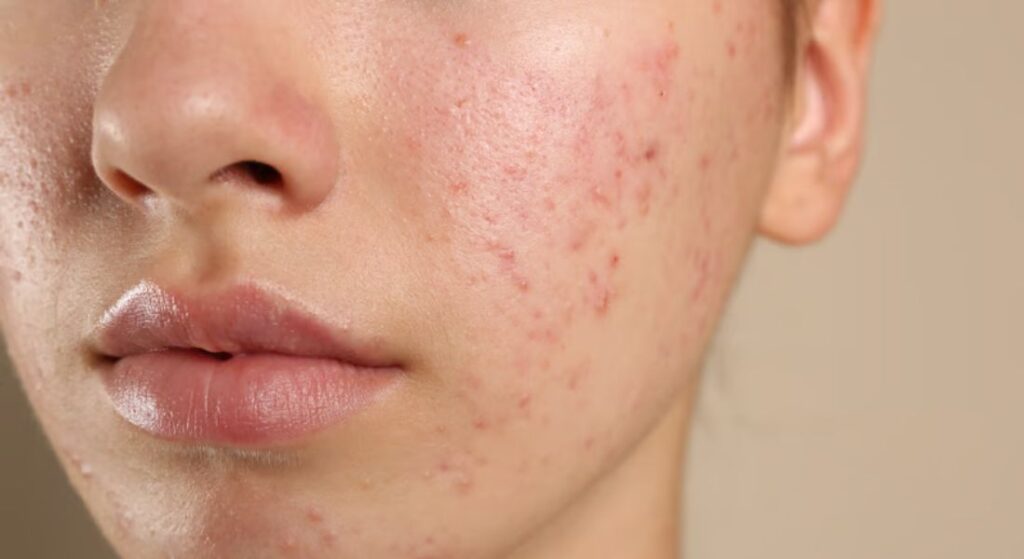
Chronic inflammation quietly damages the skin over time, even when symptoms seem mild or manageable. When inflammation is left inadequately treated, it can alter the skin’s structure and function. Conditions such as eczema, acne, rosacea, and psoriasis may eventually lead to pigment changes, persistent redness, scarring, or thickened, less flexible skin.
Early and effective control is critical because inflammation has a cumulative effect. Each flare contributes to long-term damage, making future treatment more difficult and recovery slower. Over-the-counter products often reduce surface symptoms like redness or itching but may fail to control the underlying inflammatory process. This creates the illusion of improvement while the condition continues to progress beneath the surface.
Dermatologist-led care focuses on fully suppressing active inflammation, not just calming visible signs. By targeting the root cause and adjusting treatment as needed, specialist care helps protect the skin’s long-term health and resilience. This shift from symptom management to disease control is often why patients describe seeing a real turning point once proper treatment begins.
Cost considerations and false economy
Many people hesitate to seek specialist treatment because of upfront cost concerns, and that’s completely understandable. However, in practice, prolonged self-treatment often turns out to be the more expensive option. Repeatedly buying new cleansers, serums, supplements, and “miracle” creams that don’t address the underlying problem can quietly add up over months or even years.
There are also hidden costs that aren’t always obvious at first. Ongoing skin issues can lead to time off work, reduced confidence, social withdrawal, and the emotional strain of feeling stuck in a cycle of trial and error. As the condition worsens or becomes chronic, treatment can become more complex, requiring longer courses and more intensive interventions.
Early specialist input often shortens the overall treatment journey. When the right diagnosis and targeted therapy are introduced sooner, inflammation is controlled faster and long-term damage is limited. This isn’t about rushing everyone onto prescription treatments it’s about recognising the point at which escalation is sensible and cost-effective.
The importance of professional reassurance
Seeing a dermatologist offers reassurance as well as medical treatment. Simply understanding what you’re dealing with can significantly reduce anxiety. This matters because uncertainty and stress can worsen many inflammatory skin conditions.
1. Clarity reduces stress-related flares: Not knowing what is happening to your skin often fuels anxiety, which can intensify inflammation. Clear diagnosis and explanation help break this cycle before symptoms escalate further.
2. Understanding replaces fear with structure: A consultation with an experienced dermatologist provides insight into why a condition developed and how it can be managed. This knowledge creates realistic expectations and a sense of control.
3. Early reassurance improves engagement: Many patients feel relief even before treatment begins once they understand their condition. Feeling supported makes people more consistent, patient, and committed to their care plan.
4. Psychological benefits influence outcomes: Reassurance is a measurable part of effective treatment, not an optional extra. Confidence and trust in the process directly affect adherence and long-term results.
Professional reassurance plays a central role in successful skin treatment. By reducing anxiety and building understanding, it supports both emotional wellbeing and physical improvement. This is why reassurance is a core component of effective dermatological care.
Why “stronger” doesn’t always mean harsher
There’s a common fear that prescription treatments are aggressive or damaging, but in reality, many are far more targeted and better tolerated than over-the-counter options. Lower-strength products used broadly and repeatedly can disrupt the skin barrier, whereas prescription treatments are designed to act on specific pathways with intention and control.
Dose and delivery matter more than raw strength. Dermatologists carefully select formulations, concentrations, and schedules to balance effectiveness with comfort. This precision reduces unnecessary irritation and avoids the trial-and-error cycle that often makes skin worse rather than better.
The goal is control, not punishment. Skin should calm, stabilise, and strengthen over time not feel inflamed or overwhelmed. Understanding this helps overcome hesitation around specialist care and reframes it as supportive, not harsh. When used correctly, prescription treatment is something to trust, not fear.
Moving from frustration to clarity

Feeling disappointed by over-the-counter treatments is incredibly common, and it’s not a personal failure. It doesn’t mean you didn’t try hard enough or make the right effort. More often, it simply means the condition needed a different level or type of care.
Recognising that shift is empowering. When you move away from trial-and-error and towards targeted, evidence-based treatment, progress often becomes faster and more predictable. Decisions feel clearer, and the constant second-guessing starts to fade.
With clarity comes confidence. Skin care stops being emotional and reactive and becomes strategic and intentional. For many people, that mental shift is just as transformative as the physical improvement itself.
FAQs:
1. Why do over-the-counter skin treatments work for some people but not others?
Over-the-counter products are designed for mild or early-stage concerns. When inflammation, hormones, immune factors, or infection are involved, these treatments are often too weak to create lasting change.
2. How long should I try an over-the-counter skin treatment before seeking a dermatologist?
If there’s no meaningful improvement after 4–6 weeks of correct use, or symptoms keep returning, it’s usually a sign that specialist assessment is needed rather than more product changes.
3. Can over-the-counter products make skin conditions worse?
Yes. Incorrect products, overuse, or unsuitable ingredients can irritate the skin barrier, trigger inflammation, or mask symptoms while the underlying condition progresses.
4. Why do skin conditions often come back after initial improvement with pharmacy treatments?
Many over-the-counter products soothe symptoms without addressing the root cause. Once use stops, the underlying disease process remains active, leading to relapse.
5. Are prescription skin treatments always stronger or harsher than over-the-counter options?
Not necessarily. Prescription treatments are more targeted and precisely dosed. When used correctly, they’re often better tolerated and more effective than repeated use of mild products.
6. Can using over-the-counter treatments delay proper diagnosis?
Yes. Some products alter how a condition looks, which can complicate diagnosis later. This is one reason dermatologists sometimes ask patients to stop treatments temporarily.
7. When are over-the-counter skin treatments actually appropriate?
They’re most useful for mild conditions, short-term flare control, or maintenance after specialist treatment, especially when recommended as part of a structured plan.
8. Why doesn’t good skincare branding or popular ingredients guarantee results?
Because skin conditions are driven by biology, not marketing. Ingredients only work if they target the correct disease mechanism, regardless of how well they’re packaged or promoted.
9. Is it normal to feel frustrated or discouraged after multiple failed treatments?
Absolutely. Many people blame themselves when treatments fail, but the issue is usually a mismatch between the product and the condition not a lack of effort or consistency.
10. How does dermatologist-led care change long-term outcomes?
Accurate diagnosis, targeted therapy, proper timelines, and follow-up reduce trial-and-error, control inflammation earlier, and help prevent chronic damage or recurring flares.
Final Thoughts: Knowing When to Step Beyond the Pharmacy Shelf
Over-the-counter skin treatments aren’t a mistake they’re often a reasonable starting point. The frustration begins when they’re asked to solve problems they were never designed to treat. When improvement stalls or symptoms keep returning, it’s not a sign of failure or poor effort. It’s usually a signal that your skin needs a more targeted, diagnostic-led approach.
The real turning point for many people comes from clarity. Understanding what’s driving your skin condition removes guesswork, shortens the trial-and-error cycle, and protects your skin’s long-term health. Care becomes intentional rather than reactive, and progress feels steadier and more predictable.
If you’ve reached that point, speaking with a qualified Dermatologist in London can make all the difference. You can book a consultation with one of our dermatologists in London by contacting us at the London Dermatology Centre. Sometimes, the most effective step forward isn’t another product it’s the right expertise guiding your next move.
References:
- Hebert, A.A., Grivet-Seyve, M., Anjuwon, S., Piccardi, N., Lachmann, N., Cruz, A. & Emesiani, C. 2023, ‘Efficacy of Over-The-Counter Cream in Reducing Eczema Signs’, Journal of Drugs in Dermatology, https://pubmed.ncbi.nlm.nih.gov/37801541/
- Chu, D.K., Chu, A.W.L., Rayner, D.G., et al. 2023, ‘Topical Treatments for Atopic Dermatitis (Eczema): Systematic Review and Network Meta-Analysis of Randomized Trials’, Journal of Allergy and Clinical Immunology, https://www.sciencedirect.com/science/article/pii/S0091674923011132
- Lazar, M., Zhang, A.D. & Vashi, N.A. 2024, ‘Topical Treatments in Atopic Dermatitis: An Expansive Review’, Journal of Clinical Medicine, https://pmc.ncbi.nlm.nih.gov/articles/PMC11050343/
- Crous, C. 2024, ‘Overview of popular cosmeceuticals in dermatology’, Skin Health and Disease, https://academic.oup.com/skinhd/article/4/2/ski2.340/7736686
- AlRadini, F. et al. 2021, ‘Prevalence of over-the-counter cosmeceutical usage and the impact of a health education intervention in female Saudi university students’, Clinical, Cosmetic and Investigational Dermatology, https://pmc.ncbi.nlm.nih.gov/articles/PMC8711841/