



Private dermatology in the UK has expanded rapidly in response to NHS pressures. Lengthy waiting lists for routine and chronic conditions push patients to seek faster alternatives. Private clinics offer appointments within days or weeks, providing timely access that the public system often cannot match. This convenience is a primary driver behind the sector’s growth.
Who is choosing private care? Data suggest a diverse patient mix. Younger adults often pursue cosmetic treatments alongside medical consultations, while older patients seek rapid assessment for suspicious moles or ongoing skin conditions. Urban areas, particularly London, show the highest uptake, reflecting both population density and higher disposable incomes. Accessibility and the ability to avoid long delays are key motivators.
Shifts from NHS to private services are notable. Many patients begin in primary care, then move to private dermatology when NHS waits are prohibitive. This dual-path approach highlights patient pragmatism: timely assessment is often more valuable than cost alone. Private care also allows for longer consultations and quicker follow-ups, enhancing patient satisfaction.
The Wider Healthcare Landscape in the UK
The NHS dermatology workforce has expanded only modestly, with consultant numbers growing at less than 2% per year in many regions. Demand, however, has risen far faster due to population growth, ageing, and increased referrals. The mismatch creates bottlenecks: clinics operate near full capacity, urgent cases compete with routine appointments, and follow-ups are delayed. Patients experience this as long waiting lists and limited appointment options.
Regional disparities amplify the problem. London and southern England benefit from higher consultant densities, while northern, rural, and economically disadvantaged areas often face chronic under-supply. Even within regions, urban centres see shorter waits than smaller towns. This uneven distribution means two patients with the same condition can have vastly different experiences. It also drives movement towards private care for those who can afford it.
Patient behaviour responds predictably. When access to NHS dermatology is slow, patients explore private options, teledermatology, or alternative therapies. Those able to pay can circumvent months-long delays, whereas others must adapt to prolonged waits. This creates a dual system: private care eases individual access but doesn’t reduce systemic pressure on public services. It underscores that workforce constraints, not patient choices, drive much of the shift.
Dermatology Waiting Times and Their Impact
In England, referral-to-treatment waiting times for dermatology have fluctuated, with post-pandemic backlogs exacerbating delays. Urgent two-week-wait skin cancer cases are prioritised, but routine inflammatory conditions often face much longer waits.
1. Routine conditions face extended delays: Patients with severe eczema, cystic acne, or rapidly changing psoriasis may wait months for NHS assessment, affecting daily life and wellbeing.
2. Quality of life deteriorates: Persistent symptoms, discomfort, and visible skin changes contribute to stress, social anxiety, and reduced functionality.
3. Private care fills the gap: Long NHS waits have driven patients to seek private consultations, contributing to measurable growth in the private dermatology sector.
4. Healthcare inequality emerges: Access becomes linked to financial means rather than clinical need, compounding disparities.
5. Delays impact disease management: Prolonged waiting can worsen disease progression, making eventual treatment more complex and resource-intensive.
Extended dermatology waiting times have clear consequences: patient suffering rises, private care demand grows, and inequality deepens, highlighting the urgent need for systemic improvements.
The Scale of Private Healthcare Growth
Rising NHS waiting times are a primary motivator for patients turning to private care. When routine referrals stretch into months, private clinics offer speed and convenience, often scheduling appointments within days or weeks. Urgent cases, such as suspicious moles or chronic flares, benefit most from this rapid access, reducing anxiety and ensuring earlier intervention.
Patient expectations also influence the trend. People increasingly value timely assessment, continuity of care, and more thorough consultations. Private dermatology can provide longer appointments and flexible follow-ups, which are harder to secure in high-demand NHS clinics. In urban centres like London, the combination of availability and convenience makes private services particularly attractive.
Economic factors play a role too. Higher disposable income and expanded insurance coverage allow more patients to pay for private consultations. At the same time, private providers have invested in marketing, digital booking, and streamlined patient pathways, making access easier. These factors together create a feedback loop: faster service drives more demand, which sustains growth.
Why Dermatology in Particular?
These factors drive patient decisions in a measurable way. People are willing to pay for faster assessment when conditions are visible, uncomfortable, or psychologically distressing. Private dermatology absorbs patients who might otherwise wait long periods on NHS lists, particularly for conditions that affect self-esteem or daily life.
Shifts in referral patterns also matter. GPs increasingly recognise that patients can’t always wait for routine NHS appointments, especially for chronic inflammatory conditions or early cancer detection. Some actively signpost suitable private clinics, reinforcing the move toward private care.
Long-term implications are emerging. As more patients experience rapid private access, expectations rise across the board. Waiting months on the NHS becomes less acceptable, further increasing private demand. The pattern reflects a systemic response to supply constraints rather than a purely consumer-driven choice.
Growth in Self-Pay Dermatology
Self-pay models have made private dermatology more approachable for a wider population. Patients can schedule appointments without waiting for insurance approval, reducing delays and giving more control over timing. This accessibility also allows for more flexible follow-ups, which is particularly helpful for chronic conditions requiring monitoring.
Impact on clinic workflows is significant. Clinics can manage capacity more predictably, balancing urgent and routine cases. High self-pay uptake incentivises clinics to expand services, hire additional specialists, and invest in digital booking or teledermatology options.
Behavioural shifts are apparent. Patients increasingly compare NHS wait times with private availability when deciding where to be seen. For many, paying directly for a consultation is a practical solution rather than a luxury. Over time, this trend reinforces private dermatology growth as both a structural and cultural phenomenon.
Private Medical Insurance and Dermatology
Private medical insurance allows patients to bypass NHS waiting lists, often securing appointments within days rather than months. This is especially important for conditions where early assessment impacts outcomes, such as suspicious moles or severe eczema flares.
Corporate uptake shapes demand patterns. Employers offering comprehensive outpatient cover encourage staff to use private dermatology, which drives consistent clinic volumes. Insurers increasingly recognise dermatology as a high-demand specialty, prompting expansion of covered services and streamlined claims processes.
Insurance-supported consultations complement self-pay growth. While self-pay offers immediate access, PMI provides predictable costs for ongoing care. Together, these pathways create a robust private sector that absorbs demand pressure from the NHS and meets patient expectations for timely specialist input.
Demographic Shifts in Private Dermatology Patients
Private dermatology is no longer the domain of older, affluent patients alone. Professionals in their 20s and 30s increasingly seek specialist care for both medical and aesthetic reasons, from persistent acne to early skin cancer screening. Urban centres, where clinics are concentrated, see the highest uptake.
Aesthetic awareness influences demand. Social media, online reviews, and visibility of skin health issues encourage younger patients to act sooner. Even when cosmetic procedures aren’t the primary goal, this heightened awareness drives earlier engagement with medical dermatology services.
Medical care remains dominant. Despite the growth in aesthetic consultations, chronic disease management and skin cancer surveillance continue to form the bulk of private dermatology activity. This ensures that rising numbers reflect genuine clinical need, not just elective trends.
The Role of Aesthetic Dermatology
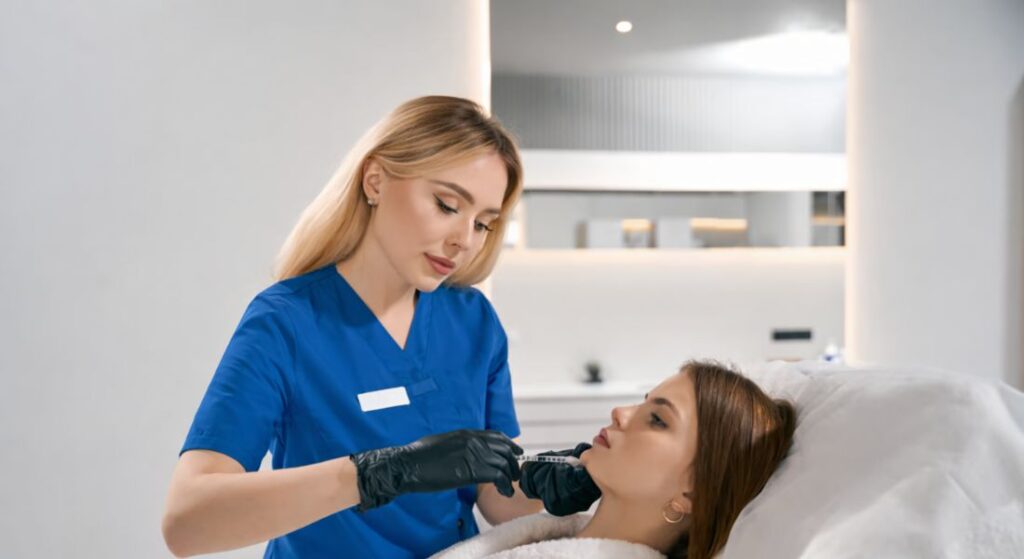
Many private dermatology practices now combine medical and aesthetic services under one roof. This model improves clinic viability, allowing revenue from elective procedures to subsidise longer consultations or complex medical cases. Patients benefit from convenience, seeing the same specialists for both routine skin checks and cosmetic concerns.
Aesthetic services also attract new patients. Someone booking a cosmetic consultation may subsequently address a persistent rash or mole, increasing engagement with medical dermatology. Cross-referrals like this contribute to rising overall consultation numbers.
Sustainability hinges on balance. Clinics that rely solely on aesthetics risk market fluctuations, while those integrating medical care maintain steady demand. The growth in private dermatology is therefore a combination of clinical need, patient expectations, and strategic service design.
Workforce Movement Between NHS and Private Practice
The dual practice model has consequences for NHS availability. When consultants spend more time in private clinics, NHS appointment slots can become scarcer, especially for routine or non-urgent cases. This reinforces patient interest in private care, creating a feedback loop where demand shifts further toward the private sector.
Patients who can afford private care gain faster access, reducing wait times for themselves. Those relying solely on the NHS may experience longer delays, particularly in regions already facing workforce shortages. Understanding this dynamic helps explain why private dermatology has grown beyond cosmetic demand alone.
Strategic planning is essential. NHS and private sector coordination can help mitigate bottlenecks, such as prioritising urgent referrals in public clinics while allowing private services to absorb elective or follow-up appointments. This balance influences overall service efficiency and patient satisfaction.
Regional Variation in Private Dermatology Expansion
Private dermatology growth varies significantly across the UK, with London leading the expansion. High population density, greater disposable income, and a concentration of specialist clinics make the capital a hotspot for private services.
1. Strong urban growth: London and the South East see the highest number of private dermatology providers, reflecting both demand and economic capacity.
2. Rural areas lag behind: Smaller towns and rural regions often have limited local private options, restricting timely access for those populations.
3. Teledermatology expands reach: Virtual consultations allow patients outside major cities to connect with specialists, bridging geographic gaps.
4. Broader patient access: Remote services increase the potential patient base, making private care more viable for those previously constrained by location.
5. Market dynamics mirror socioeconomic factors: Wealth, population density, and local demand drive where private services flourish versus where they remain scarce.
The combination of urban concentration and teledermatology is reshaping private dermatology access, making specialist care increasingly available beyond traditional metropolitan centres.
Teledermatology and Digital Growth
Teledermatology allows private clinics to serve patients beyond urban centres. People in smaller towns or rural areas can access specialist input without long travel times. This effectively enlarges the patient pool and supports the overall growth of private dermatology.
Efficiency gains are significant. Remote triage helps consultants prioritise urgent cases while managing routine assessments digitally. Patients receive faster guidance, and clinics can handle higher volumes without proportionally increasing in-person appointments.
Integration with existing private services enhances value. Follow-ups, prescription adjustments, and minor procedural planning can often be conducted online, reducing friction for both patients and providers. This hybrid approach makes private dermatology more accessible and flexible, contributing to sustained demand.
The Financial Size of the Private Dermatology Market
The financial growth of private dermatology has encouraged new clinic openings, particularly in high-demand urban centres. Investors are backing both standalone practices and hospital-based outpatient units. This expansion not only meets patient demand but also signals confidence in the specialty’s long-term profitability.
Revenue diversity supports sustainability. Clinics benefit from a mix of medical and aesthetic services, routine consultations, minor procedures, and ongoing chronic disease management. This blended model smooths cash flow and enables investment in staff, technology, and digital infrastructure.
Competition drives quality and choice. As more providers enter the market, clinics innovate on scheduling, patient experience, and service offerings. Patients gain faster access, more convenience, and greater flexibility, reinforcing the growth cycle of private dermatology.
The Shift from NHS to Private: Push and Pull Factors
Beyond speed, patients increasingly seek a sense of control and predictability in their care. Knowing exactly when and with whom you will be seen reduces anxiety, particularly for conditions like suspicious moles or chronic flares. Private dermatology often delivers this consistency, reinforcing patient preference for self-directed access.
Continuity of care is another key pull. Seeing the same consultant allows personalised management, faster treatment adjustments, and clearer follow-up plans. Patients perceive this as higher quality, even when clinical outcomes are comparable to the NHS.
Psychological reassurance drives decisions as much as clinical need. The combination of rapid assessment, clear communication, and attention to detail encourages patients to choose private pathways repeatedly. This repeated behavioural pattern amplifies demand and reinforces growth trends across the sector.
Skin Cancer Awareness and Private Demand
Beyond speed, patients increasingly seek a sense of control and predictability in their care. Knowing exactly when and with whom you will be seen reduces anxiety, particularly for conditions like suspicious moles or chronic flares. Private dermatology often delivers this consistency, reinforcing patient preference for self-directed access.
Continuity of care is another key pull. Seeing the same consultant allows personalised management, faster treatment adjustments, and clearer follow-up plans. Patients perceive this as higher quality, even when clinical outcomes are comparable to the NHS.
Psychological reassurance drives decisions as much as clinical need. The combination of rapid assessment, clear communication, and attention to detail encourages patients to choose private pathways repeatedly. This repeated behavioural pattern amplifies demand and reinforces growth trends across the sector.
Chronic Inflammatory Conditions and Long-Term Care

Conditions like psoriasis, eczema, and hidradenitis suppurativa often require ongoing specialist management. Biologic therapies and other advanced treatments need structured monitoring, which is primarily provided through NHS services.
1. Private care complements NHS provision: Some patients choose private initiation, second opinions, or ongoing follow-up alongside NHS care.
2. Dual-sector engagement drives private activity: Private consultations rise even when NHS caseloads remain high, reflecting demand rather than substitution.
3. Collaboration between sectors: In certain cases, private consultants coordinate with NHS services, ensuring continuity of care while influencing workload distribution.
4. Complex growth patterns: The interplay between public and private activity complicates data interpretation, making simple metrics insufficient to gauge demand or capacity.
5. Specialist oversight is essential: Long-term management requires expert monitoring to optimise treatment efficacy, minimise side effects, and maintain quality of life.
Chronic inflammatory disease highlights how hybrid public-private care models expand access and choice but also create nuanced dynamics in service growth and utilisation.
Economic Pressures and Consumer Behaviour
Private dermatology growth is concentrated in major cities. London, Manchester, Birmingham, and other urban centres offer the highest clinic density, making rapid appointments feasible. Rural and smaller towns remain under-served, reinforcing urban pull and shaping patient behaviour.
Clinic location influences uptake beyond convenience. Travel time, parking, and ease of follow-up all affect patient choice. Those in accessible areas are more likely to opt for private care even for non-urgent concerns.
Urban clustering also supports workforce flexibility. Consultants can balance NHS and private sessions efficiently without excessive travel. This creates a feedback loop: easier access drives demand, which sustains clinic growth and reinforces geographic concentration.
Training, Workforce and Future Capacity
Teledermatology has become a core driver of private sector growth. Remote consultations allow patients to bypass regional NHS bottlenecks and receive specialist input from home. Image uploads, video assessments, and digital follow-ups reduce friction while maintaining clinical oversight.
This convenience reshapes expectations. Patients increasingly value flexibility, rapid scheduling, and continuous access, even for routine monitoring or minor procedures. Private clinics that integrate digital workflows often report higher patient satisfaction and retention.
Digital infrastructure also enables geographic expansion. Consultants can serve patients outside city centres without physical presence, broadening market reach and sustaining clinic growth. Combined with in-person care, teledermatology forms a hybrid model that meets modern demand efficiently.
What the Numbers Ultimately Show
Rising private dermatology use reflects more than personal choice. It signals systemic pressure within the NHS, where long waits and workforce limits persist. Every patient who moves private eases immediate NHS demand, but it also highlights gaps in public service provision.
For patients, the trend underscores the importance of being informed. Understanding options NHS, private, or hybrid care can reduce anxiety, speed diagnosis, and improve management of chronic or urgent skin conditions. Access is increasingly about knowing where and how to engage with services effectively.
For healthcare planners, these numbers illustrate the need for balanced workforce strategies. Private sector growth cannot replace public capacity but can complement it. Coordinated planning, investment in training, and efficient referral pathways are essential to ensure timely, equitable dermatology care across the UK.
Is This Growth Sustainable?
Private dermatology growth benefits from entrenched structural drivers. Rising skin disease prevalence, ageing populations, and high patient expectations create persistent demand that isn’t easily reversed. Clinics that combine medical and aesthetic services, leverage teledermatology, and maintain consultant expertise are well-positioned to remain relevant.
Patient behaviour also supports sustainability. People prioritise timely assessment, reassurance, and continuity of care. Once accustomed to rapid access or digital consultations, many continue using private pathways even if NHS delays improve. This “expectation effect” reinforces ongoing utilisation.
For the NHS, sustainable private growth is a double-edged sword. It alleviates immediate pressures but may draw consultant time away from public services. Strategic integration, workforce planning, and supportive policy are needed to ensure both sectors function effectively without compromising equitable access.
Why This Matters to You

You don’t need to analyse healthcare systems to be affected you just want timely, expert dermatology care. Understanding the forces behind service expansion helps make sense of what’s available and why it differs between NHS and private sectors.
1. Private clinics grow in response to demand: Rising patient numbers, longer NHS waits, and specialised treatment needs drive private sector expansion.
2. Appointment availability varies: Geographic location, sector, and condition severity influence how quickly you can be seen.
3. Cost reflects service structure: Private care often offers speed, flexibility, and access to advanced treatments, explaining price differences.
4. Systems adapt to pressure: Expansion and innovation in private dermatology reflect broader responses to rising demand and constrained NHS resources.
5. Informed decisions improve outcomes: Understanding these trends helps you choose the most effective route to timely assessment and care.
Recognising the context behind dermatology access empowers patients to navigate options wisely, balancing speed, cost, and quality of care.
FAQs:
1. Why is private dermatology growing in the UK?
Rising NHS waiting times, population ageing, increasing skin cancer rates, and higher public awareness drive patients toward faster, more convenient private care.
2. Who typically chooses private dermatology?
A mix of younger adults seeking cosmetic or acne treatment, older patients needing rapid assessment for moles or chronic conditions, and urban residents with easier access and higher disposable incomes.
3. How do NHS waiting times influence private care demand?
Extended waits for routine or chronic conditions push patients to private clinics where appointments are available within days or weeks, particularly for urgent cases.
4. Does private care reduce pressure on the NHS?
Somewhat. Private consultations absorb demand, but systemic NHS constraints remain. Those unable to access private services still face long waits.
5. How do self-pay and insurance affect private dermatology?
Self-pay allows immediate appointments, while private medical insurance provides predictable costs and faster access. Together, they support sector growth and patient choice.
6. Are younger patients increasingly using private dermatology?
Yes. Awareness from social media, aesthetics, and proactive skin health drives younger professionals to seek both medical and cosmetic consultations.
7. How does teledermatology impact access?
Remote consultations allow patients outside urban centres to reach specialists, triage urgent cases efficiently, and maintain follow-ups digitally, expanding reach without increasing in-person appointments.
8. What role do aesthetic services play in private dermatology growth?
Aesthetic procedures attract new patients, subsidise longer consultations, and encourage engagement with medical dermatology, increasing overall patient volumes.
9. Are there regional differences in private dermatology availability?
Yes. London and the South East have the highest concentration of clinics, while rural areas remain under-served. Teledermatology helps bridge some of these gaps.
10. Is private dermatology growth sustainable?
Structural demand ageing populations, chronic conditions, and patient expectations supports ongoing growth, especially for clinics integrating medical, cosmetic, and digital services.
Final Thought: Private Dermatology Growth and Patient Access
Private dermatology in the UK has grown rapidly, driven by long NHS waiting times, rising skin disease prevalence, and patient demand for timely, high-quality care. Urban centres, higher disposable incomes, and teledermatology expansion have made specialist access faster and more convenient, while self-pay and insurance models allow patients to navigate care on their own terms. This growth reflects both structural healthcare pressures and evolving patient expectations, showing how private services complement but do not replace public provision.
If you’d like to book a consultation with one of our dermatologists, you can contact us at the London Dermatology Centre to receive expert guidance and timely care, ensuring your skin health is managed efficiently in today’s high-demand environment.
References:
- Brainard, J. et al. (2024) Retaining dermatology patients in primary care through dialogue with secondary care providers: service evaluation, Annales de Dermatologie et de Vénéréologie, https://pubmed.ncbi.nlm.nih.gov/38513422/
- Eedy, D. (2015) Dermatology: a specialty in crisis, Clin Med (Lond). Classic exploration of UK dermatology workload rising amid resources not keeping pace foundational context for private sector growth https://pmc.ncbi.nlm.nih.gov/articles/PMC4953248/
- Brainard, J. et al. (2024) Retaining dermatology patients in primary care through dialogue with secondary care providers ScienceDirect. https://www.sciencedirect.com/science/article/pii/S0151963824000048
- Risk factors associated with non‑attendance at new general dermatology appointments (2025) British Journal of Dermatology, https://academic.oup.com/bjd/article/193/Supplement_1/ljaf085.108/8162123
- Roberts, E.J. et al. (2021) What is the demand for out‑of‑hours dermatology? A UK audit, https://pubmed.ncbi.nlm.nih.gov/33438243S/