



If you are considering Fraxel laser treatment in London, one of the first questions you probably have is: “How long will recovery take?” You may have read about redness, swelling, or flaking, but the information online is often vague. Knowing the typical recovery timeline helps you plan your schedule and set realistic expectations for healing.
Fraxel recovery begins immediately after treatment. Your skin may look red, feel warm, and experience slight swelling, similar to a mild sunburn. Tiny crusts or flaking can appear over the next few days as the treated areas start to heal. This early phase is when your body begins collagen production and skin renewal.
Over the following week, most patients notice gradual improvement in swelling and redness. Flaking continues as damaged skin is shed and replaced with healthier tissue. Applying soothing creams and following your dermatologist’s aftercare instructions are essential to ensure smooth healing.
By the second and third week, most visible peeling is complete, and new skin begins to appear smoother and more even. Full results, including collagen remodelling, gradually develop over the next several months. Dermatologists may tailor advice and follow-up visits depending on the depth of treatment and your skin type to maximise results and minimise complications.
What to Expect Immediately After Treatment (Day 0–1)
Right after a Fraxel session, your skin may feel warm, tight, and slightly sensitive. Redness is very common and can range from a soft pink to more pronounced erythema, depending on the intensity of your treatment. Some patients also notice mild swelling, especially around delicate areas like the eyes.
Tiny pinpoint “dots” from the laser columns may be visible under close inspection, which is normal for fractional treatment. Applying a soothing cream, as recommended by your dermatologist, can help reduce discomfort.
It is important to avoid makeup and direct sun exposure during this early stage. Gentle care and following post-treatment instructions support faster healing and set the stage for smooth, refreshed skin in the weeks ahead.
Day 2–3: Redness and Mild Swelling Peak
By the second and third days after a laser treatment, the skin’s healing response becomes more pronounced. Redness may intensify, and mild swelling can be noticeable, particularly around sensitive areas like the cheeks and under the eyes. This is a normal part of the recovery process and indicates that your skin is actively regenerating. Proper care during this period supports optimal healing and comfort.
1. Increased Redness and Swelling: Redness often peaks around this time, and swelling may become more visible. These effects are temporary and signal that the skin’s repair mechanisms are in action.
2. Sensation of Tightness or Mild Stinging: You might feel mild warmth, stinging, or tightness as the skin begins to recover. These sensations are expected and usually subside gradually over the next few days.
3. Formation of Tiny Crusts: Small crusts or flakes may appear on treated areas, especially when higher energy laser settings are used. This is part of the natural shedding and regeneration process.
4. Recommended Care: Gentle cleansing and continued use of prescribed emollients or moisturisers help protect the skin barrier. Avoiding harsh products or excessive rubbing ensures smoother healing and reduces irritation.
Overall, days 2–3 represent the peak of visible recovery reactions. While these effects can be mildly uncomfortable, they are temporary and indicate that your skin is actively rebuilding. Following your dermatologist’s care instructions at this stage supports both safety and the best possible outcome.
Day 4–5: Flaking and Peeling Begin
By days four and five after Fraxel treatment, you may notice light flaking or peeling. This is a normal part of the healing process as the treated micro-zones shed damaged skin and make way for new, healthier tissue. Redness usually begins to fade gradually, though some residual pinkness may remain. Your skin may feel slightly tight or dry during this phase, which is completely normal.
It’s important not to pick at peeling skin, as this can cause irritation, slow healing, or even lead to pigment changes. Keeping the skin moisturised and using gentle, non-irritating products helps maintain the skin barrier and supports proper recovery. Avoid harsh cleansers or exfoliants during this period.
Makeup can sometimes be reintroduced lightly, but only if your dermatologist approves. Protecting your skin from direct sun exposure is essential, and gentle care during this phase helps ensure the best results and a smoother, more even recovery.
Day 6–7: Redness Fades Further, Skin Feels Sensitive
Around one week after Fraxel treatment, most patients notice that redness has significantly improved. The skin may still feel tender, slightly tight, or sensitive to touch, which is a normal part of the healing process. Flaking continues but usually becomes less noticeable, and the skin gradually starts to look smoother.
Many people begin to feel comfortable returning to their normal daily activities at this stage. Gentle care is still important, as the skin is delicate and healing continues beneath the surface. Avoid harsh products or aggressive scrubbing to prevent irritation.
Sun protection becomes essential from this point forward because the newly regenerated skin is more vulnerable to UV damage. Your dermatologist may recommend using a broad-spectrum SPF 50 sunscreen and physical barriers such as hats or scarves to shield your skin while it fully recovers.
Week 2: Skin Texture Starts to Improve
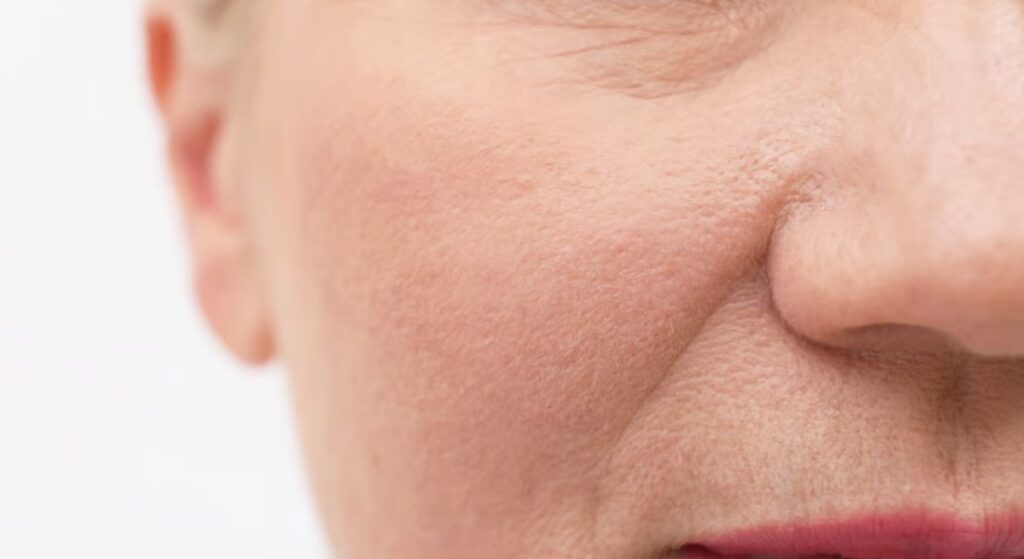
By the second week after Fraxel treatment, the initial healing of your skin is largely complete. Redness has usually faded to a soft pink, and most of the visible peeling or flaking is finished. At this stage, you may begin to notice subtle improvements in texture, with skin feeling smoother and rough patches appearing less pronounced.
Collagen production is now well underway beneath the surface, gradually strengthening the skin and improving elasticity over the coming months. These internal changes support longer-term results that continue to develop even after the skin looks healed.
Some patients may consider introducing gentle exfoliants, serums, or moisturisers at this stage, but only if approved by their dermatologist. Careful product selection helps protect the new skin and supports ongoing improvements safely.
Weeks 3–4: Collagen Remodeling Begins
Fraxel stimulates collagen production gradually, and by weeks three to four, you may start to notice early signs of this process. Your skin may feel firmer, slightly more lifted, and appear subtly more youthful. Pigment irregularities, such as sun spots or uneven tone, may also begin to lighten during this period.
This is the phase where the deeper benefits of Fraxel are developing beneath the surface. While visible changes may be modest, the structural improvements in collagen and elastin are laying the foundation for longer-term results.
Patience is key at this stage, as the most significant improvements will continue to emerge over the next several months. Continued sun protection is essential to shield the regenerating skin and ensure optimal outcomes.
Month 2–3: Noticeable Results Emerge
By the second to third month after Fraxel treatment, most patients start to see visible improvements in their skin. Fine lines may appear softer, pores can look smaller, and acne scars begin to show noticeable improvement. Pigmentation becomes more even, although stubborn sun spots or deeper scars may still need additional sessions for further correction.
This is typically the stage when dermatologists assess your progress and determine whether more treatments are necessary to achieve optimal results. Each session builds on the last, so improvements continue gradually.
It’s important to remember that results are progressive rather than instantaneous. Patience during this period ensures you fully appreciate the cumulative benefits of Fraxel as collagen remodelling continues beneath the surface.
Month 4–6: Maximum Effect
Fraxel’s full effects often become most apparent around four to six months after treatment. During this period, collagen continues to remodel and strengthen the skin, enhancing firmness, elasticity, and overall structure. Texture and tone improvements are generally at their peak, with smoother, more even skin becoming noticeable.
If multiple sessions were planned, dermatologists may schedule touch-ups or additional treatments around this time to optimise results. Each session builds on the previous ones, helping to maximise cumulative benefits.
Long-term results depend on factors such as your skin type, lifestyle choices, and consistent adherence to sun protection and skincare guidance. Maintaining healthy habits ensures that the improvements achieved with Fraxel last as long as possible.
Factors That Influence Recovery Time
Recovery from laser treatments can vary widely between individuals, and several factors determine how quickly your skin heals. Understanding these influences helps set realistic expectations and ensures you plan your downtime appropriately. By tailoring the treatment and post-care routine to your unique skin, you can support faster healing and better overall outcomes.
1. Treatment Depth and Energy Settings: More intensive treatments with higher energy levels or deeper penetration can prolong redness, swelling, and peeling. Gentle settings may reduce downtime but offer more gradual results.
2. Skin Type: Lighter skin generally recovers faster, while darker skin types require careful adjustment of laser parameters to minimise the risk of pigment changes. Customisation ensures both safety and effective results.
3. Age and Skin Health: Younger, healthier skin tends to heal more quickly than mature, sun-damaged, or compromised skin. Pre-existing conditions or poor skin resilience can extend the recovery period.
4. Post-Care Adherence: Following your dermatologist’s instructions closely such as using prescribed moisturisers, avoiding sun exposure, and keeping the skin clean can accelerate healing and optimise results. Neglecting post-care may slow recovery or affect final outcomes.
Being aware of these factors allows you to approach treatment with realistic expectations. Recovery timelines are individual, but careful planning, personalised settings, and diligent care can significantly improve both comfort and results.
How Dermatologists Tailor Advice
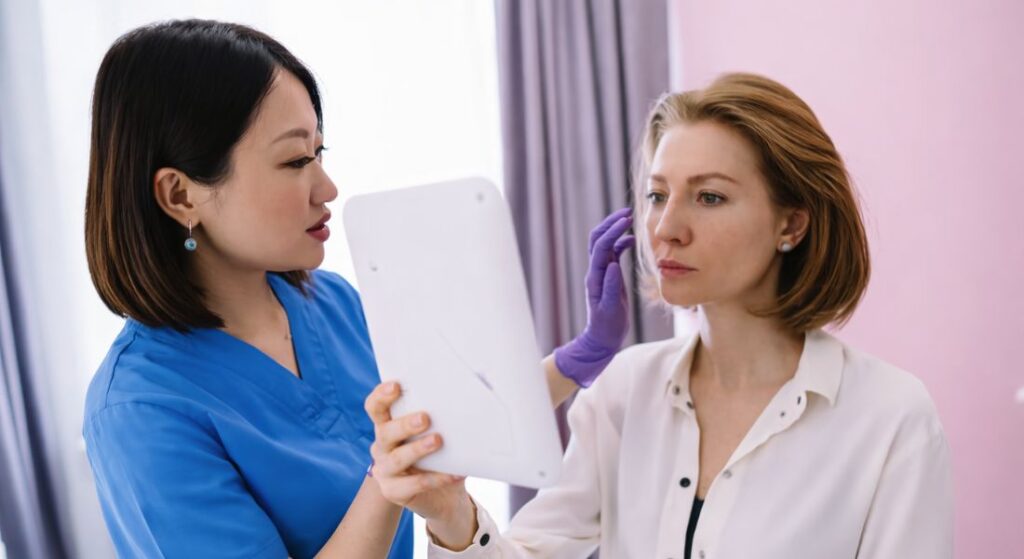
Dermatologists personalise recovery advice to suit each patient’s individual needs. They take into account the intensity of the treatment, your skin type, and your personal medical history to ensure safe and effective healing.
Some patients may be recommended specific moisturisers, serums, or even mild topical steroids for sensitive areas to support recovery. Sun protection strategies are emphasised, particularly for lighter energy treatments where pigmentation changes could occur.
Follow-up appointments allow your dermatologist to monitor healing, adjust care instructions if needed, and provide reassurance throughout the recovery process. This tailored approach helps maximise results while minimising risks and complications.
Common Questions About Recovery
1. Can I wear makeup after Fraxel?
Makeup can usually be reintroduced lightly once peeling has subsided, typically around day 5–7, but only if your dermatologist approves. Gentle application is important to avoid irritation while your skin is still healing.
2. When can I return to work or social activities?
Many patients feel comfortable resuming normal activities within a week, depending on visible redness and personal comfort levels. Recovery is gradual, so it’s normal to take it easy in the first few days.
3. Will my skin feel normal immediately?
Some tightness, mild sensitivity, or dryness is common for several weeks as the skin continues to heal. This is a normal part of the recovery process and gradually improves over time.
4. Are there long-term side effects?
When Fraxel is performed by a qualified dermatologist, long-term side effects are rare. Temporary pigment changes, prolonged redness, or mild irritation can occur but usually resolve fully with proper care.
Tips to Support Recovery
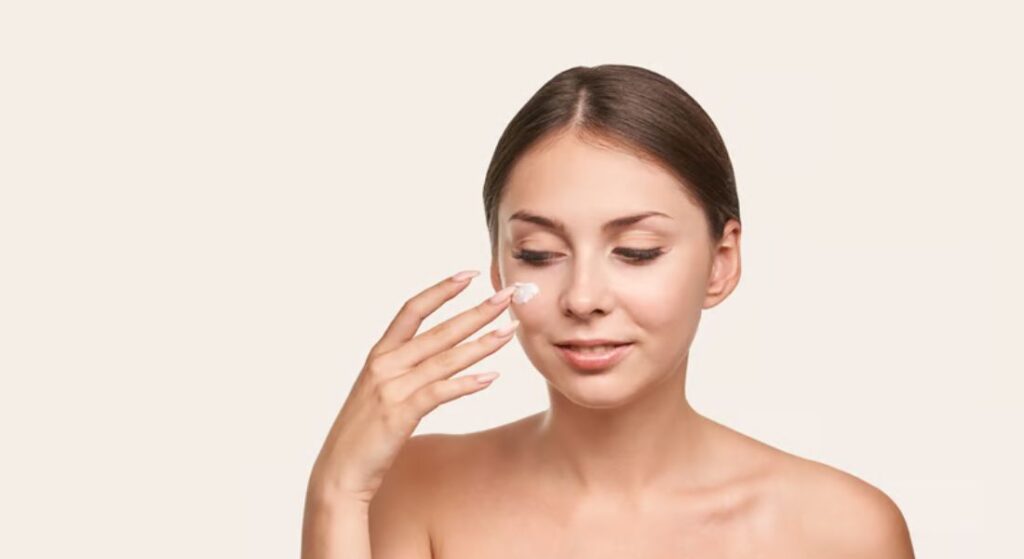
To support your Fraxel recovery, it’s important to keep your skin well moisturised using creams approved by your dermatologist. Avoid picking, scratching, or scrubbing treated areas, as this can cause irritation or pigment changes.
Daily use of broad-spectrum sunscreen is essential, and direct sun exposure should be avoided for several weeks to protect the newly treated skin. Follow all instructions regarding cleansers, serums, and other topical products to ensure gentle care.
These steps help reduce the risk of complications and support optimal results. Consistent care during the recovery period allows your skin to heal properly and maximises the benefits of your Fraxel treatment.
When to Contact Your Dermatologist
It’s important to keep a close eye on your skin as it heals after Fraxel treatment. You should contact your dermatologist if you notice excessive or worsening redness or swelling that doesn’t improve with standard care.
Other warning signs include signs of infection, such as pus, increasing pain, or fever, as well as persistent pigmentation changes that last longer than expected. Unusual discomfort that isn’t relieved by recommended aftercare should also prompt a call to your dermatologist.
Reaching out early can prevent complications and help ensure the best possible outcome. Prompt guidance from your dermatologist keeps your recovery on track and supports safe, effective results.
FAQs
1. What should I expect immediately after Fraxel treatment (Day 0–1)?
Your skin may feel warm, tight, and slightly sensitive, with redness similar to a mild sunburn. Mild swelling can occur, and tiny pinpoint “dots” from the laser may be visible. Apply soothing creams, avoid makeup and sun exposure, and follow your dermatologist’s instructions.
2. What happens during days 2–3 after treatment?
Redness and mild swelling typically peak. You may feel tightness or slight stinging. Tiny crusts or flaking can appear as your skin begins to shed damaged tissue. Gentle cleansing and moisturising are essential, and harsh products should be avoided.
3. When does flaking and peeling start?
Flaking generally begins around days 4–5. Redness gradually fades, but residual pinkness may remain. Avoid picking at peeling skin, and continue using gentle moisturisers. Makeup can sometimes be lightly applied if approved by your dermatologist.
4. How does my skin feel after one week (Day 6–7)?
Redness usually improves significantly, though the skin may still feel tender or tight. Flaking continues but is less noticeable. Most patients can return to normal daily activities, but gentle care and sun protection remain essential.
5. When does skin texture start to improve?
By the second week, most visible peeling is complete. Skin feels smoother, and rough patches are reduced. Collagen production is active beneath the surface, supporting longer-term improvements in firmness and elasticity.
6. When does collagen remodelling begin?
Weeks 3–4 mark the start of noticeable collagen remodelling. Skin may feel firmer, slightly lifted, and more youthful. Pigment irregularities, like sun spots, may start to lighten during this phase.
7. When will I see noticeable results?
Visible improvements often appear between months 2–3. Fine lines soften, pores appear smaller, acne scars improve, and pigmentation evens out. Stubborn spots or deeper scars may require additional sessions.
8. When does Fraxel reach its maximum effect?
Full effects typically develop around months 4–6. Collagen remodelling strengthens the skin, improving texture, tone, and firmness. Dermatologists may schedule touch-ups during this period to maximise cumulative benefits.
9. When can I return to work or social activities?
Many patients feel comfortable resuming normal activities within a week, depending on redness and personal comfort. Recovery is gradual, so it’s normal to take it easy in the first few days.
10. Can I wear makeup after Fraxel?
Makeup may be reintroduced lightly once peeling subsides, usually around days 5–7, but only with your dermatologist’s approval. Gentle application is key to avoid irritation.
Final Thoughts: Navigating Fraxel Laser Recovery
Understanding the Fraxel laser recovery timeline is essential for achieving the best results from your treatment. Healing occurs gradually, with redness, flaking, and collagen remodelling developing over weeks to months. By following dermatologist-recommended aftercare, protecting your skin from the sun, and being patient, you can maximise the benefits and enjoy smoother, more even, and refreshed skin.
If you’re looking for fraxel laser treatment in London, you can reach out to us at the London Dermatology Centre to book a consultation with one of our specialists. Planning your sessions and understanding what to expect at each stage ensures a safe, effective, and satisfying recovery journey.
References
- Jih, M.H. and Kimyai‑Asadi, A., 2008. Fractional photothermolysis: a review and update. Seminars in Cutaneous Medicine and Surgery, https://pubmed.ncbi.nlm.nih.gov/18486026/
- Tsai, M.T., et al., 2013. Monitoring of wound healing process of human skin after fractional laser treatments. PLoS ONE, https://pmc.ncbi.nlm.nih.gov/articles/PMC3829533/
- Guo, H., Zhang, X., Li, H. and Fu, C., 2023. Dynamic panoramic presentation of skin function after fractional CO₂ laser treatment. iScience, https://www.sciencedirect.com/science/article/pii/S258900422301636X
- Gold, M.H., 2009. Update on Fractional Laser Technology. Journal of Drugs in Dermatology, https://pmc.ncbi.nlm.nih.gov/articles/PMC2921736/
- Tierney, E.P., et al., 2009. Review of fractional photothermolysis: treatment indications and efficacy. Journal of Cosmetic and Laser Therapy, https://pubmed.ncbi.nlm.nih.gov/19686366/