


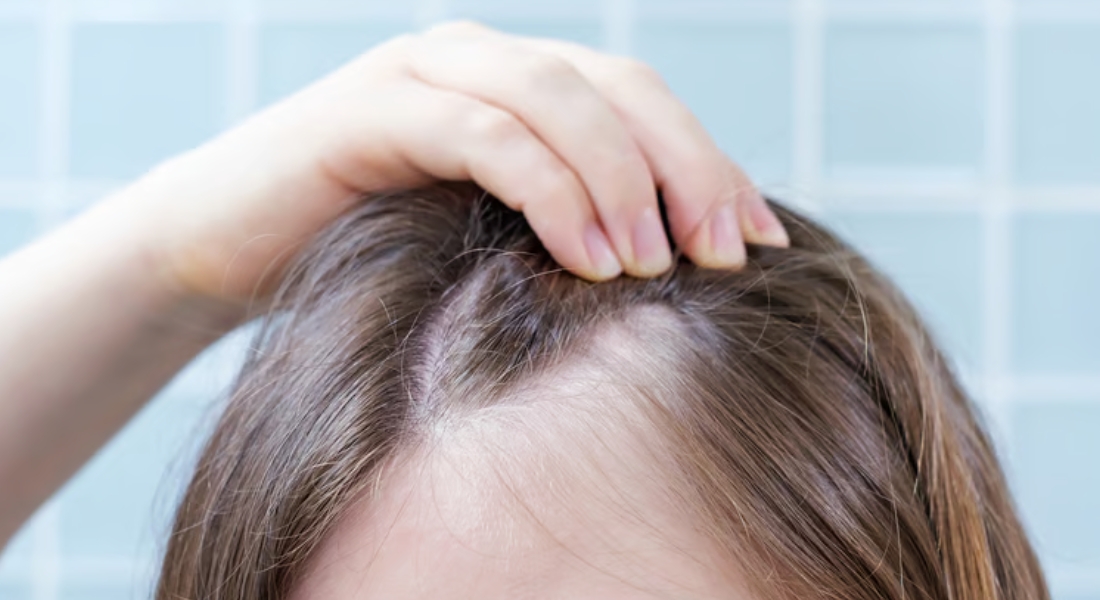
Hair is more than just a cosmetic feature it is deeply connected to self-image, confidence, and how we present ourselves to the world. For many women, noticing gradual thinning along the parting, reduced volume, or increased shedding can feel distressing and emotionally challenging. It’s normal to feel concerned, but understanding what’s happening is the first step to taking control.
Female pattern hair loss is primarily driven by genetics and hormonal influences, particularly sensitivity to androgens (male hormones present in women). This sensitivity can gradually shrink hair follicles, leading to shorter, finer hairs and a reduction in overall density. Other contributing factors can include stress, iron or vitamin deficiencies, thyroid issues, and certain medications, making the picture unique to each individual.
Diagnosis is typically clinical but may be supported by tools such as trichoscopy, blood tests, or scalp biopsy in uncertain cases. A dermatologist evaluates the pattern, severity, and potential underlying causes to create a tailored plan. Early diagnosis is crucial because interventions are most effective before extensive hair loss occurs.
Modern treatments for FPHL aim to stabilise shedding, promote hair growth, and improve density. Options include topical therapies, oral medications, low-level laser therapy, and, in some cases, platelet-rich plasma injections or hair transplantation. Combining medical management with lifestyle optimization such as stress reduction, balanced nutrition, and gentle hair care enhances results and supports long-term hair health.
What Is Female Pattern Hair Loss?
Female pattern hair loss (FPHL) is the most common cause of hair thinning in women. Unlike male pattern baldness, which often presents as a receding hairline or distinct bald spots, FPHL typically shows as diffuse thinning over the crown while the frontal hairline remains largely intact.
The hair shedding is usually gradual, often starting in your twenties or thirties, and may become more noticeable with age. Many women first notice widening of the central parting or reduced hair volume rather than complete bald patches.
FPHL is not a result of poor hair care or hygiene. It is primarily driven by genetics, hormonal influences particularly sensitivity to androgens and occasionally by underlying medical conditions such as thyroid disorders, iron deficiency, or polycystic ovary syndrome (PCOS). Recognising that this is a medical condition rather than a cosmetic issue is important for effective management.
How Female Pattern Hair Loss Differs From Male Hair Loss
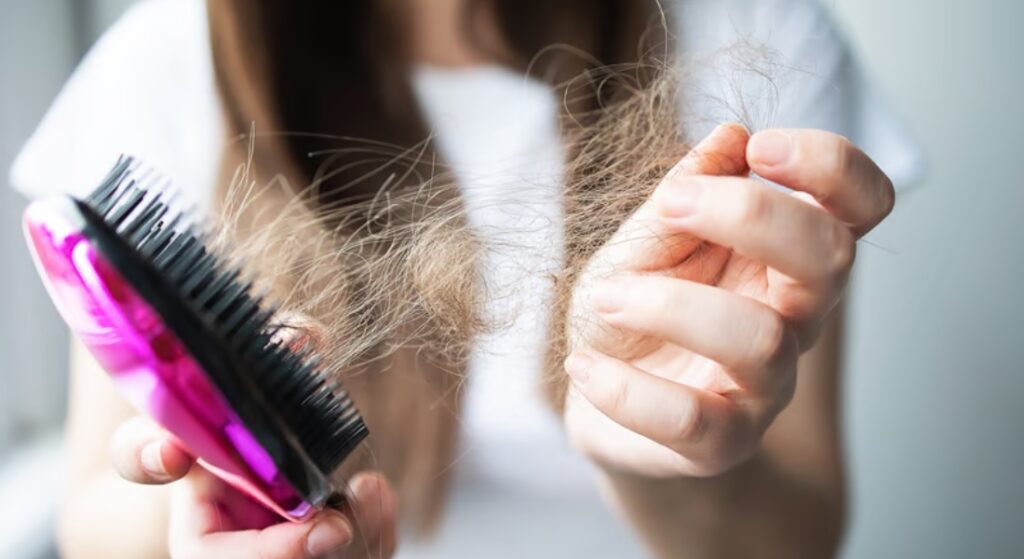
Male and female hair loss follow distinct patterns due to differences in hormonal influences and follicle sensitivity. In men, hair loss is strongly linked to dihydrotestosterone (DHT) and often results in a receding hairline or clearly defined bald patches.
In contrast, female pattern hair loss usually presents as diffuse thinning over the crown, with the frontal hairline largely preserved. Women often notice a gradual widening of the central parting or reduced overall density rather than complete bald spots.
Recognising these differences is crucial for accurate diagnosis and effective treatment. Early detection of FPHL such as noticing subtle thinning along the parting allows for timely intervention and better outcomes.
Understanding the Causes
Female pattern hair loss (FPHL) is a multifactorial condition influenced by genetics, hormones, age, and lifestyle. Recognising the underlying causes is essential for selecting effective treatments and setting realistic expectations. While some factors are unavoidable, addressing modifiable contributors can slow progression and improve hair density. Early awareness allows for proactive intervention rather than reactive management.
1. Genetics: Family history is a strong predictor of FPHL. If your mother, grandmother, or sisters experienced thinning, your risk is higher. Genetic predisposition influences how susceptible your follicles are to hormonal changes over time.
2. Hormonal Influence: Androgens, the male hormones present in all women, can affect hair follicles. In sensitive individuals, normal androgen levels may trigger follicular miniaturisation, leading to finer, shorter hairs. Conditions like PCOS can elevate androgen levels and accelerate hair thinning.
3. Age and Menopause: Hair naturally thins with age, particularly around menopause when oestrogen levels drop. Oestrogen supports hair growth, so declining levels can contribute to visible thinning and reduced density.
4. Nutritional and Lifestyle Factors: Deficiencies in iron, vitamin D, or thyroid imbalances, along with stress, can worsen shedding. Correcting these factors supports overall hair health and enhances the effects of targeted treatments.
Understanding these causes allows for a personalised approach to hair loss management. By addressing both genetic and modifiable factors, patients can preserve existing hair and improve the appearance of thinning over time.
Early Warning Signs to Look Out For
Early recognition of female pattern hair loss is crucial for effective management. Subtle changes often appear before significant thinning becomes obvious, and noticing them early can help you take proactive steps to protect your hair.
Key signs to watch for include widening of the central parting, reduced hair volume on the crown, increased shedding especially visible on your pillow, in the shower, or on your hairbrush and the appearance of miniaturised, finer hairs in areas that were previously thick. You may also notice that ponytails or braids feel thinner or that your scalp is more visible under certain lighting.
Paying attention to these early indicators and seeking timely advice from a dermatologist allows for tailored treatment plans. Early intervention not only helps stabilise shedding and promote regrowth but also maximises the chance of maintaining healthy hair density over the long term.
How Dermatologists Diagnose FPHL
Diagnosing FPHL involves more than just observing thinning hair. A thorough assessment combines medical history, clinical examination, and sometimes laboratory tests to determine the underlying causes and guide treatment.
Key components include reviewing your medical history such as menstrual cycles, family history of hair loss, medications, and previous episodes of shedding. A detailed scalp examination using dermoscopy allows the dermatologist to identify miniaturised hairs, follicular changes, and patterns of thinning. Blood tests may be recommended to assess thyroid function, iron and vitamin D levels, and androgen status if hormonal imbalance is suspected. A gentle hair pull test can also help evaluate the severity of shedding.
For sensitive discussions about hair and scalp health, consulting a female dermatologist in London experienced in hair disorders can provide a comfortable and comprehensive evaluation. Their expertise ensures accurate diagnosis, personalised treatment planning, and reassurance throughout the process.
Treatment Goals
The main objectives in managing FPHL focus on both the physical and psychological aspects of hair loss. The goals include stabilising ongoing hair shedding, increasing hair density, improving hair thickness and overall quality, and supporting patient confidence and well-being.
Treatment plans are highly individualised. Dermatologists consider the severity and pattern of thinning, underlying hormonal or medical factors, and lifestyle influences when designing a strategy.
By addressing both the root causes and visible signs of hair loss, these personalised plans aim to achieve sustainable results, helping women maintain healthy, fuller-looking hair while improving their self-esteem and quality of life.
Medical Treatments for Female Pattern Hair Loss
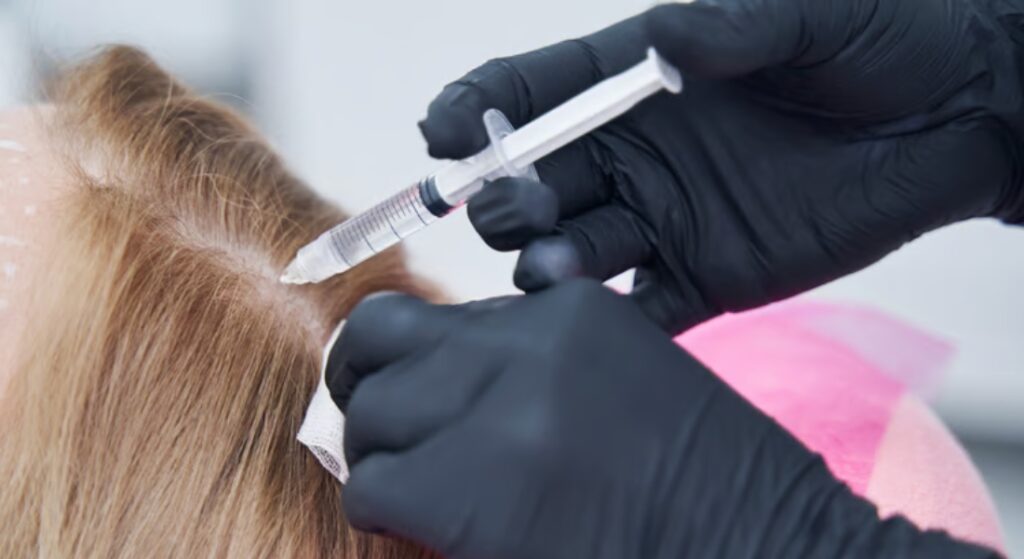
Female pattern hair loss (FPHL) can be managed effectively with a combination of medical, lifestyle, and supportive interventions. The choice of treatment depends on severity, underlying causes, and patient goals. Early and consistent intervention offers the best chance of stabilising hair loss, improving density, and enhancing overall hair quality.
1. Topical Minoxidil: Minoxidil is the only FDA-approved topical therapy for FPHL. It works by prolonging the anagen (growth) phase of hair follicles and increasing follicular size. Application is usually once or twice daily, with results typically visible after 4–6 months. Continuous use is essential to maintain benefits.
2. Oral Anti-Androgens: For women with evidence of androgen excess or insufficient response to topical therapy, medications such as spironolactone can be prescribed. These drugs block androgen effects on follicles, reducing miniaturisation and sometimes stimulating regrowth. Regular monitoring of blood pressure and electrolytes is necessary during treatment.
3. Low-Level Laser Therapy (LLLT): Laser devices, including combs or caps, stimulate follicle activity and may improve density in some women. While individual results vary, combining LLLT with medical treatments can enhance overall outcomes.
4. Nutritional Support: Addressing deficiencies in iron, vitamin D, biotin, and protein supports follicular health. Lifestyle measures, including stress management, balanced diet, and adequate sleep, complement medical therapy and improve results.
5. Hair Transplant Surgery: For women with stable, advanced FPHL, surgical restoration may be an option. This is typically considered only after medical therapy has stabilised hair loss. A specialist dermatologist can determine candidacy and recommend appropriate timing.
A comprehensive, personalised approach combining medical therapy, supportive care, and lifestyle optimisation offers the best chance of slowing hair loss, improving hair quality, and restoring confidence in affected women.
Realistic Expectations
Setting achievable goals is essential when managing female pattern hair loss. Hair density improvements typically take six to twelve months, and results vary depending on the chosen therapies and individual response.
Topical minoxidil often produces moderate regrowth, while oral anti-androgen medications can help slow ongoing shedding, though regrowth may be variable. Combining treatments such as topical therapy with oral medications or supportive hair care usually yields the best outcomes.
Patience and adherence are critical. Rapid reversal is rare, but gradual, consistent improvement can significantly enhance hair appearance, overall volume, and patient confidence, making the long-term commitment worthwhile.
Psychological Impact of Hair Loss
Hair loss can have a profound effect on self-esteem, mental health, and social confidence. Even subtle thinning may cause anxiety, frustration, or embarrassment, affecting how you present yourself in everyday situations.
Many women find themselves avoiding certain hairstyles, photographs, or social interactions because they feel self-conscious about thinning hair. This emotional burden is real and deserves attention alongside physical treatment.
Acknowledging the psychological impact is essential. Support from healthcare providers, counselling, or peer groups can provide reassurance, coping strategies, and a sense of community, helping you manage both the emotional and physical aspects of hair loss effectively.
Why Early Intervention Matters
Addressing female pattern hair loss early can significantly improve outcomes. Early treatment preserves existing hair and prevents further miniaturisation, which can become permanent if left untreated.
Prompt intervention also allows dermatologists to identify and manage underlying contributors, such as hormonal imbalances, nutritional deficiencies, or thyroid issues, alongside topical or oral therapies to stabilise shedding more effectively.
Delaying care may limit the effectiveness of both medical and procedural treatments. Recognising subtle signs like widening of the parting or increased shedding and seeking evaluation early maximises options, supports long-term scalp health, and helps maintain confidence.
Monitoring and Follow-Up
Once treatment for female pattern hair loss begins, regular follow-up is essential to ensure the best possible outcomes. These appointments allow your dermatologist to track progress, adjust medications or topical therapies, and identify any new or underlying factors such as hormonal changes, nutritional deficiencies, or stress that may impact hair health.
Consistent monitoring also helps maintain motivation and adherence to the treatment plan, which is crucial since visible improvements often take several months to appear. During follow-ups, your dermatologist can review scalp condition, assess hair density, and recommend supportive measures like supplements, lifestyle adjustments, or procedural treatments if necessary.
Choosing a dermatology clinic that offers long-term care ensures your hair health is continuously supported. Ongoing professional oversight maximises treatment effectiveness, allows early intervention for flare-ups, and provides reassurance throughout your hair restoration journey, helping you maintain both physical results and confidence over time.
Combining Dermatological Expertise With Personal Care
Managing female pattern hair loss is most effective when professional care is combined with consistent personal hair care. Dermatologists provide medical treatments to stabilise shedding and promote regrowth, but daily habits also play a crucial role in supporting these results.
Gentle hair care practices such as limiting heat styling, avoiding harsh chemical treatments, reducing friction from tight hairstyles, and using mild, nourishing products can help protect fragile hair and prevent further damage.
A dermatologist can offer personalised guidance on integrating these routines with clinical therapies, ensuring that your hair care habits complement medical treatment. This combined approach maximises outcomes, maintains hair health, and supports long-term confidence.
When to Consult a Specialist
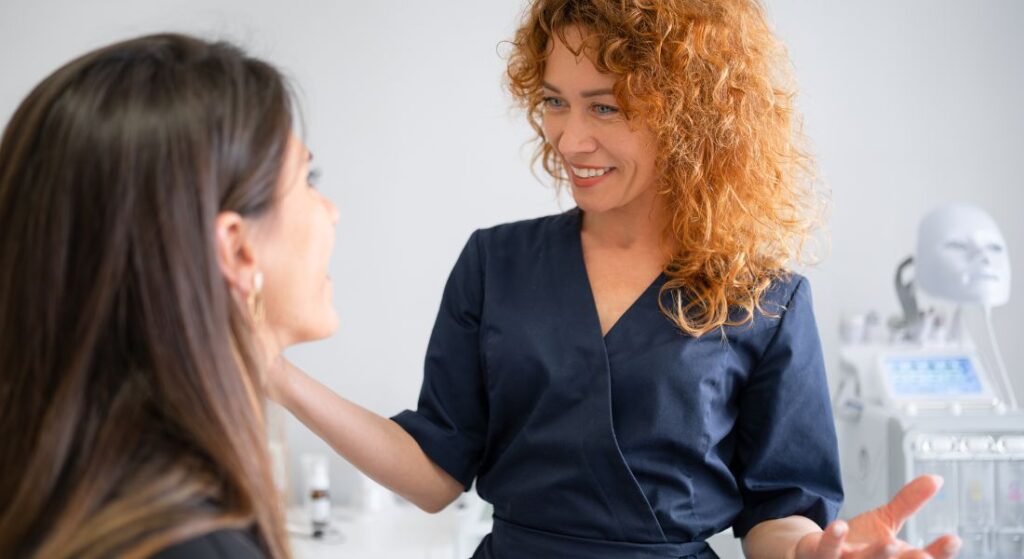
You should consult a dermatologist if you notice persistent or progressive hair thinning, particularly over the crown or central parting, or if shedding seems noticeably increased. A family history of hair loss, scalp discomfort, or sudden changes in hair texture are also important signs that warrant professional evaluation.
Early assessment allows for accurate diagnosis and timely intervention, which can stabilise shedding, promote regrowth, and prevent further miniaturisation of hair follicles. It also helps identify underlying factors such as hormonal imbalances, nutritional deficiencies, or thyroid issues that may contribute to hair loss.
Booking with a female dermatologist in London experienced in hair disorders ensures a supportive and sensitive environment. You will receive a comprehensive evaluation, personalised treatment plan, and ongoing follow-up, giving you the best chance to maintain healthy hair, confidence, and long-term scalp health.
Understanding the Hair Growth Cycle
To understand why female pattern hair loss (FPHL) occurs, it helps to know how the hair growth cycle works. Hair follicles follow a natural rhythm of growth, transition, and rest. Disruption to this cycle, along with follicular miniaturisation, is central to the thinning seen in FPHL. By recognising these phases, we can better appreciate how treatments aim to prolong growth and strengthen hair.
1. Anagen (Growth Phase): This is the active growth stage, lasting two to six years. During anagen, hair elongates and thickens. In FPHL, the duration of anagen gradually shortens, producing finer, shorter hairs over time.
2. Catagen (Transitional Phase): Lasting around two to three weeks, catagen is when the follicle shrinks and growth slows. This phase is brief but important in preparing the follicle for the resting phase.
3. Telogen (Resting Phase): Telogen lasts about two to three months, after which the hair naturally sheds. In FPHL, a higher proportion of follicles enter telogen prematurely, contributing to visible thinning.
4. Miniaturisation in FPHL: Hair follicles gradually shrink and produce thinner, shorter hairs. Over time, the number of actively growing anagen hairs decreases, leading to overall reduction in density and scalp coverage.
Understanding these phases clarifies why treatments like minoxidil, anti-androgens, and low-level laser therapy focus on prolonging anagen and improving follicle health. Targeting the growth cycle is key to stabilising hair loss and enhancing hair density.
Hormonal Influences on Hair Loss
Hormones play a central role in regulating hair health, and imbalances can significantly contribute to female pattern hair loss. Androgens, including testosterone and dihydrotestosterone (DHT), can shrink susceptible hair follicles in women, even when hormone levels are within the normal range.
Certain conditions, such as polycystic ovary syndrome (PCOS), can exacerbate thinning because androgen levels may be elevated. Similarly, menopause brings a decline in oestrogen and progesterone hormones that normally support hair growth. Reduced oestrogen amplifies the effects of androgens, accelerating follicle miniaturisation and hair thinning.
Other hormonal disruptions, including postpartum changes or thyroid disorders, can temporarily worsen shedding. Understanding your hormone profile is therefore essential, as it allows dermatologists to tailor treatments such as anti-androgen therapy, topical solutions, or supportive interventions specifically to your individual hormonal and hair loss pattern.
The Emotional Impact of Hair Loss
Hair loss can profoundly affect confidence, self-esteem, and social interactions. Many women feel anxious about styling their hair, avoid photographs, or become self-conscious in social settings, even when the thinning is subtle.
Acknowledging the emotional impact is important because it validates the psychological burden that often accompanies physical changes. Feeling frustrated, embarrassed, or anxious about hair appearance is completely normal and deserves attention alongside medical management.
Psychological support, peer groups, and open discussions with your dermatologist can make a meaningful difference. When patients feel heard and supported, they are more likely to adhere to treatment plans, maintain motivation, and experience greater overall satisfaction with both hair health and personal confidence.
FAQs:
1. What is female pattern hair loss (FPHL)?
Female pattern hair loss is a gradual, genetically and hormonally influenced thinning of hair, primarily affecting the crown and central parting. Unlike male hair loss, it rarely causes a receding hairline or complete bald patches.
2. What causes FPHL?
FPHL is primarily driven by genetic predisposition and sensitivity to androgens (male hormones present in women). Additional contributors can include hormonal changes (such as menopause or PCOS), thyroid issues, iron or vitamin deficiencies, stress, and certain medications.
3. What are the early signs of female pattern hair loss?
Early indicators include widening of the central parting, noticeable thinning on the crown, increased hair shedding (especially on pillows, in the shower, or on brushes), and the appearance of finer, miniaturised hairs. Early recognition is key for effective treatment.
4. How is FPHL diagnosed?
Diagnosis is typically clinical, with assessment of hair density, pattern, and scalp health. Dermatologists may use dermoscopy, blood tests for hormonal or nutritional issues, or a scalp biopsy in uncertain cases. A detailed medical and family history also informs diagnosis.
5. How can FPHL affect mental wellbeing?
Hair loss can impact self-esteem, confidence, and social interactions. Feelings of anxiety, frustration, or embarrassment are common. Emotional support through counselling, support groups, or open discussions with your dermatologist can improve coping and adherence to treatment.
6. Are these treatments effective?
Effectiveness varies per individual. Early intervention maximises results. Topical minoxidil can produce visible regrowth in several months, while anti-androgens help slow shedding and sometimes stimulate new growth. Combining therapies often yields the best outcomes.
7. Can hair loss be fully reversed?
FPHL is a chronic condition, so complete reversal is rare. However, consistent treatment can stabilise shedding, improve density, and enhance hair quality, allowing many women to regain a fuller appearance and confidence.
8. How do hormones affect female hair loss?
Androgens can shrink hair follicles, causing thinner, shorter hairs. Conditions like PCOS or menopause-related hormonal changes may accelerate thinning. Understanding hormone levels helps dermatologists personalise therapy, including anti-androgen treatments.
9. How important is early intervention?
Very important. Early recognition allows for stabilisation of hair loss, prevention of permanent miniaturisation, and more effective treatment outcomes. Delayed care limits options and can reduce the potential for regrowth.
10. What lifestyle or personal care measures help support hair health?
Gentle hair care avoiding harsh chemicals, reducing heat styling, and limiting friction from tight hairstyles supports medical treatments. Adequate nutrition, stress management, and consistent hair care routines enhance overall hair quality and density.
Final Thought: Female Pattern Hair Loss
Female pattern hair loss is common and often progressive, but it can be stabilised when identified early. Accurate diagnosis distinguishes it from temporary shedding disorders and ensures appropriate management. While complete reversal is unlikely, modern treatments can slow miniaturisation and improve visible density. Structured care provides realistic, measurable improvement over time.
The situation is addressed through personalised medical therapy, careful monitoring, and supportive counselling to manage expectations. If you are considering a female dermatologist in London, feel free to get in touch with us at London Dermatology Centre.
References:
- Ramos, P.M. and Miot, H.A. (2015) ‘Female pattern hair loss: a clinical and pathophysiological review’, Anais Brasileiros de Dermatologia, 90(4), pp. 529–543. Available at: https://pubmed.ncbi.nlm.nih.gov/26375223/
- Brough, K.R. (2017) Review: Hormonal therapy in female pattern hair loss, Journal of Dermatological Treatment. Available at: https://www.sciencedirect.com/science/article/pii/S2352647517300011
- Gupta, A.K., Economopoulos, V., Mann, A., Wang, T. and Mirmirani, P. (2025) Menopause and hair loss in women: Exploring the hormonal transition, Maturitas. Available at: https://www.sciencedirect.com/science/article/pii/S0378512225001860
Ho, C.-Y., Chen, J.Y.-F., Hsu, W.-L., Yu, S., Chen, W.-C., Chiu, S.-H., Yang, H.-R., - Lin, S.-Y. and Wu, C.-Y. (2023) Female Pattern Hair Loss: An Overview with Focus on the Genetics, Genes, 14(7), 1326. Available at: https://www.mdpi.com/2073-4425/14/7/1326
- Piccini, I., Sousa, M., Altendorf, S., Jimenez, F., Rossi, A., Funk, W., Bíró, T., Paus, R., Seibel, J. and Jakobs, M., et al. (2022) Intermediate Hair Follicles from Patients with Female Pattern Hair Loss Are Associated with Nutrient Insufficiency and a Quiescent Metabolic Phenotype, Nutrients, 14(16), 3357. Available at: https://www.mdpi.com/2072-6643/14/16/3357