


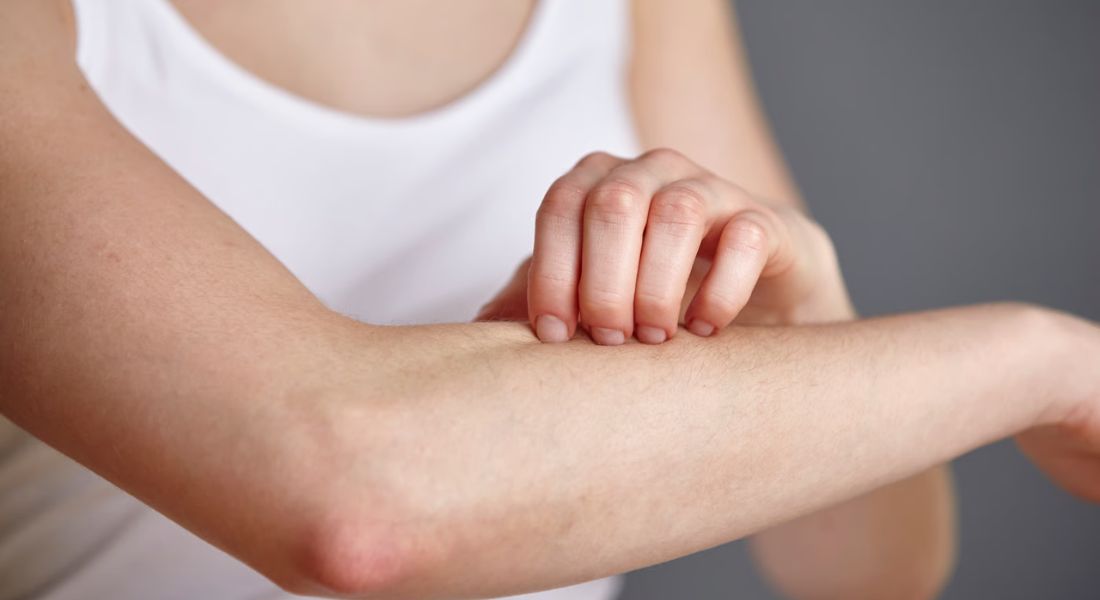
If you experience persistent itching without a visible rash, you are not imagining it and you are far from alone. Chronic itch without obvious skin changes is a common reason people seek medical advice, yet it is often misunderstood or overlooked. Many people struggle for months before discovering the underlying cause, which can be both physically frustrating and emotionally draining.
The causes of itch without a rash are varied. Dry skin (xerosis) is one of the most frequent culprits, particularly in colder months or with frequent handwashing. Allergic reactions or sensitivities to skincare products, detergents, or fabrics can also trigger itch even if no visible rash develops. Additionally, subtle skin conditions like eczema, lichen sclerosus, or fungal infections may sometimes present primarily with itching before noticeable changes appear.
Systemic causes should also be considered, especially if the itch is widespread or persistent. Hormonal imbalances, liver or kidney disease, thyroid disorders, iron deficiency, and certain medications can all manifest as pruritus without an obvious rash. Neurological conditions or nerve irritation may similarly result in chronic itch that seems disconnected from the skin’s surface.
Knowing when to seek help is critical. A dermatologist can perform a thorough evaluation, including a detailed medical history, physical examination, and targeted tests if needed. Early assessment not only helps identify the cause but also prevents complications, reduces discomfort, and allows for personalised treatment strategies that address both the physical and psychological burden of chronic itching.
Understanding Itch Without a Rash
Itch, or pruritus, is the sensation that triggers the urge to scratch. When no visible rash or skin changes are present, it is referred to as “primary” or “generalised” pruritus, which can make the cause harder to identify.
Even without a rash, causes range from simple dryness or irritation to more serious systemic issues like thyroid problems, liver or kidney disease, or nerve-related conditions. Recognising the type and pattern of itch is key to effective diagnosis and treatment.
Early evaluation by a dermatologist ensures the underlying cause is identified, appropriate investigations are done, and a personalised treatment plan can be implemented, reducing discomfort and preventing complications.
Common Causes of Itch Without a Rash

Itching without visible rash can be puzzling and uncomfortable. Many factors can trigger this sensation, ranging from simple dryness to underlying medical conditions. Understanding the most common causes helps identify effective strategies for relief and prevention.
1. Dry Skin (Xerosis): Dry skin is one of the most frequent reasons for unexplained itch. It often worsens in winter or in dry climates, and the skin may feel tight, rough, or flaky even if there is little to no redness. Regular use of hydrating creams, moisturisers, and avoiding hot showers can significantly improve symptoms. In older adults, natural oil loss makes the skin more prone to dryness, which alone can trigger intense itching.
2. Environmental Factors: Low humidity, central heating, or exposure to harsh soaps can further strip the skin of moisture, intensifying itch. Minimising these triggers supports barrier health.
3. Age-Related Changes: As skin ages, it produces less oil and retains less moisture. This natural decline increases susceptibility to xerosis and associated itching.
4. Simple Preventive Measures: Gentle cleansing, fragrance-free moisturisers, and consistent hydration often resolve mild itch. Addressing dryness early can prevent escalation and improve overall comfort.
Recognising dry skin as a primary culprit allows for targeted interventions. Simple lifestyle adjustments and barrier support often provide significant relief without the need for medication.
Allergic Reactions and Irritants
Itching can occur even without a visible rash when the skin is exposed to allergens or irritants. Common triggers include soaps, detergents, perfumes, and fabric softeners, while certain food sensitivities may also contribute to pruritus.
Identifying and avoiding these triggers is crucial for symptom relief. Simple changes, such as switching to fragrance-free products, using mild detergents, or eliminating certain foods, can significantly reduce itch and improve comfort.
When the source of irritation is unclear, patch testing by a dermatologist can help pinpoint specific allergens. This targeted approach allows for personalised management, ensuring that both immediate symptoms and future reactions are effectively minimised.
Systemic Conditions
Persistent itching without a visible rash can sometimes signal an underlying medical condition. Common systemic causes include liver disease, such as cholestasis or bile flow issues, kidney disease like uraemia, thyroid disorders, blood disorders including iron deficiency or polycythaemia vera, and poorly controlled diabetes.
These conditions can affect the skin indirectly, altering nerve sensitivity, circulation, or hydration, which can trigger widespread or persistent pruritus even when the skin appears normal.
If your itch is ongoing or unexplained, it’s important to consider systemic causes and seek evaluation from a healthcare professional. Early assessment allows for proper diagnosis and treatment, addressing both the underlying condition and the associated discomfort.
Medication Side Effects
Certain medications can cause persistent itching even in the absence of a visible rash. Common examples include opioids, some antibiotics, statins, and chemotherapy agents, all of which may trigger pruritus as a side effect. Sometimes, the itch may appear weeks or months after starting a medication, making it harder to identify the cause.
If the onset of itch coincides with a new prescription, it’s important to discuss this with your doctor. They can review your medications, assess potential contributors, adjust dosages, or suggest alternatives to reduce symptoms while maintaining treatment effectiveness.
Never stop taking prescribed medication on your own. Open communication with your healthcare professional ensures that any drug-related causes of itch are properly evaluated, managed safely, and addressed alongside other potential factors contributing to your discomfort.
Nerve-Related (Neuropathic) Itch
Itch can sometimes originate from the nerves rather than the skin, resulting in persistent sensations without any visible changes. Conditions such as diabetes, post-herpetic itch following shingles, or pinched spinal nerves can all trigger neuropathic pruritus.
This type of itch may feel different from typical skin irritation, often presenting as burning, tingling, or localized discomfort in specific areas. It can be chronic and particularly challenging to manage without targeted intervention.
Neuropathic itch often requires specialised assessment and treatment by a dermatologist or neurologist. Therapies may include topical agents, oral medications, or nerve-targeted treatments, all tailored to address the underlying nerve involvement and provide meaningful relief.
Psychological Factors
Stress, anxiety, and other mental health conditions can contribute to or worsen itching, even when the skin appears normal. This phenomenon, known as psychogenic pruritus, highlights the strong connection between the mind and physical sensations.
Itch caused or amplified by psychological factors often occurs alongside other triggers, creating a cycle where stress intensifies the itch, and scratching increases discomfort and frustration. Breaking this cycle is key to effective management.
Holistic approaches, including mindfulness, relaxation techniques, cognitive behavioural therapy, and professional mental health support, can help reduce symptoms. Recognising and addressing the mind–body connection ensures a comprehensive strategy for long-term relief.
When to See a Dermatologist

While mild or occasional itch can often be managed with home care, persistent or severe itching may signal an underlying issue that requires professional evaluation. Early assessment ensures timely diagnosis and prevents complications. A dermatologist can identify the root cause, rule out systemic conditions, and recommend effective treatments tailored to your skin and overall health.
1. Persistent Itch (Over Six Weeks): If itching continues for more than six weeks despite home care, it warrants medical assessment. Chronic itch may indicate underlying skin or systemic conditions that need attention.
2. Severe Interference with Daily Life: Itching that disrupts sleep, work, or daily activities can significantly affect quality of life. Prompt evaluation helps relieve discomfort and prevents secondary skin damage from scratching.
3. Systemic Symptoms: Associated signs like weight loss, jaundice, or fatigue may point to broader health issues. These red flags require a comprehensive medical review, including possible blood tests.
4. Changes in Skin Appearance: Alterations in texture, colour, or sensitivity alongside itching may indicate dermatological conditions needing specialised care. Early detection often improves outcomes.
5. Unexplained Itch: If no clear cause is identified after simple interventions like moisturisers and lifestyle adjustments, professional assessment is necessary. A dermatologist can provide targeted treatment and guidance.
Seeing a dermatologist ensures that persistent or unexplained itch is properly evaluated. Early intervention not only relieves discomfort but also protects your skin and overall health from potential complications.
Diagnosis: What to Expect
When you consult a dermatologist for persistent itch without a rash, the evaluation usually begins with a detailed medical history and thorough skin examination. This helps identify patterns, triggers, and any associated systemic symptoms.
Depending on your individual case, further investigations may be recommended. These can include blood tests to assess liver, kidney, thyroid, or hematological function; allergy testing to identify potential irritants; a skin biopsy in rare cases to rule out subtle inflammatory conditions; or a neurological evaluation if neuropathic itch is suspected.
Early and comprehensive assessment is crucial. Prompt diagnosis not only provides relief from discomfort but also prevents complications, ensures appropriate treatment, and addresses any underlying health conditions that may be contributing to the itch.
Treatment Strategies
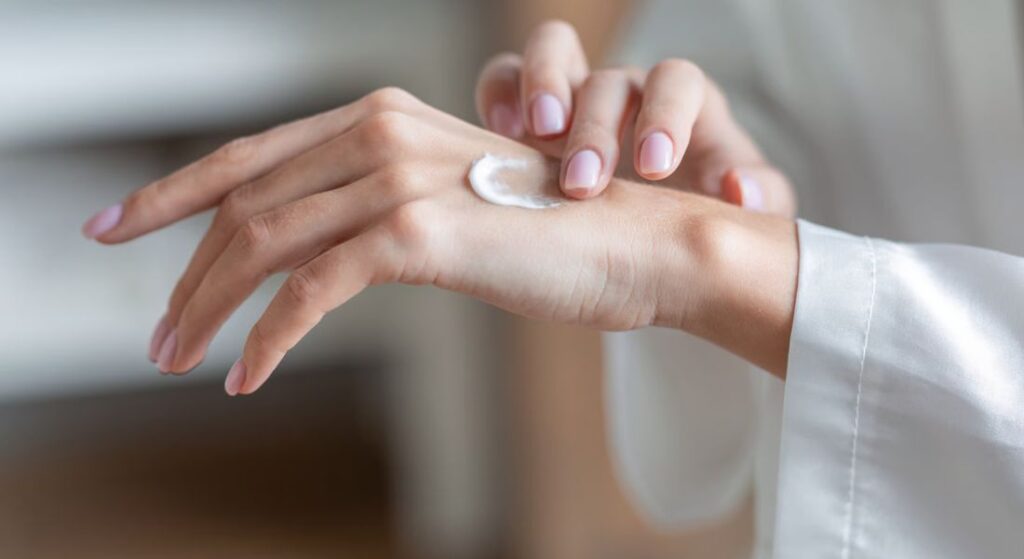
Effective management of itch without a visible rash depends on identifying and addressing the underlying cause. Treatment is often multi-faceted, combining skincare, medications, and lifestyle adjustments for the best results.
1. Moisturisation and Skincare: Regular use of emollients or ointments helps restore the skin barrier and reduce dryness-related itch. Avoiding harsh soaps, limiting long hot showers, and gently patting the skin dry rather than rubbing can further protect sensitive skin and minimise irritation.
2. Medications: Topical steroids may be prescribed for subtle inflammation that isn’t visibly apparent. Oral antihistamines can help reduce histamine-mediated itch, while neuropathic medications, such as gabapentin, may be used for nerve-related pruritus. Your dermatologist will tailor medication choices to your specific diagnosis and needs.
3. Lifestyle Adjustments: Simple lifestyle measures can significantly support treatment. Reducing exposure to known irritants or allergens, wearing loose breathable clothing, maintaining proper hydration and a balanced diet, and practising stress management techniques all help complement medical interventions and improve overall skin comfort.
Special Considerations
Certain groups require extra attention when managing itch without a visible rash. Elderly patients are more prone to dry skin and may also have underlying systemic conditions that contribute to persistent pruritus.
Pregnant women should always consult a specialist before starting any medications, as some treatments may not be safe during pregnancy. Professional guidance ensures both maternal and fetal safety while addressing symptoms effectively.
Persistent itch can sometimes signal an underlying internal disease. Early assessment by a dermatologist or relevant healthcare professional is essential to identify any serious causes, initiate appropriate treatment, and prevent complications.
Self-Care Tips
Even while waiting for a professional consultation, there are several practical steps you can take to manage discomfort and protect your skin. Applying fragrance-free moisturisers multiple times a day helps maintain hydration, reduces dryness-related itch, and supports the skin’s natural barrier function. Choosing ointments or thicker creams over lotions can provide longer-lasting relief, especially in colder months or in dry indoor environments.
Keeping your nails short is important to minimise damage from scratching. Even light scratching can break the skin, increase irritation, and create a cycle of itch and inflammation. Cool compresses or damp, soft cloths applied to itchy areas can provide immediate soothing relief, helping to calm the nerves and reduce the urge to scratch.
Other helpful strategies include wearing loose, breathable clothing made from natural fibres like cotton, avoiding harsh detergents or fragranced soaps, and limiting long, hot showers that strip the skin of natural oils. Mindful behaviour, such as gently patting the skin instead of rubbing, can prevent further irritation. Incorporating these habits into your daily routine not only eases symptoms but also prepares your skin to respond better to any medical treatment, creating a foundation for long-term relief and improved skin health.
Understanding Chronic Pruritus
Chronic itch, or pruritus lasting more than six weeks, can significantly affect your quality of life. Persistent itch can disrupt sleep, leading to fatigue, irritability, and difficulty concentrating during the day.
It can also impact mood and mental health, causing anxiety, frustration, or low self-esteem. Many people feel self-conscious in social settings or avoid activities where scratching might be noticeable, which can reduce social participation and enjoyment.
Recognising the emotional and physical burden of chronic itch validates your experience and highlights the importance of seeking professional help. Early evaluation and targeted management can not only relieve discomfort but also improve overall well-being and daily functioning.
Long-Term Management
Chronic itch often requires ongoing management, especially when underlying systemic or neurological causes are identified. It is rarely a one-time issue and benefits from a structured, long-term approach.
Regular follow-up with a dermatologist is essential to ensure that treatment remains effective, symptoms are monitored, and any progression or complications are addressed promptly. Adjustments to medications, skincare routines, or lifestyle interventions can be made based on your response and changing needs.
With the right strategy combining professional care, targeted treatments, and self-care chronic itch is manageable. Consistent monitoring and early intervention help maintain comfort, protect the skin, and improve overall quality of life.
When Itch May Indicate a Serious Condition
While most cases of itch without a rash are benign, certain warning signs require prompt evaluation. Persistent, unexplained itch in older adults, for example, can sometimes signal underlying systemic disease.
Other red flags include jaundice or yellowing of the eyes, unintended weight loss, night sweats, or fever. These symptoms may point to liver disease, blood disorders, or other serious medical conditions that need urgent attention.
If any of these signs occur alongside chronic itching, it is important to seek immediate medical evaluation. Early intervention ensures that potentially serious conditions are diagnosed and treated promptly, while also addressing the discomfort caused by the itch.
FAQs:
1. What does it mean if my skin itches but I have no visible rash?
Itch without a rash, also called primary or generalised pruritus, can stem from dry skin, mild irritation, allergies, nerve-related issues, hormonal imbalances, or systemic conditions such as liver, kidney, or thyroid disorders. The absence of visible changes can make it harder to identify the cause, so evaluation by a dermatologist is often necessary.
2. Can stress or anxiety really cause itching without a rash?
Yes. Psychogenic or stress-related pruritus is a recognised phenomenon. Stress, anxiety, or emotional strain can trigger or worsen itching even if the skin looks normal. It may create an itch–scratch cycle, where scratching worsens irritation and heightens stress. Techniques like mindfulness, relaxation exercises, cognitive behavioural therapy (CBT), and adequate sleep can reduce this type of itch.
3. How can I tell if my itch is caused by dryness or something more serious?
Dry skin usually feels tight, rough, or flaky and responds well to moisturisers and gentle skincare. If the itch persists despite hydration, is widespread, interferes with sleep, or is accompanied by systemic symptoms like fatigue, jaundice, or weight loss, it could indicate an underlying medical condition that requires evaluation.
4. Is itchy skin without a rash common in older adults?
Yes. As we age, the skin produces less natural oil, retains less moisture, and becomes thinner. This makes older adults more prone to xerosis, which is often a primary cause of chronic itch without visible skin changes. Additionally, age-related systemic conditions such as kidney, liver, or thyroid disease can contribute.
5. How does seasonal change affect itch without a rash?
Cold, dry winter air or heated indoor environments can strip moisture from the skin, leading to xerosis and pruritus. Summer heat and sun exposure can also irritate sensitive skin. Using humidifiers, gentle cleansers, and moisturisers can help manage seasonal itch.
6. Can pregnancy trigger itchy skin without a rash?
Yes. Hormonal changes in pregnancy can increase skin sensitivity. Some pregnant women experience generalised pruritus, particularly on the abdomen or limbs. Persistent itch should always be evaluated to rule out conditions like intrahepatic cholestasis of pregnancy, which can affect liver function and requires prompt treatment.
7. Can itch without a rash be long-term?
Yes, chronic pruritus can persist for months or years, especially if related to systemic or nerve-related causes. Long-term management often involves a combination of medical treatment, skincare routines, lifestyle modifications, and regular follow-up with a dermatologist.
8. Can lifestyle changes alone stop chronic itch without a rash?
Lifestyle adjustments like hydration, stress management, avoiding irritants, and gentle skincare can provide relief, especially for dryness or mild irritant-related itch. However, persistent or unexplained itch usually requires medical evaluation to address systemic or nerve-related causes. Lifestyle measures complement, but rarely replace, professional treatment.
9. Can liver disease cause itching without a rash?
Yes. Cholestatic liver conditions, such as primary biliary cholangitis or bile duct obstruction, can trigger systemic itch without visible skin changes. The itch is often worse at night and may involve palms and soles. Blood tests (liver function tests, bilirubin levels) and imaging help confirm diagnosis.
10. How important is long-term follow-up?
Regular follow-up ensures your dermatologist can monitor progress, adjust treatment, and detect any changes early. This approach helps maintain skin comfort, address flare-ups promptly, and safeguard overall health, especially if systemic causes are identified.
Final Thought: Itchy Skin with No Rash
Itchy skin without a visible rash can arise from a wide range of causes, from simple dryness to underlying systemic conditions. Because the skin may appear normal, the symptom can feel particularly confusing and concerning. Persistent or severe itching should not be ignored, especially if accompanied by other systemic signs. Careful evaluation helps distinguish harmless triggers from medical conditions requiring treatment.
The situation is addressed through structured assessment, targeted testing when needed, and personalised treatment based on the underlying cause. If you are looking for a qualified dermatologist, feel free to get in touch with us at London Dermatology Centre to book a consultation.
References:
- Paulo Ricardo Criado, Roberta Fachini Jardim Criado, Mayra Ianhez & Hélio Amante Miot (2025). Available at: https://www.sciencedirect.com/science/article/pii/S036505962500042X
- Robert, M. (2020) Chronic pruritus in the absence of skin disease. Dermatology Reports. Available at: https://www.ncbi.nlm.nih.gov/pmc/articles/PMC9234999/
- Ferreira, B.R. (2024) Psychodermatology of chronic pruritus. Clinical, Cosmetic and Investigational Dermatology. Available at: https://www.ncbi.nlm.nih.gov/pmc/articles/PMC11265050/
- Berger, T.G. (2013) Pruritus in the older patient: a clinical review. PubMed. Available at: https://pubmed.ncbi.nlm.nih.gov/24327039/
- Cevikbas, F. et al. (2020) Physiology and pathophysiology of itch (mechanisms). PubMed. Available at: https://pubmed.ncbi.nlm.nih.gov/31869278/