


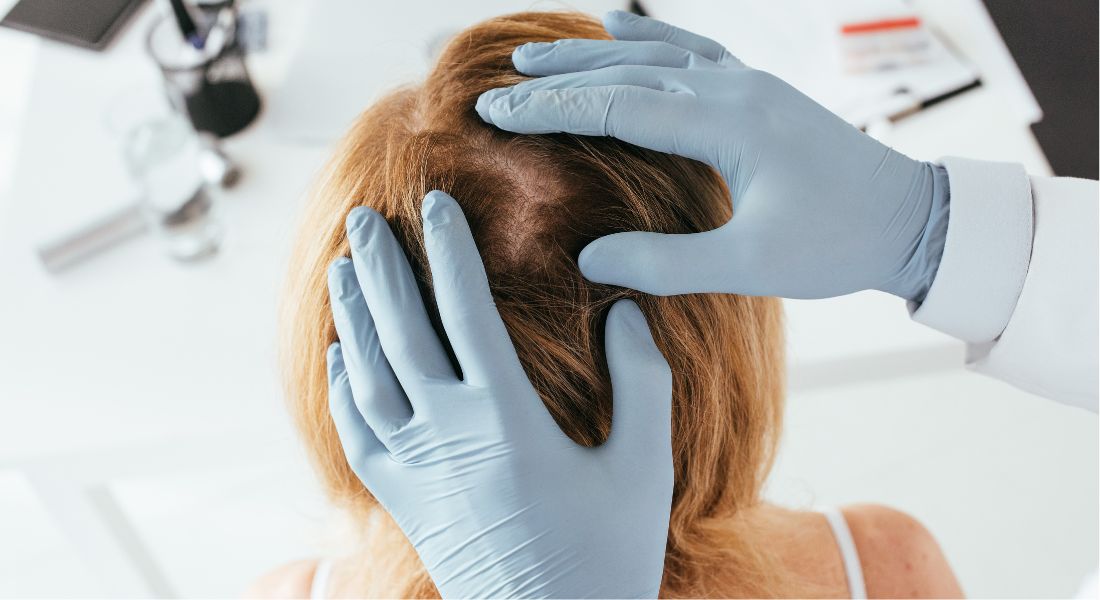
Alopecia areata can appear suddenly as small, round bald patches on your scalp. You might notice hair falling out in clumps or a thinning spot that looks different from the rest of your hair. Spotting it early helps treatments work more effectively.
While alopecia areata isn’t life-threatening, it can have a big impact on your confidence and emotional well-being. Feeling anxious, embarrassed, or shocked when you first notice hair loss is completely normal.
Understanding what triggers alopecia areata and how it develops can help you respond quickly. Being aware of the early signs gives you a head start in managing the condition.
This guide will walk you through the early warning signs, how it’s diagnosed, and the treatment options available. Recognising symptoms promptly can help protect your hair and reduce stress along the way.
What Causes Alopecia Areata?
Alopecia areata occurs when your immune system mistakenly attacks your hair follicles. This disrupts normal hair growth and can lead to sudden hair loss. Genetics also play a role, so it sometimes runs in families.
Stress, viral infections, and other environmental factors may trigger flare-ups. Researchers are still learning how these triggers interact with your genes, but immune-driven inflammation is central to the condition.
Knowing the cause helps explain why treatments focus on calming the immune response and supporting hair follicles. Targeted therapies aim to reduce inflammation and encourage regrowth.
Acting early is important. Prompt treatment can help stop hair loss before it spreads, giving you the best chance of maintaining your hair and confidence.
Recognising the First Signs
Supporting healthy hair habits can really help your regrowth journey. Eating a balanced diet rich in protein, iron, and essential vitamins provides your hair with the nutrients it needs to stay strong and healthy.
Gentle brushing and limiting heat styling reduce stress on your follicles, helping prevent further damage while hair grows back. Small daily habits can make a noticeable difference over time.
Supplements may be recommended if deficiencies are detected, but they are not a replacement for medical treatment. Consistent scalp care and healthy lifestyle choices work alongside dermatological therapies to enhance results.
By combining professional treatment with supportive care, you give your hair the best chance to thrive. Taking a holistic approach supports both regrowth outcomes and your confidence throughout the process.
How Dermatologists Confirm Diagnosis
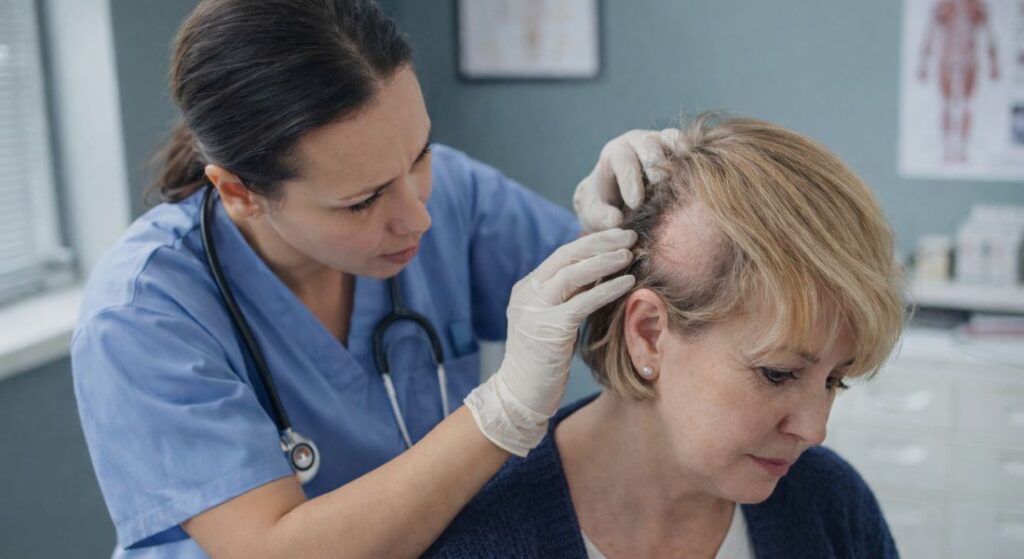
The first signs of alopecia areata often appear as small, round bald patches on your scalp. You might notice clumps of hair on your pillow, in the shower, or in your brush. Some people also feel a mild itch or tingling in the affected areas.
Other early clues can include patchy thinning rather than full bald spots, and changes in your nails, such as pitting or white marks. Being aware of these subtle signs helps you act quickly.
Seeing a dermatologist promptly is important because early evaluation can confirm the diagnosis and rule out other causes of hair loss. They may examine your scalp, review your medical history, and sometimes perform simple tests.
Starting treatment quickly improves your chances of hair regrowth and can prevent patches from spreading. Early intervention gives you a better chance of maintaining healthy hair and confidence.
The Importance of Early Treatment
Getting treatment early can stop your immune system from continuing to attack hair follicles. Acting promptly gives you a better chance of full hair regrowth and can prevent bald patches from spreading or lingering.
Early intervention may also reduce the risk of more extensive conditions, such as alopecia totalis or universalis, where the scalp or even the entire body loses hair. Addressing the issue quickly helps protect both your hair and your confidence.
If you notice hair loss, contacting a specialist straight away can make a significant difference in outcomes. Early assessment allows your dermatologist to recommend the most effective therapies for your situation.
Delaying treatment often reduces how well interventions work. By seeking help promptly, you maximise your chances of regrowth and take control over the condition before it progresses further.
Topical Corticosteroids and Their Role
Topical corticosteroids are a common and effective first-line treatment for managing small patches of hair loss. By targeting inflammation directly at the hair follicles, they help create an environment conducive to regrowth while minimizing systemic side effects.
- How They Work: Topical corticosteroids reduce inflammation around affected hair follicles, helping to reactivate dormant follicles and encourage new hair growth. They are applied directly to the patchy areas, usually once or twice daily, depending on your dermatologist’s instructions.
- Treatment Duration and Consistency: Results may take several weeks to become visible, and consistent application is essential for effectiveness. Dermatologists may adjust the strength, frequency, or duration based on how your scalp responds to treatment.
- Effectiveness and Limitations: These medications work best for limited alopecia areata and small patches of hair loss. They may be less effective for extensive or rapidly spreading hair loss, which may require additional therapies.
- Safety Considerations: When used as directed, side effects are usually mild, such as temporary redness or irritation. Following your dermatologist’s instructions carefully helps maximize benefits while minimizing risks.
In conclusion, topical corticosteroids are a valuable tool for targeted hair regrowth in small areas. Understanding how to use them correctly and consistently can significantly improve outcomes, especially when combined with other supportive treatments and lifestyle measures.
Intralesional Steroid Injections
For larger or stubborn patches, intralesional steroid injections may be recommended. These treatments deliver corticosteroids directly into bald areas, targeting inflammation more precisely than creams or topical solutions.
Injections are usually performed every few weeks in a clinic setting. Many people notice new hair growth within a few months, although temporary soreness or redness at the injection site is common.
This approach often produces faster regrowth than topical treatments alone, particularly in adults with small, defined patches. It’s a strong option when early creams haven’t been sufficient.
Working closely with your dermatologist ensures the injections are given safely and effectively. Combining this treatment with supportive hair care can maximise results and give you the best chance of recovery.
Topical Immunotherapy
Topical immunotherapy is a treatment often used for larger or persistent patches of alopecia areata. It works by applying specific chemicals to the scalp to stimulate an immune response that encourages hair regrowth.
Treatments are usually applied in a clinic or at home under guidance, and sessions are repeated regularly according to your dermatologist’s plan. Many people start noticing hair growth within a few months.
This method can be especially helpful when other topical treatments or steroid injections haven’t produced enough results. It’s designed to target stubborn areas and boost follicle activity.
Working closely with your dermatologist ensures the therapy is used safely and effectively. Combining it with good scalp care and supportive habits can maximise your chances of regrowth.
Oral Medications and Systemic Therapies

In severe cases, oral medications such as corticosteroids or immunosuppressants may be recommended. These treatments work on your immune system to prevent further attacks on hair follicles and are usually reserved for rapidly progressing or widespread alopecia.
Because these medications affect your whole body, close monitoring is essential. Your dermatologist will carefully adjust the dose and duration to balance effectiveness with safety, ensuring the best possible outcomes.
Systemic therapies can be life-changing for people with aggressive or extensive hair loss. They often help halt progression and give your hair the opportunity to regrow when other treatments haven’t been enough.
Early intervention is key. Starting these therapies promptly can prevent widespread hair loss, improve regrowth chances, and provide reassurance during what can be a stressful time.
Biologic Treatments and New Advances
Biologic treatments are a newer approach that target specific immune pathways involved in alopecia areata. These medications, usually given as injections, can control immune activity more precisely than traditional therapies.
Clinical trials have shown promising results for moderate to severe cases. Biologics may encourage hair regrowth even in patients who haven’t responded to other treatments, offering a more personalised approach to care.
Access to biologics is improving, but you’ll need a specialist assessment to determine if they are suitable for you. Early referral ensures you can benefit from these advanced therapies if appropriate.
Working closely with your dermatologist allows you to combine biologics with other supportive measures, such as scalp care and lifestyle strategies, to maximise hair regrowth and overall outcomes.
Managing Stress and Lifestyle Factors
Stress doesn’t cause alopecia areata, but it can make the condition worse. Using techniques such as mindfulness, exercise, or therapy can help you manage stress and support your treatment plan.
Eating a balanced diet rich in protein, vitamins, and minerals, along with getting enough sleep, helps your hair stay healthy. While these habits won’t cure alopecia, they can improve how your body responds to treatment.
Taking steps to manage stress gives you a greater sense of control and may reduce flare-ups. Simple lifestyle changes can make a noticeable difference over time.
Combining stress management and healthy habits with professional treatment supports both hair regrowth and overall well-being. A holistic approach helps you feel more confident during your recovery.
Monitoring Progress and Hair Regrowth
Tracking progress is an essential part of managing hair loss, ensuring that treatments are effective and adjusted as needed. Regular monitoring allows both patients and dermatologists to observe changes, celebrate small wins, and make timely interventions if new hair loss occurs.
- Regular Follow-Up Appointments: Consistent check-ins with your dermatologist help assess treatment response and overall scalp health. These visits allow adjustments to therapy if progress is slower than expected or if new patches develop.
- Tracking Hair Regrowth: Tools such as scalp mapping, photographs, or dermoscopy may be used to monitor changes over time. These visual records help both patient and doctor objectively evaluate regrowth and follicle health.
- Understanding Hair Regrowth Patterns: Hair often begins as fine, soft, and lightly pigmented strands before gradually thickening and darkening. Patience is essential, as noticeable improvements may take several weeks or months, depending on individual response and consistency of treatment.
- Supporting Long-Term Outcomes: Monitoring progress allows early intervention if hair loss worsens, helping to maximize regrowth and maintain long-term results. It also reinforces adherence to treatment and encourages patients to stay consistent with therapy.
In conclusion, regular monitoring is a proactive strategy that ensures hair regrowth treatments are working effectively. By tracking progress, adjusting therapy when necessary, and understanding the natural timeline of hair regrowth, patients can achieve the best possible outcomes while staying informed and engaged in their treatment journey.
Scalp Care and Gentle Hair Practices
Stress doesn’t cause alopecia areata, but it can make the condition worse. Techniques like mindfulness, exercise, or therapy can help you manage stress and support your treatment plan.
Eating a balanced diet rich in protein, vitamins, and minerals, along with getting enough sleep, helps your hair stay healthy. While these habits won’t cure alopecia, they can improve how your body responds to treatment.
Managing stress gives you a greater sense of control and may reduce flare-ups. Small, consistent lifestyle changes can make a noticeable difference over time.
Combining stress management and healthy habits with professional treatment supports both hair regrowth and overall well-being. A holistic approach helps you feel more confident throughout your recovery.
The Psychological Impact of Hair Loss
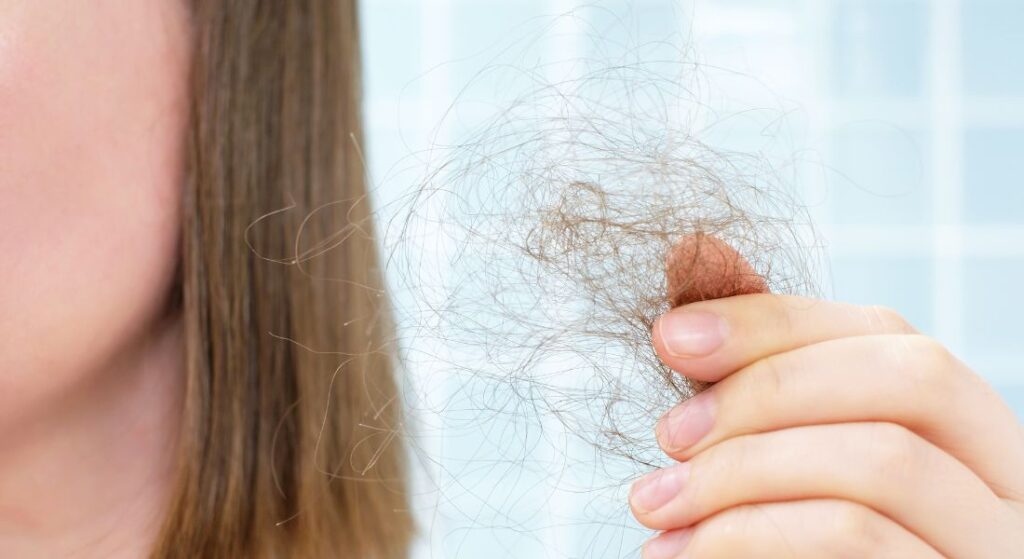
Alopecia areata can have a big effect on your self-esteem and mental health. Both children and adults may feel anxious, embarrassed, or withdrawn, making emotional support an important part of care.
Talking to a counsellor, joining a support group, or connecting with peers who understand the condition can help you cope. Sharing experiences often makes the journey feel less isolating.
Knowing that early treatment can promote hair regrowth can also ease anxiety. Understanding what to expect and how to respond gives you a sense of control during a stressful time.
Addressing the psychological impact early improves your overall quality of life. Focusing on both emotional well-being and recovery allows you to feel more confident while your hair grows back.
Common Misconceptions About Alopecia Areata
Stress doesn’t cause alopecia areata, but it can make the condition worse. Using techniques like mindfulness, exercise, or therapy can help you manage stress and support your treatment plan.
Eating a balanced diet rich in protein, vitamins, and minerals, along with getting enough sleep, keeps your hair healthy. While these habits won’t cure alopecia, they can improve how your body responds to treatment.
Taking steps to manage stress gives you a greater sense of control and may help reduce flare-ups. Small, consistent lifestyle changes can make a noticeable difference over time.
Combining stress management and healthy habits with professional treatment supports both hair regrowth and overall well-being. A holistic approach helps you feel more confident and in control throughout your recovery.
The Role of Genetics
Stress doesn’t cause alopecia areata, but it can make the condition worse. Techniques like mindfulness, exercise, or therapy can help you manage stress and support your treatment plan.
Eating a balanced diet rich in protein, vitamins, and minerals, along with getting enough sleep, helps keep your hair healthy. While these habits won’t cure alopecia, they can improve how your body responds to treatment.
Managing stress gives you a greater sense of control and may reduce flare-ups. Small, consistent lifestyle changes can make a real difference over time.
Combining stress management and healthy habits with professional treatment supports both hair regrowth and overall well-being. A holistic approach helps you feel more confident and in control throughout your recovery.
When to Seek Immediate Dermatological Advice
You should contact a dermatologist as soon as you notice bald patches. Sudden or spreading hair loss benefits from early evaluation, which can make a real difference in how well treatments work.
Delaying a consultation may allow the condition to progress to larger areas of hair loss. Early assessment gives your dermatologist the chance to offer targeted therapies that help prevent further thinning.
Prompt intervention can also support hair regrowth and reduce the emotional impact of hair loss. Acting quickly ensures you’re addressing the problem before it becomes more extensive.
Booking a timely appointment maximises your chances of preserving hair and maintaining confidence. Taking proactive steps early gives you control over both treatment outcomes and your well-being.
Long-Term Outlook and Recurrence
Noticing bald patches can be alarming, but taking prompt action is key to preserving hair and achieving the best possible treatment outcomes. Consulting a dermatologist early allows for accurate diagnosis, targeted therapy, and timely intervention, which can make a significant difference in regrowth success.
- The Importance of Early Evaluation: Hair loss can progress quickly, and early signs may be subtle. Seeing a dermatologist at the first indication of bald patches ensures that the underlying cause is identified and addressed promptly. Early evaluation often allows for less aggressive treatment and better long-term results.
- Preventing Further Hair Loss: Delaying consultation can allow hair loss to spread to larger areas, making it more difficult to treat effectively. Dermatologists can provide therapies that specifically target active hair loss and protect remaining hair follicles, reducing the risk of extensive bald patches.
- Access to Targeted Treatments: Early appointments mean treatment can begin without unnecessary delay. Options may include topical corticosteroids, immunotherapy, platelet-rich plasma (PRP), or other interventions tailored to your condition. Prompt therapy maximizes the potential for regrowth and helps prevent patches from merging or expanding.
- Supporting Emotional Well-Being: Hair loss can be stressful, particularly for children, teens, or those affected socially. Acting quickly not only supports physical hair restoration but also helps reduce anxiety and maintain confidence while treatment is underway.
In conclusion, seeking a dermatologist’s advice as soon as you notice hair loss is a proactive step that significantly improves outcomes. Early evaluation, targeted treatment, and ongoing monitoring give hair follicles the best chance to recover while helping patients maintain both their hair and their self-confidence.
Supporting Hair Health Beyond Treatment
Stress doesn’t cause alopecia areata, but it can make the condition worse. Using techniques like mindfulness, exercise, or therapy can help you manage stress and support your treatment plan.
Eating a balanced diet rich in protein, vitamins, and minerals, along with getting enough sleep, keeps your hair healthy. While these habits won’t cure alopecia, they can help your body respond better to treatment.
Managing stress gives you a greater sense of control and may help reduce flare-ups. Small, consistent lifestyle changes can make a noticeable difference over time.
Combining stress management and healthy habits with professional treatment supports both hair regrowth and overall well-being. A holistic approach helps you feel more confident and in control throughout your recovery.
FAQs:
1. What are the earliest signs of alopecia areata?
The first signs you may notice include small, round bald patches on your scalp where hair suddenly stops growing and falls out. You might see hair in clumps on your pillow, in the shower, or on your brush, and sometimes the affected skin feels slightly itchy or tingly before hair loss becomes obvious.
2. Why is early treatment important for alopecia areata?
Early treatment is important because it helps calm the immune response before more hair follicles are damaged, giving you a better chance of regrowth and preventing the patches from spreading. When therapy begins soon after hair loss starts, treatments tend to be more effective and you are more likely to maintain your hair and confidence.
3. How do dermatologists diagnose alopecia areata?
A dermatologist will usually examine your scalp visually, take a detailed medical history, and assess nail changes or patterns of hair loss to confirm alopecia areata. In some cases, simple tests like a scalp biopsy or blood work may be done to rule out other causes of hair loss before starting treatment.
4. What treatments are available for small patches of alopecia areata?
For small patches, your dermatologist may recommend topical corticosteroids applied to the affected area to reduce inflammation and encourage follicles to reactivate so hair can regrow. These treatments are generally safe when used as directed and often help when started early.
5. When are intralesional steroid injections used?
Intralesional steroid injections are often recommended if hair loss occurs in larger or stubborn patches that don’t respond well to creams alone, and they deliver medication directly into the bald areas for a more targeted effect. Many people begin to see new hair growth within a few months, although mild soreness or redness at the injection site can occur.
6. What is topical immunotherapy and when might it be used?
Topical immunotherapy is a treatment used when hair loss is extensive or persistent, and it works by applying specific chemicals to the scalp under guidance so that the immune system responds in a way that encourages regrowth. This option is often considered when other therapies have not produced enough improvement and is carefully supervised by a dermatologist.
7. Can oral medications help with alopecia areata?
Yes, oral medications such as systemic corticosteroids or immunosuppressants may be prescribed in more severe or rapidly spreading cases, and they work by suppressing the immune system to prevent further attacks on hair follicles. Because these medications affect your whole body, your dermatologist will monitor you closely to balance effectiveness with safety.
8. Are newer biologic treatments effective for alopecia areata?
Biologic treatments are a newer class of therapy that target specific components of the immune system, and clinical trials have shown promising results in moderate to severe cases that haven’t responded to traditional treatments. You need a specialist assessment to determine whether these advanced options are suitable for your situation.
9. How can stress and lifestyle changes support treatment?
While stress does not cause alopecia areata, it can worsen or trigger flare‑ups, so using techniques such as mindfulness, exercise, or talking with a counsellor can help you cope better and support your overall treatment. Eating a balanced diet with adequate protein, vitamins, and minerals, along with sufficient sleep, helps your body respond more effectively to therapy and supports hair health.
10. How should you track progress during treatment?
Monitoring your progress with regular check‑ups helps both you and your dermatologist see whether treatments are effective and make adjustments if needed, and tools like scalp mapping, photographs, or dermoscopy can help visualise regrowth over time. Noticing fine, soft initial hairs that gradually thicken and darken is a good sign that treatment is working, and staying consistent with follow‑ups improves outcomes.
Final Thoughts: Acting Early for Best Hair Regrowth Outcomes
Alopecia areata can be unpredictable, but recognising early signs and seeking prompt treatment greatly improves the chances of hair regrowth. Acting quickly helps prevent patches from enlarging and supports both physical and emotional wellbeing. Maintaining regular follow-ups, healthy hair care practices, and managing stress all contribute to better long-term outcomes.
If you’re considering alopecia treatment in London, you can get in touch with us at the London Dermatology Centre to discuss personalised treatment options and create a plan tailored to your needs. Early consultation allows expert guidance and maximises the potential for successful hair regrowth.
References:
1. Sun, Y., Li, Q., Zhang, Y. and Liu, Y., 2025. Janus kinase inhibitors for alopecia areata: a review of clinical data. Frontiers in Immunology. This review summarises mechanisms of JAK inhibition and clinical findings in AA therapy. https://pubmed.ncbi.nlm.nih.gov/40433365/
2. Liu, M., Gao, Y., Yuan, Y., Yang, K., Shen, C., Wang, J. and Tian, J., 2023. Janus kinase inhibitors for alopecia areata: a systematic review and meta‑analysis. JAMA Network Open. Provides evidence on the effectiveness and safety of JAK inhibitors in AA. https://pubmed.ncbi.nlm.nih.gov/37368402/
3. Gaumond, S.I., Kamholtz, I. and Jimenez, J.J., 2025. Cytokine‑targeting biologic therapies for alopecia areata: mechanism of action, clinical efficacy and adverse events. Biologics. Reviews cytokine‑targeted therapies and AA treatment prospects. https://www.mdpi.com/2673-8449/5/2/11
4. Ho, C.Y., 2023. Clinical and genetic aspects of alopecia areata. Genes. Discusses genetic susceptibility and follicular biology relevant to AA pathogenesis, which supports understanding of early signs and treatment rationale. https://www.mdpi.com/2073-4425/14/7/1362
5. Seneschal, J., 2022. Alopecia areata: recent advances and emerging therapies. Annales de Dermatologie et de Vénéréologie. A comprehensive review covering disease mechanisms and new therapeutic strategies including JAK inhibitors. https://www.sciencedirect.com/science/article/abs/pii/S0151963822000382