



Regenerative medicine is no longer a distant idea limited to research laboratories or academic discussion. You are now seeing it enter everyday clinical conversations, including those taking place in dermatology clinics across the UK and beyond. As medical science advances, treatments that once felt experimental are gradually becoming part of real-world patient care. This shift naturally raises questions about what is truly possible for your skin.
You may have come across headlines claiming that stem cells can “reverse ageing” or “heal scars overnight”. These bold statements are designed to capture attention, but they rarely explain the science in full. When you read such claims, it can be difficult to separate genuine progress from marketing language. This is especially true when the topic involves complex therapies such as stem cell treatment.
As someone exploring your options, you deserve clear, balanced information rather than exaggerated promises. You need to understand what is supported by evidence and what is still under investigation. Making decisions about your skin should feel informed and considered, not rushed or influenced by hype. Clarity allows you to weigh potential benefits against realistic expectations.
In this article, I will guide you through what regenerative dermatology actually involves and how it differs from standard treatments. You will learn how stem cell therapies are being studied for skin repair, including their potential role in wound healing and scar management. I will outline what current research genuinely supports and where uncertainties remain. Most importantly, I will help you understand where scientific promise ends and where proven treatment truly begins.
What Is Regenerative Dermatology?
When I talk about regenerative dermatology, I am referring to treatments designed to restore damaged skin by stimulating your body’s natural repair processes. Rather than simply masking symptoms or improving appearance temporarily, these approaches aim to rebuild tissue at a deeper level. You are not just treating what you see on the surface, but encouraging your skin to heal more effectively from within. The focus is on long-term restoration rather than short-term correction.
This may involve activating your own cells so they respond better to injury and ageing. In some cases, biologically active substances such as growth factors are introduced to support healing. Other approaches use cell-based therapies to promote tissue repair and regeneration. Each method works differently, but the shared goal is to enhance your skin’s natural ability to recover.
Your skin is uniquely suited to regenerative research because it is visible, accessible, and constantly renewing itself. For this reason, dermatology often becomes a testing ground for innovative therapies. However, not every regenerative technique involves stem cells, as some rely on platelet-derived components or biomaterials instead. Stem cell therapy is only one part of a much broader and evolving field.
Understanding Your Skin’s Natural Repair System
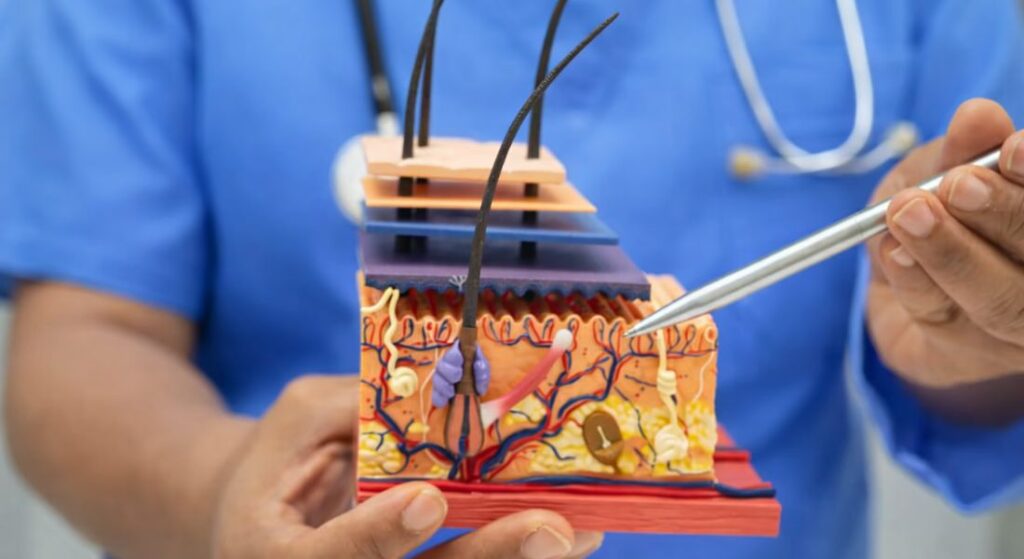
Before exploring advanced regenerative treatments such as stem cell therapies, it is essential to understand how your skin naturally heals itself. The skin is a dynamic organ composed primarily of two key layers the epidermis and the dermis. Within these layers are specialised cells that continuously divide, repair, and replace damaged tissue. This built-in repair system works remarkably well in everyday life, responding immediately when injury occurs.
1. Immediate Inflammatory Response: When the skin is cut or burned, the body activates an inflammatory response almost instantly. Immune cells rush to the site of injury to prevent infection and clear damaged tissue. This early phase sets the foundation for effective healing.
2. Cell Recruitment and Tissue Rebuilding: Chemical signals released at the injury site recruit fibroblasts and keratinocytes. These cells play a central role in rebuilding skin structure and restoring the protective barrier. Their coordinated activity ensures that damaged areas begin regenerating quickly.
3. Collagen Formation and Structural Support: Fibroblasts produce collagen, which provides strength and structural integrity to the healing tissue. Collagen acts as scaffolding, supporting new tissue as it forms. Without sufficient collagen, wounds may heal weakly or leave noticeable scarring.
4. New Blood Vessel Formation: As healing progresses, new blood vessels develop to supply oxygen and nutrients to the regenerating tissue. This process, known as angiogenesis, is crucial for sustaining repair. Adequate blood supply ensures the wound continues to strengthen over time.
In conclusion, your skin possesses a sophisticated and efficient natural repair system. Minor injuries typically heal well through inflammation, cell recruitment, collagen production, and new blood vessel formation. However, in deeper wounds or certain medical conditions, this process may be incomplete or impaired. It is in these situations that regenerative approaches aim to enhance or support the body’s natural healing mechanisms.
What Are Stem Cells?
Stem cells are undifferentiated cells that have the ability to develop into specialised cell types within your body. They can transform into cells with specific functions, depending on the signals they receive. In addition to this flexibility, they are also capable of self-renewal, meaning they can divide and produce more stem cells. This unique combination makes them highly valuable in tissue repair research.
There are several categories of stem cells, each with different capabilities. Embryonic stem cells can develop into nearly any cell type, which makes them scientifically powerful but also ethically complex. Adult stem cells, also known as somatic stem cells, are found in tissues such as bone marrow and fat. In dermatology, research primarily focuses on adult stem cells because they are more practical and widely accepted for clinical investigation.
Most dermatological studies examine mesenchymal stem cells, often referred to as MSCs, which are commonly harvested from adipose tissue or bone marrow. Your own skin also contains resident stem cells within hair follicles and the basal layer of the epidermis. The goal of therapy is not always to replace damaged skin with entirely new cells. In many cases, the aim is to stimulate signalling pathways so your own repair systems function more effectively.
How Stem Cells Might Improve Skin Repair

Stem cells may contribute to skin repair in several theoretical ways, although much of this is still being studied. They may differentiate into skin cells, helping to replace damaged or ageing tissue. They may also release growth factors that reduce inflammation and stimulate collagen production. In addition, they can influence immune responses, which play an important role in how your skin heals.
A significant part of their potential benefit appears to come from what is known as paracrine signalling. This means that stem cells release bioactive molecules which affect the behaviour of nearby cells rather than directly becoming new tissue themselves. These molecules can encourage surrounding cells to repair damage more effectively. In many cases, it is this signalling effect, rather than cell replacement, that attracts scientific interest.
In the context of skin repair, these signals may enhance angiogenesis, which is the formation of new blood vessels. They may also help reduce excessive scar formation and improve overall tissue organisation. This could lead to smoother healing and better structural outcomes for your skin. However, translating promising laboratory findings into consistent and predictable clinical results remains a significant challenge.
Stem Cell Therapy and Scarring
Scarring is one of the clearest examples of how healing does not always occur perfectly. You may have experienced hypertrophic scars or keloids following surgery, acne, or physical trauma. These types of scars develop when collagen deposition becomes excessive or poorly organised during the healing process. As a result, the skin can appear raised, firm, or uneven.
Researchers are now exploring whether stem cell-derived products can help regulate collagen synthesis more effectively. In laboratory models, mesenchymal stem cells appear to reduce fibroblast overactivity, which plays a key role in abnormal scar formation. They may also help regulate inflammatory cytokines that influence how scars develop over time. This suggests a potential role in guiding the healing process towards a more balanced outcome.
Early clinical studies have reported that stem cell-enriched fat grafting may improve scar texture and elasticity. However, these studies are often small in scale and lack robust long-term follow-up data. While the findings are encouraging, stem cell therapy is not yet considered a standard treatment for scarring. If you are considering options for scar management, you should discuss evidence-based treatments with an experienced consultant dermatologist at a reputable clinic such as London Dermatology Centre, where you can explore available services and receive personalised guidance.
Chronic Wounds and Regenerative Approaches
Chronic wounds present a far more urgent and complex clinical challenge than minor skin injuries. If you or someone close to you has diabetes, you will understand how delayed healing can quickly become a serious health concern. Conditions such as diabetic foot ulcers, pressure sores, and venous ulcers may persist for months despite standard care. This prolonged healing increases the risk of infection and other complications.
Stem cell therapy is currently being investigated as a way to stimulate vascularisation and support tissue regeneration in these difficult wounds. In preclinical models, mesenchymal stem cells have shown improved wound closure rates when applied to damaged tissue. Some small human trials have also suggested faster healing compared with conventional dressings alone. These findings indicate potential, but they do not yet provide definitive answers.
One of the main challenges is that existing trials often vary significantly in their methodology. The source of the cells, the dosage used, and the delivery technique can differ widely between studies. This makes it difficult to compare results or draw firm conclusions. Until larger, well-controlled studies confirm clear benefit and safety, stem cell therapy remains investigational for chronic wound management.
Inflammatory Skin Disease
You might reasonably wonder whether regenerative therapies could play a role in treating inflammatory skin conditions such as psoriasis or eczema. These disorders are not simply surface-level problems; they involve complex immune dysregulation beneath the skin. Because regenerative medicine focuses on modulating healing and immune responses, it has attracted attention as a possible therapeutic avenue. However, the science remains evolving, and caution is essential.
1. Immune Dysregulation as the Root Cause: Inflammatory skin diseases develop due to abnormal immune system activity. Overactive immune cells trigger persistent inflammation, leading to redness, scaling, itching, and tissue damage. Effective treatment therefore requires careful immune regulation rather than simple surface repair.
2. Immunomodulatory Properties of Mesenchymal Stem Cells: Mesenchymal stem cells (MSCs) have demonstrated immunomodulatory effects in research settings. They can suppress certain T-cell responses and influence cytokine signalling pathways, potentially reducing inflammatory activity. This biological capability has sparked interest in their possible role for autoimmune and inflammatory skin disorders.
3. Potential Risks of Systemic Stem Cell Therapy: While the immunosuppressive effects of stem cells may be beneficial, they also carry risks. Broad immune suppression can increase vulnerability to infection or unintended systemic effects. Careful control and monitoring are therefore critical in any therapeutic application.
4. Current Standard of Care: At present, biologic medications with well-established safety and efficacy profiles remain the standard treatment for severe inflammatory skin disease. These therapies are supported by extensive clinical trials and long-term data. Stem cell interventions, by contrast, are still largely confined to research settings and ongoing evaluation.
In conclusion, regenerative therapies show theoretical promise in managing inflammatory skin diseases due to their immune-modulating properties. However, systemic stem cell treatment carries potential risks and requires careful regulation. For now, established biologic medications remain the gold standard for severe cases. Stem cell approaches continue to be studied, but they are not yet mainstream clinical practice.
Aesthetic Dermatology and Skin Ageing
You may be most familiar with stem cells through their association with anti-ageing treatments and cosmetic marketing. Advertisements often suggest dramatic rejuvenation, promising smoother and younger-looking skin. These claims can sound compelling when you are exploring ways to address fine lines or texture changes. However, the scientific reality is usually more measured than promotional language suggests.
In practice, most so-called “stem cell facials” do not contain living stem cells at all. They commonly use conditioned media or growth factors derived from laboratory cell cultures instead. The rationale is that these growth factors may stimulate collagen production and improve overall skin texture. Some small studies have reported improvements in elasticity and hydration after topical application.
Despite these findings, robust comparative trials remain limited, and long-term data is still evolving. It is important that you do not confuse laboratory-based regenerative research with commercially available aesthetic procedures. If you are considering advanced skin rejuvenation, you should consult a qualified dermatologist who can assess your skin properly. Evidence-based treatments such as retinoids, laser therapies, or microneedling may, in many cases, be more appropriate and reliably supported by research.
Delivery Methods: How Are Stem Cells Applied?
One of the main challenges in regenerative dermatology is how stem cells are delivered effectively to the skin. You cannot simply place cells on the surface and expect predictable results. The method of application can significantly influence both safety and outcome. For this reason, delivery techniques are a major focus of ongoing research.
Stem cells may be injected directly into targeted areas, applied topically within specialised scaffolds, or incorporated into grafting procedures. Injection allows more precise placement, which can be useful when treating specific scars or wounds. However, it does not always guarantee that the cells will survive or function as intended after placement. Topical application, on the other hand, depends on the cells or active components penetrating the skin barrier, which can be a limiting factor.
Biomaterial scaffolds are designed to create a supportive environment that encourages cell survival and growth once applied. Researchers are also investigating exosomes, which are extracellular vesicles released by stem cells. These vesicles contain proteins and RNA that can influence tissue repair and cellular communication. Some experts believe exosomes may provide similar regenerative benefits with fewer safety concerns than whole-cell therapies, although research is still developing.
What Does Current Research Truly Support?
The research landscape in regenerative dermatology is steadily evolving, but it remains complex and carefully scrutinised. You will find a growing number of laboratory studies exploring how stem cells interact with damaged skin. In controlled animal models, mesenchymal stem cells consistently appear to enhance wound healing and improve tissue organisation. These findings provide an important scientific foundation, but laboratory success does not always translate directly into predictable clinical outcomes.
Early human trials have suggested potential benefits in chronic wound management and certain scarring contexts. Some studies report improved healing rates or better scar quality compared with conventional care alone. However, many of these trials are small, vary in methodology, and lack long-term follow-up. Large-scale randomised controlled trials, which provide stronger evidence, remain relatively scarce.
At present, most professional guidelines do not recommend the routine clinical use of stem cell therapy in dermatology outside research settings. This cautious stance reflects the need for stronger and more consistent data. It does not mean the field lacks promise or scientific value. It simply means you must distinguish carefully between emerging potential and treatments that are firmly supported by robust clinical proof.
Ethical and Regulatory Dimensions
Stem cell therapy does not exist in a purely scientific space; it also intersects with important ethical and regulatory considerations. As regenerative medicine advances, questions around sourcing, safety, and oversight become increasingly relevant. Patients considering such treatments must understand not only the potential benefits but also the ethical context and legal safeguards involved. Clear regulation exists to protect patient welfare and ensure responsible clinical practice.
1. Ethical Considerations Around Stem Cell Sources: Embryonic stem cell use raises moral and philosophical concerns in some communities. Debates often centre on the origin of the cells and differing beliefs about the beginning of life. These concerns have shaped policy, funding, and public perception of stem cell research globally.
2. Regulation of Adult Stem Cell Therapies: Even therapies using adult stem cells must comply with strict safety and manufacturing standards. This includes laboratory processing, storage conditions, and clinical administration protocols. Oversight ensures that treatments meet quality benchmarks before reaching patients.
3. UK Regulatory Framework: In the UK, stem cell therapies are regulated to ensure patient safety and manufacturing quality. Clinics must adhere to established regulatory frameworks governing advanced therapeutic medicinal products. This oversight reduces the risk of unsafe or unproven interventions entering routine practice.
4. Risks of Unregulated Clinics Abroad: Some overseas clinics may not follow the same rigorous standards. Patients travelling abroad for treatment may encounter therapies that lack proper testing, transparency, or regulatory approval. Verifying compliance with recognised regulatory systems is therefore essential before proceeding.
In conclusion, stem cell therapy carries both scientific promise and ethical complexity. Regulatory oversight exists to protect patients and maintain high safety standards, particularly within the UK. Ethical considerations, especially regarding cell sourcing, continue to influence public debate and policy. Ensuring that any treatment complies with recognised regulatory frameworks is critical for both safety and peace of mind.
The Role of Personalised Regenerative Medicine
One of the most exciting aspects of regenerative dermatology is how closely it aligns with personalised medicine. In theory, your own cells could be harnessed to repair your specific type of skin damage. This individualised approach aims to work with your biology rather than applying a one-size-fits-all solution. It represents a shift towards treatments that are tailored to you rather than standardised for everyone.
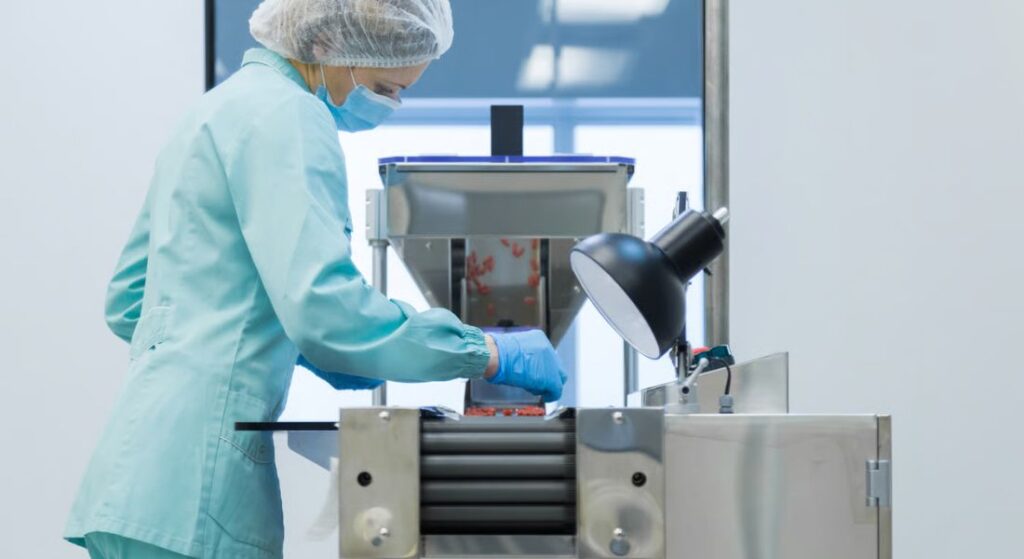
Using your own cells, known as autologous therapy, can reduce immunological risk because the material originates from your body. This lowers the likelihood of rejection or adverse immune reactions. It may also allow treatment to be adjusted according to your biological profile, including how your skin heals and responds to inflammation. In principle, this creates the possibility of more precise and targeted outcomes.
However, personalised cell therapy is both complex and expensive to deliver safely. Laboratory processing, storage conditions, and strict quality control measures require advanced infrastructure and regulatory oversight. These logistical demands increase cost and limit availability. As a result, accessibility remains a significant practical barrier despite the scientific appeal of the approach.
Where Do We Stand Today?
If you are looking for a clear and straightforward answer, it is important to be realistic. Stem cell therapies in dermatology are promising, but they are not yet part of mainstream clinical practice. You may see them discussed frequently in research settings or specialist conferences, yet routine use remains limited. At present, they are largely confined to controlled studies and carefully selected cases.
Current evidence supports continued investigation, particularly in the area of chronic wound healing. Early findings suggest there may be meaningful benefits in improving tissue repair in difficult-to-heal wounds. However, when it comes to scarring, skin ageing, and inflammatory skin conditions, results are still preliminary. Larger and more rigorous trials are needed before firm clinical recommendations can be made.
For now, conventional dermatological treatments remain the foundation of everyday clinical care. You are far more likely to be offered established therapies with well-documented safety and effectiveness. Regenerative approaches may eventually complement these treatments as evidence strengthens. Until then, careful distinction between innovation and proven practice remains essential.
What Should You Do as a Patient?
If you are considering regenerative therapy, your first step should be an evidence-based consultation with a qualified dermatologist. You need a clear explanation of what the treatment involves and whether it is supported by credible clinical research. Ask specifically which published trials support its use for your condition. This will help you separate established science from emerging theory.
You should also request detailed information about potential risks, side effects, and regulatory approval. It is important to understand whether the therapy is part of a recognised clinical pathway or still considered investigational. A reputable clinic will welcome these questions and provide transparent answers. If your concerns are dismissed or avoided, that should prompt caution.
Avoid treatments that promise guaranteed or dramatic results, especially in a short timeframe. Medicine rarely offers certainty, particularly in fields that are still developing. Regenerative dermatology holds potential, but it also requires careful evaluation and patience. Your safety and long-term outcome should always take priority over persuasive marketing claims.
The Future of Regenerative Dermatology
Research in regenerative dermatology continues to advance at a rapid pace, with new findings emerging each year. Scientists are refining stem cell isolation techniques to improve purity, consistency, and safety. These improvements aim to make therapies more reliable and easier to standardise. As methods become more precise, the potential for controlled clinical use increases.
You may also hear about the development of safer exosome-based therapies, which focus on cell-derived signalling particles rather than whole cells. Combination approaches that integrate biomaterials with growth factors are currently under investigation as well. These strategies attempt to create a supportive environment that enhances tissue repair more predictably. At the same time, artificial intelligence is being explored as a tool to help identify which patients may benefit most from specific regenerative treatments.
Over the coming decade, regenerative dermatology may gradually transition from being largely experimental to having selective clinical applications. This shift will depend on stronger evidence, clearer guidelines, and consistent long-term safety data. While the field holds genuine promise, it is not yet fully established within routine practice. Until further proof is available, cautious optimism remains the most responsible and balanced position for you to take.
FAQs:
1. What is regenerative dermatology?
Regenerative dermatology is a field of medicine focused on restoring damaged skin by enhancing the body’s natural repair processes. Rather than simply treating symptoms, it aims to rebuild tissue at a deeper biological level. This may involve growth factors, biomaterials, or cell-based therapies such as stem cells.
2. How do stem cells help with skin repair?
Stem cells may support skin repair by releasing bioactive molecules that stimulate collagen production, reduce inflammation, and encourage new blood vessel formation. In many cases, their benefit comes from signalling nearby cells rather than directly replacing damaged tissue. Much of this research remains under clinical investigation.
3. Are stem cell treatments for skin conditions approved in the UK?
Most stem cell therapies in dermatology are not yet part of routine clinical practice in the UK. They are generally considered investigational and are often limited to research settings or controlled trials. Regulatory oversight ensures patient safety, but widespread clinical approval has not yet been established.
4. Can stem cell therapy reduce scarring?
Early research suggests that stem cell-derived treatments may help regulate collagen production and improve scar texture. Some small studies report improved elasticity and tissue organisation. However, stem cell therapy is not currently a standard treatment for hypertrophic or keloid scars.
5. Is stem cell therapy effective for chronic wounds?
There is growing research exploring stem cell therapy for chronic wounds such as diabetic ulcers. Early studies indicate potential improvements in wound healing rates. Larger, well-controlled clinical trials are still needed before it becomes routine treatment.
6. Can regenerative therapies treat psoriasis or eczema?
Mesenchymal stem cells have shown immunomodulatory effects in laboratory studies, which may be relevant for inflammatory skin diseases. However, systemic stem cell treatment carries potential risks and is not currently standard care. Established biologic medications remain the gold standard for moderate to severe cases.
7. Do “stem cell facials” actually contain stem cells?
Most commercially marketed “stem cell facials” do not contain live stem cells. Instead, they typically use growth factors or conditioned media derived from laboratory cell cultures. These products may support skin hydration or texture, but robust long-term clinical evidence remains limited.
8. Are stem cell treatments safe?
While autologous stem cells reduce the risk of immune rejection, complications can still occur. Possible risks include infection, abnormal tissue growth, or unintended biological effects. Long-term safety data in dermatology is still evolving.
9. How are stem cells delivered to the skin?
Stem cells may be injected directly into targeted areas, incorporated into grafting procedures, or applied using specialised biomaterial scaffolds. Researchers are also investigating exosomes, which are cell-derived particles that influence healing without introducing whole cells. Delivery method significantly affects both safety and effectiveness.
10. Should I consider stem cell therapy for skin repair now?
Stem cell therapies show promise, particularly for complex wound healing, but they are not yet mainstream treatments. If you are considering regenerative therapy, you should consult a qualified dermatologist who can explain the current evidence, risks, and regulatory status. Evidence-based conventional treatments remain the foundation of dermatological care at present.
Final Thoughts: A Measured Path Forward in Regenerative Dermatology
Regenerative dermatology is an exciting and rapidly evolving field, but it is important to separate scientific potential from proven clinical reality. Stem cell therapies may, in time, reshape how we approach wound healing, scarring, and even certain inflammatory conditions. At present, however, most applications remain investigational, and established evidence-based treatments continue to form the backbone of safe and effective dermatological care. A balanced approach grounded in research, regulation, and realistic expectations will always serve you better than marketing-driven promises.
If you would like personalised guidance from an experienced consultant Dermatologist in London, you can contact us at the London Dermatology Centre to discuss your options. If you would like to book a consultation with one of our dermatologists, you can contact us at the London Dermatology Centre.
References:
1. Wu, S., Sun, S., Fu, W., Yang, Z., Yao, H. and Zhang, Z. (2024) The Role and Prospects of Mesenchymal Stem Cells in Skin Repair and Regeneration https://www.mdpi.com/2227-9059/12/4/743
2. Maxson, S., Lopez, E.A., Yoo, D., Danilkovitch-Miagkova, A. and Leroux, M.A. (2012) Concise review: role of mesenchymal stem cells in wound repair, Stem Cells Translational Medicine, https://pubmed.ncbi.nlm.nih.gov/23197761/
3. Li, S. (2024) Exosomes from mesenchymal stem cells: potential applications in wound healing, Chemical Engineering Journal https://www.sciencedirect.com/science/article/pii/S0024320524006568
4. Jackson, W.M., Nesti, L.J. and Tuan, R.S. (2012) Mesenchymal stem cell therapy for attenuation of scar formation during wound healing, Stem Cell Research & Therapy, https://pmc.ncbi.nlm.nih.gov/articles/PMC3392767/
5. Maxson, S., Lopez, E.A., Yoo, D., Danilkovitch-Miagkova, A. and Leroux, M.A. (2012) Concise review: role of mesenchymal stem cells in wound repair, Stem Cells Translational Medicine, https://academic.oup.com/stcltm/article/1/2/142/6386961