



Inflammatory skin diseases such as psoriasis, eczema, and rosacea can be unpredictable and frustrating to manage. You may experience flare-ups that seem to appear without warning, even when treatment is ongoing. Researchers are now exploring whether metabolomics, the study of small molecules in blood and tissues, could help predict these changes before symptoms appear.
Metabolomics focuses on identifying patterns of metabolic activity within the body. These patterns reflect how your immune system, inflammation pathways, and cellular processes are functioning at a given moment. By analysing these biochemical signals, scientists hope to detect early warning signs of disease activity.
The idea is simple but powerful. If we can identify reliable metabolic biomarkers, we may be able to predict flares, personalise treatments, and monitor long-term progress more accurately. This shift could transform how chronic skin conditions are managed in the future.
What Is Metabolomics?
Metabolomics is the scientific study of metabolites, which are small molecules produced during normal biological processes. These include amino acids, lipids, sugars, and other compounds involved in energy production and immune responses. Together, they provide a snapshot of how your body is functioning at a molecular level.
Unlike genetic testing, which looks at fixed DNA sequences, metabolomics reflects real-time biological activity. This makes it particularly useful for conditions driven by inflammation, where activity levels can fluctuate. Your metabolic profile can change depending on disease activity, treatment response, and environmental triggers.
In dermatology, metabolomics is being studied as a tool to understand why some patients experience severe flares while others remain stable. By identifying consistent metabolic patterns, researchers hope to uncover predictive markers. This approach moves beyond symptom observation and into molecular forecasting.
Why Skin Diseases Are Difficult to Predict
Inflammatory skin conditions are complex and influenced by many factors. Your immune system, genetics, stress levels, infections, and environmental exposures all play a role. This complexity makes predicting flare-ups challenging. Currently, clinicians rely largely on clinical examination and patient-reported symptoms. While this approach is effective, it does not always anticipate changes before visible inflammation occurs. By the time a flare is noticeable, inflammatory pathways may already be highly active.
Metabolomics offers a potential solution by identifying subtle biochemical shifts that occur before visible symptoms. These early changes could signal that a flare is developing. Detecting these signals could allow earlier intervention and better control.
How Blood Biomarkers May Reflect Skin Inflammation
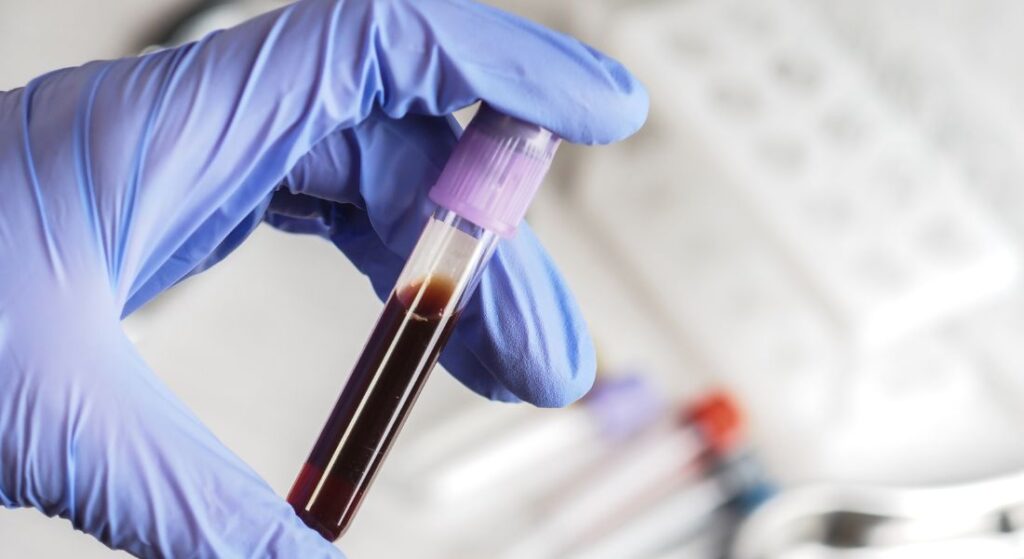
When you think about skin disease, it’s easy to picture something that’s only happening on the surface. But inflammatory conditions like Psoriasis and Eczema often involve your immune system more broadly. What shows up on your skin may actually reflect deeper, systemic immune activation and that’s where blood biomarkers come in.
1. Skin inflammation isn’t just skin-deep: In chronic inflammatory conditions, immune signals circulate throughout your body. These signals can influence metabolism, oxidative stress levels, and lipid pathways. When researchers analyse blood samples using metabolomics, they can detect specific molecular patterns linked to inflammatory activity.
2. Metabolic changes linked to severity: Studies have observed altered lipid profiles, shifts in amino acid metabolism, and increased oxidative stress markers in patients with psoriasis and eczema. In some cases, these biochemical changes appear to correlate with how severe your condition is. That raises an important question: could your blood tell clinicians when a flare is building before your skin fully reacts?
3. Predicting flare risk: Researchers are investigating whether consistent biomarker patterns could help predict flare-ups. If certain inflammatory signatures reliably rise before symptoms worsen, you might one day receive earlier intervention adjusting treatment before visible deterioration occurs.
4. Why blood-based markers matter: Blood testing is minimally invasive and already part of routine medical care. If dependable dermatological biomarkers are confirmed, monitoring your skin condition could become more proactive rather than reactive. Instead of waiting for a flare, management could shift towards prevention.
5. A potential shift in chronic care: Reliable blood biomarkers could fundamentally change how chronic inflammatory skin diseases are managed. You wouldn’t just treat what you see you’d monitor what’s happening internally. That opens the door to personalised dosing, earlier escalation of therapy, and better long-term stability.
We’re not fully there yet, and biomarker validation takes time. But the direction is promising. The future of dermatology may involve looking beyond the surface using measurable internal signals to guide more precise, preventative care.
Tissue Biomarkers and Skin Sampling
In addition to blood tests, researchers are now looking more closely at skin tissue itself. Small biopsies can reveal local metabolic changes within the exact area that’s affected. That means you’re not just measuring what’s happening systemically in your bloodstream, but what’s occurring directly inside your skin.
Skin-based metabolomic analysis may highlight differences between active lesions and nearby stable skin. It could even help distinguish between inflammatory pathways in conditions that look very similar on the surface. For you, that level of detail could eventually mean more precisely targeted treatment rather than broad-spectrum therapy.
The appeal is clear: the closer you get to the source of inflammation, the more specific your treatment choices can become. Tissue-level data may refine diagnosis and guide biologic selection with greater confidence. It’s precision taken a step further.
That said, biopsies are more invasive than simple blood tests. They involve minor procedures, healing time and patient comfort considerations. Because of this, researchers are exploring whether blood biomarkers alone might provide sufficient predictive power. The challenge is finding the right balance between diagnostic accuracy and practicality in everyday care.
Metabolomics in Psoriasis Research
Psoriasis has become one of the most extensively studied conditions in metabolomics research. Scientists have identified measurable changes in lipid metabolism, amino acid pathways and markers of oxidative stress, and these shifts often appear to correlate with how active the disease is. In other words, your metabolic profile may reflect how inflamed your skin currently is.
Some studies suggest that certain metabolic signatures could even help predict how you’ll respond to a specific biologic therapy. That opens the door to choosing treatment based on your molecular profile rather than relying purely on stepwise trial and error. For you, that could mean reaching effective control more quickly and avoiding unnecessary delays.
That said, metabolomic biomarkers aren’t yet ready for routine clinical use. Larger validation studies and standardised testing methods are still needed before this becomes part of everyday practice. Even so, the research direction is promising and points towards a more predictive, personalised future in psoriasis care.
Metabolomics and Atopic Dermatitis

Atopic dermatitis what you probably know as eczema is another condition attracting strong interest in metabolomics research. Studies have identified shifts in fatty acid metabolism and changes in immune-related metabolites, and these patterns seem to reflect both skin barrier dysfunction and immune imbalance. In simple terms, your metabolic profile may offer clues about why your skin is inflamed and struggling to repair itself.
Researchers have also observed that children and adults with more severe eczema can show distinct metabolic signatures compared with those who have milder disease. If this is confirmed in larger studies, it could help clinicians assess your risk more accurately and identify whether you might benefit from earlier or more intensive treatment, rather than waiting for repeated flares.
As with psoriasis research, this field is still developing and not yet ready for routine clinical use. Larger validation studies are needed before metabolomic profiling becomes part of standard care. Even so, the early findings are encouraging and suggest that, in the future, your treatment plan could become more proactive and personalised rather than purely reactive.
Can Biomarkers Predict Flare-Ups?
One of the most exciting possibilities is predicting flare-ups before they occur. If metabolomic changes precede visible inflammation, early treatment adjustments could prevent severe episodes. This proactive approach could improve quality of life. Current studies are exploring whether specific metabolite levels rise or fall before clinical symptoms worsen.
Preliminary data suggest that inflammatory metabolic pathways may activate days or weeks before flares. Confirming this would represent a major breakthrough. Reliable prediction requires consistent patterns across large patient populations. Variability between individuals remains a challenge. Ongoing research aims to refine these predictive models.
Guiding Treatment Choices Through Molecular Profiling
Currently, dermatology treatments often involve trial and adjustment, as individuals can respond differently to the same therapy. One person may see rapid improvement with a specific medication, while another may need multiple changes before finding what works. Metabolomics offers the potential to shift this approach, allowing treatments to be tailored more precisely from the start rather than relying on a stepwise process of experimentation. This could lead to faster, more effective care with fewer unnecessary interventions.
1. Personalized Therapy Matching: By analyzing an individual’s metabolic profile, clinicians could predict which treatments are most likely to work. This might include biologics, immunomodulators, or targeted topical therapies, reducing the need for guesswork.
2. Reduced Exposure to Ineffective Treatments: Molecular profiling could help avoid medications unlikely to provide benefit, minimizing side effects and unnecessary delays in therapy. This ensures patients spend less time on ineffective regimens.
3. Faster Achievement of Disease Control: Tailored treatment strategies may help patients reach stability more quickly, improving quality of life and decreasing the frequency of flare-ups or setbacks.
4. Learning from Other Fields: Precision medicine is already established in oncology and rheumatology, where molecular profiling informs treatment choices. Dermatology may gradually adopt similar approaches as research advances, creating a pathway for truly personalized care.
In conclusion, molecular profiling has the potential to revolutionize dermatology by making treatments more precise and individualized. By leveraging metabolomics, clinicians could reduce trial-and-error approaches, lower exposure to ineffective therapies, and help patients achieve faster disease control. As research progresses, dermatology may follow the example of other medical fields, integrating precision medicine to provide care that is tailored to each person rather than relying on generic protocols.
Monitoring Long-Term Disease Activity
Chronic inflammatory skin conditions tend to ebb and flow. You might have periods where your skin looks calm, only for things to shift weeks later. Regular clinical reviews help assess severity, but molecular markers could add another layer of insight. Your metabolic profile might reveal low-grade activity even when your skin appears relatively stable on the surface.
That matters because inflammation isn’t always obvious. Subtle metabolic changes could indicate that your immune system is still active beneath the surface. Spotting that early may allow for small treatment adjustments before a visible flare develops. It moves care from reactive to quietly preventative.
There’s also the wider health picture to consider. Psoriasis, for example, is associated with increased cardiovascular risk. If metabolic monitoring can help identify patients with higher systemic inflammatory burden, you could receive earlier screening or preventative support, not just skin-directed therapy.
Over time, long-term disease tracking may become increasingly data-driven. Objective biomarkers could sit alongside clinical examination rather than replacing it. Together, these tools may give you and your clinician a more complete, nuanced understanding of your condition and how best to manage it.
Limitations and Challenges in Metabolomic Research
As promising as metabolomics sounds, it’s still very much in the research phase within dermatology. One of the biggest hurdles is standardisation. Different laboratories may use slightly different techniques or equipment, which can lead to variation in results. If you’re going to base clinical decisions on metabolic data, those measurements have to be consistent and reproducible.
There’s also the complexity of the data itself. Metabolomic profiling generates enormous datasets that require advanced computational analysis to interpret properly. Researchers need to validate findings across large, diverse populations to make sure patterns aren’t coincidental or limited to specific groups. That level of scientific scrutiny takes time and rightly so.
Cost is another practical consideration. At present, advanced metabolic testing isn’t widely accessible in routine clinical care. However, as technology develops and analytical tools become more streamlined, accessibility may improve. If that happens, what is currently confined to research settings could gradually move closer to everyday patient care.
Ethical and Practical Considerations
introducing biomarker-based prediction into routine dermatology care involves more than just scientific advancement it also raises ethical and practical questions. If a test indicates a potential flare, clinicians must decide whether to escalate treatment immediately or wait for clinical symptoms, balancing prevention against overtreatment. Additionally, patients need information delivered responsibly, so they can act proactively without unnecessary anxiety. Integrating these tools effectively requires both proper infrastructure and clinician training to ensure results are interpreted accurately.
1. Balancing Prevention and Overtreatment: Biomarker results can suggest an impending flare, but acting too aggressively may expose patients to unnecessary risks. Clinicians must weigh these predictions carefully, using judgment rather than relying solely on numbers.
2. Emotional Impact on Patients: Sharing predictive results requires clear, thoughtful communication. When done well, it empowers patients to manage their condition proactively; if done poorly, it may cause undue stress or worry.
3. Training and Infrastructure Needs: Clinicians need education and support to interpret complex biomarker data confidently. Adequate infrastructure, including evidence-based guidelines, is essential to integrate these tests safely and effectively into practice.
4. Ensuring Responsible Use: Without proper protocols, even the most advanced tests risk being misunderstood or underutilized. Clear guidelines and systematic approaches are crucial for translating scientific insight into practical patient benefit.
In conclusion, ethical and practical considerations are central to successfully adopting biomarker-based prediction in dermatology. Effective use requires balancing proactive treatment with avoidance of overtreatment, communicating results responsibly, and ensuring clinicians have the necessary training and infrastructure. By addressing these factors, biomarker-guided care can be both scientifically sound and patient-centered, ultimately improving outcomes without causing harm.
The Future of Metabolomics in Dermatology

The future of metabolomics in dermatology is genuinely exciting, but it’s still unfolding. As research grows, you may eventually see validated biomarker panels developed for specific conditions, helping with earlier diagnosis and more tailored therapy. Instead of relying purely on what your skin looks like on the day of review, clinicians could have objective molecular data to guide decisions with greater precision.
Artificial intelligence is likely to play a major role in making sense of complex metabolic data, especially when combined with genetic and microbiome information. For you, that could mean a highly personalised treatment plan built from multiple biological layers rather than a one-size-fits-all approach. For now, though, metabolomics remains firmly in the research domain. It reflects the direction dermatology is heading towards greater predictability, precision and ultimately better long-term outcomes.
FAQs:
1. What is metabolomics and why does it matter in dermatology?
Metabolomics is the study of small molecules in your blood or tissues that reflect how your body is functioning at a given moment. In dermatology, it matters because inflammatory skin diseases are driven by immune and metabolic activity beneath the surface. By analysing these biochemical patterns, researchers hope to predict changes in your condition before you see them on your skin.
2. Can blood biomarkers really predict a flare-up in psoriasis or eczema?
That’s the big question researchers are trying to answer. Early studies suggest that certain metabolic changes may occur days or even weeks before a visible flare. If those patterns prove reliable across large groups of patients, you could one day adjust treatment before symptoms fully develop, rather than reacting once inflammation is obvious.
3. How is metabolomics different from genetic testing?
Genetic testing looks at your DNA, which doesn’t change over time. Metabolomics, on the other hand, reflects real-time biological activity. That means your metabolic profile can shift depending on inflammation, stress, treatment response or environmental triggers. For conditions that fluctuate, like eczema or rosacea, this dynamic insight could be particularly useful.
4. What kinds of metabolic changes are seen in psoriasis?
Research has identified alterations in lipid metabolism, amino acid pathways and oxidative stress markers in people with psoriasis. In some studies, these shifts appear to correlate with disease severity. This suggests your blood chemistry may mirror how active your skin inflammation is, even if symptoms are still evolving.
5. Could metabolomics help choose the right treatment for you?
Potentially, yes. One of the most promising aspects of this research is the idea that your metabolic profile might predict how you’ll respond to certain therapies, including biologics. Instead of relying on trial and error, your clinician could one day use molecular data to guide treatment selection more precisely.
6. Are skin biopsies necessary for metabolomic testing?
Not always. While tissue sampling can provide very detailed local information, it’s more invasive than a blood test. Researchers are exploring whether blood-based biomarkers alone can offer enough predictive accuracy. The goal is to balance precision with practicality so monitoring feels manageable for you.
7. Is metabolomic testing currently available in routine dermatology clinics?
At present, it remains largely within the research setting. Standardised testing methods, large validation studies and clear clinical guidelines are still being developed. While the science is advancing, it hasn’t yet reached the point where your dermatologist would routinely order metabolomic profiling as part of everyday care.
8. How could metabolomics change long-term disease monitoring?
Instead of relying solely on what your skin looks like during appointments, clinicians might one day track subtle molecular signals over time. Your metabolic profile could reveal low-grade inflammation even when your skin seems stable, allowing small adjustments before a noticeable flare occurs. This would shift care towards prevention rather than reaction.
9. Are there limitations or risks with relying on biomarkers?
Yes, and it’s important to recognise them. Metabolic data can be complex and influenced by many factors beyond your skin condition. Interpreting results requires careful analysis and standardisation. There’s also the ethical question of how aggressively to treat based on predictive signals alone, especially if you feel well at the time.
10. What does the future of metabolomics in dermatology look like?
The future is likely to involve combining metabolomics with other data sources, such as genetic and microbiome information, supported by artificial intelligence analysis. For you, that could mean more personalised, predictive and precise care. However, this transformation will depend on strong scientific validation to ensure safety, accuracy and meaningful clinical benefit.
Final Thoughts: Towards Predictive and Personalised Dermatology
Metabolomics represents a shift in how you may one day experience dermatology care. Instead of relying solely on visible symptoms, clinicians could potentially use measurable blood biomarkers to understand what’s happening beneath your skin before a flare fully develops. While this research is still evolving, it reflects a broader movement towards precision medicine where treatment decisions are guided by objective molecular data rather than trial and error alone.
If you’re considering a consultation with a dermatologist in London, you can get in touch with us at London Dermatology Centre. Expert assessment ensures your condition is carefully evaluated, your treatment options are clearly explained, and your care plan is built around both established evidence and emerging innovation.
References:
1. Rischke, S., Schäfer, S.M.G., König, A., Ickelsheimer, T., Köhm, M., Hahnefeld, L., Zaliani, A. and Behrens, F., et al., 2024. https://pubmed.ncbi.nlm.nih.gov/38972618/
2. Ilves, L., Ottas, A., Kaldvee, B., Abram, K., Soomets, U., Zilmer, M., Jaks, V. & Kingo, K. (2022) Metabolomic Differences between the Skin and Blood Sera of Atopic Dermatitis and Psoriasis, International Journal of Molecular Sciences https://www.mdpi.com/1422-0067/23/21/13001
3 Qian Song, Ying Chen, JianQing Ma, Wei Zhou, JunYan Song, ChunFu Wu & Jie Liu (2023) Metabolomics Reveals Molecular Signatures for Psoriasis Biomarkers and Drug Targets Discovery, Clinical, Cosmetic and Investigational Dermatology https://pmc.ncbi.nlm.nih.gov/articles/PMC10631377/
4 Zhang, L. (2024) Development and trends in metabolomics studies in psoriasis, Journal of Dermatology and Dermatologic Science https://www.sciencedirect.com/science/article/pii/S2405844024058250
5. Chen, Y., Peng, C., Zhu, L., Wang, J., Cao, Q. and Li, J., 2024. Atopic dermatitis and psoriasis: similarities and differences in metabolism and microbiome. https://pubmed.ncbi.nlm.nih.gov/38954264/