



Nanotechnology is transforming how medications interact with the skin. If you have ever used a cream that seemed ineffective or irritating, you have already experienced the limitations of traditional delivery systems. In 2026, researchers are focusing on making treatments more precise, targeted, and efficient through nanoparticle-based innovation.
Dermatology relies heavily on topical therapies, yet the skin’s barrier is designed to resist penetration. This protective function is beneficial for health but challenging for drug delivery. Nanotechnology aims to overcome this barrier without damaging it.
In this article, we explore how nanoparticle-based systems are reshaping dermatological care. We examine how they improve penetration, reduce side effects, and enhance treatment precision in inflammatory and pigmentary skin conditions. Most importantly, we explain what this means for you as a patient.
What Is Nanotechnology in Dermatology?
Nanotechnology is all about working with materials at an incredibly small scale we’re talking nanometres, a billionth of a metre. At this level, particles behave in ways that larger molecules can’t, and these unique properties can be used to improve how drugs are delivered and absorbed.
In dermatology, nanoparticles act like tiny delivery vehicles, carrying active ingredients straight to the layers of skin where they’re needed most. That means your treatment can be more precise, while limiting absorption into the rest of your body. The result? Targeted action with fewer unwanted side effects.
Unlike traditional creams that often sit on the surface or break down quickly, nanocarriers protect the medication until it reaches its intended target. This helps the treatment work more effectively, so you get the benefits where you need them most.
Why Traditional Topical Treatments Have Limitations
Traditional topical treatments often hit a barrier literally. The outermost layer of your skin, called the stratum corneum, is designed to keep things out. That means many active ingredients struggle to reach the deeper layers where they’re actually needed.
Because of this, creams and ointments sometimes rely on higher concentrations to get results. While this can help, it also increases the risk of irritation and other side effects. Your skin may not tolerate it as well, which can make consistent treatment tricky.
This is where nanotechnology comes in. By breaking active ingredients into tiny, nanoscale particles, it becomes easier for them to navigate the microscopic pathways in your skin. They can reach the target layers more effectively, improving results.
With this improved delivery, you often don’t need as much product or as high a concentration. That means treatments can be gentler on your skin while still being more efficient and precise.
Types of Nanoparticles Used in Dermatology
If you’re exploring advanced skincare or dermatologic treatments, nanoparticles are becoming increasingly important. These tiny carriers can deliver active ingredients more efficiently, improve stability, and even allow controlled release directly into your skin. Several types are under study, each with its own strengths.
1. Liposomes: Liposomes are small, spherical vesicles that can encapsulate active compounds. Because their structure is similar to cell membranes, they merge easily with your skin cells. This allows for controlled and targeted delivery of ingredients, improving absorption and effectiveness.
2. Solid lipid nanoparticles: These nanoparticles are made from solid lipids and are highly stable. They protect fragile ingredients from breaking down, ensuring that what reaches your skin remains potent. This stability also helps maintain consistent therapeutic effects over time.
3. Polymeric nanoparticles: Made from biodegradable polymers, these nanoparticles can be engineered to release their cargo gradually. This controlled release supports long-lasting effects and reduces the need for frequent application.
In short, nanoparticle systems in dermatology are designed to make treatments more precise, stable, and effective. Whether it’s delivering anti-inflammatory agents, antioxidants, or other active compounds, these technologies are shaping the future of targeted skin therapy.
Improved Penetration Through the Skin Barrier
Nanoparticles are designed so you can get active ingredients through your skin without causing any damage. Because they’re so tiny, they can slip through the spaces between your skin cells easily. This means your body can actually use more of what’s being delivered. You don’t have to worry about the skin barrier being disrupted, which is a big win. It’s a clever way to make treatments more precise.
Instead of forcing things in, these nanocarriers let your skin do the work through passive diffusion and controlled release. That way, your barrier stays intact, and you’re less likely to experience irritation. The slow, steady release also means the active ingredients keep working for longer. You get the benefits without the harsh side effects. It’s a gentler approach that really makes a difference.
Because penetration is improved, you can often use smaller amounts of a drug and still get the same results. That’s safer for you and can make your treatment routine simpler. You also get more efficient results, with fewer side effects along the way. Overall, using nanoparticles means your skin gets what it needs in a smarter, more effective way.
Targeted Drug Delivery
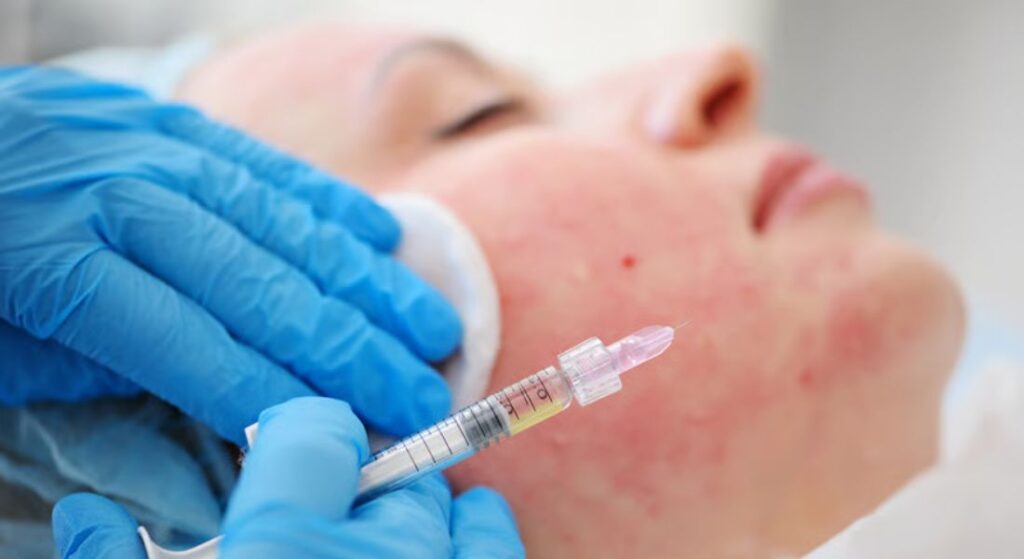
One of the most exciting things about nanotechnology is how it lets you target treatments with precision. The nanoparticles can be designed to release medication only where it’s needed, like areas that are inflamed or pigmented. That means the rest of your skin isn’t exposed unnecessarily. You get the benefit exactly where it matters most. It’s a clever way to make treatments more efficient.
Because the delivery is so targeted, you can really focus on the affected skin. The medication goes straight to the problem areas, so healthy skin stays largely untouched. You don’t have to worry about widespread irritation or unnecessary exposure. This makes your treatment feel much gentler overall. Precision is everything when it comes to effective results.
Another big advantage is that it can reduce the side effects you often see with traditional treatments. Redness, peeling, and irritation are less likely to happen. You get the results you want without putting your skin through stress. That means you can stick to your routine without constantly worrying about flare-ups. Your comfort really improves when your skin isn’t under attack.
Ultimately, targeted drug delivery means you can treat your skin smarter, not harder. You’re delivering therapy exactly where it’s needed, and leaving healthy areas alone. That kind of precision helps you see results faster and with fewer complications. It’s a major step forward for both safety and effectiveness. With this approach, your skin gets what it needs, exactly when it needs it.
Reducing Side Effects
High-dose topical treatments can often leave your skin irritated, which makes it harder to stick with them long term. Nanotechnology offers a smarter way around this by letting you use lower concentrations without losing effectiveness. You still get the benefits of the medication, but your skin isn’t stressed. It’s all about making treatments gentler for you.
Controlled release systems also play a big part in this. They deliver the medication gradually, so your skin isn’t hit with sudden peaks of the drug. This makes your skin much more tolerant and reduces the risk of irritation. When side effects are fewer, you’re more likely to keep up with your treatment. Over time, that means better results and healthier skin.
Applications in Inflammatory Skin Disease
If you’re managing a chronic inflammatory condition like Eczema or Psoriasis, you already know that treatment isn’t a one-off event it requires sustained control. That’s where nanoparticle technology is starting to make a meaningful difference.
1. More effective delivery of anti-inflammatory agents: Nanoparticles can help transport active ingredients deeper and more precisely into inflamed skin. Instead of sitting on the surface, medication is delivered closer to where immune activity is happening. For you, that may translate into better symptom control and potentially lower dosing requirements.
2. Reduced systemic absorption: One major concern with long-term treatment is side effects. By targeting inflamed tissue more directly, nanocarriers can limit how much medication enters your bloodstream. That focused delivery lowers the risk of widespread systemic effects while maintaining local efficacy.
3. Improved stability and sustained release: Many anti-inflammatory compounds are fragile or degrade quickly. Nanotechnology can protect these ingredients and allow gradual release over time. That means steadier control rather than peaks and troughs in effectiveness.
4. Precision without injections: Ongoing research is exploring how nanotechnology can pair with biologic-inspired topical therapies. The aim is ambitious: achieving targeted immune modulation through the skin, without the need for injectable treatments. If successful, this could offer you a more convenient and less invasive option for disease management.
The field is still evolving, but the direction is clear. The goal isn’t just stronger treatment it’s smarter delivery. By improving precision and safety, nanotechnology may help move inflammatory skin care towards more stable, personalised, and practical long-term control.
Applications in Pigmentary Disorders
If you’re dealing with pigmentary conditions such as melasma, you’ll know how frustrating they can be to treat. Many active ingredients struggle to reach the melanocytes where the excess pigment is actually produced. That means you might not see the results you’re hoping for. Nanotechnology helps by improving how deeply and precisely those ingredients are delivered. You get treatment that works where it’s truly needed.
Encapsulation also helps protect ingredients that are sensitive to light and air. If you’re using agents that tend to degrade quickly, this makes a real difference. The protective coating keeps them stable for longer, so they remain effective by the time they reach your skin. That means your results are more consistent over time. You’re not relying on unstable formulations that lose potency too quickly.
Better targeting can also lower your risk of post-inflammatory pigmentation, which is especially important if you have a darker skin tone. You want treatment without triggering new pigmentation issues. By focusing on precision and controlled delivery, nanotechnology supports safer outcomes for you. Inclusivity and safety become part of the treatment design, not an afterthought. Ultimately, it’s about giving your skin effective care without unnecessary risk.
Acne and Sebaceous Targeting
If you’re managing acne, you’ll know that targeting the root of the problem is key. Nanoparticles can be designed to gather around your hair follicles, which is exactly where acne often begins. This improves delivery straight to your sebaceous glands, where excess oil is produced. Instead of treating the surface alone, you’re addressing what’s happening deeper in the skin. That makes your treatment far more precise.
Targeted antimicrobial delivery also means you can use lower doses, which helps reduce the risk of antibiotic resistance. You’re limiting unnecessary systemic exposure while still treating the affected areas effectively. Sebum-penetrating nanoparticles work particularly well in oil-rich zones, ensuring those areas receive enough medication. At the same time, the surrounding skin is spared from unnecessary irritation. It’s a smarter, more balanced way for you to manage acne long term.
Anti-Ageing and Collagen Stimulation
If you’re investing in anti-ageing treatments, consistency and stability matter just as much as the ingredient itself. Many powerful compounds particularly peptides and growth factors are delicate. In traditional creams, they can degrade quickly when exposed to light, air, or temperature changes. That’s where nanotechnology steps in.
1. Protecting fragile actives: Nanocarriers act like protective capsules around sensitive molecules. By shielding peptides and growth factors, they help ensure that what you apply to your skin remains biologically active rather than breaking down before it can work.
2. More reliable collagen stimulation: When these ingredients remain stable, their ability to stimulate collagen becomes more predictable. Instead of inconsistent penetration, you get steadier biological signalling. Over time, this can support gradual improvements in texture, firmness, and elasticity.
3. Controlled and sustained release: Rather than releasing all active ingredients at once, nanocarriers can allow controlled delivery over hours or even days. That sustained exposure helps maintain ongoing stimulation rather than short bursts followed by rapid decline.
4. Improved treatment consistency: The result is less variability. When actives stay functional longer and are delivered more precisely, outcomes become more reliable. For you, that means progress that feels gradual, natural, and integrated rather than sudden or uneven.
In essence, nanotechnology doesn’t just make products stronger it makes them smarter. By protecting and regulating how ingredients interact with your skin, it supports more consistent collagen stimulation and more predictable long-term refinement.
Nanotechnology and Sunscreen Innovation
When you apply modern sunscreens, you’re often benefiting from nanotechnology without even realising it. Many formulations now use nanoparticles such as zinc oxide to give you strong UV protection without leaving that thick, white residue behind. That means your sunscreen feels lighter and looks more natural on your skin. Cosmetic acceptability improves, so you’re more likely to wear it every day. And consistency is everything when it comes to sun protection.
Because these nano-sized filters spread more evenly across your skin, you get more reliable and uniform coverage. You’re less likely to miss patches, which improves overall protection. At the same time, safety is continuously evaluated through ongoing research and strict regulatory oversight. Long-term effects are carefully monitored to ensure you’re not compromising your health. It’s all about giving you effective protection with reassurance built in.
Safety Considerations in 2026
When it comes to nanotechnology, your safety is always the priority. Researchers carefully assess how deeply nanoparticles penetrate your skin and whether there’s any systemic absorption. The aim is to keep the effect localised, so the treatment works exactly where it’s needed. You shouldn’t have to worry about ingredients travelling beyond the intended area. Every formulation is designed with that balance in mind.
Regulatory agencies also keep a close watch on how nanoparticles are used in skincare and medical products. Before anything reaches you, clinical trials evaluate potential toxicity and long-term outcomes. This helps ensure that what you’re using has been thoroughly tested.
Current evidence supports the safe topical use of nanoparticles when they’re properly formulated. That means you can benefit from advanced delivery systems without compromising your wellbeing. Ongoing research continues to refine safety profiles and improve standards.
Controlled Release Mechanisms
Controlled release systems are designed to deliver medication gradually into your skin. Instead of releasing everything at once, they allow a steady diffusion over time. This helps stabilise therapeutic levels so your skin isn’t overwhelmed.
Because the release is extended, you often don’t need to apply the product as frequently. That makes your routine simpler and far more convenient. When something fits easily into your day, you’re more likely to stick with it. Treatment stops feeling like a chore and becomes manageable. Over time, that consistency really pays off.
Predictable release patterns also mean you can expect more stable results. Your skin receives a controlled amount of active ingredient at the right pace. This precision supports better long-term management of chronic conditions.
Ultimately, controlled release helps you stay on track without extra effort. When your treatment is easier to tolerate and simpler to use, adherence improves naturally. You’re not forcing yourself to continue despite discomfort. Instead, the system works with your skin rather than against it.
Personalised Dermatology

If you think about how different your skin is from someone else’s, it makes sense that treatment shouldn’t be one-size-fits-all. That’s where nanotechnology starts to align beautifully with precision medicine.
1. Tailored drug delivery for your skin type: Nanocarriers can be engineered to suit specific skin characteristics whether that’s oilier, more sensitive, more pigmented, or more inflammation-prone skin. Instead of applying the same formulation to everyone, delivery systems can be adapted to suit you.
2. Matching formulation to inflammatory patterns: Your individual inflammatory profile may influence which active ingredients and which delivery systems are most appropriate. Targeted nanocarriers can concentrate treatment where it’s needed most, improving effectiveness while limiting unnecessary exposure.
3. Moving beyond one-size-fits-all: Traditional dermatology often relied on broad categories and standard formulations. That approach is evolving. As biological profiling improves, treatments can be designed around measurable patterns rather than assumptions.
4. Improved safety and predictability: When therapy is better matched to your skin biology, outcomes become more consistent. You’re less likely to experience avoidable irritation or under-treatment. Personalisation strengthens both safety and efficacy.
Modern dermatology is increasingly individualised. The goal isn’t just better products it’s smarter matching between your biology and your treatment. As nanotechnology advances, your care can become more precise, more predictable, and more uniquely yours.
Research in Clinical Trials
In 2026, clinical trials continue to explore new types of nanocarriers that could change the way you treat inflammatory and pigmentary skin conditions. Researchers are closely studying how these systems perform in real patients, not just in the lab. Early data suggests promising improvements in both effectiveness and tolerability. If you’re following developments in dermatology, it’s clear that innovation is moving quickly.
Researchers assess factors such as penetration depth, formulation stability, and potential side effects to make sure treatments are genuinely safe for you. Comparative trials also look at whether these nano-formulations actually outperform conventional creams. Evidence-based adoption remains essential, so not every breakthrough reaches clinical practice straight away. Ongoing evaluation ensures that new technologies are integrated responsibly.
Ethical and Regulatory Oversight
When it comes to nanotechnology, strict oversight is essential to protect you. Manufacturing standards are designed to ensure consistency, so each formulation performs exactly as intended. Regulatory bodies carefully review products before they reach the market. You’re not simply relying on innovation alone; you’re relying on systems that check and verify safety.
Transparency about ingredients is equally important. You deserve clear, accessible information about what you’re applying to your skin. Ethical research practices ensure that studies are conducted responsibly and results are reported honestly.
Public confidence ultimately depends on strong safety data. Responsible innovation means progress is guided by evidence, not hype. Oversight ensures that new developments are introduced carefully and thoughtfully. You benefit from advancements that have been properly evaluated.
Cost and Accessibility
When advanced nano-formulations first enter the market, you may notice they come with higher costs. That’s largely because significant investment goes into research, development, and clinical testing. Innovation at this level requires time, expertise, and strict regulatory evaluation. Naturally, those factors influence pricing in the early stages.
As more clinicians begin using these technologies, adoption increases and manufacturing becomes more efficient. Larger-scale production helps reduce overall costs. You’ll often see broader availability once the innovation becomes more established. What starts as a specialist treatment gradually moves into mainstream practice.
Still, balancing cost and benefit remains important for you and your clinician. A treatment needs to demonstrate real clinical value to justify its place in practice. Sustainability depends on evidence, not novelty alone. When strong data supports effectiveness and safety, responsible integration becomes possible.
Limitations of Nanotechnology
While nanotechnology offers exciting possibilities, it isn’t a universal solution for every skin condition you might face. Some disorders still require systemic therapy because topical treatments simply can’t reach deep enough. Even the most advanced formulations have practical limits. It’s important for you to understand that innovation doesn’t replace all existing approaches. Realistic expectations are key when considering new technologies.
Penetration depth is still influenced by natural biological barriers, and deeper dermal conditions may not respond fully to topical nanocarriers. That means certain concerns may need a combination of strategies. Researchers are working to expand the scope of applications, but not every challenge has been solved yet. Careful scientific evaluation continues to guide progress. Ultimately, your treatment plan should always be based on evidence, not just emerging trends.
The Future Outlook
By 2026, nanotechnology has shifted from something that once felt experimental to something you’re increasingly likely to encounter in real clinical practice. What used to sit mainly in research papers is now influencing everyday dermatology. The momentum behind this field continues to grow. Precision dermatology is no longer just a concept; it’s steadily becoming part of your treatment options.
Collaboration plays a huge role in this progress. Scientists and clinicians are working more closely than ever, combining laboratory insight with practical patient care. This multidisciplinary approach helps ensure that what’s developed in the lab actually works for you in the clinic. It speeds up innovation while keeping safety at the centre.
Looking ahead, the next decade could bring even more refined delivery systems. You may see smarter nanocarriers that adapt to your skin’s needs or respond to specific triggers. Continuous improvement is what defines this field.
Ultimately, the future of nanotechnology in dermatology remains dynamic. You can expect ongoing refinement rather than overnight revolutions. Research will continue to shape safer, more targeted, and more personalised treatments. As evidence grows, so does confidence in these approaches.
What This Means for You

For you as a patient, nanotechnology represents a smarter way to approach treatment. Improved targeting means medication goes exactly where it’s needed, rather than affecting your entire skin surface. That often translates into fewer side effects and less unnecessary irritation. Better penetration also means active ingredients can work more effectively.
Greater precision supports better long-term control of chronic skin conditions. When irritation is reduced, your treatment feels more comfortable and manageable. You’re not constantly weighing results against discomfort. That balance makes it easier for you to stay consistent with your routine. Over time, that consistency builds confidence in your therapy.
Modern dermatology is evolving quickly, and you’re directly benefiting from that progress. Scientific advancements are improving both safety and effectiveness at the same time. Innovation isn’t just about new technology; it’s about better outcomes for you. As research continues to advance, treatments become more refined and personalised.
FAQs:
1. What is nanotechnology in dermatology?
Nanotechnology in dermatology involves using extremely small particles to deliver medication more precisely into your skin. These nanoparticles act like tiny carriers, helping active ingredients reach the layers where they are actually needed rather than sitting on the surface. This makes your treatment more targeted and often more effective.
2. How does nanotechnology improve drug delivery through your skin?
Your skin naturally acts as a barrier, which means many traditional creams struggle to penetrate deeply. Nanoparticles are small enough to move through microscopic pathways without damaging your barrier. This allows more of the active ingredient to reach its target while keeping your skin intact and protected.
3. Does nanotechnology reduce side effects?
Yes, one of the main advantages is that you often need lower concentrations of medication. Because delivery is more precise and controlled, your skin is less likely to experience irritation, redness or peeling. You benefit from the treatment without exposing healthy skin unnecessarily.
4. Is nanotechnology useful for inflammatory skin conditions like eczema or psoriasis?
If you’re managing chronic inflammation, nanoparticle systems can help deliver anti-inflammatory agents directly into affected areas. This focused approach may improve symptom control while limiting systemic absorption. For you, that can mean steadier results with fewer unwanted effects.
5. Can nanotechnology help with pigmentary conditions such as melasma?
Yes, especially because pigment-producing cells sit below the surface. Nanocarriers can transport light-sensitive or unstable ingredients deeper into your skin and protect them until they reach melanocytes. This improves consistency and may reduce the risk of further pigmentation issues.
6. How does nanotechnology improve acne treatment?
If you struggle with acne, nanoparticles can be designed to accumulate around hair follicles and sebaceous glands. That means medication reaches the source of excess oil and bacterial activity more effectively. You can often use lower doses while still achieving better targeted results.
7. Is nanotechnology used in modern sunscreens?
You may already be using it without realising. Many sunscreens use nano-sized zinc oxide or titanium dioxide to provide even UV protection without leaving a white cast. This makes daily use more comfortable and cosmetically acceptable for you.
8. Are nanoparticle-based treatments safe?
Current evidence supports their safe topical use when properly formulated and regulated. Researchers carefully assess penetration depth and systemic absorption to ensure effects remain localised. Regulatory oversight and clinical trials are in place to prioritise your safety before products reach routine practice.
9. Does nanotechnology allow controlled release of medication?
Yes, many nanocarriers are designed to release active ingredients gradually rather than all at once. This steady delivery helps maintain consistent therapeutic levels in your skin. For you, that often means fewer applications and more predictable results over time.
10. What does nanotechnology mean for the future of your skin treatment?
It signals a shift towards more personalised and precise dermatology. Instead of broad, one-size-fits-all creams, treatments can increasingly be tailored to your skin type and condition. As research progresses, you can expect therapies that are not just stronger, but smarter and more refined.
Final Thoughts: Smarter Delivery, Better Results for Your Skin
Nanotechnology isn’t about making your treatments stronger for the sake of it it’s about making them smarter. By improving how medication is delivered, protected, and released, this approach helps ensure that what you apply to your skin actually reaches the layers where it can make a real difference. For you, that can mean better results, fewer side effects, and a routine that feels far more manageable in the long term.
As dermatology continues to evolve in 2026, the focus is increasingly on precision. Instead of broad, one-size-fits-all formulations, you’re moving towards care that’s better matched to your skin type, your condition, and your biology. That shift supports more stable control, greater comfort, and outcomes that feel consistent rather than unpredictable.
If you’re considering seeing a dermatologist in London, you can get in touch with us at London Dermatology Centre. Expert guidance ensures your skin is assessed thoroughly, your options are clearly explained, and your treatment plan is tailored carefully around your individual needs combining established evidence with the latest innovations in dermatology.
References:
1. Tiwari, N., Osorio‑Blanco, E.R., Sonzogni, A., Esporrín‑Ubieto, D. & Wang, H., 2022. Nanocarriers for skin applications: where do we stand? Angewandte Chemie International Edition, pp.1–19. https://pubmed.ncbi.nlm.nih.gov/34487599/
2. Madawi, E.A., Al Jayoush, A.R., Rawas‑Qalaji, M., Thu, H.E., Khan, S., Sohail, M., Mahmood, A. & Hussain, Z., 2023. Polymeric nanoparticles as tunable nanocarriers for targeted delivery of drugs to skin tissues for treatment of topical skin diseases. Pharmaceutics, 15(2), p.657. https://pmc.ncbi.nlm.nih.gov/articles/PMC9964857/
3. Gupta, S., Bansal, R., Gupta, S., Jindal, N. & Jindal, A., 2013. Nanocarriers and nanoparticles for skin care and dermatological treatments. Indian Dermatology Online Journal, 4(4), pp.267–272. https://pmc.ncbi.nlm.nih.gov/articles/PMC3853888/
4. Raszewska‑Famielec, M. and Flieger, J., 2022. Nanoparticles for topical application in the treatment of skin dysfunctions — an overview of dermo‑cosmetic and dermatological products. International Journal of Molecular Sciences, 23(24), p.15980. https://www.mdpi.com/1422-0067/23/24/15980
5. Kang, Y., Zhang, S., Wang, G., Yan, Z., Wu, G., Tang, L. and Wang, W., 2024. Nanocarrier‑based transdermal drug delivery systems for dermatological therapy. Pharmaceutics, 16(11), p.1384. https://www.mdpi.com/1999-4923/16/11/1384