


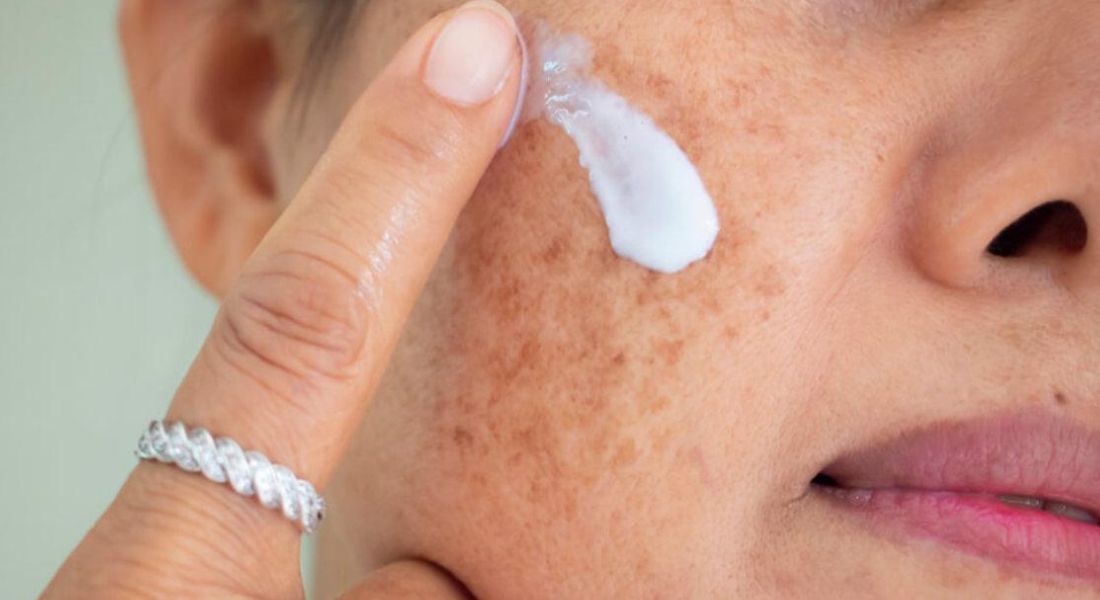
Melasma is a common skin condition that causes dark, patchy pigmentation, most often on your face. It is usually linked to hormonal changes, sun exposure, and genetic factors. If you’re dealing with melasma, you’ll know it can be persistent and difficult to manage without targeted treatment.
Hydroquinone is one of the most widely prescribed treatments for melasma. It works by reducing the production of melanin, the pigment responsible for your skin colour. Because of its effectiveness, it is often considered a first-line treatment in dermatology.
If you’re thinking about using hydroquinone, it’s important to understand how it works, how to use it safely, and what kind of results you can realistically expect. In this article, you’ll be guided through the benefits, risks, and outcomes so you can make an informed decision about your treatment.
What Is Hydroquinone?
Hydroquinone is a topical medication used to lighten areas of hyperpigmentation. It works by blocking an enzyme called tyrosinase, which plays a key role in melanin production. By slowing down this process, it helps reduce excess pigment and gradually fades dark patches on your skin.
You’ll find hydroquinone available in different strengths, both over the counter and on prescription. Stronger formulations are usually recommended when melasma is more persistent or resistant to treatment. In most cases, you apply it directly to the affected areas as part of your daily skincare routine.
Hydroquinone has been used in dermatology for many years, and its effectiveness in treating pigmentation disorders is well established. However, you should always use it carefully and ideally under professional guidance to ensure safe and effective results.
Why Hydroquinone Is Used for Melasma
Melasma develops when your skin produces excess melanin in certain areas, leading to dark, uneven patches. Hydroquinone targets this process directly by slowing down pigment production. As a result, it helps reduce the visibility of these patches over time.
This is why hydroquinone is especially effective for facial pigmentation. Common areas like your cheeks, forehead, and upper lip often respond well to treatment. With consistent use, you may notice your skin tone becoming more even and balanced.
In many cases, hydroquinone is not used alone. Your dermatologist may combine it with other treatments to enhance results and prevent recurrence. A personalised treatment plan usually gives you the best outcome.
How Hydroquinone Works on the Skin
Hydroquinone works by interfering with melanocytes, the cells in your skin that produce pigment. It slows down the conversion of tyrosine into melanin, which is the substance responsible for dark patches. As melanin production decreases, the affected areas begin to lighten gradually.
You won’t see results overnight. Your skin needs time to renew itself, and this natural process happens in cycles. With consistent use, you’ll start to notice gradual improvement as newer, less pigmented skin replaces older cells.
Because hydroquinone targets the root cause of pigmentation, it can lead to noticeable changes over time. However, your results will depend on how severe your melasma is and how your skin responds to treatment. Regular check-ins with your dermatologist help you stay on track and adjust your treatment if needed.
How to Use Hydroquinone Safely
Hydroquinone should always be used exactly as your dermatologist advises. In most cases, you’ll apply a thin layer once or twice a day to the affected areas. Using more than recommended won’t speed up your results and can increase the risk of irritation or sensitivity.
It’s important to apply the treatment only to the pigmented patches rather than the surrounding skin. This helps prevent uneven lightening and ensures a more natural-looking result. Taking care with application makes a noticeable difference over time.
Sun protection is a key part of your treatment. Exposure to UV rays can worsen melasma and reduce how well hydroquinone works. You should use a broad-spectrum sunscreen daily and reapply it when needed. This step is essential if you want to maintain and improve your results.
Importance of Sun Protection
Sun exposure is one of the most significant triggers of Melasma, and it can directly interfere with treatment progress. Even minimal exposure to ultraviolet (UV) rays can stimulate melanin production, causing pigmentation to return or darken. This makes sun protection an essential part of any treatment plan, particularly when using Hydroquinone.
- UV exposure triggers melanin production: Even brief sun exposure can activate pigment-producing cells, leading to darkening of affected areas. This can undo the progress made with treatment.
- Daily use of broad-spectrum sunscreen: Applying a sunscreen that protects against both UVA and UVB rays helps prevent further pigmentation. Consistent daily use is essential, even on cloudy days or when indoors near windows.
- Regular reapplication matters: Sunscreen should be reapplied every few hours, especially during prolonged outdoor exposure. This ensures continuous protection throughout the day.
- Additional protective measures: Wearing wide-brimmed hats, sunglasses, and protective clothing can further reduce UV exposure. These steps provide an added layer of defence against pigmentation triggers.
Dermatologists consistently emphasise that sun protection is not optional when managing melasma. Without proper protection, even the most effective treatments may deliver limited results. Preventative care plays a crucial role in maintaining clearer, more even-toned skin over time.
Expected Timeline for Results
Hydroquinone does not deliver instant results, so it’s important to set realistic expectations from the start. Most patients begin to notice visible improvement after a few weeks of consistent use. However, more significant changes usually take a few months to fully develop.
This gradual progress reflects your skin’s natural renewal cycle. As new skin cells form and replace older, pigmented ones, the dark patches slowly begin to fade. Staying consistent with your treatment routine is key during this phase.
Your dermatologist will typically monitor your progress and may adjust your treatment depending on how your skin responds. Having realistic expectations helps you stay patient and avoid unnecessary frustration while your skin improves.
Combining Hydroquinone with Other Treatments
Hydroquinone is often more effective when it’s used as part of a combination treatment plan rather than on its own. Your dermatologist may recommend pairing it with ingredients like retinoids or mild topical steroids to enhance your results.
Retinoids help speed up your skin’s natural cell turnover. This means pigmented cells are shed more quickly, allowing fresh, more evenly toned skin to appear. Mild steroids, on the other hand, can help reduce inflammation and minimise irritation that sometimes comes with treatment.
These combinations can be very effective, but they should only be used under medical supervision. Your dermatologist will tailor the treatment to suit your skin type and the severity of your melasma. This personalised approach helps you achieve better and more consistent outcomes.
Common Side Effects
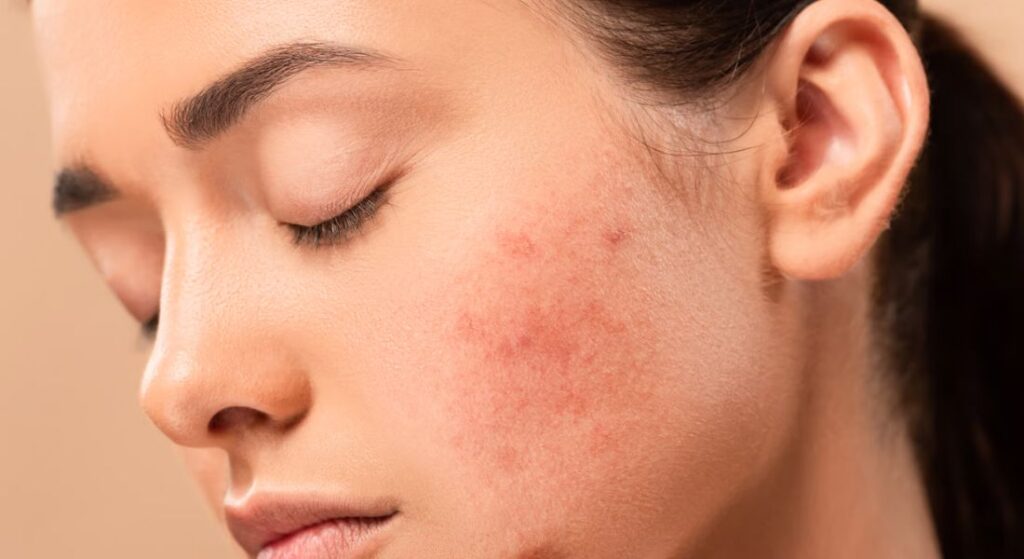
When using hydroquinone, it is not uncommon to experience mild side effects, particularly during the early stages of treatment. Your skin may take time to adjust to the active ingredient, especially if you have sensitive or reactive skin. Most reactions are temporary and manageable, but understanding what to expect can help you use the treatment more confidently and safely.
- Mild redness, dryness, or irritation: These are the most commonly reported side effects and usually settle as your skin adapts. Keeping the skin well moisturised can help reduce discomfort and support the skin barrier.
- Managing irritation effectively: If irritation becomes more noticeable or persistent, it may be necessary to reduce how often you apply the product or pause treatment briefly. A dermatologist can guide you on how to adjust usage safely without affecting results.
- Importance of monitoring your skin: Paying close attention to how your skin responds allows you to address any issues early. This helps maintain comfort and reduces the likelihood of more significant complications.
With the right approach and proper guidance, most side effects can be managed easily. Following professional advice and using the product as directed helps ensure safe and effective treatment outcomes.
Risk of Overuse
Using hydroquinone for too long or without proper guidance can lead to unwanted complications. One rare but important condition linked to prolonged misuse is ochronosis, where the skin develops a bluish-black darkening instead of becoming lighter. While this is uncommon, it highlights why careful use matters.
To reduce this risk, hydroquinone is usually prescribed in controlled treatment cycles rather than for continuous, long-term use. Your dermatologist may advise you to take breaks between courses or switch to maintenance treatments once improvement is achieved. This approach helps protect your skin while still delivering results.
Following professional advice is essential throughout your treatment. Avoid increasing the frequency or duration on your own, even if you feel progress is slow. Safe, supervised use not only prevents complications but also gives you the best chance of achieving even, long-lasting results.
Skin Sensitivity During Treatment
Hydroquinone can make your skin more sensitive, especially when exposed to sunlight. This increased sensitivity may raise the risk of irritation, redness, or dryness if not managed carefully. Adopting a gentle skincare routine during treatment helps protect your skin and maintain comfort.
- Increased sensitivity to sunlight: Hydroquinone can make your skin more reactive to UV exposure. Daily use of a broad-spectrum sunscreen is essential to prevent further pigmentation and irritation.
- Avoiding harsh products: Strong exfoliants, acids, or active ingredients can worsen sensitivity. Keeping your routine simple helps reduce the risk of inflammation.
- Supporting the skin barrier: Mild cleansers and hydrating moisturisers help maintain your skin’s protective barrier. This reduces dryness and improves overall comfort during treatment.
- Simplifying your routine: Dermatologists often recommend using fewer products while your skin adjusts. A minimal approach allows the treatment to work effectively without unnecessary irritation.
Managing sensitivity properly helps you stay consistent with treatment. When your skin is calm and supported, you’re more likely to achieve safe and effective results.
Suitability for Different Skin Types
Hydroquinone can be used across a wide range of skin types, but how your skin responds may differ. If you have a darker skin tone, you may need closer monitoring, as there is a slightly higher risk of uneven pigmentation or post-inflammatory changes if the treatment is not carefully managed.
Your dermatologist will adjust your treatment plan based on your skin type, sensitivity, and the severity of your melasma. This personalised approach helps ensure that the treatment is both safe and effective for you.
Paying attention to how your skin responds during treatment is important. Regular follow-up appointments allow your dermatologist to make any necessary adjustments along the way. With tailored care and proper monitoring, you can achieve more consistent and balanced results.
When Hydroquinone May Not Be Suitable
Collagen-stimulating injectables, such as Sculptra, demand specialised knowledge and experience to achieve safe and natural-looking results. Correct dilution and precise injection technique are crucial for even distribution and gradual collagen stimulation. Expertise ensures that enhancements enhance the face subtly without creating overfilled or uneven areas.
- Proper injection technique: The way the product is administered affects both safety and aesthetic outcome. Skilled practitioners place injections carefully to stimulate collagen effectively while maintaining natural contours.
- Avoiding overcorrection or irregularities: Experienced professionals know how to balance treatment volumes and target areas accurately. This reduces the risk of lumps, asymmetry, or overfilled results.
- Medical knowledge is essential: Understanding facial anatomy, patient-specific needs, and potential risks is critical for safe and effective treatments. Practitioners must also manage any complications promptly if they arise.
- Choosing a qualified professional: Patients should prioritise certified and experienced practitioners for any aesthetic injectable. Expertise directly influences both the safety of the procedure and the quality of results.
By selecting a highly skilled and knowledgeable practitioner, patients can achieve smooth, natural improvements while minimising risk. Professional expertise is key to ensuring that collagen-stimulating treatments are both effective and safe.
Alternatives to Hydroquinone
If hydroquinone isn’t suitable for you, there are several effective alternatives available for managing melasma. Common options include azelaic acid, kojic acid, and tranexamic acid. Each of these works differently but can help reduce pigmentation and improve overall skin tone.
You might consider alternatives if you have sensitive skin, experience irritation, or simply prefer a different approach. Your dermatologist can guide you towards the most appropriate option based on your skin type and the severity of your melasma.
In some cases, these alternatives are also used as part of combination therapy. This can enhance results while reducing the risk of side effects from any single treatment. As always, a personalised plan is key to achieving safe and effective outcomes.
The Role of Professional Monitoring
When using Hydroquinone, regular monitoring by a dermatologist plays a vital role in ensuring both safety and effectiveness. This treatment can deliver significant improvements in conditions like Melasma, but it must be used carefully under professional guidance. Ongoing supervision helps you achieve the best possible results while minimising potential risks.
- Tracking treatment progress: Follow-up appointments allow your dermatologist to evaluate how your skin is responding. This ensures the treatment is working effectively and progressing as expected.
- Early detection of side effects: Monitoring helps identify irritation, redness, or sensitivity at an early stage. Quick adjustments can prevent these issues from becoming more severe.
- Adjusting treatment plans: Your dermatologist may modify concentration, frequency, or duration of use based on your skin’s response. This personalised approach improves both safety and outcomes.
- Ensuring long-term skin health: Professional oversight helps prevent complications such as overuse or uneven pigmentation. It also ensures that treatment remains suitable for your skin type over time.
Regular dermatological monitoring provides reassurance and structure throughout your treatment journey. With expert guidance, you can use hydroquinone safely, maintain healthy skin, and achieve more consistent, long-lasting results.
Managing Expectations
Hydroquinone can make a noticeable difference to your melasma, but it’s unlikely to remove it completely. Your results will depend on factors like the depth of pigmentation, your skin type, and how consistently you follow treatment. Setting realistic expectations from the beginning helps you stay motivated.
Melasma is often a long-term condition, which means ongoing management is usually needed. Even after your skin improves, your dermatologist may recommend maintenance treatments to keep pigmentation under control. Staying consistent with your routine plays a big role in maintaining results.
When you understand that improvement takes time and maintenance is part of the process, it becomes easier to avoid frustration. Patience and adherence to your treatment plan are key. With the right approach, you can achieve steady, satisfying progress over time.
Maintenance After Treatment
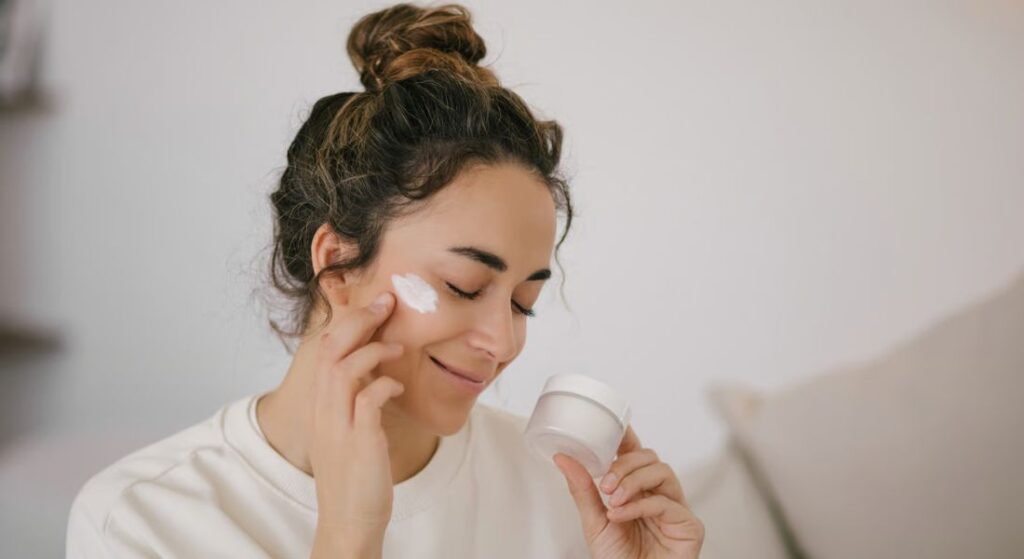
After achieving visible improvement, ongoing maintenance is often necessary to help prevent recurrence and preserve results. Skin conditions such as pigmentation can return if underlying triggers are not managed. A consistent, well-planned approach helps maintain the benefits of treatment over the long term.
- Daily sun protection: Protecting your skin from UV exposure is essential. Regular use of broad-spectrum sunscreen helps prevent pigmentation from returning and protects overall skin health.
- Gentle, consistent skincare: Using mild, non-irritating products supports skin barrier function. Consistency in your routine helps maintain stability and reduces the risk of flare-ups.
- Managing triggers: Identifying and avoiding individual triggers, such as sun exposure or certain skincare products, can help minimise recurrence. Prevention plays a key role in long-term control.
- Intermittent treatment use: Dermatologists may recommend periodic use of topical treatments to keep pigmentation under control. These maintenance therapies are tailored to your skin’s needs.
- Long-term commitment to care: Ongoing care is essential for sustained results. Following medical advice and maintaining healthy habits help preserve improvements and reduce the likelihood of relapse.
By staying consistent with aftercare and prevention strategies, you can maintain clearer, more even-looking skin. Long-term success depends on a proactive approach and regular attention to your skin’s needs.
Psychological Impact of Melasma
Melasma doesn’t just affect your skin it can also impact how you feel about yourself. Visible pigmentation on the face may lower your confidence and make you more self-conscious in social or professional settings. These emotional effects are real, and they deserve attention as part of your overall care.
As your skin improves, you’ll often notice a positive shift in your confidence too. Treating melasma isn’t only about appearance; it’s also about helping you feel more comfortable and confident in your own skin. Good dermatological care supports both your physical and emotional well-being.
You should feel comfortable discussing any concerns with your dermatologist, including how melasma is affecting your confidence. A supportive, open approach makes the treatment journey easier and more effective. With the right care and visible progress, your confidence often improves alongside your skin.
Advances in Melasma Treatment
Melasma treatment is constantly evolving, and ongoing research is helping to improve how effectively pigmentation can be managed. New approaches are focusing on targeting melanin production more precisely, which can lead to better and more consistent results for you.
You’ll now find that combination therapies are becoming more refined. Treatments such as chemical peels and laser procedures are often used alongside topical options like hydroquinone to enhance outcomes. These methods can work together to address pigmentation from different angles.
Technology is also playing a growing role in dermatology. Advanced laser systems and improved formulations are making treatments more targeted and controlled. This means you can benefit from safer procedures with reduced downtime.
Looking ahead, continued research is likely to bring even more effective solutions. As understanding of melasma improves, treatment plans will become increasingly personalised. This progress is helping you achieve better, longer-lasting results with the right professional guidance.
Importance of Personalised Treatment
Every case of melasma is different, which means your treatment should never be one-size-fits-all. Factors like your skin type, the depth and severity of pigmentation, and specific triggers such as sun exposure or hormones all influence how your skin responds. A personalised approach gives you the best chance of seeing real improvement.
Your dermatologist will design a treatment plan tailored specifically to you. This may include selecting the right strength of hydroquinone, combining it with other treatments, or adjusting your routine based on how your skin reacts. This level of individual care improves both effectiveness and safety.
When you understand your own skin and what affects it, you’re in a stronger position to make informed decisions. Regular consultations and professional guidance help keep your treatment on track. With a personalised plan, you’re far more likely to achieve consistent, long-lasting results.
Why Understanding Hydroquinone Matters

When you understand how hydroquinone works, you’re in a much better position to use it safely and get the results you want. Knowing both the benefits and the potential risks helps you make informed decisions about your treatment. That knowledge puts you in control of your skincare journey.
Your dermatologist doesn’t use hydroquinone in isolation. It’s usually part of a wider treatment strategy that considers your skin type, triggers, and the underlying causes of your melasma. When these factors are addressed together, you’re more likely to see meaningful and lasting improvement.
The more you understand your treatment, the more confident you’ll feel managing your condition. You’ll know what to expect, how to stay consistent, and when to seek advice if needed. This informed approach supports better outcomes and helps you maintain results over the long term.
FAQs:
1. How long does hydroquinone take to work on melasma?
You’ll usually begin to notice early improvement within 4 to 6 weeks of consistent use. However, more visible and even-toned results can take up to 8 to 12 weeks. Your skin renews itself gradually, which is why results don’t appear overnight. If you stay consistent and follow your dermatologist’s advice, you’ll give the treatment the best chance to work. Patience really does make a difference here.
2. Can you use hydroquinone every day?
Yes, you can use hydroquinone daily if your dermatologist has advised it. Most people are instructed to apply it once or twice a day to affected areas. Using more than recommended won’t speed up results and may actually irritate your skin. It’s important to stick to the prescribed routine for safe and effective treatment. Consistency matters more than overuse.
3. Is hydroquinone safe for long-term use?
Hydroquinone is generally not intended for continuous long-term use without breaks. You’ll usually use it in treatment cycles to reduce the risk of side effects. Prolonged, unsupervised use can lead to complications such as skin darkening. Your dermatologist will guide you on when to pause or stop treatment. Following professional advice helps keep your skin safe.
4. Do you need sunscreen while using hydroquinone?
Yes, wearing sunscreen every day is essential when using hydroquinone. UV exposure can worsen melasma and reverse the progress you’ve made. Even small amounts of sunlight can stimulate pigment production. You should use a broad-spectrum SPF and reapply it throughout the day if needed. Without proper sun protection, your results may be limited.
5. Can hydroquinone completely remove melasma?
You can expect noticeable improvement, but complete removal isn’t always possible. Melasma is often a chronic condition that may return over time. Your goal is usually to lighten and manage the pigmentation rather than cure it completely. Ongoing care and maintenance are often needed to keep it under control. Setting realistic expectations helps you stay satisfied with your results.
6. What are the common side effects of hydroquinone?
You might experience mild side effects such as redness, dryness, or slight irritation. These reactions are usually temporary and improve as your skin adjusts. Using a moisturiser can help reduce dryness and keep your skin comfortable. If irritation becomes more severe, your dermatologist may adjust your treatment plan. Monitoring your skin regularly helps you manage any issues early.
7. Can you combine hydroquinone with other treatments?
Yes, hydroquinone is often combined with other treatments to improve results. Your dermatologist may recommend retinoids or other ingredients to enhance effectiveness. These combinations can help speed up skin renewal and improve pigmentation. However, you shouldn’t mix treatments on your own without guidance. Professional supervision ensures safe and effective use.
8. Is hydroquinone suitable for all skin types?
Hydroquinone can be used on most skin types, but your response may vary. If you have darker skin, careful monitoring is important to avoid uneven lightening. Your dermatologist will tailor your treatment based on your skin type and concerns. Personalised care helps improve both safety and results. Understanding your skin’s needs makes a big difference.
9. What happens if you stop using hydroquinone?
If you stop using hydroquinone without a maintenance plan, your pigmentation may gradually return. Melasma can be triggered again by sun exposure or hormonal changes. That’s why ongoing care is important even after improvement. Your dermatologist may suggest a maintenance routine to help preserve your results. Consistency helps keep your skin looking even.
10. Are there alternatives if hydroquinone doesn’t suit you?
Yes, there are several alternatives available if hydroquinone isn’t suitable for you. Options like azelaic acid, kojic acid, and tranexamic acid can be effective for treating melasma. These may be recommended if you have sensitive skin or experience irritation. Your dermatologist will help you choose the best option based on your needs. Personalised treatment ensures better outcomes.
Final Thought: Managing Melasma with Confidence
Dealing with melasma can feel frustrating, especially when the pigmentation doesn’t fade as quickly as you’d like. However, when you understand how hydroquinone works and use it correctly, you give yourself a much better chance of seeing real improvement. The key is consistency, patience, and following a treatment plan that’s tailored specifically to your skin.
You also need to remember that hydroquinone isn’t a quick fix. It works gradually by targeting pigment production, which means your results will build over time rather than appearing overnight. When you combine it with proper sun protection and gentle skincare, you create the right conditions for your skin to improve safely.
It’s equally important to use hydroquinone under professional guidance. This helps you avoid unnecessary side effects and ensures your treatment stays effective. Regular monitoring allows adjustments to be made based on how your skin responds, which can make a noticeable difference in your results. If you’re thinking about melasma treatment in London, you can contact us at London Dermatology Centre to book a consultation with one of our specialists.
References:
- Draelos, Z.D. (2007) ‘Skin lightening preparations and the hydroquinone controversy’, Dermatologic Therapy, 20(5), pp. 308–313. Available at: https://www.ncbi.nlm.nih.gov/pmc/articles/PMC2921764/
- Grimes, P.E. (1995) ‘Melasma: etiologic and therapeutic considerations’, Archives of Dermatology, 131(12), pp. 1453–1457. Available at: https://www.ncbi.nlm.nih.gov/pmc/articles/PMC2807702/
- Gupta, A.K. and Gover, M.D. (2006) ‘The treatment of melasma: A review of clinical trials’, Journal of the American Academy of Dermatology, 55(6), pp. 1048–1065. Available at: https://www.sciencedirect.com/science/article/pii/S0190962206005238
- Kourtney, P. and Williams, K. (2022) ‘Hydroquinone’, Advances in Cosmetic Surgery, 5, pp. 1–10. Available at: https://www.sciencedirect.com/science/article/pii/S2542432721000394
- McKesey, J., Tovar-Garza, A. and Pandya, A.G. (2020) ‘Melasma: an evidence-based review’, American Journal of Clinical Dermatology, 21(2), pp. 173–225. Available via: https://pubmed.ncbi.nlm.nih.gov/31802394/