


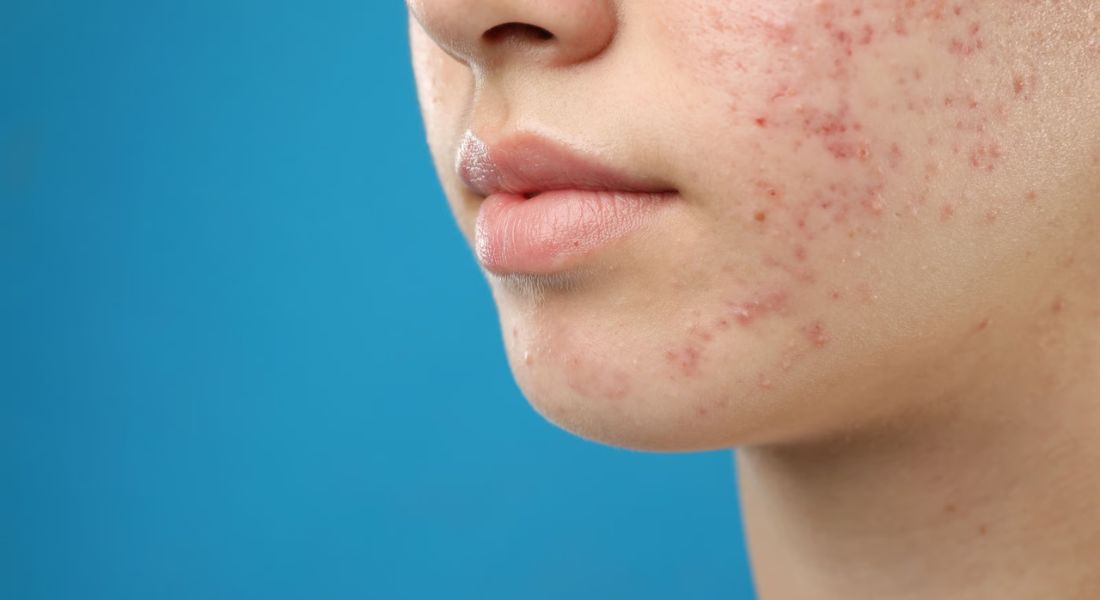
Acne is one of the most common skin issues, affecting people across all age groups. It often appears as pimples, blackheads, or inflamed bumps and can be both physically uncomfortable and emotionally distressing. While many people associate acne with teenage years, adults can also experience persistent breakouts. The causes are usually complex, involving hormones, diet, stress, and genetics.
Thyroid disorders are conditions where the thyroid gland either produces too much hormone (hyperthyroidism) or too little (hypothyroidism). These hormones are essential for regulating metabolism, energy, and even the skin’s health. When the thyroid is not working correctly, it can affect how the skin functions, sometimes making acne worse. Hormonal imbalances caused by thyroid problems may trigger excess oil production, leading to clogged pores.
Some research suggests a potential link between thyroid dysfunction and acne, although it is not fully understood. For example, people with hypothyroidism may experience slower skin cell turnover, which can contribute to blocked pores and breakouts. Conversely, hyperthyroidism can increase oil production, also affecting the skin. While thyroid issues are not the most common cause of acne, they can play a role in stubborn or unusual cases.
If you struggle with acne that does not improve with regular treatments, it may be worth discussing thyroid health with a doctor. Managing the underlying thyroid problem could improve skin appearance and overall well-being. Additionally, combining medical advice with proper skincare routines can help reduce breakouts and prevent long-term skin damage. Understanding the connection between acne and thyroid disorders empowers people to approach treatment in a more informed way.
Acne: More Than Just a Teenage Problem
Acne is often thought of as a condition that only affects teenagers, but many adults experience it as well. It occurs when hair follicles become clogged with a combination of oil, dead skin cells, and bacteria. These blockages can lead to the appearance of pimples, blackheads, or inflamed cysts. Understanding why acne happens is key to managing it effectively.
Hormonal imbalances are one of the main triggers for acne. Changes in hormone levels can cause the skin to produce more oil than usual, increasing the risk of clogged pores. This is why conditions that affect hormones, such as thyroid disorders, may sometimes influence acne flare-ups. Paying attention to these underlying factors can help in finding better treatment options.
Acne in adulthood can also be linked to stress, diet, and lifestyle habits. Poor sleep, unhealthy eating, and high stress levels can worsen breakouts, making them more persistent. While most cases of acne are manageable with proper skincare, identifying possible hormonal or medical causes can make treatment more effective. Recognising that acne is not just a teenage problem is the first step toward healthier skin.
How Hormones Affect Skin Health
Your hormones act as chemical messengers, controlling many processes in your body, including how your skin behaves. They influence things like oil production, skin thickness, and how quickly your skin renews itself. When your hormone levels are balanced, your skin is more likely to stay clear and healthy. However, if they become imbalanced, you may start to notice changes such as increased oiliness or more frequent breakouts.
- Increased oil production: When certain hormones rise, especially androgens, your sebaceous glands can become more active. This means your skin may produce more oil than usual, which can make it feel greasy and more prone to clogged pores.
- Blocked pores and breakouts: Excess oil can mix with dead skin cells and bacteria, creating the ideal environment for acne to develop. You might notice blackheads, whiteheads, or inflamed spots appearing more frequently.
- Inflammation and sensitivity: Hormonal imbalances can also trigger inflammation in your skin. This is why breakouts may become red, swollen, or even painful, especially during certain times such as your menstrual cycle.
- Impact of thyroid hormones: Thyroid hormones play an important role in how quickly your skin cells renew and repair. If your thyroid function is disrupted, your skin may become dry, dull, or more prone to breakouts due to slower cell turnover.
Understanding how your hormones influence your skin can help you take a more targeted approach to treatment. By addressing both hormonal balance and skincare, you can improve your chances of keeping your skin clearer and healthier over time.
Hypothyroidism and Skin Changes
Hypothyroidism occurs when the thyroid gland is underactive and does not produce enough hormones to support the body’s needs. These hormones are vital for regulating metabolism, energy levels, and skin health. When hormone levels are low, the skin can become dry, flaky, and more prone to irritation. Many people also notice their skin heals more slowly from minor cuts or blemishes.
Low thyroid hormone levels can sometimes contribute to acne flare-ups, particularly in adults who have never experienced persistent breakouts before. Reduced hormone activity can slow down skin cell turnover, leading to clogged pores and a higher risk of pimples. In addition, the skin may feel rough or tight, which can make acne lesions appear more inflamed and noticeable.
People with hypothyroidism often find that their skin becomes more sensitive to external factors, such as harsh skincare products or environmental changes. This sensitivity can worsen irritation and make managing acne more challenging. Treating the underlying thyroid condition, alongside a gentle skincare routine, can help improve both skin texture and the appearance of breakouts.
Hyperthyroidism and Acne
Hyperthyroidism occurs when the thyroid gland produces too many hormones, causing the body to function at an accelerated pace. This increase in hormones affects many systems, including the skin, which can become more oily than usual. Excess oil can clog pores, creating an environment where bacteria thrive and acne develops.
The overproduction of thyroid hormones can also make the skin more sensitive and reactive. People may notice redness, irritation, or flare-ups that are more frequent than normal. These changes make it easier for acne to appear or worsen, especially in areas prone to breakouts such as the face, chest, and back.
Managing hyperthyroidism is essential not just for overall health, but also for improving skin condition. Treating the thyroid imbalance can help regulate oil production and reduce inflammation. Combined with a consistent skincare routine, addressing hyperthyroidism can make a noticeable difference in controlling acne.
The Role of Androgens
Thyroid disorders can have a significant impact on hormone levels, particularly androgens such as testosterone. These hormones play a key role in regulating sebum production, which is closely linked to acne development. When thyroid function is disrupted, androgen levels can fluctuate, potentially causing skin issues. Even with a balanced diet and healthy lifestyle, these hormonal shifts may trigger breakouts.
- Increased Sebum Production: Androgens stimulate the sebaceous glands to produce more oil. Excess sebum can clog pores, creating an environment where acne-causing bacteria thrive.
- Hormonal Imbalance from Thyroid Dysfunction: An underactive or overactive thyroid can disturb androgen levels. This imbalance may result in unexpected acne flare-ups despite other healthy habits.
- Impact on Skin Sensitivity: Fluctuating androgen levels can make the skin more sensitive and prone to inflammation. This often worsens existing acne and can make treatment more challenging.
- Interaction with Other Hormones: Androgens interact with other hormones, including those regulated by the thyroid. These interactions can amplify skin issues, creating a cycle of breakouts and irritation.
In conclusion, the connection between thyroid health and androgens highlights why hormonal balance is crucial for clear skin. Thyroid dysfunction can indirectly trigger acne by influencing androgen levels, even in those who maintain a healthy lifestyle. Understanding this link can help in tailoring more effective acne treatments. Managing thyroid conditions alongside skin care may be essential for long-term skin health.
Autoimmune Thyroid Conditions
Autoimmune thyroid conditions, such as Hashimoto’s thyroiditis and Graves’ disease, occur when the body’s immune system mistakenly attacks the thyroid gland. This can disrupt hormone production, affecting many aspects of health, including the skin. The resulting imbalances may make the skin more prone to dryness, sensitivity, or excessive oiliness, which can contribute to acne.
These autoimmune attacks can also create systemic inflammation throughout the body. Inflammation can appear on the skin as redness, irritation, or flare-ups, sometimes triggering acne in areas that were previously clear. For people struggling with persistent or unusual breakouts, recognising this link can be key to identifying an underlying thyroid problem.
Understanding your autoimmune status is important when evaluating ongoing acne. Blood tests and medical assessments can determine if thyroid antibodies or inflammation are contributing factors. Addressing the underlying autoimmune condition, alongside a proper skincare routine, can help improve both overall health and the appearance of the skin.
Thyroid Medication and Acne

Medication used to treat thyroid disorders can sometimes affect the skin in unexpected ways. For example, levothyroxine, commonly prescribed for hypothyroidism, and antithyroid drugs for hyperthyroidism can occasionally cause side effects like acne or increased skin sensitivity. These effects are usually mild, but they can be frustrating for those already managing breakouts.
The way these medications influence the skin is often linked to hormonal adjustments. As the body responds to treatment, hormone levels can shift, sometimes triggering temporary flare-ups. This is particularly common when doses are being started or changed, and it may take time for the skin to stabilise.
It is important to work closely with a healthcare professional if you notice skin changes while taking thyroid medication. Dermatologists and endocrinologists can review your treatment plan and adjust doses if necessary to reduce side effects. With careful management, most people find that both their thyroid condition and skin health can improve together.
Stress, Thyroid, and Acne
Stress can have a powerful effect on both the thyroid and the skin. When the body is under chronic stress, hormone levels can become disrupted, which may worsen existing thyroid problems. This hormonal imbalance can make the skin more prone to inflammation, leading to increased acne flare-ups.
One of the key stress-related hormones is cortisol, which tends to rise when the body is constantly under pressure. High cortisol levels can stimulate oil production in the skin, clogging pores and contributing to breakouts. Combined with thyroid dysfunction, stress can make acne harder to control, even with proper skincare.
Incorporating simple stress management techniques can have noticeable benefits for both skin and overall health. Practices such as mindfulness, regular exercise, adequate sleep, and relaxation exercises can help regulate hormones naturally. By managing stress, many people find that their acne becomes less frequent and their skin appears calmer and healthier.
Diet Considerations
Nutrition can play an important role in supporting both thyroid health and skin condition. Eating a diet rich in nutrients such as iodine, selenium, and zinc helps the thyroid function properly and maintain hormonal balance. These nutrients are found in foods like seafood, nuts, seeds, and whole grains, which can contribute to overall wellbeing.
At the same time, certain dietary choices can influence acne. Diets high in processed sugars, refined carbohydrates, or excessive dairy may trigger breakouts in some individuals. Reducing these foods and focusing on whole, nutrient-dense meals can help keep pores clear and inflammation under control.
Small adjustments to diet often add up over time, making a noticeable difference to skin clarity. Staying hydrated and including plenty of fruits and vegetables can further support healthy skin. Combined with medical care and good skincare habits, mindful eating is a simple but effective way to manage both acne and thyroid health.
Identifying the Connection
It’s important to remember that not all cases of adult acne are related to thyroid disorders. Many other factors, such as stress, diet, genetics, or skincare habits, can contribute to breakouts. However, when acne is persistent, unusual, or difficult to treat, it may be worth exploring a hormonal cause.
Testing for hormonal imbalances, including thyroid function, can provide valuable insights. Blood tests measuring thyroid-stimulating hormone (TSH), as well as T3 and T4 levels, can reveal whether the thyroid is underactive or overactive. These results help doctors determine if the acne could be linked to a thyroid condition.
Identifying a potential thyroid connection allows for a more targeted approach to treatment. Addressing the underlying thyroid issue alongside regular skincare routines can improve both skin health and overall wellbeing. Early recognition and proper management often lead to better results and fewer flare-ups over time.
Skin Care Adjustments
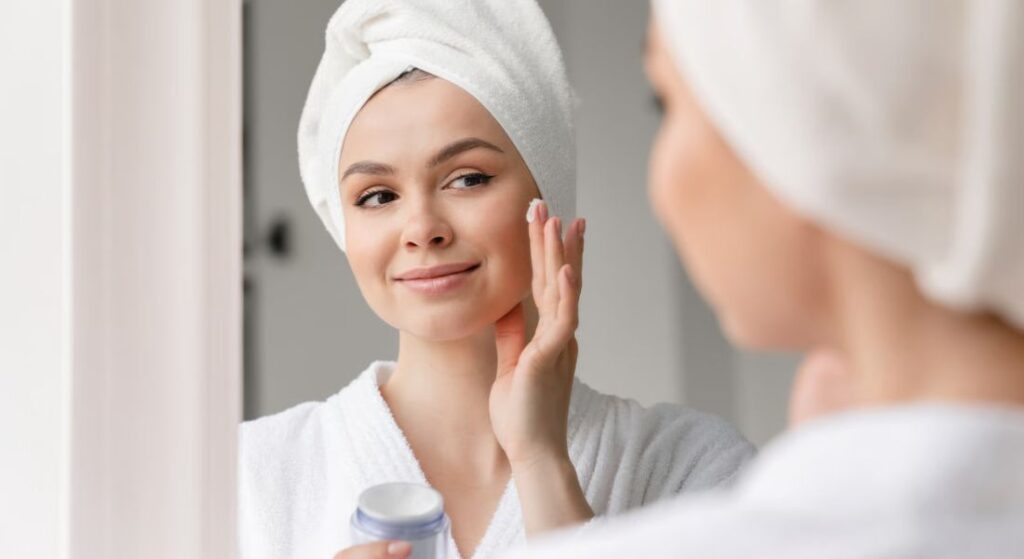
Adapting your skincare routine can significantly improve skin affected by thyroid imbalances. Choosing the right products helps manage excess oil and sensitivity, which are common issues when hormones fluctuate. Harsh treatments can aggravate the skin, so a careful, personalised approach is essential. Small changes in your routine can have noticeable results over time.
- Use Gentle Cleansers: Opt for mild, non-comedogenic cleansers to avoid stripping natural oils. This helps maintain the skin’s protective barrier while reducing excess sebum.
- Moisturise Appropriately: Even oily or acne-prone skin needs hydration. Lightweight, non-comedogenic moisturisers keep the skin balanced without clogging pores.
- Avoid Harsh Products: Strong exfoliants, alcohol-based toners, or abrasive scrubs can worsen irritation. Overuse can trigger redness, dryness, and increased breakouts.
- Personalised Routine: Every individual’s skin reacts differently, especially with hormonal fluctuations. Tailoring products and steps to your skin type and thyroid condition provides the best results.
In conclusion, effective skincare for thyroid-affected skin focuses on gentleness and balance. Using suitable cleansers and moisturisers while avoiding harsh products can minimise irritation and prevent acne flare-ups. A personalised approach ensures your skin gets the care it truly needs, supporting both comfort and appearance.
Medical Acne Treatments
When acne continues despite making lifestyle and dietary changes, medical treatments may be needed. Topical treatments such as retinoids can help unclog pores and encourage skin cell turnover. These treatments often form the first line of defence against persistent breakouts.
Oral medications, including antibiotics or hormonal therapies, may also be recommended for more severe acne. These treatments work by reducing bacteria, controlling inflammation, and balancing hormones that can trigger pimples. Using them under medical supervision ensures they are safe and effective for your individual skin type.
For professional care in the UK, options like Acne treatment London are worth exploring. Specialists at these clinics consider not just the skin itself, but also underlying factors such as thyroid health, hormonal imbalances, and lifestyle triggers. This holistic approach can lead to better results and longer-lasting improvements in skin clarity.
Hormonal Therapy Options
In certain cases, doctors may recommend hormonal treatments to help balance androgen levels, especially for women experiencing acne linked to thyroid or other hormonal imbalances. These treatments target the underlying hormonal triggers rather than just the symptoms on the skin. By addressing the cause, they can provide longer-lasting improvement compared with standard topical treatments alone.
Combined oral contraceptives are one common option. They work by regulating hormone fluctuations, which in turn can reduce sebum production and prevent clogged pores. Many women notice a significant reduction in acne after several months of consistent use under medical supervision.
Anti-androgen medications are another option for those who cannot take oral contraceptives or need additional support. These medications reduce the effect of male hormones on the skin, helping to control oiliness and breakouts. As with all hormonal therapies, it’s important to use them under the guidance of a healthcare professional to ensure safety and effectiveness.
Natural Supportive Measures
Alongside medical treatments, natural measures can play a helpful role in supporting both thyroid function and skin health. Simple habits such as regular exercise, staying well-hydrated, and getting enough sleep can make a noticeable difference. These foundational practices help regulate hormones, improve circulation, and support the skin’s natural repair processes.
Stress management is another important factor, as chronic stress can worsen both thyroid problems and acne. Techniques like mindfulness, yoga, or deep-breathing exercises can reduce stress levels and help balance hormones naturally. By keeping stress under control, the skin may experience fewer breakouts and inflammation.
Certain herbal supplements, such as adaptogens, may also offer supportive benefits. Adaptogens help the body cope with stress, which indirectly supports both thyroid function and skin health. While these supplements are not a replacement for medical care, they can complement treatment plans and contribute to overall wellbeing.
Monitoring Your Progress
Tracking your skin and overall health can provide valuable insights when managing thyroid-related acne. By observing patterns in your skin, diet, and medication, you can better understand what triggers flare-ups. Small, informed adjustments often make a noticeable difference over time. Consistent monitoring empowers you to take control of your skincare journey.
- Keep a Skin Diary: Record daily changes in your skin’s appearance, including breakouts, dryness, or redness. This helps pinpoint triggers linked to hormonal fluctuations or external factors.
- Track Diet and Lifestyle: Note what you eat, stress levels, and sleep patterns. Certain foods or habits may worsen acne, and tracking them can reveal patterns to address.
- Monitor Medication Effects: Logging thyroid medication timing and dosage can highlight correlations with skin improvements or flare-ups. This insight can help your healthcare provider make better-informed adjustments.
- Evaluate Skincare Routine: Record reactions to specific products or treatments. This ensures that only effective, non-irritating products remain part of your routine.
In conclusion, careful monitoring is a powerful tool in managing acne linked to thyroid issues. Keeping detailed records of skin changes, diet, and medication allows for informed adjustments that improve outcomes. Over time, this approach provides clarity on what works best for your skin. Being proactive in tracking progress can significantly enhance both skin health and overall confidence.
When to See a Specialist
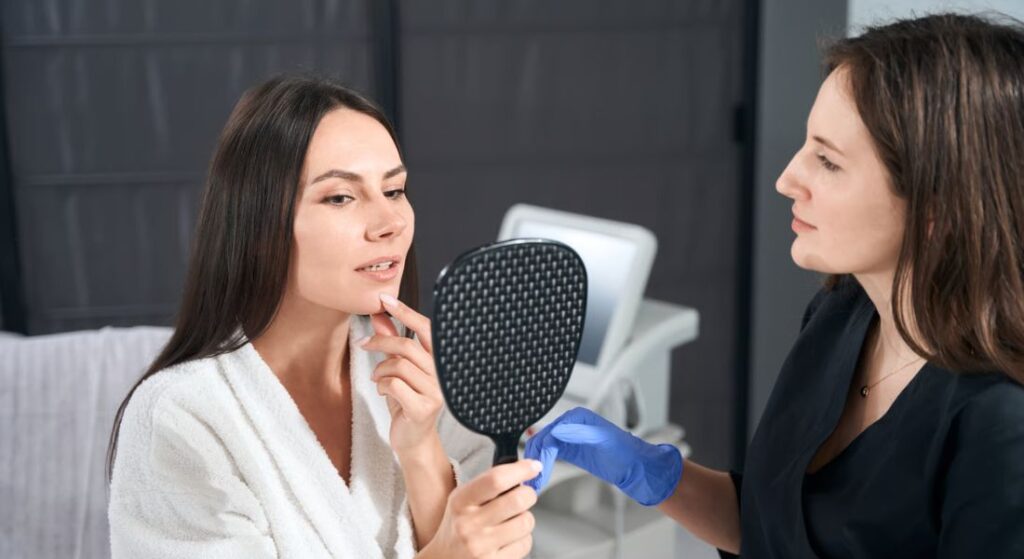
If your acne is severe, painful, or causing scarring, it is important to seek advice from a dermatologist. Professional assessment ensures that the condition is treated effectively and safely. Dermatologists can provide targeted treatments that go beyond over-the-counter options, helping to control flare-ups and prevent further skin damage.
Persistent acne may also indicate an underlying hormonal or thyroid issue. Blood tests and a full medical evaluation can reveal whether an imbalance is contributing to your breakouts. Identifying the root cause allows for a more personalised and effective treatment plan.
Early intervention is key to protecting both your skin and overall health. Addressing severe or chronic acne promptly can reduce the risk of permanent scarring and improve long-term skin health. Consulting a specialist also provides peace of mind and guidance on combining medical treatment with supportive lifestyle measures.
The Emotional Impact
Both acne and thyroid disorders can have a significant effect on confidence and overall mental wellbeing. Persistent breakouts or skin changes can make people feel self-conscious, while thyroid imbalances may contribute to mood swings or fatigue. Experiencing these issues together can be especially challenging.
The stress caused by visible skin problems can create a cycle where anxiety worsens hormone levels, which in turn can trigger more acne. This cycle highlights the close connection between emotional health, thyroid function, and skin condition. Addressing only one aspect without considering the other may limit improvement.
Seeking holistic care that considers both skin and thyroid health can be transformative. Combining medical treatments, lifestyle adjustments, and emotional support helps break this cycle. Over time, many people notice improvements not only in their skin but also in mood, energy levels, and overall quality of life.
Integrating Care Between Specialists
Collaboration between dermatologists and endocrinologists is key to providing a comprehensive approach to managing both acne and thyroid disorders. When specialists work together, they can consider the full picture, including hormonal balance, skin condition, and overall health. This coordinated care helps ensure that treatments for one condition do not interfere with the other.
For patients with autoimmune thyroid conditions, integrated care is especially important. These individuals may experience more complex symptoms, including skin flare-ups, fatigue, and inflammation. By sharing information and treatment plans, specialists can tailor therapies to each patient’s unique needs.
Coordinated care also improves long-term outcomes. Patients benefit from a strategy that addresses both the underlying thyroid issue and the skin symptoms simultaneously. This approach reduces trial-and-error treatments, minimises side effects, and supports overall wellbeing.
Long-Term Skin Health
Managing acne when thyroid disorders are involved takes patience and consistency. Breakouts may not improve overnight, and the skin often needs time to respond to treatment. Sticking to recommended skincare routines and following medical advice can gradually make a noticeable difference.
Balancing hormone levels is an essential part of long-term skin health. Whether through thyroid medication, hormonal therapy, or lifestyle adjustments, stabilising hormones helps reduce flare-ups. This creates a foundation for clearer, healthier skin over time.
Understanding the signals your body gives is also crucial. Noticing changes in mood, energy, or skin condition can indicate how well treatments are working. Paying attention and adjusting care accordingly helps achieve lasting results and prevents future flare-ups.
FAQs:
1. Can thyroid disorders cause acne?
Thyroid disorders do not directly cause acne, but they can influence hormonal balance, which may trigger breakouts. Changes in thyroid hormone levels can affect oil production and skin cell turnover. This creates conditions where acne is more likely to develop or worsen.
2. How does hypothyroidism affect the skin?
Hypothyroidism can make your skin dry, rough, and slow to heal. Reduced cell turnover may lead to clogged pores, increasing the risk of acne. Skin may also appear dull and more sensitive to irritation.
3. Does hyperthyroidism make acne worse?
Yes, hyperthyroidism can increase oil production in the skin. Excess oil can clog pores and create an environment where acne-causing bacteria thrive. This may lead to more frequent or severe breakouts.
4. Should I get my thyroid checked for persistent acne?
If your acne is persistent, unusual, or not responding to treatment, it may be worth checking your thyroid function. Blood tests can help identify any hormonal imbalance. This allows for a more targeted treatment approach.
5. Can thyroid medication cause acne?
Some thyroid medications may lead to temporary acne flare-ups, especially when treatment begins or dosages change. These effects are usually mild and settle as hormone levels stabilise. Always consult your doctor if symptoms persist.
6. How are hormones linked to both thyroid issues and acne?
Hormones regulate oil production and skin renewal. Thyroid disorders can disrupt other hormones, including androgens, which directly influence acne development. This hormonal imbalance may increase breakouts.
7. Can diet help manage acne related to thyroid problems?
A balanced diet rich in nutrients like iodine, selenium, and zinc supports thyroid health. Reducing processed foods and sugar may also help control acne. Diet alone is not a cure, but it can support overall treatment.
8. Does stress affect thyroid-related acne?
Yes, stress can worsen both thyroid function and acne. Increased stress hormones can stimulate oil production and inflammation in the skin. Managing stress can help improve both conditions.
9. What skincare routine is best for thyroid-related acne?
A gentle skincare routine is ideal. Use non-comedogenic cleansers and moisturisers to avoid clogging pores or irritating sensitive skin. Avoid harsh products that can worsen dryness or inflammation.
10. Can acne improve once thyroid levels are controlled?
In many cases, yes. When thyroid hormone levels are stabilised, skin function often improves. Combined with proper skincare and medical treatment, this can lead to clearer, healthier skin over time.
Final Thoughts: Taking a Holistic Approach to Acne and Thyroid Health
Understanding the connection between acne and thyroid disorders can help you take a more informed and effective approach to managing your skin. While thyroid issues are not always the primary cause of breakouts, they can influence hormone levels, oil production, and skin renewal, all of which play a role in acne development. Recognising these underlying factors allows for more targeted and personalised treatment strategies.
If your acne is persistent or difficult to manage, it may be worth exploring both dermatological and hormonal aspects together. Combining medical treatment, lifestyle adjustments, and a consistent skincare routine can significantly improve outcomes. Addressing thyroid health alongside skin concerns often leads to more balanced, long-term results rather than short-term fixes. If you’re considering acne treatment in London, contact us at London Dermatology Centre to book a consultation with one of our specialists.
References:
- Zaenglein, A.L., Pathy, A.L., Schlosser, B.J. et al. (2016) Guidelines of care for the management of acne vulgaris, Journal of the American Academy of Dermatology, 74(5), pp. 945–973. Available at: https://pubmed.ncbi.nlm.nih.gov/26897386/
- Fox, L., Csongradi, C., Aucamp, M., du Plessis, J. & Gerber, M. (2016) Treatment modalities for acne, Molecules, 21(8), 1063. Available at: https://www.mdpi.com/1420-3049/21/8/1063
- Tan, J.K.L. & Bhate, K. (2015) A global perspective on the epidemiology of acne, British Journal of Dermatology, 172(S1), pp. 3–12. Available at: https://www.ncbi.nlm.nih.gov/pmc/articles/PMC4445894/
- Stewart, T.J. & Bazergy, C. (2017) Thyroid autoimmunity in female post-adolescent acne: A case-control study, Journal of Dermatological Treatment. Available at: https://pmc.ncbi.nlm.nih.gov/articles/PMC5821156/
- Thiboutot, D. et al. (2012) Acne vulgaris, The Lancet, 379(9813), pp. 361–372. Available at: https://www.sciencedirect.com/science/article/pii/S0140673611603218