


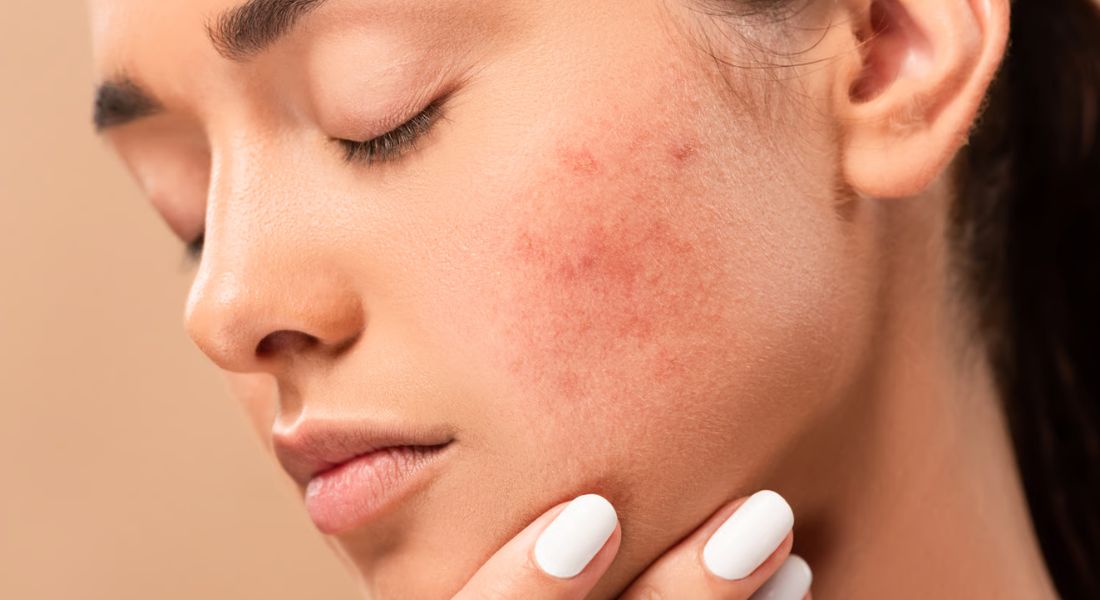
If you’ve been struggling with acne, you may have heard that your gut health could play a role. This connection, often called the gut-skin axis, suggests that the balance of bacteria and overall gut function may influence skin inflammation and oil production. Understanding this relationship can offer a fresh perspective on managing acne more effectively and may highlight new ways to support your skin from the inside out.
Acne isn’t caused by a single factor. Genetics, hormones, diet, and lifestyle all play a part, and emerging research indicates that the gut microbiome may also affect how your skin behaves. Some studies suggest that an imbalance in gut bacteria could trigger low-grade inflammation, which may worsen breakouts in susceptible individuals. In certain cases, improving gut health through diet, probiotics, or other strategies might complement conventional treatments and enhance overall skin wellness.
It’s important to remember that the science is still developing. While early research shows promising links between gut function and skin health, gut-targeted strategies should never replace proven acne treatments like topical therapies, medications, or dermatologist-guided care. Instead, these approaches can be used alongside standard treatment to potentially improve results and support long-term skin balance. Understanding this nuanced connection helps set realistic expectations and encourages a holistic approach to acne management.
What Is the Gut-Skin Axis?
The gut-skin axis refers to the two-way communication between your digestive system and your skin. Signals from your gut such as hormones, immune responses, and microbial metabolites can influence inflammation, oil production, and overall skin health. This means that what happens in your gut doesn’t stay there; it can have visible effects on your complexion and the way your skin responds to stressors.
When your gut bacteria are balanced, they help regulate systemic inflammation, support immune function, and even promote optimal nutrient absorption, all of which benefit your skin. On the other hand, dysbiosis an imbalance in the gut microbiome may contribute to inflammatory skin conditions like acne, eczema, or rosacea. This imbalance can trigger subtle but noticeable flare-ups, showing that your digestive health and skin health are closely linked.
Understanding the gut-skin axis helps explain why some people notice skin issues after digestive problems, dietary changes, or antibiotic use. It highlights the interconnected nature of your body’s systems and why addressing gut health can sometimes complement traditional skin treatments. By recognising this link, you can adopt a more holistic approach to managing acne and supporting overall skin resilience.
How Gut Bacteria Affect Skin
Your gut is home to trillions of bacteria that play a key role in digestion and regulating your immune system. When your gut is balanced and healthy, these bacteria produce helpful compounds like short-chain fatty acids, which can reduce inflammation throughout your body including in your skin. Think of your gut as a hidden skincare powerhouse that works behind the scenes.
- Supports digestion and nutrient absorption: Healthy gut bacteria help break down food efficiently, ensuring your body absorbs vitamins and minerals that your skin relies on to stay strong and hydrated.
- Balances inflammation: Beneficial bacteria produce anti-inflammatory compounds. This can calm immune responses that otherwise might trigger redness, pimples, or other inflammatory skin issues.
- Prevents harmful bacterial overgrowth: When bad bacteria take over, they can release toxins that travel through your bloodstream. These toxins can reach the skin and worsen acne or other inflammatory conditions.
- Regulates immune responses: A healthy microbiome communicates with your immune system, helping it respond appropriately. When this balance is disrupted, the immune system can overreact, causing flare-ups like pimples or irritation.
Because of this gut-skin link, taking care of your digestive health through diet, probiotics, and lifestyle can make a noticeable difference if you struggle with persistent acne or inflammation. Your gut isn’t just about digestion; it’s a hidden partner in keeping your skin glowing and calm.
Evidence From Clinical Studies
Several clinical studies have investigated the potential links between gut bacteria and the severity of acne. Researchers have found that individuals with acne often display differences in their gut microbiota compared to those with clear skin. These variations include changes in the balance of certain bacterial species, which may influence the body’s inflammatory responses and, in turn, affect the skin.
Some studies specifically highlight a reduction in beneficial, anti-inflammatory bacteria in people with acne. This suggests that the composition of the gut microbiome could play a role in modulating skin inflammation, even if it isn’t the sole cause of breakouts. While these findings are promising, it’s important to remember that they do not yet establish a direct cause-and-effect link between gut health and acne.
Overall, the emerging evidence supports the idea that maintaining a healthy gut could complement traditional acne treatments. Approaches that support gut balance such as a nutrient-rich diet, probiotics, or lifestyle adjustments may help improve outcomes alongside dermatological care. By considering gut health as part of a holistic strategy, patients may see benefits in both their digestive wellbeing and their skin’s appearance over time.
The Role of Diet in Gut Health

What you eat has a powerful influence on the composition of your gut microbiota. Diets high in sugar, refined carbohydrates, and heavily processed foods have been associated with an increased risk of acne flare-ups in some studies. Similarly, excessive dairy consumption may aggravate breakouts for certain individuals, though responses can vary from person to person. Understanding these links helps explain why dietary choices can sometimes affect skin health.
On the other hand, fibre-rich foods, vegetables, and fermented products like yogurt or kimchi promote the growth of beneficial gut bacteria. These friendly microbes can help regulate inflammation throughout the body, which may in turn reduce acne-related redness and swelling. Including a variety of these foods in your daily meals supports both digestive health and your skin’s resilience.
Adopting a gut-friendly diet doesn’t replace conventional acne treatments, but it can be a practical, complementary approach. Combined with professional care in London, making mindful food choices may enhance treatment outcomes and contribute to longer-lasting improvements in your skin.
Probiotics and Acne
Probiotics are live microorganisms that can help support a balanced gut microbiome. Some small clinical studies suggest that taking probiotics orally, or even applying certain strains topically, may help reduce inflammatory acne lesions and calm redness. These beneficial bacteria can contribute to a healthier digestive system, which in turn may have a positive effect on your skin through the gut-skin axis.
By restoring balance to gut bacteria, probiotics may help regulate inflammation and improve your skin’s resilience. However, it’s important to know that not all probiotic strains have the same effects, and the research is still developing. The benefits can vary depending on the individual, the type of probiotic, and how it’s used.
Incorporating probiotics can be a supportive strategy alongside your conventional acne treatments in London. They are not a replacement for prescribed therapies like topical or oral medications, but when used thoughtfully, they may complement your overall approach to managing acne and improving skin health over time.
Prebiotics and Skin Health
Prebiotics are non-digestible fibres that act as food for the beneficial bacteria already living in your gut. By nourishing these “good” bacteria, prebiotics help them thrive, which in turn supports a balanced gut microbiome. Foods naturally rich in prebiotics include onions, garlic, leeks, bananas, and whole grains, making it easy to incorporate them into your daily diet.
Encouraging the growth of healthy gut bacteria may indirectly influence skin health by helping regulate inflammation throughout your body. A well-balanced gut environment can reduce triggers that sometimes worsen acne or other inflammatory skin conditions, supporting clearer and calmer skin over time.
For the best results, prebiotics work most effectively when combined with an overall healthy lifestyle. Eating a nutrient-rich diet, staying hydrated, managing stress, and maintaining proper skincare routines all contribute to creating an internal environment that promotes both gut and skin health. This holistic approach helps your body and your skin function at its best.
Antibiotics: Gut Effects
When you take oral antibiotics for moderate to severe acne, they can work wonders in reducing the bacteria that contribute to breakouts. However, while they’re helping your skin, they can also disrupt the natural balance of bacteria in your gut. This is because antibiotics don’t just target harmful bacteria they can also affect the good bacteria that keep your digestive system healthy.
- Digestive changes: You might notice bloating, mild diarrhoea, or stomach discomfort as your gut adjusts. These symptoms are usually temporary but can be uncomfortable.
- Impact on gut microbiome: Antibiotics can reduce the diversity of your gut microbiota, which is linked to digestion, immunity, and even mood. Your body usually recovers over time, but the balance may be temporarily affected.
- Probiotics support: Your clinician might suggest adding probiotics or fermented foods to your diet. These can help replenish the good bacteria and support gut health while you’re on antibiotics.
- Dietary strategies: Eating fibre-rich foods, staying hydrated, and avoiding excessive sugar can help maintain a healthier gut environment during treatment.
Even though antibiotics can affect your gut, using them responsibly and exactly as prescribed usually keeps side effects manageable. With proper guidance and supportive measures, you can treat your acne effectively while keeping your digestive system in good shape.
Inflammation as a Common Link
Chronic inflammation is one of the main connections between gut health and acne. When your gut is out of balance, it can trigger widespread immune responses that affect the skin, leading to redness, swelling, and acne flare-ups. This systemic effect shows just how closely your digestive system and skin are linked.
Conversely, maintaining a healthy and balanced gut microbiome helps regulate immune signalling throughout your body. By supporting beneficial bacteria and reducing gut irritation, you may indirectly calm inflammation in the skin, potentially reducing the frequency and severity of breakouts.
Managing inflammation effectively involves a combination of strategies. Eating a gut-friendly, anti-inflammatory diet, staying active, managing stress, and following targeted acne treatments can all work together to benefit both your gut and your skin. Over time, this holistic approach can help create a more balanced internal environment and support clearer, healthier skin.
Food Sensitivities and Acne
Some people notice that certain foods seem to trigger acne flare-ups more than others. Common culprits include dairy products, high-sugar treats, and foods with a high glycaemic index, such as refined carbohydrates. These foods can affect your body in multiple ways, including altering gut bacteria or causing spikes in insulin, both of which may contribute to increased skin inflammation.
Individual responses vary, so what causes breakouts for one person may not affect another. Keeping a detailed food diary can be an effective tool for identifying your personal triggers. Recording what you eat alongside any skin reactions helps you and your dermatologist spot patterns and make informed dietary adjustments.
By being mindful of potential food sensitivities, you can complement your prescribed acne treatments and create a more comprehensive strategy for clearer skin. Combining dietary awareness with medical guidance supports both gut health and skin health, helping reduce flare-ups and improve long-term results.
Stress, Gut, and Skin
Stress has a significant impact on both your gut health and skin. When you’re stressed, your body releases hormones such as cortisol, which can disrupt the balance of gut bacteria and alter digestive function. These changes may increase intestinal permeability, sometimes referred to as “leaky gut,” allowing inflammatory compounds to enter the bloodstream and potentially worsen skin conditions like acne.
The connection between stress and skin flare-ups highlights how closely your gut and skin are linked. Stress can also directly increase inflammation in the skin, making existing acne lesions more pronounced or slowing healing. Recognising this relationship helps you see why managing stress is an important part of a comprehensive acne strategy.
Incorporating stress-reduction techniques such as regular exercise, mindfulness practices, yoga, or even short daily relaxation exercises can support both gut balance and skin health. Over time, these approaches may help reduce inflammation, improve acne outcomes, and enhance your overall sense of wellbeing.
The Importance of Hydration
Staying well hydrated plays a key role in supporting your gut and overall health. Water helps your body carry nutrients where they’re needed and keeps your digestive system working smoothly. When your hydration levels are balanced, your gut lining can function more effectively, which may also have a positive impact on your skin.
- Supports digestion: Drinking enough water helps break down food more efficiently, making it easier for your body to absorb essential nutrients. This keeps your digestive system running smoothly and reduces strain on your gut.
- Helps maintain the gut lining: Proper hydration supports the protective lining of your gut. A healthy gut lining acts as a barrier, helping to prevent unwanted substances from triggering inflammation.
- Aids toxin removal: Water helps your body flush out waste products through digestion and circulation. This can reduce the build-up of substances that may otherwise contribute to skin issues.
- Complements acne treatments: Whether you’re following dietary changes or using medical treatments for acne, staying hydrated helps your body respond better. It works alongside these strategies rather than replacing them.
Making hydration a daily habit is a simple but effective step you can take. By drinking enough water throughout the day, you’re not only supporting your gut but also helping your skin stay balanced and healthier over time.
Fibre-Rich Foods and Microbiome Balance
Fibre plays a vital role in maintaining a healthy gut microbiome by feeding beneficial bacteria and supporting their growth. Foods such as whole grains, legumes, fruits, vegetables, nuts, and seeds provide the nutrients these microbes need to thrive. By regularly including a variety of fibre-rich foods in your diet, you help create a more balanced and resilient gut environment.
A diverse microbiome is closely linked to reduced inflammation throughout the body, which can have a positive impact on your skin. When your gut bacteria are well-balanced, they help regulate immune responses and minimise inflammatory triggers that may contribute to acne. This makes fibre an important, yet often overlooked, component of supporting clearer and healthier skin.
Consistency is key when it comes to fibre intake. Gradually increasing the amount of fibre in your diet and maintaining it over time can lead to noticeable improvements in both digestive health and skin condition. This is especially important if you are dealing with persistent or inflammatory acne, where reducing internal inflammation can support more effective, long-term results.
Fermented Foods for Skin Support
Fermented foods are a natural source of beneficial live bacteria that can help support a diverse and balanced gut microbiome. Options such as yoghurt, kefir, sauerkraut, kimchi, and miso contain probiotics that contribute to healthier digestion and improved microbial balance. Including a variety of these foods in your diet can help strengthen the connection between your gut and skin health.
By enhancing gut diversity, fermented foods may help reduce systemic inflammation, which is often linked to acne flare-ups. A healthier gut environment can support better immune regulation and reduce inflammatory signals that affect your skin. Over time, this may contribute to calmer, clearer skin alongside your existing acne treatments.
For the best results, it’s important to choose fermented products that contain active or live cultures, as these provide the most benefit. Adding them regularly to your meals whether as a side, snack, or ingredient can be a simple and effective way to support both digestive health and your overall skincare routine.
Gut Healing Protocols
If you’re dealing with persistent acne, you might hear about gut-healing protocols as part of a broader treatment approach. These strategies aim to improve the balance of bacteria in your digestive system and reduce inflammation that could be affecting your skin. While they’re not a quick fix, they can play a supportive role in your overall skincare plan.
- Probiotics and prebiotics: Your clinician may recommend probiotics to introduce beneficial bacteria into your gut, along with prebiotics that help feed them. Together, they can support a healthier microbiome over time.
- Anti-inflammatory diet: You might be advised to follow a diet rich in whole foods such as vegetables, fruits, healthy fats, and lean proteins. This can help reduce inflammation in your body, which may also calm acne flare-ups.
- Reducing processed foods: Cutting back on highly processed foods, excess sugar, and refined carbohydrates can help stabilise your gut environment. This supports better digestion and may reduce triggers linked to breakouts.
- Consistency and patience: Gut healing takes time. You may need several weeks or even months before you start to notice visible improvements in your skin. Staying consistent with your routine is key.
Combining these gut-support strategies with professional acne treatment in London can give you a more balanced and effective approach. By addressing both internal and external factors, you’re more likely to see steady and lasting improvements in your skin.
Lifestyle Factors That Affect Gut-Skin Axis
Your daily lifestyle habits play a major role in shaping both your gut health and your skin. Factors such as sleep quality, physical activity, and stress levels all influence the balance of your gut microbiome. When these areas are neglected, it can disrupt microbial diversity and contribute to increased inflammation, which may worsen acne and other skin concerns.
On the other hand, building consistent, healthy routines can support both your digestive system and your skin. Getting enough restful sleep, staying physically active, and managing stress effectively all help maintain a balanced internal environment. These habits promote better immune regulation and can reduce the inflammatory triggers that often contribute to breakouts.
Even small, sustainable changes can have meaningful cumulative effects over time. Prioritising regular sleep patterns, incorporating movement into your day, and finding simple ways to relax can all make a difference. When combined with appropriate medical treatment, these lifestyle adjustments form an important foundation for improving both gut health and long-term skin clarity.
Hormones and Gut Interactions
Hormones play a key role in influencing both your gut function and your skin. Fluctuations in sex hormones, insulin levels, and stress hormones can all affect the balance of your gut microbiome, as well as intestinal permeability and inflammation. These internal changes can create conditions that make acne more likely to develop or worsen over time.
This connection helps explain why many people notice acne flare-ups during periods of hormonal change, such as puberty, menstrual cycles, or times of increased stress. Hormonal shifts can alter oil production in the skin while also disrupting gut balance, creating a combined effect that contributes to breakouts. Recognising this link can help you better understand the patterns behind your skin changes.
Supporting your gut through a balanced diet, regular meals, stress management, and healthy lifestyle habits can help reduce the impact of hormonal fluctuations. While this won’t replace targeted acne treatments, it can complement them by improving your body’s overall resilience. Taking a holistic approach allows you to address both the internal and external factors that influence your skin.
Gut-Skin Axis in Adolescents vs Adults
The way the gut-skin axis affects acne can differ depending on your age. In adolescents, acne is most commonly driven by hormonal changes, particularly increases in androgens that stimulate oil production. While gut health still plays a role, it is often secondary to these powerful hormonal shifts during puberty.
In adults, the pattern can be slightly different. Although hormones are still important, factors such as diet, stress, and gut health tend to have a more noticeable influence. Adult acne is sometimes linked to digestive issues, imbalances in gut bacteria, or sensitivities to certain foods, making the gut-skin connection more prominent.
Because of these differences, it’s helpful to tailor your approach based on your age and lifestyle. Adolescents may benefit more from treatments that regulate oil production and hormones, while adults might see added improvement by focusing on gut health, nutrition, and stress management. Taking a personalised approach can lead to better, more consistent outcomes over time.
Role of Supplements
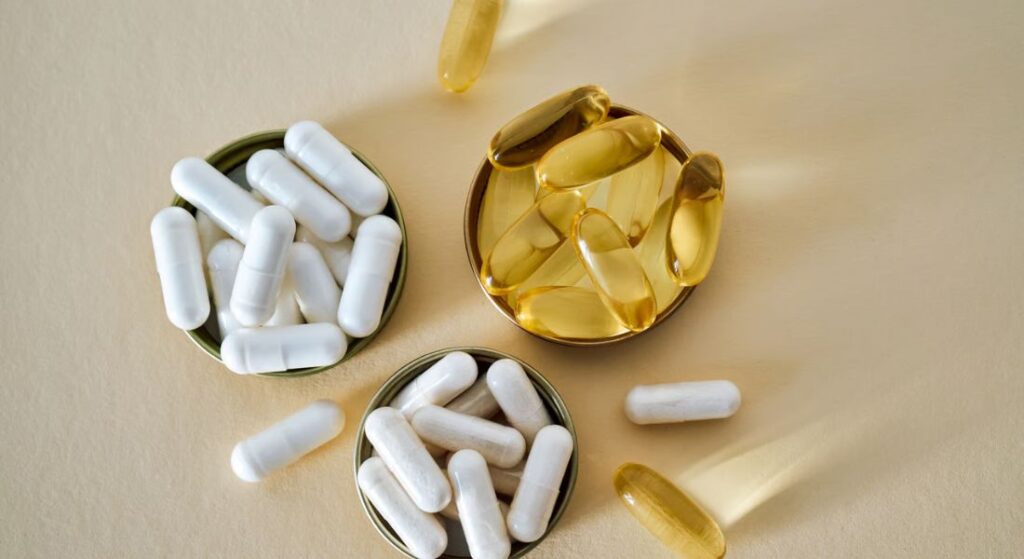
Certain supplements can play a supportive role in improving both your gut health and your skin. Nutrients like zinc, omega-3 fatty acids, and vitamin D are often linked to reduced inflammation and a healthier microbiome. While they’re not a replacement for medical treatment, they can complement your overall acne care plan when used correctly.
- Zinc for skin repair: Zinc supports your immune system and helps regulate inflammation. It may also assist with wound healing and reduce the severity of acne breakouts over time.
- Omega-3 fatty acids: Found in fish oil and plant sources, omega-3s have anti-inflammatory properties. They can help calm irritated skin and may also support a more balanced gut environment.
- Vitamin D support: Vitamin D plays a role in immune function and maintaining a healthy gut lining. Low levels have been linked to increased inflammation, which can affect your skin.
- Microbiome balance: Some supplements indirectly support the balance of bacteria in your gut. A healthier microbiome can improve digestion and may reduce factors that contribute to acne.
It’s important to remember that supplements should be taken under the guidance of a clinician. This ensures you’re using the right type and dosage for your needs, especially if you’re already undergoing acne treatment. When used appropriately, supplements can be a helpful addition to a well-rounded approach to clearer, healthier skin.
Skin Barrier Support
A healthy gut plays an important role in maintaining a strong and resilient skin barrier. When your gut is balanced, it helps regulate inflammation and supports the delivery of essential nutrients that your skin needs to function properly. However, when the gut becomes inflamed or disrupted, your skin barrier may weaken, making it more reactive, sensitive, and prone to acne flare-ups.
This is why supporting the skin barrier from the outside is just as important as caring for your gut from within. Using gentle, hydrating skincare products that protect and repair the barrier such as those containing ceramides, hyaluronic acid, or niacinamide can help reduce irritation and improve overall skin resilience. These topical strategies work in harmony with gut-focused approaches to create a more stable and balanced skin environment.
Combining internal and external care offers the most effective long-term results. By addressing both gut health and skin barrier function, you’re supporting your body on multiple levels. This integrated approach can lead to calmer, stronger skin that is better equipped to resist inflammation and maintain clarity over time.
Avoiding Over-Restriction
When trying to improve acne through diet, it can be tempting to cut out large groups of foods or rely heavily on supplements. However, overly restrictive diets can sometimes do more harm than good. Limiting too many foods may reduce the diversity of nutrients your gut bacteria rely on, potentially disrupting the balance of your microbiome and affecting overall gut health.
In some cases, extreme dietary changes can even worsen skin concerns rather than improve them. A lack of variety in your diet may lead to imbalances in gut flora, which can contribute to inflammation and make acne more difficult to manage. This highlights the importance of taking a measured and evidence-based approach rather than following overly strict trends.
Focusing on balance, variety, and moderation is a safer and more sustainable strategy. Including a wide range of whole foods such as fibre-rich vegetables, fruits, whole grains, and fermented products helps support a healthy gut without unnecessary restriction. Seeking guidance from a qualified professional ensures that any dietary adjustments support both your gut health and your skin, without compromising your overall wellbeing.
Integrating Medical and Gut-Focused Approaches
Gut-focused strategies can play a valuable role in managing acne, but they are most effective when used alongside conventional medical treatments rather than as a replacement. Prescription therapies are designed to directly target key causes of acne, such as excess oil production, bacterial overgrowth, and inflammation. These treatments often provide more immediate and predictable results, especially in moderate to severe cases.
At the same time, supporting your gut through diet, lifestyle changes, and balanced nutrition can help improve your skin’s overall resilience. By addressing internal factors that influence inflammation and immune response, gut-focused strategies may enhance the effectiveness of your prescribed treatments. This combined approach allows you to tackle acne from multiple angles rather than relying on a single method.
When these approaches are integrated thoughtfully, they can offer complementary and long-lasting benefits. You benefit from faster acne control through medical care, while also building a stronger foundation for long-term skin health. This balanced, holistic method often leads to more consistent and sustainable results over time.
Monitoring Progress

Keeping track of your progress can make a big difference when you’re managing acne and improving your gut health. By paying attention to both your diet and your skin, you can start to see patterns and understand what works best for you. This makes your treatment plan more personalised and effective over time.
- Take regular photos: Try to take clear photos of your skin every week in similar lighting. This helps you notice subtle improvements or flare-ups that you might otherwise miss day to day.
- Keep a food diary: Writing down what you eat can help you spot links between certain foods and breakouts. Over time, you may identify triggers or foods that support your skin.
- Note flare-ups and symptoms: If you experience sudden breakouts, digestive discomfort, or skin irritation, make a note of when it happens. This can help you connect the dots between your gut health and skin changes.
- Adjust your approach: As you gather more information, you can fine-tune your diet, supplements, or treatments. This helps ensure your routine continues to meet your needs.
Regularly reviewing your progress keeps you in control of your journey. By staying consistent and observant, you can make informed decisions and move steadily towards clearer, healthier skin.
Patience and Consistency
Improving gut health is a gradual process, and it’s important to set realistic expectations from the start. Changes in your gut microbiota and reductions in systemic inflammation take time to develop, so you’re unlikely to see immediate results. This slower pace can feel frustrating, but it reflects the body’s natural process of healing and rebalancing.
Consistency is key when it comes to supporting both your gut and your skin. Maintaining a balanced diet, incorporating probiotics or fibre-rich foods, and following healthy lifestyle habits all contribute to long-term improvements. When these efforts are combined with your prescribed acne treatment in London, they can enhance overall results and support more stable skin over time.
Patience truly pays off. As your gut environment gradually improves, you may begin to notice positive changes in your skin’s clarity, texture, and resilience. By staying consistent and committed to your routine, you give your body the best chance to achieve lasting, meaningful results.
Emerging Research
The connection between gut health and skin is an evolving area of scientific research, with new findings emerging regularly. Studies continue to explore how the gut microbiome influences inflammation, immune responses, and skin conditions such as acne. As this field develops, researchers are gaining a deeper understanding of the complex ways your internal health can affect your skin’s appearance.
While current evidence is promising, much of the research is still in its early stages. Scientists are working to identify specific bacterial strains, pathways, and mechanisms that could be targeted more precisely in the future. This could eventually lead to more personalised treatments designed to support gut balance while directly improving skin health.
Staying informed about these developments allows you to make evidence-based decisions about your acne care. It also reinforces the value of taking a holistic approach combining medical treatments with diet, lifestyle, and gut-focused strategies. As research progresses, this integrated perspective is likely to become an increasingly important part of effective, long-term acne management.
FAQs:
1. What is the gut-skin axis?
The gut-skin axis refers to the two-way connection between your digestive system and your skin. Signals from your gut, including immune responses and inflammation, can influence how your skin behaves, potentially contributing to conditions like acne.
2. How does gut health affect acne?
An imbalanced gut microbiome, or dysbiosis, may trigger systemic inflammation that worsens acne. A healthy gut can help regulate immune function and reduce inflammatory signals that reach the skin.
3. Can diet improve acne by supporting gut health?
Yes. Fibre-rich foods, fermented products, fruits, and vegetables promote beneficial gut bacteria and may help reduce inflammation. Conversely, high sugar, processed foods, and certain dairy products may exacerbate acne in some people.
4. Are probiotics helpful for acne?
Probiotics can support a healthy gut microbiome and may reduce inflammation linked to acne. Both oral and topical probiotics have shown potential benefits, but results vary depending on the strain and individual response.
5. What are prebiotics, and do they help with acne?
Prebiotics are non-digestible fibres that feed beneficial gut bacteria. By encouraging healthy gut flora, prebiotics may indirectly reduce inflammation and support clearer skin when combined with a balanced diet.
6. Do acne antibiotics affect gut health?
Yes. Oral antibiotics can disrupt gut bacteria while targeting skin bacteria. This is why clinicians may recommend probiotics or dietary strategies to maintain gut balance during antibiotic treatment.
7. Can stress influence both gut health and acne?
Stress affects gut bacteria and increases intestinal permeability, allowing inflammatory compounds to reach the bloodstream. This can worsen acne, so stress-management techniques like exercise, meditation, or mindfulness can benefit both gut and skin.
8. How long does it take to see improvements from gut-focused strategies?
Changes in gut microbiota and their effects on acne can take several weeks to months. Consistency with diet, probiotics, and lifestyle habits is key for noticeable improvements.
9. Should gut-focused approaches replace conventional acne treatments?
No. Gut health strategies are complementary. Prescription treatments address bacterial overgrowth, oil production, and inflammation directly, while gut-supportive measures provide additional long-term benefits.
10. Which supplements support gut and skin health for acne?
Certain supplements like zinc, omega-3 fatty acids, and vitamin D may help reduce inflammation and support a healthy gut microbiome. Always consult a clinician before starting supplements alongside acne treatments.
Final Thoughts: Holistic Strategies for Acne Management
Understanding the gut-skin connection gives us a broader view of acne management. While genetics, hormones, and lifestyle are key factors, the health of your gut microbiome can influence skin inflammation and overall appearance. Supporting gut health through a balanced diet rich in fibre, fermented foods, and prebiotics can complement conventional treatments, potentially reducing flare-ups and improving skin resilience over time. Patience and consistency are essential, as changes in gut bacteria and their effects on the skin develop gradually.
In addition to dietary strategies, lifestyle habits such as managing stress, getting adequate sleep, and staying hydrated play a crucial role in both gut and skin health. Probiotics and targeted supplements like zinc, omega-3s, and vitamin D may further support a balanced microbiome and healthy skin barrier. However, gut-focused approaches should always be used alongside prescribed acne treatments rather than replacing them, ensuring that the underlying causes of acne are effectively addressed. If you’re considering acne treatment London, you can get in touch with us at London Dermatology Centre.
References:
- Niedźwiedzka, A., Micallef, M.P., Biazzo, M. & Podrini, C. (2024) The role of the skin microbiome in acne: challenges and future therapeutic opportunities, International Journal of Molecular Sciences, 25(21), 11422. https://www.mdpi.com/1422-0067/25/21/11422
- Goodarzi, A., Mozafarpoor, S., Bodaghabadi, M. & Mohamadi, M. (2020) The potential of probiotics for treating acne vulgaris: a review of literature on acne and microbiota, Dermatologic Therapy, 33(3), e13279. https://pubmed.ncbi.nlm.nih.gov/32266790/
- Acne, microbiome, and probiotics: the gut‑skin axis, PubMed, PMID 35889022. https://pubmed.ncbi.nlm.nih.gov/35889022/
- Del Rosso, J.Q. et al. (2022) Microbiome and probiotics in acne vulgaris a narrative review, PMC, 15 Mar 2022. https://pmc.ncbi.nlm.nih.gov/articles/PMC8953587/
- Dreno, B. et al. (2025) Association between altered gut microbiota and acne vulgaris, PMC, Oct 2025. https://pmc.ncbi.nlm.nih.gov/articles/PMC12615062/