


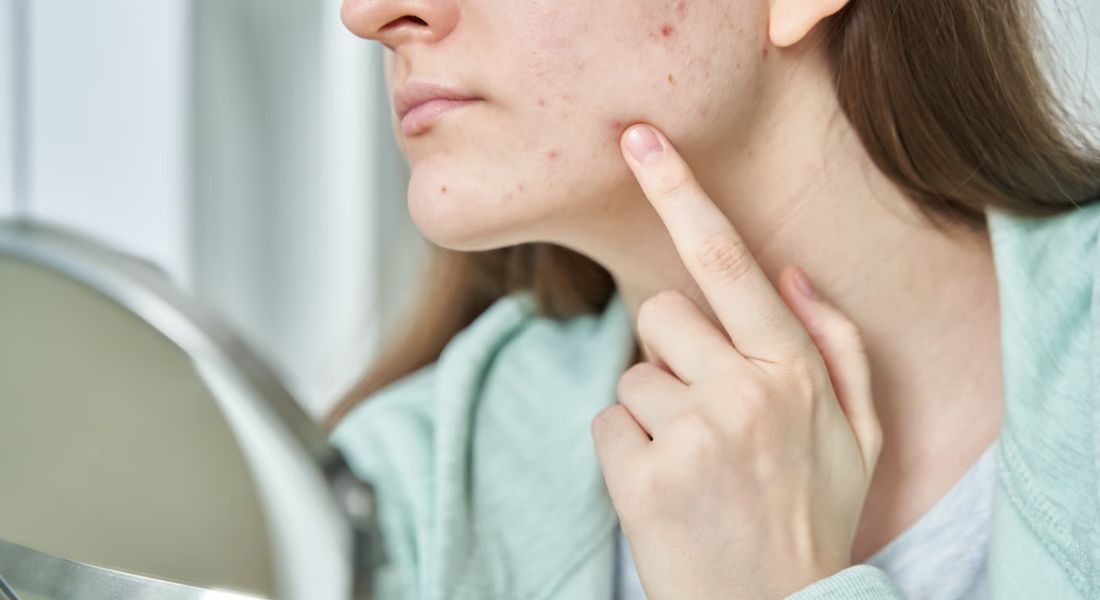
If you’re managing both acne and endometriosis, you may have noticed that your skin doesn’t always behave predictably. Breakouts might flare up at certain times of the month or seem resistant to treatments that usually work for you. This isn’t just coincidence both conditions are strongly influenced by hormones.
Endometriosis is a complex condition where tissue similar to the lining of the uterus grows outside it. Hormonal fluctuations, particularly in oestrogen, play a major role in this condition. These same hormonal shifts can also affect your skin, influencing oil production, inflammation, and how prone you are to breakouts.
Understanding the connection between endometriosis and acne can help you approach your skin care more effectively. Knowing that hormones are at play allows you to anticipate changes and adapt your routine accordingly. You don’t have to feel helpless when your skin reacts to internal factors.
In this article, you’ll learn how hormones link these two conditions and what that means for managing your skin. By understanding the interplay, you can take more informed steps to support both your skin and overall wellbeing. Being aware is the first step to feeling more in control.
What Is Endometriosis?
Endometriosis is a condition where tissue similar to the lining of your uterus grows outside the womb. This tissue reacts to hormonal changes throughout your menstrual cycle, often causing inflammation, discomfort, and pain. It’s a chronic condition that affects many women, and the symptoms can vary in intensity.
Oestrogen levels play a major role in endometriosis. When your hormones are out of balance, it can influence how symptoms appear and progress. This is why endometriosis is considered a hormone-driven condition and why managing hormones can be important.
Because hormones impact so many systems in your body, your skin can also be affected. Understanding endometriosis gives you insight into why acne may flare up or behave differently when hormonal shifts occur. Maintaining hormonal balance is central to supporting both your skin and overall wellbeing.
How Hormones Affect Acne
Acne is closely linked to hormones, especially androgens. These hormones signal your sebaceous glands to produce more oil, which can clog pores and trigger breakouts. If you’ve noticed your skin becoming oilier at certain times, hormones are often the reason.
Fluctuations in hormone levels don’t just affect oil they can also increase inflammation in your skin. This combination makes your skin more reactive and prone to acne, particularly during hormonal shifts such as your menstrual cycle.
Understanding hormonal acne is especially useful if you’re dealing with endometriosis. Both conditions involve hormonal imbalances, which helps explain why your skin may react differently. Recognising this connection allows you to approach treatment in a more targeted way.
The Role of Oestrogen in Both Conditions
Oestrogen plays a central role in endometriosis, helping to regulate the growth of endometrial tissue. When levels are high or fluctuate significantly, this can fuel the condition and worsen symptoms. Your skin is also influenced by these hormonal shifts, which can affect how it reacts.
In your skin, oestrogen supports hydration, elasticity, and collagen production. When oestrogen levels are out of balance, these processes can be disrupted, which may make your skin more prone to issues like acne. You might notice breakouts becoming more frequent or persistent during certain times in your cycle.
The interplay between oestrogen and other hormones, such as androgens, is crucial. When this balance is disrupted, it can affect multiple systems in your body not just the reproductive system but also your skin. Acne often reflects these underlying hormonal changes.
Being aware of how oestrogen impacts both endometriosis and your skin allows you to take a more proactive approach. By understanding these connections, you can work with your healthcare provider to manage breakouts more effectively while also addressing hormonal health.
Androgens and Acne Development
Androgens are hormones that play a major role in how acne develops. They stimulate your sebaceous glands to produce more sebum, which can clog pores and lead to inflammation and breakouts. Understanding this connection helps explain why certain flare-ups occur.
In some cases, conditions like endometriosis can affect your hormone balance, including androgen levels. This hormonal disruption may contribute to acne, making breakouts more frequent or severe. The way hormones interact in your body is complex, but it has a clear impact on your skin.
Even small shifts in androgen activity can make a noticeable difference to how your skin behaves. That’s why hormonal acne can appear suddenly or worsen over time. Keeping your hormones balanced is an important part of managing and preventing flare-ups effectively.
Hormonal Imbalance in Endometriosis
Endometriosis isn’t just about having high oestrogen levels you’ve got to think about the bigger picture. It’s really about how different hormones interact, and sometimes they’re out of sync. For example, progesterone resistance can occur, and your immune system might respond differently than usual. These internal shifts can affect your whole body, not just your reproductive system.
- Progesterone resistance can influence your skin: When your body doesn’t respond properly to progesterone, it can throw off the balance with oestrogen. This imbalance may increase inflammation and make your skin more prone to breakouts. For instance, areas that usually stay clear might suddenly become spot-prone.
- Altered immune responses worsen acne: Endometriosis can trigger subtle changes in your immune system. This means your skin might react more strongly to minor irritations, increasing redness and swelling. You could notice pimples that stick around longer than usual.
- Hormonal environment affects oil production: Too much or misbalanced hormones can signal your sebaceous glands to produce more oil. This excess oil can clog pores, leading to more frequent breakouts. It’s why even a careful skincare routine might not prevent acne completely.
- Persistent acne reflects internal factors: Acne linked to hormonal imbalance isn’t just a surface problem. Even if you’re treating it topically, the underlying hormone signals keep driving new breakouts. Recognising this can help you approach treatment more effectively, targeting the root cause rather than just the symptoms.
Ultimately, understanding the hormonal imbalance in endometriosis shows why acne can be stubborn. It’s not just about what’s on your skin it’s about how your body’s internal systems are interacting. By addressing these underlying issues, you can better manage breakouts and support healthier, clearer skin over time.
Inflammation as a Common Factor
You might not realise it, but inflammation is a common thread between acne and endometriosis. In endometriosis, it happens because tissue ends up in places it shouldn’t be. With acne, it’s usually the result of blocked pores and bacteria causing irritation. So, even though the causes are different, your body reacts in a similar way.
If inflammation sticks around, it can make both conditions worse. You’ll notice that acne can become more stubborn and tricky to manage when your skin is constantly inflamed. It can also make your skin extra sensitive, so it reacts more to products or changes in your routine. Chronic inflammation really can make life feel a bit harder than it needs to.
The good news is that you can do something about it. Reducing inflammation is a key part of managing both acne and endometriosis. You’ll often hear dermatologists focus on calming the skin first, because this can make other treatments much more effective. By tackling inflammation, you’re giving your body a much better chance to respond.
Acne Flare-Ups During the Menstrual Cycle
If you have endometriosis, you might notice your acne acting up around your period. This happens because your hormones are constantly shifting, and these changes can trigger breakouts. You’re not imagining it your skin really is reacting to what’s going on inside.
A lot of these flare-ups are linked to higher androgen activity, which makes your skin produce more oil. You’ll probably find that your pores get clogged more easily, making breakouts more likely. When this happens, it can feel frustrating, but knowing why it occurs can help you handle it better.
One of the best things you can do is track your cycle. This way, you can spot patterns and anticipate flare-ups before they happen. Being aware of these changes gives you more control over your skin, so you can adjust your skincare routine or lifestyle accordingly.
The Impact of Progesterone Resistance
Progesterone plays a big role in keeping your oestrogen levels in check. If you have endometriosis, your body might not respond to progesterone as it should. This is what’s called progesterone resistance, and it can make your hormone balance feel a bit off.
When your body struggles with progesterone, it can lead to wider hormonal instability. You might notice changes in your skin because androgen activity can be affected. Essentially, your skin is reacting to what’s happening inside, even if it doesn’t always feel that way.
This imbalance can make acne more persistent or harder to manage. You might feel like no matter what you try, breakouts keep appearing around certain times. Knowing why this happens can take a bit of the frustration out of it.
Understanding how progesterone works helps you make sense of these complex symptoms. When you see how different hormones interact, it’s easier to think about ways to restore balance. You don’t have to control everything perfectly, but awareness can really help you take charge of your skin health.
Stress and Hormonal Interaction
Living with endometriosis can be tough, both physically and emotionally. You might notice that when you’re stressed, your symptoms feel worse. Stress doesn’t just affect how you feel it can also throw your hormones out of balance and trigger acne flare-ups.
When your cortisol levels rise, it can influence how much oil your skin produces and increase inflammation. You’ll often find this creates a frustrating cycle, where stress worsens symptoms and the symptoms themselves add to stress. Your skin really does reflect what’s going on inside.
One of the best ways to help yourself is by managing stress. You’ll support not just your skin, but your overall health too. Finding small ways to restore balance can make a real difference in how you feel and how your skin responds.
Medication and Its Effects on Skin
When you’re managing endometriosis, you’ll often be prescribed hormonal treatments. These medications can have quite an impact on your skin, and acne is one area that might be affected. You might find that some treatments help clear things up, while others could make breakouts worse. It’s all very individual, so what works for someone else might not work for you.
Take contraceptives, for example. Some are designed to reduce androgen activity, which can help improve acne. But not all hormonal treatments work the same way, so you might notice different effects depending on the medication you’re on. It can be a bit of trial and error to see what suits your body best.
It really helps if you understand how your treatment could affect your skin. You’ll be able to spot changes more quickly and manage any flare-ups before they get too troublesome. Your dermatologist will consider these effects when planning your care, so you’re not left guessing.
Ultimately, personalised care is key. You’ll get the best results when your treatment plan is tailored to both your endometriosis and your skin. Keeping track of how your skin responds can make a real difference, and it helps your doctor make the right adjustments along the way.
Diet and Hormonal Health

The food you eat can have a bigger impact on your hormones than you might realise. Some foods can trigger inflammation, which might make acne worse, while others can actually support your skin and overall health. It’s worth paying attention to what works for you, because small changes can make a noticeable difference.
If you’re living with endometriosis, you might already follow certain dietary guidelines. The good news is that these approaches can also benefit your skin. By focusing on balanced nutrition, you’re giving your body the tools it needs to manage both hormonal health and acne more effectively.
Keeping your diet healthy is more than just about skin it helps regulate your hormones too. When your hormones are in check, you might notice fewer breakouts and less severe acne. Pairing a good diet with other lifestyle habits gives you the best chance of seeing real improvements over time.
Skin Barrier and Hormonal Changes
Your skin barrier is like a shield it keeps moisture in and irritants out. When your hormones are off balance, this protective layer can take a hit, leaving your skin more sensitive than usual. You might notice it feeling tight, dry, or easily irritated, even if your routine hasn’t changed.
- Hormonal imbalance can weaken the barrier: Fluctuations in hormones, like oestrogen or progesterone, can reduce your skin’s natural ability to stay hydrated. This makes it more prone to redness, dryness, or inflammation, which can then trigger breakouts.
- Increased oil production is common: When the barrier is compromised, your skin may overcompensate by producing more sebum. This excess oil can clog pores and worsen acne, creating a cycle that’s tricky to break.
- Sensitivity to irritants rises: A weakened barrier means your skin is more reactive to products, environmental stressors, and even touch. What normally wouldn’t cause a reaction might now lead to redness or flare-ups.
- Restoring the barrier improves outcomes: Supporting your skin with gentle, hydrating products helps rebuild its natural defences. Once your barrier is stronger, your skin handles treatments better and responds more effectively, giving you clearer, healthier results.
Taking care of your skin barrier isn’t just about comfort it’s about giving your skin the best chance to cope with hormonal changes. When your barrier is healthy, your skin can stay balanced, less oily, and more resilient to breakouts over time.
Why Acne May Be Persistent
If you have acne linked to endometriosis, you might notice it’s more stubborn than usual. That’s because the hormonal imbalance underneath hasn’t gone away. Simply treating the surface won’t always be enough to get lasting results, so it can feel frustrating at times.
It really helps to focus on the internal factors too. Your dermatologist will usually take a holistic approach, looking at both medical treatments and lifestyle changes. By addressing things from multiple angles, you give your skin the best chance to improve over time.
Knowing why acne can be persistent also helps you set realistic expectations. You’ll need patience, because results often don’t happen overnight. Staying consistent with your routine and following your personalised plan is what makes a real difference in the long run.
Professional Dermatological Treatment
If you’re dealing with acne alongside endometriosis, you might find that professional treatment is really helpful. Seeing a dermatologist means you can get therapies that are specifically aimed at controlling oil and reducing inflammation. You’ll benefit from approaches that are tailored to exactly what your skin needs.
There are a few options you might explore, from topical creams and oral medications to more advanced procedures. These treatments aren’t just about managing the symptoms they can also tackle some of the underlying causes. When care is personalised to you, the results are often much better.
Getting expert advice early on makes a real difference. You’ll be able to manage flare-ups more effectively and reduce the risk of complications. With the right guidance, you can feel confident that your skin is being looked after properly.
Hormonal Testing and Diagnosis
Sometimes, your doctor might suggest hormonal testing to get a clearer picture of what’s going on. You’ll find this can help identify imbalances that are contributing to your acne. Knowing your hormone levels gives you a better idea of how to approach treatment.
The tests provide really useful insights into your condition. When you understand what’s happening internally, it’s easier to target the right treatment. You’ll often see better results when interventions are aimed specifically at your needs.
Doctors then use this information to put together a plan that’s personalised just for you. This means your care isn’t one-size-fits-all it’s designed around your body and your symptoms. You can feel more confident that the approach will actually work for you.
Getting a precise diagnosis like this can make a real difference. You’ll be able to manage your acne more effectively and avoid unnecessary treatments. With the right guidance, you’re setting yourself up for the best possible outcome.
Managing Both Conditions Together
Managing both acne and endometriosis can feel a bit tricky, but you don’t have to tackle it alone. You’ll find that these conditions are linked through hormones and inflammation, so treating one can sometimes help the other. It’s all about understanding how your body works and what it needs.
You might benefit from having your dermatologist and gynaecologist working together. When you have both specialists on the same page, they can make sure every part of your health is being looked after. This kind of teamwork can really improve the results you see.
Taking a holistic approach usually works best. If you address different factors at the same time, you’re more likely to get better outcomes. You’ll notice that integrating care into one plan makes managing both conditions a lot more manageable.
Long-Term Skin Health
Looking after your skin in the long term is all about keeping your hormones balanced and reducing inflammation. If you stick to a consistent routine, you’ll help your skin stay stable over time. Preventing problems before they appear can make a real difference.
You might find that ongoing treatment and regular check-ups are necessary to keep things on track. By staying on top of your care, you’ll maintain the results you’ve worked hard for. Following up with your specialist means you can catch any changes early.
Understanding what long-term care involves can help you set realistic expectations. With the right approach, stability is definitely achievable. If you’re consistent and patient, you’ll give yourself the best chance of lasting success.
Emotional Impact of Acne and Endometriosis
Dealing with acne on top of endometriosis can take more than just a physical toll it can affect how you feel day to day. When symptoms persist, it’s easy to feel frustrated or self-conscious, which can dent your confidence and overall quality of life. It’s a side of care that’s just as important as treating the physical symptoms.
- Persistent symptoms affect confidence: Breakouts or flare-ups from endometriosis can make you feel uneasy about your appearance. You might find yourself avoiding social situations or feeling anxious about how others perceive you, which can chip away at self-esteem over time.
- Quality of life can be impacted: Pain, fatigue, and skin concerns combined can interfere with work, hobbies, and everyday routines. Even small daily tasks may feel more challenging when you’re dealing with these ongoing symptoms.
- Support from healthcare professionals helps: Seeking advice from dermatologists, gynaecologists, or holistic practitioners gives you strategies to manage both physical and emotional effects. They can offer treatments, guidance, and reassurance to help you regain control.
- Holistic care promotes balance: Taking a comprehensive approach addressing your skin, hormones, and emotional health can make a noticeable difference. When your mental well-being is supported, your body often responds better to treatments, creating a positive cycle.
Understanding the emotional impact of acne and endometriosis encourages you to take proactive steps for your health. By recognising these challenges, you can better support both your mind and body, helping you feel more confident, balanced, and resilient every day.
Advances in Research
Recent research has shown just how closely hormones and inflammation affect your skin. You might be surprised to learn that conditions like endometriosis can actually play a role in acne. Knowing this helps you understand why your breakouts might be stubborn at times. It also shows how dermatologists are getting better at figuring out the root causes.
These days, treatments are much more targeted, focusing on balancing your hormones and controlling inflammation. You’ll find that these new approaches can make a real difference if you’ve been struggling with persistent acne. It’s not just about quick fixes anymore you can benefit from care that’s tailored to your body. That means better results and fewer surprises along the way.
Keeping up with these developments can really help you make informed decisions about your skin. You’ll be able to ask the right questions and understand why certain treatments are recommended. Modern therapies are designed to give you more effective outcomes. With progress like this, you’ve got a better chance of managing your skin and feeling confident in it.
Why Understanding the Link Matters
Knowing how endometriosis and acne are connected can really help you take a smarter approach to managing your skin. When you understand what’s going on inside your body, it becomes easier to tackle the problem rather than just treating the surface. You’ll find that addressing internal factors can make a real difference to your overall care.
Being aware of how your hormones influence breakouts gives you more control over your skin. You can work with your body, instead of feeling like it’s working against you. Understanding this connection puts you in the driver’s seat when it comes to managing flare-ups. It also makes it easier to follow treatments that actually work for you.
By grasping this link, you’re better equipped to make decisions about your skincare and treatment options. You’ll notice that informed choices often lead to better results and fewer frustrations. Awareness like this supports your journey towards healthier skin and greater confidence. It’s all about giving you the tools to succeed.
FAQs:
1. Can endometriosis really cause acne?
Yes, it can. Endometriosis affects your hormone levels, particularly oestrogen and progesterone, which can influence how your skin behaves. These hormonal shifts may increase oil production and inflammation, making breakouts more likely. So, your acne might flare up even if you’re following your usual skincare routine.
2. Why does my acne get worse around my period?
This is quite common because your hormones are constantly shifting throughout your cycle. Androgens rise at certain points, signalling your skin to produce more oil, which can clog pores. If you track your cycle, you might notice patterns in your breakouts, helping you prepare and adjust your skincare routine.
3. What role does oestrogen play in acne and endometriosis?
Oestrogen is key to regulating your endometrial tissue, but it also affects your skin’s hydration and collagen. When your levels fluctuate, it can lead to more frequent or persistent acne. Understanding this link helps you anticipate changes and manage both your skin and endometriosis more effectively.
4. How does progesterone resistance affect my skin?
If your body isn’t responding to progesterone properly, it can throw your hormone balance off. This imbalance may increase oil production and inflammation, making acne more stubborn. Recognising this helps you understand why breakouts keep appearing despite your usual treatments.
5. Does stress make acne worse if I have endometriosis?
Absolutely. Stress raises your cortisol levels, which can increase oil production and inflammation in your skin. You might notice flare-ups during stressful periods, creating a cycle where stress worsens acne, and acne adds to your stress. Managing stress can really help both your skin and overall wellbeing.
6. Can my medications for endometriosis affect my acne?
Yes, they can. Hormonal treatments may reduce or increase androgen activity, which directly influences oil production and breakouts. It’s quite individual, so paying attention to how your skin responds helps you and your dermatologist adjust treatment for the best results.
7. Why is acne linked to inflammation in endometriosis?
Inflammation is a common factor in both conditions. Endometrial tissue outside your womb triggers inflammation, and clogged pores in acne cause similar reactions. Reducing inflammation can make your skin calmer and help treatments work more effectively.
8. How can diet affect acne and endometriosis?
Your diet influences your hormones and inflammation levels. Certain foods may trigger breakouts, while others support hormonal balance and skin health. Paying attention to what works for you can make a noticeable difference over time.
9. Why does hormonal acne seem so persistent?
Hormonal acne often reflects internal imbalances rather than surface issues. Even if you treat your skin topically, the underlying hormone signals keep causing new breakouts. Focusing on both internal factors and skincare gives you the best chance for clearer skin.
10. Should I see a dermatologist if I have acne and endometriosis?
Yes, it’s really helpful. A dermatologist can provide treatments tailored to your hormone-driven acne while considering your endometriosis. With personalised care, you’re more likely to manage flare-ups effectively and protect your long-term skin health.
Final Thoughts: Understanding Acne and Endometriosis
Living with both acne and endometriosis can feel frustrating, especially when your skin doesn’t seem to follow the rules you’re used to. By understanding how hormones, inflammation, and internal factors influence your skin, you gain a clearer picture of why breakouts happen and how to manage them. For you, this means being able to anticipate flare-ups, adjust your skincare routine, and work with your body rather than against it.
It’s important to remember that acne linked to endometriosis isn’t just a surface issue it reflects deeper hormonal changes. Taking a holistic approach, addressing both internal and external factors, gives you the best chance of seeing lasting improvements. With the right guidance, you can support both your skin and overall wellbeing, building confidence along the way.
If you’re considering acne treatment in London, you can get in touch with us at London Dermatology Centre. Speaking with an experienced dermatologist ensures your care is personalised, your options are explained clearly, and your treatment is tailored to help you achieve healthier, more balanced skin.
References:
- Bungau, A.F. et al. (2025) Multifactorial refractory acne in women: Insights from hormonal-, metabolic-, and corticosteroid-related triggers, Life, 15(8), p. 1196. Available at: https://www.mdpi.com/2075-1729/15/8/1196
- Xie, J., Kvaskoff, M., Li, Y., Zhang, M., Qureshi, A.A., Missmer, S.A. and Han, J. (2014) Severe teenage acne and risk of endometriosis, Human Reproduction, 29(11), pp. 2592–2599. Available at: https://pubmed.ncbi.nlm.nih.gov/25139175/
- Bulun, S.E., Yilmaz, B.D., Sison, C., Miyazaki, K., Bernardi, L., Liu, S., Kohlmeier, A., Yin, P., Milad, M. and Wei, J.J. (2019) Endometriosis, Endocrine Reviews, 40(4), pp. 1048–1079. Available at: https://pubmed.ncbi.nlm.nih.gov/30994890/
- Zondervan, K.T., Becker, C.M. and Missmer, S.A. (2020) Endometriosis: Etiology, pathobiology, and therapeutic prospects, Cell, 182(3), pp. 511–529. Available at: https://www.sciencedirect.com/science/article/pii/S0092867421005766
- Lockhat, F.B., Emembolu, J.O. and Konje, J.C. (2004) The evaluation of the effectiveness of an intrauterine-administered progestogen (levonorgestrel) in the symptomatic treatment of endometriosis, Human Reproduction, 19(1), pp. 179–184. Available at: https://academic.oup.com/humrep/article-abstract/19/1/179/690050