


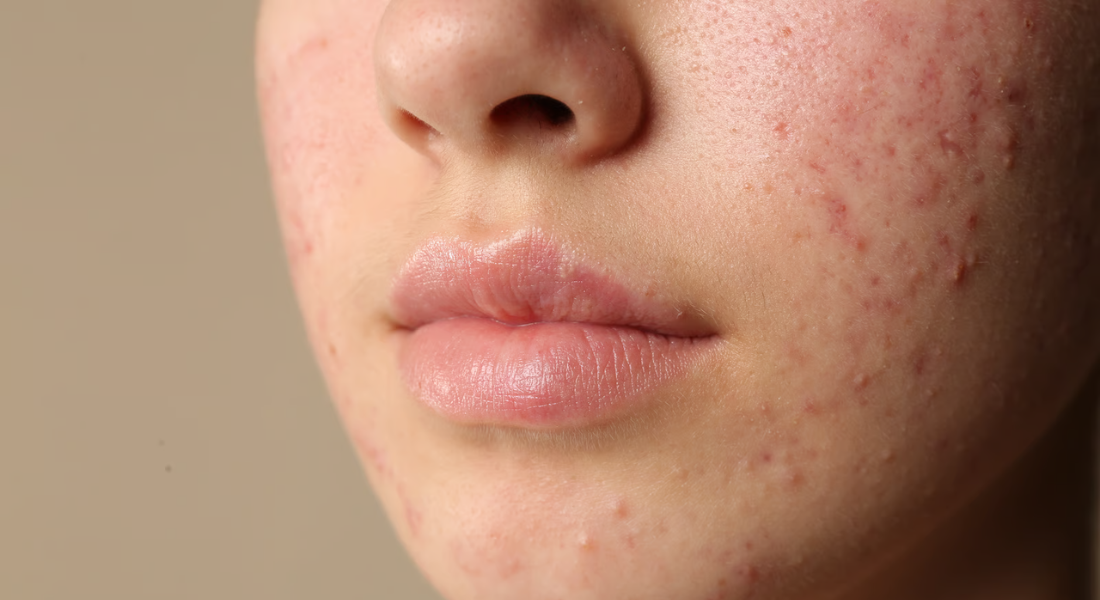
Anabolic steroids are often linked to muscle growth and performance enhancement, but they can also have a noticeable impact on your skin. One of the most common side effects you may experience is acne. If you have noticed sudden or more severe breakouts while using anabolic steroids, there is a clear reason behind it. These changes are not random and are closely tied to how the medication affects your body.
These substances alter your hormone levels, particularly androgens such as testosterone. This hormonal shift increases oil production in your skin and can make it more reactive to inflammation. As a result, your pores are more likely to become clogged, leading to breakouts. The acne that develops is often more intense and harder to control than typical acne.
In this article, you will learn how anabolic steroids contribute to acne and why these breakouts can be more severe. You will also understand the potential long-term effects on your skin if the condition is not managed properly. With the right information, you can make more informed decisions about your health and how to care for your skin.
What Are Anabolic Steroids?
Anabolic steroids are synthetic substances designed to mimic the effects of testosterone, a key hormone in your body. They are sometimes prescribed for specific medical conditions, but are also commonly used for bodybuilding and performance enhancement. These substances can increase muscle mass, strength, and overall physical performance. Because of these effects, they are often used beyond medical supervision.
Since anabolic steroids act like testosterone, they influence multiple systems throughout your body. One of the key areas affected is your skin, particularly your oil-producing glands. You may notice changes such as increased oiliness or a shift in how your skin behaves. This happens because your natural hormonal balance is being altered.
Understanding how anabolic steroids work helps explain why acne can develop as a side effect. Their impact goes far beyond muscle growth and performance. Your skin is highly sensitive to hormonal changes, especially increases in androgen levels. As a result, these shifts can quickly lead to breakouts and other skin concerns.
How Anabolic Steroids Affect Hormones
Anabolic steroids increase the level of androgens in your body, which are hormones responsible for stimulating your sebaceous (oil) glands. When these glands are overactivated, your skin produces more oil than it needs. This excess oil can easily clog your pores. As a result, your risk of developing acne increases significantly.
Higher androgen levels can also disrupt your natural hormonal balance. This imbalance affects how your skin behaves, making it more prone to inflammation and breakouts. You may notice that your skin becomes oilier, more reactive, and harder to manage. These changes can happen quite quickly after using anabolic steroids.
This hormonal shift is the main reason anabolic steroids trigger acne. It directly impacts the processes that lead to clogged pores and inflammation. Because the cause is internal, managing it can be more challenging than typical acne. Treatment often requires a careful and well-planned approach.
Increased Sebum Production
Sebum is the natural oil your skin produces to keep itself hydrated and protected. While it plays an important role in maintaining healthy skin, too much of it can cause problems. Excess sebum can build up and clog your pores. This creates the ideal environment for acne to develop.
Anabolic steroids can significantly increase how much sebum your skin produces. As your oil glands become more active, your skin may feel noticeably oilier than usual. This excess oil mixes with dead skin cells and blocks your pores more easily. As a result, breakouts become more frequent and harder to control.
Controlling oil production can be challenging when your hormone levels are elevated. Since the cause is internal, your skin continues to produce excess oil despite external treatments. This is why steroid-related acne can often feel more severe and persistent. When your hormonal balance is disrupted, managing your skin requires a more targeted approach.
Bacterial Growth and Acne
When your pores become clogged with excess oil, it creates the perfect environment for bacteria such as Cutibacterium acnes to grow. These bacteria are naturally present on your skin, but when they multiply rapidly, they can trigger inflammation. This leads to the formation of red, swollen acne lesions. As a result, your skin becomes more prone to irritation and infection.
Anabolic steroids create conditions that make this process more likely. Increased oil production, combined with heightened inflammation, allows bacteria to thrive more easily. You may notice that your breakouts become more widespread and more inflamed than usual. This combination can make acne feel more severe and difficult to control.
Understanding this process shows that steroid-related acne is not caused by just one factor. It involves a combination of excess oil, bacterial growth, and inflammation working together. This is why the condition can be more intense compared to typical acne. Recognising these factors helps guide a more effective and targeted treatment approach.
Inflammation and Severe Breakouts
Inflammation is one of the main reasons steroid-induced acne can become more noticeable and uncomfortable. When you’re using steroids, changes in your hormone levels can trigger an increase in oil production and inflammatory activity in the skin. This combination can lead to more intense and painful breakouts that feel harder to control. Understanding this process helps you see why the condition can sometimes feel more severe than typical acne.
- Inflammation is a key driver of steroid-induced acne: Steroids can increase androgen activity in your body, which in turn stimulates your skin’s oil glands. This excess oil, combined with inflammation, creates the perfect environment for acne to develop. You may notice that your breakouts feel more red, swollen, and sensitive than usual. This inflammatory response is what often makes steroid-related acne more noticeable.
- Breakouts can become painful and swollen: Unlike mild acne, steroid-induced acne can sometimes present as deeper, more inflamed lesions. These spots may feel tender to touch and appear more pronounced on the skin. Because the inflammation sits deeper, it can also take longer to settle. This can make the condition feel more persistent and uncomfortable.
- More severe forms can include cysts and nodules: In some cases, the inflammation can lead to cystic or nodular acne. These are larger, deeper spots that form under the skin and don’t always come to a head. They can be more difficult to treat and may take longer to heal. This is why early management is so important.
- Ongoing steroid use can make inflammation harder to control: If steroid use continues, it may be more difficult to fully reduce the inflammatory response in your skin. This doesn’t mean improvement isn’t possible, but it may require a more structured and carefully managed approach. Your doctor may need to balance treating your underlying condition while also addressing the skin reaction.
- Reducing inflammation is central to treatment: A key goal of managing steroid-induced acne is to bring inflammation under control. This might involve topical treatments, oral medications, or adjustments to your steroid regimen where possible. Treating the underlying cause, rather than just the symptoms, is essential for longer-term improvement. With the right approach, inflammation can be significantly reduced over time.
When you understand how inflammation contributes to steroid-induced acne, it becomes clearer why treatment needs to be comprehensive. It’s not just about treating the spots you can see, but also managing what’s happening beneath the surface. With consistent care and medical guidance, even more severe breakouts can be effectively controlled.
Common Areas Affected
Anabolic steroid acne often appears on areas such as your back, chest, shoulders, and face. These parts of your body have a higher concentration of sebaceous (oil) glands, making them more sensitive to hormonal changes. When androgen levels rise, these areas tend to produce more oil. This increases the likelihood of clogged pores and breakouts.
Your back and shoulders are especially common sites for this type of acne. You may hear it referred to as “back acne” or “bacne,” particularly when it becomes more widespread. In some cases, the breakouts can cover large areas and feel more difficult to manage. This can make the condition more noticeable and sometimes uncomfortable.
Understanding where your acne appears can help with identifying the cause more accurately. The pattern and location of breakouts often provide useful clues for diagnosis. This also helps your doctor choose the most appropriate treatment approach. Recognising these patterns makes it easier to manage your skin effectively.
Sudden Onset of Acne
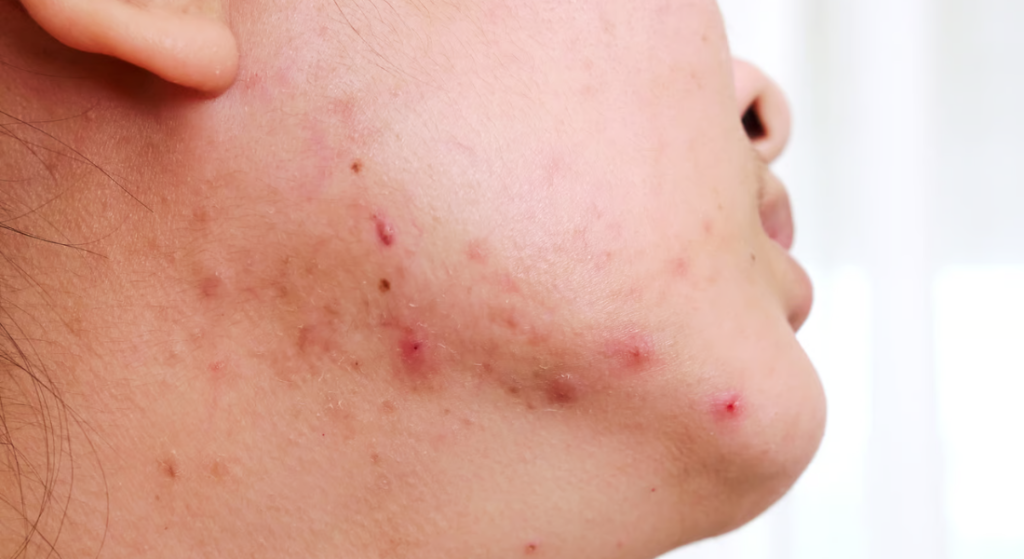
One of the key features of anabolic steroid acne is how quickly it can appear. You may notice breakouts developing soon after starting steroid use, sometimes within a short period. This happens because of rapid hormonal changes in your body. These shifts can trigger your oil glands and inflammation almost immediately.
Unlike typical acne, which tends to build up gradually over time, steroid-related acne often appears quite suddenly. This abrupt change can feel unsettling, especially if your skin was previously clear. In some cases, the severity can increase quickly, leading to more widespread and noticeable breakouts. This rapid progression can make it harder to manage without the right approach.
Recognising this pattern is important in identifying the underlying cause of your acne. When you understand that it is linked to steroid use, you can take more appropriate steps to address it. Early intervention plays a crucial role in controlling the condition. Prompt treatment can help reduce severity and improve your overall outcome.
Differences from Regular Acne
Steroid-induced acne doesn’t always look or behave like the acne you might be familiar with. While it can appear similar at first glance, there are a few key differences that help doctors identify it. Recognising these patterns is important because it ensures you get the right diagnosis and the most effective treatment. Understanding how it differs from regular acne also helps you make sense of what’s happening to your skin.
- It often appears more uniform in size and shape: Unlike typical acne, which can include a mix of blackheads, whiteheads, and larger spots, steroid-induced acne tends to look more uniform. You may notice similar-looking red or inflamed bumps appearing at the same time. This pattern is quite characteristic and can help distinguish it from other types of acne. The consistency in appearance is often a key clue for dermatologists.
- Inflammation is usually more prominent: Steroid-related acne is typically more inflammatory, meaning the spots often look red, swollen, and irritated. These lesions can feel more tender compared to regular acne. Because inflammation is more dominant, the breakouts may also appear more intense. This can make the condition feel more uncomfortable overall.
- There are often fewer blackheads and whiteheads: In common acne, blocked pores often lead to blackheads and whiteheads. However, with steroid-induced acne, these non-inflammatory lesions are usually less common. Instead, you’re more likely to see red bumps and inflamed spots. This difference in presentation is another important distinguishing feature.
- Breakouts can be more widespread across the body: While regular acne is often concentrated on the face, steroid-induced acne can also affect the chest, back, and shoulders. The distribution tends to be broader and more symmetrical. This wider spread can make the condition feel more noticeable and harder to manage. It’s another reason why accurate diagnosis is important.
- Diagnosis helps guide the right treatment approach: Because steroid-induced acne behaves differently, treatment needs to be tailored accordingly. Dermatologists will take into account your medication history, symptom pattern, and skin appearance. This helps ensure you’re not just treating acne in general, but addressing the specific cause. A correct diagnosis leads to more effective and targeted care.
Understanding these differences makes it easier to see why steroid-induced acne requires a slightly different approach. It’s not just standard acne with a different cause it has its own pattern and behaviour. With the right diagnosis and treatment plan, your skin can be managed more effectively and with better long-term results.
Long-Term Skin Effects
Prolonged use of anabolic steroids can lead to long-term changes in your skin, especially if acne is not managed early. Persistent breakouts may increase the risk of scarring, which can affect both your skin’s texture and your confidence. These marks can sometimes remain even after the acne has cleared. This is why early attention is so important.
Ongoing inflammation can also gradually damage your skin over time. When your skin is constantly dealing with breakouts, it may take longer to heal and recover. Even after stopping steroid use, your skin may need time to return to its natural balance. In some cases, recovery can be slower than expected.
Understanding these risks helps you make more informed decisions about your health and skincare. Taking preventive steps and starting treatment early can reduce the likelihood of long-term complications. The sooner you manage the condition, the better your chances of protecting your skin. With the right approach, you can minimise lasting effects and support healthier skin.
Hormonal Imbalance After Stopping Steroids
When you stop using anabolic steroids, your body may go through a period of hormonal fluctuation as it tries to restore its natural balance. This adjustment phase is completely normal, but it can take time. During this period, you may notice temporary changes in your skin, including ongoing or new acne breakouts.
Some people continue to experience acne even after stopping steroids because hormone levels do not stabilise immediately. Your body needs time to regulate androgen production and return to its usual state. As a result, your skin may remain oily or reactive for a while. This transition can feel frustrating, but it is usually temporary.
Understanding this recovery phase helps you set realistic expectations for your skin. Improvement is definitely possible, but it often happens gradually rather than instantly. Being patient and consistent with treatment can support your skin during this time. With the right care, your skin will slowly return to a more stable condition.
Can Steroid Acne Be Prevented?
Steroid-induced acne can be difficult to fully prevent, especially if you need to take steroids regularly for a medical condition. Because the acne is triggered by internal hormonal and inflammatory changes, it isn’t always something you can completely control with skincare alone. However, there are steps you can take to reduce the likelihood of breakouts or make them less severe. The key is understanding what you can influence and where medical guidance is essential.
- Prevention can be challenging when steroids are necessary: If you’re using steroids for an ongoing health condition, the risk of acne may still be present. This is because the medication itself can influence oil production and inflammation in the skin. Even with good skincare habits, you may not be able to fully prevent breakouts. That’s why managing expectations is important from the start.
- Good skincare and hygiene may help reduce severity: While you can’t always prevent steroid acne, you can support your skin by keeping it clean and balanced. Using gentle, non-comedogenic products can help reduce clogged pores and irritation. Avoiding harsh scrubs or overly aggressive treatments is also important, as these can worsen inflammation. A simple, consistent routine is often most effective.
- Reducing steroid use can lower the risk where appropriate: In some cases, your doctor may be able to adjust your treatment plan to reduce steroid dosage or explore alternatives. Lower exposure can sometimes decrease the severity of acne or reduce flare-ups. However, this must always be carefully balanced against the condition being treated. You should never change or stop medication without medical advice.
- Prevention focuses on minimising triggers rather than eliminating risk: Because steroid acne is medication-related, prevention is more about control than complete avoidance. This means identifying and reducing contributing factors where possible, rather than expecting it to disappear entirely. Your healthcare provider may help you adjust lifestyle or treatment factors to support your skin. This approach is more realistic and sustainable.
- Professional guidance is essential for safe management: The best way to manage risk is by working closely with your doctor or dermatologist. They can monitor your skin, adjust treatment if needed, and recommend suitable skincare options. With professional input, you can reduce the impact of steroid acne while still managing your underlying condition effectively. This ensures both safety and long-term control.
While steroid-induced acne may not always be fully preventable, it can often be managed effectively. With the right care, awareness, and medical support, you can reduce its severity and keep your skin under better control.
Treatment Options for Steroid Acne
Treating anabolic steroid acne often requires medical support, especially if the breakouts are persistent or severe. Your dermatologist may recommend topical treatments to help control excess oil production and reduce bacteria on the skin. These can include retinoids, which help unclog pores, and topical antibiotics to reduce inflammation and infection. With consistent use, these treatments can help improve your skin over time.
In more severe cases, oral medications may be necessary to manage symptoms more effectively. These treatments work by targeting deeper inflammation and, in some cases, helping to regulate the hormonal effects that contribute to acne. Because steroid-induced acne can be more intense than regular acne, a stronger or combined approach is often needed. Your treatment plan will depend on the severity of your condition.
Dermatologists tailor treatment specifically to your skin and medical history. This personalised approach ensures that you receive the most appropriate and effective care. Professional guidance is essential to avoid worsening the condition or causing unnecessary side effects. With the right treatment plan, you can significantly improve and manage steroid-related acne.
Importance of Medical Supervision
If anabolic steroids are being used for medical reasons, it is important that you remain under regular medical supervision. Your doctor can monitor how your body is responding and watch for any side effects, including changes in your skin. If needed, they can adjust your treatment to help reduce risks and improve overall safety.
Using steroids without proper medical guidance, or self-medicating, can significantly increase the chance of complications. One of these complications is severe acne, which may develop more quickly or become harder to control. Without supervision, it becomes more difficult to manage both your underlying condition and its side effects effectively.
Understanding the importance of medical supervision helps you protect your long-term health. When steroids are used correctly and monitored closely, risks can be reduced. Having professional guidance ensures that any issues are identified early and managed appropriately. This support plays a key role in keeping your treatment as safe as possible.
Skincare Strategies

When you’re dealing with steroid-induced acne, the way you care for your skin every day can make a noticeable difference. While skincare alone won’t completely stop breakouts caused by steroids, a consistent and gentle routine can help keep your skin calmer and reduce the severity of flare-ups. The aim is to support your skin, not overwhelm it with too many strong products.
- A consistent routine helps keep your skin stable: Sticking to a simple daily skincare routine can help regulate oil production and keep your pores clear. When you’re consistent, your skin has a better chance of staying balanced rather than reacting unpredictably. Even basic steps like cleansing and moisturising done regularly can support overall skin health. Over time, this consistency can make your skin easier to manage.
- Gentle cleansing is essential for reducing irritation: Washing your face with a mild, non-stripping cleanser helps remove excess oil, sweat, and impurities without damaging your skin barrier. Harsh cleansers or over-washing can actually make inflammation worse and trigger more breakouts. You should aim for a gentle approach, usually once or twice a day depending on your skin type. The goal is to keep your skin clean, not dry or irritated.
- Oil control helps reduce clogged pores: Steroid-induced acne can be influenced by increased oil production, so managing excess sebum is important. Lightweight, oil-free products can help reduce shine and prevent pores from becoming blocked. However, you should avoid overly drying products, as they can cause your skin to produce even more oil in response. Balance is key when it comes to oil control.
- Non-comedogenic products support clearer skin: Choosing skincare and cosmetic products labelled as non-comedogenic helps reduce the risk of clogged pores. These products are designed not to block follicles, which can help minimise breakouts. This applies to moisturisers, sunscreens, and makeup as well. Being selective with your products can make a real difference over time.
- Skincare works best alongside medical treatment: While a good skincare routine is helpful, it works best when combined with appropriate medical management. Your doctor may prescribe treatments to address the underlying cause of the acne, while skincare supports the surface of your skin. Together, they create a more effective and balanced approach. This combined strategy often leads to better long-term results.
By keeping your routine simple, gentle, and consistent, you give your skin the best chance to recover and stay stable. Steroid-induced acne can be challenging, but the right skincare habits can make it much more manageable.
Psychological Impact
Severe acne can have a noticeable impact on your confidence and emotional well-being, especially when it appears suddenly after starting steroid use. You may feel self-conscious about your appearance or frustrated by changes in your skin that feel out of your control. This emotional strain is a very real part of the condition and should not be overlooked.
Support from healthcare professionals can help you manage both the physical symptoms and the emotional effects of acne. When your treatment approach considers your overall well-being, not just your skin, outcomes tend to improve. Feeling supported and understood can make it easier to cope with the condition. Over time, your confidence can gradually be restored.
Understanding the emotional impact of steroid-induced acne encourages you to seek help early and take a proactive approach. Your mental well-being is just as important as your physical health. With the right support and treatment, you can manage both effectively. Taking care of your overall well-being is an essential part of recovery.
Lifestyle Factors
Lifestyle factors such as diet, stress, and sleep can all influence how severe your acne becomes. These elements may interact with the hormonal changes caused by anabolic steroids, which can sometimes make breakouts worse. When your body is under additional stress, your skin may become more reactive and harder to manage. Maintaining balance in your daily routine can therefore play an important role.
Adopting healthy habits can support your overall skin health and help reduce the intensity of breakouts. Eating a balanced diet, managing stress levels, and getting enough sleep can all contribute to more stable skin. While these changes may not eliminate acne completely, they can make a noticeable difference over time. Even small improvements in your routine can support better skin outcomes.
Lifestyle adjustments work best when combined with medical treatment. A combined approach is often more effective than relying on a single method alone. Staying consistent with both your treatment plan and healthy habits can improve long-term results. Over time, this balanced approach helps support clearer and healthier skin.
Advances in Acne Treatment
Dermatology continues to advance in how acne is understood and treated, especially in more complex cases linked to hormones and medications. Newer therapies are designed to target both inflammation and hormonal pathways more effectively than older approaches. This means treatment can now be more precise and tailored to your specific needs. As a result, many patients experience better and more consistent improvement.
Modern treatments also provide improved control of more severe or persistent acne. This can help reduce the risk of long-term skin damage, such as scarring or uneven texture. With a wider range of options available, dermatologists can combine treatments to achieve better outcomes. These developments have significantly improved how steroid-related acne is managed.
Staying informed about these advancements can help you make better decisions about your care. When you understand what options are available, you can have more productive discussions with your doctor. Ongoing progress in dermatology continues to improve both treatment results and patient experience. Being aware of these changes helps you access the most effective care possible.
When to Seek Professional Help
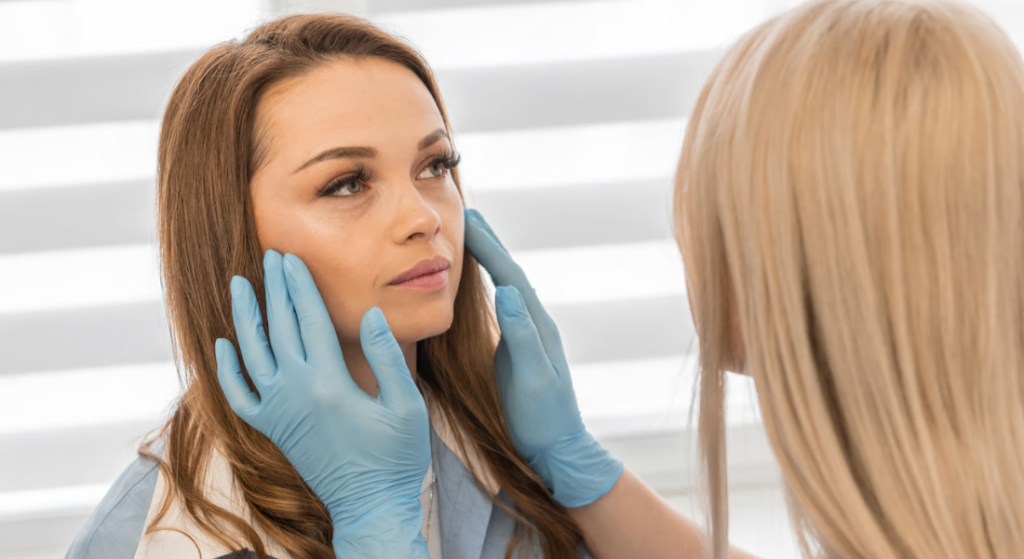
If you notice acne developing while using anabolic steroids, it’s important not to ignore it. While mild breakouts can sometimes be managed with basic skincare, steroid-related acne can progress quickly and become more severe. Getting professional advice early helps you understand what’s happening and ensures you receive the right treatment at the right time.
- You should seek help if acne appears during steroid use: If breakouts start after you begin anabolic steroids, it’s a strong sign that the medication may be contributing to the issue. A dermatologist can assess your skin and help confirm whether steroids are the likely cause. This early evaluation is important because it allows treatment to begin before the acne worsens. The sooner you act, the easier it is to manage.
- Severe or persistent acne should not be ignored: If your acne becomes painful, widespread, or doesn’t improve with basic care, you should seek professional support. Steroid-induced acne can sometimes progress into deeper, inflamed lesions that require medical treatment. Ignoring it can increase the risk of scarring and prolonged skin damage. Timely intervention helps prevent long-term complications.
- A dermatologist can provide targeted treatment: options Professional care ensures you receive treatments that are tailored to your skin and your medical history. This may include prescription creams, oral medications, or adjustments to your steroid use where appropriate. A dermatologist can also help distinguish steroid acne from other skin conditions. This accuracy leads to more effective and focused treatment.
- Early intervention improves long-term outcomes: The earlier you seek help, the better the chances of controlling the condition quickly. Early treatment can reduce inflammation, prevent severe breakouts, and minimise the risk of scarring. It also helps you avoid unnecessary trial-and-error with over-the-counter products. Acting promptly gives you a clearer and more predictable path to recovery.
- Professional support provides reassurance and clarity: Dealing with sudden acne can feel confusing or frustrating, especially when steroids are involved. Speaking to a professional helps you understand the cause and what steps you can take next. This reassurance can reduce anxiety and help you feel more in control. Knowing you have expert support makes the situation easier to manage.
Seeking help early ensures your skin is treated effectively and safely. With the right guidance, steroid-related acne can be managed more confidently and with better long-term results.
Why Understanding the Risks Matters
Understanding how anabolic steroids affect your skin helps you make more informed decisions about their use. It highlights the potential risks, including acne and other skin changes, so you can weigh these against the intended benefits. Awareness is an important first step in protecting your skin and overall health.
When you recognise the connection between hormonal changes and acne, you are in a better position to manage your skin effectively. This understanding allows you to take appropriate steps early, rather than reacting after the condition worsens. With the right knowledge, you can work more closely with your healthcare provider to find suitable solutions.
Making informed choices supports both your skin health and your general well-being. It helps you maintain a better balance between treatment benefits and side effects. When you stay aware and proactive, you are more likely to achieve positive, long-term outcomes.
Taking Control of Steroid-Related Acne
Managing acne linked to anabolic steroid use requires a comprehensive approach that brings together medical treatment, skincare, and lifestyle adjustments. You need to consider all contributing factors, including hormonal changes, oil production, and inflammation. By addressing each of these areas, you give your skin the best chance to improve.
With the right combination of treatments and daily care, steroid-related acne can often be brought under control. This can lead to clearer, healthier-looking skin over time. Consistency is especially important, as results tend to build gradually rather than happening overnight. Sticking to your routine and treatment plan makes a significant difference in long-term outcomes.
Taking proactive steps helps you stay ahead of breakouts rather than simply reacting to them. This approach not only supports your skin health but also helps improve your confidence and overall well-being. While the condition can be challenging, control is achievable with the right guidance and commitment.
FAQs:
1. What causes acne when using anabolic steroids?
Anabolic steroids increase androgen levels in your body, which stimulates oil glands. This leads to excess sebum production and clogged pores. As a result, acne develops more easily and can become more severe. The hormonal imbalance is the main trigger.
2. How quickly can steroid-related acne appear?
Acne from anabolic steroids can appear quite quickly, sometimes within a few weeks. This is due to the rapid increase in hormone levels. You may notice sudden breakouts in areas that were previously clear. The speed of onset often makes it more noticeable.
3. Is anabolic steroid acne different from regular acne?
Yes, it often appears more uniform and inflammatory than typical acne. You may see more red bumps, cysts, or nodules rather than blackheads. It can also be more widespread across the body. These differences help doctors identify the cause.
4. Which areas are most affected by steroid acne?
Steroid-related acne commonly affects the back, chest, shoulders, and face. These areas have more oil glands and respond strongly to hormonal changes. The back is especially prone, often referred to as “bacne.” The pattern can help guide diagnosis and treatment.
5. Can anabolic steroid acne become severe?
Yes, it can become quite severe, especially with prolonged use. You may develop painful, inflamed lesions that are harder to treat. In some cases, it can lead to cystic acne. Early management is important to prevent complications.
6. Will acne go away after stopping steroids?
In many cases, acne improves once steroid use is reduced or stopped. However, your body needs time to rebalance hormone levels. Breakouts may continue for a while during this adjustment period. With proper care, your skin can gradually recover.
7. Can you prevent acne while using anabolic steroids?
Prevention is not always possible, but you can reduce the risk. Maintaining good skincare and avoiding excessive oil build-up can help. Using the lowest effective dose under medical supervision is also important. Professional advice makes a difference.
8. How is anabolic steroid acne treated?
Treatment usually includes topical creams to reduce oil and inflammation. In more severe cases, oral medications may be prescribed. Your dermatologist will tailor treatment to your specific needs. A personalised approach gives the best results.
9. Can steroid acne cause permanent scars?
Yes, severe or untreated acne can lead to scarring. Inflammatory lesions such as cysts increase this risk. Early treatment helps prevent long-term skin damage. Protecting your skin early is key to better outcomes.
10. When should you see a dermatologist?
You should seek help if your acne appears suddenly or becomes severe while using steroids. A dermatologist can identify the cause and recommend effective treatment. Early intervention helps prevent worsening and scarring. Professional guidance ensures safe and proper care.
Final Thoughts: Managing Acne Linked to Anabolic Steroids
If you are experiencing acne while using anabolic steroids, it is important to recognise that this is not just a surface-level issue. The breakouts are driven by deeper hormonal changes that directly affect how your skin behaves. While this can make acne feel more difficult to control, the right combination of medical treatment, skincare, and lifestyle adjustments can significantly improve your skin.
You do not have to manage this alone or accept it as unavoidable. With professional guidance, it is possible to reduce breakouts, prevent scarring, and support your skin as your body regains balance. Early action and a personalised approach can make a noticeable difference in both your skin health and your confidence. If you’re thinking about acne treatment in London, you can contact us at London Dermatology Centre to book a consultation with one of our specialists.
References:
- Tan, J.K.L. and Bhate, K., 2015. A global perspective on the epidemiology of acne. British Journal of Dermatology, 172(S1), pp.3–12. Available at: https://academic.oup.com/bjd/article/172/s1/3/6609071
- Ragucci, K.R. and Shrader, S.P., 2011. Anabolic steroid-induced dermatological effects. Cosmetics, 6(3), p.45. Available at: https://www.mdpi.com/2079-9284/6/3/45
- Kim, H.J. and Kim, Y.H. (2024) Exploring acne treatments: From pathophysiological mechanisms to emerging therapies. International Journal of Molecular Sciences, available at: https://pmc.ncbi.nlm.nih.gov/articles/PMC11121268/
- Li, Y. et al. (2024) Acne treatment: Research progress and new perspectives. Frontiers in Medicine, available at: https://pmc.ncbi.nlm.nih.gov/articles/PMC11266290/
- Vasam, M. et al. (2023) Acne vulgaris: A review of the pathophysiology, treatment, and recent nanotechnology-based advances. available at: https://www.sciencedirect.com/science/article/pii/S2405580823001590