


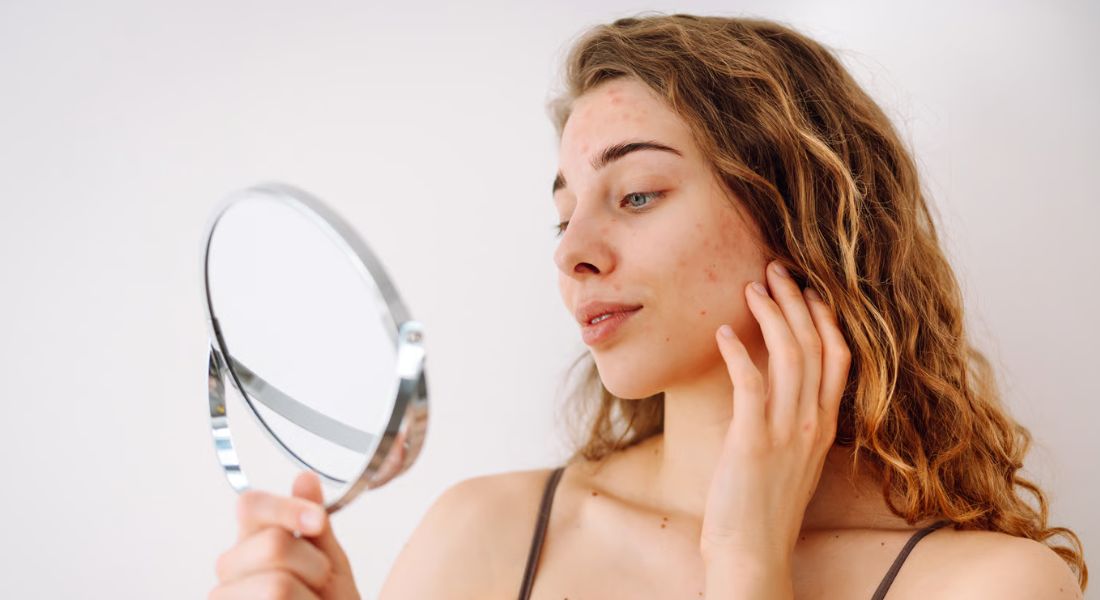
If you have recently started a new medication and noticed sudden breakouts, you are not alone in experiencing this. Many medications can affect how your skin behaves, sometimes leading to acne as an unexpected side effect. You might find this especially frustrating if your skin was previously clear and stable. These sudden changes can feel confusing, particularly when your usual routine has not changed.
Medication-induced acne can appear quite quickly and often does not respond to your usual skincare products. You may notice that treatments which once worked well for you no longer seem effective. This happens because the underlying cause of the acne is different from typical breakouts. Instead of being driven mainly by hormones or blocked pores, it is influenced by how the medication interacts with your body.
In this article, you will learn which medications are most commonly linked to acne and how they affect your skin. You will also understand why these breakouts occur and what makes them different from other types of acne. Most importantly, you will see how dermatologists manage medication-related acne effectively. This will help you approach your skin with greater clarity, control, and confidence.
What Is Medication-Induced Acne?
Medication-induced acne refers to breakouts that develop as a side effect of certain medicines you may be taking. You might notice these changes even if you have never experienced acne before, or if your skin has been stable for a long time. In some cases, it can also affect you if you already have a history of breakouts. The timing is often linked to when you start a new medication or make a change to your existing treatment.
This type of acne can look slightly different from the acne you may be used to seeing. You might notice that it appears quite suddenly, sometimes within a short period after starting the medication. The spots are often more uniform in size and shape, rather than a mix of different types of blemishes. Recognising these differences can help you understand what might be triggering the change in your skin.
Identifying the exact cause of your acne is important if you want to manage it effectively. If the medication continues to trigger breakouts, standard treatments may not give you the results you expect. This is why simply using topical products may not be enough on its own. Being aware of the connection between your medication and your skin is a key first step towards clearer skin.
How Medications Affect the Skin
Medications can influence your skin in several different ways, often working from within your body rather than just on the surface. They may alter your hormone levels, increase oil production, or affect how your immune system responds. These internal changes can create the ideal conditions for acne to develop. As a result, you may notice new breakouts even if your skincare routine has remained the same.
Some medications can also weaken your skin barrier or trigger increased inflammation. This can leave your skin feeling more sensitive, reactive, or prone to irritation. You might find that breakouts become more frequent or appear more severe than usual. In some cases, your skin may also take longer to recover from spots.
Understanding how medications affect your body helps you make sense of these changes in your skin. It is not only about what you apply on the surface, but also what is happening internally. These underlying shifts play a significant role in how your skin responds. Recognising this can help you take a more informed approach to managing breakouts.
Steroids and Acne Development
Steroids are one of the most common causes of medication-induced acne, and you may notice changes in your skin soon after starting them. Both topical steroids, applied directly to the skin, and systemic steroids, taken as tablets or injections, can trigger breakouts. They work by affecting your hormone levels and increasing oil production in the skin. This combination can create an environment where acne develops more easily.
Steroid-induced acne often has a slightly different appearance compared to typical breakouts. You may see clusters of uniform red bumps that look similar in size and shape. These spots can appear quite suddenly, sometimes within a short time of beginning treatment. The pattern is often consistent, which can help distinguish it from other types of acne.
Managing steroid-related acne requires a careful and balanced approach. In many cases, the steroid medication is essential for treating another health condition and cannot simply be stopped. This means your treatment plan needs to work alongside the medication rather than replace it. Dermatologists usually tailor your skincare and medical treatment to control breakouts while allowing you to continue your prescribed therapy safely.
Hormonal Medications
Hormonal medications, including certain contraceptives and hormone therapies, can have a noticeable impact on your skin. These treatments influence androgen levels, which play a key role in controlling how much oil your skin produces. When these hormone levels shift, you may find that your skin becomes more prone to breakouts. This can happen even if your skin has been relatively stable in the past.
Some hormonal treatments can actually help improve acne, while others may make it worse. The effect depends on the specific formulation and how it interacts with your body. You might respond differently compared to someone else taking the same medication. This variation can make it harder to predict how your skin will react.
Understanding how hormones affect your skin is an important part of managing acne effectively. Dermatologists take this into account when assessing your condition and recommending treatment. They will often look at your medical history and any medications you are taking. A personalised approach helps improve your chances of achieving clearer, more balanced skin.
Lithium and Skin Changes
Lithium is widely used to manage mood disorders, but it can sometimes affect your skin in unexpected ways. If you notice new or worsening acne after starting this medication, it may not be a coincidence. Lithium can influence both inflammation and oil production, which are key factors in acne development. Understanding how it impacts your skin can help you manage breakouts more effectively while continuing essential treatment.
- Increased Inflammation: Lithium can trigger inflammatory responses in your body, which may worsen acne. This inflammation often leads to red, swollen breakouts that can feel more painful than typical spots. As a result, your skin may appear more irritated and harder to manage.
- Effect on Sebaceous Glands: This medication can stimulate your sebaceous glands, increasing oil (sebum) production. Excess oil can clog pores, creating an ideal environment for acne to develop. Over time, this can lead to more frequent or severe breakouts.
- Persistent Acne Symptoms: Acne linked to lithium use can be ongoing and resistant to standard treatments. You may find that over-the-counter products are less effective in controlling these breakouts. In many cases, medical treatment is required to improve the condition.
- Challenges in Adjusting Medication: Since lithium is essential for managing mood disorders, changing or stopping it is not always an option. This can make acne management more complex, as treatment must work alongside your existing medication. A tailored approach is often necessary to balance both concerns.
Managing lithium-related acne requires a careful balance between maintaining your mental health and improving your skin condition. You should avoid making changes to your medication without professional advice. Instead, working closely with your healthcare provider can help you find suitable acne treatments. With the right support, you can achieve better control over both your skin and overall wellbeing.
Anti-Epileptic Drugs
Certain anti-epileptic medications can contribute to the development of acne, even if your skin was previously clear. These drugs may influence your hormone levels and affect how your skin functions on a daily basis. As a result, you might experience increased oil production, which can lead to blocked pores and breakouts. These changes often develop gradually, making them easy to overlook at first.
Breakouts linked to these medications can vary in severity from person to person. You may notice mild spots, or in some cases, more persistent and noticeable acne. This type of acne often requires a more targeted treatment approach rather than relying only on standard skincare products. Paying close attention to changes in your skin can help you respond early and manage the condition more effectively.
Understanding the link between anti-epileptic medication and acne can help you take a more informed approach to your care. Dermatologists often work closely with other healthcare specialists to ensure your treatment remains safe and effective. This collaboration helps balance the management of your underlying condition with the health of your skin. With the right guidance, you can achieve better overall results without compromising your medical treatment.
Testosterone and Androgen Therapy
Medications that increase testosterone levels can trigger acne, particularly if you are undergoing treatment for hormonal conditions or gender-affirming care. These therapies raise androgen levels in your body, which directly influence how much oil your skin produces. When oil production increases, your pores are more likely to become blocked. This creates the conditions where breakouts can develop more easily.
This type of acne is often similar to hormonal acne in both appearance and behaviour. You may notice breakouts on areas such as your face, chest, and back, where oil glands are more active. The spots can be persistent and may not settle quickly without the right treatment. In some cases, the acne can continue for as long as the hormonal therapy is ongoing.
Managing acne linked to androgen therapy requires a carefully tailored approach. Dermatologists look at both the hormonal triggers and the condition of your skin when planning treatment. This may involve combining medical therapies with appropriate skincare to control breakouts effectively. A personalised plan is essential to help you maintain clearer skin while continuing your necessary treatment.
Vitamin Supplements and Acne

Vitamin supplements play an important role in supporting your overall health, but they can sometimes affect your skin. If you have noticed breakouts after starting certain supplements, there may be a connection worth exploring. High doses of specific vitamins, particularly B12, can alter how your skin behaves. Understanding this link helps you make more informed choices about what you take.
- High Doses of Vitamin B12: Taking large amounts of vitamin B12 has been associated with acne in some individuals. It can alter the behaviour of skin bacteria, which may contribute to breakouts. This change can trigger inflammation, leading to spots that appear suddenly.
- Impact on Skin Bacteria: Vitamin supplements can influence the balance of bacteria on your skin. When this balance shifts, it may encourage acne-causing activity. As a result, your skin may become more prone to clogged pores and inflammation.
- Risks of Excessive Supplementation: While vitamins are essential, too much of certain nutrients can lead to unwanted side effects. Over-supplementation may disrupt your body’s natural balance, including your skin health. This is why more is not always better when it comes to vitamins.
- Need for Personalised Intake: Not all supplements work the same way for everyone, and your needs may differ. Taking vitamins without proper guidance can sometimes do more harm than good. A tailored approach ensures you are supporting your health without triggering skin issues.
Being mindful of your vitamin intake can make a noticeable difference to your skin. You should avoid self-prescribing high-dose supplements without proper advice. Consulting a healthcare provider helps ensure you are taking the right amounts for your needs. With a balanced approach, you can support both your overall health and maintain clearer skin.
Immunosuppressants
Immunosuppressant medications can affect how your skin responds to bacteria and inflammation. These drugs are often used to treat conditions such as autoimmune diseases, where the immune system needs to be controlled. As a result, your skin’s natural defence mechanisms may change. This can make you more prone to developing acne or other types of breakouts.
Changes in your immune response can disrupt the balance of your skin. You may notice that your skin becomes more reactive or slower to heal. Breakouts can appear more easily, even with minor triggers that would not normally affect you. This is why keeping a close eye on any changes in your skin is important.
Managing acne in this situation requires a careful and well-planned approach. Dermatologists will always consider your underlying condition before recommending any treatment. The goal is to control breakouts without interfering with your primary medical care. Safety remains the top priority while working towards healthier, clearer skin.
Chemotherapy and Skin Reactions
Some chemotherapy drugs can cause noticeable changes in your skin, including acne-like eruptions. These breakouts may not behave in the same way as typical acne. They are often linked to how the medication affects cell turnover and the way your skin renews itself. As a result, you might see sudden or unusual skin reactions during treatment.
Your skin may also become more sensitive, delicate, and reactive than usual. You could find that it becomes easily irritated or slower to recover from minor damage. Breakouts linked to chemotherapy often need a more specialised approach rather than standard acne treatments. This is why dermatological support plays an important role in managing your skin during this time.
Understanding these potential reactions can help you feel more prepared and less uncertain. It allows you to recognise that these changes are part of the treatment process rather than something entirely unexpected. With professional care, your symptoms can be managed more effectively and comfortably. Ongoing support is essential to help you maintain your skin health throughout your treatment journey.
How Quickly Medication Acne Appears
Medication-induced acne can develop more quickly than you might expect after starting a new drug. In many cases, breakouts appear within a few weeks, often quite suddenly. This rapid onset can feel different from typical acne, which usually builds up gradually over time. Recognising this pattern can help you understand what may be triggering changes in your skin.
- Rapid Onset After Starting Medication: Acne linked to medication often appears within weeks rather than months. You may notice a sudden increase in breakouts shortly after beginning a new treatment. This quick reaction can be a key clue that your medication is involved.
- Different from Typical Acne Development: Unlike common acne, which tends to develop slowly, medication-related acne can emerge abruptly. The spots may appear all at once rather than progressing over time. This distinct pattern makes it easier to differentiate from regular breakouts.
- Importance of Early Recognition: Identifying the timing of your acne can help pinpoint its cause. Early recognition allows you to seek advice and begin appropriate management sooner. This can prevent the condition from becoming more severe.
- Tracking Skin Changes: Keeping an eye on how your skin changes after starting medication can provide valuable insight. Noting when breakouts begin and how they progress helps guide decisions about treatment. This awareness supports more effective and informed care.
Understanding how quickly medication-induced acne can appear gives you an advantage in managing it effectively. You should pay attention to any sudden changes in your skin after starting a new drug. Acting early and seeking professional guidance can improve outcomes. Careful observation and timely action make it easier to maintain healthier skin.
Typical Appearance of Medication-Induced Acne
This type of acne often appears as uniform bumps or pustules that look very similar to each other. You may notice that the spots are consistent in size and shape, rather than a mix of different types of blemishes. This is one of the key features that sets it apart from more common forms of acne. Recognising this uniform pattern can help you understand that the cause may be linked to medication.
You might also find that the acne is more widespread than usual. Areas such as your chest and back are commonly affected, although the face can also be involved. The distribution of the breakouts can follow a noticeable and consistent pattern. This can make the condition feel more persistent and harder to manage with standard treatments.
Recognising these features is important when it comes to getting the right diagnosis. Dermatologists use these visual clues, along with your medical history, to identify the cause of your acne. This helps them decide on the most appropriate treatment plan for your skin. Accurate identification makes a significant difference in how effectively your acne can be managed.
Can Medication Acne Be Prevented?
Preventing medication-induced acne can be challenging, especially when the medication is essential for treating another condition. You may not always be able to avoid breakouts completely if the drug affects your skin from within. However, taking early action and maintaining a consistent skincare routine can help reduce how severe the acne becomes. Being proactive can make a noticeable difference in how your skin responds over time.
Using non-comedogenic products and keeping your skin clean can support prevention efforts. You should focus on gentle cleansing and avoid products that may block your pores or irritate your skin. While these steps may not fully prevent acne, they can help you manage the condition more effectively. Consistency in your routine is key to keeping your skin as balanced as possible.
It is also important to understand that there are limits to what prevention can achieve in this situation. The goal is usually to minimise the impact rather than completely stop breakouts from occurring. Seeking professional advice can help you choose the right products and treatments for your skin. With the right support, you can maintain better control and improve overall skin health.
Managing Medication-Induced Acne
Managing medication-induced acne often involves addressing both your breakouts and the medication contributing to them. You may need a combination of treatments rather than relying on skincare alone. Topical treatments can help control inflammation and reduce bacteria on your skin. These commonly include retinoids and antibiotics, which are chosen based on your skin’s specific needs.
In some situations, you may require oral medications to bring the acne under control. These treatments are usually recommended when breakouts are more severe or persistent. Your treatment plan will be tailored to suit the severity of your acne and how your skin is responding. A personalised approach gives you the best chance of achieving clearer and more stable skin.
Dermatologists often work closely with other healthcare specialists when your medication cannot be changed. This ensures that your treatment remains safe while still being effective for your skin. You benefit from a coordinated approach that considers both your overall health and your skin condition. This level of collaboration is key to managing medication-induced acne successfully.
Should You Stop the Medication?
f you develop acne after starting a medication, it can be tempting to stop taking it straight away. However, many of these medications are prescribed to manage important or long-term health conditions. Stopping them without proper advice can lead to more serious health risks than the acne itself. Understanding the right approach helps you protect both your skin and overall wellbeing.
- Avoid Stopping Medication Abruptly: You should never stop a prescribed medication without consulting your doctor. Sudden discontinuation can lead to unwanted side effects or worsening of the condition being treated. This can sometimes be more harmful than the acne itself.
- Medications Often Serve Essential Purposes: Many drugs linked to acne are necessary for managing serious or chronic conditions. Even if they affect your skin, their primary role in maintaining your health remains crucial. This makes it important to weigh the benefits against the side effects carefully.
- Possible Dose Adjustment or Alternatives: If your acne becomes severe, your doctor may explore options such as adjusting the dosage or prescribing an alternative medication. These changes are made cautiously to ensure your primary condition remains well controlled. A tailored approach helps minimise risks.
- Importance of Open Communication: Keeping your doctor informed about any skin changes allows for better decision-making. Clear communication ensures your concerns are addressed while maintaining safe treatment. This collaborative approach leads to more effective management.
Balancing your medical treatment with skin health requires careful consideration. You should always seek professional guidance before making any changes to your medication. With the right support, it is often possible to manage acne without compromising your overall health. A thoughtful, informed approach leads to the best possible outcome for both your skin and wellbeing.
Skincare Support During Treatment
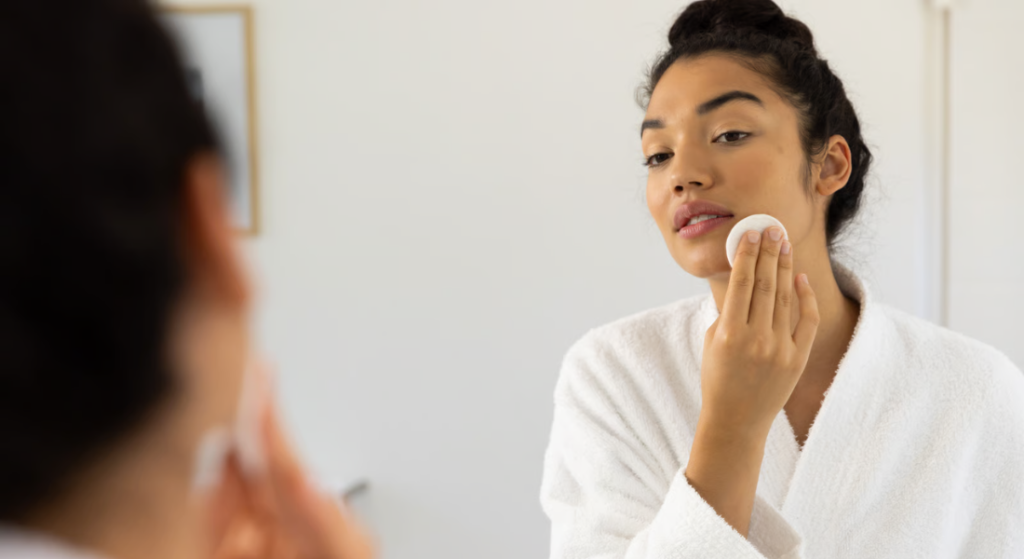
A gentle and consistent skincare routine can help you manage medication-induced acne more effectively. You should focus on simple steps such as cleansing your skin properly, keeping it hydrated, and managing excess oil. These basic elements help maintain your skin’s balance while reducing the risk of further breakouts. It is also important to avoid harsh or overly aggressive products that may irritate your skin.
Using products that are suited to your specific skin type can make a noticeable difference in your results. You may find that lightweight, non-comedogenic formulas work better if your skin is prone to breakouts. Staying consistent with your routine supports your skin’s natural healing process over time. Small, regular efforts often lead to more stable and manageable skin.
While skincare alone may not fully resolve medication-induced acne, it still plays an important supportive role. You will usually achieve better results when skincare is combined with appropriate medical treatment. This balanced approach helps address both the symptoms and the underlying cause. Maintaining this balance is key to improving your skin’s overall condition.
Recovery After Medication Changes
f your medication is adjusted or stopped, you may start to notice gradual improvements in your skin. However, this recovery process is rarely immediate and often requires time and patience. Your skin needs to rebalance itself after the effects of the medication, which does not happen overnight. Understanding this timeline can help you stay realistic and consistent with your care.
- Gradual Improvement Over Time: Acne linked to medication does not disappear instantly after changes are made. You may begin to see slow and steady improvement rather than sudden results. This is because your skin needs time to regulate oil production and inflammation.
- Skin Rebalancing Process: After stopping or adjusting medication, your skin works to return to its natural state. This includes stabilising hormones, oil levels, and bacterial balance. During this phase, your skin may still experience occasional breakouts.
- Ongoing Treatment May Be Needed: Even after the medication is changed, you may still require acne treatment. Topical or prescribed therapies can help speed up recovery and manage lingering symptoms. This combined approach often leads to better results.
- Importance of Patience and Consistency: Recovery takes time, and expecting instant results can lead to frustration. Sticking to a consistent skincare and treatment routine supports gradual healing. Patience plays a key role in achieving clearer, healthier skin.
Understanding the recovery process helps you set realistic expectations for your skin. You should remain consistent with your skincare and follow professional advice during this period. Improvement is possible, but it requires time and ongoing care. With patience and the right approach, your skin can gradually return to a healthier state.
Risk of Scarring
Inflammatory acne can increase your risk of developing scars, especially if breakouts are deep or persistent. Medication-induced acne may sometimes be more inflammatory, which can make your skin more vulnerable to long-term marks. You might notice redness, swelling, or tenderness in affected areas. This is why early treatment is important to help reduce the risk of permanent scarring.
Dermatologists focus on preventing long-term damage as much as treating the acne itself. You may be advised to start treatment early to control inflammation and limit its impact on your skin. Prompt intervention can make a significant difference in how your skin heals over time. Protecting your skin at this stage is essential for maintaining a smoother, clearer appearance.
Understanding the risk of scarring can encourage you to take action sooner rather than later. You should avoid picking or squeezing spots, as this can worsen inflammation and increase the chance of scars. Preventative care is always more effective than trying to treat scars later. With the right approach, you can improve your results and protect your skin’s long-term health.
When to Seek Professional Help
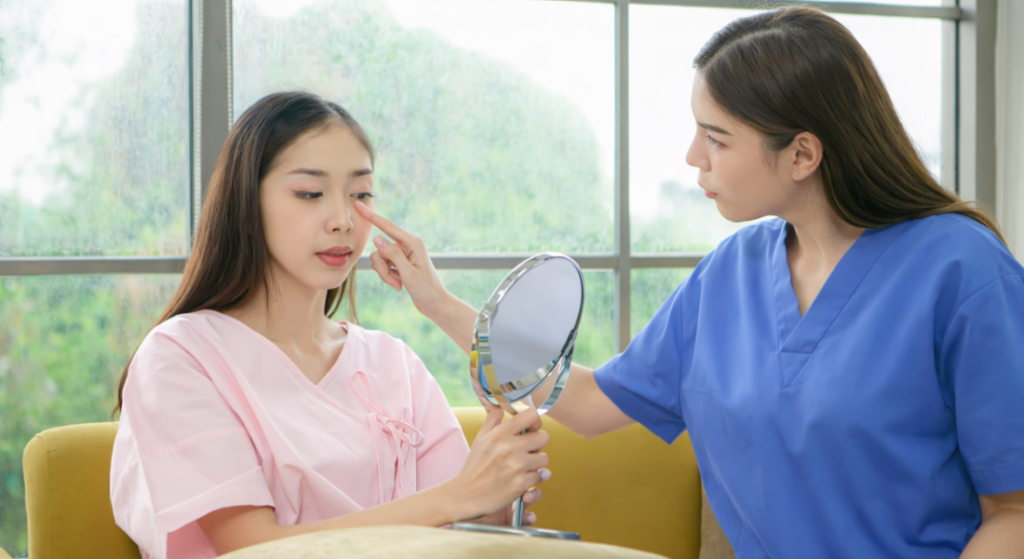
If you suspect that a medication is causing your acne, it is important that you seek professional advice as soon as possible. A dermatologist can assess your skin, review your medical history, and identify whether your breakouts are linked to your medication. You will then receive guidance on the most appropriate treatment for your situation. Early intervention can make a clear difference in how effectively your acne is managed.
You should not ignore acne that is persistent, worsening, or more severe than usual. Leaving it untreated may lead to further inflammation or even increase the risk of scarring. Professional care ensures that your condition is managed in a safe and structured way. Timely treatment helps reduce complications and improves your overall results.
Seeking help also gives you clarity and reassurance about what is happening with your skin. You can better understand the cause of your breakouts and what steps to take next. Expert guidance supports a smoother and more effective recovery process. Ongoing care is essential for maintaining healthier, more stable skin over time.
Why Understanding Medication Triggers Matters
Understanding how medications affect your skin allows you to make more informed decisions about your care. You become more aware of potential side effects and how they may appear on your skin. This awareness helps you recognise changes early rather than feeling unsure or confused. As a result, you are better prepared to manage breakouts effectively.
By identifying possible triggers, you can take practical steps to control your acne before it becomes more severe. You may adjust your skincare routine or seek medical advice at the right time. This early action often leads to better and more consistent results. Having this knowledge gives you a greater sense of control over your skin.
Taking a proactive approach supports healthier and more balanced skin in the long term. You learn how to manage both your treatment and its potential side effects more effectively. Finding the right balance is key to maintaining overall skin health. With greater awareness, you are more likely to achieve successful and lasting results.
FAQs:
1. What is medication-induced acne?
Medication-induced acne refers to breakouts that occur as a side effect of certain drugs. It can appear even in people who have never had acne before and is usually linked to starting a new medication.
2. Which medications are most likely to cause acne?
Common triggers include steroids, hormonal therapies, lithium, some anti-epileptic drugs, and high-dose vitamin B12 supplements. These medications can affect hormones, oil production, or inflammation.
3. How quickly does medication-induced acne appear?
It can develop within a few days to a few weeks after starting a new medication. The sudden onset is often a key clue that the acne is drug-related.
4. Is medication-induced acne different from regular acne?
Yes, it often appears as uniform, red bumps or pustules rather than a mix of blackheads and whiteheads. It may also spread more quickly across areas like the chest, back, and face.
5. Can stopping the medication cure the acne?
In some cases, acne improves after the medication is reduced or stopped. However, this should only be done under medical supervision, as the drug may be essential for your health.
6. Why do medications trigger acne?
Medications can increase oil production, alter hormone levels, or affect how your immune system responds. These changes create conditions that allow acne to develop more easily.
7. How is medication-induced acne treated?
Treatment usually includes topical creams such as retinoids or antibiotics. In more severe cases, oral medications may be prescribed by a dermatologist.
8. Can skincare alone fix medication-induced acne?
Skincare helps manage symptoms but usually cannot fully treat the condition on its own. Medical treatment is often needed because the root cause is internal.
9. Who should I see if I suspect my medication is causing acne?
You should consult a dermatologist or your prescribing doctor. They can assess your condition and adjust your treatment plan safely if needed.
10. Can medication-induced acne cause scarring?
Yes, severe or untreated cases can lead to scarring. Early diagnosis and treatment significantly reduce the risk of long-term skin damage.
Final Thoughts: Managing Medication-Induced Acne Effectively
If you notice breakouts after starting a new medication, it’s important to remember that your skin is reacting to internal changes rather than just surface-level issues. Medication-induced acne can feel frustrating, but it is a recognised and manageable condition when the underlying cause is identified early.
With the right support, you can often control symptoms effectively without compromising your essential treatment. A dermatologist can help you balance your medical needs while treating your skin in a targeted way, reducing inflammation, preventing scarring, and restoring skin clarity over time.
A consistent skincare routine, combined with professional guidance, usually delivers the best results. Most importantly, avoid stopping any prescribed medication without medical advice, as this can affect your overall health. If you’re looking for acne treatment in London, you can reach out to us at the London Dermatology Centre to book a consultation with one of our specialists.
References:
- Zaenglein, A.L. et al. (2016) Guidelines of care for the management of acne vulgaris. Journal of the American Academy of Dermatology, 74(5), pp.945–973. Available at: https://pubmed.ncbi.nlm.nih.gov/26897386/
- Tobiasz, A., Nowicka, D. and Szepietowski, J.C. (2022) Acne vulgaris novel treatment options and factors affecting therapy adherence: A narrative review. Journal of Clinical Medicine, 11(24), 7535. Available at: https://www.mdpi.com/2077-0383/11/24/7535
- Petrescu, A.M. et al. (2024) Multifactorial refractory acne in women: Insights from hormonal-, metabolic-, and corticosteroid-related triggers. Life, 15(8), 1196. Available at: https://www.mdpi.com/2075-1729/15/8/1196
- Du-Thanh, A., Kluger, N., Bensalleh, H. and Guillot, B. (2011) Drug-induced acneiform eruption. American Journal of Clinical Dermatology, 12(4), pp.233–245. Available at: https://pubmed.ncbi.nlm.nih.gov/21668032/
- Ulrich, P., Drexler, K., Berneburg, M., Kurz, B. and Niebel, D. (2026) Acneiform drug eruptions update on pathophysiology and culprit drugs. Frontiers in Medicine, 13, 1769362. Available at: https://pmc.ncbi.nlm.nih.gov/articles/PMC12969058/