


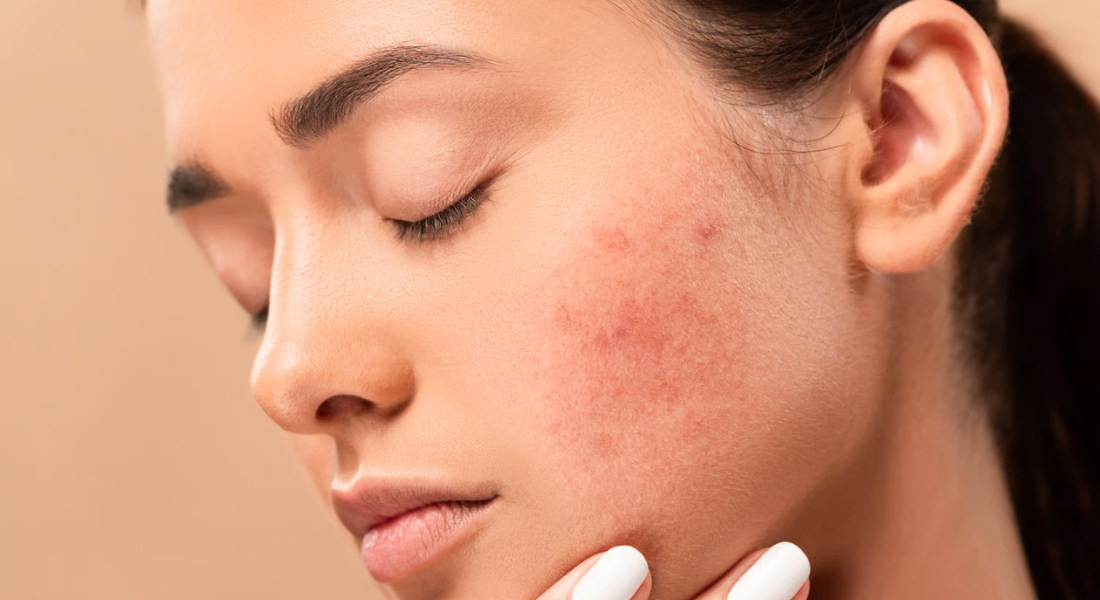
Broken capillaries on the face are a common concern that can affect how your skin looks and feels. You may notice fine red or purple lines, often around the nose, cheeks, or chin, which can become more visible over time. While they are usually harmless, they can still feel frustrating from a cosmetic point of view.
These visible vessels are medically known as telangiectasia. They develop when tiny blood vessels just beneath the surface of the skin become dilated or weakened. This makes them more noticeable, especially in areas where the skin is thinner or more exposed. Although they do not pose a health risk, they can be persistent without treatment.
Understanding why broken capillaries form is the first step towards managing them effectively. In this article, you will learn about the common causes, what makes them more visible, and the treatment options available. We will also explain what results you can realistically expect and how to reduce the chances of them returning. This helps you approach the condition with clarity and confidence.
What Are Broken Capillaries?
Broken capillaries, also known as telangiectasia, are tiny blood vessels that have become enlarged and visible just beneath your skin. You might notice them as fine red lines or small, web-like patterns, most commonly on your face. Because these vessels sit very close to the surface, even slight changes in their size can make them easy to see. This is why they often stand out against your natural skin tone.
Despite being called “broken,” these capillaries are not usually damaged or ruptured. Instead, they have widened and stayed that way, which is why they remain visible over time. You may find that they do not fade on their own, even with good skincare. Once they appear, they often require treatment if you want to reduce their appearance.
You are more likely to notice broken capillaries in areas where your skin is thinner and more exposed, such as your cheeks and around your nose. Over time, they can become more noticeable, especially if the underlying causes are not addressed. Understanding what they are can help you decide how best to manage them.
Why Do Broken Capillaries Develop?
broken capillaries develop when the tiny blood vessels just beneath your skin become weakened and lose their ability to return to their normal size. Instead of constricting as they should, they stay widened and visible. This can happen gradually over time and is often linked to a combination of external triggers and your natural skin characteristics. Understanding these causes can help you manage and reduce their appearance.
- Weakened vessel walls make capillaries more visible: The small blood vessels in your skin are delicate and responsive to changes in temperature and pressure. When their walls weaken, they can expand more easily and remain enlarged. This makes them visible as fine red or thread-like lines. Once they stay dilated, they don’t usually fade on their own.
- Repeated stress on your skin plays a key role: Frequent exposure to triggers such as sudden temperature changes, strong wind, or harsh skincare products can put stress on your capillaries. Even habits like rubbing your skin or applying too much pressure can contribute. Over time, this repeated strain can reduce the vessels’ ability to contract. This leads to long-term visibility.
- Environmental and lifestyle factors contribute over time: External influences, including sun exposure and extreme weather, can gradually affect the strength of your blood vessels. These factors don’t cause immediate changes but build up over time. The cumulative effect can make capillaries more prone to becoming visible. Protecting your skin can help minimise this risk.
- Your skin type and genetics also matter: Some people naturally have more fragile or sensitive skin, which makes their capillaries more susceptible to damage. If you have fair or thin skin, you may notice these changes more easily. Genetics can play a significant role in how your skin responds to triggers. This means some people develop broken capillaries even with minimal stress.
While broken capillaries are usually harmless, understanding why they develop can help you take steps to protect your skin. Reducing triggers and using gentle skincare can make a difference over time.
The Role of Genetics and Skin Type
Genetics play a significant role in the development of telangiectasia. If visible facial vessels run in your family, you may be more likely to notice them yourself over time. This inherited tendency often relates to the strength and resilience of your blood vessel walls. In some people, these vessels are naturally more prone to dilation, making them easier to see.
Your skin type also influences how noticeable these vessels become. Fair or sensitive skin is more likely to show broken capillaries because it is typically thinner and more reactive. This means that even small changes in the blood vessels beneath the surface can be more visible. Sensitive skin may also respond more strongly to environmental factors, which can contribute to their development.
This does not mean that darker skin types are unaffected. Broken capillaries can still occur, but they may be less visible due to higher levels of pigmentation. The overall appearance varies from person to person. Understanding your individual skin characteristics helps explain why some people are more prone to this condition than others.
Sun Exposure and Its Impact on Capillaries

Sun exposure is one of the main reasons you may develop visible capillaries, also known as telangiectasia. Ultraviolet (UV) rays gradually weaken your skin and damage the walls of these tiny blood vessels. Over time, this makes them more likely to widen and become visible on the surface. The process happens slowly, but the effects build up with repeated exposure.
Ongoing sun exposure also reduces your collagen levels, which are essential for keeping your skin firm and supported. Collagen helps maintain the structure of both your skin and the small vessels beneath it. As these levels decline, your skin becomes less able to support the capillaries properly. This can make them more prone to staying enlarged and noticeable.
Protecting your skin from the sun is one of the most effective ways you can prevent this from getting worse. Using a broad-spectrum sunscreen every day, even when it is cloudy, can make a real difference. Small amounts of sun exposure still add up over time, so consistency is important. By taking simple preventive steps early, you can help reduce the risk of these vessels becoming more visible.
Temperature Changes and Environmental Triggers
broken capillaries are often linked to repeated exposure to extreme temperatures. Your skin’s tiny blood vessels naturally expand and contract to regulate heat, but frequent or sudden changes can put them under strain. Over time, this stress can weaken the vessel walls and make them more likely to stay permanently visible. Understanding how your environment affects your skin can help you reduce this risk.
- Rapid temperature changes stress your blood vessels: Moving quickly between hot and cold environments forces your capillaries to expand and contract in a short period. This constant adjustment can reduce their elasticity over time. As the vessel walls weaken, they may stop returning to their normal size. This is when they become more noticeable on the surface of your skin.
- Heat exposure can cause prolonged dilation: Activities such as hot showers, saunas, or steam rooms cause your blood vessels to widen significantly. While this is a normal response, repeated exposure can make this dilation more permanent. Over time, the vessels may remain enlarged even after your skin cools down. This contributes to the appearance of visible red lines.
- Cold weather can also create vascular stress: In colder conditions, your blood vessels constrict to conserve heat. When you then move into a warm environment, they rapidly expand again. This cycle of constriction and dilation can strain the capillaries. Repeated exposure to this pattern can increase the likelihood of lasting changes.
- Managing exposure helps protect your skin: Limiting extreme temperature shifts can reduce stress on your capillaries. Using lukewarm water instead of very hot showers and protecting your skin in cold weather can make a difference. Small adjustments in your routine can help maintain vascular stability. Over time, this supports healthier-looking skin.
Being mindful of how temperature and environment affect your skin can help you reduce the risk of developing broken capillaries.
The Link Between Rosacea and Broken Capillaries
Broken capillaries are often linked to rosacea, a skin condition that can cause persistent redness, flushing, and visible blood vessels on your face. If you have noticed fine red lines along with ongoing redness or sensitivity, it may point towards rosacea as an underlying cause. This is especially common around your cheeks and nose. These areas tend to be more reactive and prone to visible changes.
With rosacea, the small blood vessels in your skin are more sensitive and can dilate easily. You may find that triggers such as heat, stress, spicy foods, or alcohol cause your skin to flush. Over time, repeated flushing can lead to these vessels staying enlarged and becoming permanently visible. This is how broken capillaries can gradually develop as part of the condition.
That said, not everyone with broken capillaries has rosacea. If you notice ongoing redness, sensitivity, or frequent flushing, it is worth having your skin properly assessed. A professional evaluation can help you understand what is causing the changes. This ensures you receive the right treatment for both the visible capillaries and any underlying condition.
Lifestyle Factors That Contribute
Your everyday habits can play a bigger role than you might think in the development of broken capillaries, also known as telangiectasia. For example, if you regularly drink alcohol, it can cause your blood vessels to dilate repeatedly. Over time, this repeated expansion can make them more visible and harder to return to their normal size. This is why you may notice more redness or fine lines appearing on your skin.
Smoking is another key factor that can affect your skin and blood vessels. It reduces oxygen delivery and weakens the structure of the vessel walls. As a result, your capillaries can become more fragile and more likely to stay enlarged. This can also speed up the ageing process of your skin, making these changes more noticeable.
Stress and poor sleep can also influence how your skin behaves, even if they are not direct causes. They can increase sensitivity and inflammation, which may make existing redness or visible vessels stand out more. If you maintain a balanced lifestyle, you are more likely to support your skin’s overall health. Small changes in your routine can help improve your skin’s resilience over time.
Ageing and Skin Thinning

As you get older, natural changes in your skin can make broken capillaries more noticeable. Your skin gradually loses some of its strength and support, which allows underlying vessels to show through more easily. These changes don’t happen overnight they develop slowly over time. Understanding this process can help you take steps to protect your skin.
- Your skin becomes thinner and less supportive: With age, levels of collagen and elastin begin to decline. These are the proteins that keep your skin firm and resilient. As they reduce, your skin becomes thinner and less able to conceal the blood vessels beneath it. This makes even small capillaries more visible.
- Blood vessels become more fragile over time: Ageing doesn’t just affect the skin it also impacts the structure of your blood vessels. They can become less elastic and more prone to dilation. Once they expand, they may not return to their original size as easily. This increases the likelihood of visible capillaries developing.
- Changes are gradual but build up over time: You may not notice these effects straight away, as they develop slowly. However, repeated exposure to environmental factors alongside natural ageing can accelerate the process. Over the years, these small changes become more apparent. This is why broken capillaries are more common with age.
- Skincare and treatments can help manage the effects: Although ageing can’t be stopped, you can take steps to support your skin. Using protective skincare, such as sunscreen and gentle products, helps maintain skin quality. In some cases, targeted treatments may be recommended to improve appearance. Early care often leads to better long-term results.
By understanding how ageing affects your skin, you can make informed choices to help maintain a clearer, more even-looking complexion.
Can Broken Capillaries Heal on Their Own?
If you are hoping that broken capillaries will fade on their own, it is important to understand how they behave. In most cases, telangiectasia do not disappear without treatment. Once these tiny blood vessels have become permanently dilated, they tend to remain visible beneath your skin. This is why many people choose professional treatments rather than waiting for them to improve naturally.
It helps to distinguish between temporary redness and established capillaries. You may notice flushing after exercise, heat, or certain triggers, and this usually settles once the trigger passes. However, when capillaries have become consistently widened, they no longer return to their normal state. This is when they appear as fixed red lines or small visible vessels.
Understanding this can help you set realistic expectations for your skin. Waiting for them to fade on their own is unlikely to give you noticeable results. If you would like to reduce their appearance, targeted treatments are usually needed. This approach can help you achieve clearer and more even-looking skin.
Professional Treatment Options
Professional treatments are the most effective way to reduce telangiectasia. These treatments are designed to target the affected blood vessels directly, without damaging the surrounding skin. By focusing on the vessel itself, they can safely shrink or collapse it, allowing the body to gradually clear it away. This results in a more even and clearer skin appearance.
Laser therapy is one of the most commonly used options. It works by delivering controlled energy that is absorbed by the blood within the vessel. This heat causes the vessel walls to close, after which the body naturally reabsorbs them over time. The process is precise and typically well tolerated, making it a popular choice for facial capillaries.
Other technologies, such as intense pulsed light (IPL), may also be suitable in some cases. The best option depends on factors such as your skin type, the size and location of the vessels, and how widespread they are. A personalised assessment ensures that the treatment is tailored to your needs, helping you achieve the best possible outcome safely.
Laser Treatment for Broken Capillaries
laser treatment for broken capillaries is widely regarded as one of the most effective ways to treat broken capillaries. It works by using targeted light energy to safely reduce the appearance of visible vessels. The treatment is precise, meaning it focuses on the affected area without harming the surrounding skin. For many people, it offers reliable and long-lasting improvement.
- The laser targets haemoglobin within the vessels: The treatment works by directing light energy towards the haemoglobin (the pigment in blood) inside the capillaries. This energy is absorbed and converted into heat, which causes the vessel to collapse and gradually fade. Your body then naturally clears away the treated vessel over time. This selective approach helps protect the surrounding skin.
- Results develop gradually over multiple sessions: You may not see immediate results after just one treatment. Instead, the vessels tend to fade gradually as your skin heals. Depending on how many capillaries are present, you might need a series of sessions to achieve the best outcome. Your practitioner will guide you on the number of treatments needed.
- The improvement is usually long-lasting: Once a capillary has been successfully treated, it does not typically return. However, new ones can form over time if underlying factors remain. This means results are long-lasting, but maintenance may occasionally be needed. Protecting your skin can help prolong the benefits.
- Mild redness after treatment is normal: It’s common to experience some redness or slight sensitivity immediately after the procedure. This is part of the normal healing process and usually settles within a few hours to a few days. Following aftercare advice, such as avoiding heat and protecting your skin from the sun, helps support recovery. Proper care ensures the best possible results.
Laser treatment offers a safe and effective way to restore a clearer, more even-looking complexion. With the right approach and aftercare, most people achieve noticeable and satisfying improvements.
What to Expect During Treatment
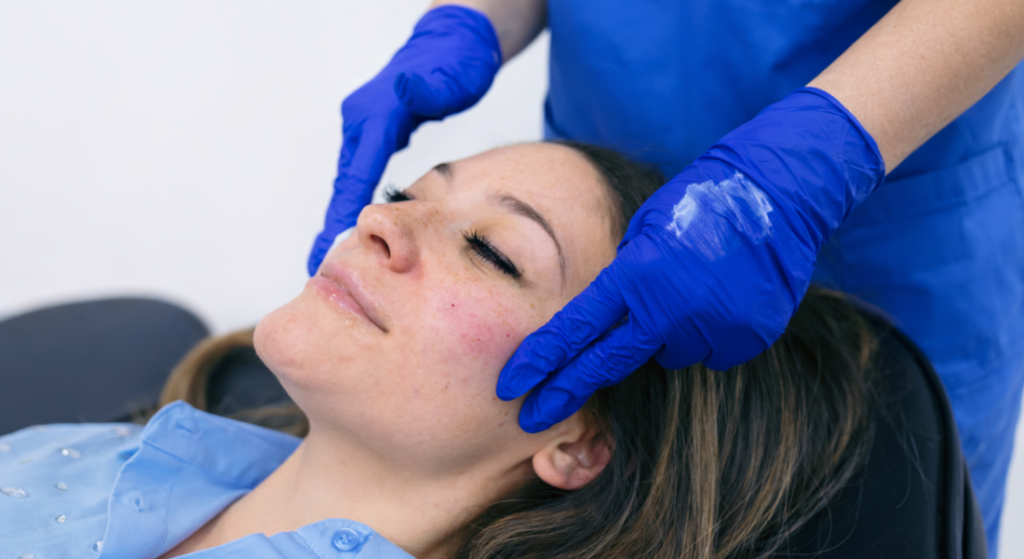
During treatment for telangiectasia, you may feel a mild warming or tingling sensation as the energy is delivered to the skin. Most people find the procedure very tolerable, and anaesthesia is usually not required. Sessions are typically quick, often lasting just a few minutes depending on the area being treated.
Afterwards, it is normal for the skin to look slightly red or feel a little sensitive. This is a temporary response and usually settles within a few days. In most cases, you can return to your normal daily activities straight away, although you may be advised to avoid heat exposure or strenuous exercise for a short period.
Your clinician will explain each step before and during the procedure, so you know what to expect. This guidance helps you feel more comfortable and prepared. Clear communication throughout the process makes the experience smoother and more reassuring, especially if it is your first time having treatment.
How Many Sessions Are Needed?
The number of sessions needed to treat telangiectasia varies from person to person. In mild cases, you may notice a clear improvement after just one or two sessions. However, if the capillaries are more widespread or pronounced, additional treatments may be required to achieve the best result.
Sessions are usually spaced a few weeks apart. This gives your skin time to heal and allows the treated vessels to be gradually cleared by your body. Improvement tends to be progressive rather than immediate, with results becoming more noticeable over time.
Your clinician will monitor your progress at each visit and adjust the treatment plan if needed. This personalised approach ensures that the treatment is both safe and effective for your skin. Following the recommended schedule helps maximise your results and maintain long-term improvement.
Are Results Permanent?
When laser treatment for broken capillaries is used to treat broken capillaries, the results are generally long-lasting. The treated vessels are effectively removed and do not return in the same location. However, it’s important to understand that your skin can still develop new capillaries over time. Knowing what to expect helps you maintain the best possible results.
- Treated vessels do not come back: Once a capillary has been successfully treated, it is permanently eliminated. Your body naturally clears away the collapsed vessel, and it doesn’t reappear in that exact spot. This is why the results are considered long-lasting. You can expect a lasting improvement in the treated area.
- New capillaries can still form over time: While existing vessels are removed, the treatment doesn’t prevent new ones from developing. Factors such as sun exposure, temperature changes, and skin sensitivity can still affect your capillaries. Over time, you may notice new areas of redness appearing. This is a natural process rather than a sign of treatment failure.
- Ongoing triggers influence recurrence: If the underlying causes like frequent heat exposure or fragile skin remain the same, new capillaries are more likely to develop. Managing these triggers can help slow down their appearance. Simple steps, such as protecting your skin and avoiding extremes, can make a difference. Prevention plays an important role.
- Maintenance treatments can help keep results consistent: Some people choose occasional follow-up sessions to treat any new vessels that appear. These maintenance treatments help keep your skin looking clear and even over time. They are usually less extensive than the initial treatment. Combining prevention with periodic care gives the best long-term outcome.
While results are not completely permanent in terms of preventing future capillaries, the treated vessels themselves are gone for good. With the right care and occasional maintenance, you can enjoy clearer skin for the long term.
Preventing Future Broken Capillaries
Preventing new telangiectasia involves reducing the triggers that place stress on your skin and blood vessels. Daily sun protection is one of the most effective steps you can take. Using a broad-spectrum sunscreen helps protect both your skin and the delicate vessels beneath it from long-term damage.
Avoiding extreme temperatures is also helpful. Sudden changes, such as very hot showers, saunas, or exposure to cold wind, can cause blood vessels to dilate repeatedly. Over time, this may contribute to their visibility. Adopting a gentle skincare routine, with products that do not irritate or strip the skin, further supports vascular health.
Consistency is the most important factor. Small daily habits like protecting your skin, avoiding triggers, and maintaining a balanced routine can make a noticeable difference over time. While treatment can reduce existing capillaries, prevention helps maintain your results and reduces the likelihood of new ones forming.
When Should You See a Specialist?
If telangiectasia are becoming more noticeable, spreading, or starting to bother you, it is a good time to seek professional advice. A specialist can assess your skin in detail, identify contributing factors, and recommend the most appropriate treatment options. Early assessment often leads to more effective and straightforward results.
You should also consider an evaluation if you experience persistent redness, frequent flushing, or increased skin sensitivity. These symptoms may point to an underlying condition such as rosacea. Identifying and managing the underlying cause is important, as it helps prevent further progression and improves overall treatment outcomes.
A personalised consultation gives you a clear understanding of what is happening with your skin and what can be done about it. You will be guided through suitable treatments, expected results, and any necessary preventive steps. Expert input ensures that care is both safe and tailored to your individual needs.
FAQs:
1. What causes broken capillaries on the face?
Broken capillaries are usually caused by weakened blood vessel walls. Common triggers include sun exposure, extreme temperatures, genetics, and lifestyle factors such as alcohol consumption or smoking.
2. Are broken capillaries harmful?
No, broken capillaries are generally harmless. They are mainly a cosmetic concern and do not pose a health risk in most cases.
3. Can broken capillaries go away on their own?
No, once capillaries become permanently dilated, they do not disappear without treatment. Professional treatments are usually required to reduce their appearance.
4. What is the best treatment for broken capillaries?
Laser therapy is considered one of the most effective treatments. It targets the blood vessels directly, helping them fade over time without damaging the surrounding skin.
5. How many laser sessions are needed?
The number of sessions varies depending on the severity. Mild cases may need one or two treatments, while more visible capillaries may require multiple sessions.
6. Is laser treatment painful?
Most patients experience only mild discomfort, often described as a warm or tingling sensation. The procedure is generally well tolerated without anaesthesia.
7. Are the results of treatment permanent?
Treated capillaries usually do not return. However, new ones can develop over time if the underlying causes or triggers are not managed.
8. Can skincare products help reduce broken capillaries?
Skincare can support overall skin health and reduce irritation, but it cannot remove established capillaries. Professional treatment is needed for visible results.
9. Who is more likely to develop broken capillaries?
People with fair, sensitive, or thin skin are more prone. Genetics and conditions like rosacea also increase the likelihood of developing visible capillaries.
10. When should I see a dermatologist?
You should consider seeing a specialist if capillaries are increasing, becoming more visible, or are accompanied by persistent redness or sensitivity. Early assessment helps guide the most effective treatment.
Final Thoughts: Clearer Skin with the Right Approach
Broken capillaries on the face are a common and manageable concern, especially when you understand the underlying causes and available treatments. While they are harmless, their appearance can affect your confidence, making effective treatment an important consideration. Professional options such as laser therapy offer reliable, long-lasting results by directly targeting visible vessels, while preventative measures help reduce the risk of new ones forming.
If you’re noticing persistent redness or visible capillaries, seeking expert advice early can make a significant difference. A personalised consultation ensures the most suitable treatment plan for your skin type and concerns. If you’re considering dermatologist in London, you can get in touch with us at London Dermatology Centre.
References:
- Gupta, A., Sharma, P., Verma, S. and Kumar, R. (2023) ‘Effects of [article topic from S2212440323009446]’, Journal Name, volume(issue). https://www.sciencedirect.com/science/article/abs/pii/S2212440323009446
- Beg, K., Padmapriya, B., Noorul Shajar, S., Ahmad, M.M. and Faiyyaz, A.G. (2024)
‘The bibliometric analysis of previous twenty-five years’ literature: A microfinance review’, Heliyon, 10(3), e24979. https://www.sciencedirect.com/science/article/pii/S2352512623003181 - Cleary, J.D. & Stover, K.R. (2015) ‘Antifungal-associated drug-induced cardiac disease’, Clinical Infectious Diseases, 61(Suppl 6), pp. S662-S668. https://pubmed.ncbi.nlm.nih.gov/26564080/
- Chen, Y.-C., Foster, J., Wang, M.-L., Rohmah, I., Tseng, Y.-H. & Chiu, H.-Y. (2021) ‘Global prevalence and risk factors of emergence delirium in paediatric patients undergoing general anaesthesia: a systematic review and meta-analysis’, Journal of Paediatric Nursing, 77, pp. 74-80. https://pubmed.ncbi.nlm.nih.gov/34824181/
- Campolmi, P., Cannarozzo, G., Dragoni, F., Conti, R. & Moretti, S. (2016) ‘Efficacy of rhodamine light in the treatment of superficial vascular lesions of the face’, Medicina Princ Pract, 25(5), pp. 477-482. https://pmc.ncbi.nlm.nih.gov/articles/PMC5588436/