


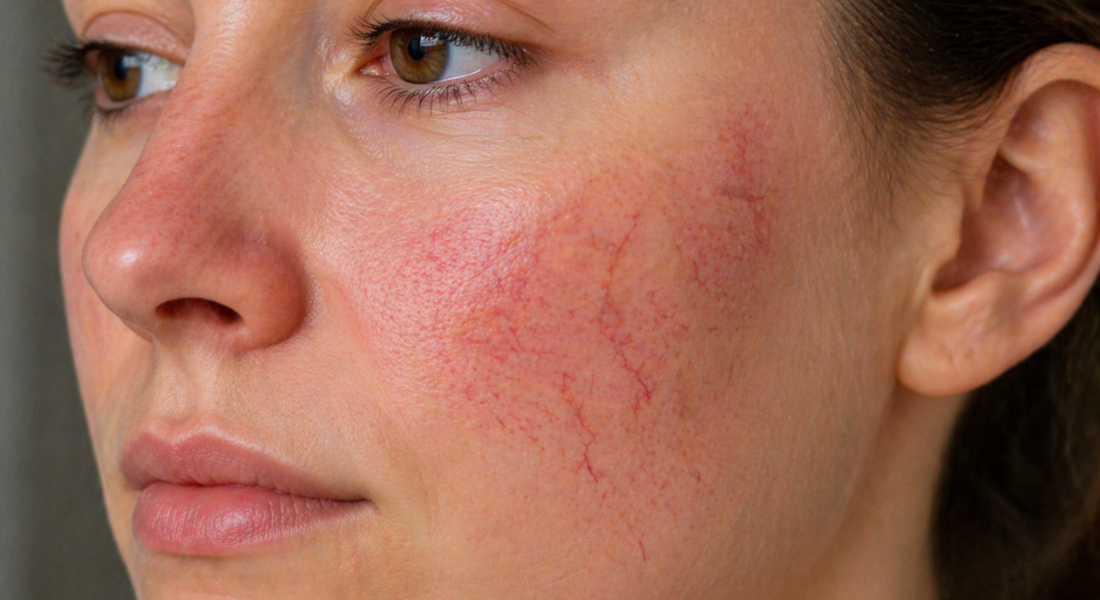
Broken capillaries, medically known as telangiectasia, are a common skin concern that can appear as fine red, blue, or purple lines across areas such as the cheeks, nose, and chin. While they are harmless, they can affect how clear and even your skin looks, which is why many people explore treatment options.
Laser treatment is considered one of the most effective ways to reduce or remove these visible vessels. It works by delivering focused light energy into the skin, which is absorbed by the blood within the capillaries. This causes the targeted vessels to heat up, collapse, and gradually be reabsorbed by the body. The surrounding skin remains unaffected, making the treatment both precise and controlled.
In this article, you will gain a clear understanding of how laser treatment works, what level of improvement you can realistically expect, and what the recovery process involves. Having this knowledge allows you to approach treatment with confidence and make an informed decision based on accurate expectations.
What Are Broken Capillaries?
telangiectasia are small blood vessels that become visible just beneath the surface of the skin. They often appear as fine red lines or delicate, spider-like patterns, most commonly on the face. Although they are medically harmless, they can be noticeable and affect overall skin appearance.
Despite the name, these vessels are not usually “broken.” Instead, they are dilated and remain permanently widened, which is why they stay visible rather than fading naturally over time. This structural change means that they typically require targeted treatment if you wish to reduce their appearance.
They are often more noticeable in fair or sensitive skin, where the vessels are easier to see through the surface. However, they can occur in any skin type depending on factors such as sun exposure, skin reactivity, and underlying conditions. Understanding what they are helps you make informed decisions about prevention and treatment.
Why Do Broken Capillaries Develop?
broken capillaries usually develop due to a combination of internal and external factors rather than a single cause. These tiny vessels become visible when their walls weaken and they lose the ability to contract properly. Over time, repeated stress can make this change permanent. Understanding the main triggers can help you reduce your risk and protect your skin.
- Sun exposure is a leading cause: Ultraviolet (UV) radiation gradually damages both your skin and the underlying blood vessels. This weakens the vessel walls and reduces their elasticity. As a result, they are more likely to dilate and remain visible. Daily sun protection plays a key role in prevention.
- Multiple triggers can act together: Factors such as rosacea, temperature extremes, alcohol consumption, and ageing can all contribute. These triggers increase blood flow to the skin or stress the vessels in different ways. Even habits like rubbing your face or using harsh skincare can add to the problem. Often, it’s the combined effect over time that leads to visible capillaries.
- Repeated stress weakens the vessels over time: Frequent dilation caused by heat, irritation, or flushing puts strain on the capillaries. Eventually, they lose their ability to return to their normal size. This is when they become permanently visible. Early management of triggers can help prevent this progression.
- Genetics influence how prone you are: If your skin is naturally thin, sensitive, or reactive, you may be more likely to develop visible vessels. Some people simply have more fragile capillaries due to inherited traits. While you can’t change this, being aware of it allows you to take preventative steps earlier. This can reduce the likelihood of worsening over time.
Although broken capillaries are common and usually harmless, recognising the factors behind them helps you take a more proactive approach to prevention and care.
How Laser Treatment Works
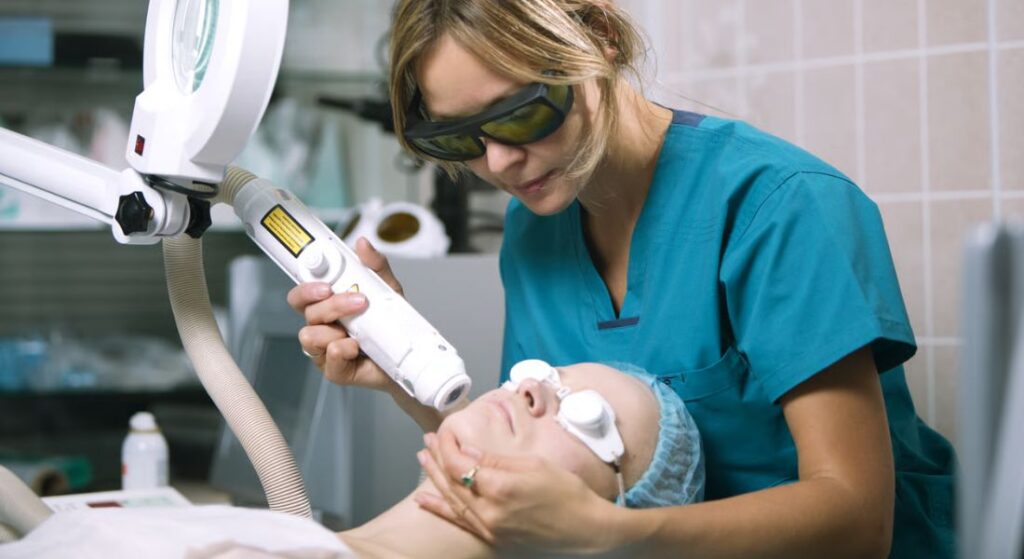
Nd:YAG Laser treatment works by targeting the blood within telangiectasia. The laser emits a specific wavelength of light that is absorbed by haemoglobin in the vessel. This absorption generates heat, causing the vessel walls to collapse. Over time, your body naturally reabsorbs the treated vessel, reducing its visibility on the skin.
This process is known as selective photothermolysis. It allows the laser to precisely target the affected blood vessels without damaging the surrounding skin tissue. This level of precision is a key reason why laser treatment is considered both safe and effective when performed correctly.
Once a vessel has been successfully treated, it does not return. However, it is still possible for new capillaries to form if underlying triggers such as sun exposure, skin sensitivity, or conditions like rosacea continue. This is why combining treatment with ongoing prevention and maintenance is essential for long-term results.
Types of Lasers Used for Capillary Treatment
Different laser technologies can be used to treat telangiectasia, and the choice depends on your skin type, the size of the vessels, and how deep they sit within the skin. The goal is always the same to target the blood vessels precisely while protecting the surrounding tissue but each laser does this in a slightly different way.
Pulsed Dye Laser is commonly used for superficial redness and smaller, more delicate vessels. It works at a wavelength that is highly absorbed by haemoglobin, making it particularly effective for treating fine capillaries and diffuse redness on the face.
Laser penetrates deeper into the skin and is often used for thicker, more resistant vessels. It is also suitable for a wider range of skin tones because of its deeper targeting and lower absorption in the surface layers.
The choice of laser can influence both the effectiveness of treatment and the recovery time. This is why a personalised assessment is essential. A trained clinician will evaluate your skin and select the most appropriate technology to ensure safe, effective, and predictable results.
What Happens During the Procedure
If you’re having laser treatment for broken capillaries for broken capillaries, the process is usually straightforward and well tolerated. The treatment is designed to be quick, precise, and minimally disruptive to your day. Knowing what to expect can help you feel more comfortable and prepared.
- You may feel a brief warming or snapping sensation: As the laser targets the vessels, you’ll typically feel a quick, warm or flicking sensation on the skin. Most people describe this as mildly uncomfortable rather than painful. Many devices include built-in cooling to protect your skin and improve comfort. This helps make the procedure more manageable.
- The treatment is usually quick: The length of the session depends on the size of the area being treated. Small areas, such as around the nose, may only take a few minutes. Larger areas, like the cheeks, can take a bit longer. Your practitioner will guide you on what to expect based on your treatment plan.
- You can return to normal activities soon after: In most cases, there’s little to no downtime. You can usually resume your normal routine straight after the procedure. Some mild redness may occur, but this typically settles quickly. This makes the treatment convenient for busy schedules.
- No general anaesthesia is required: The procedure is performed in a clinical setting without the need for general anaesthesia. In some cases, a topical numbing cream may be used, but it’s often not necessary. The simplicity of the treatment adds to its appeal. It’s designed to be efficient and low-risk.
Laser treatment for broken capillaries is a practical option for many people seeking clearer skin, with minimal interruption to daily life.
How Many Sessions Are Needed?
The number of sessions needed to treat telangiectasia varies depending on how widespread and prominent the vessels are. Very small or isolated capillaries may respond well after a single session. However, most people require a course of treatments to achieve the best overall result.
Sessions are typically spaced a few weeks apart. This allows your skin time to heal and gives your body the opportunity to gradually reabsorb the treated vessels. Improvement is usually progressive rather than immediate, with redness fading more evenly over time.
Your clinician will assess your skin and recommend a personalised treatment plan based on your needs. This approach ensures that treatment is both effective and safe, avoiding unnecessary irritation or over-treatment. Staying consistent with the recommended schedule is key to achieving optimal, long-lasting results.
What Results Can You Expect?

Laser treatment can provide a noticeable improvement in telangiectasia. Most patients see a clear reduction in visible redness, with the skin appearing more even in tone and overall clearer. Results tend to develop gradually as the body reabsorbs the treated vessels over the weeks following each session.
It is important to understand that complete removal of all vessels may not always happen in a single session. However, the reduction is usually significant, and many people find that their skin looks brighter and more uniform after a full course of treatment. The goal is improvement and clarity rather than absolute perfection.
The results for treated vessels are long-lasting. Once a capillary has been successfully targeted and removed, it does not return. That said, new vessels can still form over time due to ongoing triggers such as sun exposure or skin sensitivity. Occasional maintenance treatments and good preventative care help preserve your results in the long term.
How Quickly Will You See Results?
After laser treatment for telangiectasia, results can vary slightly depending on the size and depth of the vessels. Some smaller capillaries may disappear immediately or within a few days. Others may darken slightly at first this is a normal response as the vessel has been effectively targeted.
Over the following weeks, your body gradually breaks down and reabsorbs the treated vessels. This means improvement continues over time rather than happening all at once. It is common to see steady changes in skin clarity and redness as healing progresses.
Final results are usually most noticeable after a series of treatments. Each session builds on the previous one, leading to a more even and natural-looking outcome. Patience during this process is important, as gradual improvement often produces the best and most consistent results.
What Does Recovery Feel Like?
After laser treatment for broken capillaries for broken capillaries, recovery is usually simple and manageable. Most people return to their normal routine very quickly. The skin may show some temporary reactions as it heals, but these are expected and short-lived. Knowing what’s normal can help you feel more at ease during the recovery period.
- Mild redness and slight swelling are common: Immediately after treatment, your skin may look a little red or feel slightly swollen. This is a normal response as the targeted vessels begin to break down. These effects are usually mild and settle within a few days. The intensity can vary depending on your skin and the area treated.
- A warm or sensitive feeling may occur: The treated area can feel warm, similar to mild sun exposure. Some people also notice slight sensitivity or tenderness. This is part of your skin’s natural healing response to the laser. Most patients find it comfortable and easy to manage.
- Downtime is minimal: One of the advantages of this treatment is that it doesn’t require significant recovery time. You can usually resume your usual activities shortly after your appointment. Aside from temporary redness, there’s little disruption to your day. This makes it a convenient option for many people.
- Aftercare helps ensure smooth healing: Following your practitioner’s advice is important for the best results. This may include avoiding heat, protecting your skin from the sun, and using gentle skincare products. These steps help reduce irritation and support recovery. Good aftercare also helps maintain your results.
Overall, recovery tends to be quick and straightforward, with most effects settling within a few days.
Common Side Effects to Expect
After treatment for telangiectasia, mild and temporary side effects are common and expected. The most frequent is redness in the treated area, which may feel similar to mild sun exposure. Some people also notice slight swelling or sensitivity, particularly in more delicate areas like the cheeks or nose. These effects usually settle within a few hours to a few days.
In some cases, the treated vessels may appear slightly darker before they fade. This is a normal part of the process and indicates that the laser has successfully targeted the capillary. As your body clears the vessel over the following weeks, the appearance gradually improves.
Serious side effects are uncommon when the procedure is carried out correctly. Choosing an experienced practitioner is key to minimising risks and ensuring safe treatment. Proper assessment, correct laser settings, and aftercare guidance all contribute to achieving effective results with minimal complications.
How to Care for Your Skin After Treatment

After treatment for telangiectasia, proper aftercare is essential to support healing and maximise your results. For the first few days, it is best to avoid excessive heat, direct sun exposure, and activities such as saunas or intense exercise that can increase blood flow to the face. You should also pause harsh skincare products, including strong exfoliants or active ingredients, and focus on gentle, soothing care.
Using a broad-spectrum sunscreen daily is particularly important. UV exposure can aggravate redness, slow healing, and contribute to the formation of new capillaries. Consistent protection helps preserve your results and supports overall skin health.
Your clinician may recommend specific products to calm and protect the skin during recovery. Following this personalised advice closely ensures optimal healing and reduces the risk of irritation. A simple, consistent routine will help your skin recover more comfortably and maintain long-term improvements.
Can Broken Capillaries Come Back?
broken capillaries often raise a common concern whether they can return after treatment. The answer is partly reassuring and partly dependent on ongoing care. Once a specific capillary has been successfully treated, it does not come back in the same place. However, your skin can still develop new ones over time.
- Treated capillaries are permanently removed: When a vessel is treated typically with laser treatment for broken capillaries it is collapsed and cleared by your body. This means that particular capillary will not reappear. The improvement in that area is long-lasting. This is why treatment is considered effective.
- New capillaries can still form over time: While treated vessels don’t return, your skin may develop new ones in different areas. This depends on factors such as your skin type, genetics, and exposure to triggers. These new capillaries are unrelated to previous treatment. It’s a natural process rather than a setback.
- Ongoing triggers influence recurrence: Sun exposure, temperature extremes, alcohol, and harsh skincare can all contribute to new vessel formation. If these factors continue, the likelihood of developing additional capillaries increases. Managing these triggers helps reduce the chance of recurrence. Prevention plays a key role in maintaining results.
- Maintenance helps keep your skin clear: Some people choose occasional maintenance sessions to treat any new capillaries early. These are usually quick and less intensive than initial treatments. Combined with good skincare and sun protection, this approach helps maintain a clear complexion. Long-term care supports lasting results.
Understanding that treated capillaries don’t return but new ones can form helps set realistic expectations. With the right balance of treatment and prevention, you can keep your skin looking clear and even over time.
Is Laser Treatment Suitable for Everyone?
Laser treatment for telangiectasia is suitable for many people, but it is not appropriate in every case. Certain situations such as active skin infections, very sensitive or inflamed skin, or specific medical conditions may require caution or delay. This is why a professional consultation is always essential before proceeding.
Skin tone is another important factor. Some laser technologies are better suited to lighter skin, while others such as Laser are designed to treat a wider range of skin tones more safely. Choosing the correct device and settings helps minimise risks such as pigmentation changes.
During your consultation, your clinician will review your medical history, assess your skin type, and examine the severity of the capillaries. This personalised evaluation ensures that treatment is both safe and appropriate for you. If laser is not the best option, alternative approaches can be discussed. The priority is always to achieve effective results while protecting your skin.
Comparing Laser to Other Treatments
When treating telangiectasia, different approaches vary significantly in how effective they are. Topical creams, for example, may help calm redness or reduce inflammation, but they do not remove the underlying vessels. This means they can improve appearance slightly, but they do not provide a long-term solution for visible capillaries.
Electrolysis is another option and can be effective for very small, isolated vessels. However, it is less practical for larger or more widespread areas. The process is slower and more operator-dependent, which can make results less consistent when treating multiple capillaries.
Laser treatment is often preferred because it directly targets the blood vessels with precision. It can treat multiple capillaries efficiently and deliver more uniform results across the skin. This makes it particularly suitable for areas like the cheeks and nose where capillaries are more diffuse.
Choosing the right treatment depends on your skin type, the extent of the capillaries, and your overall goals. A professional assessment ensures that the most appropriate and effective option is selected for your individual needs.
How Long Do Results Last?
Results from laser treatment for broken capillaries for broken capillaries are generally long-lasting. Once a treated vessel is removed, it does not grow back in the same place. This makes the procedure a highly effective way to improve the appearance of visible capillaries. However, your skin continues to change over time, which can influence how long your overall results last.
- Treated vessels are permanently eliminated: The laser targets and collapses the affected capillary, which is then naturally cleared by your body. This means that specific vessel will not return. The improvement in that area is therefore permanent. This is why many patients see lasting results after treatment.
- New capillaries can still develop over time: Although treated vessels don’t come back, your skin is still exposed to factors like ageing, sun exposure, and environmental stress. These can lead to new capillaries forming in different areas. This is a normal process and not a sign that treatment has failed. It simply reflects ongoing changes in your skin.
- Results can last for years with proper care: Many people maintain clear skin for a long time after treatment, especially if they protect their skin well. Daily sun protection, gentle skincare, and avoiding triggers such as excessive heat can help preserve your results. These habits reduce the likelihood of new vessels forming. Consistency is key.
- Maintenance treatments can extend longevity: Some patients choose occasional follow-up sessions to treat any new capillaries early. These sessions are typically quick and help maintain an even complexion. A personalised maintenance plan can keep your results looking their best. Combining prevention with treatment offers the most durable outcome.
While no treatment can stop new capillaries from forming entirely, the results for treated vessels are permanent. With good skincare and lifestyle habits, you can enjoy clearer skin for many years.
Managing Expectations Before Treatment
It is important to approach treatment for telangiectasia with realistic expectations. Laser treatment can significantly reduce visible vessels and improve overall skin clarity, but complete perfection is not always achievable. Individual skin response varies, and factors such as skin type, vessel depth, and underlying causes all influence the outcome.
Improvement is usually gradual rather than immediate. Most patients see progressive changes over a series of sessions as the body clears the treated vessels. Understanding this timeline helps prevent unnecessary disappointment and allows you to appreciate the steady, natural-looking results.
Clear communication with your clinician is essential. Discussing your goals, concerns, and expected outcomes ensures that treatment is tailored to your needs. When you understand what is realistically achievable, the overall experience tends to be more positive and satisfying.
The Importance of Professional Expertise
Laser treatment for telangiectasia requires a high level of skill and experience. Using incorrect settings or techniques can lead to suboptimal results or increase the risk of side effects such as irritation or pigmentation changes. This is why professional expertise is essential.
A trained specialist understands how to adjust the treatment based on your skin type, sensitivity, and the depth of the blood vessels. They can also select the most appropriate technology such as a Pulsed Dye Laser or Nd:YAG Laser to ensure precise targeting while protecting the surrounding skin. This level of personalisation is key to achieving safe and effective results.
Choosing a reputable clinic with experienced practitioners gives you confidence throughout the process. From initial assessment to aftercare, expert guidance helps optimise outcomes and minimise risks. In medical aesthetics, the quality of treatment is closely linked to the expertise behind it.
FAQs:
1. Is laser treatment the best option for broken capillaries?
Laser treatment is widely considered one of the most effective options for removing broken capillaries. It directly targets the blood vessels without damaging surrounding skin. This makes it more reliable than topical treatments.
2. How does laser treatment remove broken capillaries?
The laser targets haemoglobin within the blood vessels and heats them. This causes the vessel to collapse and eventually be reabsorbed by the body. Over time, the treated area becomes clearer.
3. Is laser treatment painful?
Most patients describe the sensation as a mild snapping or warming feeling. It is generally well tolerated without the need for anaesthesia. Cooling systems are often used to improve comfort during treatment.
4. How many sessions will I need?
The number of sessions depends on the severity and size of the capillaries. Some small vessels may respond after one session, while others require multiple treatments. Sessions are usually spaced a few weeks apart.
5. How long does it take to see results?
Some capillaries may disappear immediately after treatment. Others may take a few weeks to fade as the body clears them. Results improve gradually with each session.
6. What is the recovery time after laser treatment?
Recovery is usually quick with minimal downtime. You may experience mild redness or swelling for a few days. Most people return to normal activities shortly after treatment.
7. Are there any side effects?
Common side effects include temporary redness, slight swelling, or mild sensitivity. In some cases, treated vessels may darken before fading. Serious side effects are rare when performed by an experienced practitioner.
8. Can broken capillaries come back after treatment?
Treated capillaries do not return once they are removed. However, new ones can develop over time due to ongoing triggers. Proper skincare and sun protection help reduce recurrence.
9. Is laser treatment suitable for all skin types?
Laser treatment can be adapted for many skin types, but not all lasers suit every individual. A consultation is needed to determine the safest and most effective option. Your skin tone and condition will guide the choice of technology.
10. How long do the results last?
Results are long-lasting because treated vessels do not regenerate. However, new capillaries may appear over time due to ageing or environmental factors. Maintenance sessions may be recommended to preserve results.
Final Thoughts: Is Laser Treatment the Right Choice?
Laser treatment offers a precise and effective way to reduce the appearance of broken capillaries, helping restore clearer and more even-looking skin. While results can be long-lasting, it is important to remember that new capillaries may still develop over time if underlying triggers are not managed. Combining treatment with good skincare habits and sun protection plays a key role in maintaining results.
If you are considering professional treatment, seeking advice from an experienced specialist is essential. Consulting a qualified Dermatologist in London for personalised skin assessment and treatment planning ensures that your approach is tailored to your skin type and concerns. If you’re considering dermatologist in London, you can get in touch with us at London Dermatology Centre.
References:
- Railan, D., Parlette, E.C., Uebelhoer, N.S. and Rohrer, T.E. (2006) Laser treatment of vascular lesions, Clinical Dermatology, 24(1), pp. 8–15. Available at: https://pubmed.ncbi.nlm.nih.gov/16427501/
- Srinivas, C.R. and Kumaresan, M. (2011) Lasers for vascular lesions: standard guidelines of care, Indian Journal of Dermatology, Venereology and Leprology, 77(3), pp. 349–368. Available at: https://pubmed.ncbi.nlm.nih.gov/21508585/
- Zerbinati, N. et al. (2021) Skin vascular lesions: a new therapeutic option with sequential laser-assisted technique, Dermatologic Therapy, 34(1), e14573. Available at: https://pubmed.ncbi.nlm.nih.gov/33222349/
- Pai, G.S. (2016) Laser treatment of vascular lesions, Indian Journal of Medical Research, 144(2), p. 304. Available at: https://pmc.ncbi.nlm.nih.gov/articles/PMC5206888/
- Gobbo, M. et al. (2024) Laser therapy for vascular malformations of the oral cavity: a systematic review, Medicina. Available at: https://pmc.ncbi.nlm.nih.gov/articles/PMC12468589/