


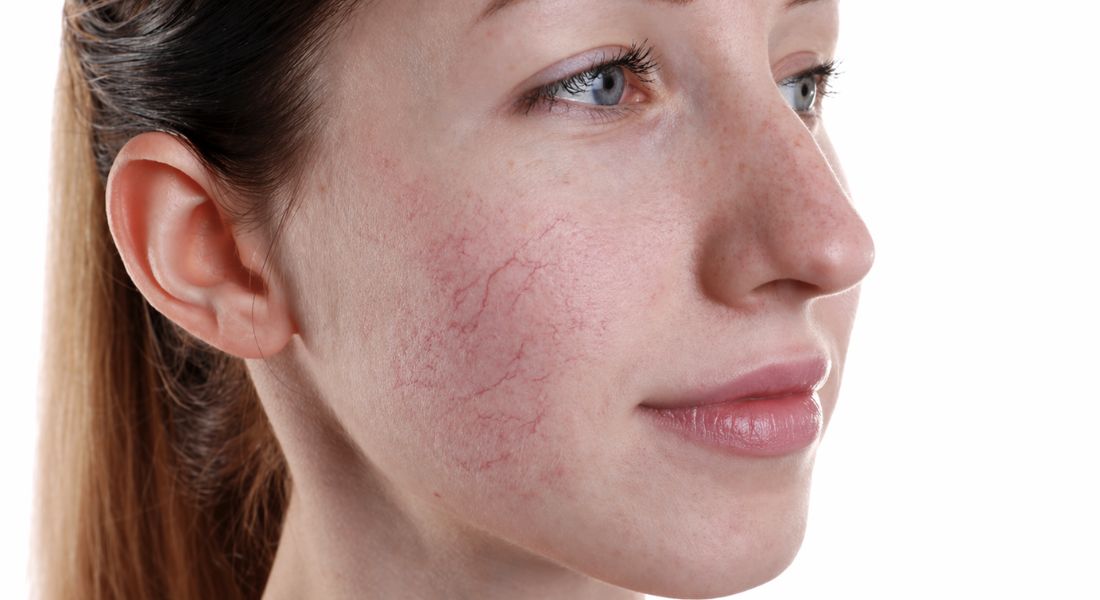
If you have noticed small red or purple lines on your skin, you may be dealing with broken capillaries. It is completely natural to wonder whether they will stay the same or gradually become more noticeable over time. You might also worry that they could spread or multiply, especially if you are seeing more of them on your face or legs. These concerns are very common, particularly when the changes in your skin feel quite visible.
In most cases, broken capillaries do not disappear on their own. You may find that they stay fairly stable for long periods without major changes. However, certain triggers can make them more visible or contribute to new ones forming. Factors like sun exposure, temperature changes, skin trauma, or underlying conditions such as rosacea can all play a role in how they develop.
Whether they get worse depends a lot on how your skin is cared for and what is affecting it day to day. If you regularly expose your skin to heat, harsh products, or strong environmental changes, you may notice more capillaries becoming visible over time. On the other hand, protecting your skin and managing triggers can help slow down progression. You are essentially helping to reduce the pressure on these delicate blood vessels.
In this article, you will learn whether broken capillaries tend to worsen, what influences their progression, and how you can help prevent new ones from appearing. You will also understand when professional treatments may be worth considering if they are bothering you. The aim is to help you feel more in control of your skin rather than worried about ongoing changes.
What Broken Capillaries Actually Are
Broken capillaries are small, dilated blood vessels that sit close to the surface of your skin. You may notice them appearing as fine red, purple, or sometimes bluish lines. They can look a bit like thin threads under the skin, and you’ll most often see them on your face. Common areas include around your nose, cheeks, and sometimes the chin.
These tiny vessels become visible when their walls weaken or lose elasticity over time. You might find this happens gradually due to factors like sun exposure, skin sensitivity, or general ageing. Once they are damaged, they don’t usually repair themselves fully. This is why you may notice them staying visible rather than fading away on their own.
Although broken capillaries are harmless in most cases, you may still feel unhappy with how they affect your skin’s appearance. They are usually more of a cosmetic concern than a medical issue, even though they can sometimes become more noticeable over time. This is often what leads you to explore treatment options to reduce their visibility and achieve a more even skin tone.
Do Broken Capillaries Naturally Get Worse?
Broken capillaries do not usually worsen quickly, but you may notice them becoming more visible over time. This depends largely on how much strain your skin is under and how sensitive your blood vessels are. In some people, they remain fairly stable for years without major change. However, once capillaries become weakened, they can be more prone to further damage.
- They can become more noticeable over time: You may find that existing broken capillaries look slightly more prominent as your skin ages or becomes thinner. This does not always mean they are increasing rapidly, but rather that they are easier to see.
- New capillaries may develop nearby: If your skin is exposed to ongoing triggers such as sun damage, heat, or irritation, you may notice new visible vessels appearing in surrounding areas. This can gradually make the overall pattern seem more widespread.
- They do not “spread” in a strict sense: Broken capillaries do not actively spread like an infection. Instead, changes tend to happen gradually, with new vessels forming over time due to repeated stress on the skin.
- Internal and external factors play a role: Things like sun exposure, temperature changes, genetics, skin sensitivity, and lifestyle habits can all influence how they develop or worsen.
Overall, broken capillaries tend to change slowly rather than suddenly. While they may not rapidly worsen, they can become more noticeable or appear in new areas over time, which is why protecting and caring for your skin is important.
The Role of Skin Sensitivity
If you have sensitive skin, you may be more prone to developing visible capillaries. Your skin can react more strongly to everyday triggers such as temperature changes, sun exposure, or certain skincare products. When this happens repeatedly, it can place extra stress on the tiny blood vessels close to the surface of your skin. Over time, this ongoing strain can make the vessel walls weaker and more visible.
Conditions like rosacea can also play a significant role in this process. You may notice frequent flushing, redness, or heat in the skin, which can make capillaries stand out more clearly. This doesn’t always mean new capillaries are forming, but existing ones can become more noticeable. As a result, it can feel like the condition is gradually getting worse, even when the changes are mainly related to visibility.
Managing your skin sensitivity is an important step in helping to prevent further development. You can support your skin by using gentle skincare products and avoiding known triggers that cause flare-ups. This helps reduce unnecessary stress on the blood vessels and keeps your skin more stable over time. With the right care, you can often minimise progression and maintain a calmer, more even complexion.
Sun Exposure and Capillary Damage

Sun exposure is one of the most significant factors that can contribute to visible capillaries. When your skin is exposed to UV radiation, it gradually breaks down collagen, which is essential for keeping your skin strong and supported. This also weakens the tiny blood vessel walls close to the surface of your skin. Over time, this damage can make capillaries more visible and easier to notice.
If your skin is frequently exposed to the sun without adequate protection, you may see more broken capillaries appearing. You will often notice this on areas like your nose and cheeks, as these parts of your face receive the most direct sunlight. The damage tends to build up gradually, so you might not notice changes straight away. However, over time, the effects can become more obvious.
Using sunscreen every day can make a significant difference in reducing this risk. You are not only protecting your skin’s surface, but also supporting the health of the deeper structures, including your blood vessels. Consistency is really important here, even on cloudy days or during winter. By protecting your skin regularly, you can help prevent further capillary damage and maintain a more even complexion.
Temperature Changes and Flushing
If you are prone to broken capillaries, you may notice that temperature changes can make them more noticeable. When your skin is exposed to sudden heat or cold, the blood vessels expand and contract quickly. Over time, this repeated “stress” can weaken them. You might see this more clearly during colder months or when moving between very different environments.
- Sudden temperature changes affect your blood vessels: When your skin is exposed to heat, your blood vessels widen. In cold conditions, they narrow again. If this happens repeatedly, you may find your capillaries become more fragile over time.
- Flushing can make capillaries more visible: If you experience frequent flushing whether from heat, spicy food, alcohol, or temperature shifts you may notice existing broken capillaries becoming more obvious. In some cases, it can also contribute to new ones appearing.
- Seasonal changes can be a trigger: You might see more visibility during winter, especially when you go from cold outdoor air to heated indoor spaces. These quick transitions can be particularly irritating for sensitive skin.
- Gentle habits can help support your skin: While you cannot completely avoid temperature changes, you can reduce their impact. Avoiding sudden exposure to extreme heat or cold, and sticking to a gentle skincare routine, can help support the stability of your blood vessels.
Overall, small lifestyle adjustments can make a noticeable difference. By being mindful of temperature triggers, you may help reduce further irritation and keep broken capillaries from becoming more prominent over time.
Lifestyle Factors That Influence Progression
Certain lifestyle habits can influence how visible broken capillaries become over time. You may notice that alcohol, smoking, and spicy foods can trigger flushing in some people. When your skin flushes frequently, it places extra stress on delicate blood vessels. Over time, this repeated strain can make capillaries more noticeable, especially if your skin is already sensitive.
Physical strain can also play a role in how your capillaries behave. Activities like very heavy exercise or putting pressure on your face may temporarily increase blood flow and redness. While these factors do not directly cause damage in everyone, you may find they can worsen existing visible capillaries if your skin is already prone to them. Your individual sensitivity will largely determine how much impact these triggers have on your skin.
Maintaining a balanced lifestyle can help reduce these common triggers. You are supporting healthier circulation in your skin when you avoid or limit known irritants. This may also help to slow down the progression of visible capillaries over time. Small, consistent changes can make your skin calmer and less reactive overall.
Ageing and Capillary Visibility
As your skin ages, it naturally becomes thinner and loses some of its elasticity. You may start to notice that this makes the tiny blood vessels underneath your skin more visible. Even if no new capillaries are forming, existing ones can appear more prominent over time. This change is usually gradual rather than sudden.
Collagen loss plays a key role in this process. When your skin has less structural support, it becomes less effective at concealing the blood vessels beneath the surface. You might find that this leads to a more translucent appearance, especially in areas like your cheeks or around your nose. As a result, capillaries that were previously less noticeable can start to stand out more.
Ageing does not automatically mean that broken capillaries will worsen quickly or dramatically. Instead, you may notice a slow increase in visibility as your skin naturally changes over time. This is a normal part of the ageing process and affects everyone differently. Understanding this can help you set realistic expectations about how your skin may change.
Hormonal Influence on Blood Vessels
Hormonal changes can also play a role in how visible your capillaries appear. When your hormones fluctuate, they can affect blood flow and make your blood vessels more sensitive and reactive. You may notice this more clearly during certain life stages, such as puberty, pregnancy, or menopause, when hormonal shifts are more pronounced.
During these times, you might see increased redness or flushing in your skin. This can make existing capillaries look more obvious, even if they haven’t actually changed or increased in number. It is important to understand that this doesn’t always mean there is new damage happening. Instead, your skin is simply reacting more strongly due to internal changes.
Understanding the influence of hormones can help you feel less concerned when you notice these fluctuations. You may find that your skin appearance changes from time to time, even without any external triggers. In many cases, these variations are temporary and settle once your hormones stabilise again. This natural pattern is part of how your body responds internally.
Can Broken Capillaries Disappear on Their Own?
Once broken capillaries appear, they rarely disappear completely on their own. Unlike temporary redness, these are small blood vessels that have become permanently widened or damaged. Because of this structural change, they usually remain visible unless treated. However, their appearance can still vary over time.
- They usually do not fully go away naturally: You may notice that once broken capillaries develop, they tend to stay in place rather than fading completely. This is because the vessel wall has already been weakened.
- They can become less noticeable in some cases: Even though they do not disappear, you might find they look less obvious if your overall skin condition improves. Healthier, calmer skin can reduce redness and contrast, making the capillaries less prominent.
- Skin changes can affect how visible they are: Factors like inflammation, sensitivity, or dehydration can make them stand out more. When your skin is well cared for, they may appear softer or less defined, even if they are still present.
- Professional treatment is usually needed for removal: If your goal is complete clearance, you will usually need a targeted treatment. Laser-based procedures are commonly used because they work by directly targeting the visible vessel and reducing its appearance.
Overall, broken capillaries are unlikely to resolve on their own, but their visibility can be influenced by your skin’s overall health. For more permanent improvement, professional treatments are typically the most effective option.
When Broken Capillaries Become More Noticeable
Broken capillaries can often appear more visible when your skin is irritated or inflamed. You might notice this after using certain skincare products, spending time in harsh weather, or experiencing flare-ups from skin conditions. When inflammation is present, your skin becomes redder overall, which naturally makes the tiny blood vessels stand out more.
Even if the capillaries themselves haven’t actually changed, your skin tone and level of irritation can make them look more prominent. You may feel like they are getting worse, when in reality it is often the surrounding redness that is increasing their visibility. This can create a temporary impression of progression, especially during flare-ups or periods of sensitivity.
Managing inflammation is key to improving how your skin looks. You can help by using gentle skincare products and avoiding known triggers that irritate your skin. When your skin is calmer, the redness tends to reduce, which also makes capillaries less noticeable. Over time, this approach helps to minimise their visual prominence and keep your skin looking more even.
Treatment Options to Prevent Progression
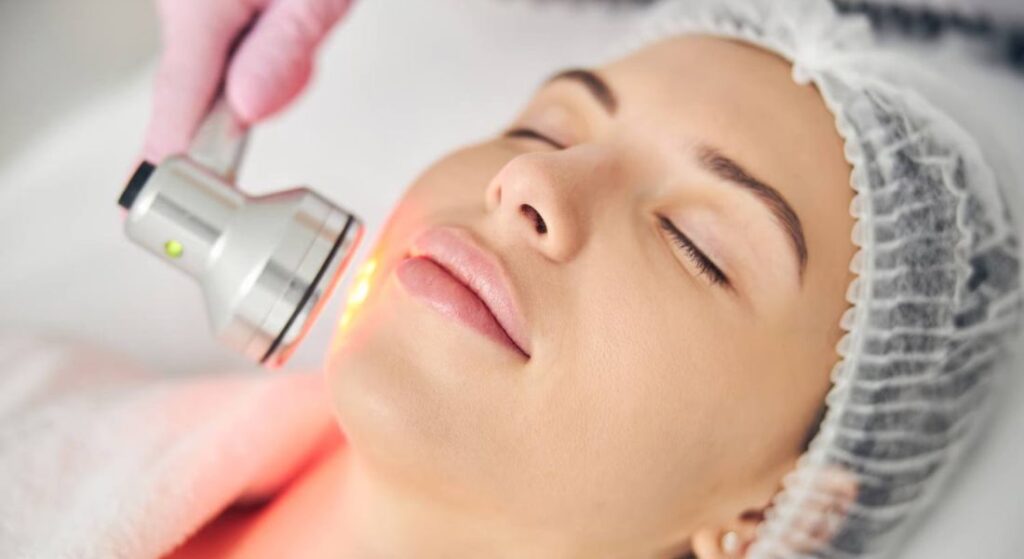
Laser treatments are commonly used to help reduce the appearance of broken capillaries. You may find that they work by delivering targeted light energy into the visible blood vessels. This energy breaks them down gradually, and over time, your body naturally clears them away. As a result, you can see a reduction in redness and visible lines.
Early treatment can help improve how noticeable existing capillaries are and may reduce the chance of them becoming more prominent. While it does not completely stop new capillaries from forming in the future, you may find it helps manage current concerns more effectively. In some cases, maintenance sessions may be recommended if your skin is prone to developing them again.
A tailored approach is important for achieving the best possible outcome for you. The right treatment plan will depend on your skin type, the severity of your capillaries, and any underlying triggers. That’s why a professional assessment is essential before deciding on treatment. This ensures you receive a plan that is appropriate, safe, and suited to your individual skin needs.
Importance of Early Assessment
Early assessment can help you understand whether your broken capillaries are stable or starting to progress. You may not always be able to tell this yourself, especially if changes are gradual. A specialist can examine your skin closely and identify any underlying causes that may be contributing to the issue. This helps ensure that your treatment plan is based on a clear and accurate understanding of your skin.
If you notice increasing redness or new visible vessels appearing, it is worth seeking professional advice sooner rather than later. You may find that early intervention makes it easier to manage the condition and achieve better long-term results. It can also help prevent the capillaries from becoming more widespread or more noticeable over time. Acting early often gives you more treatment options and better control over progression.
For a personalised assessment, you can consult a Dermatologist in London. You will receive a detailed evaluation of your skin along with tailored treatment recommendations. This ensures that any diagnosis is accurate and that your care plan is suited specifically to your needs.
Preventing Further Development
While you cannot always fully prevent broken capillaries, you can definitely reduce the risk of new ones developing and help protect your skin over time. It is more about supporting your skin barrier and avoiding common triggers than completely eliminating the possibility.
- Sun protection is essential: If you want to protect your skin, daily sun protection is one of the most effective steps you can take. UV exposure can weaken blood vessels and damage skin structure over time, so using sunscreen regularly helps maintain both skin health and vessel integrity.
- Avoid harsh skincare products: You may find that strong or irritating products make your skin more sensitive and reactive. Using gentle, barrier-supporting skincare can help reduce inflammation and prevent unnecessary stress on your capillaries.
- Keep your routine gentle and consistent: If your skin is prone to redness, a calm and simple routine often works best. Over-exfoliating or using aggressive treatments too frequently can increase irritation and make capillaries more noticeable.
- Be aware of your personal triggers: You may notice that certain factors such as heat, spicy foods, alcohol, or sudden temperature changes cause flushing. Identifying these triggers can help you manage flare-ups and reduce repeated strain on your blood vessels.
Overall, prevention is an ongoing process rather than a one-time fix. By protecting your skin daily and being mindful of what causes irritation, you can help reduce the likelihood of new broken capillaries forming and support healthier-looking skin in the long term.
Psychological Impact of Visible Capillaries
Visible capillaries can affect your confidence, especially when they appear on your face. You may feel more self-conscious in social situations or notice yourself focusing on your skin more than you used to. This is a very common experience, and you are not alone in feeling this way. Even though the condition is harmless, its visibility can still feel quite impactful on your day-to-day confidence.
Even small changes in your skin can feel significant to you, particularly when they are in a prominent area like the face. You might find that you become more aware of redness or tiny vessels in certain lighting or environments. This is often why many people choose to seek treatment, even when the issue is purely cosmetic. Your feelings about your appearance are valid, and they play an important role in deciding whether to address the concern.
It can also be reassuring to understand that many other people experience the same issue. You are far from alone in noticing or worrying about visible capillaries. Knowing this can help reduce any sense of isolation you might feel about your skin. The good news is that effective treatment options are available if you decide you want to improve their appearance.
When to Seek Professional Help

If you notice an increasing number of broken capillaries, it may be a good idea to seek professional advice. You might find it difficult to judge whether the changes are normal or part of a progression. A specialist can assess your skin properly and help you understand what is actually happening. This ensures you get clear guidance rather than relying on guesswork.
You should also consider seeking help if you notice persistent redness or if it seems to be spreading. In some cases, this can be a sign of an underlying skin condition such as rosacea. You may also experience frequent flushing or sensitivity alongside the visible capillaries. Early diagnosis can make a real difference in managing these symptoms effectively.
A professional consultation gives you a more accurate understanding of your skin’s condition. You will also gain access to suitable treatment options based on your individual needs. This can help improve both the appearance of your skin and your long-term skin health. Ultimately, it allows you to take a more informed and confident approach to managing the issue.
FAQs:
1. Do broken capillaries get worse over time?
Broken capillaries do not always worsen quickly, but they can become more visible over time. This usually happens when your skin is exposed to triggers like sun damage, temperature changes, or irritation. While existing vessels do not always multiply, new ones can appear nearby.
2. Can broken capillaries disappear on their own?
In most cases, broken capillaries do not disappear without treatment. Once they are damaged, the vessel usually remains visible under the skin. However, treatments such as laser therapy can effectively reduce or remove them.
3. What causes broken capillaries to get worse?
Factors such as sun exposure, skin sensitivity, ageing, alcohol, smoking, and temperature extremes can all contribute. These triggers weaken blood vessel walls over time, making capillaries more visible. Genetics and skin conditions like rosacea can also play a role.
4. Does sun exposure make broken capillaries worse?
Yes, sun exposure is one of the main causes of worsening capillaries. UV rays damage collagen and weaken blood vessels, making them more visible. Daily sunscreen use helps reduce further damage and progression.
5. Can stress or lifestyle affect broken capillaries?
Yes, lifestyle factors such as alcohol, smoking, spicy foods, and physical stress can trigger flushing. This repeated strain can make existing capillaries more noticeable. Managing these triggers can help slow progression.
6. Do broken capillaries spread?
They do not “spread” like an infection, but new capillaries can develop over time in nearby areas. This can make it look like the condition is spreading. Ongoing skin stress increases this risk.
7. Does ageing make broken capillaries worse?
Ageing can make capillaries more visible because the skin becomes thinner and loses collagen. This allows underlying blood vessels to show through more easily. It does not always mean more damage, but rather increased visibility.
8. Can skincare make broken capillaries worse?
Yes, harsh skincare products or over-exfoliation can irritate the skin and weaken capillaries. This can make redness more noticeable over time. Gentle, barrier-supporting skincare is recommended.
9. How are broken capillaries treated?
The most common treatment is laser therapy, which targets and breaks down visible blood vessels. The body then naturally removes them over time. Multiple sessions may be needed depending on severity.
10. When should you see a specialist for broken capillaries?
You should seek advice if you notice increasing redness, spreading vessels, or persistent flushing. A specialist can assess whether an underlying condition like rosacea is contributing. Early treatment can help prevent further progression.
Final Thoughts: Managing Broken Capillaries Over Time
Broken capillaries are usually not something that suddenly worsens overnight, but they can become more noticeable if your skin is repeatedly exposed to triggers like sun damage, temperature changes, irritation, or lifestyle factors. What often feels like “progression” is actually a combination of new vessels forming nearby and existing ones becoming more visible due to thinning skin or inflammation. The key point is that while you can’t always stop them completely, you can influence how quickly they develop.
Looking after your skin consistently makes a real difference. Daily sun protection, avoiding harsh skincare, and being mindful of flushing triggers can all help reduce further damage to delicate blood vessels. If you also have underlying conditions like rosacea or very sensitive skin, managing those properly can significantly slow down visible changes and improve overall skin stability. if you would like to book a consultation with one of our dermatologists, you can contact us at the London Dermatology Centre.
References:
- Yin, H.-Y., Li, C.-Y., Chen, H.-C., Lin, Y.-C., Wu, C.-L. & Huang, J.-L. (2021) ‘Successful management of chronic blepharo-rosacea associated demodex by lid scrub with terpinen-4-ol’, Clinical and Experimental Optometry, 104(6), pp. 694-699. https://pmc.ncbi.nlm.nih.gov/articles/PMC8326346/
- Litsou, E., Basiari, L., Tsirves, G. & Psychogios, G.V. (2023) ‘Hereditary hemorrhagic telangiectasia with multiple ear, nose, and throat (ENT) manifestations: a case report’, Cureus, 15(7), e42706. https://pmc.ncbi.nlm.nih.gov/articles/PMC10467641/
- Zhang, Y., Li, X., Wang, J., Chen, L., Liu, H. & Zhao, M. (2021) ‘Impact of perioperative care pathways on outcomes in patients undergoing minimally invasive surgery: a systematic review and meta-analysis’, Journal of Minimally Invasive Surgery, 28(4), pp. 215-223. https://pubmed.ncbi.nlm.nih.gov/34817255/
- Lin, Y., Wang, J., Chen, X., Li, H., Zhang, Q. & Liu, Y. (2023) ‘Association between inflammatory biomarkers and risk of cardiovascular disease: a systematic review and meta-analysis’, Frontiers in Cardiovascular Medicine, 10, p.1187654. https://pubmed.ncbi.nlm.nih.gov/37654935/
- Hofmeyr, G.J., Say, L. & Gülmezoglu, A.M. (2009) ‘Systematic review: How effective are interventions to reduce maternal mortality?’, American Journal of Obstetrics and Gynecology, 201(3), pp. 237.e1-237.e9. https://www.sciencedirect.com/science/article/abs/pii/S0002934309008043