


If you have noticed fine red or purple lines around your eyes, you are likely seeing broken capillaries in one of the most delicate areas of your face. This can feel quite worrying for you, especially because the eye area is always visible and difficult to hide. You may become more aware of these changes in certain lighting or when your skin is flushed. Because the eyes naturally draw attention, even small changes can feel more noticeable.
Broken capillaries around the eyes are actually quite common, but they can appear more prominent because the skin in this area is so thin. You may find that even minor vascular changes stand out more here compared to other parts of your face. The skin around your eyes has less support and cushioning, which makes underlying blood vessels easier to see. This is why what might be barely noticeable elsewhere can look more defined around your eyes.
In this article, you will learn why broken capillaries develop around the eyes and what factors can contribute to them. You will also understand the most effective treatment options that may help reduce their appearance over time. This includes both in-clinic treatments and ways you can protect the area in your daily routine. Most importantly, you will get a clearer idea of how to manage and prevent further changes in this delicate region.
Why the Skin Around the Eyes Is So Delicate
The skin around your eyes is significantly thinner than the rest of your face, which is why you may notice changes here more easily. Because it is so fine, the blood vessels sit much closer to the surface and can become more visible. Even small shifts in circulation or pressure can show up as fine red or purple lines. This is why broken capillaries often appear more noticeable in this area.
You also have fewer oil glands around your eyes, which means this skin does not stay as naturally hydrated as other areas of your face. As a result, you may find it becomes dry or easily irritated, especially with ageing or environmental exposure. When the skin barrier is weaker, it offers less support to the tiny blood vessels underneath. This can make those vessels stand out more clearly, contributing to a more fragile appearance.
Because of these structural differences, the eye area reacts more quickly to both internal and external triggers. Things like rubbing your eyes, sun exposure, or even changes in temperature can have a bigger impact here than elsewhere. Over time, this sensitivity makes it one of the most common areas where visible capillaries develop. Understanding this helps you take better care of the area and reduce the risk of further changes.
What Causes Broken Capillaries Around the Eyes
If you notice broken capillaries around your eyes, they usually develop because the small blood vessels in this area are very delicate and easily affected by repeated stress. Over time, this can cause them to become more visible through the thin skin around the eyes. There are several common reasons why this can happen.
- Repeated rubbing or pressure around the eyes: You might unknowingly put stress on this area when removing makeup, dealing with allergies, or rubbing tired eyes. Because the skin here is so thin, frequent friction can gradually weaken the tiny blood vessels underneath.
- Environmental and lifestyle factors: Exposure to irritants, wind, sun, or temperature changes can all contribute to vessel stress over time. Even habits like sleeping position or frequent facial pressure can play a small role in sensitive individuals.
- Skin sensitivity and thin under-eye skin: The skin around your eyes is naturally thinner than the rest of your face, which means any underlying capillaries are more likely to become visible if they become enlarged or damaged.
- Genetic tendency: You may simply be more prone to visible capillaries if this runs in your family. Some people naturally have more fragile blood vessels or thinner skin, which makes these changes more likely even without strong external triggers.
Overall, broken capillaries around the eyes usually develop gradually due to a combination of gentle but repeated stress and individual skin sensitivity. Once they appear, they tend to remain visible, which is why protecting this area and avoiding unnecessary rubbing can be especially important.
Role of Ageing in Eye Area Capillaries
As you age, the skin around your eyes naturally becomes thinner and more delicate. You may notice that this area starts to look slightly more transparent over time. This happens because your body gradually produces less collagen and elastin, which are responsible for keeping the skin firm and supported. With less structural support, the underlying blood vessels become easier for you to see.
Ageing also affects how well your skin circulates blood and repairs itself. You may find that minor damage to capillaries does not heal as efficiently as it once did. This reduced repair ability means that broken capillaries are more likely to remain visible for longer periods. In some cases, they may not fully disappear on their own.
Even if no new damage occurs, existing capillaries can become more noticeable as your skin continues to thin. You might observe that redness or fine vessels stand out more in certain lighting or as your skin changes with age. This is a normal part of the ageing process in the periocular area. Understanding this can help you feel more reassured and guide you towards appropriate treatment options if needed.
Sun Exposure and Eye Area Damage
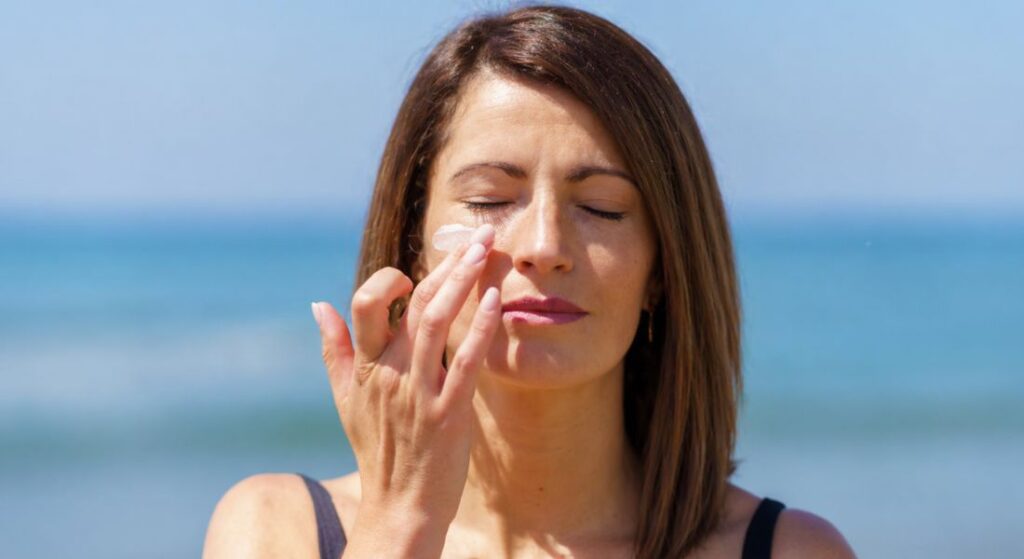
Sun exposure is one of the main factors that can contribute to broken capillaries around your eyes. You may not notice the damage straight away, but over time, UV radiation breaks down collagen and weakens the walls of tiny blood vessels. As this support structure declines, those vessels become more visible on the surface of your skin. This gradual process can make redness or fine lines more noticeable.
The eye area is especially vulnerable because it is often exposed, even when you think the rest of your face is protected. You might forget how frequently this area is directly hit by sunlight during everyday activities. Without consistent use of sunscreen or sunglasses, UV damage can build up slowly over time. This repeated exposure increases the likelihood of visible capillaries developing.
Consistent sun protection is essential if you want to reduce your risk and prevent further damage. You should aim to use a daily SPF, even on cloudy days, to protect the delicate skin around your eyes. Wearing sunglasses can also help shield the area from direct UV exposure and reduce strain. Over the long term, these habits can help keep vascular visibility to a minimum and support healthier-looking skin.
Allergies and Eye Rubbing
Allergies can play a significant role in the development of broken capillaries around your eyes. If you suffer from itchy or watery eyes, you may find yourself rubbing the area more often than you realise. This repeated pressure and friction places stress on the very delicate blood vessels in this region. Over time, this can lead to damage and the appearance of visible capillaries.
Seasonal allergies or ongoing irritation can make this even more likely for you. During flare-ups, you may notice increased redness, puffiness, or sensitivity around your eyes. This happens because inflammation causes the blood vessels to dilate, making them more noticeable. As a result, the skin can look more reactive and uneven during these periods.
Avoiding excessive rubbing is one of the most important steps you can take to prevent further damage. Even though it may feel relieving in the moment, it can worsen the condition in the long term. Managing your allergies properly can help reduce itchiness and the urge to rub your eyes. This, in turn, helps protect your fragile capillaries and keeps the area calmer and healthier-looking.
Impact of Skin Sensitivity
If you have sensitive skin, you may be more prone to developing visible capillaries around your eyes. Your skin can react more strongly to everyday environmental triggers, such as temperature changes, wind, or pollution. This heightened reactivity can place extra stress on the tiny blood vessels in this delicate area. Over time, this can make capillaries more visible.
You may also find that certain skincare products contribute to the problem if they are too harsh for your skin. Eye creams or cleansers with strong active ingredients, fragrances, or alcohol can sometimes irritate the area. This irritation can lead to redness, inflammation, and increased visibility of underlying vessels. Even products meant for general use on the face may be too intense for the eye contour.
Gentle skincare is especially important when you are dealing with this concern. You should aim to use products that support and protect your skin barrier rather than disrupt it. Keeping the area well-hydrated and calm can help reduce sensitivity over time. This also lowers the risk of further capillary formation and helps maintain a healthier, more even appearance.
Can Broken Capillaries Around the Eyes Get Worse?
Broken capillaries around the eyes do not usually worsen suddenly, but you may notice them becoming more visible over time. This is often influenced by ongoing factors such as skin sensitivity, repeated irritation, and environmental exposure. Because the skin around your eyes is very thin and delicate, it is more prone to showing vascular changes.
- They can become more noticeable gradually: You might see existing capillaries looking slightly more prominent over time, especially if your skin becomes thinner with age or more sensitive due to external factors.
- Ongoing triggers can contribute to progression: Things like sun exposure, frequent rubbing, or irritation from skincare or allergies can continue to place stress on this delicate area. Over time, this may lead to additional capillaries appearing nearby.
- They do not usually repair themselves naturally: Once capillaries are damaged and visible, they typically do not return to normal on their own. This means they often remain present unless treated.
- Changes tend to be slow rather than sudden: You are more likely to notice gradual progression rather than rapid worsening. This can make early changes easy to overlook at first.
- Prevention helps slow further development: Being mindful of triggers, avoiding unnecessary rubbing, and protecting the skin from sun exposure can help reduce further stress on the area and limit progression.
Overall, broken capillaries around the eyes usually develop and change slowly. While they may not dramatically worsen overnight, continued irritation can make them more noticeable over time, which is why gentle care and prevention are important.
Are Broken Capillaries Around the Eyes Dangerous?
In most cases, broken capillaries around the eyes are harmless. You will usually find that they are more of a cosmetic concern rather than a medical problem. They do not typically affect your vision or overall eye health, so there is generally no immediate cause for alarm. However, they can still be frustrating if you are conscious of their appearance.
That said, they may sometimes indicate that your skin is more sensitive or that your blood vessels are more fragile. You might also notice them alongside other skin concerns, such as persistent redness or flushing. In some cases, conditions like rosacea can be linked to visible capillaries. This is why it can be helpful for you to have a proper assessment if you are unsure.
If you notice sudden changes, spreading redness, or a rapid increase in visible vessels, it is a good idea to seek professional advice. This helps ensure there are no underlying issues that need attention. In most situations, though, these capillaries remain benign and do not signal anything serious. Understanding this can help you feel more reassured while deciding on the right treatment approach for you.
Laser Treatment for Eye Area Capillaries
Laser treatment is one of the most effective options you can consider for reducing broken capillaries. It works by using focused light energy to target the blood vessels beneath your skin. Over time, this energy causes the vessels to break down, and your body naturally clears them away. This leads to a gradual reduction in visible redness.
The procedure is highly precise, which means it can be carefully adjusted for delicate areas like around your eyes. You can be reassured that safety measures are always in place to protect the surrounding skin and tissue. Because the eye area is so sensitive, the treatment is performed with great care to minimise any risk of irritation. Results are not instant, but they develop progressively as your skin responds.
You may need more than one session depending on how prominent your capillaries are. Each treatment builds on the previous one, so improvements tend to become more noticeable over time. You might see a gradual fading of redness rather than an immediate change. This step-by-step improvement is what makes laser treatment a reliable and effective option for you.
IPL Treatment for Vascular Redness
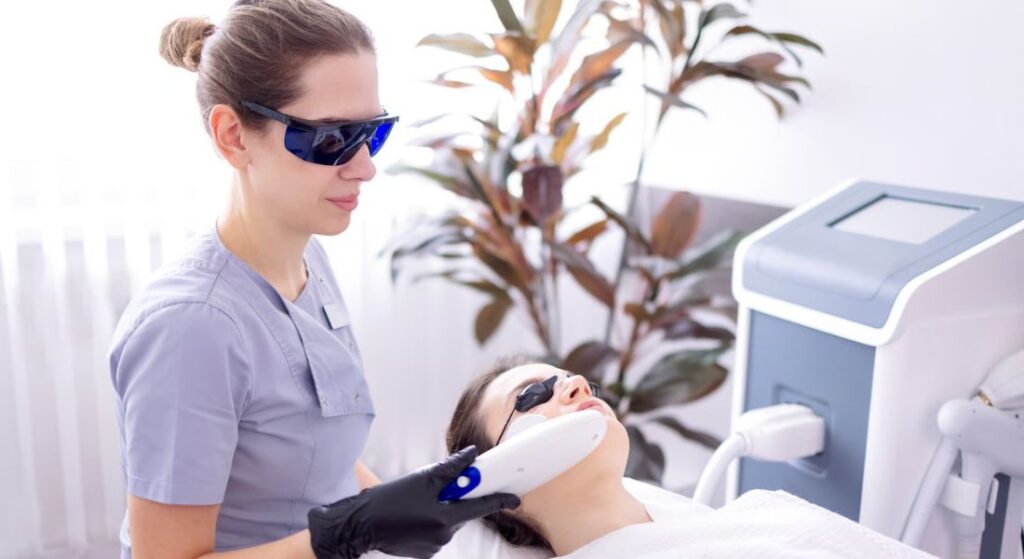
Intense Pulsed Light (IPL) is another commonly used treatment you might consider for visible capillaries and redness. It works by using broad-spectrum light to target pigment and blood vessels beneath the skin. Over time, this can help reduce redness and improve your overall skin tone. You may notice your complexion looking more even and refreshed after a course of treatments.
IPL is often recommended if you have milder or more diffuse redness rather than very defined individual capillaries. It may not be as precise as laser treatment when it comes to targeting single vessels. However, you may still benefit from its ability to improve the overall appearance of the skin in a broader area. This makes it a useful option for more generalised vascular concerns.
Your suitability for IPL will depend on your skin type, sensitivity, and the nature of your concerns. Because the eye area is delicate, a careful assessment is especially important for you before proceeding. A professional consultation helps ensure the treatment is both safe and effective for your skin. This way, you can achieve results that are appropriate and well-suited to your individual needs.
Topical Treatments and Their Limitations
If you are dealing with broken capillaries, you may come across various creams and serums that claim to improve redness or visible vessels. While these topical treatments can support skin health, it is important to understand their limitations.
- They cannot remove broken capillaries: Once capillaries have become visibly damaged, topical products cannot physically repair or remove them. These vessels are located deeper in the skin than most creams can reach.
- They can support the skin barrier: You may still benefit from using topical products that strengthen the skin barrier. A healthier barrier can reduce irritation and help your skin feel more comfortable overall.
- They may help reduce redness and sensitivity: Some ingredients can calm inflammation and improve overall skin tone. This can make broken capillaries appear less noticeable, even though they are still present.
- Some ingredients may support vascular health over time: Antioxidants and soothing agents can help protect the skin from environmental stress and may support the condition of small blood vessels. However, these effects are usually subtle and gradual.
- Best used as supportive care, not a cure: You should think of topical treatments as part of a broader skincare routine rather than a standalone solution. They are helpful for maintenance and prevention, but not for complete correction.
Overall, topical treatments can improve how your skin looks and feels, but they do not replace procedural options like laser therapy. Their main role is to support skin health and help prevent further irritation or worsening over time.
Importance of Gentle Skincare Around the Eyes
Gentle skincare is essential if you want to prevent further damage to capillaries around your eyes. You need to remember that this area is extremely thin and delicate, so it reacts more easily to irritation. Harsh products or aggressive routines can easily increase sensitivity and make visible redness worse. Over time, this can also contribute to more broken capillaries developing.
You should also be careful to avoid rubbing or pulling the skin when you cleanse or apply products. Even small amounts of mechanical stress can put pressure on the tiny blood vessels in this area. You might not notice the impact straight away, but repeated habits can gradually weaken the skin. Simple changes in how you treat the area can make a real difference over time.
Using fragrance-free and mild products is one of the best ways you can support long-term skin health. These formulations are less likely to trigger irritation or inflammation, helping to keep your skin barrier stable. When your barrier is healthy, your skin is better protected against external stressors. In the long run, prevention is always easier and more effective than trying to correct visible damage later.
Can Broken Capillaries Disappear Naturally?
Once broken capillaries become visible, they rarely disappear on their own. You should understand that the vessel structure has already been damaged or altered, which means it cannot easily return to its original state. Because of this, natural reversal is very unlikely in most cases. While some redness may fluctuate, the visible vessel itself usually remains.
That said, you may still notice improvements in how noticeable they appear over time. If your overall skin health improves, the surrounding redness can reduce, which may make the capillaries less obvious. Better hydration, reduced irritation, and good skincare can all help your skin look calmer. However, these changes affect appearance rather than removing the vessels themselves.
This is why professional treatment is often needed if you want complete removal. Options such as laser or IPL are the most commonly used because they directly target the blood vessels. These treatments work by breaking down the capillaries so your body can naturally clear them. For you, this means a more effective and longer-lasting improvement compared to skincare alone.
When to Seek Professional Advice

If you notice persistent or increasing broken capillaries around your eyes, it is a good idea for you to seek professional advice. You may find that they become more noticeable over time or do not improve on their own. A specialist can assess what is causing the issue and guide you towards the most suitable treatment options. Early evaluation is often helpful in preventing the concern from progressing further.
You should also consider getting checked if the redness is accompanied by irritation, sensitivity, or discomfort. These symptoms may suggest that there is an underlying skin condition contributing to the problem. You might also notice flare-ups that come and go or worsen with certain triggers. In these cases, a proper diagnosis is important so you can manage the root cause effectively.
If you are concerned, you can consult a Dermatologist in London for expert assessment and personalised treatment advice. This ensures that your skin is evaluated properly and that any treatment you receive is safe and appropriate for the delicate eye area. You will also get a clearer understanding of what is realistic in terms of improvement. Ultimately, this helps you make informed decisions about your skin health with confidence.
FAQs:
1. What causes broken capillaries around the eyes?
Broken capillaries around the eyes are usually caused by repeated pressure, rubbing, sun exposure, or skin sensitivity. The skin in this area is very thin, so even small amounts of stress can make blood vessels more visible. Genetics and ageing can also increase your likelihood of developing them.
2. Are broken capillaries around the eyes permanent?
In most cases, yes, they are permanent unless treated. Once the blood vessel becomes damaged and visible, it does not usually repair itself naturally. However, treatments like laser or IPL can effectively reduce or remove them.
3. Can rubbing your eyes cause broken capillaries?
Yes, frequent rubbing is one of the most common causes. It places repeated mechanical pressure on delicate blood vessels, which can weaken them over time. This is especially common with allergies or tiredness.
4. Are broken capillaries around the eyes dangerous?
No, they are generally harmless and mainly a cosmetic concern. They do not affect your vision or eye health in most cases. However, sudden or widespread changes should be checked by a specialist.
5. Can sun exposure make eye capillaries worse?
Yes, UV exposure weakens collagen and blood vessel walls, making capillaries more visible. The eye area is particularly vulnerable because it is often exposed. Daily sunscreen and sunglasses can help prevent further damage.
6. What is the best treatment for broken capillaries around the eyes?
Laser treatment is one of the most effective options as it directly targets the visible blood vessels. IPL can also be used for more general redness. A specialist will recommend the most suitable option based on your skin.
7. Can creams remove broken capillaries?
No, topical creams cannot remove broken capillaries once they have formed. However, some products can strengthen the skin barrier and reduce redness, making them less noticeable over time.
8. Do broken capillaries around the eyes get worse with age?
They can become more visible with age because the skin becomes thinner and loses collagen. This allows underlying blood vessels to show through more easily. It does not always mean new damage is occurring.
9. Can allergies cause broken capillaries around the eyes?
Yes, allergies can contribute indirectly. Itchy eyes often lead to rubbing, which stresses delicate blood vessels. Ongoing inflammation can also make redness more noticeable.
10. When should you see a specialist for eye area capillaries?
You should seek advice if you notice increasing redness, spreading vessels, or persistent irritation. A specialist can confirm the cause and recommend treatment options. Early assessment usually leads to better results.
Final Thoughts: Caring for Broken Capillaries Around the Eyes
Broken capillaries around the eyes can feel more noticeable than in other areas simply because the skin here is so thin and delicate. While they are usually harmless, they often develop gradually due to repeated triggers like sun exposure, rubbing, allergies, or natural ageing. Once they appear, they rarely fade on their own, which is why many people start to focus on both prevention and treatment to manage their appearance. The most effective way to limit further changes is to protect this area consistently. That means being gentle with your skincare, avoiding unnecessary rubbing, using daily sun protection, and managing any underlying sensitivity such as allergies or irritation. These small but consistent habits can make a real difference in slowing down progression and keeping the skin around your eyes as stable as possible. If you’re considering dermatologist in London, you can get in touch with us at London Dermatology Centre.
References:
- Alex, D., Giridhar, A., Gopalakrishnan, M., Manayath, G., Amar, S., Raman, R., Sreenivasan, R., Ayachit, A. and Sivaprasad, S. 41(3), pp. 471-479. https://pubmed.ncbi.nlm.nih.gov/32804830/
- Haddad, A., Zerdoud, S., Karam, R., Haykal, T., Hallit, S. and Salameh, P. (2017) Hyaluronic acid fillers: mechanism, indications, and complications. Dermatologic Therapy, 30(6), e12560. https://pubmed.ncbi.nlm.nih.gov/28248745/
- Tang, S.Y. and Shaikh, A.G. (2019) Past and present of eye movement abnormalities in ataxia-telangiectasia. The Cerebellum, 18(3), pp. 556-564. https://pmc.ncbi.nlm.nih.gov/articles/PMC6751135/
- Brown, M.B., Jones, S.A. and Hyland, M.E. (2013) Mechanisms of action of hyaluronic acid in the skin and its clinical applications. https://pmc.ncbi.nlm.nih.gov/articles/PMC3759108/
- Bukhari, S.N.A., Roswandi, N.L., Waqas, M., Habib, H., Hussain, F., Khan, S., Sohail, M., Ramli, N.A., Thu, H.E. and Hussain, Z. https://www.sciencedirect.com/science/article/abs/pii/S0002939422001465