



Laser treatments in dermatology have changed quite dramatically over the past decade, and if you look closely at how those changes actually happen, you’ll notice something quite important: a lot of progress begins at global medical conferences. These events bring together specialists from different countries, where you get to see new research being shared, clinical results being compared, and treatment techniques being refined in real time.
When you think about modern laser procedures whether it’s pigmentation correction, acne scarring, hair removal, or skin rejuvenation you’re essentially looking at technologies that have been shaped through years of international collaboration. Nothing in this field develops in isolation. Instead, you see ideas being tested, discussed, improved, and gradually adopted into everyday clinical practice, so the treatments you receive today are often the result of global scientific input.
These conferences also act as a crucial bridge between research and real-world application. You benefit directly from this, even if you don’t realise it, because safety standards, device precision, and treatment outcomes are all influenced by what is presented and validated at these gatherings. So when you walk into a clinic and see advanced laser systems being used, there’s a strong chance those improvements were first introduced or debated at one of these international events.
Why Dermatology Conferences Matter
Dermatology conferences are large professional meetings where clinicians, researchers, and device manufacturers come together to share the latest developments. If you’ve ever wondered how new treatments or technologies seem to appear so quickly in clinics, this is often where it all begins. These events aren’t just academic discussions either they have a very real and direct impact on how treatments are delivered in everyday practice.
You’ll often find early-stage research being presented here long before it becomes part of mainstream clinical use. This can include updates on laser wavelengths, improvements in safety protocols, and new approaches to treatment techniques. What this really means for you is that the care you receive is continuously evolving, shaped by evidence and shared global experience aimed at improving patient outcomes.
These gatherings also play an important role in standardising best practices across different countries. When experts compare results and refine guidelines together, it helps reduce variation in treatment quality. So, whether you’re being treated in one country or another, you benefit from more consistent, safer, and better-informed approaches over time.
The Role of Global Collaboration

One of the most powerful aspects of dermatology conferences is international collaboration. When you look at these events, you’ll see experts from Europe, Asia, the Middle East, and the Americas coming together to compare real-world results from very different patient populations. This kind of exchange gives you a much broader understanding of how treatments actually perform beyond a single clinic or country.
This matters because skin types, environmental exposure, and genetics can vary quite a lot depending on where you are in the world. So when dermatologists share data across regions, you get a clearer picture of how laser treatments respond in different conditions. It helps ensure that what works well for you is not just based on one narrow set of results, but on a wide range of clinical experiences.
This global exchange also helps refine the technical side of treatment, such as energy settings, pulse duration, and treatment depth. When you benefit from these improvements in a clinic, you’re essentially receiving techniques that have been adjusted and validated through international input. Ultimately, it leads to safer procedures, more consistent outcomes, and better overall effectiveness for you.
How Laser Technology Is Showcased
New laser devices are often introduced or demonstrated at major dermatology conferences before they become widely available in clinics. If you attend these events, you’ll notice manufacturers showcasing their latest innovations in precision, cooling systems, and wavelength control. It gives you a first look at where treatment technology is heading before it reaches everyday practice.
Clinicians don’t just read about these devices they actually get to see live demonstrations and compare different technologies side by side. This hands-on exposure helps them make more informed decisions before investing in or adopting new systems. For you as a patient, this means the treatments offered in clinics are chosen with a much clearer understanding of how they perform in real time.
It also creates a healthy level of competition between manufacturers, which naturally pushes innovation forward. When companies are constantly trying to improve safety, comfort, and effectiveness, you end up benefiting the most. Over time, this leads to more refined devices and better treatment outcomes for you.
Improving Safety Protocols
Safety is one of the most important topics discussed at dermatology conferences. When you think about laser treatments, you’re essentially talking about controlled energy being delivered to the skin, so precision really matters to avoid complications. That’s why these conferences place such a strong focus on reviewing outcomes and improving safety standards.
Experts often present detailed case studies showing both successful results and situations where adjustments were needed. If you’ve ever wondered how guidelines in clinics keep improving over time, it’s because these real-world insights are shared, discussed, and carefully analysed. This helps refine how treatments are delivered so that risks are reduced and outcomes become more predictable for you.
As a result, treatment protocols become more structured and strongly evidence-based. Instead of relying on individual experience alone, practitioners follow updated international guidelines shaped by collective learning. For you, this means safer procedures, less variability between clinics, and a higher level of confidence in the care you receive.
Understanding Laser Physics in Practice
Laser treatments in dermatology rely on precise physical principles, but at conferences this complex science is often translated into practical guidance you can apply in clinic. Rather than focusing only on theory, dermatologists learn how different laser settings behave in real skin, and how energy interacts with tissue layers. This helps you understand not just what to use, but why a particular laser is chosen for a specific condition.
- Wavelength Determines What the Laser Targets: Different laser wavelengths penetrate the skin to different depths and interact with specific targets such as pigment, blood vessels, or water in the skin. This means you can select a laser based on whether you are treating pigmentation, redness, or skin texture changes. Understanding this principle helps improve accuracy and safety.
- Selective Targeting of Skin Structures: Some lasers are designed to target pigment in conditions like sun spots, while others focus on blood vessels for redness or vascular lesions. In conditions such as Rosacea, vascular-targeting lasers may be used to reduce visible redness. This selective targeting helps minimise damage to surrounding healthy skin.
- Collagen Stimulation and Skin Rejuvenation: Certain laser systems work by delivering controlled heat to deeper skin layers, stimulating collagen production over time. This can help improve fine lines, texture, and overall skin quality. The biological response is gradual and develops during healing.
- Choosing the Right Laser for Each Condition: Understanding laser physics allows clinicians to match the correct device to the right indication. For example, pigment-specific lasers differ significantly from those used for vascular or resurfacing treatments. This decision-making process is essential for both safety and effectiveness.
By applying laser physics in a practical way, clinicians can make more informed treatment choices for you as a patient. This leads to more predictable outcomes and reduces the risk of unwanted effects. Conferences help bridge the gap between theory and everyday clinical decision-making. Ultimately, this knowledge supports safer, more precise, and more effective laser treatments.
The Evolution of Skin Rejuvenation Lasers
Skin rejuvenation lasers have evolved quite significantly over the years, and a big part of that progress comes from conference-driven research. If you look back at earlier devices, you’ll notice they were often more aggressive and came with longer downtime, which meant you had to plan recovery much more carefully after treatment.
Modern systems, however, are far more precise. You now get controlled skin resurfacing with reduced side effects, which makes the overall experience more comfortable and predictable for you. Fractional laser technology is a great example of this shift, as it allows targeted treatment of the skin while leaving surrounding tissue intact to support faster healing.
These improvements don’t happen by chance they come from shared clinical data, global studies, and ongoing discussions at international dermatology meetings. When you think about it, progress in this field is continuous rather than static, meaning the treatments you receive today are always being refined based on the latest evidence and collective expertise.
Advances in Pigmentation Treatment
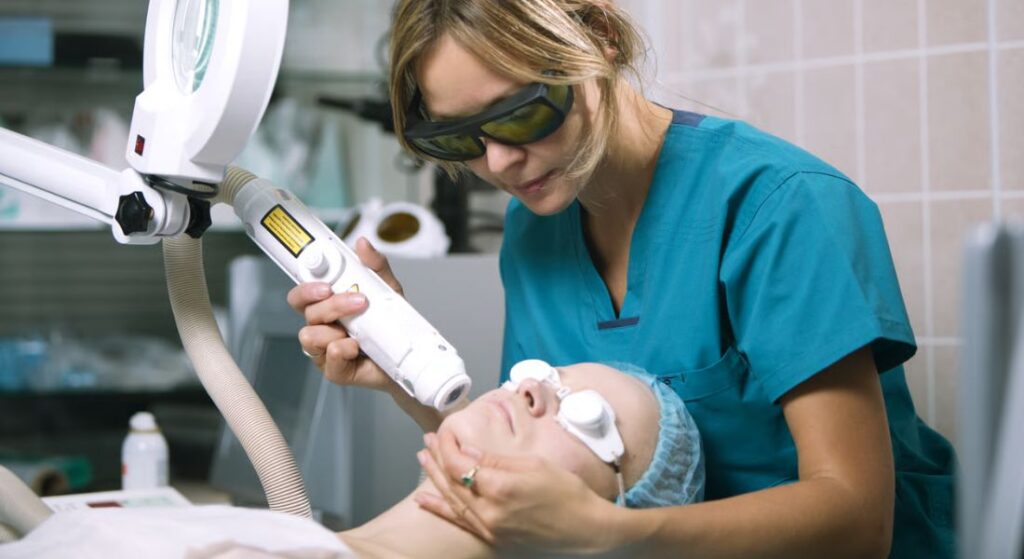
Treating pigmentation issues such as sunspots or melasma has always been quite challenging, and if you’ve ever looked into it, you’ll know results can vary a lot from person to person. That’s why dermatology conferences are so important they allow experts to share what works well and what doesn’t across different skin types and populations, giving you a much clearer and more reliable understanding of treatment outcomes.
This shared knowledge has led to improved laser protocols that help reduce the risk of rebound pigmentation, which is one of the key concerns in this area. You’ll also find that combination approaches where lasers are used alongside other treatments are being continuously refined through real-world clinical experience discussed at these international meetings.
As a result, you now get far more tailored and thoughtful treatment strategies for complex pigmentation cases. Instead of a one-size-fits-all approach, treatments are increasingly adjusted based on evidence and global insights, which means better safety, improved precision, and more predictable outcomes for you.
Scarring and Acne Laser Innovations
Acne scarring is one of the areas where laser technology has advanced quite rapidly in recent years, and if you’ve ever explored treatment options, you’ll know how important precision really is. Techniques like fractional resurfacing and combination therapies are frequently discussed at dermatology conferences, where experts share real patient outcomes and refine how these treatments should be delivered. This helps you get a clearer picture of what actually works in practice, not just in theory.
Clinicians also spend a lot of time comparing results from different energy settings, pulse durations, and treatment sequences. If you’re thinking about scar treatment, this is important because it means practitioners aren’t relying on guesswork they’re using evidence gathered from multiple global studies. It helps them understand how different skin types respond, so your treatment can be better tailored to your individual needs.
Ultimately, the goal is always to improve skin texture while keeping downtime and complications as low as possible. What you get at the end of this process is more refined treatment protocols that have been tested, discussed, and improved through international collaboration. So when you go for laser scar treatment today, you’re benefiting from years of shared expertise designed to make results safer, smoother, and more predictable for you.
The Role of Evidence-Based Medicine
Modern dermatology places a strong emphasis on evidence-based practice, and if you’ve ever wondered how treatments become trusted in clinics, this is a big part of the answer. Dermatology conferences provide a platform where peer-reviewed studies and clinical trials are presented, discussed, and critically evaluated by experts from around the world.
This is important for you because it ensures that new laser treatments are not just innovative, but also properly scientifically validated before they reach everyday clinical use. Instead of relying on trends or isolated results, clinicians focus on data-driven decision-making, which helps improve both safety and effectiveness in the treatments you receive.
It also plays a key role in filtering out techniques that don’t perform well or may carry unnecessary risks. By reviewing real evidence in a global setting, the dermatology community can avoid adopting methods that are ineffective or unsafe. Ultimately, this means you benefit from treatments that have been thoroughly tested, refined, and supported by solid clinical research.
Training and Skill Development
Dermatology conferences aren’t only about research you’ll also find a strong focus on practical training. Through workshops and live demonstrations, clinicians get the chance to refine their laser-handling skills in real time. If you think about it, this hands-on exposure is what helps bridge the gap between theory and actual clinical practice.
This kind of training is crucial because technique plays a major role in treatment outcomes. Even the most advanced laser technology won’t deliver the best results if it isn’t used correctly. So when you see professionals practising and learning at these events, it directly translates into better, safer care for you in everyday treatments.
These sessions also help improve consistency across practitioners worldwide. Instead of wide variation in technique, you get more standardised approaches that are based on shared learning and real-world demonstration. Ultimately, this means more predictable outcomes and a higher level of confidence in the treatment you receive.
How Guidelines Are Updated
Clinical guidelines in dermatology are not static they are regularly updated as new research, technologies, and real-world clinical experience emerge. International conferences play an important role in this process because they bring together large amounts of new data, expert opinion, and practical outcomes from different countries. Over time, this collective evidence helps shape more consistent and reliable standards of care.
- Evidence from Research and Conferences: Organisations review new studies and findings presented at major meetings such as the American Academy of Dermatology Annual Meeting. This includes data on treatment effectiveness, safety outcomes, and emerging technologies. These insights help determine whether existing recommendations need to be revised.
- Standardising Treatment Approaches: Updated guidelines help reduce variation in how procedures like laser treatments are performed. They provide structured recommendations on patient selection, device settings, and procedural techniques. This helps ensure that treatments are delivered in a more consistent and evidence-based way.
- Improving Safety and Reducing Risk: Guidelines often include updated safety protocols, such as recommended energy levels, contraindications, and post-treatment care instructions. These measures are designed to minimise complications and improve patient safety. Consistency in practice helps reduce avoidable risks.
- Ensuring Predictable Patient Outcomes: When clinicians follow updated guidelines, you are more likely to experience safer and more predictable results. Standardised approaches help align treatment methods across different clinics and countries. This ultimately improves overall quality of care.
Guideline updates are therefore a key way in which conference learning is translated into everyday clinical practice. As new evidence becomes available, recommendations evolve to reflect better understanding and improved technologies. This process helps ensure that your treatment is based on the most current and reliable medical knowledge. Ultimately, updated guidelines support safer, more consistent, and more effective dermatological care.
Patient Safety and Risk Reduction
One of the most important outcomes of conference-driven research is improved patient safety, and if you look at modern dermatology, you’ll see this clearly reflected in practice. Complications such as burns, pigmentation changes, or scarring are carefully reviewed and discussed in detail by experts. This open analysis helps you understand that safety improvements don’t happen by chance they come from real learning.
By sharing these cases openly, dermatologists are able to learn what went wrong in specific situations and how similar issues can be avoided in the future. If you’re ever concerned about risks, it’s reassuring to know that these discussions are happening at a global level. It creates a culture where mistakes are studied rather than hidden, which ultimately strengthens the entire field and improves outcomes for you.
Over time, this leads to much safer treatment environments for patients like you. Protocols are continuously refined, devices are improved, and clinical techniques become more predictable and controlled. So when you undergo laser treatment today, you’re benefiting from a long cycle of shared knowledge, careful review, and ongoing global efforts to reduce risk and enhance safety.
The Rise of Combination Treatments
Modern dermatology is increasingly moving towards combination treatments rather than relying on a single procedure, and if you’ve been exploring skin treatments, you may have already noticed this shift. At dermatology conferences, experts actively discuss and test these combined approaches, sharing results that help shape how treatments are used in real clinical settings. It’s all about improving outcomes by using multiple methods in a more strategic way.
For example, you might see lasers being combined with topical therapies, chemical agents, or even injectable treatments to enhance overall results. These combinations aren’t just used randomly they are carefully studied, compared, and refined before they become widely accepted in practice. If you’re a patient, this means your treatment plan is often built on a more thoughtful, evidence-based approach rather than a single technique alone.
This integrated method often leads to better long-term outcomes, especially in more complex skin concerns. Instead of focusing on short-term improvement, clinicians aim for results that are more stable and lasting over time. So when you undergo treatment today, you’re often benefiting from a layered strategy that has been tested and improved through global collaboration and real clinical experience.
Artificial Intelligence and Laser Planning
Recent dermatology conferences have started placing a strong focus on artificial intelligence, and if you’ve been following medical innovation, you’ll know this is becoming a major shift. AI tools are now being used to analyse skin patterns, assess conditions more precisely, and even help predict how your skin might respond to specific laser treatments. This adds a new layer of accuracy to treatment planning.
For you as a patient, this means laser settings can be personalised much more effectively than before. Instead of relying heavily on general guidelines alone, clinicians can use AI-supported insights to fine-tune energy levels, depth, and technique based on your individual skin characteristics. It also helps reduce the trial-and-error approach, which makes treatments more efficient and better targeted to your needs.
Although still in development, AI is widely expected to play a major role in the future of laser dermatology. As these tools become more advanced and widely adopted, you’re likely to see even more precise, safer, and predictable outcomes. Ultimately, it’s another example of how innovation shared at global conferences directly shapes the quality of care you receive in clinics today.
Expanding Applications of Laser Technology
Lasers are no longer limited to cosmetic dermatology, and if you’ve been following developments in this field, you’ll notice just how much their role has expanded. Today, they are increasingly used for medical conditions such as vascular lesions, scarring, and even certain chronic skin diseases. This wider use shows you how versatile and important laser technology has become in modern healthcare.
At dermatology conferences, these expanding applications are discussed in depth, with clinicians sharing real-world results and new research findings. If you’re wondering how treatments evolve so quickly, it’s often because these early studies and case experiences are presented and analysed at such global meetings. This helps build confidence in new uses before they are introduced more widely in clinical practice.
Over time, this kind of collaborative discussion leads to broader clinical adoption of laser technology across different conditions. Instead of being restricted to aesthetic procedures, lasers are now becoming an essential part of medical dermatology too. So when you see laser treatments today, you’re looking at a technology that continues to grow and adapt, offering more options and better outcomes for you.
Regional Differences in Practice
One interesting outcome of global dermatology conferences is how clearly they highlight regional differences in treatment approaches. If you look at it closely, you’ll see that dermatologists from different countries often manage the same skin conditions in slightly different ways, based on local experience, patient needs, and available technology. This gives you a broader picture of how flexible and adaptive dermatology really is.
By comparing outcomes from these different approaches, experts can identify which techniques tend to work best for specific populations. For you, this is important because it means treatment methods are not based on a single viewpoint, but refined using evidence from diverse skin types, climates, and clinical practices. It helps build a more accurate and reliable understanding of what actually delivers results.
Over time, this process leads to more refined global standards in dermatology. It also encourages meaningful cultural and clinical exchange between practitioners, where knowledge flows in both directions. Ultimately, you benefit from a more balanced, well-informed approach that takes international experience into account when shaping modern treatment protocols.
Device Innovation and Industry Collaboration
Medical device innovation is a major feature of international dermatology conferences, where clinicians and manufacturers come together to share ideas and developments. You’ll often see new laser systems, energy-based devices, and software updates being presented and discussed. This collaboration between doctors and engineers helps ensure that technology is not only advanced, but also practical and safe to use in real clinical settings.
- Showcasing New Medical Technologies: Device companies regularly introduce updated laser platforms and energy-based systems at conferences such as the European Academy of Dermatology and Venereology Congress. These devices are designed to improve precision, safety, and treatment outcomes. Seeing these innovations in person allows clinicians to better understand their potential clinical use.
- Collaboration Between Clinicians and Engineers: Dermatologists provide direct feedback to engineers about how devices perform in real-world practice. This includes usability, treatment efficiency, safety features, and patient comfort. This two-way collaboration helps refine device design over time.
- Improving Safety and Clinical Performance: Real-world clinical feedback is essential for identifying areas where devices can be improved. Adjustments to energy delivery, cooling systems, or treatment modes often come directly from practitioner experience. This helps make treatments safer and more predictable.
- Driving More Precise and User-Friendly Systems: As a result of ongoing innovation, newer devices are often more accurate, easier to use, and better adapted to different skin types and conditions. This allows clinicians to deliver more controlled and customised treatments. Technology continues to evolve in response to clinical needs.
Device innovation and industry collaboration therefore play an important role in advancing dermatological care. When clinicians and manufacturers work closely together, improvements in safety, precision, and usability happen more quickly. You ultimately benefit from more refined and effective treatment options. This ongoing partnership helps drive the future of dermatology technology forward.
Long-Term Impact on Clinical Practice

The long-term impact of dermatology conferences is actually quite significant, and if you look at how modern laser treatments have evolved, you’ll see this clearly. Many of the procedures that are now considered standard were once experimental ideas first presented at these international events. What starts as early discussion or pilot research at a conference often slowly builds credibility over time.
As findings are repeatedly tested and validated across different countries and patient groups, innovation gradually turns into routine clinical practice. If you think about it, this process is what ensures that treatments don’t stay static they keep improving as more data becomes available. For you, this means better outcomes over time, as newer techniques are refined before they ever become mainstream.
Ultimately, it highlights how medicine evolves through shared knowledge rather than isolated effort. Every improvement you see in laser dermatology today is the result of years of global collaboration, discussion, and refinement. So when you receive treatment, you’re benefiting from a system that continuously learns, adapts, and improves for safer and more effective patient care.
Why Continuous Learning Is Essential
Dermatology is a rapidly evolving field, especially when it comes to laser technology, and if you’ve followed even a small part of it, you’ll notice how quickly things change. That’s why continuous learning through conferences is so important it ensures practitioners stay updated with the latest techniques, safety standards, and treatment innovations that directly affect the care you receive.
Without ongoing education, clinical practice can easily become outdated, which is something the field actively works to prevent. If you think about it, even small improvements in laser settings or protocols can make a big difference in outcomes. Regular exposure to new research helps clinicians refine their approach so that your treatment is based on the most current and reliable evidence available.
This strong commitment to lifelong learning ultimately benefits you as a patient. It means the care you receive is not static but constantly evolving with scientific progress. So when you go for treatment today, you’re benefiting from a system that prioritises staying current, improving safety, and delivering better results over time.
How This Benefits Patients
Ultimately, the goal of all this collaboration and ongoing research is to improve patient care, and if you look at how dermatology has progressed, you can really see that impact. Advances discussed at conferences don’t just stay in academic settings they gradually make their way into clinics, shaping safer procedures, better techniques, and more personalised treatment approaches for you.
For you as a patient, this means laser therapies are becoming more effective while also reducing side effects and recovery time. When clinicians refine their methods based on global evidence, you benefit from treatments that are more predictable, better targeted, and designed with your specific skin needs in mind. It’s not just about innovation it’s about making that innovation work for real people.
This is essentially how global knowledge turns into individual improvement. Every time you step into a clinic, you’re experiencing the result of years of shared expertise, research, and refinement from experts around the world. So your treatment today is not isolated it’s part of a much larger system that continuously works to improve outcomes for you.
FAQs:
1. What is the role of dermatology conferences in laser treatment advancements?
Dermatology conferences play a key role in how laser treatments evolve because experts from around the world share research and real clinical experiences. When you look at modern laser treatments, many improvements actually begin at these events. They help refine techniques and safety standards before they reach everyday clinics. This means your treatment is influenced by global expertise rather than isolated practice.
2. How do these conferences improve the safety of laser treatments?
Safety improves because doctors openly discuss both successful and challenging cases at these conferences. When you receive treatment, the protocols used have often been refined through this shared learning. It helps reduce risks like burns or pigmentation issues. As a result, your treatment becomes safer and more predictable.
3. Why is global collaboration important in dermatology?
Global collaboration matters because skin types and treatment responses vary across different populations and environments. When you are treated, your dermatologist is using knowledge gathered from many regions, not just one place. This gives a more complete understanding of how lasers behave in real-world settings. It ultimately makes your treatment more reliable and tailored to you.
4. How are new laser devices introduced into clinical practice?
New laser devices are usually first shown at dermatology conferences where manufacturers demonstrate their technology. Doctors then evaluate and compare how these devices perform before using them in clinics. When you go for treatment, the equipment used has often already been tested in this way. This ensures safer and more informed clinical decisions.
5. How do conferences influence treatment guidelines?
Treatment guidelines are updated using new research and clinical data shared at conferences. When you receive care, your dermatologist is often following these updated international recommendations. This helps ensure treatments are based on the latest evidence. It also creates more consistent care across different clinics.
6. What is the importance of laser physics in dermatology treatments?
Laser physics explains how different wavelengths interact with skin structures like pigment or blood vessels. When you have a treatment, your doctor chooses the laser based on how deep it needs to work and what it needs to target. This makes treatments more precise and effective. It also helps reduce unnecessary damage to surrounding skin.
7. How have skin rejuvenation lasers improved over time?
Skin rejuvenation lasers have become much more precise and comfortable compared to older versions. When you undergo treatment today, downtime is usually shorter and results are more controlled. These improvements come from years of shared research and conference discussions. It means your experience is safer and more refined than before.
8. How do conferences help in treating pigmentation and acne scars?
Conferences allow experts to share what works best for pigmentation and acne scarring across different skin types. When you are treated, your plan is often based on this collective global experience. This helps reduce risks like uneven pigmentation or poor healing. It also leads to more personalised and effective results for you.
9. What role does artificial intelligence play in modern laser treatments?
Artificial intelligence helps analyse your skin and predict how it may respond to laser treatment. When you go for a procedure, it can support your doctor in choosing more accurate settings. This reduces guesswork and improves precision. It makes treatments more personalised and efficient for you.
10. Why does continuous learning matter in dermatology?
Continuous learning is important because laser technology and techniques are always improving. When you are treated, your clinician is often using knowledge gained from recent conferences and studies. This ensures your care stays up to date with the latest evidence. It ultimately leads to safer and more effective results for you.
Final Thoughts: Dermatology Laser Conferences Explained
Global dermatology conferences play a vital role in shaping how laser treatments continue to evolve, and when you look at the bigger picture, you can clearly see how much they influence the care you receive today. From improved laser safety protocols and more precise energy delivery to advances in pigmentation treatment, scar management, and skin rejuvenation, many of the innovations used in modern clinics are first introduced, tested, and refined through international collaboration.
For you as a patient, this means laser treatments are becoming safer, more targeted, and far more personalised than ever before. You benefit from clinicians who are continuously updating their knowledge through global research, hands-on demonstrations, and shared clinical experience, ensuring that your treatment is based on the most current and reliable evidence. Whether it’s advancements in device technology, AI-assisted planning, or refined treatment guidelines, these conferences directly contribute to better outcomes, reduced risks, and more predictable results for you. If you would like to book a consultation with one of our dermatologists in London, you can contact us at the London Dermatology Centre.
References:
1. Arck, P.C., Slominski, A., Theoharides, T.C., Peters, E.M.J. and Paus, R. (2006) Neuroimmunology of stress: skin takes center stage. Journal of Investigative Dermatology, Available at: https://pubmed.ncbi.nlm.nih.gov/16845409/
2. Khalil, N.B., Coscarella, G., Dhabhar, F.S. and Yosipovitch, G. (2024) A Narrative Review on Stress and Itch: What We Know and What We Would Like to Know. Journal of Clinical Medicine, Available at: https://www.mdpi.com/2077-0383/13/22/6854
3. Afvari, S. (2023) Diet, sleep, and exercise in inflammatory skin diseases. Dermatology Review, Available at:https://pmc.ncbi.nlm.nih.gov/articles/PMC10755759/
4. Samaniego, M. (2025) Sleep in dermatologic conditions: A review. Journal of Dermatological Science, Available at: https://www.sciencedirect.com/science/article/pii/S2950198925000236
5. Lin, T.K. et al. (2017) Association between Stress and the HPA Axis in the Atopic Dermatitis. International Journal of Molecular Sciences, Available at: https://www.mdpi.com/1422-0067/18/10/2131