



The International Psoriasis Council (IPC) is one of the leading global organisations focused on improving how psoriasis is understood and managed, and you’ll often see its influence reflected in modern dermatology practice. Through scientific meetings, educational programmes, and international collaborations, the IPC helps bring together experts from around the world to share knowledge and advance care standards.
At IPC meetings, you’ll find dermatologists, immunologists, rheumatologists, researchers, and other healthcare professionals discussing the latest developments in psoriasis research and treatment. These conversations often cover biologic therapies, immune system mechanisms, inflammatory pathways, and long-term disease management strategies. A strong emphasis is also placed on improving how you are supported as a patient through more effective and evidence-based care approaches.
Overall, these meetings play an important role in shaping the future of psoriasis care worldwide. By encouraging international collaboration and shared learning, the IPC helps ensure that you benefit from more consistent treatment standards, ongoing research progress, and continually improving strategies for managing psoriasis in the long term.
What Is the International Psoriasis Council?
The International Psoriasis Council (IPC) is a global organisation that focuses on advancing psoriasis research, education, and clinical care. You’ll often see it described as a platform that brings together leading dermatology experts from different countries to improve how psoriasis is understood and managed worldwide. Its main aim is to strengthen knowledge sharing and support better outcomes for people living with the condition.
A key part of the IPC’s work involves encouraging scientific collaboration and supporting educational initiatives for healthcare professionals. You may find that it also contributes to developing clinical guidance and promoting international discussions around psoriasis management. This helps ensure that new research findings are translated into practical improvements in patient care.
IPC meetings are widely recognised as important educational and research events within dermatology. They provide a space where you can see experts discussing the latest developments in treatment, disease mechanisms, and long-term management strategies, all of which play a role in shaping future standards of care globally.
Understanding Psoriasis as an Inflammatory Disease
Understanding psoriasis as an inflammatory disease is a key theme you’ll often come across at IPC meetings. Instead of viewing it as just a skin condition, modern research increasingly recognises psoriasis as a systemic immune-mediated disease that can affect multiple areas of your body. This shift in understanding has really changed how experts think about diagnosis and long-term care.
At these conferences, you’ll hear presentations focusing on inflammatory pathways, immune signalling molecules, and the biological processes that drive psoriasis development. Researchers look closely at how your immune system becomes overactive and how this leads to the visible and sometimes hidden symptoms of the condition. These insights help build a clearer picture of what is happening beneath the skin.
As scientific knowledge continues to improve, it’s directly influencing the development of more targeted and effective treatments. You benefit from this progress as therapies become more precise, aiming at specific parts of the inflammatory process rather than just broadly suppressing symptoms.
Biologic Therapies Are a Major Focus
At international meetings such as International Psoriasis Council conferences, biologic therapies remain one of the most important areas of discussion in modern management of Psoriasis. You’ll often hear that these treatments have significantly changed how long-term disease control is approached in clinical practice.
- Targeted Immune Pathway Treatments: You may hear discussions about biologic medicines that specifically target inflammatory pathways involved in psoriasis. This targeted approach helps reduce skin inflammation more precisely than older, broader immune-suppressing treatments.
- Treatment Effectiveness and Real-World Outcomes: Conference presentations often review how well biologics work in everyday clinical settings, not just in clinical trials. You may see data on symptom improvement, durability of response, and quality-of-life benefits over time.
- Long-Term Safety Monitoring: A key focus is understanding how these treatments perform over many years. You may hear discussions about ongoing safety monitoring, side effects, and how patients are followed up during long-term therapy.
- Switching Strategies and Personalised Care: Specialists also explore how and when to switch between different biologic agents. You may be assessed based on response, tolerance, and disease control to find the most suitable option for your situation.
Biologic therapies have therefore transformed psoriasis management in recent years. You benefit from more targeted, effective, and increasingly personalised treatment strategies. These therapies remain a central focus of ongoing research and clinical discussion.
Why International Collaboration Matters

International collaboration matters in psoriasis because the condition affects millions of people worldwide, yet you’ll notice that treatment approaches can vary quite a bit depending on the country and healthcare system. That’s where IPC meetings become so valuable, as they bring together specialists from different regions to share what they’re seeing in research and in day-to-day clinical practice.
When you look at these global discussions, you’ll find experts exchanging clinical experience, comparing treatment strategies, and reviewing new research findings together. This kind of shared learning helps you get a more complete picture of what works best in different patient groups and settings, rather than relying on isolated data from one location.
As a result, international collaboration helps improve consistency in patient care and supports more evidence-based decisions. You benefit from this cooperation because it helps refine treatment standards, evaluate emerging therapies more effectively, and ultimately push psoriasis research and management forward on a global scale.
Research into Immune Pathways
Research into immune pathways is a major focus at IPC meetings, and you’ll often see detailed discussions around how your immune system behaves in psoriasis. Researchers explore key inflammatory signalling pathways that drive the condition, helping you understand why psoriasis is persistent and often unpredictable in its severity.
A big part of these discussions involves cytokines such as TNF-alpha, IL-17, and IL-23, which play a central role in regulating immune activity in your body. When these signals become overactive, they contribute to the chronic inflammation that leads to psoriasis symptoms. Understanding these mechanisms has been crucial in explaining how and why the disease develops.
This deeper insight into immune pathways has directly supported the development of highly targeted therapies. Instead of broad immune suppression, you now have treatments designed to act on specific parts of the inflammatory process. Ongoing immune research remains central to future advancements, helping to improve both treatment precision and long-term disease control.
Psoriatic Arthritis Discussions
Psoriatic arthritis is an important topic you’ll often hear discussed during IPC meetings, especially because it can develop alongside psoriasis. It’s an inflammatory joint condition that doesn’t just affect your skin, but can also cause pain, stiffness, and swelling in your joints. If it isn’t identified and managed early, it may lead to long-term joint damage.
In many conference sessions, specialists focus on the importance of early diagnosis and the tools used to detect it, such as imaging techniques and clinical assessment. You’ll also hear discussions around biologic treatments that target the underlying inflammation more effectively. A key theme is multidisciplinary care, where dermatologists and rheumatologists work together to manage both your skin and joint symptoms in a coordinated way.
Improving awareness of psoriatic arthritis remains a major clinical priority because early recognition can make a significant difference to outcomes. When you understand the warning signs and seek help sooner, it becomes much easier to slow disease progression and protect your long-term joint health.
Personalised Treatment Approaches
Personalised treatment approaches are becoming a major focus in modern IPC discussions, and you’ll often hear experts emphasising that no two cases of psoriasis are exactly the same. Your severity, inflammatory patterns, treatment response, and any associated conditions can all vary quite a bit from someone else’s, which is why a more individualised approach is so important.
In many conference presentations, specialists explore how treatments can be tailored to your specific disease characteristics, lifestyle, and personal goals. This might include choosing therapies based on how active your inflammation is, how your body responds to previous treatments, or even how the condition affects your daily life. The aim is to move away from a one-size-fits-all model and instead focus on what works best for you as an individual.
As a result, personalised care is becoming increasingly important within dermatology. You benefit from this shift because it allows your treatment plan to be more targeted, flexible, and aligned with your long-term needs, improving both effectiveness and overall quality of life.
Long-Term Disease Management
Long-term disease management is a key focus at IPC meetings, and you’ll often hear experts emphasising that psoriasis care goes far beyond just controlling short-term flare-ups. Instead of only reacting when symptoms appear, the aim is to help you maintain more stable control of the condition over time.
In these discussions, specialists look closely at maintenance therapy, ways to reduce the risk of flares, and how best to monitor treatment effectiveness and safety in the long run. You’ll also hear attention given to how different treatments perform over extended periods, ensuring that what you’re using continues to be both effective and safe for ongoing care.
Psoriasis is now increasingly viewed as a chronic inflammatory condition that requires consistent, long-term management strategies. This approach reflects how modern dermatology has evolved, with a stronger focus on helping you achieve sustained control, fewer disruptions from flares, and a better overall quality of life.
Mental Health and Quality of Life
Mental health and quality of life are increasingly important topics at IPC meetings, and you’ll often hear specialists highlighting that psoriasis affects far more than just your skin. Because the condition is visible, it can sometimes influence your confidence, social interactions, anxiety levels, and overall day-to-day wellbeing in ways that aren’t always obvious from the outside.
In many sessions, psychologists, patient advocates, and healthcare professionals come together to discuss emotional wellbeing and practical mental health support. You may hear conversations around coping strategies, building resilience, and creating better support systems so you feel more understood and less isolated while managing a chronic condition like psoriasis.
As a result, holistic care has become a key part of modern psoriasis management. Instead of focusing only on physical symptoms, there’s a growing recognition that your emotional and psychological health are just as important in improving your overall quality of life.
Cardiovascular and Metabolic Health
Cardiovascular and metabolic health is an important topic you’ll often see discussed at IPC meetings, especially because psoriasis is now understood as more than just a skin condition. Researchers increasingly highlight how it may be linked with other inflammatory conditions such as cardiovascular disease, obesity, diabetes, and metabolic syndrome, which can all affect your overall health.
In many presentations, specialists focus on how chronic systemic inflammation in psoriasis may influence your body beyond the skin. You’ll hear discussions about how these inflammatory processes can interact with metabolic and cardiovascular systems, helping to explain why people with psoriasis may need more comprehensive health monitoring over time.
As a result, this broader understanding has encouraged more multidisciplinary and holistic approaches to care. Instead of focusing only on skin symptoms, you benefit from a more joined-up model where different aspects of your health are considered together, supporting better long-term outcomes and overall wellbeing.
Advances in Topical Therapies
Advances in topical therapies are still an important part of IPC meetings, even though biologic medicines often get a lot of attention. You’ll often hear specialists reviewing newer creams, foams, and anti-inflammatory agents that aim to improve both symptom control and ease of use in your daily routine.
A key focus in these discussions is also combination therapy strategies, where topical treatments are used alongside other approaches to enhance overall results. You may find that experts look at how different formulations can improve absorption, reduce irritation, and most importantly, make it easier for you to stay consistent with treatment over time.
Despite all the progress in systemic therapies, topical treatments remain a cornerstone of care for many people with mild-to-moderate psoriasis. They continue to play a valuable role in helping you manage symptoms effectively, especially when used as part of a well-planned and individualised treatment approach.
Phototherapy and Light-Based Treatments
At meetings such as International Psoriasis Council discussions, phototherapy continues to be an important part of managing Psoriasis. You’ll often hear that, despite newer systemic and biologic therapies, light-based treatment still plays a valuable and well-established role in many care pathways.
- Narrowband UVB as a Core Treatment Option: You may be offered narrowband UVB phototherapy, which uses controlled wavelengths of ultraviolet light to reduce skin inflammation. It is commonly used for moderate psoriasis and can be effective either alone or alongside other treatments.
- Treatment Scheduling and Course Planning: Conference discussions often focus on how phototherapy is scheduled over time. You may attend sessions several times per week initially, with adjustments made depending on your skin’s response. Consistency is important for achieving best results.
- Safety Considerations and Monitoring: Specialists place strong emphasis on safety, including monitoring skin response and limiting overexposure to UV light. You will usually be assessed regularly to ensure the treatment remains appropriate and effective for your skin.
- Combination Approaches in Modern Practice: Phototherapy is often discussed alongside topical treatments or systemic therapies. You may benefit from combination strategies that improve overall symptom control. This integrated approach is increasingly common in clinical practice.
Phototherapy therefore remains a valuable and widely used treatment option in modern psoriasis care. You benefit from a well-established therapy that can be tailored to your condition and combined with other approaches when needed. While newer treatments continue to develop, light-based therapy still plays a key role in many treatment plans.
Paediatric Psoriasis Care
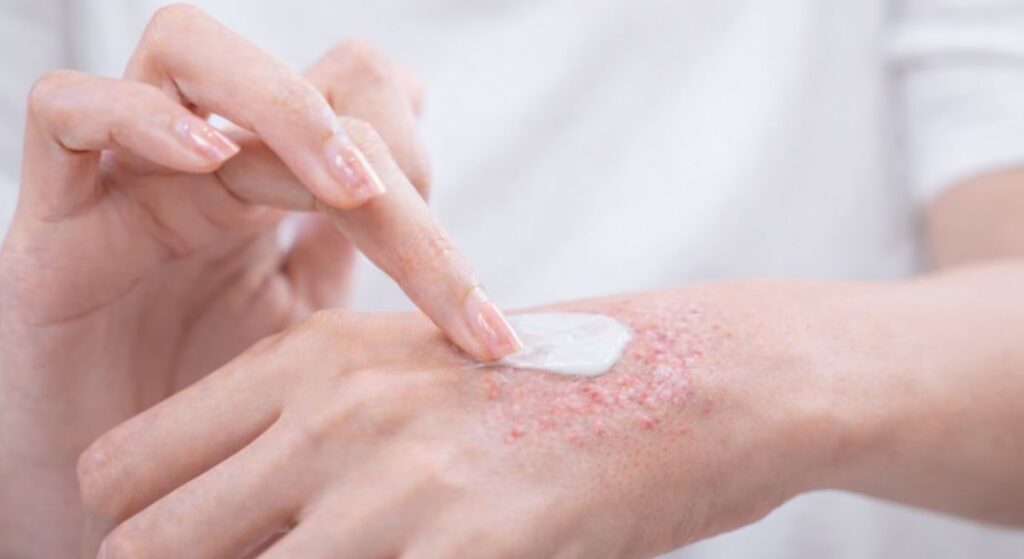
Paediatric psoriasis care is an important topic you’ll often see highlighted at IPC meetings, mainly because psoriasis can affect children in ways that are quite different from adults. It’s not just about managing skin symptoms, but also understanding how the condition can influence your child’s comfort, confidence, and overall development.
In many sessions, specialists focus on treatment safety, emotional wellbeing, school experiences, and how children cope with visible skin changes in social settings. You’ll also hear discussions about choosing therapies that are appropriate for younger patients and ensuring that long-term monitoring is done carefully to support healthy growth and development.
Improving paediatric psoriasis care remains a key area of international research and education. The goal is to make sure you have access to safe, effective, and child-friendly treatment approaches that support both physical health and emotional wellbeing over the long term.
Diversity and Global Perspectives
Diversity and global perspectives are an important part of IPC meetings, and you’ll often see experts from different regions coming together to share their experiences. Psoriasis doesn’t look or behave exactly the same in every person, so these discussions help you understand how it can present across different skin tones, ethnic groups, and populations around the world.
In many sessions, specialists also explore practical challenges like treatment accessibility, healthcare disparities, and how cultural differences can influence the way you seek care or manage your condition. These factors can have a real impact on diagnosis, treatment choices, and overall patient experience, so they’re an essential part of the conversation.
By bringing all of these perspectives together, IPC meetings help support more inclusive dermatology research and care. This wider understanding ensures that you benefit from approaches that are more representative, equitable, and better suited to diverse patient needs globally.
Artificial Intelligence and Digital Dermatology
Artificial intelligence and digital dermatology are becoming increasingly important topics at IPC meetings, and you’ll often see them highlighted as part of the future of psoriasis care. Technology is now being used more widely to help you track symptoms, support clinical decision-making, and improve access to specialist care through digital platforms.
In many discussions, researchers explore how artificial intelligence, digital monitoring tools, and teledermatology systems can improve the way your condition is assessed and managed over time. You might find that these tools allow for more regular follow-up, better documentation of disease changes, and earlier identification of flares, all without relying solely on in-person visits.
As a result, digital health is evolving rapidly within psoriasis management. You benefit from these advancements through more connected, efficient, and personalised care pathways that support long-term disease monitoring and treatment planning.
Clinical Guidelines and Best Practice
Clinical guidelines and best practice are a major focus at IPC meetings, and you’ll often hear how these discussions help shape the way psoriasis is managed in everyday clinical settings. Specialists review the latest research evidence and share practical treatment strategies that are being used across different healthcare systems worldwide.
A key part of these conversations is improving consistency in care, so that you can benefit from more standardised, evidence-based approaches regardless of where you are treated. By comparing real-world clinical experience with research findings, experts are able to refine recommendations that support better decision-making in routine practice.
As a result, guideline development remains an important part of the IPC’s work. These efforts help ensure that your treatment is guided by up-to-date evidence, improving both the quality and reliability of psoriasis care across different countries.
Ethical Discussions Around Treatment Access

At meetings such as International Psoriasis Council discussions, ethical issues around healthcare inequality are becoming increasingly prominent in the management of Psoriasis. You’ll often hear that while effective treatments exist, access to them is not always equal across different countries or healthcare systems.
- Unequal Access to Advanced Therapies: You may find that access to biologic therapies varies depending on where you live. In some regions, these treatments are widely available, while in others they may be limited by cost, reimbursement policies, or healthcare infrastructure.
- Differences in Specialist Care Availability: Access to dermatology specialists can also differ significantly. You may experience delays in diagnosis or treatment in areas where specialist services are limited, which can affect long-term disease control.
- Role of Patient Advocacy Groups: Patient organisations and advocacy groups often highlight these inequalities. You may see efforts focused on improving awareness, supporting funding decisions, and encouraging fairer access to effective therapies.
- Ethical Responsibility in Global Dermatology: Conference discussions increasingly emphasise fairness in healthcare delivery. You are more likely to hear calls for systems that prioritise equitable access to effective treatments, regardless of geography or socioeconomic status.
Ethical discussions around treatment access therefore play an important role in modern psoriasis care. You benefit when healthcare systems work towards reducing disparities and improving availability of effective therapies. Greater awareness of these issues helps drive positive change in global dermatology. Ultimately, fair access remains a key goal in improving long-term patient outcomes.
Continuing Education for Specialists
Continuing education is a key part of IPC meetings, and you’ll often see dermatologists, trainees, and other healthcare professionals attending these sessions to stay up to date. Because psoriasis research and treatment options are evolving so quickly, these conferences give you a clear picture of how clinical practice is continually improving.
In many of these educational programmes, specialists review the latest research findings, new therapies, and updated treatment approaches. You may also find discussions focused on real-world patient management, helping clinicians understand how to apply evidence-based care more effectively in everyday practice.
As a result, continuing education remains essential within modern dermatology. When healthcare professionals keep learning and updating their knowledge, you benefit directly through more accurate diagnoses, better treatment strategies, and overall improved quality of care.
Why IPC Meetings Matter for Patients
Why IPC meetings matter for patients becomes clearer when you look at how much influence they have on everyday clinical practice. Even though you may never attend these meetings yourself, the discussions held there directly shape how dermatologists approach psoriasis treatment around the world. The knowledge shared helps refine treatment strategies, improve decision-making, and support better long-term disease management.
In many cases, dermatologists use what they learn from these conferences to evaluate new therapies and update how they manage patients like you in routine care. You may not see it happening in real time, but these insights gradually filter into clinics, influencing everything from treatment choices to follow-up approaches and overall care planning.
International collaboration at these meetings also helps strengthen research quality and treatment standards globally. As a result, IPC meetings contribute indirectly but very meaningfully to your outcomes, helping ensure that the care you receive is based on the latest evidence and shared global expertise.
The Future of International Psoriasis Research
The future of international psoriasis research is expected to keep moving towards more targeted and precise approaches to care. You’ll likely see continued focus on immune-based therapies that act on specific inflammatory pathways, along with growing interest in personalised medicine, long-term disease control, and the use of digital health technologies. Together, these trends aim to make treatment more effective and better tailored to your individual needs.
At the same time, future care is expected to become more multidisciplinary, especially when managing psoriasis alongside other inflammatory conditions. You may find that dermatology increasingly works in close coordination with rheumatology and other specialties, helping you receive more complete and connected care rather than isolated treatment of symptoms.
The International Psoriasis Council is likely to remain an important global leader in guiding this progress by supporting research, education, and international collaboration. As scientific understanding continues to evolve, you can expect global cooperation to remain essential in shaping better treatments, improving care standards, and ultimately enhancing outcomes for people living with psoriasis worldwide.
FAQs:
1. What are International Psoriasis Council meetings?
International Psoriasis Council (IPC) meetings are global scientific gatherings where dermatology experts come together to discuss the latest research and treatment approaches for psoriasis. You benefit from these meetings indirectly because they help shape how psoriasis is understood and managed in everyday clinical practice worldwide.
2. Why are IPC meetings important for psoriasis care?
IPC meetings are important because they help improve knowledge sharing between specialists from different countries. You gain from this collaboration as it leads to more consistent, evidence-based treatment approaches and helps ensure that new research findings are quickly applied to patient care.
3. What topics are usually discussed at IPC meetings?
At IPC meetings, experts discuss biologic therapies, immune system pathways, long-term disease management, psoriatic arthritis, and personalised treatment strategies. You’ll also see attention given to mental health, quality of life, and improving overall patient support.
4. How do IPC meetings help improve treatments for psoriasis?
These meetings help improve treatments by bringing together research data, clinical experience, and global expertise. You benefit because this leads to better understanding of how therapies work, which helps refine existing treatments and supports the development of new, more targeted options.
5. Why are biologic therapies so important in IPC discussions?
Biologic therapies are a major focus because they target specific parts of your immune system involved in psoriasis. You’ll often hear that they provide more precise and effective disease control compared to older treatments, especially for moderate to severe cases.
6. How do IPC meetings support personalised treatment approaches?
IPC meetings encourage personalised care by highlighting that psoriasis affects each person differently. You benefit from this approach because treatment plans can be tailored to your disease severity, response to medication, and overall health, making care more effective and individualised.
7. Do IPC meetings only focus on skin symptoms?
No, IPC meetings focus on psoriasis as a whole-body inflammatory condition. You’ll see discussions covering joint health, cardiovascular risk, mental wellbeing, and metabolic health, helping ensure that your overall health is considered, not just visible skin symptoms.
8. How do IPC meetings help improve mental health support for patients?
Mental health is a growing focus at IPC meetings because psoriasis can affect your confidence, emotions, and social life. These discussions help improve awareness among healthcare professionals, encouraging better psychological support and more holistic patient care.
9. What role does technology play in IPC discussions?
Technology such as artificial intelligence, digital health tools, and teledermatology is increasingly discussed at IPC meetings. You benefit from these innovations through better symptom tracking, improved monitoring, and more accessible specialist care over time.
10. What is the future focus of IPC meetings?
The future focus is expected to include more personalised medicine, advanced biologic therapies, digital health integration, and stronger international collaboration. You’ll likely see continued improvements in treatment precision, long-term disease management, and overall quality of care for psoriasis worldwide.
Final Thoughts: Why International Psoriasis Council Meetings Matter for You
International Psoriasis Council meetings play a key role in shaping how psoriasis is understood and treated worldwide. You’ll notice that these discussions go far beyond research alone they directly influence clinical practice, helping improve biologic therapies, personalised treatment approaches, long-term disease management, and overall patient care.
What really stands out is the strong focus on viewing psoriasis as a whole-body inflammatory condition rather than just a skin issue. This broader understanding means you benefit from more joined-up care that considers your joints, mental wellbeing, cardiovascular health, and overall quality of life alongside skin symptoms.
Overall, IPC meetings continue to drive meaningful progress through global collaboration, education, and research. You’re ultimately supported by the knowledge shared at these events, which helps ensure more evidence-based, modern, and personalised psoriasis care. If you’re thinking about psoriasis treatment in London, you can get in touch with us at London Dermatology Centre.
References:
1. Osta, G., Ferreira, B., Paiva, A. and Mendes, C. (2023) Influence of clinical and psychosocial factors on the adherence to topical treatment in psoriasis. https://www.mdpi.com/2227-9032/12/8/822
2. Zhang, M., Hong, S., Wang, Q. et al. (2025) Biopharmaceutical switching in psoriasis treatment: a systematic review and meta-analysis. https://pubmed.ncbi.nlm.nih.gov/40768223/
3. Megna, M., Balato, A., Napolitano, M. & Balato, N. (2022) Secondary failure of biologic therapy in psoriasis: mechanisms and management. https://www.mdpi.com/2077-0383/11/3/739
4. Gonçalves, M.B.S., et al.(2025) Advancing insights into psoriasis: from pathogenesis to emerging therapeutic strategies. https://www.sciencedirect.com/science/article/abs/pii/S1567576924020307
5. Valenzuela, F., García-Noblejas, A., et al. (2021) Immunogenicity to biological drugs in psoriasis and implications for therapeutic efficacy. https://pmc.ncbi.nlm.nih.gov/articles/PMC8449932/