



Acne is one of the most common skin conditions worldwide, and it affects individuals across all skin types, including Arabic skin. While the underlying causes of acne are generally similar, the way it appears and heals can vary depending on skin tone and pigmentation response. You may notice that breakouts look slightly different or leave marks that take longer to fade.
In Arabic skin, acne is often followed by post-inflammatory hyperpigmentation, where dark marks remain after the spots have healed. Even when active acne improves, you may still see these pigmentation changes for weeks or months. This can sometimes feel more frustrating than the breakouts themselves, especially when marks take time to fade.
These pigmentation changes can have a significant impact on skin appearance and confidence. That is why treatment often focuses not only on controlling acne but also on preventing pigmentation from forming in the first place. By understanding your skin type and how it responds, your specialist can tailor a treatment plan that addresses both acne and pigmentation more effectively for you.
Understanding Acne
Acne is a common skin condition that occurs when your hair follicles become blocked with oil, dead skin cells, and bacteria. This blockage leads to the formation of spots, blackheads, whiteheads, and sometimes deeper cysts. You may notice breakouts appearing on your face, chest, or back, depending on how your skin behaves.
The severity of acne can vary significantly from person to person. You might experience occasional mild breakouts, or in some cases, more persistent and inflamed lesions. The level of inflammation often determines how noticeable and uncomfortable the condition becomes for you.
Early treatment is important as it can help reduce the risk of scarring and long-term pigmentation changes. If you seek advice sooner, you may be able to control your acne more effectively and protect your skin’s overall appearance. This approach can also help you achieve clearer and healthier-looking skin over time.
Why Acne Appears Differently in Arabic Skin
In Arabic skin, acne lesions may look similar to other skin types, but the aftermath often appears more noticeable due to the skin’s natural pigmentation response. When inflammation occurs, your skin tends to produce more melanin as part of the healing process. This can make post-acne marks more visible compared to lighter skin types.
Even mild acne can leave behind dark spots that may persist for weeks or even months after the active spots have healed. You may notice that these pigmentation changes sometimes last longer than the acne itself. This can make the skin appear uneven even when breakouts have improved.
Understanding this process is important for setting realistic expectations during treatment. You may need to focus not only on controlling acne but also on managing pigmentation at the same time. With the right approach, your specialist can help you achieve clearer, more even-toned skin over time.
Post-Inflammatory Hyperpigmentation
Post-inflammatory hyperpigmentation (PIH) is one of the most common concerns in darker skin tones, including Arabic skin. It occurs when inflammation triggers an increase in melanin production in response to acne or skin injury. You may notice that even after a spot heals, a dark mark remains in its place.
These pigmented spots are not true scars, but they can still take time to fade naturally. Sun exposure can make them appear darker and may also prolong the healing process. You may find that the marks become more noticeable if the skin is not protected properly.
Managing PIH is often an important part of acne treatment, alongside controlling active breakouts. You may benefit from treatments that focus on both reducing inflammation and preventing further pigmentation. With the right approach, your specialist can help you achieve a more even and clearer skin tone over time.
Acne Scarring vs Pigmentation
If you are dealing with the after-effects of acne, you may notice that not all marks on your skin are the same. It is important for you to understand the difference between acne scarring and pigmentation, as both can look similar at first but affect the skin in different ways. Acne scars usually involve changes in the texture or structure of your skin, while pigmentation refers to changes in colour without altering the skin’s surface. Knowing this difference helps you and your clinician choose the most appropriate treatment approach.
- Scarring Affects Your Skin Texture: If you have true acne scars, you may notice indentations, raised areas, or uneven skin texture. These changes occur when the deeper layers of your skin are affected during healing.
- Pigmentation Changes Affect Skin Colour: If you have post-acne pigmentation, you may see dark or red marks on your skin. These spots do not change the texture of your skin but can take time to fade.
- Both Conditions Can Occur Together: You may experience both scarring and pigmentation at the same time. This can make your skin appear uneven in both tone and texture, requiring a combined treatment approach.
- Accurate Identification Is Important for You: If these concerns are not correctly distinguished, you may receive less effective treatment. Understanding whether you have scarring, pigmentation, or both helps guide the right plan for you.
- Professional Assessment Gives You Clarity: A clinical evaluation can help you clearly understand what type of skin changes you have. This ensures that your treatment is tailored specifically to your needs.
Understanding the difference between acne scarring and pigmentation is essential for effective skin management. If you are unsure about your skin changes, seeking a professional assessment can help you get the right diagnosis. With correct identification, your treatment plan can be more targeted and effective. Over time, this can help you achieve a clearer, more even, and healthier-looking complexion.
Common Acne Triggers
Several factors can contribute to acne development in your skin. These include hormonal fluctuations, stress, diet, skincare products, and genetics. You may notice that your breakouts tend to worsen when one or more of these factors are present.
In some cases, certain cosmetics or hair products can also trigger or aggravate acne. If you are using products that are too heavy or pore-clogging, you may see more frequent breakouts in affected areas. Identifying what affects your skin can help you better understand your personal triggers.
Lifestyle awareness plays an important role in managing acne over time. You may find that small changes in your daily routine help reduce flare-ups and improve your skin’s overall condition. By recognising and avoiding your specific triggers, you can support more effective long-term acne control.
Hormonal Acne
Hormonal changes are a major driver of acne in both men and women. You may notice that breakouts become more frequent during periods of stress or hormonal fluctuation. This type of acne often appears along the jawline, chin, and lower face.
In women, hormonal acne may be linked to the menstrual cycle or conditions such as polycystic ovary syndrome (PCOS). You may find that flare-ups follow a predictable pattern each month or become more persistent over time. In men, hormonal activity can also influence oil production and contribute to breakouts.
Targeting hormonal influence is often important for achieving long-term acne control. You may benefit from a treatment plan that addresses both the symptoms and the underlying hormonal triggers. With the right approach, your specialist can help you manage your acne more effectively and reduce recurring flare-ups.
Inflammatory Acne in Skin of Colour
Inflammatory acne can appear more noticeable in darker skin types, including Arabic skin, because of the natural pigmentation response. You may find that even small spots leave behind visible marks once the inflammation settles. This can make the overall appearance of acne seem more persistent.
Because of this response, early treatment is especially important for your skin. If inflammation is not controlled quickly, you may be more likely to develop post-acne pigmentation that takes longer to fade. You may notice that timely care helps reduce both active breakouts and the marks they leave behind.
Reducing inflammation at an early stage is a key strategy in effective acne management. You may benefit from treatments that calm the skin and prevent further flare-ups. With the right approach, your specialist can help you minimise long-term pigmentation and improve overall skin clarity.
Importance of Early Treatment
If you are dealing with acne, starting treatment early can make a significant difference to both your short-term symptoms and long-term skin health. When acne is left untreated, it may become more inflamed and increase the risk of post-inflammatory pigmentation or even permanent scarring. Even mild but persistent acne can benefit from medical attention, as early intervention often helps you achieve better and more stable results over time.
- Early Treatment Can Prevent Worsening Acne: If you begin treatment at an early stage, you may be able to reduce inflammation and prevent your acne from becoming more severe. This can help you avoid more complex skin concerns later on.
- You May Reduce the Risk of Pigmentation and Scarring: If acne is not managed promptly, you may notice lingering dark marks or textural changes after breakouts heal. Early care can help minimise these long-term effects on your skin.
- Even Mild Acne Can Benefit from Attention: If your acne is persistent, even if it seems mild, you may still benefit from professional treatment. Addressing it early can help prevent it from progressing.
- Early Care Supports Better Long-Term Results for You: If you seek treatment sooner, you are more likely to achieve clearer skin with fewer complications. Early management often leads to more predictable and effective outcomes.
- Prevention Is More Effective Than Correction: If you act early, you may avoid the need for more intensive treatments later. Preventing damage is often easier than correcting it once it has developed.
Early treatment of acne is one of the most effective ways to protect your skin in the long term. If you are noticing ongoing breakouts, seeking advice early can help reduce the risk of pigmentation and scarring. With timely care, you can improve both the appearance and health of your skin. Taking action sooner rather than later often leads to clearer, more even-toned skin and better overall results.
Topical Acne Treatments
Topical treatments are commonly used as a first-line option for managing acne on your skin. You may be prescribed ingredients such as retinoids, benzoyl peroxide, or topical antibiotics depending on the severity of your condition. These treatments are applied directly to the affected areas to target the root causes of acne.
They work by reducing inflammation, unclogging pores, and controlling acne-causing bacteria. You may need to use them consistently for several weeks before seeing noticeable improvement. In some cases, your skin may take time to adjust, especially during the early stages of treatment.
A dermatologist can tailor topical treatments to suit your specific skin type and concerns. You may be advised to follow a structured routine to improve results and reduce irritation. With the right guidance, you can achieve clearer skin while also helping to prevent future breakouts.
Oral Medications for Acne
In moderate to severe cases, oral medications may be recommended to help manage acne on your skin. You may be prescribed antibiotics, hormonal treatments, or other prescription therapies depending on the underlying cause. These treatments work from within the body to help control breakouts.
Oral medications target the internal factors that contribute to acne, such as inflammation, bacteria, and hormonal imbalance. You may notice that they are often used alongside topical treatments for more effective results. This combined approach can help improve both active acne and overall skin clarity.
Medical supervision is essential while you are on oral treatment. You may require regular follow-ups to monitor progress and adjust your prescription if needed. With proper guidance, you can achieve safer and more effective long-term acne control.
Managing Pigmentation After Acne
Treating pigmentation after acne requires a different approach compared to managing active breakouts on your skin. You may be recommended ingredients that help regulate melanin production and gradually reduce dark marks. These treatments are designed to target uneven skin tone and support a more even complexion over time.
The aim of these treatments is to slowly fade pigmentation rather than provide immediate results. You may notice that improvement happens gradually over several weeks or months, depending on the depth of the pigmentation. Sun protection is especially important, as UV exposure can make dark marks more noticeable and longer lasting.
Consistency is key when managing post-acne pigmentation. You may need to follow your skincare routine regularly to achieve visible improvement in your skin tone. With the right treatment plan, your specialist can help you achieve a clearer and more even-looking complexion over time.
Sun Protection and PIH
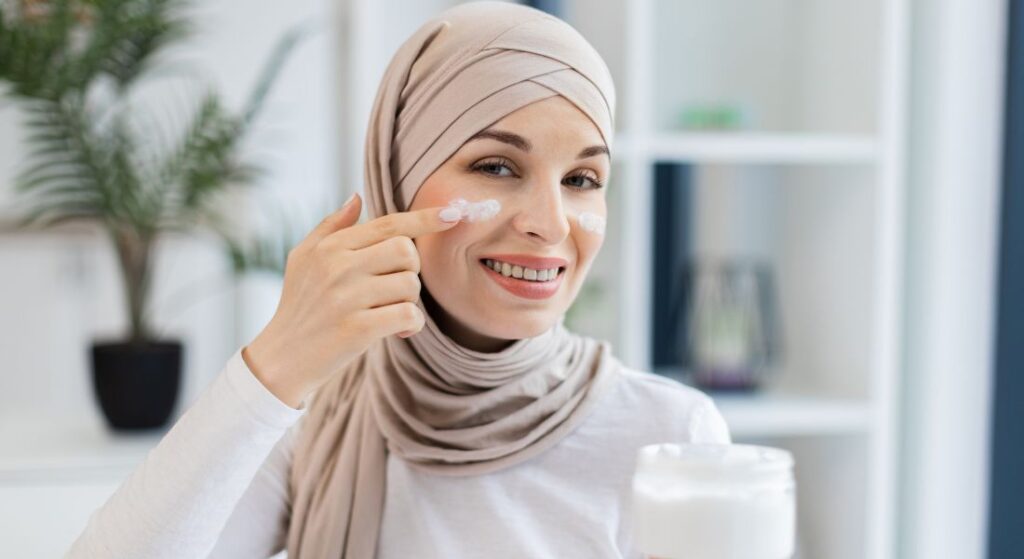
If you are dealing with post-inflammatory hyperpigmentation (PIH), sun exposure can play a major role in how long your dark marks persist. Ultraviolet (UV) radiation stimulates melanin production in your skin, which can make pigmentation appear darker and more noticeable. Even if your acne or inflammation has settled, you may still notice marks becoming more pronounced if your skin is exposed to the sun without protection. This is why consistent sun protection is an essential part of managing pigmentation.
- Sun Exposure Can Worsen Pigmentation: If your skin is exposed to UV rays, you may notice your dark marks becoming deeper in colour. This happens because UV light increases melanin activity in the affected areas.
- Daily Sunscreen Use Is Essential for You: If you are managing PIH, applying sunscreen every day is important, even during cloudy weather or winter months. This helps protect your skin from ongoing UV damage.
- Protective Clothing and Shade Help You Further: You may also benefit from wearing hats, using umbrellas, or seeking shade when outdoors. These additional measures can help reduce overall sun exposure.
- Consistency Makes a Difference for Your Skin: If you use sun protection regularly, you may notice your pigmentation fading more evenly over time. Inconsistent protection can slow down this improvement.
- Sun Protection Is Key to Pigment Management: If you are treating PIH, sunscreen is one of the most important steps in your skincare routine. It supports all other treatments by preventing further darkening of marks.
Sun protection is a cornerstone of managing post-inflammatory hyperpigmentation effectively. If you are trying to reduce dark marks, daily UV protection can significantly improve your results. With consistent care, you may notice a gradual fading of pigmentation and a more even skin tone over time. Protecting your skin from the sun is one of the simplest yet most effective ways to support long-term improvement.
Chemical Peels for Acne and Pigmentation
Chemical peels may be used to help improve both active acne and post-inflammatory pigmentation. They work by exfoliating the outer layer of your skin and encouraging natural skin cell turnover, which supports renewal and clearer skin over time.
In darker skin tones, including Arabic skin, peel selection must be carefully tailored to avoid irritation or unwanted pigmentation changes. You should always ensure the strength and type of peel are appropriate for your skin, as unsuitable treatments can worsen sensitivity or dark marks.
When performed correctly under professional supervision, chemical peels can improve both skin tone and texture in a controlled and gradual way. You should follow the recommended aftercare closely to protect your skin and support healing. Professional guidance is essential to achieve safe and effective results.
Laser and Light-Based Treatments
Certain laser and light-based treatments may be used to improve both acne-related pigmentation and acne scarring. These treatments work by targeting deeper layers of the skin and stimulating natural regeneration, which can gradually improve skin texture and tone.
In skin of colour, including Arabic skin, you need to be particularly cautious with laser selection. You should always ensure the correct type of laser is chosen, because unsuitable settings can increase the risk of post-treatment pigmentation changes or irritation.
When carried out under expert supervision, laser treatments can be safely tailored to your individual skin type and concerns. You should expect a gradual improvement rather than an immediate change, with outcomes depending on your skin’s response and healing process.
Skincare Routine Considerations
A gentle and consistent skincare routine is important if you have acne-prone skin. You should avoid harsh products because they can irritate your skin and may worsen both active breakouts and pigmentation. Keeping your routine simple often helps your skin stay calm and balanced.
You should choose non-comedogenic moisturisers and cleansers that are designed not to block pores. You may also need to avoid over-exfoliation, as too much scrubbing or strong active ingredients can damage your skin barrier and trigger more inflammation.
When you follow a balanced and consistent routine, you give your skin the best chance to heal and improve over time. You should focus on protecting your skin barrier while supporting long-term clarity and reducing the risk of new breakouts.
Lifestyle and Diet Factors

Lifestyle factors may influence acne severity in some individuals, so you should not overlook them when managing your skin. Diets high in refined sugars or dairy may contribute to flare-ups in certain cases, although triggers can vary from person to person.
You should also pay attention to stress levels, because stress can affect hormone balance and may worsen inflammation in the skin. Good sleep hygiene can support your overall skin health and help your body regulate itself more effectively.
While lifestyle factors are not the sole cause of acne, you may notice improvements when you take a more holistic approach. You should combine skincare, medical treatment, and healthy habits for more consistent and long-term results.
Psychological Impact of Acne
If you are living with acne or post-acne pigmentation, you may notice that the impact goes beyond just your skin. Visible skin concerns can sometimes affect how you feel about your appearance, which may lead to reduced confidence or feeling self-conscious in social or professional situations. These emotional effects are very common, and recognising them is an important part of your overall care. When both the physical and emotional aspects are addressed, you are more likely to achieve a better quality of life.
- You May Feel Self-Conscious About Your Skin: If acne or pigmentation is visible, you might feel less confident in social settings. This can sometimes affect how comfortable you feel interacting with others.
- Emotional Wellbeing Can Be Affected: If breakouts are persistent, you may experience frustration, stress, or low mood. These feelings can be just as important to address as the physical symptoms.
- Supportive Care Can Help You: If you receive effective treatment and guidance, you may notice improvements not only in your skin but also in your confidence. Support from healthcare professionals can make a meaningful difference.
- Addressing Emotional Impact Is Part of Treatment for You: If your emotional wellbeing is affected, it should be considered as part of your overall care plan. Treating acne is not only about the skin but also about how you feel.
- A Patient-Centred Approach Supports You Better: If your care is tailored to your individual experience, you are more likely to feel understood and supported. This approach focuses on both your skin and your overall wellbeing.
The psychological impact of acne is an important part of the condition that should not be overlooked. If you are struggling with confidence or emotional distress, seeking support can be beneficial alongside medical treatment. With the right care, you can improve both your skin health and emotional wellbeing. A comprehensive, patient-centred approach helps you achieve better long-term outcomes in both appearance and confidence.
Long-Term Acne Management
Acne is often a long-term condition that requires ongoing care on your skin. You may find that your treatment plan needs adjustments over time as your skin changes or responds differently. This helps ensure that your management approach remains effective for your specific needs.
Maintenance therapy can play an important role in preventing recurrence and controlling post-acne pigmentation. You may be advised to continue certain treatments even after your acne improves to help maintain clearer skin. Regular follow-up appointments allow your specialist to monitor progress and make any necessary changes.
Consistency is key when it comes to achieving and maintaining long-term results. You may see better outcomes when you follow your skincare and treatment plan regularly. With the right ongoing care, your specialist can help you keep your acne under control and support healthier-looking skin over time.
Personalised Treatment Approach
Every individual’s skin responds differently to acne treatment, and your skin type plays an important role in how quickly you see results. In Arabic skin, pigmentation response is particularly significant, as you may be more prone to post-inflammatory hyperpigmentation after breakouts. This means your treatment plan often needs to consider both acne control and pigmentation management together.
A tailored treatment approach ensures that both active acne and the marks left behind are properly addressed. You may benefit from a combination of treatments that target inflammation, unclog pores, and help regulate pigmentation. By adjusting your plan to suit your specific skin needs, your specialist can improve both short-term and long-term outcomes.
Personalisation is central to effective acne care. You may find that a customised plan helps you achieve clearer, more even-toned skin with fewer flare-ups over time. With the right approach, your treatment can be adapted to support your skin’s response and improve overall satisfaction.
Seeking Specialist Advice

If you are struggling with persistent acne or pigmentation on your skin, it is important for you to seek professional assessment. You may notice that over-the-counter treatments are not giving you the results you need, especially if breakouts or marks continue to return. A specialist can help identify the underlying cause of your acne and assess your skin in detail.
Early and targeted treatment can make a significant difference to your skin clarity and long-term outcomes. You may benefit from starting the right treatment sooner rather than waiting for the condition to worsen. This can also help reduce the risk of ongoing pigmentation and prevent new marks from forming.
Because acne and pigmentation can be influenced by multiple factors, a personalised approach is often the most effective for you. You may find that a tailored treatment plan improves both active breakouts and post-acne marks more efficiently. With proper guidance, you can achieve clearer, more even-looking skin over time.
FAQs:
1. Why is acne more likely to leave dark marks in Arabic skin?
Arabic skin has a higher tendency to produce melanin after inflammation. When acne heals, this excess pigment can leave behind dark marks known as post-inflammatory hyperpigmentation. These marks can sometimes last longer than the original acne itself. This is why pigmentation management is an important part of treatment.
2. Is post-inflammatory hyperpigmentation the same as acne scars?
No, they are different conditions. Post-inflammatory hyperpigmentation affects skin colour, causing dark or brown marks after inflammation. Acne scars, on the other hand, involve changes in skin texture such as indentations or raised areas. Both may occur together but require different treatment approaches.
3. How long does acne pigmentation take to fade?
It varies depending on skin type, depth of pigmentation, and treatment. In many cases, it can take several weeks to a few months to fade naturally. Sun exposure can make it last longer or appear darker. Early treatment and sun protection can significantly speed up improvement.
4. Can mild acne still cause pigmentation in Arabic skin?
Yes, even mild acne can trigger pigmentation in Arabic skin. This is because the skin reacts more strongly to inflammation by producing extra melanin. As a result, even small spots may leave visible dark marks. Early management helps reduce this risk.
5. What is the best way to prevent pigmentation after acne?
The most important step is treating acne early to reduce inflammation. Avoiding picking or squeezing spots also prevents worsening pigmentation. Daily use of sunscreen helps protect against UV-triggered darkening. A consistent skincare routine can further reduce the risk.
6. Are chemical peels safe for Arabic skin?
Yes, chemical peels can be safe when carefully selected for darker skin tones. However, they must be tailored and performed by a qualified dermatologist to avoid irritation or post-inflammatory pigmentation. The strength and type of peel are chosen based on individual skin needs. Professional supervision is essential for safe results.
7. Does diet affect acne in Arabic skin?
Diet can influence acne in some individuals, but it is not the sole cause. Foods high in refined sugars or dairy may trigger breakouts in certain people. However, acne triggers vary widely from person to person. A balanced diet may help support overall skin health.
8. Can hormonal changes make acne worse?
Yes, hormonal fluctuations are a common trigger for acne. This type of acne often appears around the jawline, chin, and lower face. It may worsen during menstrual cycles, stress, or conditions like PCOS. Managing hormonal influences can improve long-term control.
9. What skincare ingredients help with acne pigmentation?
Ingredients such as retinoids, azelaic acid, and vitamin C are commonly used. They help reduce pigmentation by supporting skin cell turnover and regulating melanin production. These ingredients also improve overall skin texture and tone. Consistent use is important for visible results.
10. When should I see a dermatologist for acne?
You should seek professional advice if acne is persistent, painful, or leaving dark marks. Early treatment can prevent long-term pigmentation and scarring. A dermatologist can tailor treatment to your skin type and severity. This ensures more effective and targeted care.
Final Thoughts: Achieving Clearer Skin in Arabic Skin Types
Acne in Arabic skin often requires a more tailored and proactive approach due to the higher likelihood of post-inflammatory hyperpigmentation. Focusing on early treatment, gentle skincare, and consistent sun protection can significantly reduce both active breakouts and long-term pigmentation. With the right strategy, it is possible to achieve clearer, more even-toned skin over time.
If you’re considering acne clinic in London, contact us at London Dermatology Centre to book a consultation with one of our specialists.
References:
- Eishi, Y. (2023) Potential association of Cutibacterium acnes with sarcoidosis as an endogenous hypersensitivity infection. Microorganisms, 11(2), 289. Available at: https://www.mdpi.com/2076-2607/11/2/289
- Wang, X., Wu, Y., Zhao, P., Wang, X., Wu, W. & Yang, J. (2024) The causal relationship between serum metabolites and acne vulgaris: a Mendelian randomization study. Scientific Reports, 14, 11045. Available at: https://pmc.ncbi.nlm.nih.gov/articles/PMC11093973/
- Kutlu, Ö., Karadağ, A.S. & Wollina, U. (2023) Adult acne versus adolescent acne: a narrative review with a focus on epidemiology to treatment. Anales Brasileiros de Dermatologia, 98(1), pp. 75–83. Available at: https://pubmed.ncbi.nlm.nih.gov/36253244/
- Fox, L., Csongradi, C., Aucamp, M., du Plessis, J. & Gerber, M. (2016) Treatment modalities for acne. Molecules, 21(8), 1063. Available at: https://pubmed.ncbi.nlm.nih.gov/27529209/
- Podrini et al.(2023) ‘Topical administration of Lactiplantibacillus plantarum (SkinDuo™) serum improves anti-acne properties’, Microorganisms, 11(2), p. 417. Available at: https://www.mdpi.com/2076-2607/11/2/417