



Eczema is a common inflammatory skin condition that can affect your skin regardless of your skin type or background, including Arabic skin. Although the causes of eczema are often similar across different skin types, the way it appears can vary depending on your natural skin tone. This means you may notice different signs of inflammation that are not always the same as those described for lighter skin.
In Arabic skin, eczema flare-ups can sometimes result in visible pigmentation changes due to the way your skin responds to inflammation. You may notice darker or lighter patches that remain even after itching, dryness, or irritation has improved. Managing these changes is an important part of long-term eczema care to help maintain healthy-looking skin.
Understanding how eczema affects your skin can help you recognise symptoms sooner and seek appropriate support. Your treatment approach should consider your skin type, personal triggers, severity of symptoms, and how your skin reacts during flare-ups. With the right care plan, you can manage eczema more effectively and support your skin’s long-term health.
Understanding Eczema
Eczema is a long-term inflammatory skin condition that can cause your skin to become dry, itchy, irritated, and uncomfortable. It often develops when your skin barrier becomes weakened, allowing moisture to escape more easily and making it easier for irritants to affect your skin. When this happens, your skin may become more sensitive and prone to repeated flare-ups.
You may notice periods when your eczema symptoms settle and your skin feels more comfortable, followed by times when irritation suddenly returns. These flare-ups can be triggered by different factors, including changes in the environment, stress, allergies, or products that do not suit your skin. Understanding your personal triggers can help you manage your condition more effectively.
Managing eczema focuses on supporting your skin barrier and calming inflammation. Your skincare routine, lifestyle habits, and treatment plan can all play an important role in keeping symptoms under control. With the right approach, you can reduce flare-ups and help your skin stay healthier over time.
How Eczema May Appear in Arabic Skin
Eczema can appear differently on Arabic skin compared with lighter skin tones, which can sometimes make the condition harder to recognise. Instead of clear redness, you may notice darker patches, greyish areas, dryness, or changes in your skin texture. These differences occur because inflammation can show up in various ways depending on your natural skin tone.
Since redness may not always be obvious, eczema can sometimes be missed or confused with other skin concerns. You may need to pay attention to other signs, such as persistent itching, roughness, dryness, or irritation. Understanding these symptoms can help you identify when your skin may need extra care.
Recognising eczema early allows you to manage inflammation before it becomes more severe. With the right approach, you can help reduce flare-ups and lower the risk of longer-lasting pigmentation changes. A personalised skincare routine can support your skin barrier and improve overall skin health.
Post-Inflammatory Hyperpigmentation
Post-inflammatory hyperpigmentation is a common concern for many people with Arabic skin, especially after eczema flare-ups. This happens when inflammation causes your skin to produce more melanin, leading to darker areas after the irritation improves. You may notice these changes even after the eczema itself has settled. Understanding why this happens can help you manage your skin more effectively and reduce the chance of long-lasting marks.
- Inflammation can trigger darker patches on your skin: When your skin becomes inflamed due to eczema, it can activate melanin production as part of the healing process. This may leave behind brown, grey, or darker patches in areas where your skin was previously irritated.
- Pigmentation changes may last after eczema improves: Even when your flare-up has cleared, you may continue to see darker areas for several weeks or months. How long these marks remain can depend on how your skin heals and the level of inflammation you experienced.
- Early eczema treatment can help reduce pigmentation risks: Managing inflammation quickly may help prevent stronger pigmentation changes from developing. Using appropriate skincare and following treatment advice can support your skin’s recovery process.
- Protecting your skin during healing is important: Looking after your skin barrier can help minimise further irritation and support even skin tone. Gentle skincare habits can help your skin recover while reducing the likelihood of prolonged dark marks.
Post-inflammatory hyperpigmentation can be a noticeable after-effect of eczema, particularly in Arabic skin where pigmentation changes may be more visible. If you manage eczema flare-ups early and reduce inflammation, you can lower the chance of developing long-lasting marks. Understanding how your skin responds to irritation allows you to make better choices for your skincare routine. With the right approach, you can support healthier and more balanced-looking skin.
Skin Barrier Dysfunction
A weakened skin barrier is one of the main factors involved in eczema and can affect how your skin responds to everyday triggers. When your skin barrier is not working properly, it becomes harder for your skin to hold onto moisture and protect itself from irritants. This can leave your skin feeling dry, sensitive, and more likely to develop inflammation.
When your skin barrier is damaged, you may experience repeated flare-ups, increased itching, and discomfort. Everyday factors such as weather changes, harsh products, or environmental irritants may affect your skin more easily. Understanding your skin barrier can help you take steps to reduce irritation and support healthier skin.
Keeping your skin moisturised regularly is an important part of eczema management. A consistent skincare routine can help restore hydration, strengthen your barrier, and improve your skin’s ability to protect itself. With the right care, you can reduce dryness and help your skin become more resilient over time.
Common Symptoms of Eczema
Eczema symptoms can vary depending on your skin type, the severity of inflammation, and how long you have been experiencing flare-ups. Common signs include itching, dryness, rough patches, irritation, and changes in the texture of your skin. You may also notice areas of thickened skin if eczema has been present for a longer period.
Persistent scratching can make your symptoms worse and may further damage your skin barrier. When your skin becomes irritated repeatedly, it can increase inflammation and raise the chance of developing pigmentation changes. This is especially important to consider when managing eczema in Arabic skin, where colour changes may be more noticeable after flare-ups.
Recognising the early signs of eczema can help you act before symptoms become more severe. By understanding how your skin reacts, you can adjust your skincare routine and reduce possible triggers. Early management can help you control flare-ups and support healthier-looking skin.
Why Itching Can Be a Major Problem
Itching is one of the most common and frustrating symptoms you may experience with eczema. When your skin feels irritated, scratching can feel like a natural response, but repeated scratching can damage your skin’s surface and make inflammation worse. This can leave your skin more sensitive and increase the risk of further irritation.
Eczema itching can create a cycle where dryness and inflammation trigger more scratching, which then causes additional skin damage. Over time, this repeated irritation can affect your skin barrier and may contribute to longer-lasting changes such as rough texture or pigmentation. Breaking this cycle is an important step in helping your skin recover.
A combination of appropriate treatment and gentle skincare can help calm your symptoms and support healing. Keeping your skin moisturised, avoiding known triggers, and following a suitable care routine can reduce discomfort. By managing itching early, you can help protect your skin and reduce future flare-ups.
Triggers That May Affect Eczema
Eczema flare-ups can happen for many different reasons, and your skin may react to certain triggers in your daily life. Things like skincare products, weather changes, stress, fragrances, and fabrics can all contribute to irritation. You may notice that your eczema behaves differently depending on your surroundings or routine. Identifying what affects your skin can help you take steps to prevent future flare-ups.
- Harsh skincare products can irritate your skin: Some products containing strong ingredients, fragrances, or drying agents may weaken your skin barrier and trigger eczema symptoms. Choosing gentle, fragrance-free skincare can help reduce irritation and support healthier skin.
- Weather changes may influence eczema flare-ups: Your skin may react to changes in temperature, humidity, or seasonal conditions. Cold weather can cause dryness, while heat and sweating may increase itching or irritation for some people.
- Stress and lifestyle factors can affect your skin: Stress can sometimes make eczema harder to control by affecting your body’s inflammatory response. Finding ways to manage stress and maintain healthy habits may help keep your flare-ups more manageable.
- Identifying your personal triggers can improve skin control: Everyone’s eczema triggers are different, so paying attention to patterns can be useful. Keeping your skincare routine simple and noticing what causes reactions can help you avoid unnecessary irritation.
Understanding your eczema triggers can help you take better control of your skin health. While you may not be able to avoid every trigger, recognising what affects your skin allows you to make helpful changes. A simple and consistent skincare routine can support your skin barrier and reduce the chance of frequent flare-ups. With the right approach, you can better manage eczema and keep your skin more comfortable.
Climate and Environmental Factors
Environmental conditions can have a significant impact on how your eczema behaves and how your skin reacts. Factors such as dry air, heat, sweating, and pollution may increase irritation and make your skin more sensitive. You may notice that your symptoms become worse during certain seasons or when you are exposed to specific surroundings.
Your skin barrier can also be affected by everyday environmental habits, such as frequent washing or spending long periods in air-conditioned spaces. These factors may reduce moisture levels in your skin and contribute to dryness, itching, and discomfort. Understanding these triggers can help you take better care of your skin.
Adapting your skincare routine to match your environment can help support your skin barrier and reduce flare-ups. Using suitable moisturisers, avoiding harsh products, and protecting your skin from common irritants can make a noticeable difference. With the right approach, you can help your skin stay balanced and more comfortable.
The Importance of Moisturising
Moisturising is one of the most important parts of managing eczema and supporting your skin’s health. A suitable moisturiser helps your skin retain hydration, strengthen its natural barrier, and reduce the impact of external irritants. When your skin barrier is supported, you may experience less dryness, sensitivity, and discomfort.
You should apply moisturiser regularly, especially after bathing when your skin is still slightly damp. This helps seal in moisture and prevents your skin from becoming too dry. Building this step into your daily routine can make it easier to maintain healthier and more comfortable skin.
Consistent moisturising can help reduce the frequency and severity of eczema flare-ups over time. By keeping your skin hydrated, you can improve its ability to protect itself from triggers. A simple but regular skincare routine can make a noticeable difference in how your skin feels and responds.
Choosing Suitable Skincare Products
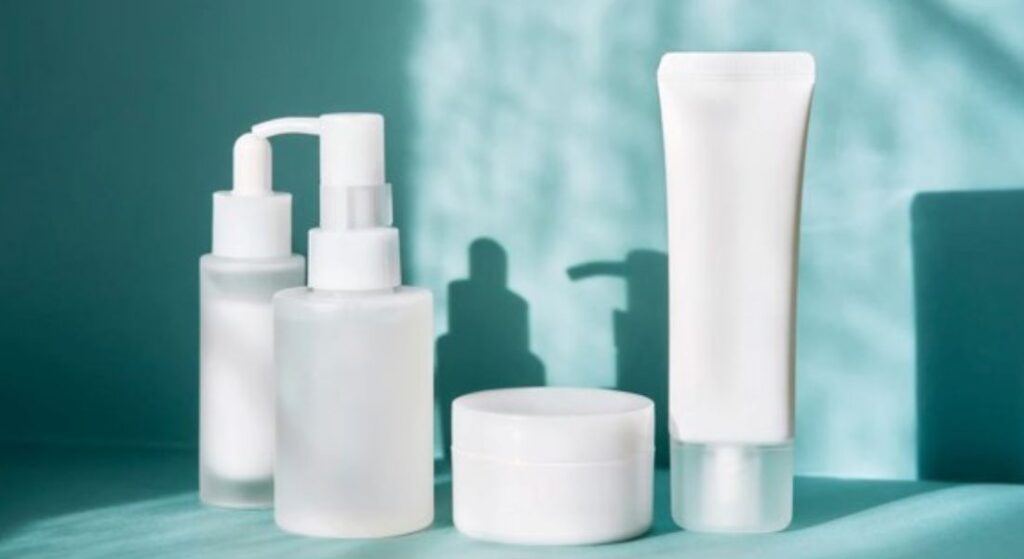
Choosing the right skincare products is especially important when you have eczema-prone skin. Products that contain strong fragrances, harsh cleansers, or irritating ingredients can make your skin more sensitive and may trigger flare-ups. You may notice that your skin reacts more easily when exposed to unsuitable products.
You should aim to use gentle, fragrance-free products that are designed for sensitive or eczema-prone skin. Keeping your skincare routine simple can help reduce the risk of irritation and support your skin barrier. When you avoid unnecessary or overly complex products, your skin is often better able to stay balanced and comfortable.
A consistent routine is usually more effective than using multiple active products at the same time. By sticking to a few well-chosen essentials, you can help maintain your skin’s health and reduce flare frequency. Over time, this approach can make it easier to manage eczema and keep your skin calm.
Medical Treatments for Eczema
Eczema treatment is tailored to you based on how severe your symptoms are and how your skin responds over time. Your dermatologist may recommend a combination of prescription creams, anti-inflammatory treatments, and products that help strengthen your skin barrier. The goal is not just to treat flare-ups, but also to support long-term skin health. With the right plan, you can reduce discomfort and improve your skin’s overall condition.
- Prescription creams help control inflammation: You may be prescribed topical treatments such as corticosteroids or other anti-inflammatory creams. These work by reducing inflammation, itching, and swelling during flare-ups, helping your skin settle more quickly.
- Barrier-supporting products protect your skin: Moisturisers and emollients play an important role in keeping your skin hydrated and protected. Regular use helps strengthen your skin barrier, making it less reactive to irritants and environmental triggers.
- Treatment is adjusted based on your response: Your dermatologist may change your treatment plan depending on how your skin improves or reacts. This ensures you are always using the most effective and suitable approach for your condition.
- Specialist care helps guide your management plan: Seeing a dermatologist allows you to receive a personalised treatment strategy. This helps you manage eczema more effectively and reduces the risk of long-term complications.
Medical treatments for eczema are designed to give you better control over your symptoms while protecting your skin in the long run. Because every case is different, your treatment plan may need adjustments over time to suit your needs. By following professional advice and using the right combination of treatments, you can reduce flare-ups and support healthier skin. With consistent care, you can manage eczema more confidently and comfortably.
Topical Steroid Treatments
Topical steroid treatments are commonly prescribed to help manage eczema by reducing inflammation in the skin. They work by calming the immune response that causes redness, itching, and irritation. When used correctly, they can help you gain better control over flare-ups and improve overall skin comfort.
You should always use topical steroids exactly as advised by a healthcare professional. Following the recommended strength, frequency, and duration is important to ensure the treatment is both safe and effective. Proper use helps you manage symptoms while reducing the risk of side effects or overuse.
Your treatment plan may be adjusted depending on how severe your eczema flare-ups are. In some cases, stronger or milder treatments may be needed at different times to keep your skin under control. Regular review with a healthcare professional helps ensure your plan continues to meet your skin’s changing needs.
Non-Steroid Treatment Options
Some people may benefit from non-steroid treatment options when managing eczema, especially if they need long-term control of symptoms. These treatments can help reduce inflammation while also supporting your skin barrier in a gentler way. You may find them useful if you are looking for alternatives to topical steroids.
Your dermatologist can help you decide whether non-steroid treatments are suitable for your specific condition. The choice will depend on the severity of your symptoms, your medical history, and how your skin responds to different treatments. This ensures that you receive care that is both safe and effective for your needs.
A personalised approach is often the most effective way to manage eczema over time. By tailoring your treatment plan, your healthcare provider can help you control flare-ups while minimising irritation. This can make it easier for you to maintain healthier and more comfortable skin in the long term.
Managing Pigmentation After Eczema
Managing pigmentation after eczema requires time and a careful approach to avoid further irritation. Once your eczema inflammation is under control, you may notice that pigmentation begins to fade gradually. This process can take time, depending on your skin type and how severe the flare-ups were.
You should avoid using harsh or aggressive treatments, as these can irritate your skin and potentially worsen pigmentation. Instead, gentle skincare is important to support your skin’s natural healing process. Consistency in your routine can help your skin recover more comfortably over time.
Protecting your skin from the sun is also essential, as exposure can make pigmentation darker and more noticeable. Using appropriate sun protection and maintaining a gentle skincare routine can help support the fading process. With patience and proper care, your skin can gradually return to a more even tone.
Sun Protection Considerations
Sun exposure can have a noticeable impact on pigmentation changes that occur after eczema. UV rays may stimulate melanin production in your skin, which can make dark patches more visible or slow down the fading process. This is why you may notice pigmentation becoming more pronounced after time spent in the sun.
Using sunscreen regularly can help protect your skin and reduce the risk of pigmentation becoming darker. This is especially important when you are managing post-inflammatory marks following eczema flare-ups. Consistent sun protection supports your skin while it is healing and helps prevent further discolouration.
By protecting your skin from UV exposure, you can support a more even and balanced skin tone over time. A simple daily sunscreen routine can support the management of pigmentation and help prevent dark patches from becoming more noticeable. With regular care, you can help your skin recover more effectively and maintain a healthier appearance.
The Role of Lifestyle Habits

Your lifestyle can play an important role in how your eczema behaves on a day-to-day basis. Factors such as stress levels, sleep quality, hydration, and diet may influence how often you experience flare-ups. While these habits do not replace medical treatment, they can support your skin’s overall health. You may notice that small changes in your routine make a meaningful difference over time.
- Stress can influence your eczema flare-ups: When you are stressed, your body’s inflammatory response can become more active, which may worsen itching and irritation. Managing stress through relaxation techniques or daily routines may help you keep flare-ups more under control.
- Good sleep supports skin repair: Your skin repairs itself while you sleep, so poor sleep quality can sometimes affect healing. Prioritising consistent and restful sleep may help your skin recover more effectively and reduce sensitivity.
- Hydration helps maintain skin balance: Drinking enough water supports your overall skin condition by helping maintain hydration from within. Well-hydrated skin may feel less dry and be more resilient to irritation.
- Healthy habits support long-term skin management: A balanced diet, regular routine, and consistent skincare can all contribute to better skin health. When combined with medical treatment, these habits may help reduce flare frequency and improve overall comfort.
Lifestyle habits can have a noticeable impact on how your eczema behaves, even though they are not the sole cause of flare-ups. If you focus on reducing stress, improving sleep, staying hydrated, and maintaining a balanced routine, you may see improvements in your skin over time. These changes work best when combined with medical treatment and proper skincare. With a consistent approach, you can support better long-term control of your eczema.
Avoiding Skin Irritation
Avoiding skin irritation is an important part of managing eczema and protecting your skin barrier. Small changes in your daily routine, such as avoiding harsh scrubbing, very hot water, and irritating products, can make a noticeable difference. These habits help reduce unnecessary stress on your skin and support overall healing.
You should always treat your skin gently, especially during flare-ups when it is more sensitive and reactive. Over-treating or using too many products at once can sometimes worsen irritation and increase discomfort. Paying attention to how your skin responds can help you make better choices in your skincare routine.
Simple, consistent care is often the foundation of long-term improvement in eczema. By focusing on gentle cleansing, appropriate moisturising, and avoiding known irritants, you can help maintain a healthier skin barrier. Over time, these small steps can reduce flare-ups and improve your skin’s comfort.
Emotional Impact of Eczema
Living with eczema can affect more than just your skin, as it may also influence how you feel about your appearance and daily comfort. Visible patches, persistent itching, and pigmentation changes can sometimes feel frustrating or distressing. These challenges may impact your confidence, especially when symptoms are noticeable or unpredictable.
When your eczema is managed effectively, you may notice improvements not only in your skin but also in your overall confidence and wellbeing. As your symptoms become more controlled, daily activities can feel easier and less stressful. This shows how closely your physical symptoms and emotional health are connected.
Addressing the emotional impact of eczema is an important part of overall care. You may find that support from healthcare professionals, along with a clear treatment plan, makes the condition easier to manage. With the right guidance, you can feel more in control of both your skin and your confidence.
Long-Term Eczema Management
Eczema often requires ongoing care rather than a one-time solution, as it can be a long-term condition that changes over time. Even when your skin improves, maintaining a consistent routine can help reduce the risk of future flare-ups. You may find that regular care plays a key role in keeping your symptoms under control.
You should continue protecting your skin barrier and paying attention to any changes in your symptoms. Long-term consistency with skincare and trigger management usually leads to better overall control of eczema. Small daily habits can make a significant difference in preventing irritation and maintaining skin health.
Regular dermatology reviews can also support your long-term progress and help you adjust your treatment when needed. With ongoing care and professional guidance, you can manage eczema more effectively over time. This approach helps you maintain healthier, more comfortable skin in the long run.
Seeking Specialist Advice

If you are experiencing persistent eczema, unusual pigmentation, or repeated flare-ups, seeking specialist advice can help you better understand your skin and what is triggering your symptoms. A professional assessment allows your condition to be properly evaluated so that treatment can be tailored to your specific needs. This can make it easier for you to manage symptoms more effectively and reduce discomfort.
Because Arabic skin may respond differently to inflammation, you may notice variations in pigmentation and healing compared with other skin types. This makes a personalised approach especially important, as your treatment plan should consider how your skin naturally reacts. With the right guidance, you can achieve more effective and targeted management of your condition.
Early assessment and ongoing support can make a significant difference in controlling eczema and preventing long-term changes. By working with a specialist, you can receive advice that is suited to your skin type and symptoms. This helps you take better control of your skin health and improve overall outcomes over time.
FAQs:
1. Does eczema look different in Arabic skin?
Yes, eczema may appear differently in Arabic skin compared to lighter skin tones. Instead of visible redness, you may notice darker patches, dryness, or changes in skin texture. These signs can sometimes make eczema harder to recognise early. It is important to look for itching and persistent irritation as key indicators.
2. Why does eczema cause dark patches in Arabic skin?
Eczema can trigger post-inflammatory hyperpigmentation, where the skin produces extra melanin during healing. This leads to darker patches after inflammation settles. These marks may remain for weeks or months after a flare-up. Early treatment can help reduce the risk of long-lasting pigmentation.
3. Is eczema more severe in Arabic skin?
Eczema is not necessarily more severe, but it may appear more noticeable due to pigmentation changes. The inflammation itself is similar across all skin types. However, healing responses such as dark or light patches may be more visible. Proper management helps control symptoms effectively.
4. What are the most common eczema symptoms?
Common symptoms include itching, dryness, irritation, and rough skin patches. In some cases, the skin may become thickened over time due to repeated scratching. You may also experience flare-ups that come and go. Recognising early signs helps with faster management.
5. Why is itching such a problem in eczema?
Itching can lead to scratching, which damages the skin barrier and worsens inflammation. This creates a cycle of irritation and further flare-ups. Over time, it can also increase pigmentation changes. Breaking the itch-scratch cycle is essential for healing.
6. Can eczema pigmentation fade over time?
Yes, post-inflammatory pigmentation usually fades gradually as the skin heals. However, the process can take several weeks or months depending on your skin type and flare severity. Gentle skincare and sun protection can help speed up improvement. Avoiding irritation is also important.
7. What triggers eczema flare-ups?
Common triggers include harsh skincare products, stress, weather changes, and environmental irritants. Heat, sweat, and cold air can also worsen symptoms. Triggers vary from person to person. Identifying your specific triggers can help prevent flare-ups.
8. How important is moisturising in eczema care?
Moisturising is essential because it strengthens the skin barrier and reduces dryness. It helps lock in hydration and protects the skin from irritants. Regular use can reduce flare frequency. It is one of the most important parts of eczema management.
9. What treatments are used for eczema?
Eczema treatment may include prescription creams, topical steroids, and barrier-repair moisturisers. These treatments help reduce inflammation and control symptoms. Your dermatologist may adjust treatment based on severity. A personalised approach is usually most effective.
10. When should I see a dermatologist for eczema?
You should see a dermatologist if your eczema is persistent, severe, or causing pigmentation changes. Specialist care can help identify triggers and create a tailored treatment plan. Early support can prevent long-term skin damage. It also improves overall management and comfort.
Final Thoughts: Long-Term Eczema Care for Healthier Skin
Eczema is a long-term inflammatory condition that requires consistent care rather than short-term fixes. In Arabic skin, eczema may sometimes appear through pigmentation changes, dryness, roughness, or texture differences, even when redness is less visible. Understanding how your skin responds to inflammation helps you take earlier action and prevent flare-ups from becoming more severe.
By maintaining a simple, gentle skincare routine and avoiding known triggers, you can strengthen your skin barrier and reduce the frequency of flare-ups over time. Early treatment and ongoing management are especially important in helping minimise post-inflammatory pigmentation and supporting a more even skin tone. If you’re considering eczema treatment in London, contact us at London Dermatology Centre to book a consultation with one of our specialists.
References:
- Hafsia et al. (2019) ‘Relationship between hand eczema severity and occupational stress: A cross-sectional study’, Dermatology Research and Practice, 2019, Article ID 8301896. Available at: https://pmc.ncbi.nlm.nih.gov/articles/PMC6800949/
- Alkhalifah, A. (2022) ‘Risk factors for hand eczema in the general population of Saudi Arabia during the COVID-19 pandemic: An internet-based cross-sectional study’, JAAD International, 6, pp. 119–124. Available at: https://pmc.ncbi.nlm.nih.gov/articles/PMC8841360/
- Al Nahas et al. (2024) Prevalence, severity, and risk factors of eczema among young children and adolescents in Saudi Arabia: A national cross-sectional study, 2019. Journal of Allergy and Clinical Immunology: Global, 3(4), p.100299. Available at: https://www.sciencedirect.com/science/article/pii/S277282932400095X
- Adawi, W., Cornman, H., Kambala, A., Henry, S. and Kwatra, S.G. (2023) ‘Diagnosing Atopic Dermatitis in Skin of Color’, Dermatologic Clinics, 41(3), pp. 417–429. Available at: https://pubmed.ncbi.nlm.nih.gov/37236711/
- Chiricozzi, A., Maurelli, M., Peris, K. and Girolomoni, G. (2023) ‘Overview of Atopic Dermatitis in Different Ethnic Groups’, Journal of Clinical Medicine, 12(7), p. 2701. Available at: https://www.mdpi.com/2077-0383/12/7/2701