



Dermatology continues to evolve rapidly, with new technologies and treatment approaches changing the way skin conditions are diagnosed and managed. Looking ahead to 2027, you may benefit from advances that aim to make dermatology care more accurate, effective and personalised. Innovations in areas such as artificial intelligence, genetics, and targeted therapies are helping clinicians better understand individual skin concerns. These developments are shaping a more tailored approach to dermatological care.
Over recent years, dermatology has moved away from a one-size-fits-all model towards treatments that consider your unique characteristics. Factors such as your skin type, genetic profile, lifestyle, and specific condition can increasingly influence treatment decisions. This shift towards precision medicine is expected to continue gaining momentum throughout 2027. As a result, you may see more personalised treatment plans designed to achieve better outcomes with fewer unnecessary interventions.
Artificial intelligence, regenerative medicine, advanced biologic therapies and improved laser technologies are among the key areas expected to influence dermatology in 2027. At the same time, digital healthcare tools are making it easier for you to access specialist advice and ongoing skin monitoring. Although many of these innovations are still being evaluated through clinical research, they offer a promising glimpse into the future of dermatology. Together, these advances have the potential to improve both the patient experience and long-term treatment results.
Continued Expansion of Biologic Therapies
Biologic therapies have transformed the treatment of conditions such as psoriasis, eczema, and hidradenitis suppurativa. These medications target specific immune pathways that contribute to inflammation. As a result, you may achieve better symptom control and improved skin health.
Researchers are expected to continue refining biologic treatments to improve effectiveness, safety and treatment selection. Newer therapies may target disease processes more precisely, helping clinicians personalise treatment for you. This could lead to better outcomes and fewer side effects.
The trend towards personalised medicine is likely to continue throughout the year. By considering your individual condition and treatment response, clinicians can make more tailored recommendations. This means you may benefit from a treatment plan that is better suited to your specific needs.
Artificial Intelligence in Skin Diagnosis
Artificial intelligence is becoming an increasingly important tool in dermatology. Advanced systems can help clinicians analyse skin lesions and identify features that may require further investigation. This can support more accurate and efficient assessments for you.
In 2027, AI-assisted diagnostic technologies are expected to become even more sophisticated. Improved image analysis may help detect skin cancers and inflammatory skin conditions at an earlier stage. This may help some patients access assessment and treatment sooner, potentially supporting better outcomes.
Despite these advances, AI is not expected to replace dermatologists. Instead, it will serve as a supportive tool that helps clinicians make informed decisions. You will still benefit from the expertise, judgement, and personalised care that only a trained specialist can provide.
More Personalised Treatment Planning

Personalised medicine is becoming an increasingly important part of modern dermatology. Rather than using the same treatment approach for everyone, clinicians are focusing more on your individual characteristics and needs. This helps create treatment plans that are better suited to you.
Advances in genetic profiling, biomarker analysis, and disease classification are supporting this shift. These tools may help clinicians identify which treatments are most likely to work for your specific condition. As a result, you may receive care that is more targeted to your condition and individual skin needs.
This personalised approach has the potential to improve treatment outcomes and patient satisfaction. It may also reduce the need for repeated medication changes by helping clinicians make more informed decisions from the outset. Ultimately, you could benefit from a more efficient and tailored treatment journey.
Growth of Regenerative Dermatology
Regenerative medicine is becoming one of the most exciting areas of dermatology. Rather than simply treating symptoms, these therapies aim to support your skin’s natural repair and healing processes. This means you may benefit from treatments that work with your body’s own regenerative abilities.
Researchers are investigating stem cell technologies, growth factors, cellular therapies, and tissue engineering techniques. As these fields continue to develop, you may gain access to innovative treatments for a wider range of skin concerns. These advances may support improved skin health and potentially longer-lasting results, although many approaches still require further research.
The influence of regenerative medicine is expected to grow across both medical and aesthetic dermatology. Whether you are seeking treatment for a skin condition or looking to improve your skin quality, these developments may offer new possibilities. In the future, you could benefit from therapies that support natural healing while delivering more personalised outcomes.
Increased Interest in Exosome-Based Therapies
If you keep up with developments in dermatology, you may have noticed increasing interest in exosome-based therapies. Exosomes are tiny particles that help cells communicate with one another and are being studied for their potential role in skin healing, tissue regeneration, and recovery after dermatological procedures. Researchers are exploring whether these naturally occurring particles could support a range of skin-related treatments. As research progresses, you are likely to hear more about exosomes and their potential applications in clinical practice.
- Exosomes Help Cells Communicate: Exosomes carry biological signals between cells, helping to regulate important biological processes. Researchers are studying how this communication may influence skin repair and regeneration.
- They May Support Recovery After Procedures: Early studies suggest that exosomes could play a role in supporting healing following certain dermatological treatments. If you undergo skin procedures in the future, this is an area of research that may become increasingly relevant.
- Research Interest Continues to Grow: Scientists and clinicians are showing growing interest in the potential uses of exosomes within dermatology. As a result, you can expect to see continued research and discussion surrounding these therapies throughout 2027.
- More Clinical Evidence Is Needed: Although early findings are encouraging, researchers emphasise that further studies are essential. Before these therapies can be widely relied upon, stronger clinical evidence is needed to confirm their long-term safety and effectiveness.
Exosome-based therapies represent a promising area of dermatology research, but many questions remain unanswered. While you may hear increasing claims about their potential benefits, it is important to recognise that the scientific evidence is still developing. Researchers continue to evaluate how these therapies work and where they may be most useful. As more data becomes available, you will gain a clearer understanding of their role in future skin care and treatment strategies.
Advances in Laser Technology
Laser treatments continue to evolve and play an important role in modern dermatology. New technologies are focusing on greater precision, improved safety, and shorter recovery times. As a result, you may be able to achieve effective results with less disruption to your daily routine.
These advances may benefit you if you are seeking treatment for pigmentation concerns, acne scars, vascular conditions, or signs of skin ageing. Improved laser systems can target specific skin issues more accurately while minimising effects on surrounding tissue. This may help improve treatment comfort and outcomes when the laser is selected carefully for your skin type and concern.
Modern laser technologies are also becoming more adaptable to a wider range of skin tones. This allows clinicians to personalise treatments more effectively for your individual skin type. As innovation continues, you may have access to safer and more versatile laser treatment options.
Better Treatment Options for Skin of Colour
Historically, much of dermatological research focused on lighter skin tones. However, this is changing as awareness of the unique needs of different skin types continues to grow. As a result, you may benefit from more inclusive research and treatment approaches.
Researchers are placing greater emphasis on understanding how skin conditions present across different ethnic backgrounds and skin colours. This can help clinicians recognise symptoms more accurately and avoid delays in diagnosis. For you, this may mean more precise assessments and better-informed treatment decisions.
These advances are expected to support more personalised care for patients with diverse skin types. By considering your individual skin characteristics, clinicians can recommend treatments that are both safer and more effective. Ultimately, you may benefit from improved outcomes and a more tailored treatment experience.
AI-Assisted Skin Cancer Screening
Skin cancer detection remains one of the most important areas in dermatology. Artificial intelligence systems are increasingly being developed to help analyse images of skin lesions. This can support clinicians in identifying suspicious changes that may need further assessment.
These tools may help you receive faster identification of potentially concerning lesions. Earlier detection can lead to quicker referrals to specialists for further evaluation. For you, this may improve the chances of timely diagnosis and treatment.
However, research is still ongoing to determine how best to use these systems in clinical practice. AI is designed to support, not replace, clinical judgement in skin cancer screening. You will continue to benefit from dermatologist expertise alongside these emerging technologies.
Expansion of Teledermatology Services

If you have needed skin care advice in recent years, you may have already come across teledermatology. This approach uses digital platforms to allow you to consult a dermatologist remotely, making specialist care more accessible and convenient. Teledermatology has grown significantly in popularity and continues to evolve with advances in technology. As services improve, you are likely to see it becoming an even more common part of dermatology care.
- Improved Access to Specialist Care: Teledermatology allows you to receive expert skin assessments without needing to travel to a clinic. This can be especially helpful if you live in a remote area or have limited access to specialist services.
- Advances in Digital Imaging and Platforms: Better imaging tools and secure online systems now allow clearer sharing of skin images and medical information. This helps dermatologists assess your condition more accurately during remote consultations.
- Useful for Follow-Up and Monitoring: If you are already under dermatology care, teledermatology can make follow-up appointments more convenient. It allows your doctor to monitor your progress and adjust treatment plans without requiring frequent in-person visits.
- Growing Role in Modern Healthcare: As technology continues to improve, you can expect teledermatology to play a larger role in routine skin care. It is becoming an increasingly important option for both initial consultations and ongoing management.
Teledermatology is transforming the way dermatology services are delivered by making care more accessible and flexible. You can benefit from quicker consultations and easier follow-up without always needing to attend a clinic in person. With ongoing improvements in digital tools and secure platforms, the quality of remote care continues to advance. As this field develops, teledermatology is likely to become a standard part of modern dermatological practice.
Improved Understanding of the Skin Microbiome
The skin microbiome refers to the complex community of microorganisms that naturally live on your skin. These microbes play an important role in maintaining your skin’s overall health and balance. When this balance is disrupted, you may notice changes such as irritation, inflammation, or flare-ups of certain skin conditions.
Researchers are increasingly exploring how the skin microbiome influences different skin diseases. This growing understanding may lead to treatments that focus on restoring microbial balance rather than only controlling symptoms. For you, this could lead to more targeted management options in the future, although microbiome-based treatments are still being studied.
Microbiome-based therapies are still an emerging area of dermatology research. Scientists are continuing to study how these treatments can be safely and effectively used in clinical practice. In time, you may benefit from new approaches that support healthier skin by improving your natural microbiome balance.
New Approaches to Eczema Management
Atopic eczema remains one of the most common inflammatory skin conditions worldwide. It can significantly affect your quality of life, especially when symptoms are persistent or severe. Ongoing research is helping clinicians better understand how eczema develops and why it affects your skin barrier.
Scientists are now focusing on immune pathways, skin barrier dysfunction, and genetic factors linked to eczema. This deeper understanding is leading to more targeted treatment options that address the root causes of inflammation. As a result, you may benefit from therapies that are more effective and better suited to your specific condition.
Experts expect further advances in eczema management throughout 2027. New treatments may offer improved symptom control and fewer flare-ups over time. For you, this could mean more personalised care and better long-term management of your eczema.
Progress in Psoriasis Research
Psoriasis treatment has advanced significantly over the past decade, giving you more effective options for long-term disease control. New biologic therapies have already improved outcomes for many patients by targeting the underlying inflammation. This means you may experience fewer flare-ups and better overall skin stability.
Researchers are now developing even more precise ways to target specific inflammatory pathways involved in psoriasis. These advances aim to improve how well treatments work while also reducing unwanted side effects. As a result, you may benefit from therapies that are better matched to your individual condition.
Personalised treatment selection is becoming increasingly important in psoriasis care. Clinicians are focusing more on your disease pattern, severity, and treatment response when choosing therapies. This approach can help you achieve more consistent results and improved long-term control of your symptoms.
Smarter Monitoring of Chronic Skin Conditions
Digital health technologies are becoming increasingly useful in the management of chronic skin conditions. Mobile applications and wearable devices can help you track your symptoms between clinic visits. This allows you to monitor changes in your condition more closely over time.
These tools may help you and your clinician identify flare-ups earlier. Earlier detection can support quicker treatment adjustments and better symptom control. For you, this may lead to more stable management of your skin condition.
Patient engagement is expected to play a much larger role in dermatology care. By actively tracking your symptoms and sharing updates, you can support more informed treatment decisions. This collaborative approach may help you achieve better long-term outcomes.
Combination Treatment Strategies
If you are managing a dermatological condition, you may find that a single treatment does not always provide the best results. This is why researchers are increasingly focusing on combination treatment strategies, where different therapies are used together to improve outcomes. These approaches may include biologics, topical treatments, laser procedures, and regenerative techniques. As evidence continues to grow, you are likely to see more personalised and combined approaches being used in dermatology care.
- More Effective Than Single Treatments Alone: Many skin conditions respond better when multiple treatment types are used together. This approach can target different aspects of the condition at the same time, potentially improving overall results.
- Combining Different Types of Therapies: Researchers are studying how biologics, creams, laser treatments, and regenerative options can work together. If you are undergoing treatment, your dermatologist may consider combining methods to enhance effectiveness.
- Focus on Safety and Balance: When using multiple treatments, safety is a key consideration. Careful planning is needed to ensure therapies complement each other without increasing unwanted side effects.
- Personalised Treatment Approaches: Combination strategies allow treatments to be tailored more closely to your specific condition. This means your dermatologist can adjust therapies based on how your skin responds over time.
Combination treatment strategies are becoming an important area of research in dermatology. You may increasingly see these approaches being used as evidence grows and new therapies become available. By combining different treatments, clinicians aim to achieve better and more balanced results. As research continues, you can expect more refined and personalised options for managing skin conditions effectively.
Advances in Scar Management
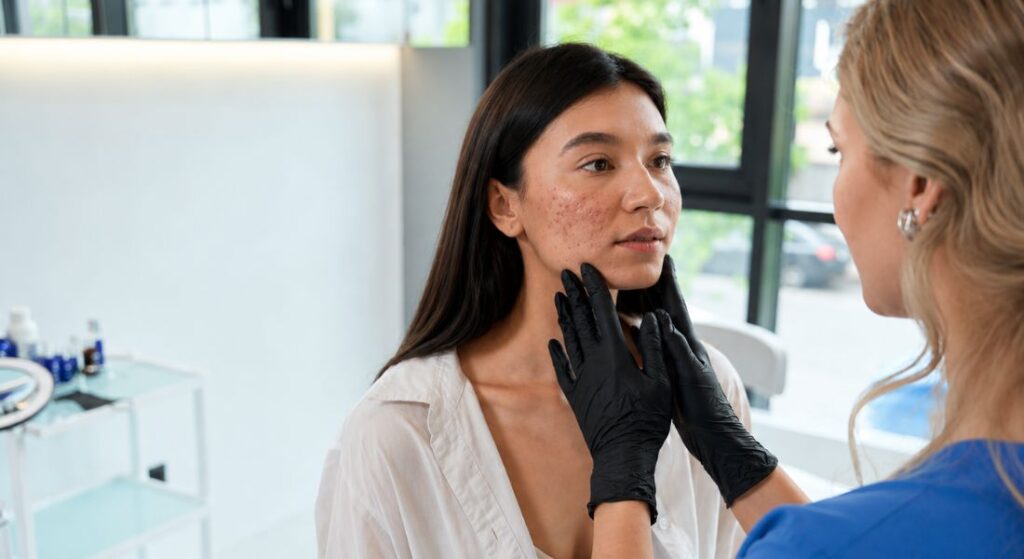
Scar treatment continues to be an active and evolving area in dermatology. New laser technologies, regenerative treatments, and injectable therapies are expanding the options available to you. These advancements aim to improve both the appearance and texture of scars.
Researchers are increasingly focusing on treatments that go beyond cosmetic improvement. The goal is to support healthier skin function and enhance the quality of repaired tissue. This means you may benefit from therapies that address both how a scar looks and how the skin behaves.
Future developments in scar management are expected to provide more consistent and predictable outcomes. As techniques continue to improve, you may see better long-term results from personalised treatment plans. This could give you more confidence in achieving smoother and more natural-looking skin.
Longevity and Skin Health Research
Skin longevity is becoming an increasingly important focus within dermatology. Researchers are exploring ways to help you maintain healthier skin function as you age. This goes beyond cosmetic improvement and looks at long-term skin strength and resilience.
The aim is to better support your skin’s natural repair, protection, and regeneration processes. By understanding how ageing affects your skin at a deeper level, treatments can be designed to work more effectively over time. This may help you maintain healthier-looking and healthier-functioning skin for longer.
This field is expected to continue expanding throughout 2027 and beyond. You may see more treatments and technologies focused on preserving skin quality rather than just correcting visible signs of ageing. Ultimately, this could support better long-term skin health and ageing outcomes.
Greater Use of Data-Driven Dermatology
Dermatology is increasingly benefiting from large clinical datasets that help researchers understand disease patterns and treatment responses. These datasets allow you to be treated based on evidence drawn from thousands of similar cases. This can help improve the accuracy and reliability of clinical decisions.
Artificial intelligence and machine learning tools are now being used to analyse complex data more efficiently. These systems can identify trends that might not be immediately obvious to clinicians. For you, this may mean more precise insights into how your condition is likely to progress or respond to treatment.
As this approach develops further, it is expected to support more informed and evidence-based decision-making in dermatology. Clinicians may be able to personalise your treatment more effectively using real-world data. Ultimately, you could benefit from more accurate and consistent care outcomes.
Advances in Hair Loss Treatments
Hair loss research continues to be a highly active and evolving field. Scientists are exploring new regenerative approaches, cellular therapies, and innovative treatment pathways. These developments aim to give you more effective and targeted options for managing different types of hair loss.
Although many of these therapies are still under investigation, early findings are showing promising potential. Researchers are working to better understand how hair follicles can be stimulated and protected over time. This may eventually lead to treatments that offer more sustained and noticeable results for you.
In the future, you may have access to a wider range of treatment options tailored to your specific type of hair loss. These advances could improve both hair density and overall scalp health. As research continues, the focus remains on providing more personalised and effective solutions for you.
Enhanced Patient Education Through Technology
If you have ever searched online for skin-related information, you will know how much easier it has become to access dermatology resources. Digital platforms are now making it simpler for you to understand your condition and the available treatment options. From mobile apps to interactive tools and AI-assisted guidance, technology is changing the way patient education is delivered. As these tools continue to improve, you are likely to become more informed and confident about your skin health decisions.
- Greater Access to Reliable Information: Digital platforms provide easy access to dermatology information whenever you need it. This helps you learn more about your condition without waiting for in-person appointments.
- Interactive Learning Tools: Mobile applications and online tools can offer step-by-step explanations of skin conditions and treatments. These resources make it easier for you to understand complex medical information in a simple way.
- AI-Assisted Educational Support: Artificial intelligence tools can help explain symptoms, treatment options, and care routines in a more personalised manner. If you use these tools, you may find it easier to make sense of your dermatology care plan.
- Improved Treatment Adherence and Outcomes: When you understand your condition better, you are more likely to follow treatment advice correctly. This often leads to better long-term results and improved management of skin conditions.
Enhanced patient education is becoming an important part of modern dermatology care. You now have more ways than ever to learn about your condition and take an active role in your treatment. With the help of digital tools, understanding complex information has become more straightforward and accessible. As technology continues to evolve, you can expect even more supportive and user-friendly educational resources in the future.
The Future of Dermatology Looks Increasingly Personalised
One of the most significant trends expected in 2027 is the continued shift towards personalised dermatological care. This means treatments are increasingly designed around your individual skin type, condition, and health profile. As a result, you may receive more targeted and effective care than ever before.
Advances in genetics, artificial intelligence, regenerative medicine, biologics, and digital health are all driving this change. These technologies help clinicians understand your skin condition in much greater detail. This allows your treatment plan to be tailored more precisely to your specific needs.
Overall, dermatology is moving towards a future where care is highly individualised. You may benefit from treatments that are chosen based on how your body is likely to respond. This personalised approach could improve both outcomes and your overall treatment experience.
FAQs:
1. Will AI replace dermatologists in the future?
Artificial intelligence is expected to become an increasingly valuable tool in dermatology, but it is unlikely to replace dermatologists. AI can assist with image analysis, pattern recognition, and screening support. However, diagnosis and treatment decisions still require clinical expertise and patient assessment. AI is best viewed as a tool that complements specialist care.
2. Are new biologic treatments being developed for skin conditions?
Researchers continue to develop new biologic therapies for conditions such as psoriasis, eczema, and hidradenitis suppurativa. These treatments are designed to target specific immune pathways involved in disease development. Future biologics may offer improved effectiveness and fewer side effects. Personalised treatment selection is also becoming more common.
3. What is personalised dermatology care?
Personalised dermatology focuses on tailoring treatment to an individual’s unique characteristics. Factors such as genetics, skin type, lifestyle, and disease severity may influence treatment choices. This approach aims to improve outcomes while reducing unnecessary treatment changes. It is expected to become increasingly important in the coming years.
4. How could genetics influence dermatology treatments in 2027?
Advances in genetic research are helping scientists understand why people respond differently to treatments. Genetic information may eventually help clinicians predict which therapies are most likely to be effective for specific patients. This could lead to more targeted and efficient treatment plans. Research in this area continues to expand rapidly.
5. What role will regenerative medicine play in dermatology?
Regenerative medicine aims to support the skin’s natural healing and repair processes. Researchers are investigating technologies such as stem cells, growth factors, and tissue engineering for a variety of skin conditions. These treatments may eventually improve outcomes for wound healing, scarring, and skin ageing. However, many applications are still being studied.
6. Are dermatology treatments becoming safer for different skin tones?
There is increasing recognition of the need for dermatological research that reflects diverse skin types and ethnic backgrounds. Researchers are working to improve diagnosis and treatment strategies for patients with skin of colour. This may help reduce disparities in care and improve treatment outcomes. More inclusive research is expected to continue in 2027.
7. How are digital health technologies changing dermatology?
Digital health tools such as mobile apps, remote monitoring systems, and wearable devices are becoming more common. These technologies can help patients track symptoms and share information with their healthcare providers. They may also support earlier intervention when flare-ups occur. Improved patient engagement is one of the key benefits.
8. Could future dermatology treatments focus on the skin microbiome?
Scientists are increasingly studying the relationship between the skin microbiome and skin health. Future treatments may aim to restore healthy microbial balance rather than simply treating symptoms. This could create new approaches for managing conditions such as eczema, acne, and rosacea. Research in this area remains highly active.
9. Will combination therapies become more common in dermatology?
Many dermatologists already use multiple treatments to achieve the best results for certain conditions. Future research is exploring how biologics, lasers, topical medications, and regenerative therapies can work together safely. Combination approaches may offer more comprehensive disease management. Evidence supporting these strategies continues to grow.
10. What does the future of dermatology look like beyond 2027?
The future of dermatology is likely to become more personalised, technology-supported and data-informed. Advances in artificial intelligence, genetics, regenerative medicine, and digital healthcare are likely to shape patient care for years to come. These innovations aim to improve diagnostic accuracy, treatment effectiveness, and patient experience. As research progresses, dermatological care may become more precise than ever before.
Final Thoughts: Dermatology in 2027 and Beyond
The developments expected in dermatology throughout 2027 highlight an exciting shift towards more personalised, precise, and patient-centred care. Advances in artificial intelligence, biologic therapies, regenerative medicine, and digital health technologies are creating new opportunities to diagnose skin conditions earlier and tailor treatments more effectively. As research continues to evolve, patients may benefit from improved outcomes, enhanced safety, and treatment plans that better reflect their individual needs.
While many of these innovations are still being refined through ongoing clinical studies, they offer a promising glimpse into the future of skin health. The growing focus on precision medicine, diverse skin types, and data-driven decision-making is expected to shape dermatological care for years to come. If you would like to book a consultation with one of our dermatologists, you can contact us at the London Dermatology Centre.
References:
- Zbrzezny, A.M. and Krzywicki, T. (2025) ‘Artificial intelligence in dermatology: A review of methods, clinical applications, and perspectives’, Applied Sciences. Available at: https://www.mdpi.com/2076-3417/15/14/7856
- Bin Dayel, S. et al. (2025) ‘Exosomes in dermatology: Emerging roles in skin health and disease’, Pharmaceutics. Available at: https://www.mdpi.com/1999-4923/17/5/600
- Behara, K. et al. (2024) ‘AI in dermatology: A comprehensive review into skin cancer diagnosis, classification, and treatment’, Journal of Clinical Medicine. Available at: https://pmc.ncbi.nlm.nih.gov/articles/PMC11784784/
- Chow, A. et al. (2024) ‘Teledermatology: An evidence map of systematic reviews’, Systematic Reviews. Available at: https://pubmed.ncbi.nlm.nih.gov/39396040/
- Hutchison, E. et al. (2024) ‘Skin of colour: Essentials for the non-dermatologist’, Clinical Medicine. Available at: https://pmc.ncbi.nlm.nih.gov/articles/PMC11046548/