


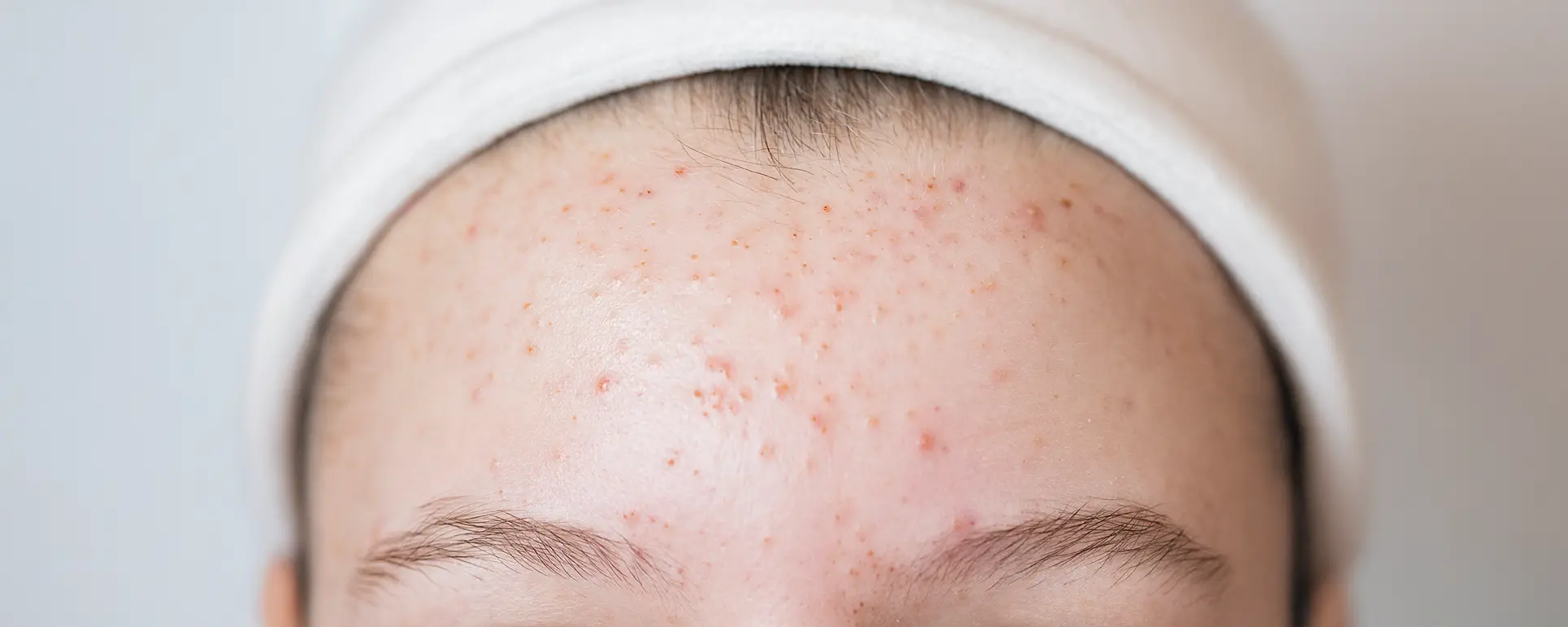
If you’ve ever looked closely at your skin and felt confused about whether you’re dealing with acne scars or enlarged pores, you’re definitely not alone. These two concerns can look incredibly similar at first glance, especially under certain lighting or when the skin is oily or dehydrated. Many people assume they have acne scars when, in reality, their main issue is enlarged pores and others think they have “big pores” when they’re actually dealing with textured scarring. The catch is that these two conditions are completely different beneath the surface, which means the treatment you choose must match the true underlying problem.
In this article, I want to help you understand how to tell the difference between acne scars and enlarged pores, why the distinction really matters, and what kinds of treatments are effective for each concern. When you know exactly what you’re dealing with, you can avoid wasting time and money on treatments that make little to no difference. By the end of this guide, you’ll be able to identify the specific features of each condition, understand the roots of the problem, and decide on the right path for smoother, clearer skin.
Why Acne Scars and Enlarged Pores Are Easy to Confuse
Enlarged pores and acne scars both create uneven texture on the skin, and both can appear as small indentations. When you look in the mirror, you may see little dips, shadows, or clusters of tiny holes that look very similar from a distance. When the lighting is harsh or angled, the appearance becomes even more dramatic, and the two conditions look nearly identical. Another reason they get confused is that both often appear on the same areas of the face especially the cheeks, nose, forehead, and chin. If you’ve had acne in the past, it’s easy to assume that any texture you see now must be scarring from that acne. But your pores could simply be reacting to oil, genetics, or ageing.
Because the visual overlap is so strong, it can be difficult to understand what’s really happening underneath the skin. But the structure, behaviour, and root cause of each condition are completely different.
What Enlarged Pores Really Are
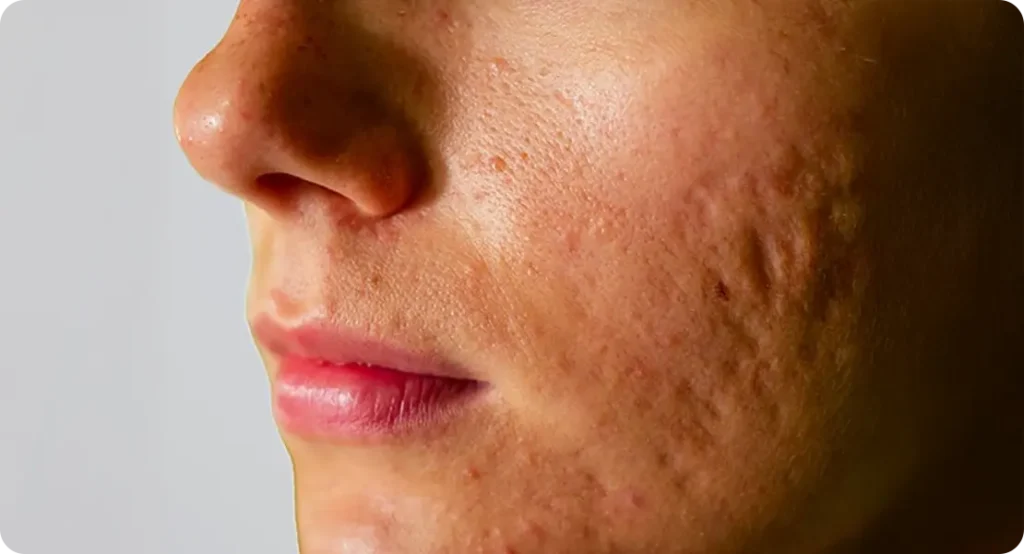
Enlarged pores are simply openings of the hair follicle that have stretched or widened over time. Every pore has a sebaceous gland that produces oil. When the pores become clogged, overworked, or weakened, they enlarge and become more visible. This means enlarged pores are not scars. They’re part of your skin’s natural anatomy but pores can appear bigger depending on how your skin behaves.
Several things can cause enlarged pores. Genes play a huge role. If your parents have visible pores, you are more likely to have them too. Another major factor is skin type. People with oily skin tend to have larger pores because their sebaceous glands produce more oil, which expands the pore opening. Sun damage is another cause because it weakens the collagen around the pores, making them sag and look larger. Ageing also causes pores to appear bigger as the surrounding tissue loses firmness.
The good news is that enlarged pores are a functional issue, not permanent damage. This means treatments that regulate oil, tighten the pore walls, or boost collagen can make a big difference.
What Acne Scars Really Are
Unlike enlarged pores, acne scars are permanent structural changes caused by inflammation within the skin. When acne lesions penetrate deeply, your body responds by trying to repair the tissue. But sometimes the healing process doesn’t restore the area properly, leaving behind indentations or raised marks. These indentations form because collagen is damaged or lost during the inflammatory cycle.
Acne scars come in several forms. The most common are atrophic scars, which sit below the skin’s surface. These include ice-pick scars, boxcar scars, and rolling scars. Ice-pick scars are narrow and deep. Boxcar scars have sharp edges. Rolling scars are gentle depressions that give the skin a wave-like appearance. Each type behaves differently and requires specific treatments.
Unlike enlarged pores, acne scars do not simply “shrink” or tighten with skincare. They’re more stubborn and need structural treatments that reach the deeper layers of your skin.
Why It’s Crucial to Know Which One You Have
If you treat enlarged pores with the wrong methods, you won’t get results. If you treat acne scars with pore-focused treatments, you’ll also be disappointed. This is why knowing the difference is so important.
When enlarged pores are mistaken for acne scars, people often end up spending money on aggressive laser treatments that are unnecessary. Instead, these pores might respond better to exfoliation, sebum control, collagen-supporting treatments, or oil-regulating ingredients.
On the other hand, if acne scars are mistaken for enlarged pores, people may waste time on products like pore-minimising serums and clay masks, which won’t make any lasting difference to the scarring. True acne scars require advanced resurfacing treatments to rebuild collagen.
Understanding the difference is also important because each concern requires different expectations. Enlarged pores can improve significantly and sometimes quickly. Acne scars, however, require more patience and multiple sessions of specific treatments.
How to Tell the Difference: A Practical Guide
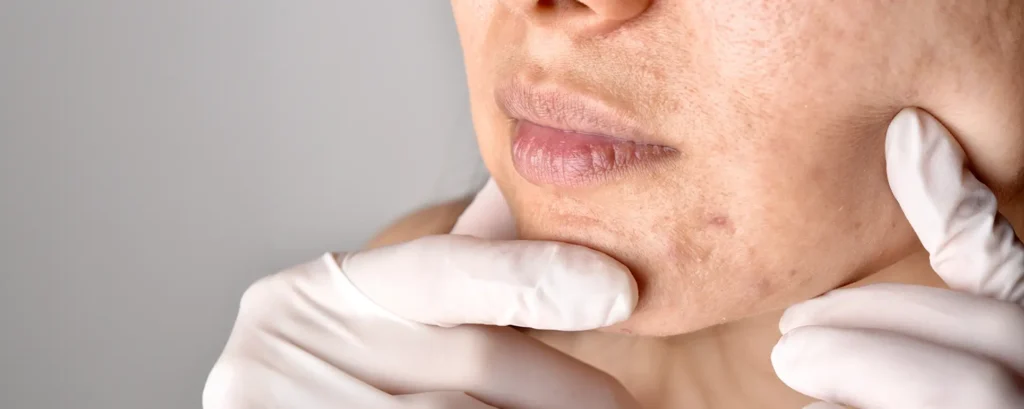
Let’s break down the most useful ways to identify whether you’re dealing with enlarged pores or true acne scars.
Shape and Size: Enlarged pores usually appear round, even, and symmetrical. They look like tiny circular openings. Acne scars can be uneven, irregular, or sharper in shape. Ice-pick scars are narrow and deep, while boxcar scars have wider, sharp edges.
Depth and Texture: Pores usually sit at the surface level and don’t sink deeply into the skin. Acne scars are deeper and create indentations that don’t disappear when your skin is stretched or moisturised.
Behaviour in Different Lighting: If the texture changes dramatically in angled or harsh lighting, it may be scarring. But if the appearance stays relatively consistent regardless of lighting, it may be pores.
Location: Enlarged pores often cluster around oily areas like the nose and T-zone. Acne scars commonly appear on the cheeks, temples, and jawline where deeper acne lesions once were.
Response to Skincare: Pores improve with retinoids, salicylic acid, niacinamide, and skincare that regulates oil. Acne scars do not respond well to these products because they require deeper collagen stimulation.
What Causes Enlarged Pores?
Several things trigger pore enlargement. The most common is excess sebum production. When your pores produce too much oil, they stretch and become more visible. Clogged pores can also expand because debris and dead skin cells accumulate inside them.
Ageing is another factor. As your skin loses collagen and elasticity, pores lose structural support, which makes them appear larger. Sun damage weakens the skin further and contributes to this effect. Heat and high humidity can also make pores appear bigger because the skin produces more oil. Another important cause is skin dehydration. When your skin lacks water, the surrounding tissue becomes lax, making pores seem larger. Ironically, many people with enlarged pores over-cleanse or use harsh products that strip their skin, which leads to dehydration and makes pores worse.
You should also know that genes play a major role. Some people naturally have more visible pores regardless of their skincare habits.
What Causes Acne Scars?
Acne scars happen when inflammation from acne damages the skin’s deeper layers. If you had painful cystic acne, large pimples, or inflamed breakouts, the chances of developing scars are higher. Picking or squeezing acne also increases the risk of scars because it deepens inflammation. When your body tries to repair the affected area, it sometimes produces too little collagen, leaving behind an indentation. Other times, it produces too much collagen, creating raised scars. Most people struggle with atrophic (indented) scars, which sit below the surface and make the skin look uneven.
The severity of your scars depends on the intensity of the inflammation, how you treated your acne, and how your skin naturally heals.
Why Misdiagnosis Leads to Poor Results
Misdiagnosing pores as acne scars, or acne scars as pores, leads to frustration because the wrong treatment produces little to no improvement. This is why it’s so important to understand the root cause.
If you treat enlarged pores with aggressive resurfacing lasers before addressing oil production, pore blockages, or dehydration, you may see only minor improvement. The underlying issue still exists, so the pores remain visible. If you treat acne scars superficially with pore-tightening products, nothing will change because these scars sit below the surface. You can exfoliate, cleanse, or shrink the pores all you want acne scars require deep collagen rebuilding.
Correct diagnosis saves time, money, and disappointment.
Treatments That Work Best for Enlarged Pores
Enlarged pores respond best to treatments that regulate oil, increase cell turnover, and build superficial collagen. While genetics play a role, you can still make significant improvements by targeting the right factors.
Topical Retinoids: Retinoids increase cell turnover, unclog pores, and stimulate collagen. Over time, they help tighten pore walls.
Salicylic Acid: This oil-soluble exfoliant penetrates deep into the pores, clears blockages, and reduces oil.
Niacinamide: Niacinamide strengthens the skin barrier, regulates oil production, and reduces pore visibility.
Chemical Peels: Peels help remove surface debris and boost collagen. For enlarged pores, glycolic acid and salicylic acid peels are particularly effective.
Microneedling: Microneedling helps increase collagen around the follicle openings, reducing their size.
Laser Treatments: Non-ablative fractional lasers can help tighten the pore walls and stimulate collagen.
Enlarged pores improve best when you address oil, dead skin, and collagen loss together.
Treatments That Work Best for Acne Scars
Acne scars are deeper, so they require structural treatments. These procedures reach the deeper dermal layers where the scar tissue is located. They encourage collagen remodelling, which fills and smooths the indentations.
Fractional CO₂ Laser: This is one of the most effective treatments for moderate to severe acne scars. It vaporises tiny columns of skin and triggers deep collagen rebuilding.
Microneedling with Radiofrequency: This combination tightens the skin and breaks up scar tissue. It’s excellent for rolling scars and boxcar scars.
Subcision: Subcision is ideal for tethered scars. A tiny needle breaks the fibrous bands pulling the scar down.
TCA Cross: The TCA Cross technique is designed for ice-pick scars. High-strength TCA is applied directly into the scar to stimulate collagen.
Dermal Fillers: Fillers can be used to lift deep scars temporarily or long-term, depending on the material.
Punch Excision: This is used for the narrowest and deepest scars.
Acne scar treatment plans are often combined for optimal results, depending on the scar type.
Why Enlarged Pores and Acne Scars Need Opposite Treatments
Enlarged pores benefit from treatments that regulate oil and boost superficial collagen. Acne scars benefit from deeper, more structural treatments that break down scar tissue and stimulate dermal remodelling. If you use pore treatments on scars, they won’t improve. If you use scar treatments on pores, they may improve slightly but will not solve the root cause.
Understanding this difference empowers you to choose the right approach and avoid unnecessary frustration.
How Lighting Affects Diagnosis
Lighting plays a huge role in how your skin texture looks. This is why many people think they have severe scarring when, in reality, the lighting is exaggerating normal pores. Harsh lighting highlights every shadow and indentation. Natural daylight is much more accurate. If your skin texture looks drastically different depending on the lighting, it’s often pores. If your texture looks consistently uneven regardless of lighting, it may be scarring.
Why Skin Ageing Increases Both Conditions
As you age, your skin loses collagen and elasticity. This causes pores to stretch and scars to become more visible. Even if you didn’t struggle with acne earlier, ageing can make existing pores appear larger and scars more noticeable. This is why collagen-stimulating treatments become increasingly important as we age.
Frequently Asked Questions:
1. Can acne scars and enlarged pores appear in the same area at the same time?
Yes, it’s entirely possible for both acne scars and enlarged pores to exist in the same region of your face. This is especially common in areas prone to oiliness, such as the cheeks, forehead, and nose. While they may coexist, their causes and structures are different, so each condition needs a tailored approach for effective treatment.
2. How quickly can I expect to see improvement in enlarged pores?
Enlarged pores can often show noticeable improvement relatively quickly, especially when treatments target the underlying causes such as excess oil, clogged pores, or collagen loss. With consistent use of retinoids, chemical peels, or other pore-tightening therapies, changes can sometimes be seen in a few weeks. However, the results depend on your skin type, genetics, and adherence to treatment.
3. Are acne scars permanent?
Acne scars are generally considered permanent because they are structural changes in the skin caused by collagen loss or abnormal healing after inflammation. While the scars themselves do not disappear naturally, they can be significantly improved through treatments that stimulate collagen remodelling, such as fractional CO₂ lasers, microneedling, or subcision.
4. Can skincare products alone fix acne scars?
Skincare products can support overall skin health but cannot remove deep acne scars. Unlike enlarged pores, which respond to exfoliation and oil regulation, acne scars require treatments that reach the deeper layers of the dermis to rebuild collagen and smooth out indentations. Topical products may help with minor texture improvements or pigmentation, but structural changes need professional procedures.
5. Will laser treatments help both enlarged pores and acne scars?
Laser treatments can help both, but the type of laser and settings differ. Non-ablative fractional lasers or gentle resurfacing lasers work well for enlarged pores by tightening the follicle walls and boosting collagen superficially. Acne scars require deeper, more aggressive treatments like fractional CO₂ lasers or microneedling with radiofrequency to stimulate structural remodelling.
6. Does age affect how my skin responds to treatment?
Yes, ageing impacts both conditions because collagen and elastin naturally decline over time. Pores may appear larger, and existing scars can become more noticeable as skin loses firmness. Ageing skin often benefits from collagen-stimulating treatments to maintain structural support, regardless of whether the concern is pores or scars.
7. How can I prevent enlarged pores from becoming worse?
Enlarged pores are influenced by genetics, oil production, sun damage, and ageing. Maintaining a consistent skincare routine that regulates sebum, prevents debris build-up, and protects against UV damage is key. Over-cleansing or harsh products can actually worsen the appearance of pores by dehydrating the skin and reducing elasticity.
8. Can acne scars form without previous severe acne?
While severe or cystic acne increases the risk of scarring, even mild or moderate acne can leave behind scars if lesions are inflamed or manipulated through picking or squeezing. The likelihood and severity of scarring also depend on how the skin heals naturally and whether appropriate treatments were used during active acne.
9. How does lighting affect the way my skin looks?
Lighting can dramatically change the perceived texture of your skin. Harsh or angled lighting highlights shadows, making enlarged pores and minor unevenness appear more pronounced. In natural daylight, the texture is usually more accurately represented. Misjudging your skin under certain lighting can lead to confusion about whether you have scars or simply enlarged pores.
10. How do I know which treatment is right for me?
The right treatment depends entirely on the underlying condition. Enlarged pores respond best to oil regulation, exfoliation, and superficial collagen support. Acne scars require treatments that stimulate deep collagen remodelling or mechanically release tethered scar tissue. Consulting a dermatologist or qualified skincare professional is crucial to get an accurate diagnosis and a personalised plan that targets your specific concerns.
Final Thought: Choosing the Right Approach for Your Skin
Understanding the difference between acne scars and enlarged pores is the first step toward achieving smoother, clearer skin. Accurate diagnosis ensures you choose the right treatments and avoid wasting time and money on methods that won’t address the root cause. While enlarged pores often respond well to skincare and superficial collagen-boosting treatments, acne scars require deeper, structural approaches for meaningful improvement. If you’re considering acne scar treatment in London, contact us at London Dermatology Centre to book a consultation with one of our specialists and discuss a personalised plan tailored to your skin’s needs.
References:
1. Chilicka‑Hebel, K., Rusztowicz, M., Szygula, R., & Nowicka, D. (2022) ‘Methods for the Improvement of Acne Scars Used in Dermatology and Cosmetology: A Review’, Journal of Clinical Medicine, 11(10), 2744. https://www.mdpi.com/2077-0383/11/10/2744
2. Odrzywołek, W., Deda, A., Kuca, D., Bożek, M., Makarski, K., & Wilczyński, S. (2025) ‘Quantitative Evaluation of the Effectiveness of Erbium Glass Laser Therapy for Acne Scars’, Applied Sciences, 15(2), 995. https://www.mdpi.com/2076-3417/15/2/995
3. Connolly, D., Gallo, R., & Gold, M. (2017) ‘Acne Scarring Pathogenesis, Evaluation, and Treatment’, International Journal of Women’s Dermatology. https://pmc.ncbi.nlm.nih.gov/articles/PMC5749614/
4. Chilicka‑Hebel, K. et al. (2022) ‘Methods for the Improvement of Acne Scars Used in Dermatology and Cosmetology: A Review’, Journal of Clinical Medicine, 11(10), 2744. https://pmc.ncbi.nlm.nih.gov/articles/PMC9147527/
5. Kim, J.H. et al. (2024) ‘Alterations in epidermal stem cells within the pilosebaceous unit in atrophic acne scars’, Australasian Journal of Dermatology. https://pubmed.ncbi.nlm.nih.gov/38419202/