


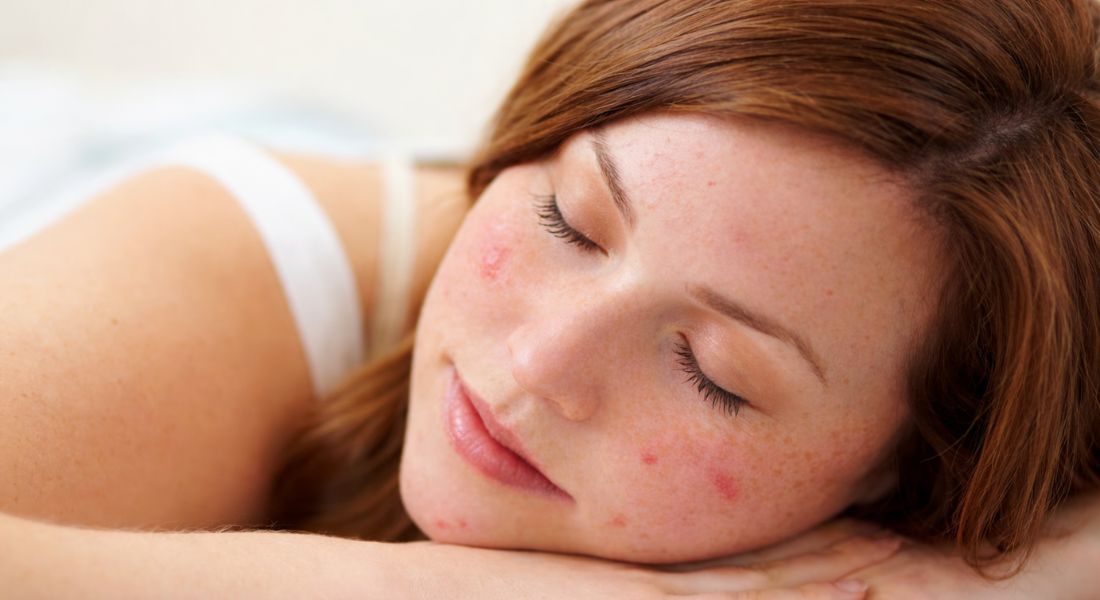
If you’ve ever woken up after a few sleepless nights and noticed your skin looking worse, you’re not imagining it. Sleep is crucial for your body to repair itself, regulate hormones, and control inflammation. When your sleep is disrupted, your skin can be one of the first areas to show the impact. You might see more breakouts, redness, or dullness than usual.
Acne is a complicated condition influenced by many factors, both inside and outside your body. While hormones, diet, and skincare often take centre stage, sleep is an equally important contributor that’s often overlooked. When you don’t get enough rest, it can throw your skin’s balance off, making it more prone to breakouts. Poor sleep can affect how your skin heals and responds to other treatments.
Biologically, sleep deprivation can increase stress hormones like cortisol. Higher cortisol levels can trigger inflammation and stimulate oil production, creating an environment where acne thrives. You might also notice slower healing, meaning spots take longer to fade. Understanding these mechanisms helps you see why good sleep matters for your skin.
By prioritising better sleep habits, you can support healthier, clearer skin. Simple changes, like sticking to a routine, reducing screen time before bed, and creating a calming environment, can make a big difference. When you care for your sleep, you’re not just helping your skin you’re supporting your overall well-being too.
Why Sleep Is Important for Skin Health
Sleep is when your body gets the chance to repair and restore itself, and your skin benefits hugely from this. During this time, skin cells regenerate and essential proteins like collagen are produced. These processes are key to keeping your skin healthy and resilient.
When you reach deep sleep, blood flow to your skin increases, which helps with repair and renewal. This means your skin can recover from daily damage more effectively. You’ll notice it looking fresher and more balanced when you’ve had enough rest.
If you don’t get adequate sleep, these restorative processes are disrupted. Your skin may look dull, feel less resilient, and become more prone to breakouts. Prioritising rest is essential if you want your skin to stay healthy and balanced.
The Link Between Sleep and Hormones
Sleep plays a big role in keeping your hormones in check. When you don’t get enough rest, your body produces more stress hormones, like cortisol, which can affect your skin. You might notice your breakouts flare up when you’re tired or stressed.
Higher cortisol levels can also make your skin produce more oil. This excess oil can clog your pores and create the perfect environment for acne. It’s a clear example of how hormonal imbalance directly impacts your skin.
Knowing this link helps you understand why poor sleep can trigger flare-ups. Your hormones and skin are closely connected, so keeping them balanced is essential. Taking care of your sleep can make a real difference to your skin health.
Cortisol and Acne Flare-Ups

Cortisol is often called the stress hormone, and it can have a big impact on your skin. When your sleep is limited, cortisol levels can stay higher for longer. This can trigger more inflammation and increase oil production in your skin. You might notice that your skin feels more sensitive or oily during stressful periods.
Inflammation is a key factor in how severe acne can become. When cortisol is elevated, breakouts can appear more inflamed and noticeable. This can make spots feel more uncomfortable and affect your overall skin appearance. Understanding this link helps you see how stress and sleep can influence your acne.
Managing your cortisol levels through better sleep and stress control can really help improve your skin. Simple changes like consistent sleep routines or relaxation techniques can make a noticeable difference. You’re not just treating acne on the surface; you’re supporting your skin from the inside.
Focusing on hormonal balance highlights the importance of rest and self-care. By keeping cortisol in check, you’re giving your skin a better chance to stay clear. Small lifestyle adjustments can complement your skincare routine and improve outcomes over time. You have more control over your skin health than you might think.
Increased Oil Production with Sleep Loss
When you don’t get enough sleep, your sebaceous glands can become more active and produce extra oil. This is partly because of changes in your hormones during sleep deprivation. The excess oil can lead to clogged pores, which is a key factor in acne development. You might notice your skin feeling greasier than usual when your sleep is off.
Blocked pores create the perfect environment for bacteria to thrive. This can make breakouts more likely and sometimes more severe. Oily skin can feel uncomfortable and may make acne harder to manage. Understanding this connection shows why sleep is so important for your skin.
Controlling oil production is an important part of managing acne. Getting adequate rest helps your hormones and skin stay balanced. By prioritising sleep, you’re supporting healthier, clearer skin from the inside out.
Inflammation and Skin Response
How well you sleep can have a bigger impact on your skin than you might realise. When you don’t get enough rest, inflammation in your body rises, and your skin isn’t spared. This heightened inflammatory response can make acne worse, causing spots to become more painful, red, and persistent. Understanding this link shows just how important rest is for keeping your skin calm and healthy.
- Lack of sleep increases inflammation: When your body misses out on rest, inflammatory processes ramp up. This includes your skin, which can become more reactive and prone to flare-ups. Even a few nights of poor sleep may make breakouts feel worse than usual.
- Inflamed acne is more painful and persistent: Spots that are inflamed tend to hurt more and linger longer than regular blemishes. You may notice redness, swelling, or tenderness that makes the acne feel more severe. The longer the inflammation lasts, the higher the chance of marks or scarring.
- Inflammation slows healing: When your skin is inflamed, it takes longer for blemishes to recover. The healing process becomes slower, making it feel like breakouts never fully clear. Reducing inflammation is key to helping your skin repair itself efficiently.
- Sleep supports recovery and reduces inflammation: Getting enough rest helps regulate your body’s inflammatory response, giving your skin a chance to recover. Even small improvements in sleep patterns can make a noticeable difference in the way your skin responds.
By prioritising good sleep, you’re helping your skin manage inflammation more effectively. It’s a simple but powerful step that supports clearer, calmer skin while also benefiting your overall health.
Slower Skin Healing
One of the most noticeable effects of poor sleep is slower healing. If you don’t get enough rest, acne spots can take longer to disappear. This can make breakouts feel more persistent and noticeable on your skin. Understanding this link helps you see why sleep matters for clear skin.
During sleep, your body produces growth factors that help repair tissue and support healing. When you’re not sleeping enough, this process doesn’t work as efficiently. Your skin struggles to recover as quickly, which can prolong the life of blemishes. You might notice that spots linger longer after a bad night’s sleep.
Improving your sleep can really enhance your skin’s recovery. Faster healing reduces the chance of acne marks forming and helps your skin look healthier overall. By prioritising rest, you’re supporting clearer, more resilient skin. Good sleep is a simple but powerful way to improve your skin’s appearance.
The Skin Barrier and Sleep
Your skin barrier plays an important role in protecting against environmental damage and preventing moisture loss. When you don’t get enough sleep, this barrier can become weakened. That makes your skin more vulnerable to irritation and other issues. Understanding this connection can help you see why rest really matters for your skin.
A compromised skin barrier can lead to dryness and irritation, which may cause your skin to produce extra oil. This combination can worsen breakouts and make acne harder to manage. Even small disruptions to your routine, like poor sleep, can have a noticeable effect. Being aware of this can help you take steps to protect your skin.
Supporting your skin barrier is essential for maintaining healthy skin. Getting adequate sleep helps it function properly and keeps your skin balanced. When you prioritise rest, you’re giving your skin the best chance to recover and stay healthy. A little focus on sleep can make a real difference to your skin’s overall appearance and resilience.
Sleep and Immune Function
Sleep has a big impact on your immune system and how well it functions. When you don’t get enough rest, your immune response can become weaker. This means your body is less able to manage issues like acne effectively. Understanding this link shows why good sleep is so important for your skin.
A weaker immune system can allow bacteria to thrive more easily, which may trigger more breakouts. Your skin can also become more reactive and inflamed when you’re sleep-deprived. Even short-term sleep loss can make a noticeable difference in how your skin behaves. Being aware of this can help you take steps to protect your skin’s health.
Making sure you get enough quality sleep supports your immune system and helps with acne management. Rest is an essential part of overall health, not just for your skin. When your immunity is strong, your skin is better able to stay clear and balanced. Prioritising sleep can really improve how your skin looks and feels over time.
Sleep Deprivation and Stress
Poor sleep can often leave you feeling more stressed, and this creates a cycle that can make acne worse. When you’re not resting well, stress levels tend to rise, and stress itself can make it harder to sleep. You end up caught in a loop where both affect your skin. Being aware of this cycle is the first step in managing it.
Stress triggers the release of cortisol, a hormone that influences oil production and inflammation. When combined with a lack of sleep, this can make breakouts more frequent and severe. You might notice your skin becoming more reactive or sensitive during stressful periods. Recognising these links helps you understand why your skin behaves the way it does.
Breaking this cycle is really important if you want healthier skin. Improving your sleep and managing stress can reduce the impact on your skin. Simple steps like a relaxing bedtime routine or stress-reduction techniques can make a difference. You’re giving your body a chance to recover and reset.
Finding a balance between rest and stress management supports overall skin health. When you prioritise sleep, your body is better equipped to regulate oil, inflammation, and healing. Over time, this can lead to clearer, calmer skin. Taking care of yourself inside and out is key to long-term results.
The Role of Melatonin
Melatonin is a hormone that helps regulate your sleep, but it also plays a role in protecting your skin. It has antioxidant properties that support repair and help defend against damage. When your melatonin levels are balanced, your skin benefits from this added protection. Knowing this can make you appreciate why sleep really matters for your skin.
When you don’t get enough rest, melatonin production can be disrupted. This reduces its protective effects, leaving your skin more vulnerable to inflammation and stress. You might notice breakouts or irritation becoming worse during periods of poor sleep. Understanding this link can help you see how internal factors influence your skin.
Maintaining healthy sleep patterns helps support melatonin levels and overall skin health. When your hormone balance is on track, your skin has a better chance to repair and stay resilient. Prioritising rest is a simple but powerful way to protect your skin and improve its appearance. Taking care of your sleep is taking care of your skin.
Night-Time Skin Repair
Your skin does most of its repair work at night, including cell turnover and collagen production. This is when your body really focuses on renewing and repairing itself. Getting enough sleep allows these processes to happen efficiently. Understanding this shows why rest is such an important part of your skincare routine.
When you don’t get adequate sleep, your skin struggles to repair itself properly. This can leave your complexion looking dull and may increase the likelihood of breakouts. Recovery is slower, and your skin may feel less resilient. You can see how even a single poor night’s sleep can have a noticeable effect.
Supporting your skin’s night-time repair helps improve its overall quality and health. Rest gives your skin the chance to function at its best and maintain its balance. Prioritising sleep is a simple but powerful way to support renewal and keep your skin looking healthy. When you take care of your sleep, you’re helping your skin too.
Lifestyle Habits and Sleep Quality

The way you live day to day can have a surprising impact on both your sleep and your skin. Things like spending too much time on screens, drinking caffeine late in the day, or keeping irregular schedules can all make it harder to get a good night’s rest. When your sleep suffers, your skin often shows it breakouts may worsen, and inflammation can increase. Paying attention to your habits is a simple way to support clearer, healthier skin.
- Screen time and late-night activities can disrupt sleep: Using phones, tablets, or computers before bed can interfere with your natural sleep patterns. The light from screens can trick your body into staying alert, making it harder to fall asleep. Reducing screen time in the evening can help you get more restorative rest.
- Caffeine and stimulants affect your sleep quality: Drinking coffee, tea, or energy drinks too late in the day can keep you awake when your body needs rest. Even small amounts of caffeine in the afternoon may make it harder for you to sleep soundly. Being mindful of your intake can improve both sleep and skin recovery.
- Irregular schedules confuse your body clock: Going to bed and waking up at different times each day can disrupt your body’s internal clock. This irregularity can affect hormone levels, which may contribute to acne flare-ups. Keeping a consistent routine helps your body and skin function optimally.
- Small lifestyle changes make a big difference: Simple adjustments like winding down before bed, limiting caffeine, and sticking to a regular sleep schedule can improve your rest. Over time, these habits support both hormone balance and skin health, helping reduce breakouts and inflammation.
By focusing on good sleep hygiene and mindful lifestyle habits, you’re giving your skin the support it needs to stay clear and healthy. Even small, consistent changes can have a noticeable effect on how your skin looks and feels.
Acne Flare Patterns with Poor Sleep
Many people notice that their acne seems to worsen after periods of poor sleep. Breakouts can appear more inflamed, stubborn, and harder to manage. You might find that even small disruptions to your rest show up on your skin. These patterns are quite common and nothing to worry about unnecessarily.
Being able to recognise these flare patterns helps you identify what might be triggering your breakouts. When you know your triggers, you can take steps to manage them proactively. This awareness gives you more control over how your skin behaves. Understanding the link between sleep and acne is an important part of self-care.
Tracking your sleep alongside your skin’s condition can give you valuable insights. You’ll start to see correlations between rest and flare-ups, which can inform your skincare choices. Paying attention to these patterns helps you make better decisions for your skin health. When you understand your body’s signals, you can manage acne more effectively.
Skincare During Sleep Deprivation
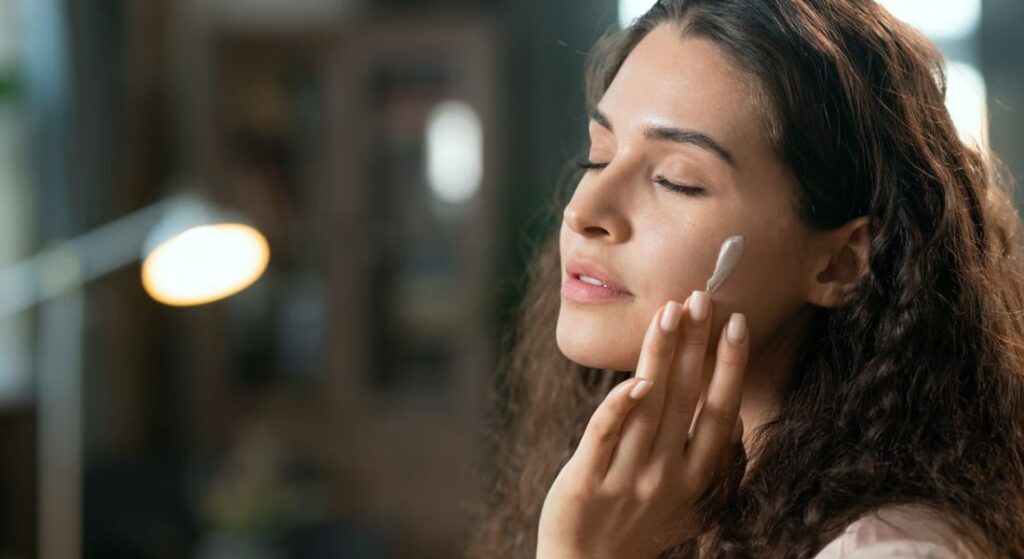
When your sleep is limited, keeping a consistent skincare routine becomes even more important. Gentle cleansing and regular hydration help support your skin barrier, keeping it resilient. It’s best to avoid harsh or irritating products, as these can make your skin more sensitive. You’re giving your skin extra support when it needs it most.
Using calming, non-irritating products can help reduce inflammation and manage breakouts. Even small steps, like applying a soothing moisturiser, can make a noticeable difference. Balanced care supports your skin’s recovery and helps it stay as healthy as possible. You’re helping your skin cope when your body isn’t getting enough rest.
Of course, skincare alone can’t replace the benefits of proper sleep, but it can help mitigate some of the effects. Combining consistent skincare with better sleep habits gives the best results. Staying consistent and gentle with your routine really pays off, especially during periods of poor rest. You’re setting your skin up to recover and stay balanced.
Professional Acne Treatment
If your acne worsens because of poor sleep, professional treatment might be necessary. A dermatologist can offer targeted therapies that help control inflammation and manage oil production. These treatments are personalised to suit your skin and its specific needs. You’ll benefit from expert guidance every step of the way.
Options can include topical creams, oral medications, and advanced procedures, depending on what your skin requires. These approaches work together to tackle multiple factors that contribute to breakouts. With the right combination, you’re more likely to see noticeable improvements. Personalised care really makes a difference in achieving clearer skin.
Seeking professional advice ensures that your acne is managed safely and effectively. Early intervention can help prevent complications and reduce the risk of long-term scarring. You’re supported throughout the process, giving you confidence and peace of mind. Professional care is an important part of keeping your skin healthy.
Long-Term Effects of Poor Sleep
Chronic sleep deprivation can have lasting effects on your skin. When you don’t get enough rest over time, hormonal imbalances and ongoing inflammation can contribute to persistent acne. You may notice that breakouts become more frequent or harder to manage. This can affect your confidence and overall quality of life.
Addressing sleep issues early is important to prevent long-term skin damage. By focusing on both your skin and lifestyle habits, you give your body the best chance to stay balanced. Simple changes in routine, like improving your sleep schedule, can make a real difference. Taking a proactive approach helps protect your skin over time.
Understanding the potential long-term impact of poor sleep encourages you to manage your habits more consciously. Regular rest supports hormonal balance, reduces inflammation, and helps your skin repair itself effectively. You can see how consistent self-care really pays off. Awareness of these effects puts you in control of your skin health.
When you combine good sleep with proper skincare and professional guidance if needed, you’re supporting your skin in multiple ways. Early intervention and consistency are key to achieving clearer, healthier skin. Over time, these habits can reduce the likelihood of persistent acne and help maintain your confidence. You’re investing in both your skin and your overall well-being.
Improving Sleep for Better Skin
Getting better sleep isn’t just good for your energy it can make a real difference to your skin too. When you sleep well, your hormones stay balanced, inflammation is reduced, and your skin has time to repair itself overnight. Establishing a regular sleep routine is one of the simplest ways to support clearer, healthier skin.
- Set a consistent sleep schedule: Going to bed and waking up at the same time every day helps regulate your body clock. This consistency supports hormone balance, which can reduce acne flare-ups and improve overall skin health. Even small adjustments to your routine can make a noticeable difference.
- Create a calm sleep environment: Making your bedroom a relaxing space can help you fall asleep faster and stay asleep longer. Dim lighting, a comfortable mattress, and a cool room temperature all contribute to better rest. A calm environment signals your body that it’s time to wind down.
- Manage stress before bedtime: Stress can disrupt your sleep and trigger hormonal changes that affect your skin. Practising relaxation techniques, like gentle stretches, reading, or mindfulness, can help you unwind and prepare your body for restorative sleep.
- Small changes add up over time: You don’t need to make dramatic changes all at once. Even modest improvements like going to bed a little earlier or limiting screen time can significantly improve your sleep quality. Over time, this consistency benefits both your skin and your overall wellbeing.
By prioritising better sleep, you’re giving your skin a chance to heal and maintain balance naturally. Consistent, quality rest supports clearer skin and helps you feel healthier from the inside out.
When to Seek Help
If your acne persists and seems linked to poor sleep, it might be time to seek professional advice. A dermatologist can help identify the factors contributing to your breakouts and recommend the most effective treatments. You’ll benefit from personalised guidance that targets your specific needs. Getting expert input early can make a real difference.
Sleep issues themselves may also need attention, as they can have a big impact on your skin and overall health. Addressing any underlying problems, such as insomnia or stress, can improve outcomes and help your skin recover. You’ll find that tackling both skin and lifestyle factors together is more effective than focusing on one alone. Comprehensive care supports long-term results.
Seeking help sooner rather than later reduces the risk of scarring and other complications. It also boosts your confidence as you start seeing improvements. You’re not alone in this, and timely professional support is an important step in keeping your skin healthy and balanced.
Why Sleep Matters for Acne Management
Understanding the role of sleep gives you a clearer perspective on managing acne. When you prioritise rest, you’re supporting your body’s internal balance, which plays a big part in how your skin behaves. This can make treatments more effective and improve overall outcomes. You start to see how lifestyle and skincare work together.
Recognising the connection between sleep and your skin helps you take control of flare-ups. When you know that poor rest can trigger inflammation or oil production, you can address the root causes rather than just the symptoms. This knowledge empowers you to make smarter choices for your skin. You’re better equipped to manage breakouts before they worsen.
By prioritising sleep, you give your skin the chance to repair and regenerate naturally. Healthy sleep patterns support cell turnover, reduce stress, and improve resilience. Over time, this leads to clearer, healthier-looking skin. Being aware of the impact of rest helps you take proactive steps toward success with your skincare routine.
Taking Control of Sleep-Related Acne
Managing acne linked to sleep deprivation means paying attention to your sleep habits, keeping up with a gentle skincare routine, and seeking professional treatment when needed. By addressing all these factors, you’re giving your skin the best chance to stay balanced. You’re not just treating the symptoms you’re tackling the root causes too.
With the right approach, you can reduce breakouts and support healthier-looking skin. Staying consistent with your routine and sleep habits really makes a difference over time. You’ll start noticing improvements that build up gradually. Control over your skin is achievable when you commit to these steps.
Taking proactive measures helps you manage your skin more effectively and supports your overall well-being. By finding a balance between rest, self-care, and expert guidance, you give yourself the best chance for long-term results. You’re investing in both your skin health and your confidence.
FAQs:
1. Can poor sleep really make my acne worse?
Yes, lack of sleep can increase stress hormones like cortisol, which triggers inflammation and oil production in your skin. This makes spots more likely to appear and heal more slowly. Over time, sleepless nights can make your acne feel more persistent and noticeable. Prioritising good sleep helps your skin stay calmer and clearer.
2. How does sleep affect hormone balance for acne?
When you don’t sleep enough, your hormone levels can get thrown off, particularly cortisol, which influences oil production and inflammation. This hormonal disruption can make breakouts more frequent or severe. Balancing your sleep helps keep hormones in check and reduces the risk of flare-ups.
3. Why does my skin heal slower when I’m sleep-deprived?
During sleep, your body produces growth factors and proteins like collagen that repair tissue and support skin healing. Without enough rest, these processes slow down, so blemishes take longer to fade. Getting sufficient sleep gives your skin the time it needs to recover properly.
4. Can poor sleep make my skin look dull or tired?
Absolutely. Sleep deprivation affects blood flow to your skin and disrupts repair processes, leaving your complexion looking less vibrant. You might notice more redness, uneven texture, or a lack of natural glow. Improving sleep helps your skin appear fresher and more balanced.
5. Does sleep deprivation increase oiliness and clogged pores?
Yes, insufficient rest can overstimulate your sebaceous glands, producing extra oil that can block pores. This creates the ideal environment for bacteria and acne to develop. Keeping a consistent sleep routine helps regulate oil production and reduces breakouts.
6. Can stress and poor sleep work together to worsen acne?
Definitely. Stress raises cortisol levels, and when combined with sleep deprivation, it can make inflammation and oiliness worse. This cycle can make spots more frequent, painful, and persistent. Managing stress alongside improving sleep is key to protecting your skin.
7. Does melatonin affect my skin too?
Yes, melatonin isn’t just for sleep it has antioxidant properties that help repair your skin and protect against inflammation. Poor sleep can disrupt melatonin production, leaving your skin more vulnerable to damage. Maintaining healthy sleep patterns helps your skin benefit from melatonin naturally.
8. Can small lifestyle changes really improve sleep-related acne?
They can. Simple steps like reducing screen time before bed, keeping a consistent sleep schedule, and creating a calm bedroom environment can make a big difference. Over time, these habits support hormone balance, reduce inflammation, and improve skin repair. Small, consistent changes add up to clearer skin.
9. Is skincare still important if I don’t sleep well?
Yes, gentle skincare helps support your skin barrier and manage inflammation, even when sleep is limited. Using non-irritating cleansers and moisturisers can help your skin cope with extra stress and oiliness. While skincare can’t replace sleep, it complements better rest and aids recovery.
10. When should I see a professional about sleep-related acne?
If your breakouts persist despite improving your sleep and skincare, a dermatologist can help identify contributing factors and recommend targeted treatments. They can guide you on managing inflammation, oil, and hormonal imbalances effectively. Early professional advice can prevent scarring and improve long-term results.
Final Thoughts: How Better Sleep Supports Clearer Skin
Sleep is essential for your skin to repair, regenerate, and maintain balance. Poor rest can increase inflammation, disrupt hormones, and slow healing, making acne worse and more persistent. By prioritising quality sleep, you give your skin the time it needs to recover and stay healthy.
Alongside better sleep, gentle skincare helps support your skin barrier, control oil, and reduce irritation. Even when rest is limited, maintaining a consistent routine can make a noticeable difference in how your skin looks and feels. Small changes add up over time, supporting clearer, calmer skin.
If you’re looking for excessive acne treatment in London, you can reach out to us at the London Dermatology Centre to book a consultation with one of our specialists. Combining professional care with good sleep habits helps you manage breakouts effectively and achieve healthier, more resilient skin.
References:
- Samaniego, M., Alonso, M., Sohail, N. and Mostaghimi, L., 2025. Sleep disturbances and acne: A comprehensive review. Dermatology Practical & Conceptual. Available at: https://pmc.ncbi.nlm.nih.gov/articles/PMC12615111/
- Güler, D., Soylu, S. and Güler, H.A., 2023. The relationship of acne severity with insomnia and chronotype. Archives of Dermatological Research. Available at: https://pubmed.ncbi.nlm.nih.gov/36809407/
- Sadur, A. et al., 2025. The sleep skin axis: Clinical insights into inflammatory dermatologic conditions. Dermato. Available at: https://www.mdpi.com/2673-6179/5/3/13/xml
- Kim, J. and colleagues, 2021. The effect of sleep on the salivary cortisol response to acute stressors: A review. Sleep Medicine, 77, pp.35–44. Available at: https://www.sciencedirect.com/science/article/abs/pii/S1389945720305189
- Gupta, M.A. and Gupta, A.K., 2023. Sleep deprivation and the skin. Clinical and Experimental Dermatology, 48(10), pp.1113–1118. Available at: https://academic.oup.com/ced/article/48/10/1113/7191992