


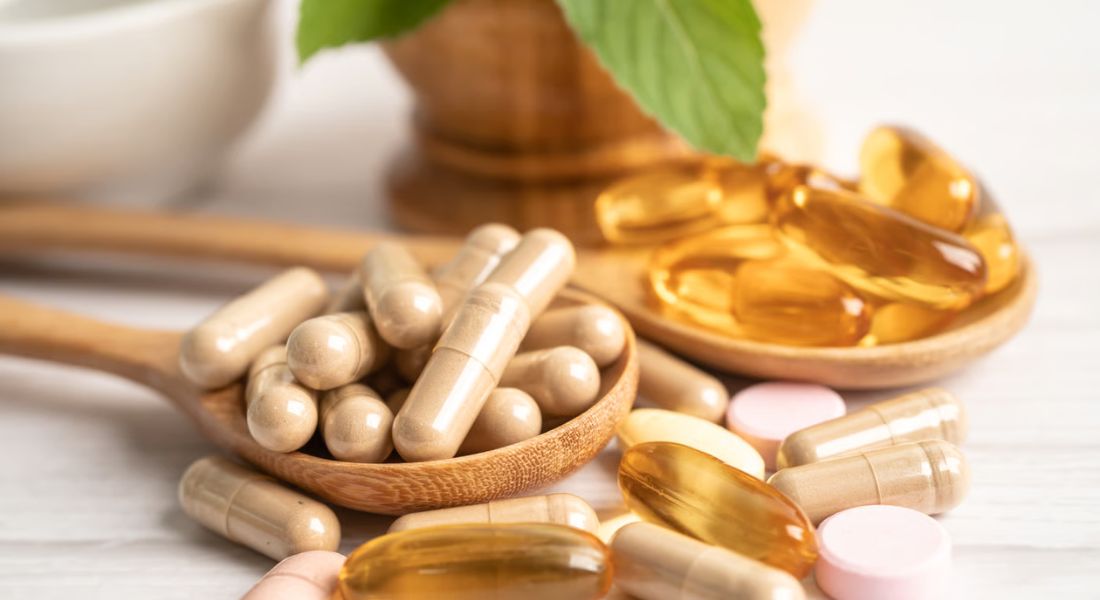
When you think about acne, you probably immediately consider hormones, skincare routines, or even genetics. But have you ever stopped to wonder whether your diet could be playing a part too? The truth is, the food you eat affects your skin more than you might realise. If your body isn’t getting the right vitamins, your skin can struggle to stay balanced, repair itself, and control inflammation.
You shouldn’t think of vitamin deficiencies as the main cause of acne they rarely are. However, they can certainly make breakouts worse or stop your skin from healing as quickly as it should. Your skin relies on a constant supply of nutrients to work properly, so when those are missing, processes like oil production and inflammation can get thrown off. You might notice stubborn spots that just don’t seem to shift.
Some vitamins are particularly important for keeping your skin happy. For example, vitamins A, D, E, and the B-complex all play a role in supporting skin health and reducing inflammation. If you’re lacking any of these, your skin may struggle to cope with everyday stressors, like pollution or hormonal changes. You don’t have to overhaul your diet overnight, but being aware of what you might be missing is a good first step.
By understanding how your nutrition affects your skin, you can take a more holistic approach to managing acne. It’s not just about creams or treatments it’s about giving your body what it needs to function at its best. You can start small, like including more colourful fruits and vegetables, nuts, and whole grains, and see how your skin responds. Over time, these small changes can make a noticeable difference.
How Nutrition Affects Skin Health
Your skin is one of the most active organs in your body, constantly renewing itself and reacting to what’s going on both inside and outside. If you want it to stay healthy, it needs a steady supply of nutrients to keep everything running smoothly. Without the right support, you might notice your skin feeling less resilient or more prone to issues like dryness or inflammation.
Vitamins and minerals are key players in processes like cell turnover, collagen production, and your skin’s immune defence. When these processes aren’t working as they should, you could find yourself dealing with more breakouts or slower healing. That’s why paying attention to what you eat really does matter for your skin.
Eating a balanced diet helps keep your skin functioning properly. If you have gaps in your nutrition, those systems can get weaker, which may make acne worse or more persistent. By giving your body what it needs, you’re giving your skin the best chance to stay clear and healthy.
Can Vitamin Deficiencies Cause Acne?
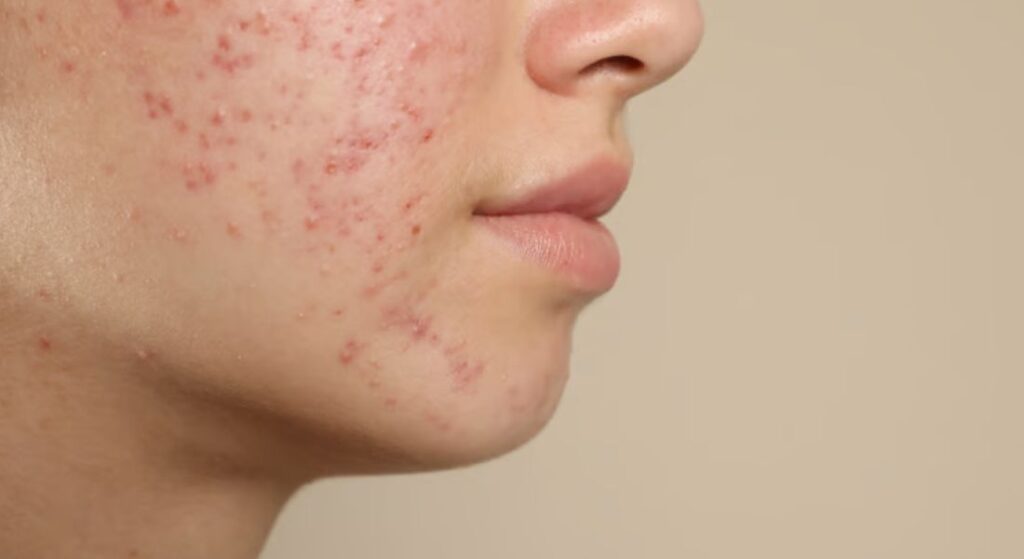
Vitamin deficiencies on their own aren’t usually the main cause of acne. That said, they can make things worse by affecting processes like inflammation, healing, and oil production. If you’re not getting enough of the right nutrients, your skin can become more prone to breakouts than usual.
When your body is lacking essential vitamins and minerals, it can struggle to regulate important skin functions. You might notice that spots take longer to heal or that new ones appear more easily. This creates an environment where acne can stick around and feel more persistent than it should.
Knowing how nutrition ties into your skin health helps you see that it’s not just about creams or treatments. What’s going on inside your body matters just as much. If you take a more holistic approach, combining good nutrition with proper skincare, you’re giving your skin the best chance to stay clear and balanced.
Vitamin A and Skin Regulation
Vitamin A is really important if you want your skin to stay healthy and glowing. It controls how your skin cells grow and shed, which helps stop your pores from getting blocked. When this cycle works properly, your skin feels smoother and looks more even. Without it, you might notice dullness or rough patches popping up. Paying attention to vitamin A can make a real difference to your daily skincare results.
If your body doesn’t get enough vitamin A, your skin can quickly start to act up. Dead skin cells may build up and block your pores, which often leads to acne. You might find breakouts appearing even when you’re careful with your routine. It shows just how much this vitamin impacts your skin’s natural rhythm. Keeping your levels up can help your skin stay calmer and clearer over time.
Many acne treatments are actually based on vitamin A, which highlights just how important it is. Using products or eating foods rich in vitamin A can really support clearer skin. You don’t need to overhaul everything small, consistent steps make the biggest difference. Over time, your skin will thank you by looking healthier and more balanced. Staying mindful of vitamin A is a simple but effective way to help your skin.
Vitamin D and Inflammation
Vitamin D is something you really shouldn’t overlook when it comes to your skin. You need it for your immune system and to help keep inflammation under control. If your levels are low, you might notice that your skin reacts more, and this can make acne worse than usual. It’s surprising how much a simple vitamin can influence things you see every day in the mirror.
Inflammation plays a huge role in how acne develops, and you’ll see that flare-ups often happen when your body’s inflammatory response is higher. If you can manage this, you’re likely to notice fewer and less severe breakouts. You don’t have to make huge changes either sometimes small tweaks in lifestyle and nutrition can help your body keep inflammation in check.
Vitamin D also helps your skin barrier, which is your first line of defence against irritation. When this barrier is strong, you’ll find your skin copes much better with daily stressors. Keeping your vitamin D levels balanced means your skin stays healthier and more resilient. So, if you’re struggling with acne, it’s worth checking whether you’re getting enough of this key vitamin.
Vitamin E and Skin Protection
Vitamin E is a key antioxidant that helps your skin defend itself against damage from free radicals and environmental stress. It also supports your skin’s natural repair processes, which is especially important when you’re dealing with acne. By helping lesions heal more efficiently, it can reduce the chance of scarring and keep your skin looking healthier overall.
- Vitamin E supports skin repair: When your skin is inflamed or broken out, vitamin E helps it recover more quickly. For example, applying vitamin E topically or ensuring you get enough in your diet can aid the healing of acne marks and reduce lingering redness.
- Deficiency can slow healing: Low levels of vitamin E may make your skin less resilient, meaning acne lesions take longer to fade. You might also notice increased irritation or sensitivity, which can make breakouts feel worse than they actually are.
- Antioxidants protect against oxidative stress: Vitamin E neutralises free radicals that damage skin cells. This protective effect keeps your skin barrier stronger and better able to handle environmental factors, like pollution or UV exposure, that can aggravate acne.
- Maintaining adequate levels improves outcomes: Ensuring your body has enough vitamin E, whether through diet or skincare, helps your skin recover faster and stay healthier. Over time, this can lead to clearer, more resilient skin and a reduction in persistent blemishes.
By keeping your vitamin E levels up, you’re giving your skin a boost in both protection and repair. This isn’t just about managing breakouts it’s about supporting overall skin health and helping your skin stay balanced and radiant.
Vitamin C and Collagen Production
Vitamin C is really important if you want your skin to stay strong and repair itself properly. It helps your body produce collagen, which keeps your skin firm and smooth. On top of that, its antioxidant properties reduce inflammation, which is especially useful if your skin is prone to acne. Making sure you get enough vitamin C can help your skin feel healthier and more resilient. It’s a small but powerful part of your skincare routine.
If your vitamin C levels are low, you might notice your skin takes longer to heal after breakouts. Post-acne marks can linger, and your skin may look dull or tired. You could also feel that your skin is less springy and more prone to irritation. Supporting your vitamin C intake gives your skin the tools it needs to recover faster. Over time, this makes a noticeable difference to your overall complexion.
Collagen production is key to maintaining your skin’s structure and strength. Vitamin C plays a central role in keeping this process running smoothly. When your levels are balanced, your skin is better equipped to stay firm, smooth, and clear. You’ll also find that your skin feels more resilient to daily stressors. Taking care of your vitamin C intake is one of the simplest ways to support healthy, glowing skin.
B Vitamins and Sebum Production
B vitamins, especially B6 and B12, play a big role in regulating your hormones and how much oil your skin produces. When these vitamins are out of balance, your sebaceous glands can go a bit haywire. This can make your skin more prone to breakouts and feel oilier than usual. Paying attention to your B vitamin intake is a simple way to help keep your skin steady.
Interestingly, too much B12 has been linked to acne flare-ups in some people. But it’s not just excess that matters being deficient can also throw your skin off balance. This shows just how delicate the relationship between B vitamins and your skin really is. Understanding this helps you make smarter choices about your diet and supplements.
Maintaining the right balance is key if you want your skin to stay calm and clear. Both too little and too much can cause problems, so moderation is important. You don’t have to make drastic changes, but small adjustments can go a long way. Keeping track of how your skin responds to certain foods or supplements can help you find your sweet spot.
By supporting your body with proper B vitamin levels, you’re helping your skin stay stable and resilient. Your sebaceous glands are less likely to overreact, and you might notice fewer unexpected breakouts. Alongside a good skincare routine, this balance makes a real difference. It’s one of those simple steps that quietly improves your skin over time.
Zinc and Acne Control
Zinc is a mineral that’s really important if you want your skin to stay healthy. It helps control how much oil your skin produces and reduces inflammation, which can make a big difference for acne-prone skin. On top of that, zinc supports your immune system, helping your body fight off flare-ups. Paying attention to your zinc intake can help your skin feel calmer and more balanced.
If your zinc levels are low, you might notice your acne getting worse or taking longer to heal. Breakouts can become more frequent, and your skin may feel more irritated. By keeping your zinc levels in check, you’re giving your skin the tools it needs to recover faster. Even small improvements in zinc intake can have noticeable effects over time.
Many dermatologists include zinc as part of acne management for a good reason. It’s a key nutrient that supports clearer, healthier skin. You don’t have to rely on supplements alone foods rich in zinc, like nuts, seeds, and lean meats, can help too. Making sure you get enough zinc is a simple step that can really improve how your skin looks and feels.
Omega-3 and Inflammation
Omega-3 fatty acids might not be a vitamin, but they’re really important if you want to keep inflammation under control. They help balance your body’s inflammatory response, which can have a big impact on acne. When you include enough omega-3 in your diet, your skin often feels calmer and less prone to flare-ups. It’s one of those nutrients that quietly supports your overall skin health.
If you don’t get enough omega-3, you might notice your inflammation levels rising. This can make breakouts worse and slow down the healing process. Your diet plays a key role here, so being mindful of what you eat can help. Even small adjustments, like adding a few omega-3-rich foods, can make a noticeable difference.
Including foods like oily fish, flaxseeds, and walnuts can really support your skin. Omega-3 works alongside other nutrients to keep your skin balanced and resilient. By focusing on a varied, nutrient-rich diet, you’re helping your skin stay healthier over time. It’s a simple, natural step that can really improve how your skin looks and feels.
Iron Deficiency and Skin Health
Iron deficiency can have a noticeable impact on your skin, even if you don’t realise it. It affects how well oxygen is delivered to your tissues, which can slow down healing. You might notice your skin looking duller or feeling more sensitive than usual. Over time, this can make it harder for your skin to recover from everyday stressors. Paying attention to your iron intake helps your skin stay healthier and more resilient.
While low iron isn’t directly linked to acne, it can still influence how your skin heals. If your skin struggles to repair itself, acne marks might linger longer than they should. You may also find your skin feels weaker and less able to bounce back from irritation. Supporting your iron levels gives your skin the tools it needs to recover more efficiently.
Making sure you get enough iron is good for your overall health and indirectly benefits your skin. Foods like lean meats, beans, and leafy greens can help keep your levels steady. By keeping your nutrition balanced, you’re giving your skin a better chance to stay healthy and resilient. It’s a simple step that can quietly improve how your skin looks and feels over time.
The Role of Gut Health
Gut health plays a big role in how well your body absorbs vitamins and nutrients. If your digestive system isn’t working at its best, you might not be getting everything you need from your diet. This can lead to deficiencies that affect your skin and overall health. Paying attention to your gut can make a real difference to how your skin looks and feels.
When your gut isn’t in top condition, it can also influence inflammation and your immune response. This imbalance can make acne worse or slow down healing. You might notice more flare-ups or persistent irritation when your digestive system is off balance. Understanding the gut-skin connection helps you see why nutrition and digestion go hand in hand.
Supporting your gut health can improve nutrient absorption, which in turn benefits your skin. Simple steps, like eating fibre-rich foods, staying hydrated, and including probiotics, can make a noticeable difference. Taking a holistic approach ensures your skin isn’t just treated on the surface, but supported from the inside out. Over time, you’ll likely notice your skin becoming healthier and more resilient.
Diet Patterns and Acne
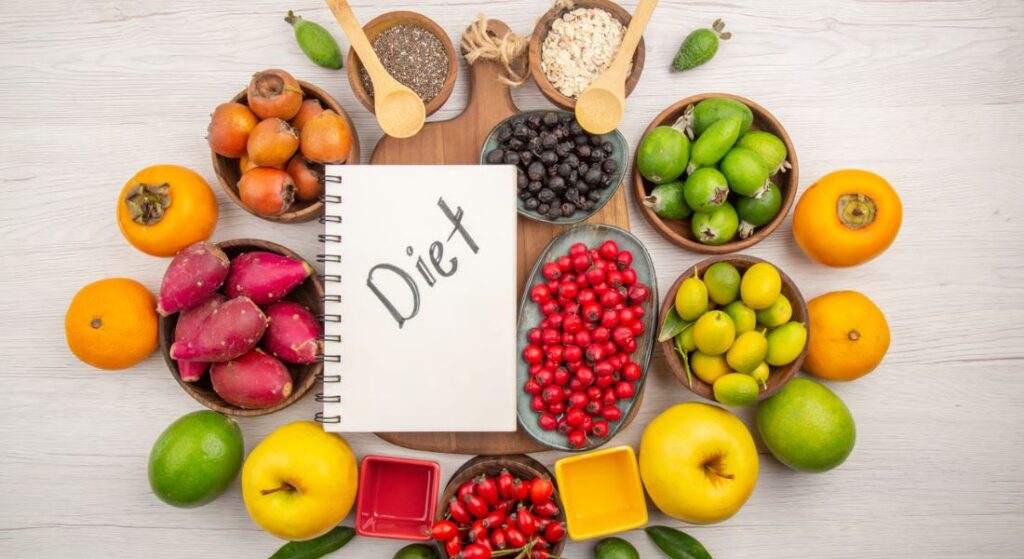
What you eat can have a bigger impact on your skin than you might realise. Diets that are highly processed or low in essential nutrients can make it harder for your skin to stay healthy and resilient. Over time, this can contribute to breakouts and slower healing, even if you’re diligent with your skincare.
- Processed foods can cause nutrient gaps: When your diet is full of packaged or convenience foods, you may be missing important vitamins and minerals that your skin needs. For instance, low levels of zinc or vitamin A can affect oil regulation and repair, making acne more noticeable.
- Sugar and refined carbs can increase inflammation: Eating lots of sugary snacks or refined carbs can trigger inflammatory responses in your body. This inflammation can show up on your skin as redness, swelling, and more frequent breakouts.
- Whole foods support skin function: Incorporating fruits, vegetables, whole grains, and lean proteins helps provide the nutrients your skin needs to function optimally. These foods support hydration, repair, and overall resilience against acne.
- Balanced nutrition improves outcomes: Maintaining a balanced diet doesn’t just help your general health it also helps your skin respond better to treatments. By keeping nutrient levels steady, you give your skin the tools it needs to stay clear and healthy.
Focusing on whole, nutrient-rich foods is a simple but effective way to support your skin from the inside out. Over time, these dietary habits can help reduce breakouts, improve healing, and keep your skin looking its best.
Supplementation: Is It Necessary?
In some cases, taking supplements can help if you have specific nutrient deficiencies. But it’s important to do this under medical guidance, as too much of certain vitamins or minerals can actually cause problems. You might feel tempted to self-supplement, but getting professional advice is the safest way to go.
Not everyone needs supplements often, a balanced diet provides everything your body and skin need. You might only require supplements if testing shows you’re lacking certain nutrients. Paying attention to what your body actually needs helps you avoid unnecessary or potentially harmful intake.
Dermatologists often include supplementation as part of a wider skincare or health plan. This personalised approach ensures you get the right support for your skin without overdoing it. By seeking professional advice, you’re protecting both your skin and overall health while addressing any deficiencies safely.
Why Acne May Not Improve with Diet Alone
Even though what you eat is important, acne is influenced by a lot more than just your diet. Hormones, genetics, and your skincare routine all play a big part in how your skin behaves. Focusing on diet alone might not give you the results you’re hoping for. Understanding this can stop you from feeling frustrated when breakouts persist.
Improving your nutrition can still make a real difference, especially when combined with other treatments. Eating well supports your overall skin health and can make medications or skincare more effective. You might notice your skin responding better when diet is just one part of a wider approach. It’s about giving your skin the best possible chance to heal.
Taking a combined approach also helps you tackle acne from multiple angles. This could include topical treatments, lifestyle adjustments, and professional guidance. You’ll likely see better results when you address all the factors contributing to breakouts. Diet alone is rarely enough, but it’s an important piece of the puzzle.
Knowing this sets more realistic expectations for your skincare journey. You can appreciate that progress takes time and a holistic approach. By combining good nutrition with other strategies, you’re giving yourself the best chance for clearer, healthier skin. It’s about consistency, patience, and looking after your skin from all sides.
The Importance of Balanced Nutrition
Balanced nutrition gives your skin the building blocks it needs to function at its best. Vitamins, minerals, and essential fatty acids all play a part in keeping your skin healthy and resilient. When you make sure your diet includes these nutrients, your skin is better equipped to handle stress and heal properly. It’s not just about looking good your skin needs this support to work properly from the inside out.
If you’re missing key nutrients, your skin can start to show it. Deficiencies can slow down healing and even make acne worse. You might notice more frequent breakouts or duller, less resilient skin. Paying attention to your nutrition helps you prevent these issues before they start.
Maintaining a varied and balanced diet is one of the simplest ways to support your skin over the long term. Consistency really matters here small, healthy habits every day add up. By giving your body the nutrients it needs, you’re helping your skin stay stronger, clearer, and healthier overall.
When to Consider Testing
If your acne keeps coming back or isn’t responding to the treatments you’ve tried, it might be worth considering testing for nutrient deficiencies. Blood tests can show if you’re low in key vitamins or minerals, giving you a clearer picture of what your body needs. This kind of insight can really help guide your treatment and make it more effective. Knowing what’s going on inside your body takes the guesswork out of managing your skin.
Testing gives you valuable information about your overall health, not just your skin. When you know exactly which nutrients are lacking, you can take targeted steps to correct them. This approach helps you address the root causes rather than just treating the symptoms. It’s a way to make sure your efforts actually pay off over time.
Doctors use the results to create personalised plans that suit you specifically. This ensures that any interventions, whether dietary changes, supplements, or treatments, are safe and effective. By taking a precise approach, you’re giving your skin the best chance to improve. Testing isn’t always necessary, but when used wisely, it can make a real difference to your results.
Professional Dermatological Treatment
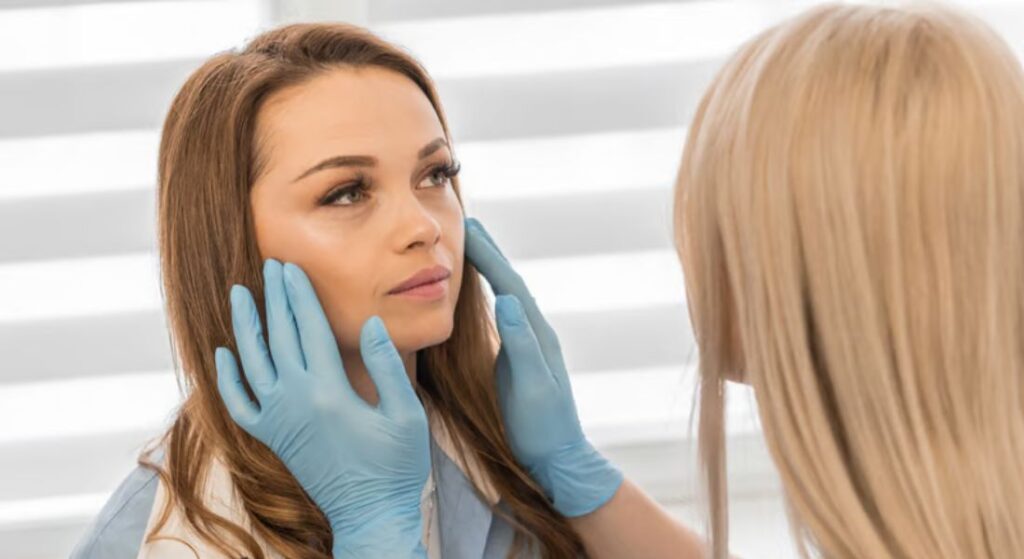
If you suspect that nutrition or other internal factors are affecting your acne, professional treatment can tackle both the inside and outside causes. Dermatologists can offer targeted therapies designed specifically for your skin. This personalised approach helps ensure that your treatment is effective and suited to your needs. When you work with a professional, you’re not just guessing you’re addressing the root causes.
Treatment options might include topical creams, oral medications, and lifestyle advice to support your skin from all angles. Combining these approaches often gives better results than relying on one solution alone. You might find that working on multiple fronts helps your acne improve faster and stay under control. Personalised care really does make a difference in the long run.
Seeking expert advice means you’re getting safe, effective guidance for your skin. Early intervention can reduce the risk of scarring and long-term complications. By involving a dermatologist, you’re giving yourself the best chance to manage acne successfully. Professional care is an important part of any comprehensive skincare plan.
Long-Term Skin Health Strategies
Looking after your skin isn’t just about quick fixes it’s about building habits that keep it healthy over the long term. Maintaining a balanced diet and sticking to a consistent skincare routine helps your skin function at its best and prevents problems from flaring up again. Taking a proactive approach now makes it easier to enjoy lasting results.
- Balanced nutrition supports skin stability: Eating nutrient-rich foods regularly provides your skin with the vitamins and minerals it needs to repair itself and stay resilient. For example, including foods high in antioxidants can help your skin handle stress and reduce inflammation over time.
- Consistent skincare builds strong foundations: Using gentle, effective products consistently keeps your skin barrier healthy and prevents irritation. Regular cleansing, hydration, and protection with sunscreen make it easier for your skin to respond to treatments and maintain clarity.
- Ongoing monitoring allows for adjustments: Your skin can change with hormones, lifestyle, or environment, so regular check-ins with a healthcare professional can help tweak your routine. This ensures that your approach continues to work and prevents small issues from becoming bigger problems.
- Preventive care ensures long-term results: By focusing on prevention rather than just treatment, you give your skin the best chance of staying clear and balanced. Small, consistent actions like avoiding triggers and maintaining hydration can make a big difference over time.
When you understand and commit to long-term care, achieving stable, healthy skin becomes realistic. Consistency, patience, and ongoing support are the keys to looking and feeling your best every day.
Advances in Nutritional Dermatology
Research into how nutrition affects your skin continues to grow, giving dermatologists more tools to manage acne effectively. More practitioners are now looking at dietary factors alongside traditional treatments, which has really improved how care is approached. You can benefit from this by understanding that your diet plays a role in your overall skin health.
New insights are helping identify which nutrients have the biggest impact on skin, allowing for more targeted interventions. This means treatments can be tailored more precisely to what your body actually needs. You’re not just guessing anymore there’s evidence guiding what works best for acne-prone skin.
Knowing about these advances helps you stay informed and take an active role in your skincare. Modern approaches are more comprehensive, combining nutrition, lifestyle, and professional treatments. By keeping up with progress, you’re giving yourself the best chance for clearer, healthier skin over time.
Why Understanding Nutritional Impact Matters
Understanding how vitamin deficiencies can affect acne helps you take a more informed approach to your skin. It shows why looking after your internal health is just as important as using the right skincare. When you consider both, you can manage your skin more effectively. This awareness gives you more control over your results.
Recognising gaps in your nutrition allows you to make targeted improvements that really matter. By addressing what your body is lacking, you can support clearer, healthier skin. You’ll notice that even small adjustments in your diet can have a noticeable impact. Knowledge really does empower you to make smarter choices for your skin.
Taking care of both internal and external factors gives you the best chance to achieve healthier skin. A holistic approach ensures you’re not just treating the symptoms but supporting your skin from the inside out. When you’re aware of how nutrition affects your skin, you can make better decisions that support long-term results. It’s all about combining awareness with action.
FAQs:
1. How can vitamin deficiencies affect my acne and skin?
If your body isn’t getting the right vitamins, your skin can struggle to manage oil, inflammation, and healing. This can make breakouts last longer or appear more often. Even if you follow a good skincare routine, deficiencies can prevent your skin from recovering properly. Paying attention to your diet gives your skin a better chance to stay clear and balanced.
2. Which vitamins should I focus on for clearer skin?
Vitamins A, D, E, C, B-complex, and minerals like zinc all play a role in keeping your skin healthy. They help control inflammation, support healing, and regulate oil production. By getting enough of these nutrients, your skin can cope better with stress and environmental factors. Small dietary changes can make a noticeable difference over time.
3. Can low vitamin A really make my acne worse?
Yes, vitamin A controls how your skin cells grow and shed. If you’re deficient, dead skin can build up and block pores, causing spots. Even with good skincare, your skin might struggle to stay smooth and clear. Ensuring you get enough vitamin A supports your skin’s natural rhythm and helps prevent stubborn breakouts.
4. How does vitamin D affect my skin and acne?
Vitamin D is essential for controlling inflammation and supporting your immune system. Low levels can make your skin react more, leading to flare-ups. It also strengthens your skin barrier, helping it cope with everyday stressors. Keeping your vitamin D balanced helps your skin feel calmer and more resilient.
5. Will vitamin E help my skin recover faster after breakouts?
Vitamin E is an antioxidant that supports your skin’s natural repair processes. It helps reduce redness and speeds up healing after acne. Low levels can make your skin more sensitive and slow recovery. Ensuring adequate intake, either through diet or skincare, helps your skin stay healthier overall.
6. Why is vitamin C important for my skin?
Vitamin C helps your body produce collagen, keeping your skin firm and smooth. It also reduces inflammation, which is especially useful if you’re prone to acne. Low vitamin C can make your skin slower to heal and appear dull. Supporting your intake helps your skin recover faster and look healthier.
7. How do B vitamins influence my skin?
B vitamins, particularly B6 and B12, help regulate hormones and control oil production. Being low or having too much can disrupt your skin and trigger breakouts. Balanced levels help keep your skin steady and less oily. Paying attention to B vitamins supports calmer, healthier skin over time.
8. Can zinc make a noticeable difference to my acne?
Zinc helps control oil, calm inflammation, and support your immune system. Low zinc can make acne worse or slow healing. Including zinc-rich foods or supplements, if needed, can reduce flare-ups. It’s a simple way to give your skin a helping hand from the inside out.
9. Is improving my diet enough to clear acne completely?
Not usually, because acne is influenced by hormones, genetics, and skincare habits too. Nutrition supports your skin but works best alongside other treatments. Eating well can make medications or skincare more effective. Combining diet with a holistic approach gives your skin the best chance to improve.
10. Should I get tested for vitamin deficiencies if my acne isn’t improving?
Yes, testing can show which nutrients your body is lacking. This helps you make targeted changes or take supplements safely under professional guidance. Knowing exactly what your skin needs takes the guesswork out of treatment. It gives you a clearer path to healthier, more resilient skin.
Final Thoughts: Acne and Vitamin Deficiency
Dealing with acne can be frustrating, especially when it feels like nothing you do makes a difference. By understanding how vitamin deficiencies affect your skin, you get a clearer picture of why breakouts happen and how your body’s internal health plays a role. This means you can make smarter choices about what you eat, support your skin from the inside out, and give your skincare routine the boost it needs.
If you’re thinking about professional acne treatment in London, getting advice from a dermatologist can make all the difference. They can provide personalised guidance, explain your options clearly, and tailor treatments to help your skin thrive inside and out. By combining good nutrition with expert care, you’re giving yourself the best chance to see lasting improvements.
References:
- Katta, R. and Desai, S.P. (2014) Diet and dermatology: The role of dietary intervention in skin disease, Journal of Clinical and Aesthetic Dermatology, 7(7), pp. 46–51.
Available at: https://pmc.ncbi.nlm.nih.gov/articles/PMC4106357/ - Zaenglein, A.L., et al. (2016) Guidelines of care for the management of acne vulgaris, Journal of the American Academy of Dermatology, 74(5), pp. 945–973. Available at: https://pubmed.ncbi.nlm.nih.gov/26897386/
- Gollnick, H.P.M. and Zouboulis, C.C. (2014) Not all acne is acne vulgaris, Dermato-Endocrinology, 6(1), e983427. Available at: https://pmc.ncbi.nlm.nih.gov/articles/PMC3080563/
- Ali, A., et al. (2023) Acne vulgaris: A review of the pathophysiology, treatment, and recent advances, Journal of Dermatological Treatment. Available at: https://www.sciencedirect.com/science/article/pii/S2405580823001590/
- Williams, C. (2007) The treatment of acne, Trends in Urology, Gynaecology & Sexual Health, 12(6), pp. 16–20. Available at: https://www.sciencedirect.com/science/article/abs/pii/S1751722207001710/