



Dermatology is changing faster than ever before. Treatments that were once considered experimental are now becoming part of everyday clinical practice, and technologies that felt futuristic just a few years ago are starting to influence how skin conditions are diagnosed and managed.
As we look ahead to 2026, many patients are asking what these advances actually mean for them. Will care become more personalised. Will treatments be safer. Will outcomes genuinely improve.
In this article, I’ll walk you through the most important dermatology developments expected in 2026, focusing on biologic therapies, laser innovation, AI-assisted diagnostics, and regenerative approaches, while keeping expectations realistic and grounded in clinical reality.
Why Dermatology Is Entering a New Phase
Skin conditions are incredibly diverse. They involve immune pathways, genetics, environmental exposure, and ageing processes that interact in complex ways.
Until recently, many treatments focused on controlling symptoms rather than addressing underlying mechanisms. Advances in research, data processing, and technology are now allowing dermatology to move toward more targeted and predictive care.
The shift is not about replacing dermatologists. It is about giving them better tools to make more precise decisions.
Biologic Therapies: Moving Beyond One-Size-Fits-All
Biologic therapies have already reshaped the treatment of chronic inflammatory conditions like psoriasis and eczema. Their success has paved the way for broader use across dermatology, with further expansion expected by 2026. These treatments are designed to act on precise immune targets rather than suppressing the immune system as a whole. This shift marks a move toward more personalised and safer care.
- Proven impact in inflammatory disease – Biologics have significantly improved outcomes in conditions such as psoriasis and eczema.
- Expansion of therapeutic roles – By 2026, biologic use is expected to extend to more dermatologic and immune-mediated conditions.
- Targeted immune pathways – Newer agents focus on specific immune signals rather than broad immune suppression.
- Improved safety profiles – Greater precision reduces the risk of unwanted systemic effects.
- Better disease control – Patients often experience more consistent and sustained symptom relief.
- Personalised treatment approach – Therapy can be better matched to disease mechanisms and patient needs.
As biologic therapies continue to evolve, they represent a shift away from one-size-fits-all treatment. For patients, this means more effective control with fewer side effects and a more tailored approach to long-term disease management.
What Biologics Mean for Chronic Skin Conditions
Biologics are not simply stronger drugs. They are smarter drugs. Instead of suppressing the entire immune system, they block specific signals driving inflammation. This allows long-term disease control with improved tolerability. In 2026, dermatologists will be better able to match individual patients to the most suitable biologic based on disease pattern and response history.
Limitations Patients Should Still Understand
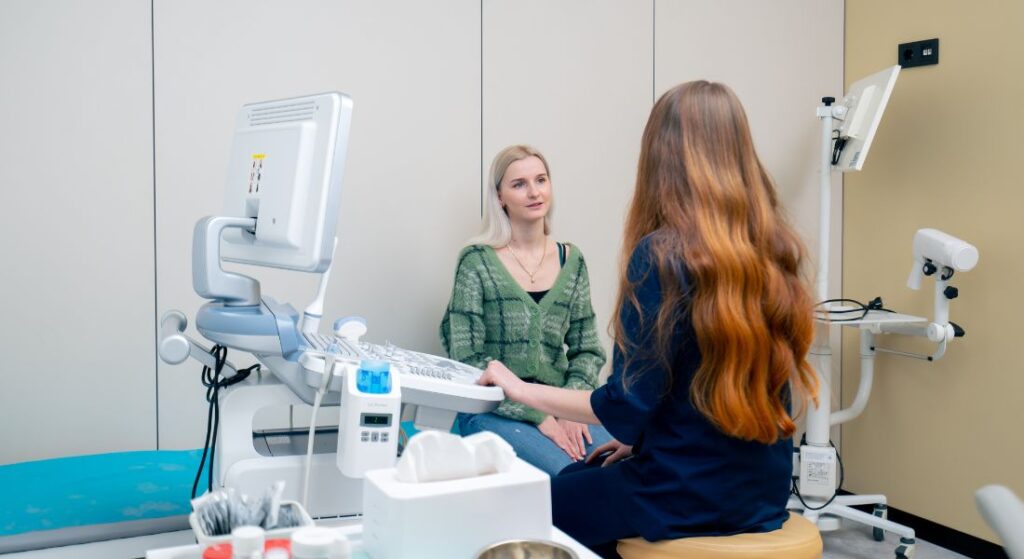
Biologic therapies have transformed the management of many chronic skin conditions, but they are not a complete or permanent cure. Understanding their limitations helps patients make informed, realistic decisions about long-term care.
1. Ongoing Treatment Is Required – Most biologics work by controlling disease activity rather than eliminating it. Continued treatment and regular monitoring are necessary to maintain results.
2. Response Can Change Over Time – Some patients may experience reduced effectiveness over months or years, requiring dose adjustments or a switch to a different biologic. This variability is a recognised part of immune-based treatments.
3. Expectations Still Matter – Even with advanced options, perfect or permanent clearance cannot be guaranteed. Setting realistic expectations remains essential for long-term satisfaction.
As treatment options expand, clarity and honesty remain just as important as innovation.
Laser Technology: Smarter, Not Just Stronger
Laser treatments have long been used in dermatology, but progress is no longer about increasing power. The focus has shifted toward smarter technology that prioritises control and precision. Stronger lasers do not automatically mean better outcomes.
Advances expected by 2026 emphasise safety, adaptability, and predictability. New systems are being developed to respond dynamically to skin behaviour rather than delivering fixed energy levels. This represents a significant shift in how treatments are performed.
Real-time adjustment of energy based on skin response helps reduce complications. It also improves consistency across different skin types and treatment areas. The result is more reliable outcomes with lower risk.
Why This Matters for Skin of Colour
One of the most important advances in laser technology is improved safety for darker skin tones. Historically, higher melanin levels increased the risk of pigmentation changes after laser treatment. Newer systems are designed with this risk in mind.
Innovations such as refined wavelength combinations, better cooling, and controlled pulse modulation help protect surrounding skin. These features reduce unnecessary heat spread and limit melanin injury. As a result, treatments can be performed more safely across a wider range of skin tones.
The ultimate goal is equity in outcomes, not just technological progress. Safer laser platforms mean more patients can access effective treatments without disproportionate risk. This shift reflects a more inclusive and responsible approach to dermatological care.
Laser Treatments Becoming More Individualised
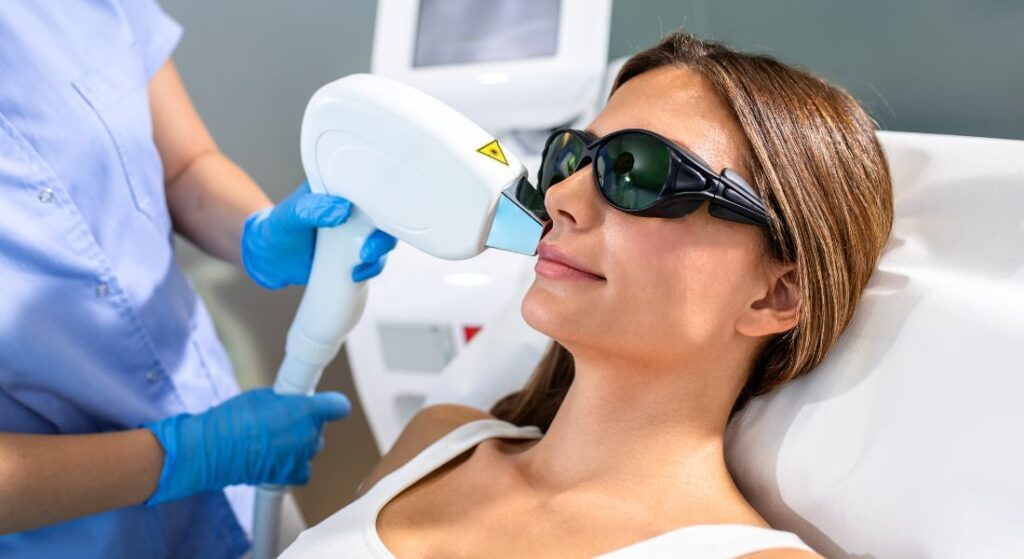
Laser therapy is increasingly moving away from rigid, one-size-fits-all protocols. Advances in technology and clinical experience now allow treatments to be tailored to individual skin characteristics. This shift improves precision and reduces unnecessary interventions. Personalisation plays a key role in achieving safer and more consistent results.
- Move beyond fixed protocols – Laser settings are adjusted rather than applied uniformly to all patients.
- Skin thickness considered – Thicker or thinner skin responds differently and requires tailored energy levels.
- Pigmentation and vascularity assessed – Individual skin tone and blood supply influence laser choice and intensity.
- Scar type influences planning – Different scars respond best to different laser strategies.
- Reduced trial and error – Personalised planning limits ineffective or excessive treatments.
- Greater treatment efficiency – Fewer sessions are wasted on approaches unlikely to deliver results.
For patients, this personalised approach means safer treatments and more predictable outcomes. By matching laser settings to individual skin biology, results improve while unnecessary downtime and risk are reduced.
AI-Assisted Diagnostics: Support, Not Replacement
Artificial intelligence is becoming an increasingly important tool in dermatology, with its role in diagnostics expected to expand further by 2026. These systems are designed to enhance clinical assessment, not to function independently.
1. Pattern Recognition at Scale – AI tools analyse images of skin lesions and identify patterns linked to malignancy or disease progression. They do this by learning from vast datasets that allow comparison beyond human memory alone.
2. Improving Diagnostic Support – By highlighting areas of concern, AI can support earlier detection and more consistent assessment. This can be particularly helpful in complex or high-volume clinical settings.
3. Dermatologist Oversight Remains Essential – AI is not a replacement for clinical judgement. Final decisions still rely on dermatologists, who interpret findings in the context of patient history, examination, and risk factors.
Used appropriately, AI acts as a supportive layer that strengthens, rather than replaces, expert care.
How AI Improves Early Detection
Artificial intelligence is increasingly being used to identify subtle skin changes that develop gradually over time. These changes can be difficult to recognise during routine visual examinations alone. By analysing patterns and comparisons objectively, AI adds an extra layer of precision to clinical assessment. This is especially valuable in conditions where early change strongly affects prognosis.
- Detects subtle progression – AI can identify small changes that may be missed during standard visual checks.
- Supports mole monitoring – Digital comparison over time helps flag early suspicious changes in pigmented lesions.
- Tracks inflammatory skin disease – AI assists in monitoring disease activity and response to treatment.
- Objective image comparison – Side-by-side digital analysis reduces reliance on subjective assessment alone.
- Earlier clinical intervention – Concerning changes can be identified before they become obvious or advanced.
- Improves outcomes – Earlier detection often allows simpler, more effective treatment.
By enhancing early recognition, AI supports more proactive dermatological care. This leads to timelier intervention, reduced disease burden, and better long-term patient outcomes.
Why Human Expertise Remains Central
While AI can process data and recognise patterns, it does not replace clinical understanding. Dermatology decisions rely on context, nuance, and patient-centred judgement that technology alone cannot provide.
1. Clinical Context Cannot Be Automated – AI does not understand symptoms, medical history, lifestyle factors, or patient priorities. These elements are essential to accurate diagnosis and appropriate treatment planning.
2. Interpretation Requires Expertise – Dermatologists evaluate AI-generated findings alongside physical examination and clinical history. This ensures results are interpreted correctly rather than followed in isolation.
3. Decisions Remain Human-Led – Final diagnoses and treatment choices are made by clinicians, not algorithms. Technology is used to enhance judgement, not override it.
In practice, AI strengthens dermatology by supporting expert decision-making, while human expertise remains central to safe, personalised care.
Regenerative Dermatology: The Next Frontier
Regenerative dermatology focuses on repairing and restoring skin structures rather than simply covering visible damage. The aim is to improve how skin functions, heals, and ages at a biological level.
By 2026, advances in platelet-based therapies, growth factor signalling, and cellular communication are expected to shape everyday clinical practice. These treatments work by activating the skin’s own repair mechanisms.
The long-term goal is stronger, more resilient skin with better healing quality. Instead of short-term cosmetic fixes, regenerative approaches prioritise durability and natural recovery.
What Regenerative Treatments Can and Cannot Do
Regenerative treatments are an exciting area of dermatology, but expectations need to be realistic. These therapies work by supporting the body’s natural repair mechanisms rather than creating instant or dramatic change. Results tend to develop gradually and vary between individuals. Understanding their role helps patients make informed decisions.
- Support natural repair processes – Regenerative treatments stimulate healing and tissue renewal rather than forcing change.
- Do not reverse ageing completely – They can improve skin quality but cannot stop or fully undo the ageing process.
- Cannot erase scars entirely – Scars may soften or improve in texture, but complete removal is unlikely.
- Gradual, variable results – Improvements develop over time and differ based on skin type and condition.
- Best used selectively – Outcomes are strongest when treatments are chosen for the right indication.
- Complement existing therapies – Regenerative approaches enhance, rather than replace, established medical or procedural treatments.
When used appropriately, regenerative treatments can meaningfully improve skin health and appearance. Clear counselling and realistic expectations ensure they are integrated effectively into a broader, well-balanced treatment plan.
Hair and Scalp Advances on the Horizon
Hair loss management is evolving as research improves understanding of genetic and inflammatory drivers. This shift is leading to more precise and condition-specific treatment strategies.
By 2026, targeted therapies for alopecia areata and scarring alopecia are expected to expand. Earlier and more accurate intervention may help preserve follicles more effectively. At the same time, diagnostic tools are becoming more refined. Better diagnosis supports better treatment decisions and more predictable long-term outcomes.
Trichoscopy and Predictive Monitoring
Modern scalp imaging has significantly improved how hair loss is assessed and managed. Trichoscopy provides a magnified view of the scalp, revealing details that are not visible during routine examination. This deeper insight allows dermatologists to make more accurate predictions about treatment response. As a result, care becomes more targeted and efficient.
- Detailed follicle assessment – Trichoscopy reveals follicle structure, density, and surrounding scalp changes.
- Identifies salvageable follicles – Viable follicles can be distinguished from those that are permanently damaged.
- Improves prognostic accuracy – Imaging helps predict which areas are likely to respond to treatment.
- Guides strategic treatment – Therapy can be focused on regions with the greatest potential for regrowth.
- Reduces unnecessary treatment – Areas unlikely to respond can be spared excessive intervention.
- Supports personalised care plans – Findings allow treatment to be tailored to individual scalp biology.
For patients, predictive monitoring brings greater clarity and confidence. With more precise assessment, expectations are clearer and treatment plans are better aligned with realistic outcomes.
Personalised Dermatology: Fewer Assumptions, Better Outcomes

One of the most significant shifts expected by 2026 is a move away from generic, one-size-fits-all treatment pathways. Dermatology is becoming increasingly individualised rather than protocol-driven.
Data-driven insights, combined with clinical expertise, allow treatments to be tailored to skin type, condition severity, and biological response. This approach applies across medical, surgical, and aesthetic dermatology.
Greater personalisation means fewer unnecessary interventions and more predictable results. Ultimately, it improves patient satisfaction by focusing on what truly works for each individual.
What This Means for Patient Experience
As technology supports clinical care, the patient experience continues to evolve in a positive and meaningful way. The goal is not faster decisions, but better-informed ones that actively involve the patient.
1. More Focused, Insightful Appointments – Consultations are increasingly centred on clear findings and relevant options. Time is spent explaining significance rather than gathering basic information.
2. Shared, Informed Decision-Making – Treatment choices are discussed collaboratively rather than dictated. Patients are better equipped to understand why certain options are recommended and others avoided.
3. Greater Transparency and Trust – Clear explanations foster confidence in the care process. When patients understand the reasoning behind decisions, long-term engagement and satisfaction improve.
This shift towards clarity and collaboration strengthens the patient–clinician relationship and supports better outcomes over time.
The Role of Preventive Dermatology
Dermatology is increasingly shifting from reactive treatment to proactive prevention. Identifying risk early allows conditions to be managed before they become advanced or difficult to treat. This approach reduces long-term disease burden and improves overall outcomes. Technology and patient education are central to this shift. By 2026, anticipation plays as important a role as intervention.
- Early intervention reduces impact – Addressing skin conditions early helps limit severity and long-term complications.
- Digital monitoring tools – Imaging and tracking technologies support earlier detection of subtle changes.
- Risk profiling – Identifying genetic, environmental, and lifestyle risk factors allows targeted surveillance.
- Patient education – Informed patients are better equipped to recognise early warning signs.
- Prevention-focused care models – Ongoing monitoring replaces wait-and-see approaches.
- Improved long-term outcomes – Preventive strategies reduce the need for aggressive treatments later.
Preventive dermatology represents a fundamental shift in care delivery. By focusing on anticipation rather than reaction, patients benefit from earlier action, simpler treatments, and better long-term skin health.
Managing Expectations in an Era of Innovation
Rapid advances in dermatology naturally generate excitement. New technologies often promise better results, faster recovery, or fewer side effects. However, innovation does not automatically mean suitability for everyone.
Not every new treatment works equally well across all skin types, conditions, or age groups. Individual biology, existing skin health, and underlying disease still play a decisive role in outcomes.
Some innovations also need time to demonstrate long-term safety and effectiveness. Early results may be encouraging, but robust evidence develops gradually through wider clinical use and follow-up.
Responsible dermatology balances optimism with evidence. The goal is to adopt progress thoughtfully, ensuring treatments are chosen because they are right for the patient, not simply because they are new.
Why Expertise Still Matters More Than Technology
Even the most advanced dermatology tools are only as effective as the clinician using them. Proper interpretation and clinical judgment are essential to achieving safe, optimal outcomes.
Ethical decision-making and personalised planning cannot be replaced by machines. Technology supports expertise but does not substitute for it.
Selecting an experienced dermatologist in London ensures that innovations are applied safely, appropriately, and tailored to each patient’s unique needs.
Access, Regulation, and Safety
As dermatologic treatments advance, ensuring proper regulation and professional training is essential. Emerging technologies like AI, biologics, and regenerative therapies require clear standards to protect patients. By 2026, stronger oversight is expected, balancing innovation with safety.
- Evolving standards – Regulatory frameworks are adapting to new therapies and digital tools.
- Professional training – Clinicians must be adequately trained to use advanced treatments safely.
- AI oversight – Clear guidelines ensure diagnostic tools are accurate, reliable, and ethically applied.
- Biologics and regenerative therapy regulation – Standards protect patients from misuse or premature application.
- Patient safety as a priority – Safety considerations underpin all advances in dermatology.
- Supports responsible innovation – Proper regulation allows new treatments to benefit patients without compromising care.
Strong regulation and rigorous safety standards ensure that emerging therapies reach patients responsibly. Balancing innovation with safety remains central to progress in modern dermatology.
What Should Patients Do Now
While it is exciting to see advances in dermatology, patients benefit most from a careful, informed approach. New treatments should be considered thoughtfully rather than adopted impulsively.
1. Stay Informed, But Stay Cautious – Keeping up with emerging therapies helps you understand options, but not every innovation is suitable for every patient. Avoid making decisions based solely on headlines or trends.
2. Discuss Options With Your Dermatologist – Bring questions to your specialist and review new treatments in the context of your specific condition, history, and needs. Individualised advice is always more reliable than general information.
3. Apply Progress Thoughtfully – Implementing advances in a considered, evidence-based way ensures benefits are maximised while risks are minimised. Thoughtful application leads to safer, more effective outcomes.
Taking a measured, informed approach helps patients navigate innovations confidently and achieve the best long-term results.
FAQs:
1. What are the most important dermatology advances expected in 2026?
The most notable advances expected by 2026 include biologic therapies, smarter and more personalised laser treatments, AI-assisted diagnostics, regenerative dermatology, and improved hair and scalp interventions. Biologics will expand to more conditions with targeted immune action, while lasers will become safer and more adaptable, particularly for diverse skin tones. AI will enhance early detection and monitoring without replacing clinical judgement. Regenerative approaches will focus on long-term skin health rather than superficial results, and scalp diagnostics will allow more precise hair loss management. Together, these developments aim to make care more effective, personalised, and safe.
2. How will biologic therapies change dermatology care?
Biologic therapies are shifting dermatology from a symptom-focused approach to more personalised and precise treatment. By targeting specific immune pathways rather than broadly suppressing the immune system, biologics provide better disease control with fewer systemic side effects. By 2026, dermatologists will be able to match patients to therapies based on their disease pattern, history, and individual response, making long-term management more predictable and tolerable. Despite these improvements, biologics still require ongoing treatment and monitoring to maintain effectiveness.
3. Will laser treatments become safer for people with darker skin tones?
Yes, advances in laser technology are increasingly designed with skin of colour in mind. Improved wavelength combinations, pulse control, and cooling systems allow lasers to treat various conditions with reduced risk of pigmentation changes. By adapting energy delivery to individual skin characteristics rather than using fixed settings, lasers can achieve effective results across a wider range of skin types. This evolution reflects a move toward more equitable dermatological care, ensuring that safety and outcomes are consistent for all patients.
4. How will AI support dermatologists without replacing them?
AI in dermatology will act as a diagnostic support tool rather than an independent decision-maker. It will analyse images and detect subtle patterns, helping identify early signs of disease or malignant changes that may be missed during routine examination. Dermatologists will use AI insights in combination with patient history, physical examination, and clinical judgement to make informed treatment decisions. This approach allows for earlier interventions, more consistent assessments, and improved patient outcomes while keeping human expertise central.
5. Can regenerative dermatology reverse ageing or remove scars completely?
Regenerative dermatology is not designed to completely reverse ageing or erase scars, but it supports natural repair mechanisms in the skin. Treatments involving growth factors, platelet-based therapy, or cellular signalling aim to enhance tissue resilience, healing quality, and skin function over time. Results tend to develop gradually and vary between individuals, making realistic expectations essential. These therapies complement traditional dermatological care and provide meaningful long-term improvement rather than immediate, dramatic changes.
6. How will hair and scalp care improve in the near future?
Hair and scalp care is becoming increasingly precise due to improved understanding of genetic and inflammatory factors that cause hair loss. By 2026, targeted therapies for conditions like alopecia areata and scarring alopecia are expected to be more widely available. Advanced imaging techniques, such as trichoscopy, allow dermatologists to examine follicle structure in detail, identify salvageable hair, and predict treatment response more accurately. This results in personalised treatment plans, reduced unnecessary intervention, and clearer patient expectations regarding hair regrowth.
7. Why does personalisation matter in dermatology?
Personalisation is crucial because every patient’s skin, condition severity, and biological response are unique. Generic treatment protocols often fail to address these differences, leading to suboptimal outcomes or unnecessary procedures. By combining clinical expertise with data-driven insights, dermatologists can tailor interventions to each individual, whether in medical, aesthetic, or surgical dermatology. This approach improves predictability, reduces risk, and enhances patient satisfaction by focusing care on what is genuinely effective for that specific patient.
8. Will patients need to change their behaviour to benefit from these advances?
Yes, patients play a key role in maximising the benefits of dermatology advances. Staying informed, attending regular consultations, and following personalised care plans are essential for achieving the best results. Patients should discuss emerging treatments with their dermatologist in the context of their own condition, rather than relying solely on media or promotional claims. Thoughtful adherence to guidance, combined with realistic expectations, ensures that technological and therapeutic progress translates into meaningful, long-term improvements.
9. Are all new dermatology technologies suitable for every patient?
Not every new technology or therapy will be appropriate for all patients. Factors such as skin type, medical history, disease severity, lifestyle, and underlying biology all influence suitability. While some advances may offer promising outcomes in clinical trials, long-term safety and effectiveness need careful evaluation. A responsible dermatologist will recommend treatments based on individual needs, ensuring that innovations are applied thoughtfully rather than indiscriminately.
10. How do these 2026 advancements affect the patient experience?
Advances in dermatology are making the patient experience more focused, transparent, and collaborative. Consultations are increasingly centred on precise findings, personalised options, and clear explanations rather than generic assessment. Patients can participate actively in decision-making, understanding the rationale behind each treatment recommendation. Early intervention, AI support, and targeted therapies also allow care to be more proactive, reducing disease burden and improving long-term outcomes. Overall, these advances are designed to empower patients while strengthening trust and engagement with their dermatologist.
Final Thoughts: Navigating Dermatology Advances in 2026
The landscape of dermatology is evolving rapidly, with biologics, smarter lasers, AI-assisted diagnostics, regenerative therapies, and advanced hair and scalp care shaping patient care in 2026. While these innovations promise more personalised, effective, and safer treatments, the ultimate success depends on careful patient selection, realistic expectations, and expert clinical guidance. Technology enhances care, but human expertise remains central to interpreting results, tailoring treatments, and ensuring long-term skin health. You can get in touch with us at The London Dermatology Centre to book a consultation with one of our expert dermatologist in London.
References:
1. Al Timimi, Z., Kulac, M., Cazzaniga, S., Naldi, L. & Heidemeyer, K., 2025. A comprehensive study of laser use in dermatology: assessing the safety, innovations, and effectiveness of laser technology for skin treatment. Irish Journal of Medical Science, 194(3), pp.923–932. https://pubmed.ncbi.nlm.nih.gov/40138057/
2. Raghavan, L., et al., 2024. Artificial Intelligence in Clinical Practice: Dermatology Applications. In: Artificial Intelligence in Clinical Practice. Elsevier, pp.437–442. https://www.sciencedirect.com/science/chapter/edited-volume/abs/pii/B9780443156885000474
3. Advances in AI‑driven dermatologic image analysis and precision medicine approaches. International Journal of Emergency Medicine review suggests deep learning improves classification accuracy in dermatology. https://link.springer.com/article/10.1186/s12245-025-00975-4
4. Trovato, F., Ceccarelli, S., Michelini, S. et al., 2024. Advancements in Regenerative Medicine for Aesthetic Dermatology: A Comprehensive Review and Future Trends. Cosmetics, 11(2), 49. doi:10.3390/cosmetics11020049. https://www.mdpi.com/2079-9284/11/2/49
5. Special Issue “Reviews in Dermatology: Current Advances and Future Directions”, MDPI Dermato Journal (ongoing collection on AI‑assisted diagnostics and personalised dermatology). https://www.mdpi.com/journal/dermato/special_issues/2OUO3VG4PH