


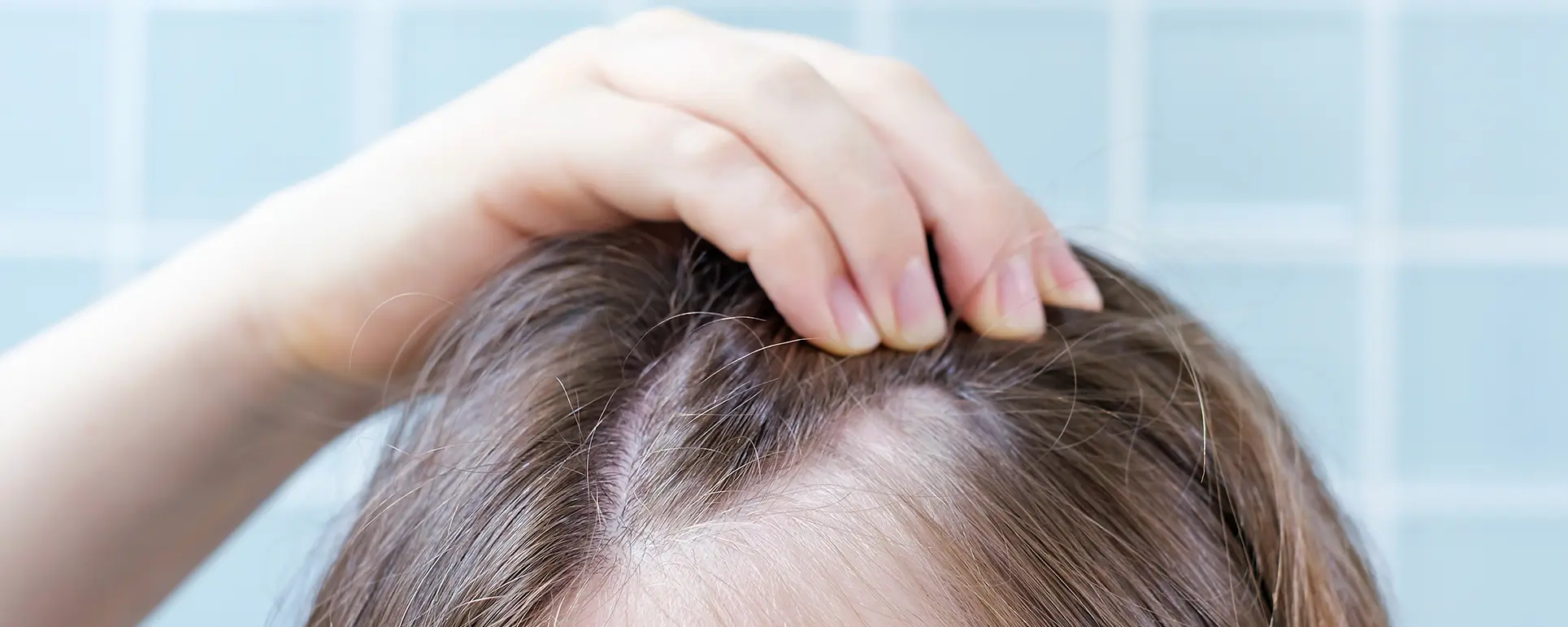
If you’ve been through COVID-19 or another viral illness and suddenly noticed more hairs on your pillow, in the shower, or on your hairbrush, you’re definitely not alone. Post-viral hair loss has become extremely common, especially in the months following COVID infections. Many people find the sudden shedding frightening, stressful, and emotionally draining especially when it seems like the loss is happening overnight.
In this guide, I’ll walk you through why post-viral alopecia happens, how long it typically lasts, what recovery looks like, and how to spot red flags that mean the shedding may not be simple telogen effluvium. I’ll also help you understand when it’s time to seek professional help especially if you want a specialist assessment or are exploring your options for Alopecia treatment in London.
Why Hair Loss Happens After Viral Illness
When you’re unwell, your body goes into protection mode. It diverts energy and nutrients away from non-essential processes like hair growth and focuses instead on essential survival tasks, including immune response and healing. Hair follicles are extremely sensitive to changes in your internal environment, which is why hair shedding is so strongly linked to illness.
COVID-19 in particular causes inflammation, stress hormone spikes, fever, reduced appetite, and nutritional disturbances, all of which can push hair into the resting phase earlier than usual. But the same is true for flu, glandular fever, stomach viruses, and many other infections.
The form of hair loss most commonly triggered by illness is called telogen effluvium. In medical terms, it means a higher-than-normal number of hairs enter the “telogen” (resting) phase at the same time, then shed a few months later when the cycle resets.
Understanding the Hair Growth Cycle
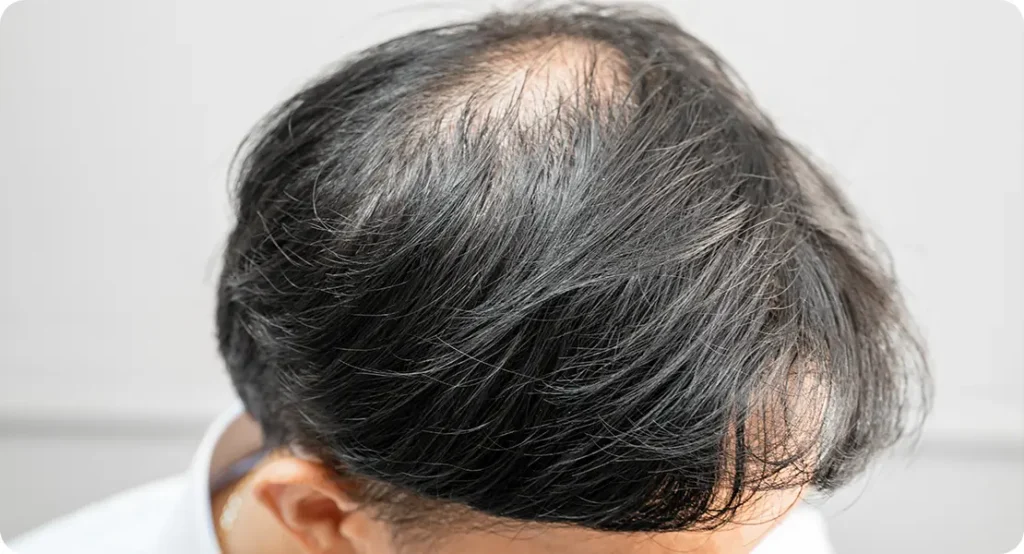
Hair growth follows a carefully regulated cycle, and disruptions to this process can explain why hair loss sometimes appears sudden and alarming. Many people assume hair falls out randomly, but in reality, each strand is programmed to grow, rest, and shed in a predictable pattern. Understanding this cycle helps make sense of sudden shedding episodes and why they often occur weeks or months after illness, stress, or hormonal changes.
1. Anagen (growth phase): The anagen phase is the active growth stage of the hair cycle, lasting anywhere from two to seven years. During this time, the hair follicle continuously produces new hair fibres, which is why most visible hair growth occurs in this phase. Around 80–90% of hair follicles are typically in anagen at any given time, supporting overall hair density.
2. Catagen (transition phase): The catagen phase is a short transition stage that signals the end of active hair growth. During this phase, the hair follicle shrinks and detaches from its blood supply, preparing the hair to enter the resting and shedding stage.
3. Telogen (resting and shedding phase): The telogen phase is the resting stage of the hair growth cycle and typically lasts around two to three months. During this time, the hair stops growing and is eventually shed as a new hair begins to form beneath it, which is why sudden illness or stress can trigger noticeable, widespread thinning.
Why COVID-19 Causes So Much Hair Shedding
COVID-19 places the body under intense physiological stress, which makes hair shedding far more likely. High fevers alone can trigger large numbers of hair follicles to shift prematurely into the telogen (resting) phase, even after a single episode. At the same time, the strong inflammatory response caused by the virus disrupts normal hair cycling and temporarily suppresses hair growth.
The physical strain of fighting infection also plays a role. During illness, the body redirects energy and nutrients away from non-essential processes such as hair production. Reduced appetite, rapid weight changes, and temporary vitamin or mineral deficiencies can further weaken follicles and intensify shedding in the weeks that follow recovery.
Is Post-Viral Hair Loss Temporary?
In the vast majority of cases, post-viral hair loss is fully temporary. This type of shedding known as telogen effluvium resolves naturally once your hair growth cycle resets and follicles return to the anagen (growth) phase. Although the hair loss can look dramatic, the follicles themselves remain healthy and capable of producing new hair.
The emotional impact can make the process feel anything but temporary. Watching hair thin can be distressing, especially when the change is sudden and visible. However, recovery is the rule, not the exception. Typically, shedding begins around 6–12 weeks after illness, peaks between 8–16 weeks, then gradually slows over 3–6 months. Visible regrowth usually appears within 3–9 months, with fuller recovery taking up to 9–18 months, depending on your overall health and recovery speed.
How to Tell If Your Shedding Is Telogen Effluvium
Telogen effluvium follows a fairly distinctive pattern, which helps differentiate it from other types of hair loss. It typically begins around two to three months after a physical or emotional trigger such as illness, surgery, or severe stress. Many people notice a sudden increase in daily shedding often more than 100 hairs a day with hair appearing in the shower drain, on pillows, or coming away easily when brushing or washing.
Another common sign is a general reduction in hair volume rather than visible bald spots. Your ponytail may feel noticeably thinner, but the scalp itself usually looks healthy, with no redness, scarring, or patchy hair loss. This diffuse thinning across the entire scalp is a key feature of telogen effluvium.
As the condition starts to resolve, reassuring signs of recovery often appear. After a few months, you may notice short, fine “baby hairs” along the hairline or parting, indicating that follicles are re-entering the growth phase. This regrowth, combined with a gradual reduction in shedding, helps confirm telogen effluvium rather than another form of alopecia.
Temporary vs Non-Temporary Hair Loss: Key Differences
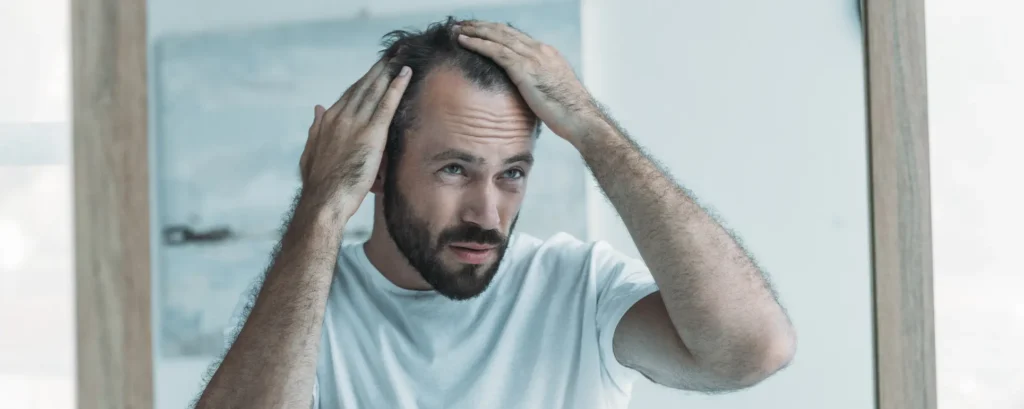
The key difference between temporary and non-temporary hair loss lies in the health of the hair follicles. In temporary conditions such as telogen effluvium, the follicles remain intact and healthy, allowing hair to regrow naturally once the underlying trigger such as illness, stress, or hormonal disruption resolves. In contrast, non-temporary hair loss involves ongoing follicle damage, miniaturisation, or scarring, as seen in genetic or scarring alopecias, where hair does not fully return without targeted medical treatment.
Temporary: Telogen Effluvium
Temporary hair loss such as telogen effluvium typically presents as diffuse thinning across the entire scalp rather than in specific areas. It often begins suddenly, with noticeably increased daily shedding, especially during washing or brushing. Despite the volume loss, the hair usually still feels soft and healthy, and there are no clearly defined bald patches. This type of shedding commonly starts a few weeks to months after a physical or emotional stressor, such as illness, high fever, surgery, or significant life stress.
Importantly, the hair follicles remain intact in telogen effluvium, which means regrowth is expected. New hairs usually begin to appear within a few months as the follicles return to the growth phase, and overall density gradually improves over time. While the shedding phase can be distressing, recovery is the norm rather than the exception.
Not Temporary: Other Alopecias
Not all hair loss is temporary, and understanding the different non-temporary forms of alopecia is important when shedding does not follow a typical recovery pattern. These conditions often progress differently, affect specific areas of the scalp, or involve permanent follicle changes. Recognising the signs early can help ensure timely diagnosis and appropriate treatment.
Androgenetic Alopecia (pattern hair loss): This type of hair loss develops gradually and is usually most noticeable at the crown or along the hairline. Over time, the hairs become progressively finer due to miniaturisation of the follicles. It commonly runs in families and, while it can be managed, it does not fully reverse on its own.
Alopecia Areata: Alopecia areata often appears suddenly as one or more round, smooth bald patches. The scalp skin looks normal and hair-free, without scaling or scarring. It is linked to immune system activity and may resolve, recur, or affect different areas over time.
Scarring Alopecias: These conditions involve inflammation that damages hair follicles permanently. Symptoms may include redness, itching, burning, or tenderness of the scalp. Because hair loss can become irreversible, urgent assessment by a dermatologist is essential.
Post-viral hair loss with an underlying condition: In some cases, a viral illness causes shedding while also unmasking another form of alopecia that was already developing silently. When hair loss does not improve as expected, professional evaluation is important to identify any underlying cause and guide treatment.
Why Some People Have Worse Shedding Than Others
It can be deeply frustrating to experience heavy hair shedding when others who had the same illness seem unaffected. The truth is that post-illness hair loss is highly individual, and the severity can vary widely from person to person. This is because hair follicles respond differently to stress, illness, and internal changes, meaning two people with the same trigger may have very different outcomes.
Several biological and lifestyle factors play a role. Genetics can make some follicles more sensitive to disruption, while hormonal influences such as PCOS, menopause, postpartum changes, or thyroid disorders can significantly amplify shedding. Nutritional status also matters; deficiencies in iron, vitamin D, or vitamin B12 reduce the hair’s ability to recover after stress and can prolong the shedding phase.
What Recovery Looks Like
Recovery from hair shedding is gradual rather than immediate, and this can test your patience. In the early months, you may feel like nothing is changing, but beneath the surface your hair follicles are already shifting back into the growth phase. This internal recovery happens before any obvious visual improvement, which is why progress can feel slow at first.
Over time, clear signs begin to appear. You may notice fine new hairs along the hairline or parting, a reduction in daily shedding, and hair that feels denser at the roots. Your ponytail may stop thinning, scalp visibility can improve, and the overall texture of your hair starts to normalise. Initially these changes are subtle, but with consistency and time, they become increasingly noticeable.
When Hair Loss After Illness Is Not Just Telogen Effluvium
Not all hair loss after illness fits the classic pattern of telogen effluvium. In some cases, a viral infection or period of stress can unmask an underlying hair or scalp condition that was previously developing quietly. The sudden shed makes these issues more noticeable, which is why the hair loss may not follow the typical temporary recovery timeline.
There are several signs that suggest something else may be contributing. Ongoing shedding beyond six months, thinning focused at the crown or hairline, patchy hair loss, or a scalp that feels red, itchy, painful, or inflamed all point away from simple telogen effluvium. Other warning signs include scaling or flaking, hair becoming progressively finer, a strong family history of pattern hair loss, or little to no visible regrowth over time.
When You Need a Dermatology Assessment
You should consider a dermatology assessment if your hair shedding feels severe or emotionally distressing, if you notice visible bald patches, or if shedding continues beyond four to six months. Other reasons to seek help include the appearance of scalp symptoms such as itching, burning, or scaling, hair loss that worsens rather than stabilises, concerns about genetic or hormonal causes, repeated shedding episodes, or regrowth that feels unusually slow.
A dermatologist can carry out a detailed evaluation to identify the exact cause of your hair loss. This may include a scalp examination and trichoscopy, along with blood tests to assess hormones or nutritional status. In some cases, hair cycle analysis is used, and rarely, a scalp biopsy may be recommended. These investigations help pinpoint the type of alopecia involved and guide the most appropriate treatment plan.
Can COVID Trigger Permanent Hair Loss?
COVID itself does not directly cause permanent hair loss, but it can act as a trigger that exposes or worsens underlying conditions. In some people, it may reveal previously subtle androgenetic alopecia, accelerate early-stage pattern thinning, trigger autoimmune-related hair loss in rare cases, or lead to prolonged or chronic telogen effluvium that requires treatment. While most individuals recover fully, those with pre-existing early pattern hair loss may find that post-COVID shedding makes thinning more noticeable.
How to Support Your Hair While Recovering
Recovering from telogen effluvium can feel stressful, but there are practical ways to support your hair and encourage regrowth. Focusing on nutrition, stress management, scalp care, and targeted treatments helps strengthen follicles, reduce shedding, and promote healthier hair. While these strategies don’t cure telogen effluvium, they create an optimal environment for your hair to recover more efficiently and appear fuller over time.
Optimise nutrition: Ensure you get enough iron, vitamin D, zinc, B12, protein, and omega-3 fatty acids. These nutrients are vital for strong hair follicles and can help reduce shedding while supporting faster regrowth. A balanced diet also boosts overall scalp health.
Reduce stress: Physical and emotional stress can push hair follicles into the shedding phase. Managing stress through sleep, relaxation techniques, or gentle exercise can stabilise hormone levels and support healthier hair cycles.
Use scalp-friendly products: Gentle shampoos and conditioners reduce irritation and help maintain the scalp’s natural barrier. Avoid harsh chemicals, frequent bleaching, or tight hairstyles that can weaken hair and prolong recovery.
Support circulation: Scalp massages or low-level laser therapy stimulate blood flow to the follicles, delivering more oxygen and nutrients. Improved circulation can help wake dormant hairs and strengthen existing strands over time.
Consider hair growth treatments: Topical minoxidil, platelet-rich plasma (PRP), or peptide serums can encourage follicle activity and enhance regrowth. When combined with nutrition and stress management, these treatments can speed up recovery and improve hair density.
Understanding Long COVID and Hair Loss
People with long COVID often experience prolonged hair shedding because their bodies remain in a state of inflammation or nutrient depletion for months after the initial infection. The ongoing stress on the system can push more hair follicles into the resting and shedding phase, making telogen effluvium last longer than usual.
Persistent symptoms such as fatigue, changes in appetite, disrupted sleep, and ongoing immune activation further affect hair growth and follicle health. If you’ve had long COVID, a more structured recovery plan that includes nutrition, stress management, and targeted hair support may be needed to help restore healthy growth.
Emotional Impact: Why Post-Viral Hair Loss Feels So Distressing
Hair shedding after an illness is more than just a cosmetic issue it can deeply affect confidence, self-image, and overall emotional wellbeing. Many people feel anxious, fear permanent baldness, or experience a sudden loss of self-esteem when they notice how quickly their hair changes.
This can also lead to social withdrawal or shock at the rapid transformation. These reactions are completely normal, and learning about the hair growth cycle and recovery process can help you feel more in control as your body gradually restores healthy hair.
FAQs:
1. Why does hair loss happen after COVID or viral illness?
Hair shedding after COVID or other viral infections is usually triggered by physiological stress. Fever, inflammation, nutrient depletion, and hormonal changes push hair follicles into the resting phase, causing noticeable shedding a few weeks to months later. Emotional stress and disrupted sleep can also worsen this effect.
2. Is post-viral hair loss temporary?
Most post-viral hair loss, known as telogen effluvium, is fully reversible. The follicles remain healthy, and hair regrowth typically starts within 3–9 months, with full recovery in 9–18 months. While shedding can feel alarming, it usually resolves naturally as the hair growth cycle normalises.
3. How can I tell if my hair loss is telogen effluvium or something else?
Telogen effluvium usually presents as diffuse thinning rather than bald patches, with the scalp appearing healthy. Signs include sudden, widespread shedding and new fine “baby hairs” appearing during recovery. Persistent shedding, patchy loss, scalp inflammation, or slow regrowth may indicate another form of alopecia.
4. What other types of hair loss could appear after illness?
Non-temporary hair loss includes androgenetic alopecia (pattern thinning), alopecia areata (patchy autoimmune loss), and scarring alopecias (permanent follicle damage). Viral illness may also reveal underlying hair conditions that were previously developing silently. Early specialist evaluation is key for correct diagnosis.
5. Why do some people experience worse shedding than others?
Severity varies due to genetics, hormonal influences, nutritional status, and stress levels. Follicles respond differently to illness, and pre-existing conditions like thyroid imbalance, menopause, or PCOS can amplify shedding. The intensity of the viral infection itself also plays a role.
6. How long does recovery from post-viral hair loss take?
Recovery is gradual, as follicles shift back into the growth phase before visible regrowth occurs. Shedding often peaks 8–16 weeks after illness, slows over 3–6 months, and regrowth usually becomes noticeable within 3–9 months. Full restoration can take up to 18 months depending on overall health.
7. When should I seek a dermatology assessment?
Consult a dermatologist if shedding is severe, emotionally distressing, persists beyond 4–6 months, or shows bald patches. Other reasons include scalp symptoms like redness, itching, or burning, slow regrowth, repeated shedding, or concern about genetic or hormonal causes.
8. Can COVID cause permanent hair loss?
COVID itself does not directly cause permanent hair loss. However, it can trigger or unmask underlying conditions such as pattern hair loss or autoimmune alopecia. In rare cases, prolonged shedding may require treatment, but most people experience full recovery with proper care.
9. How can I support my hair while recovering?
Supportive measures include optimising nutrition with iron, zinc, vitamin D, B12, and protein, managing stress, using gentle scalp-friendly products, stimulating circulation through massages or low-level laser therapy, and considering treatments like minoxidil or PRP. These steps aid regrowth and improve hair density over time.
10. Why does post-viral hair loss feel so distressing?
Sudden hair shedding affects confidence, self-image, and emotional wellbeing. It can provoke anxiety or fear of permanent loss, even though recovery is usually complete. Understanding the hair growth cycle, recovery timelines, and supportive strategies can help manage stress and improve emotional resilience.
Final Thought: Recovering from Post-Viral Hair Loss: When to Seek Expert Care
Post-viral hair loss, including shedding after COVID-19 or other illnesses, is often temporary and resolves as your hair follicles return to their normal growth cycle. Understanding the process, recognising telogen effluvium, and supporting your recovery with proper nutrition, stress management, and gentle hair care can help restore confidence and hair health over time.
If you are thinking about Alopecia treatment in London, feel free to book a consultation with our specialist at the London Dermatology Centre. Early assessment ensures personalised guidance, helps address any underlying conditions, and provides the best chance for healthy regrowth.
References:
1. Gentile, P., et al. Hair Loss and Telogen Effluvium Related to COVID‑19: review of the literature with discussion of pathophysiology and regenerative strategies. International Journal of Molecular Sciences, 23(16). https://www.mdpi.com/1422-0067/23/16/9116
2. Ionescu, G. M. & colleagues. SARS‑CoV‑2 Infection A Trigger Factor for Telogen Effluvium: review of the literature with guidance for clinical evaluation. Life (Basel). https://www.mdpi.com/2075-1729/13/7/1576
3. Olds, H., Liu, J., Lim, H. W., Ozog, D. & Rambhatla, P. V. Telogen effluvium associated with COVID‑19 infection. Dermatologic Therapy (2021). https://pmc.ncbi.nlm.nih.gov/articles/PMC7883200/
4. Chhabra, N., George, C. A. & Ganguly, S. Telogen Effluvium Following COVID‑19 Infection: a retrospective study of 113 cases. https://pmc.ncbi.nlm.nih.gov/articles/PMC12252012/
5. Systematic review of acute telogen effluvium as a post‑COVID‑19 manifestation. https://pubmed.ncbi.nlm.nih.gov/34931698/