


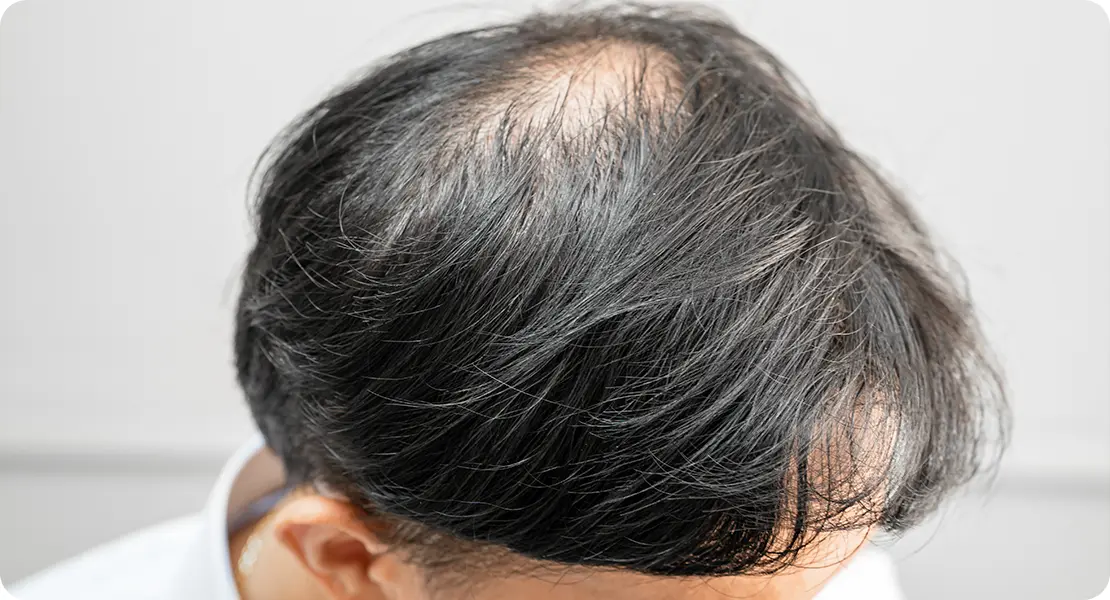
Hair loss can feel alarming, especially when it happens unexpectedly after starting, stopping, or changing hormonal contraception. You may notice increased shedding in the shower, more hair on your pillow, or a general loss of thickness that seems to appear out of nowhere. It can feel confusing and unsettling, particularly if you weren’t warned this could happen. Many women experience this and wonder whether the pill or another form of contraception is to blame.
Hormonal contraception affects the balance between oestrogen and androgens in your body, and those shifts can influence the hair cycle. Some contraceptives may improve hair density, while others can trigger shedding, especially if you have a genetic sensitivity to androgens. The changes may appear a few weeks after starting a new method, or several months after stopping one. In some cases, switching brands can create enough hormonal fluctuation to trigger temporary hair loss.
How Hormonal Contraception Influences Hair Growth
Hormonal contraception works by altering your natural hormone levels. Most contraceptives either contain synthetic versions of oestrogen, progestin, or both. These hormones affect ovulation, menstrual cycles, and reproductive health, but they also influence the hair growth cycle.
Hair follicles have receptors that respond to hormones. Androgens, such as testosterone and its more potent derivative dihydrotestosterone (DHT), can shrink sensitive hair follicles over time. Oestrogen, on the other hand, tends to prolong the hair’s growth phase, helping you maintain thickness and fullness. When contraception shifts the balance of these hormones, your hair follicles may react.
If your body is sensitive to androgens, or if a contraceptive contains a progestin with androgenic properties, you may develop shedding or thinning. Not every woman experiences this, but for those who are sensitive, even small hormonal changes can trigger noticeable hair loss.
Knowing how these hormones interact with your follicles helps you understand why contraceptive changes can create temporary or ongoing problems.
The Link Between Hormonal Fluctuations and Telogen Effluvium

Hair loss from contraception often takes the form of telogen effluvium. This is a condition where your hair follicles shift prematurely into the resting phase, causing increased shedding. Telogen effluvium usually appears two to three months after the trigger which is why its connection to contraception can feel delayed or unclear.
Hormonal changes are one of the most common causes of telogen effluvium. When you start or stop the pill, your hormone levels adjust. The shift may be slight or significant, depending on how your body responds. Even if you’ve been on the same pill for years, your body may react differently when you switch to a new formulation.
Telogen effluvium from contraception is usually temporary. Once your hormones stabilise, the shedding slows and hair regrowth begins. However, the process can take months because hair cycles move slowly. Understanding this timescale can be reassuring because it reminds you that the shedding is reversible.
The Role of Oestrogen in Hair Health
Oestrogen supports hair growth in several ways. It prolongs the anagen (growth) phase of the hair cycle, increases the diameter of individual strands, and helps maintain density. This is why many women feel their hair looks thicker during pregnancy, a time when oestrogen levels are high.
When you take a contraceptive pill that contains oestrogen, you may experience similar benefits. However, when you stop taking it, your oestrogen levels fall. This sudden drop can trigger shedding. This pattern is similar to postpartum hair loss, where hormonal shifts cause temporary thinning.
If your hair loss began after stopping a combined contraceptive pill, the cause may be the withdrawal of oestrogen rather than the pill itself. Over time, as your hormones stabilise, the shedding often resolves.
Understanding this helps you separate the effects of starting contraception from the effects of stopping it.
How Progestins Affect Hair: Not All Are Equal
Progestins are synthetic forms of progesterone, and not all of them affect hair in the same way. Some progestins have androgenic activity, meaning they act in a similar way to male hormones in the body. If you are genetically sensitive to androgens, these types of progestins can trigger or worsen hair shedding.
Progestins with higher androgenic activity include levonorgestrel, norethindrone, and desogestrel. In women who are predisposed to androgen-sensitive hair loss, these may increase shedding or accelerate thinning.
Other progestins have low or even anti-androgenic activity. These include drospirenone, dienogest, cyproterone acetate, and chlormadinone acetate. They are less likely to contribute to androgen-related hair loss and may be more suitable for women with androgenetic alopecia.
If you noticed increased shedding after starting a pill containing a more androgenic progestin, the hormone profile may be playing a role. A dermatologist or GP can review your symptoms and advise whether switching to a more hair-friendly progestin is appropriate.
Which Hormonal Contraceptives Are Most Commonly Linked to Hair Loss?
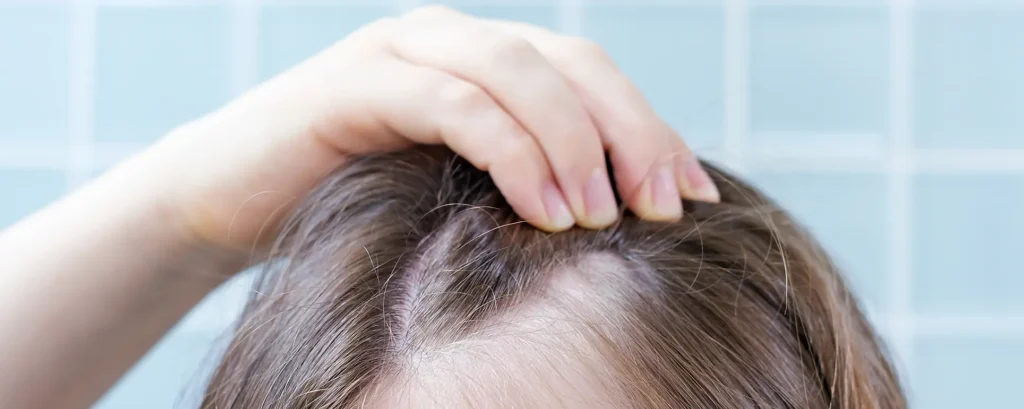
Certain hormonal contraceptives are more commonly linked to hair shedding because of the way they influence androgen activity in the body. Methods that rely solely on progestins or contain progestins with higher androgenic effects are more likely to trigger hair loss in women who are hormonally sensitive.
Progestin-only pills, often called “mini pills”, can contribute to shedding because they lack the balancing effect of oestrogen. Similarly, hormonal IUDs containing levonorgestrel, contraceptive implants, and injectable options such as Depo-Provera may affect hair growth in susceptible individuals, although many women use these methods without any problems.
Some combined oral contraceptive pills can also be associated with hair loss if they contain progestins with a higher androgen index. Combined pills that use low-androgenic or anti-androgenic progestins tend to be more hair-friendly, but even these can cause temporary shedding in some women due to hormonal shifts.
Ultimately, the effect of hormonal contraception on hair varies from person to person. Your individual hormone sensitivity, genetics, and any underlying hair or scalp conditions all play a role in how your hair responds.
Can Stopping Hormonal Contraception Trigger Hair Loss?
Yes. Stopping the pill can cause temporary shedding, especially if you were on a contraceptive that supplied oestrogen. When you discontinue it, your oestrogen levels drop. This sudden decline shortens the hair’s growth phase and pushes hairs into resting mode.
This type of hair loss is usually temporary, but the timing can feel confusing. You might experience significant shedding two to three months after stopping the pill, and it may last several months before improvement begins. This process mirrors postpartum hair loss, which is driven by the same hormonal mechanism.
Is Contraception Hair Loss Permanent?
In most cases, no. Hair loss triggered by hormonal contraception is usually reversible because the underlying cause is a temporary change in hormone levels. Once your body adjusts or you switch to a more suitable contraceptive, shedding typically slows down, and regrowth begins.
However, if you have an underlying predisposition to female pattern hair loss (androgenetic alopecia), hormonal changes may accelerate the condition. In these cases, the shedding reveals an issue that would have appeared eventually, even without contraceptive involvement. A dermatologist can help you determine whether your hair loss is temporary or linked to a genetic tendency.
How Dermatologists Diagnose Contraception-Related Hair Loss
Diagnosis begins with a discussion of your medical history, hormonal changes, contraceptive use, and shedding timeline. Timing is extremely important because contraceptive-related hair loss follows predictable patterns.
Your dermatologist may examine your scalp using a dermatoscope to check for signs of miniaturisation or diffuse thinning. Blood tests may be recommended to check ferritin, thyroid function, vitamin D, and other markers that influence hair growth.
If your pattern of loss and your history align with contraception changes, diagnosis becomes clearer. Dermatologists often see this pattern in women starting or stopping hormonal methods, and they understand how to differentiate it from other alopecia types.
For more guidance on how dermatologists approach this condition, it can be helpful to read resources about available options for Alopecia treatment in London, which outline the diagnostic process and treatment strategies for different types of hair loss.
How Dermatologists Treat Hormonal Contraception-Related Alopecia
Dermatologists treat contraception-related hair loss based on the underlying cause and whether the shedding is temporary or linked to androgen sensitivity. The first step is identifying the pattern of hair loss and any contributing factors, such as recent hormonal changes or nutritional deficiencies.
If the diagnosis is telogen effluvium, treatment focuses on stabilising shedding and supporting natural regrowth. This may involve improving ferritin levels, providing nutritional support, advising on gentle haircare routines, managing stress, and using scalp treatments that encourage healthy growth.
When androgen sensitivity is involved, treatment is usually more targeted. Options may include topical minoxidil, anti-androgen medications where medically appropriate, switching to a contraceptive pill with anti-androgenic properties, PRP therapy, or low-level laser therapy.
Treatment plans are always tailored to the individual. Dermatologists take your hormone balance, medical history, and long-term hair health into account to ensure the safest and most effective approach.
Why Genetic Sensitivity Matters
Your genetics play a major role in how your hair responds to hormonal changes. If you have a family history of female pattern hair loss, you may be more sensitive to androgens. Even normal levels of androgens can affect your follicles if you have this predisposition.
This is why some women experience hair loss on certain pills while others do not. It’s not simply a matter of high or low hormones it’s about how your hair follicles interpret them. Understanding your sensitivity helps you make better decisions about contraception and hair loss prevention.
How Long Does It Take for Hair to Recover?
Recovery depends on the type of hair loss and your individual response. Telogen effluvium usually resolves within six months after hormones stabilise. However, because hair grows slowly, it may take nine to twelve months before you fully regain density.
If androgen sensitivity is involved, treatment may take longer because the follicles need support to regain strength. Dermatologists monitor progress and adjust treatment plans as needed.
The important thing is to remain patient. Hair cycles cannot be rushed, but with the right treatment, they can return to a healthier rhythm.
What to Do If You Suspect Your Contraceptive Is Causing Hair Loss
If you think your contraception may be contributing to hair loss, try not to panic. This is a common concern, and in most cases it can be managed effectively with the right approach.
Here’s what you can do:
Track your shedding: Pay attention to when the hair loss started and whether it is getting better or worse. Keeping a simple record can help identify patterns and triggers.
Note any recent contraceptive changes: Hair shedding often begins two to four months after starting, stopping, or changing contraception. Linking timing to changes is an important diagnostic clue.
Arrange blood testing: Blood tests can check ferritin, thyroid function, and hormone levels. This helps rule out other common causes of hair loss that may occur alongside contraceptive use.
Consult a dermatologist for diagnosis: A dermatologist can determine whether the hair loss is hormonal, nutritional, or genetic. Accurate diagnosis prevents unnecessary treatments and delays.
Consider switching to a lower-androgen index contraceptive: Some contraceptives are more likely to trigger hair shedding due to their androgenic activity. Switching to a lower-androgen option may reduce ongoing hair loss.
Follow a structured treatment plan: Treatment may include supplements, topical therapies, or prescription medications. A consistent plan supports recovery and stabilises the hair cycle.
Avoid stopping contraception abruptly without medical advice: Suddenly stopping hormonal contraception can worsen hormonal imbalance and increase shedding. Medical guidance ensures changes are made safely and gradually.
Stopping or switching contraception on your own can sometimes make hair loss worse rather than better. Professional support helps you make informed decisions and protect your long-term hair health.
Alternatives to Consider if You’re Sensitive to Hormonal Contraception
If you’re sensitive to hormonal contraception and notice ongoing hair shedding, it may be worth considering alternative options. These can include non-hormonal IUDs, barrier methods, fertility awareness approaches, or combined pills that use anti-androgenic progestins.
A clinician can help you weigh the benefits and drawbacks of each option based on your medical history, lifestyle, and hair concerns. The aim is to find effective contraception that suits you while minimising triggers for hair loss.
The Emotional Impact of Hormonal Hair Loss
Hormonal hair loss can feel deeply upsetting because it often happens quickly and unexpectedly. Many women blame themselves or feel embarrassed, even though this reaction is entirely normal. It’s important to remember that your hair responds to internal changes outside your control.
Understanding the cause can ease the emotional burden. Knowing that contraceptive-related hair loss is usually temporary and treatable can bring relief, especially once you start a plan with a dermatologist.
Talking to a professional helps you feel less alone and more empowered. Hair loss touches your identity, but it doesn’t define you.
FAQs:
1. Can hormonal contraception really cause hair loss?
Yes, hormonal contraception can contribute to hair loss in some women, particularly if they are sensitive to hormonal changes. Starting, stopping, or switching contraceptives can disrupt the normal balance between oestrogen and androgens, which may push hair follicles into a shedding phase. This does not happen to everyone, but for those who are hormonally sensitive, the effect can be noticeable.
2. How soon after starting the pill can hair loss begin?
Hair loss usually does not start immediately. Most women notice increased shedding two to three months after starting, stopping, or changing hormonal contraception. This delay occurs because hair follicles respond slowly to hormonal shifts and follow a natural growth cycle.
3. Is hair loss after stopping the pill common?
Yes, hair loss after stopping the pill is quite common and is often linked to a sudden drop in oestrogen levels. This type of shedding resembles postpartum hair loss and is usually temporary. As hormone levels stabilise, the hair cycle typically returns to normal over time.
4. Are certain contraceptive pills worse for hair than others?
Some pills are more likely to affect hair than others, particularly those containing progestins with higher androgenic activity. Women who are genetically sensitive to androgens may notice more shedding with these formulations, while pills containing low-androgenic or anti-androgenic progestins are generally more hair-friendly.
5. Can hormonal contraception make genetic hair loss worse?
Hormonal contraception does not cause genetic hair loss, but it can accelerate or unmask it in women who are already predisposed. In these cases, the hormonal change reveals thinning that might have developed later in life regardless. A dermatologist can help distinguish between temporary shedding and underlying androgenetic alopecia.
6. Is contraception-related hair loss permanent?
In most cases, no. Hair loss linked to hormonal contraception is usually temporary and improves once hormones stabilise or the contraceptive method is adjusted. Permanent thinning is more likely when an underlying genetic condition is present, which is why professional assessment is important.
7. Should I stop my contraception if I notice hair shedding?
You should not stop hormonal contraception abruptly without medical advice. Sudden changes can worsen hormonal imbalance and increase shedding. It is safer to consult a dermatologist or GP, who can help determine whether switching methods or adjusting treatment is appropriate.
8. What tests are needed if hair loss starts after contraception changes?
Dermatologists often recommend blood tests to check ferritin levels, thyroid function, vitamin D, and other markers that influence hair growth. These tests help rule out nutritional or medical causes that may coexist with hormonal shedding and guide a more targeted treatment plan.
9. How long does it take for hair to recover after hormonal shedding?
Shedding usually begins to slow within a few months once hormones stabilise, but visible regrowth takes longer. Many women notice early regrowth after four to six months, with fuller recovery taking up to nine to twelve months, depending on individual factors.
10. Can treatment help speed up recovery from contraception-related hair loss?
Yes, treatment can support recovery by stabilising the hair cycle and strengthening follicles. Dermatologists may recommend nutritional optimisation, topical treatments such as minoxidil, or other therapies depending on whether the hair loss is purely hormonal or involves androgen sensitivity. Early intervention often leads to better outcomes.
Final Thought: When Contraception Triggers Hair Shedding
Hair loss linked to hormonal contraception can feel frightening, particularly when it appears suddenly and without warning. The good news is that in most cases, this type of shedding is temporary and related to predictable hormonal shifts rather than permanent damage to the hair follicles. Understanding how oestrogen, progestins, and androgen sensitivity interact with the hair cycle can help you make sense of what’s happening and avoid unnecessary panic.
If you’re considering options for professional alopecia treatment in London, contact us at London Dermatology Centre to book a consultation with one of our specialists, who can assess your hair loss, identify the underlying cause, and guide you towards the most appropriate treatment for long-term hair health.
References:
1. Orbach, H. and Flaumenhaft, Y. (2018) Alopecia due to high androgen index contraceptives: clinical insights and management, Journal of Drugs in Dermatology. https://pubmed.ncbi.nlm.nih.gov/29979329/
2. Han, J.H., Kim, Y.C. and Park, S.H. (1988) The effect of an oral contraceptive containing ethinylestradiol and desogestrel on hair growth and hormonal parameters, Journal of Clinical Endocrinology & Metabolism. https://pubmed.ncbi.nlm.nih.gov/2880770/
3. Grymowicz, M., Rudnicka, L., Klimczak, A. et al. (2020) Hormonal effects on hair follicles: understanding mechanisms and clinical relevance, International Journal of Molecular Sciences, 21(15), 5342. https://www.mdpi.com/1422-0067/21/15/5342
4. Assessing the role of sex hormones in disease development, Journal of Personalized Medicine, 14(1), 72. https://www.mdpi.com/2075-4426/14/1/72
5. Owecka, B., Tomaszewska, A., Dobrzeniecki, K. and Owecki, M. (2024) The hormonal background of hair loss in non-scarring alopecias. https://pmc.ncbi.nlm.nih.gov/articles/PMC10968111/