


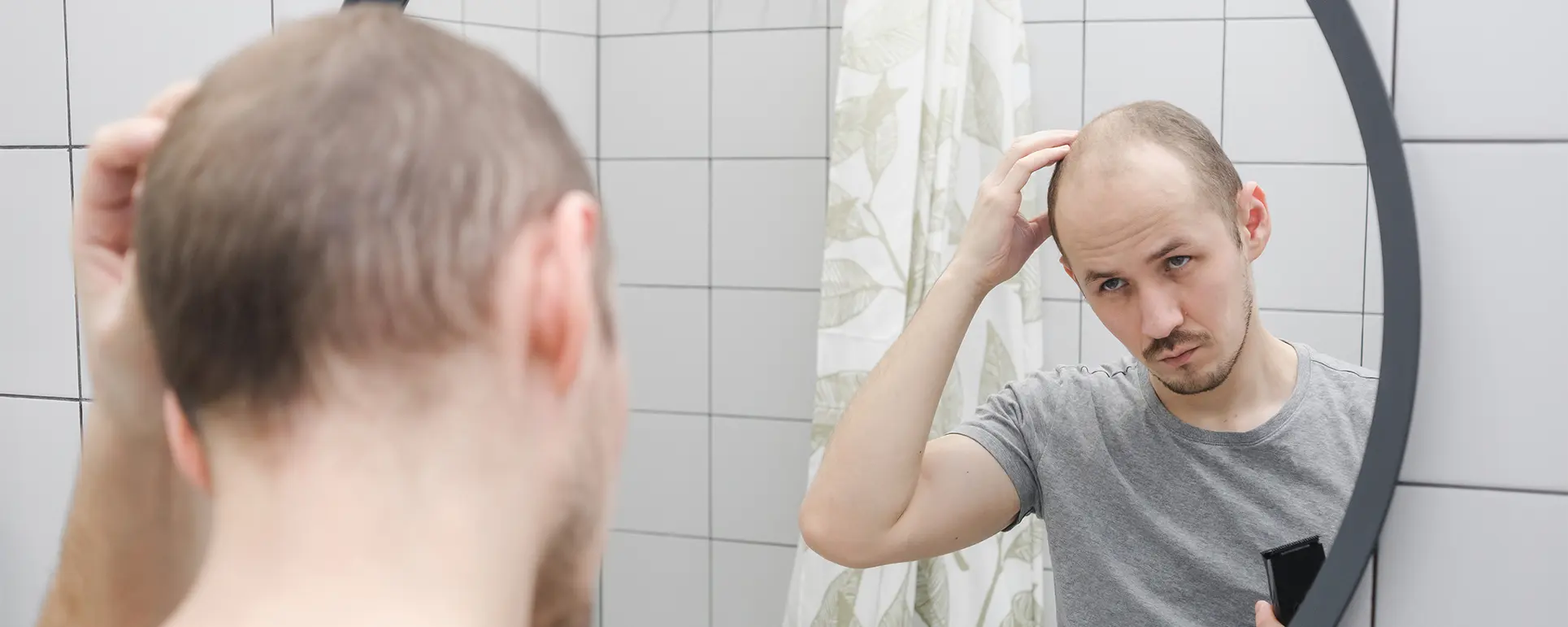
Hair loss is one of those issues that can feel both deeply personal and frustratingly confusing. You might notice your hair gradually thinning, shedding more in the shower, or feeling less full than it used to be. For many people, especially women, these changes happen silently over months or even years. When you finally reach the point where the loss becomes noticeable, it’s completely natural to worry. You may ask yourself whether it’s stress, hormones, genetics, styling habits, or something entirely different.
Iron deficiency is one of the most common nutritional problems worldwide. What surprises many people is how often it shows up as hair loss rather than the classic symptoms of tiredness or weakness. Ferritin is the body’s iron storage protein, and it plays a crucial role in maintaining a healthy hair growth cycle. When your ferritin levels fall too low, your body begins to prioritise essential functions over non-essential ones like hair production.
Understanding Ferritin: Your Body’s Iron Storage Indicator
Many people assume that iron levels alone tell the full story, but ferritin is actually a more important marker when it comes to hair health. Ferritin is a protein that stores iron inside your cells and releases it when needed. You can think of it like your body’s iron reservoir. The higher your ferritin levels, the more iron your body has readily available for essential functions.
Your body uses iron for many processes, including oxygen transport, energy production, and the immune response. Because these functions are essential to life, they receive priority. Hair growth, on the other hand, is non-essential from a biological perspective. When iron reserves run low, your body redirects the remaining iron to its most vital processes and away from your hair follicles.
You may still feel healthy, active, and energetic even with low ferritin. That’s why hair loss is often one of the first noticeable signs. It is the body’s early warning system telling you that your iron reserves are running thin.
Why Hair Follicles Need Iron to Function Properly
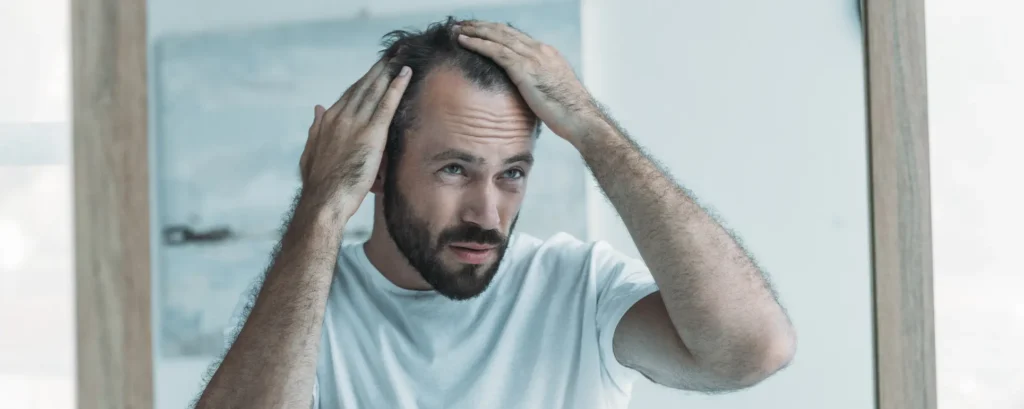
Hair growth is far more complex than most people realise. Each hair follicle operates like a tiny biological factory, constantly working through cycles of growth, rest, and renewal. This process depends on a steady supply of oxygen, nutrients, and cellular energy. Iron plays a central role here because it supports the cells responsible for hair production.
Iron assists with DNA synthesis, which is essential for hair follicles to produce new hair strands. When your ferritin levels drop, the follicle struggles to generate healthy, thick hair. Instead, it may shift into a resting state, where shedding increases and regrowth slows down. This leads to noticeable thinning, particularly in women.
Low ferritin creates a situation where your hair prematurely enters the telogen phase, the resting phase of the cycle. This process is called telogen effluvium, and it is one of the most common forms of diffuse hair shedding. Even mild iron deficiency can trigger it if your hair follicles are sensitive.
Why Women Are More Prone to Iron Deficiency and Related Hair Loss
Although anyone can develop low ferritin, women are significantly more prone to it due to several factors. Monthly menstrual blood loss is one of the biggest contributors. Heavy periods can deplete iron reserves faster than diet alone can replace them. Pregnancy is another major factor because your body prioritises iron for foetal development.
Postpartum hair loss often worsens if your iron stores were already low during pregnancy. Even if you take supplements, ferritin levels can take months to recover. This is why so many women describe experiencing intense shedding in the months after giving birth. In these cases, low ferritin amplifies the hormonal shedding that naturally occurs after pregnancy.
Understanding your iron status can remove a lot of confusion around why your hair is thinning, especially if your scalp and follicles appear healthy in every other way.
How Low Ferritin Affects the Hair Growth Cycle
Low ferritin can significantly affect the hair growth cycle, which consists of three phases: anagen (growth), catagen (transition), and telogen (resting). Ferritin is crucial for maintaining the anagen phase, so when levels are low, hair follicles may prematurely shift into telogen. This leads to increased shedding and fewer hairs actively growing.
Common signs of low ferritin include noticeable hair loss when brushing or washing, a widening parting, reduced ponytail thickness, flat or lifeless hair, visible scalp in bright light, and slow or inconsistent regrowth. Unlike patchy baldness, low ferritin typically causes diffuse thinning across the scalp, which can be mistaken for genetic hair loss.
Once ferritin levels are restored to a healthy range, the hair growth cycle gradually normalises. However, it can take several months for shedding to stabilise and even longer for hair density to fully recover, as hair naturally grows slowly.
Symptoms of Low Ferritin Beyond Hair Loss
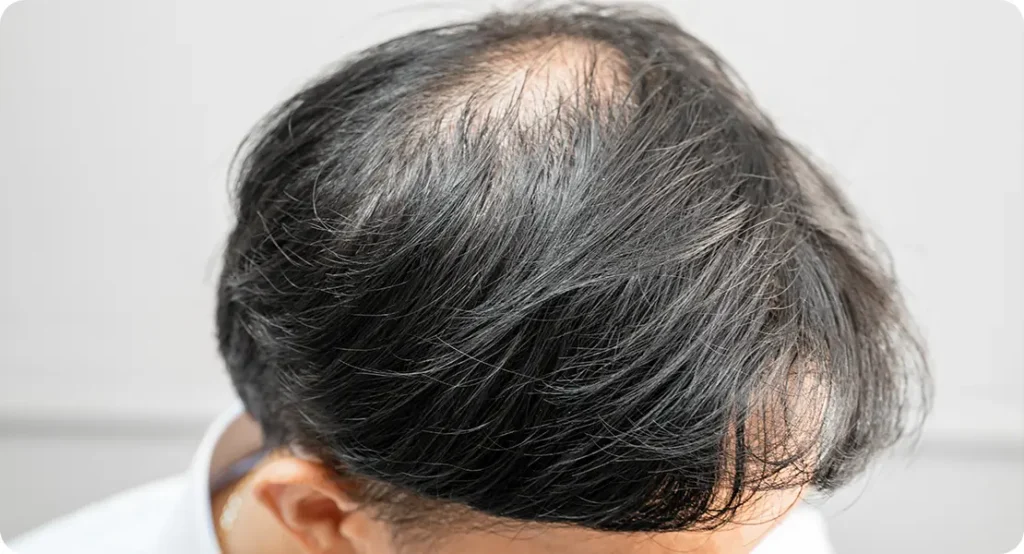
One of the most confusing aspects of iron deficiency is that hair loss can appear long before classic symptoms like fatigue. This happens because ferritin the body’s iron store can become depleted early, while haemoglobin levels remain normal. For many people, hair loss may be the only noticeable sign at first.
Other potential signs of low ferritin include:
- Brittle nails: Nails may become weak, break easily, or develop ridges. This happens because iron is important for healthy nail growth.
- Pale skin: Low ferritin can reduce red blood cell production, making the skin look paler than usual. This may be more noticeable around the face, lips, and inner eyelids.
- Difficulty concentrating: Iron plays a key role in brain function. Low ferritin can lead to brain fog, poor focus, or memory lapses.
- Cold hands and feet: Reduced iron can affect circulation and oxygen delivery, leaving extremities feeling unusually cold.
- Shortness of breath on exertion: Even mild activity can feel more tiring if iron stores are low. This is because iron is essential for oxygen transport in the blood.
- Restless legs: Low ferritin may contribute to restless legs syndrome, causing an uncontrollable urge to move the legs, especially at night.
- Headaches: Iron deficiency can reduce oxygen delivery to the brain, leading to frequent or persistent headaches.
- Heart palpitations: Low iron levels can make your heart work harder to deliver oxygen, sometimes causing a racing or irregular heartbeat.
If you notice hair loss alongside any of these signs, it’s particularly important to have your ferritin levels checked and discuss treatment options with your healthcare provider.
Why Testing Matters: When Should You Have a Ferritin Blood Test?
Testing ferritin is important if you’re experiencing unexplained hair loss, particularly diffuse thinning, as low ferritin is a common and treatable cause. Many dermatologists consider a ferritin blood test one of the first investigations when assessing hair loss in women.
You should consider testing if your hair has been shedding for more than three months, your ponytail has thinned, or you have heavy or irregular periods. Other indications include recent childbirth, following a vegetarian or vegan diet, experiencing fatigue, headaches, or brittle nails, a family history of iron deficiency, significant weight loss or dietary changes, or prolonged stress.
The test is simple, requiring only a standard blood sample, and can be arranged by your dermatologist or GP. Results help identify whether iron deficiency is contributing to hair loss and guide appropriate treatment strategies.
Understanding Ferritin Levels: What Is Normal and What Is “Hair-Healthy”?
One of the confusing aspects of iron deficiency is that “normal” ferritin levels can vary widely between laboratories. A typical reference range might suggest that 15 to 200 ng/mL is normal. However, dermatologists and trichologists generally consider ferritin levels below 40–70 ng/mL as insufficient to support healthy hair growth.
This means you could be told your iron levels are “normal” even when they are too low to maintain strong, healthy hair.
Dermatologists often interpret ferritin levels specifically for hair health:
- Below 30 ng/mL: Highly likely to contribute to hair loss
At this level, iron stores are critically low, making it difficult for hair follicles to function properly. Hair shedding or thinning is very common. - 30–50 ng/mL: Borderline for healthy hair
Ferritin in this range may be just enough to support hair growth, but shedding can still occur. Many patients in this range benefit from supplementation. - 50–80 ng/mL: Adequate for most
Most individuals have enough iron to maintain stable hair growth. Hair follicles receive the nutrients they need for strength and density. - 80–100+ ng/mL: Ideal range for hair density and stability
This level is considered optimal for preventing hair shedding and promoting thick, healthy hair. It provides a strong foundation for other hair-restoring treatments.
If your ferritin is below 50 ng/mL and you notice noticeable shedding, iron supplementation may be recommended as part of your treatment plan. While iron alone may not fully reverse hair loss, it provides the essential support your hair follicles need to thrive.
Why Self-Diagnosis Can Be Misleading
It’s tempting to assume your hair loss must be caused by iron deficiency once you read about ferritin. However, hair loss is complicated, and multiple conditions can overlap. Some people have low ferritin but hair loss mainly driven by genetics or hormones. Others have normal ferritin but shedding due to stress or illness.
That’s why blood testing and professional assessment matter so much. Without the right diagnosis, you might take supplements unnecessarily or overlook another contributing cause.
Dermatologists analyse your symptoms, scalp appearance, medical history, and blood results together. This gives you a complete picture instead of guessing based on one factor.
Treating Iron-Deficiency Alopecia: What Works and What Doesn’t
Treating iron-deficiency alopecia starts with correcting the ferritin deficiency. The main approaches include dietary changes, oral iron supplements, and, in some cases, intravenous (IV) iron infusions. Most people respond well to oral supplements, but it’s important to follow professional guidance on the correct dose, formulation, and duration. Taking too much iron can lead to digestive issues or, in rare cases, toxicity, so dermatologists usually recommend personalised dosing based on your blood results.
Treatment progresses in stages. First, ferritin levels stabilise, typically within 4–8 weeks. Next, hair shedding begins to slow, usually after two to three months. Regrowth often becomes noticeable around four to six months, with full density improvements taking nine to twelve months or longer. Because hair grows slowly, patience is essential for seeing the full benefits of treatment.
Why Diet Alone Is Often Not Enough
Even if you eat a balanced diet, iron deficiency can still develop. Vegetarians and vegans may struggle because plant-based iron (non-haem iron) is less easily absorbed. Even people who eat meat may not consume enough iron-rich foods to replenish low ferritin levels caused by heavy periods or pregnancy. Diet can support iron levels, but it rarely restores ferritin on its own unless the deficiency is mild. This is why supplementation is often recommended once low ferritin has been confirmed.
Other Conditions That Mimic Iron-Related Alopecia
Not all hair shedding is due to low ferritin several other conditions can mimic iron-related alopecia. These include thyroid disorders, chronic stress, post-viral shedding, hormonal fluctuations, genetic female pattern hair loss, autoimmune alopecia, and other nutritional deficiencies such as zinc, vitamin D, or B12.
Because these causes can overlap, blood testing is essential to identify the true underlying factor. Treating iron deficiency alone will not resolve hair loss if another condition is contributing, so a comprehensive assessment is key to effective management.
How Dermatologists Treat Iron Deficiency Safely
Seeing a dermatologist ensures that iron deficiency is treated safely and effectively through a structured plan. This typically includes prescribing the correct supplement dosage, monitoring ferritin levels, advising on optimal absorption, managing side effects, and addressing any other factors contributing to hair loss.
Dermatologists also consider coexisting hair loss conditions. Even once ferritin levels improve, you may still benefit from topical treatments such as minoxidil or PRP therapy, depending on your diagnosis. By taking a holistic approach, dermatologists treat the whole picture rather than focusing on iron deficiency alone.
How Long Until You See Results?
Recovery from iron deficiency can feel slow because hair growth follows natural cycles that span months rather than weeks. Patience and consistency are key to seeing meaningful improvements.
Most people notice:
- Less shedding after three to four months: Hair fall usually begins to slow once ferritin stores are replenished. This is often the first visible sign that treatment is working.
- Early regrowth after four to six months: Fine, new hairs may start appearing at the scalp. This early regrowth indicates that hair follicles are becoming active again.
- Noticeable volume improvement after nine to twelve months: It can take up to a year to see significant thickening and density. Full restoration depends on the duration and severity of the deficiency.
If you have experienced a chronic iron deficiency, recovery may take longer. The most important thing is to stay consistent with your treatment and not stop supplements too early, even if initial improvements are encouraging.
The Emotional Impact of Iron-Related Hair Loss
It’s impossible to talk about alopecia without acknowledging the emotional side. Hair is part of your identity, and losing it can make you feel anxious, self-conscious, or overwhelmed. Many people blame themselves for the loss, even when it’s caused by something completely outside their control.
Understanding the cause often brings relief. When you learn that low ferritin is reversible and treatable, the uncertainty begins to fade. You feel empowered with knowledge, and that empowerment is an important part of healing.
FAQs:
1. What is ferritin, and why is it important for hair growth?
Ferritin is a protein that stores iron within the body and releases it when needed. It acts as a reserve of iron, supporting vital functions such as oxygen transport, energy production, and immune system health. Hair growth is considered non-essential by the body, so when ferritin levels are low, the follicles receive less iron, which can slow the hair growth cycle, increase shedding, and lead to noticeable thinning over time.
2. Can low ferritin cause hair loss even if my blood iron levels are normal?
Yes, it can. Blood iron levels, including haemoglobin, may remain within normal ranges even when ferritin is depleted. Since ferritin reflects stored iron, a low ferritin level can signal that your body lacks sufficient reserves to support hair follicles, making hair loss one of the earliest signs of iron deficiency, even before fatigue or other systemic symptoms appear.
3. Who is most at risk of developing iron-related hair loss?
Women are particularly vulnerable due to factors such as menstrual blood loss, pregnancy, and postpartum recovery, all of which can deplete iron stores more quickly. People following vegetarian or vegan diets, those with digestive absorption issues, or anyone with prolonged stress or poor nutrition may also be at higher risk. While men can develop low ferritin, it is generally less common unless there is chronic blood loss or dietary insufficiency.
4. What ferritin levels are considered low for hair health?
For hair growth, dermatologists often consider ferritin levels below 40–70 ng/mL insufficient. Levels below 30 ng/mL are highly likely to contribute to hair loss, while 30–50 ng/mL may be borderline, and 50–80 ng/mL is typically adequate for most individuals. Optimal hair density and growth are usually supported when ferritin is above 80 ng/mL, although individual responses may vary.
5. How is iron-related hair loss diagnosed?
Diagnosis begins with a thorough clinical assessment by a dermatologist, including evaluation of hair patterns, scalp health, and medical history. A ferritin blood test is the key investigation, sometimes accompanied by other tests for iron levels, haemoglobin, and nutritional deficiencies. This ensures hair loss is attributed correctly to iron deficiency rather than other causes such as thyroid disorders, hormonal imbalances, or genetic factors.
6. Can iron supplements reverse hair loss caused by low ferritin?
Iron supplementation can help slow hair shedding and promote regrowth once ferritin levels are restored. Oral supplements are commonly used under medical supervision, and in some cases, intravenous iron may be required. While supplementation addresses the underlying deficiency, hair regrowth follows natural cycles, so visible improvements may take several months and require consistent adherence to the treatment plan.
7. Are there risks associated with taking iron supplements?
Yes, excessive iron intake can lead to digestive discomfort, nausea, constipation, or in rare cases, toxicity. It is important to follow a dermatologist’s guidance regarding the correct dosage, formulation, and duration of supplementation. Testing and monitoring ferritin levels help ensure that iron stores are replenished safely without causing adverse effects.
8. Can diet alone correct low ferritin?
Diet can support iron levels, but it is often insufficient to restore ferritin if the deficiency is significant. Non-haem iron from plant sources is less efficiently absorbed than haem iron from animal sources. Therefore, while a balanced diet rich in iron can help maintain levels, supplementation is usually necessary when ferritin is low to achieve the concentrations needed for healthy hair growth.
9. How long does it take to see results after correcting ferritin deficiency?
Improvement in hair shedding may begin after three to four months of treatment. Early regrowth can be noticeable within four to six months, while full restoration of hair density may take nine to twelve months or longer, depending on the severity and duration of the deficiency. Patience is essential because hair naturally grows slowly, and consistent treatment is required to see significant improvements.
10. Can other factors affect hair regrowth even after ferritin is normalised?
Yes. Hair loss can be influenced by hormonal imbalances, genetic predisposition, autoimmune conditions, stress, and other nutritional deficiencies such as zinc, vitamin D, or B12. Even after ferritin levels are restored, some patients may benefit from additional treatments such as topical minoxidil or PRP therapy. Dermatologists adopt a holistic approach to address all contributing factors for optimal results.
Final Thought: Seeking Expert Advice for Hair and Eye Health
Low ferritin is a common but often overlooked cause of hair loss, particularly among women. Understanding your iron status and identifying deficiencies early can make a significant difference in preventing prolonged shedding and supporting healthy hair regrowth. While ferritin supplementation and dietary adjustments are key steps, addressing any additional contributing factors is equally important for optimal results. If you have concerns about hair thinning or want personalised guidance, a professional assessment is the best way to determine the underlying cause. If you’re considering alopecia treatment in London, you can get in touch with us at London Dermatology Centre to arrange a consultation.
References:
1. Kantor, J., Kessler, L., Brooks, D. and Cotsarelis, G. (2003) Decreased serum ferritin is associated with alopecia in women, Journal of Investigative Dermatology, 121(5), pp.985–988. https://pubmed.ncbi.nlm.nih.gov/14708596/
2. Deloche, C. et al. (2021) Iron Deficiency and Nonscarring Alopecia in Women: Systematic Review and Meta‑Analysis, Skin Appendage Disorders. https://pubmed.ncbi.nlm.nih.gov/35415182/
3. Tajima, M. et al. (2023) Quantitative Analysis of Selected Circulating Hematological Biomarkers in Females Affected by Hair Loss, Journal of Clinical Medicine, 13(11), 352. https://www.mdpi.com/2079-9721/13/11/352
4. West, C.E. (2006) The diagnosis and treatment of iron deficiency and its potential relationship to hair loss, Journal of the American Academy of Dermatology, 54(5), pp. https://www.sciencedirect.com/science/article/pii/S0190962205047456
5. Olsen, E.A. et al. (2010) Iron deficiency and diffuse nonscarring scalp alopecia in women: More pieces to the puzzle, Journal of the American Academy of Dermatology, 63(6), pp. 1070–1076. https://www.sciencedirect.com/science/article/pii/S0190962209022452