



Being told you might need a scalp biopsy can feel unsettling. Many people immediately imagine something painful, invasive, or frightening, especially when hair loss is already causing anxiety. It’s completely normal to worry about what the procedure involves and what the results might reveal.
In reality, a scalp biopsy is one of the most valuable diagnostic tools in dermatology. It often provides clarity when hair loss patterns are confusing, overlapping, or progressing faster than expected. Rather than being something to fear, a biopsy is usually the step that allows your dermatologist to move from uncertainty to a clear, targeted treatment plan.
In this guide, I’ll explain exactly when a scalp biopsy is recommended, how the procedure is performed, what different results actually mean, and how those findings shape treatment decisions. My aim is to help you feel informed, reassured, and confident if a biopsy is part of your alopecia assessment.
Why Diagnosing Alopecia Can Be More Complex Than It Looks
Hair loss is not a single condition. Alopecia is an umbrella term that includes many different disorders, each with distinct causes, patterns, and treatment needs.
1. Multiple Conditions, One Symptom – Different forms of alopecia can all present as thinning or shedding hair. Without careful assessment, these conditions can be easily mistaken for one another.
2. Similar Early-Stage Appearance – In the early stages, several types of hair loss look almost identical on the scalp. Redness, scaling, or patchy thinning may not clearly indicate the underlying cause.
3. Overlapping Hair Loss Processes – In some patients, more than one type of alopecia may occur at the same time. For example, hormonal hair loss can coexist with inflammatory or scarring conditions, complicating diagnosis.
4. Limits of Visual Examination Alone – Relying only on how the scalp looks can lead to uncertainty or misdiagnosis in complex cases. This increases the risk of choosing an ineffective or inappropriate treatment.
5. When a Biopsy Becomes Essential – If the diagnosis remains unclear, a scalp biopsy can provide definitive information about inflammation, scarring, and follicle health. This allows treatment to be targeted accurately and reduces the risk of worsening the condition.
What a Scalp Biopsy Actually Is
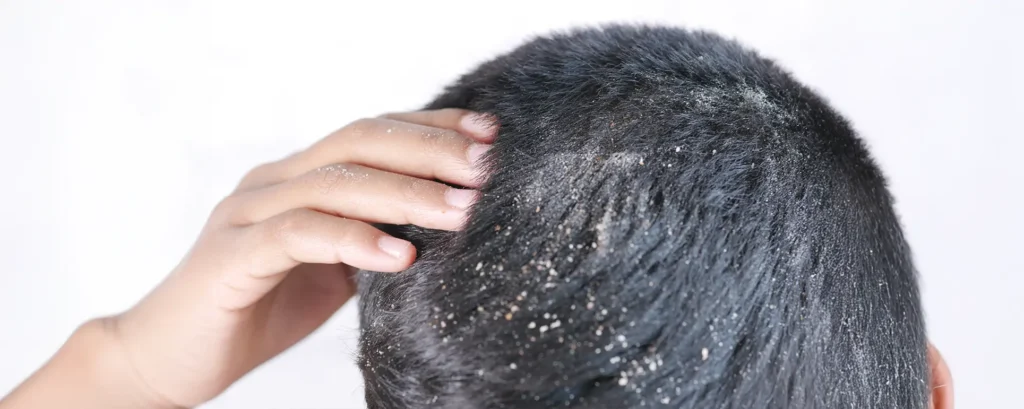
A scalp biopsy is a minor medical procedure where a very small piece of scalp skin, including hair follicles, is removed for testing. The sample is usually only a few millimetres wide and is taken under local anaesthetic.
The tissue is examined under a microscope by a dermatopathologist. This analysis shows what is happening deep within the hair follicles, helping identify the exact cause of hair loss rather than just surface changes. A scalp biopsy does not cause visible thinning. The area typically heals well, and scarring is minimal, making it a safe and informative diagnostic tool.
When Dermatologists Recommend a Scalp Biopsy
A scalp biopsy is not required for every case of hair loss. Many types of alopecia can be confidently diagnosed through clinical examination alone. However, dermatologists may recommend a biopsy when clarity is still lacking after initial evaluation. This is typically advised in situations such as:
- Unclear diagnosis – When physical examination, medical history, and blood tests do not fully explain the pattern or cause of hair loss.
- Progressive or worsening hair loss – When hair loss continues to advance despite observation or initial management.
- Atypical presentation – When symptoms or patterns do not match common forms of alopecia, raising concern for less obvious conditions.
- Poor response to treatment – When expected improvement does not occur, suggesting an alternative or overlapping diagnosis.
In these cases, a biopsy provides valuable microscopic insight that helps guide accurate diagnosis and appropriate treatment.
Suspected Scarring Alopecia
One of the key reasons for performing a scalp biopsy is to rule out or confirm scarring alopecia. These conditions cause permanent damage to hair follicles, so early diagnosis is critical to prevent irreversible hair loss.
In the early stages, scarring alopecia can be difficult to recognise. Symptoms may be mild and include slight redness, itching, or tenderness, even before noticeable thinning occurs.
A biopsy provides definitive answers by showing whether hair follicles are being destroyed and replaced with scar tissue. This confirmation allows timely treatment to slow or stop further loss.
Unclear Hair Loss Patterns
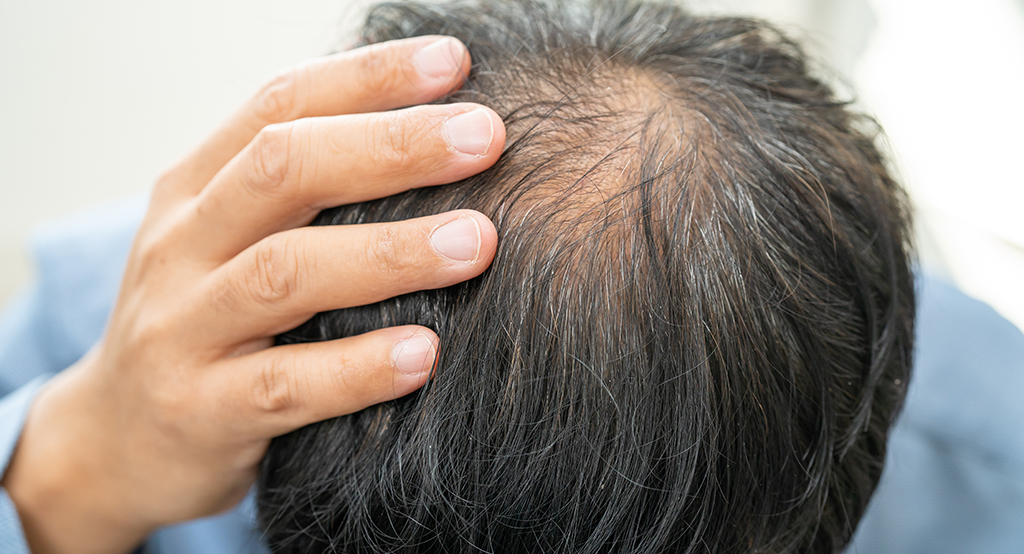
Not all hair loss follows a predictable or classic pattern. In some cases, thinning may appear patchy, uneven, or asymmetrical, making diagnosis more challenging. Additional symptoms such as scalp discomfort, redness, or rapid progression can further blur the picture.
- Hair loss may not match typical female pattern, alopecia areata, or telogen effluvium presentations
- Patchy or asymmetrical thinning can suggest inflammatory or autoimmune involvement
- Associated symptoms like itching, pain, or scaling raise concern for underlying scalp disease
- A scalp biopsy helps differentiate between hormonal, inflammatory, autoimmune, or mechanical causes
- Accurate diagnosis prevents misclassification and avoids ineffective or potentially harmful treatments
By clarifying the underlying cause, appropriate and targeted treatment can be started early. This improves outcomes and reduces the risk of ongoing or irreversible hair loss.
Hair Loss That Is Not Responding to Treatment
When hair loss fails to improve despite several months of appropriate treatment, a scalp biopsy may be advised to re-evaluate the diagnosis. This is particularly relevant if the initial treatment plan was based on clinical likelihood rather than definitive confirmation.
A biopsy can uncover underlying inflammation, early scarring, fibrosis, or overlapping hair loss conditions that are not visible during routine examination. Identifying these hidden factors helps explain poor treatment response and allows therapy to be adjusted more effectively.
Rapid or Aggressive Hair Loss
Hair loss that progresses quickly is always approached with caution, as it may signal an active or damaging process. Dermatologists are particularly concerned in situations such as:
- Sudden changes in hair density – Rapid widening of partings or noticeable thinning over a short period can indicate aggressive hair loss.
- Visible scalp changes – Redness, scaling, or texture changes alongside hair loss may suggest an inflammatory or scarring condition.
- Areas of complete hair loss – Well-defined patches or expanding bald areas can point to a more severe underlying process.
- Risk of permanent damage – Delaying investigation in fast-moving cases can lead to irreversible follicle loss, making early confirmation critical.
In these scenarios, a biopsy provides essential information to support timely and targeted treatment decisions.
How the Biopsy Procedure Is Performed
A scalp biopsy is often thought to be painful or complex, but it is usually a simple and well-tolerated outpatient procedure.
1. Preparing the Area – The scalp is cleaned thoroughly to reduce the risk of infection. The doctor selects a small area that best represents the pattern of hair loss.
2. Local Anaesthetic Injection – A local anaesthetic is injected into the scalp to completely numb the area. This may cause brief stinging, but it quickly ensures the procedure is pain-free.
3. Removing the Sample – Once the area is numb, a small circular instrument is used to take a tiny skin sample. You should feel pressure rather than pain, and the process only takes a few minutes.
How Long the Procedure Takes
A scalp biopsy is a quick, straightforward procedure that is usually performed in a clinic setting. It is designed to minimise disruption while providing valuable diagnostic information. Most patients find it easier than expected.
- The entire procedure typically takes less than 20 minutes from start to finish
- After the sample is taken, a small stitch may be placed to support healing, though stitches are not always required
- Local anaesthetic is used, so discomfort during the procedure is minimal
- You can return home immediately afterwards without the need for observation
Healing is usually uncomplicated, and aftercare instructions are simple. The information gained from the biopsy often plays a crucial role in guiding accurate diagnosis and effective treatment.
Will It Leave a Scar?
The biopsy site is very small, usually only a few millimetres in size. When performed correctly, scarring is minimal and rarely noticeable once healing is complete. Most patients do not see any obvious mark over time.
Hair typically grows back around the biopsy area as healing occurs. This natural regrowth helps camouflage the site effectively. As a result, it can be difficult to locate the biopsy spot later.
Dermatologists are careful about where the sample is taken. A discreet area of the scalp is chosen whenever possible. This ensures both accurate diagnosis and the best cosmetic outcome.
Aftercare Following a Scalp Biopsy
Recovery after a scalp biopsy is usually straightforward, with minimal disruption to daily activities. Typical aftercare advice includes:
- Keeping the area dry – You may be asked to avoid washing the scalp for a short period and to keep the site dry initially.
- Avoiding strenuous activity – Vigorous exercise is usually discouraged for the first 24 hours to reduce the risk of bleeding.
- Managing mild discomfort – Tenderness or a tight sensation around the biopsy site is normal for a few days and can usually be managed with over-the-counter pain relief.
- Stitch removal – If stitches are placed, they are typically removed after 7 to 10 days during a follow-up appointment.
Following these steps helps ensure proper healing and minimises the risk of complications.
What Happens to the Biopsy Sample
Once the biopsy is taken, the information it provides comes from careful laboratory analysis rather than the procedure itself.
1. Laboratory Processing
The tissue sample is sent to a specialised laboratory where it is preserved and prepared for examination. It is then sliced into very thin sections and stained to highlight different tissue features.
2. Microscopic Examination
A dermatopathologist examines the sections under a microscope to assess hair follicle structure, inflammation, scarring, and how many hairs are in each growth phase. This level of detail cannot be seen with the naked eye.
3. Why This Information Matters
The microscopic findings reveal the exact type and behaviour of hair loss. This is what makes a biopsy such a powerful diagnostic tool and allows treatment to be tailored accurately.
How Long Results Take
Biopsy results usually take about one to three weeks, depending on the laboratory and the complexity of the analysis. Some cases may require additional testing or expert review, which can extend the timeline slightly.
Waiting for results can naturally cause anxiety, especially when you are eager to understand the cause of hair loss. Despite this, the detailed information gained from the biopsy is often very valuable for planning effective treatment.
Once the results are available, your dermatologist will review them thoroughly with you. They will explain what the findings mean for your specific condition and discuss the most appropriate next steps to manage your hair loss.
What a Scalp Biopsy Can Show
A scalp biopsy provides detailed information that cannot be gathered from blood tests or simple visual examination alone. It allows dermatologists to see what is happening at the follicular level, giving a deeper understanding of the hair loss process.
The biopsy can reveal whether hair follicles are intact, inflamed, miniaturised, or permanently destroyed. This information is crucial for distinguishing between different types of hair loss. Understanding the precise state of the follicles fundamentally changes the treatment approach. With these insights, dermatologists can design a targeted plan that addresses the root cause rather than just the symptoms.
Non-Scarring Alopecia Findings
In non-scarring alopecia, hair follicles remain intact, meaning the potential for regrowth is preserved. Biopsy results often reveal changes in the hair cycle, follicle miniaturisation, or increased shedding. These findings help differentiate treatable hair loss from permanent follicle damage.
- Follicles remain structurally intact, allowing for possible regrowth with appropriate treatment
- Miniaturisation of hair shafts is commonly observed in female pattern hair loss
- Altered hair cycles and increased shedding are typical in telogen effluvium
- These conditions are generally reversible with medical, procedural, or supportive interventions
- Understanding the underlying pattern guides dermatologists in creating effective, targeted treatment plans
Early identification of non-scarring alopecia increases the likelihood of stabilising hair loss and improving density. With timely intervention, many patients experience meaningful recovery and improved hair quality.
Scaring Alopecia Findings
Scarring alopecia is a type of hair loss where follicles are permanently damaged. Early detection is key to preventing further hair loss.
1. Follicle Damage or Replacement – In scarring alopecia, hair follicles are destroyed and may be replaced by fibrous (scar) tissue. This means the affected hairs cannot regrow.
2. Inflammatory Cell Presence – Microscopic examination often shows inflammatory cells surrounding the follicles. This indicates ongoing immune activity that may be contributing to follicle destruction.
3. Importance of Early Diagnosis – Treatment focuses on halting progression rather than restoring lost hair. Identifying the condition early allows interventions to protect remaining follicles and prevent further scarring.
Inflammatory Patterns and What They Mean
The type and location of inflammation observed in a scalp biopsy provide important clues about the underlying hair loss condition. Different patterns of inflammation often point to specific diagnoses, helping differentiate between various causes.
For example, certain inflammatory patterns are characteristic of conditions like lichen planopilaris or discoid lupus erythematosus. Recognising these patterns early is essential for effective management.
This detailed information allows dermatologists to tailor treatment precisely to the condition. Targeted therapy improves outcomes and helps prevent further follicle damage or irreversible hair loss.
Why Two Biopsies Are Sometimes Taken
In certain cases, dermatologists may take two biopsy samples from the same area of the scalp. This approach allows different laboratory sectioning techniques to be applied, which can improve diagnostic accuracy and provide a more complete picture of follicle health.
Using two samples helps ensure that subtle changes or overlapping conditions are not missed. It increases the likelihood of identifying the exact cause of hair loss. Although the idea of two biopsies may sound concerning, both samples are very small. The procedure remains minimally invasive, with negligible scarring and quick healing.
How Biopsy Results Guide Treatment Decisions
A scalp biopsy provides critical information that allows dermatologists to tailor treatment strategies to the specific type of hair loss. Understanding whether the alopecia is scarring or non-scarring ensures interventions target the underlying cause rather than just the symptoms.
- For non-scarring alopecia, treatments focus on supporting follicle function, prolonging the growth phase, and reducing shedding
- Scarring alopecia requires anti-inflammatory or immunomodulatory therapies to halt progression and preserve remaining hair
- Biopsy results help determine which medications, procedural treatments, or supportive therapies are most appropriate
- Accurate diagnosis prevents unnecessary or ineffective treatments and optimises outcomes
- Monitoring biopsy findings over time can guide adjustments to the treatment plan for sustained hair health
By clarifying the type and severity of hair loss, biopsy results enable personalised, evidence-based care. This approach maximises the chance of stabilising hair loss, promoting regrowth, and maintaining long-term scalp health.
Avoiding Unnecessary or Harmful Treatments
A scalp biopsy can prevent misdirected or potentially harmful interventions by confirming the exact cause of hair loss. Key points include:
- Targeted treatment – A biopsy ensures that therapies are chosen based on the specific type of alopecia, not assumptions.
- Preventing harm – Using stimulating treatments in conditions like active scarring alopecia can exacerbate inflammation and damage follicles.
- Improved outcomes – Aligning treatment with the underlying disease process increases the likelihood of effective hair restoration.
- Informed decisions – Biopsy results provide clear guidance, helping dermatologists avoid trial-and-error approaches that may delay recovery.
Emotional Impact of Needing a Biopsy
Being recommended a scalp biopsy can understandably cause stress or worry. Important considerations include:
- Heightened anxiety – Patients may feel nervous or concerned that the procedure signals a serious problem.
- Fear of permanence – Many worry that hair loss may be irreversible, adding emotional strain.
- Reassurance through clarity – A biopsy often provides peace of mind by ruling out scarring alopecia or confirming a treatable condition.
- Empowered decision-making – Clear results help patients and dermatologists plan effective management, reducing uncertainty and stress.
Common Myths About Scalp Biopsies
Scalp biopsies are often misunderstood, which can make patients feel anxious about the procedure. In reality, a scalp biopsy is a straightforward and controlled test that provides crucial information for diagnosing hair and scalp conditions. Understanding what is true and what is not can help reduce worry and allow you to make informed decisions about your care.
1. Myth: Biopsies Cause Hair Loss -Some people worry that taking a biopsy will make hair fall out. In reality, the sample is very small, and surrounding hairs are not affected.
2. Myth: Biopsies Spread Disease – There is a fear that a biopsy could transmit infection or disease. When performed under sterile conditions by a trained professional, this is not possible.
3. Fact: Biopsies Are Safe and Controlled – A properly conducted biopsy is a safe, outpatient procedure. Risks are minimal, and the benefits of accurate diagnosis far outweigh these small risks.
When a Biopsy Is Not Necessary
A scalp biopsy is not always required. If hair loss follows a clear pattern, is stable over time, and responds well to treatment, a biopsy may not provide additional useful information. Dermatologists aim to avoid unnecessary procedures, reserving biopsies for cases where the results could directly influence treatment decisions. This helps minimise discomfort and streamline care.
The choice to perform a biopsy is always individualized. Each patient’s situation is assessed carefully to determine whether the procedure will meaningfully impact diagnosis or management.
Why Specialist Expertise Matters
Scalp biopsies require precise technique and careful interpretation to provide meaningful information. The accuracy of the results depends heavily on the expertise of the clinician performing and analyzing the procedure.
- Correct site selection is crucial, as sampling the wrong area can miss active disease or produce misleading results
- Accurate interpretation distinguishes between scarring and non-scarring alopecia, guiding effective treatment
- Misinterpretation may lead to inappropriate therapies, delayed management, or unnecessary interventions
- Clinics with experience in alopecia can integrate biopsy results with clinical findings for a comprehensive assessment
- Specialist oversight ensures patients receive personalised, evidence-based recommendations
Choosing an experienced alopecia clinic ensures that the biopsy informs a targeted treatment plan, maximising the potential for stabilising hair loss and promoting regrowth.
What to Ask Your Dermatologist Before a Biopsy
Before undergoing a scalp biopsy, it’s important to understand why the procedure is recommended. Asking your dermatologist what specific questions the biopsy aims to answer can provide clarity and context.
You should also inquire about how the results might influence your treatment plan. Knowing whether the findings could change your therapy helps set realistic expectations.
Understanding the purpose of the biopsy can reduce anxiety and build trust between you and your dermatologist. Being informed allows you to approach the procedure confidently and make thoughtful decisions about your hair care.
FAQs:
1. What is a scalp biopsy and why is it performed?
A scalp biopsy is a minor medical procedure in which a small piece of scalp skin, including hair follicles, is removed for laboratory analysis. It is performed to gain a definitive understanding of the underlying cause of hair loss when the diagnosis is unclear from clinical examination alone. By examining the sample under a microscope, dermatologists can assess follicle structure, inflammation, scarring, and hair growth patterns.
2. Who typically needs a scalp biopsy?
Not every patient with hair loss requires a scalp biopsy. Dermatologists generally recommend it when the cause of hair thinning is uncertain, hair loss is progressing despite treatment, or symptoms do not match common patterns. Biopsies are particularly important when there is suspicion of scarring alopecia, rapid or aggressive hair loss, or when multiple types of hair loss might be overlapping.
3. How is a scalp biopsy performed?
A scalp biopsy is a quick outpatient procedure carried out under local anaesthetic. The area is first cleaned to prevent infection, and a small amount of anaesthetic is injected to numb the scalp. Once numb, a small circular instrument is used to remove a tiny sample of skin and hair follicles. The procedure usually takes only a few minutes, and patients may feel pressure but little or no pain.
4. Does a scalp biopsy leave a scar?
Scarring from a scalp biopsy is usually minimal because the sample is very small, often only a few millimetres in size. Most patients do not notice any significant mark after healing, and hair often grows back around the site, further camouflaging it. Dermatologists take care to select discreet areas of the scalp to reduce visible impact, and proper aftercare helps ensure smooth recovery.
5. What information can a biopsy provide about hair loss?
A scalp biopsy allows dermatologists to observe the precise condition of hair follicles, including whether they are intact, inflamed, miniaturised, or permanently destroyed. It can distinguish between scarring and non-scarring alopecia and reveal inflammatory patterns that suggest autoimmune or dermatological conditions. This level of detail cannot be obtained through visual examination or blood tests alone.
6. What is the difference between scarring and non-scarring alopecia in biopsy results?
In non-scarring alopecia, the hair follicles remain structurally intact, which means regrowth is possible with appropriate intervention. Biopsy findings in these cases may reveal changes in hair cycles, follicle miniaturisation, or increased shedding patterns. In contrast, scarring alopecia involves permanent damage to follicles, often accompanied by fibrous tissue replacement and inflammation.
7. How long does it take to receive biopsy results?
The results of a scalp biopsy generally take between one and three weeks, depending on the laboratory and the complexity of the case. Some instances may require additional testing or expert review, which can slightly extend the timeframe. Once results are available, dermatologists review the findings with the patient, explaining the underlying cause of hair loss and outlining the recommended treatment strategy.
8. Can a biopsy influence treatment decisions?
Yes, biopsy findings play a crucial role in guiding treatment strategies. For non-scarring alopecia, therapy focuses on supporting follicle function, promoting hair growth, and reducing shedding. Scarring alopecia requires interventions aimed at controlling inflammation and preventing further follicle damage. By confirming the specific type of alopecia, a biopsy prevents unnecessary or potentially harmful treatments and ensures that therapy is aligned with the underlying disease process.
9. Are there risks or complications associated with a scalp biopsy?
When performed by a trained dermatologist, a scalp biopsy is generally safe with minimal risks. Minor discomfort, tenderness, or temporary tightness around the biopsy site is normal for a few days, and stitches, if placed, are typically removed within a week or two. Infection or significant scarring is uncommon when proper sterile techniques are followed.
10. How can patients prepare for a scalp biopsy and cope with the emotional impact?
Patients can prepare by understanding why the biopsy is recommended and what questions it is intended to answer. Discussing expectations with the dermatologist and knowing how results will guide treatment helps reduce anxiety. Emotional responses such as stress, worry about permanence, or fear of pain are common but can be alleviated by clear information and reassurance.
Final Thought: Understanding Your Hair Loss Through a Scalp Biopsy
A scalp biopsy can feel daunting at first, but it is one of the most informative tools for diagnosing complex hair loss. By revealing the exact condition of your hair follicles, inflammation, or scarring, it enables dermatologists to tailor treatment strategies precisely to your needs. Whether the biopsy identifies scarring or non-scarring alopecia, the insights gained help ensure that therapy targets the root cause, maximising the chance of stabilising hair loss and supporting regrowth. If you’re considering alopecia treatment in London, contact us at London Dermatology Centre to book a consultation with one of our specialists.
Reference:
1. Rushton, D.H. & van Neste, D. (2014) Histologic features of alopecias: part II: Scarring alopecias, Journal of the American Academy of Dermatology. https://pubmed.ncbi.nlm.nih.gov/25439143/
2. Whiting, D.A. (2012) Histopathology of scarring and nonscarring hair loss, Dermatologic Clinics. https://pubmed.ncbi.nlm.nih.gov/23159175/
3. Author(s) Unspecified (2017) Diagnostic accuracy measures for vertical and transverse scalp biopsies, Journal of Dermatological Science, Elsevier. https://www.sciencedirect.com/science/article/pii/S1027811717302240
4. Rossi, A., et al. (2023) Alopecias: Practical Tips for the Management of Biopsies and Main Diagnostic Clues, Journal of Clinical Medicine, 12(15), 5004. https://www.mdpi.com/2077-0383/12/15/5004
5. Author(s) Unspecified (2023) The role of the scalp biopsy in the evaluation of alopecia, Journal of the American Academy of Dermatology, Elsevier. https://www.sciencedirect.com/science/article/pii/S0190962223009866